
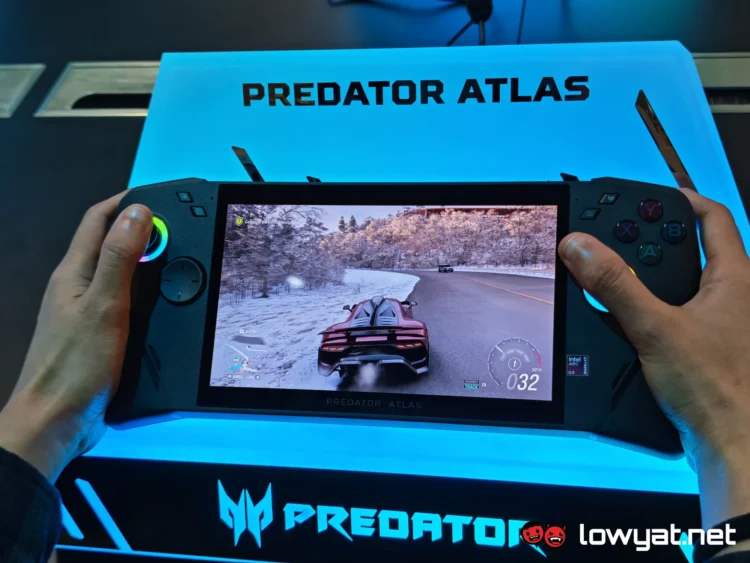
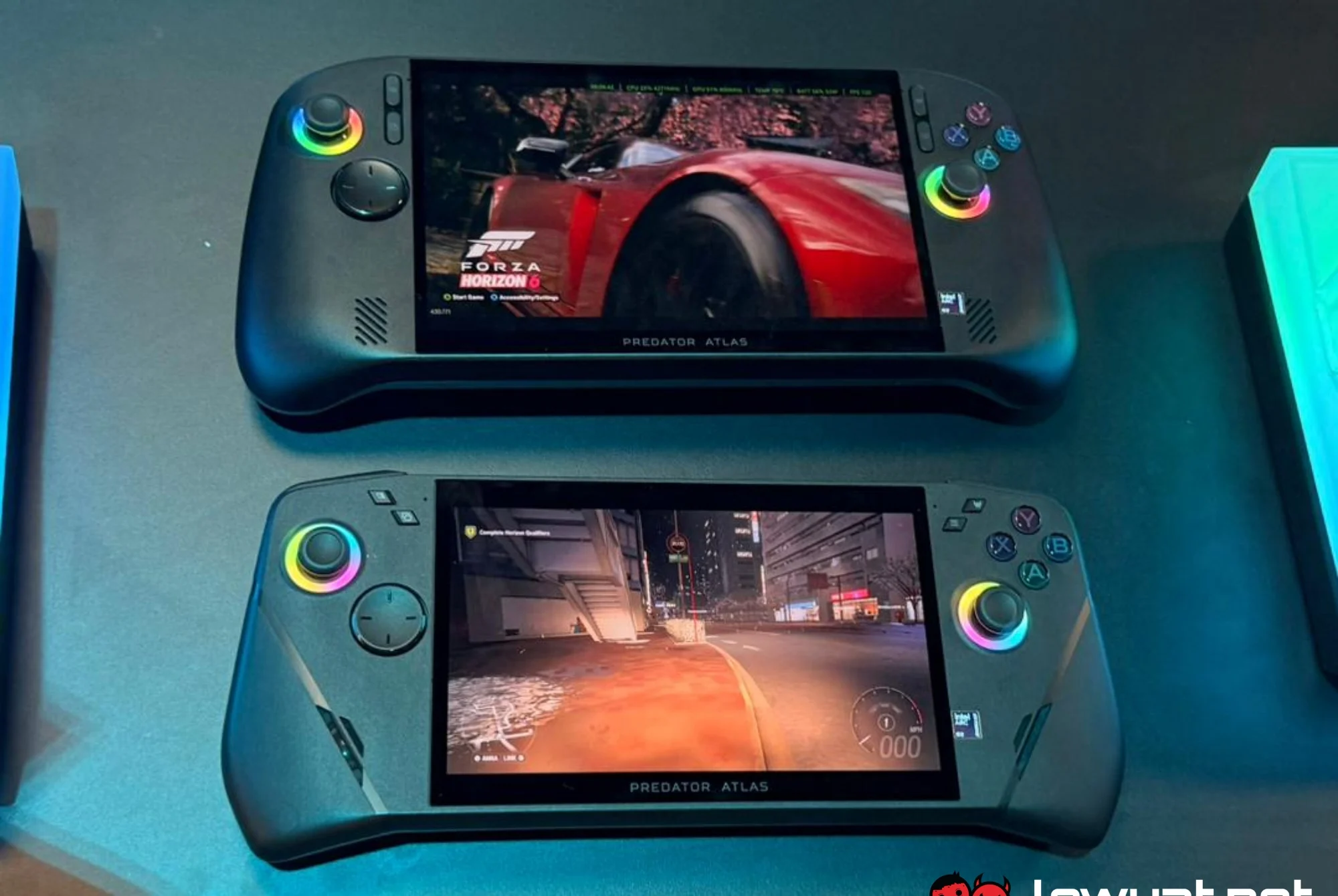
While the Project DualPlay Mini hybrid console concept may be one of the more intriguing reveals at IFA 2026, it was not the only gaming-related announcement there. Acer also unveiled the Predator Atlas 7, which is a more compact version of the Predator Atlas 8. On paper, the new model is more or less identical to its bigger sibling, with the design being the main distinction. In practice, the size makes for a different experience altogether.
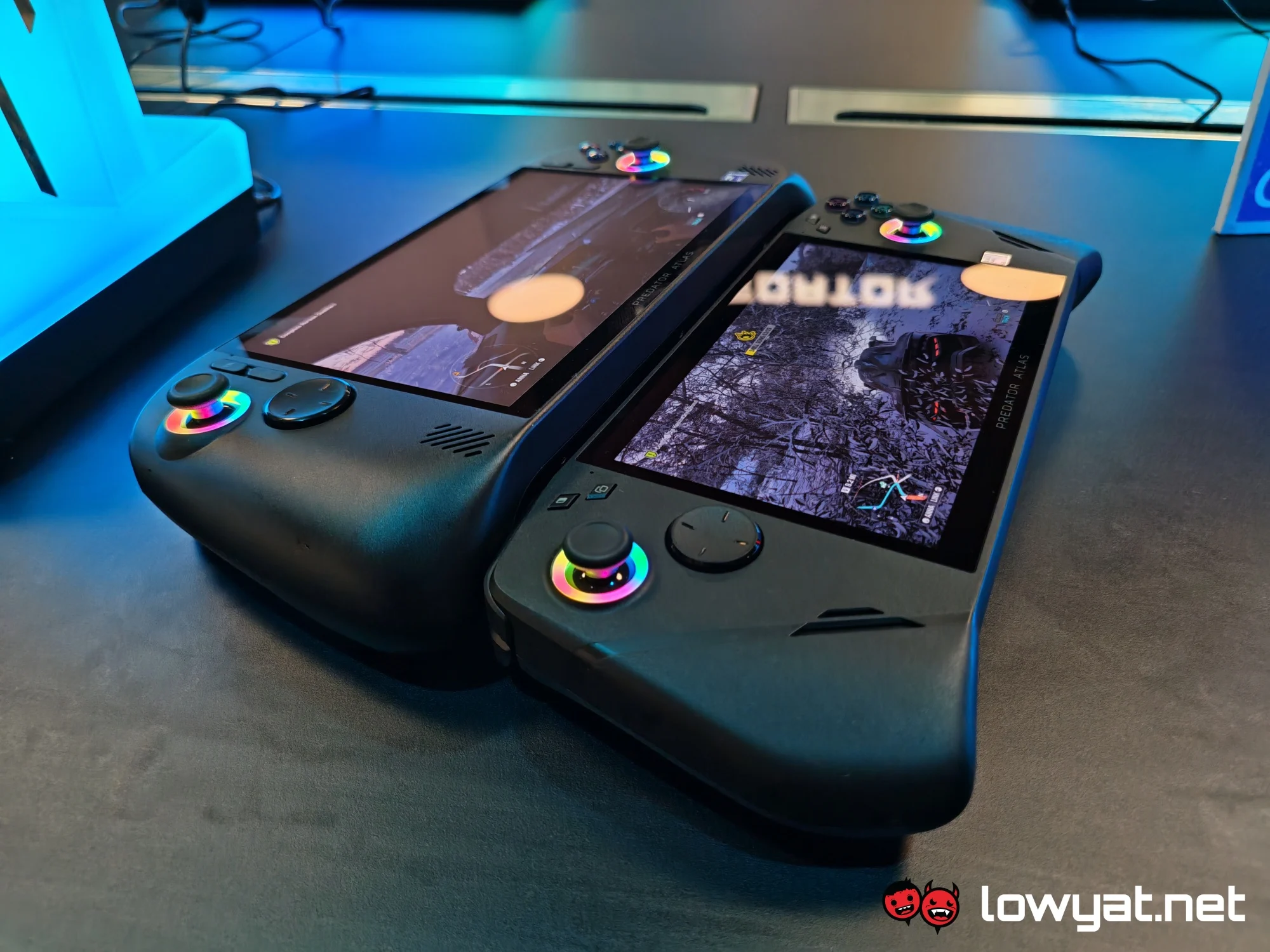
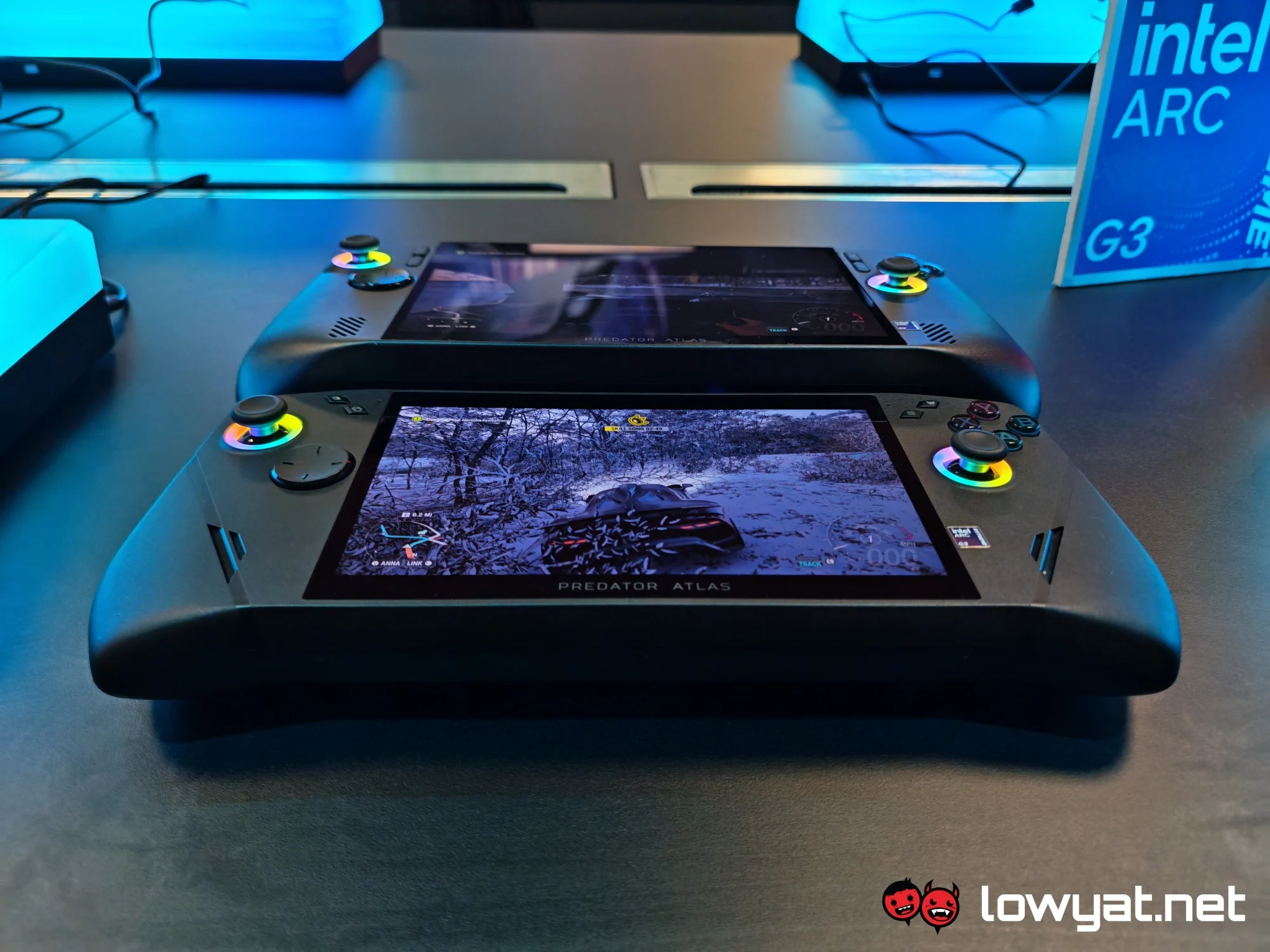
At a glance, the Atlas 7 isn’t quite the Atlas 8’s twin. Of course, it’s noticeably smaller, but that’s not where the visual changes end. The Atlas 7 sports a slightly boxier frame, making it look more like the Nitro Blaze Link. But while it may appear a touch more angular, the grips are slightly more contoured at the back, allowing the device to mould better to your hands. The texture here is also a bit more pronounced. Again, all the better for keeping it in your hands.
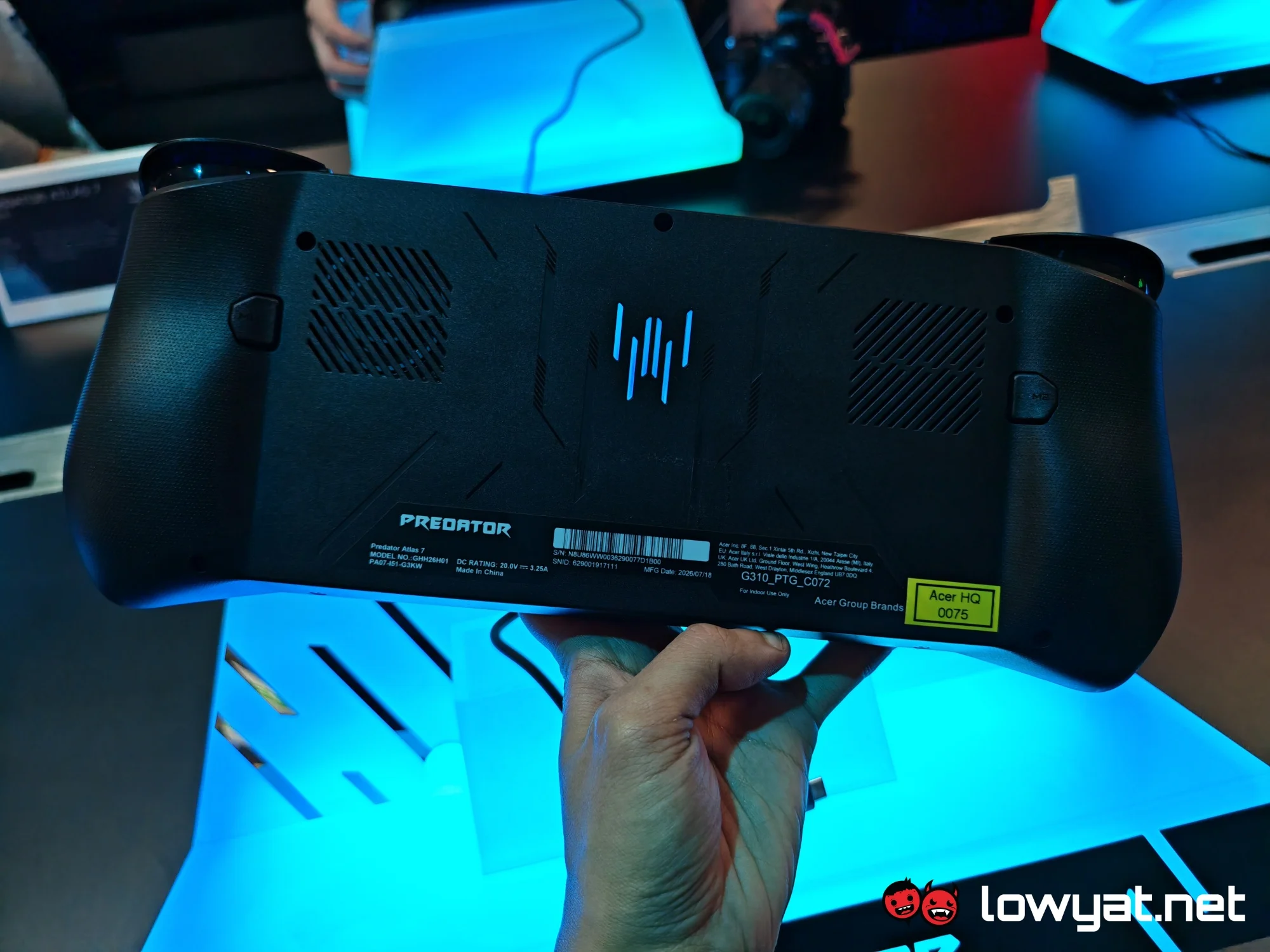
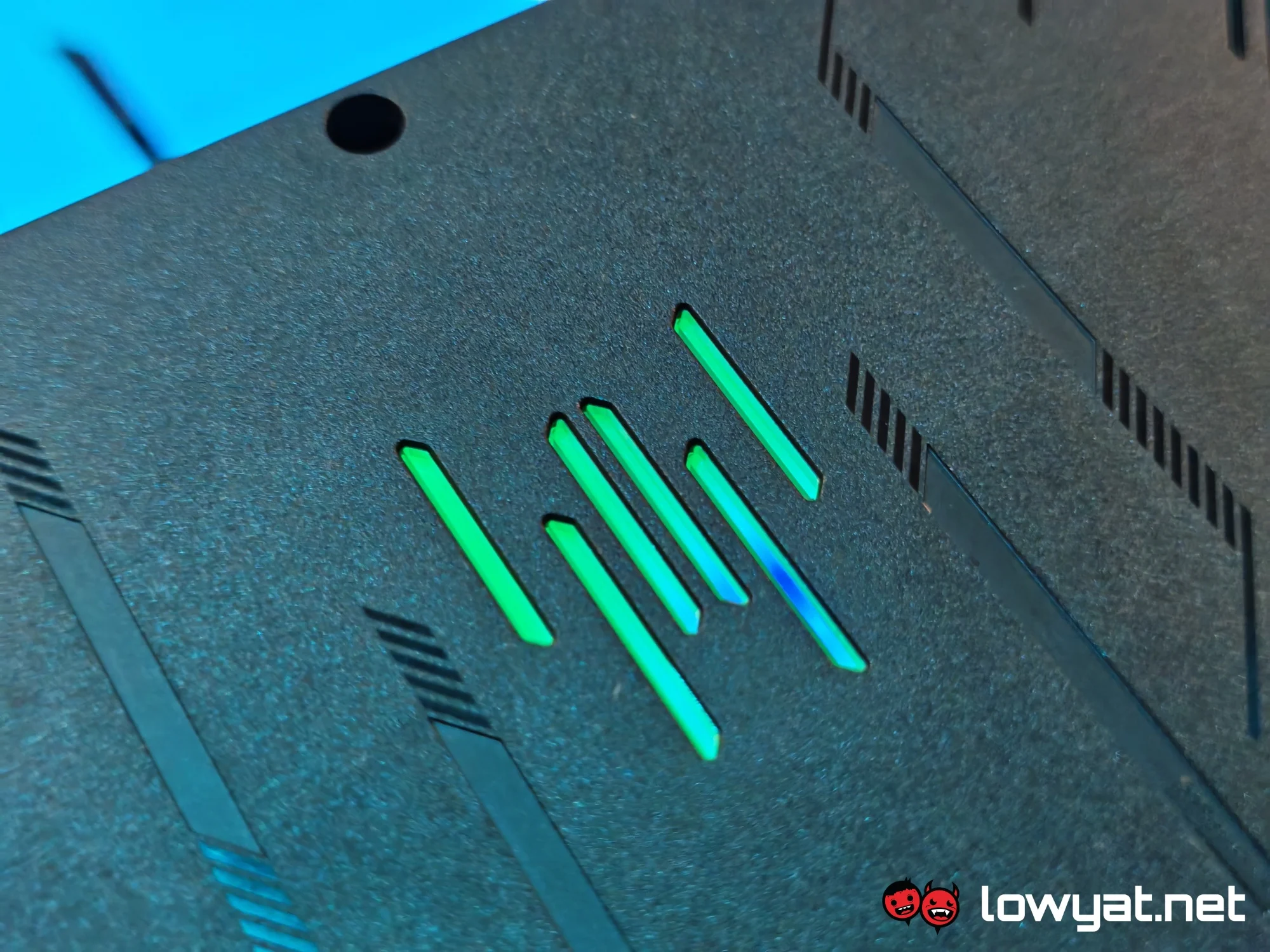
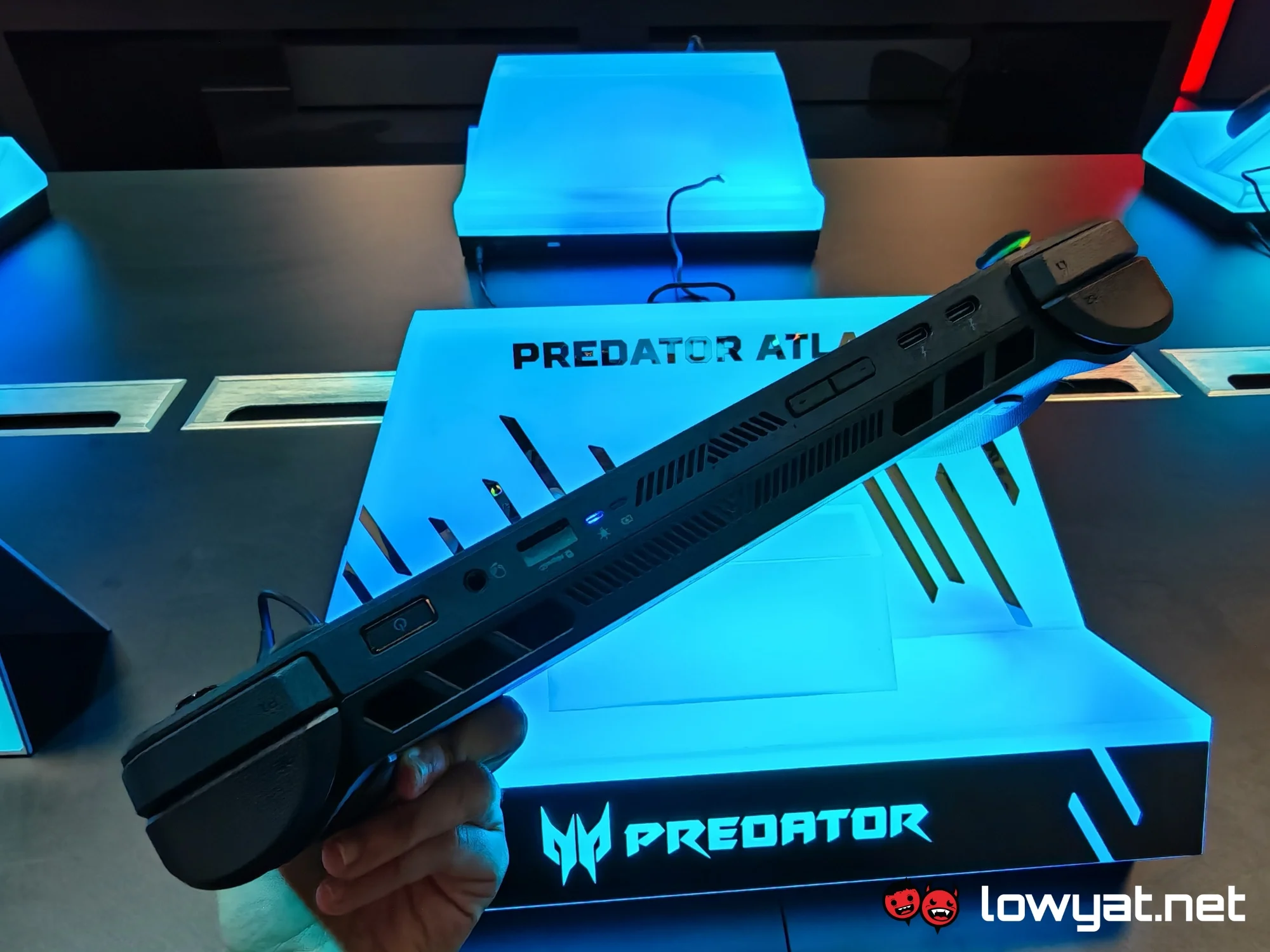
Picking up the handheld, it’s obviously lighter than the Atlas 8. Lighter is better when it comes to mobile devices, and in this case it’s an especially welcome change. While the older model isn’t as hefty as competing products, it certainly feels a bit awkward to lift with one hand. This is less of an issue with the Atlas 7. Of course, the reduced weight will likely make extended gaming sessions more comfortable, in addition to making it more portable.
As far as the gaming experience goes, you can expect the Atlas 7 to do just as well as the Atlas 8. As the name says, it sports a 7-inch FHD screen with a 120Hz refresh rate and 500 nits of brightness. It also features Corning Gorilla Glass Victus with DXC. All-in-all, you get bright and clear visuals with minimal reflections.

Despite its more mini build, the Atlas 7 is just as mighty. On board is an Intel Arc G3 Extreme processor – the same as the one in the Atlas 8. Based on the limited time I had with the console, it plays as smooth as butter, and the controls feel responsive. As revealed during the launch, the joysticks come with TMR. There isn’t a noticeable difference, at least based on the limited time I had with the device. In any case, the main advantage is the durability aspect, and that’s not something that can be proven in a short session.
Again, the most apparent distinction between the two handhelds is the form, and the tweaks make a world of difference in user experience. And it feels significant enough to justify the Atlas 7’s existence.


Since its reveal, the burning question has been why Acer would release a new gaming handheld that’s nearly identical in terms of specifications. The ones present during the product showcase had the opportunity to feel the difference firsthand.
But for those at home, Acer General Manager of Notebook Business James K Lin has the answer. During a media interview session, he revealed that it was a matter of responding to user preference. The 8-inch model, which launched earlier this year, followed the trend: a big screen and a bulky build. In contrast, the new addition is more focused on what users would want.
With this in mind, though, the smaller Atlas 7 is not meant to be a replacement for the 8. Acer has confirmed that models will be launching in global markets. And yes, that includes Malaysia. The when is still a mystery for the time being, however.
