
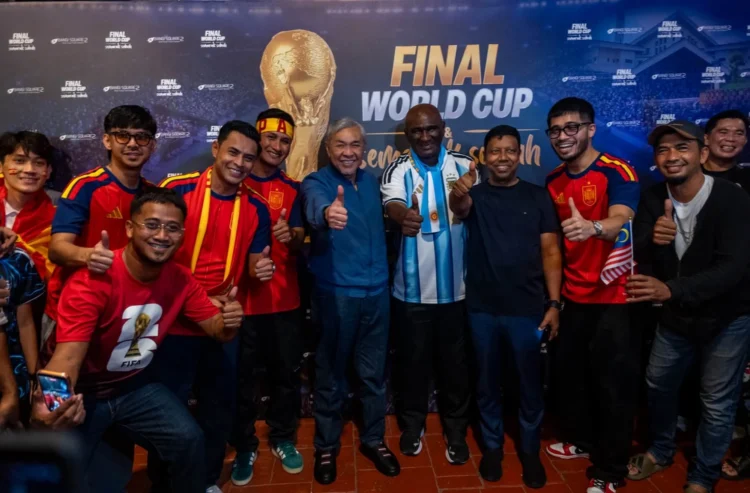
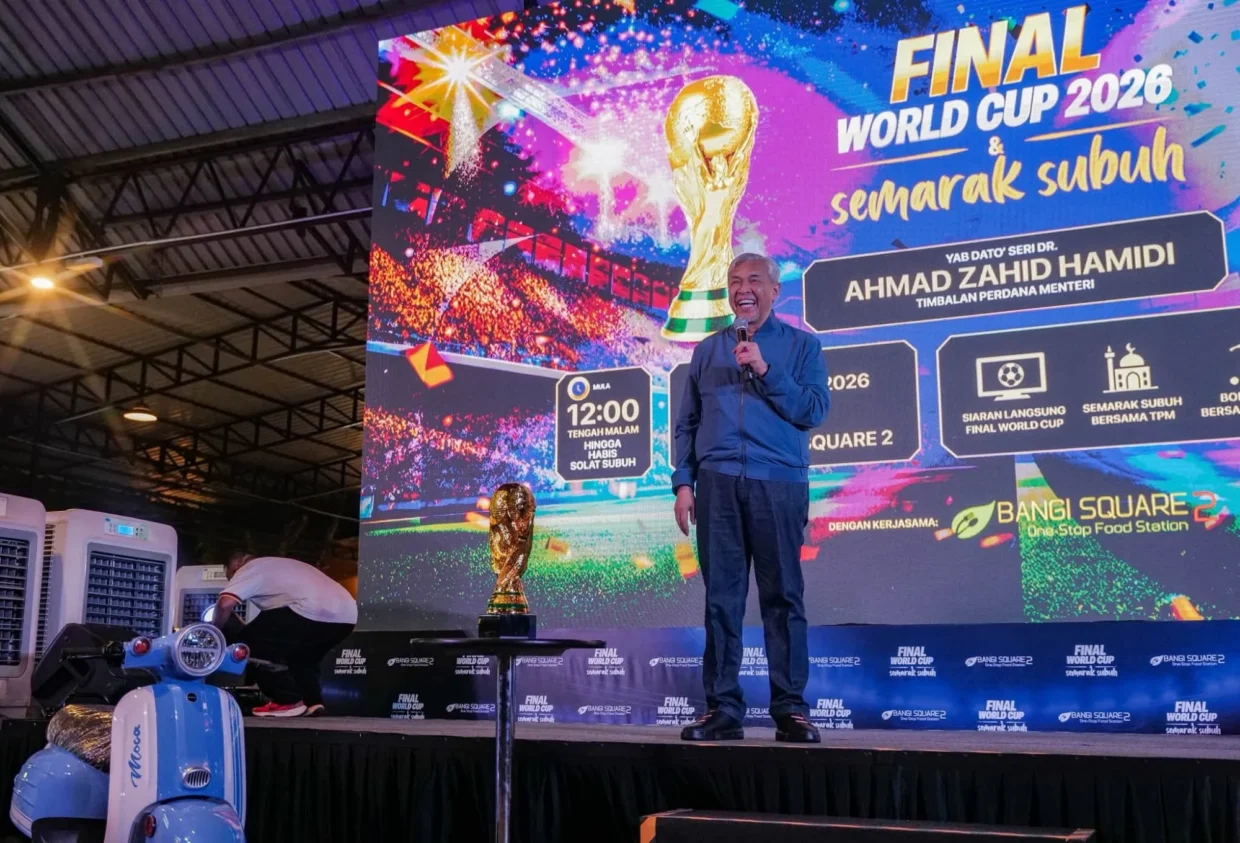
The 2026 FIFA World Cup has just concluded, but some countries are already vying for the chance to host football’s biggest tournament. While most of the interest has come from Europe, Deputy Prime Minister Datuk Seri Dr Ahmad Zahid Hamidi believes Malaysia should also aspire to stage the prestigious event one day.
Zahid Hamidi also expressed hope that Harimau Malaya would eventually be among the teams representing Southeast Asia at the World Cup. He said this while attending a public viewing of the final between Argentina and Spain at Bangi Square 2.
A Long Road Ahead
However, the deputy prime minister did not set a timeline for such an ambition, instead framing it as a long-term aspiration rather than a formal proposal. At the time of writing, there are no plans for Malaysia to mount a World Cup hosting bid. Even so, some believe the country must first overcome several challenges before realistically considering hosting the tournament.
Among them is Johor Regent Tunku Ismail Sultan Ibrahim, who pointed to structural issues within the local football ecosystem that need to be addressed first. These include inadequate facilities, poor pitch conditions, and unpaid player salaries. He added that Malaysia should forget about hosting the FIFA World Cup until these issues are resolved.
Plans For Future Sports Broadcasts
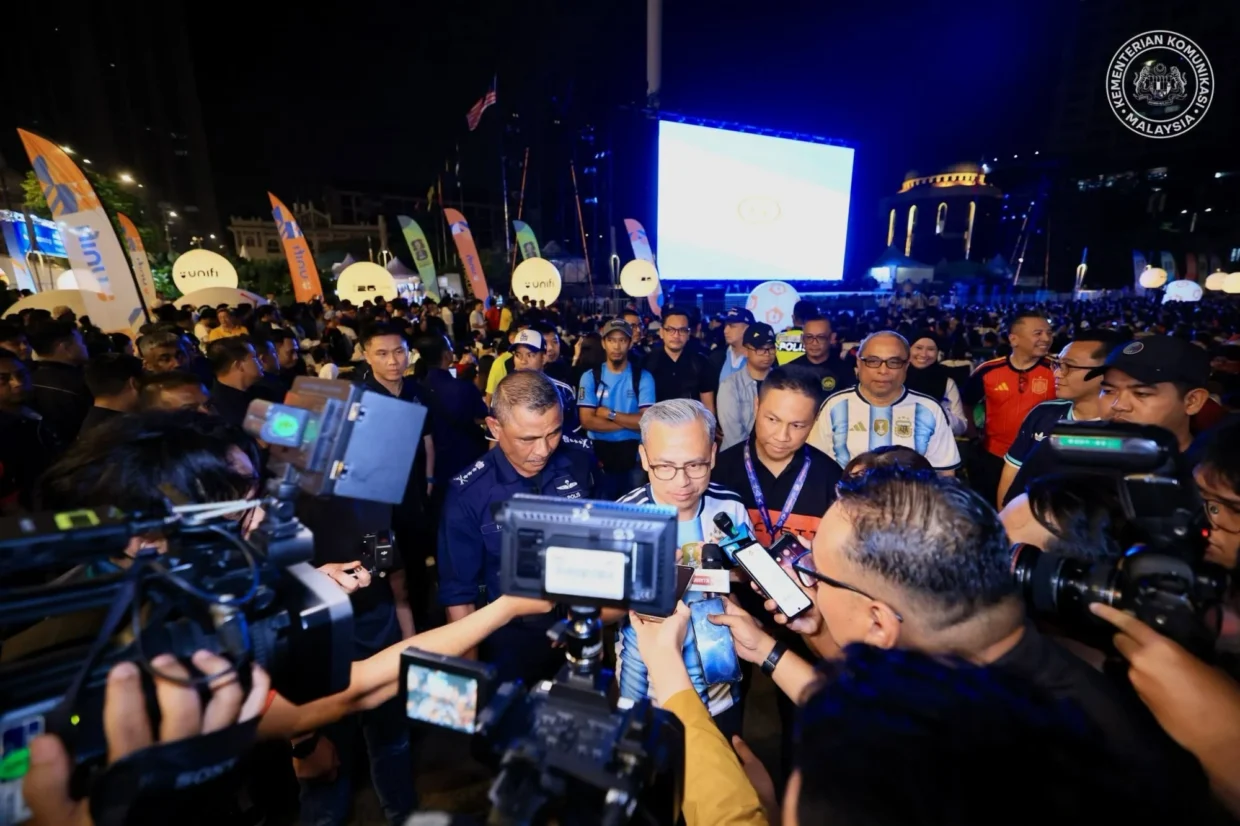
Many Malaysians were able to enjoy the 2026 FIFA World Cup through RTM‘s free-to-air broadcasts. According to Bernama, the initiative was a success. Following the tournament, Communications Minister Datuk Seri Fahmi Fadzil said Radio Televisyen Malaysia (RTM) would announce the acquisition of more world-class sporting events in the future.
Fahmi said RTM would air “several more tournaments”, although details would only be announced at a later date. However, he did not provide a timeline at the time of writing.
Meanwhile, a MADANI Government spokesperson said the Communications Ministry would first obtain the complete viewership data for the 2026 FIFA World Cup before carrying out a comprehensive assessment of the broadcasts’ performance. He added that the exercise could also serve as an opportunity to explore new technologies, such as allowing viewers to “watch television on smartphones“.
