
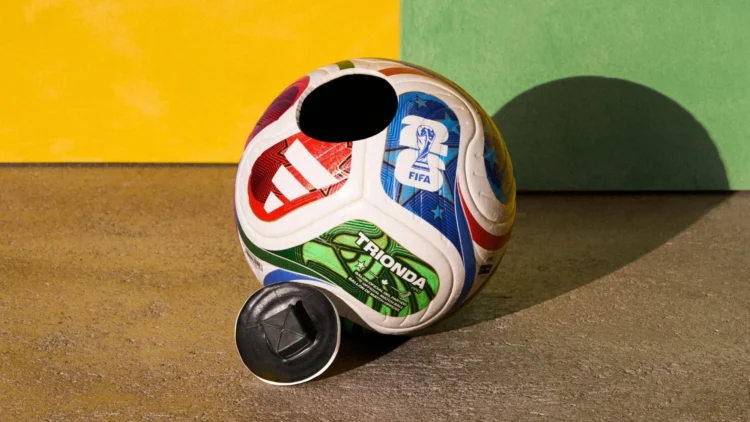
With the FIFA World Cup 2026 now underway, much of the attention has understandably been focused on the players, teams, and results. However, there is another piece of technology that has quietly become one of the tournament’s most important tools: the official match ball itself.
Named the “Trionda”, the latest World Cup ball was developed by adidas specifically for the tournament. While footballs have become increasingly advanced over the years, this particular model arguably represents one of the biggest technological leaps yet, combining a completely new physical design with embedded electronics that assist match officials in real time.
Why Is It Called Trionda?
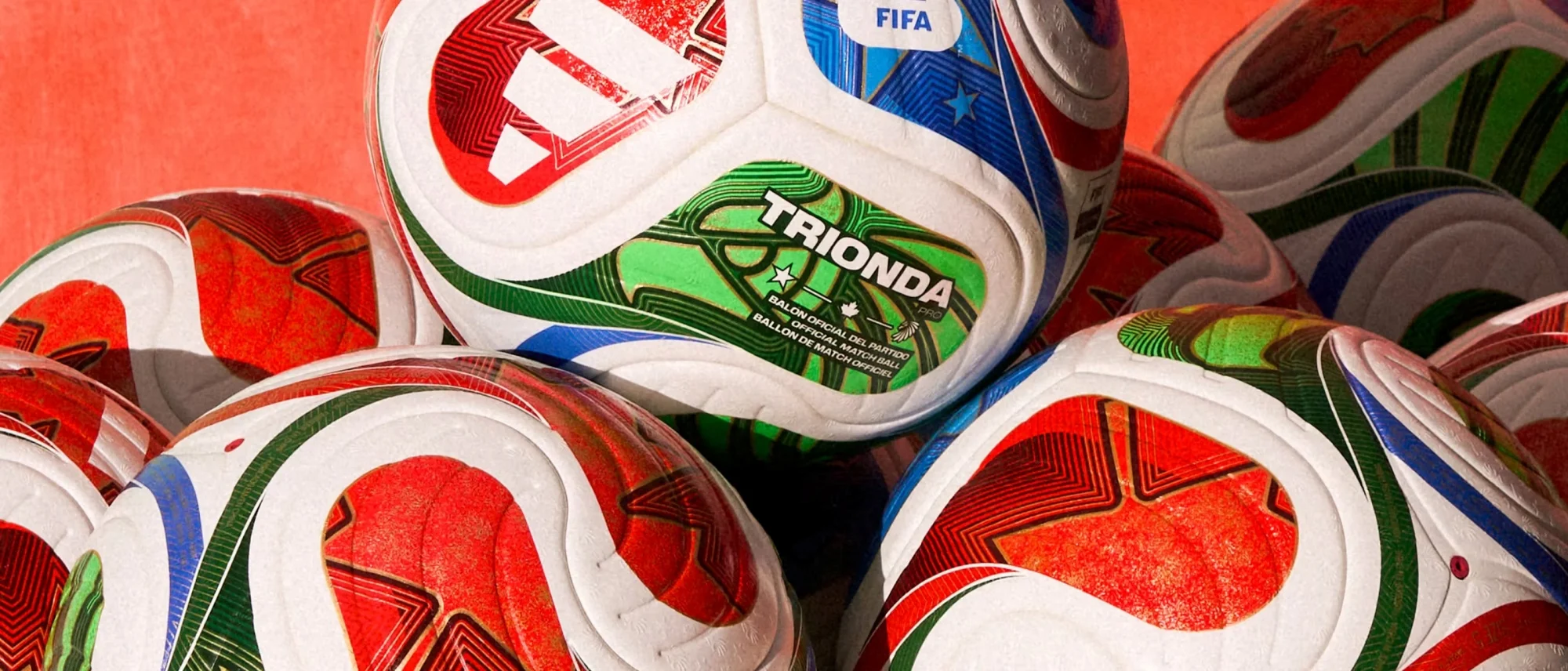
The name “Trionda” roughly translates to “three waves” in Spanish, a reference to the three nations jointly hosting the World Cup for the first time: the United States, Canada, and Mexico. The ball’s design reflects that theme, featuring a mix of red, blue, and green colours that represent the host countries.
Look closely and you’ll also find symbols associated with each nation. There is a maple leaf representing Canada, an eagle for Mexico, and a star for the United States. Even the ball’s construction ties into the concept, with its panels forming a triangular shape that symbolises the partnership between the three hosts.
Advancing FIFA’s Connected Ball Tech
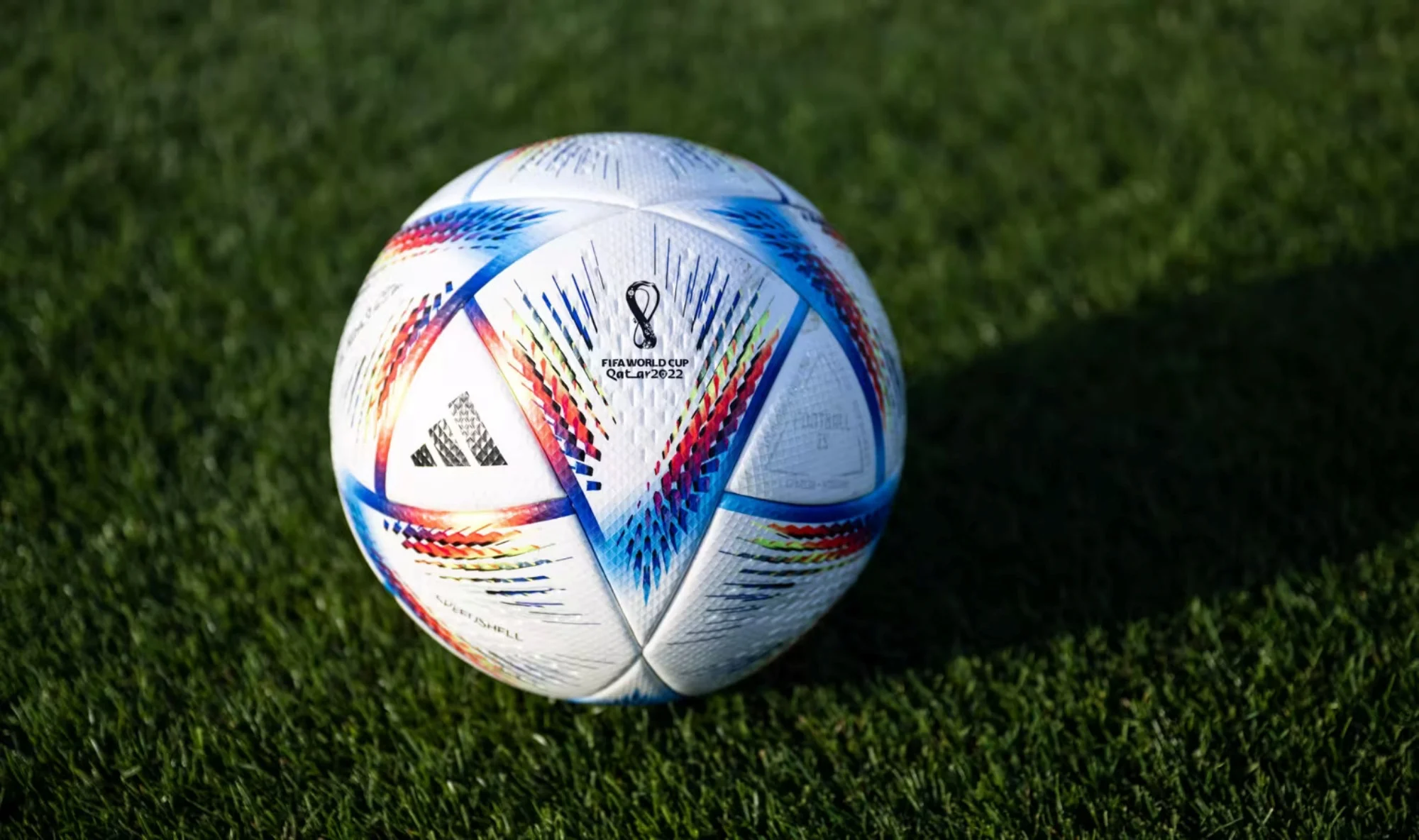
World Cup match balls have increasingly become showcases for new technology. The real breakthrough came in 2022 with the adidas “Al Rihla”. It was the first World Cup match ball to feature FIFA’s Connected Ball Technology, combining an embedded sensor with the tournament’s semi-automated offside system.
The Trionda builds upon that foundation. While it is not the first smart World Cup ball, it represents the latest evolution of the concept, pairing an upgraded sensor system with a completely new four-panel construction designed to improve flight stability and accuracy.
Technology-wise, both match balls contain an embedded inertial measurement unit (IMU) sensor that tracks movement data at very high frequency and feeds it into the semi-automated offside system. However, the Trionda steps forward against the Al Rihla in how that data is integrated.
Yes, There Is A Chip Inside The Ball
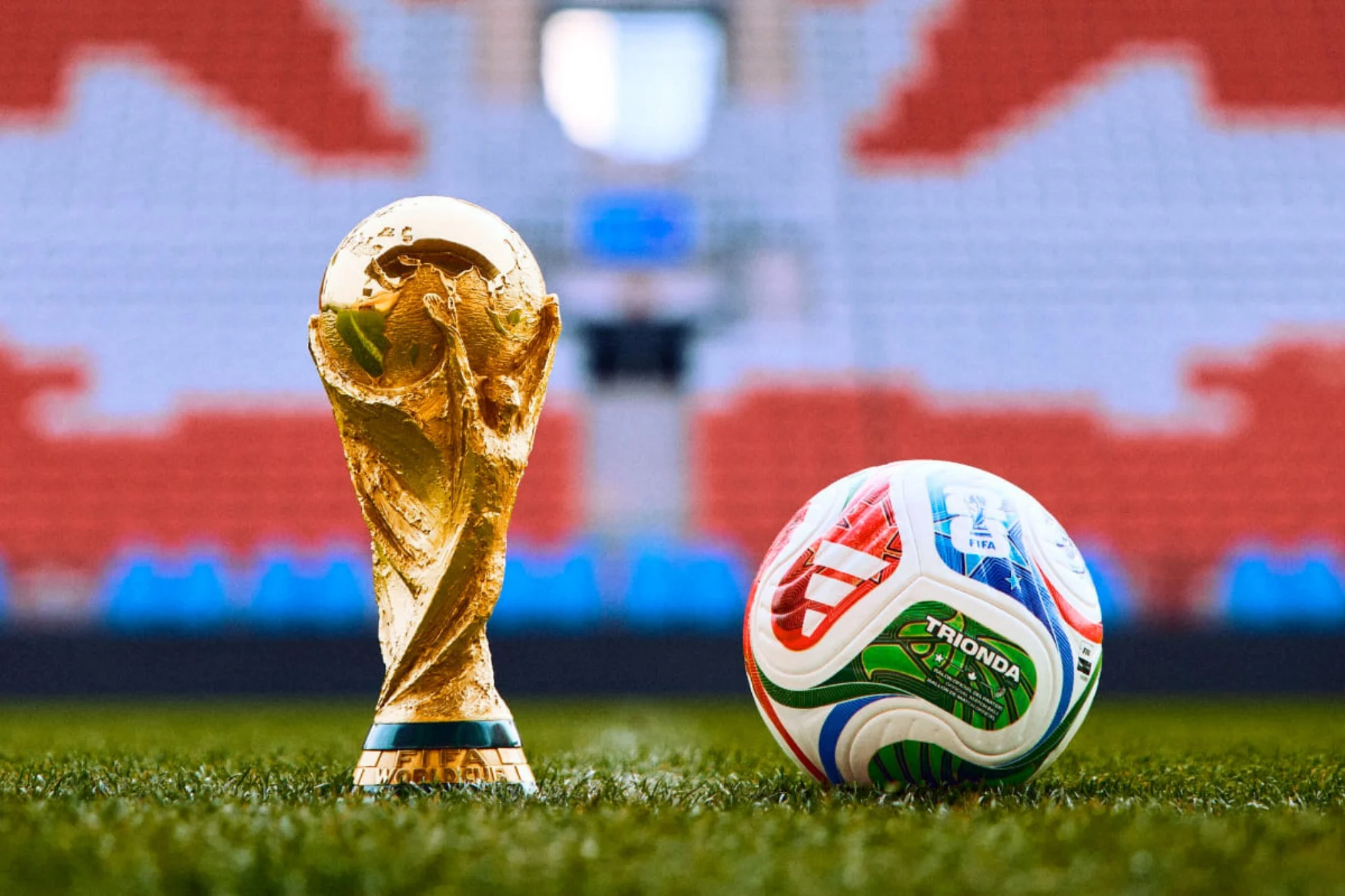
Perhaps the most interesting part of the Trionda is something spectators will never actually see. Hidden inside the ball is a motion sensor that captures data 500 times every second. FIFA refers to this as Connected Ball Technology, and it has become a key component of the tournament’s officiating system.
The sensor continuously tracks the ball’s movement, allowing officials to know the precise instant a player touches it. That information is then combined with player-tracking cameras positioned around the stadium.
This is particularly useful for offside decisions, where determining the exact moment a pass was made can be the difference between a valid goal and one that gets ruled out. Rather than relying solely on video replays, referees now have an additional stream of data coming directly from the ball itself.
How Does The Technology Help Referees?
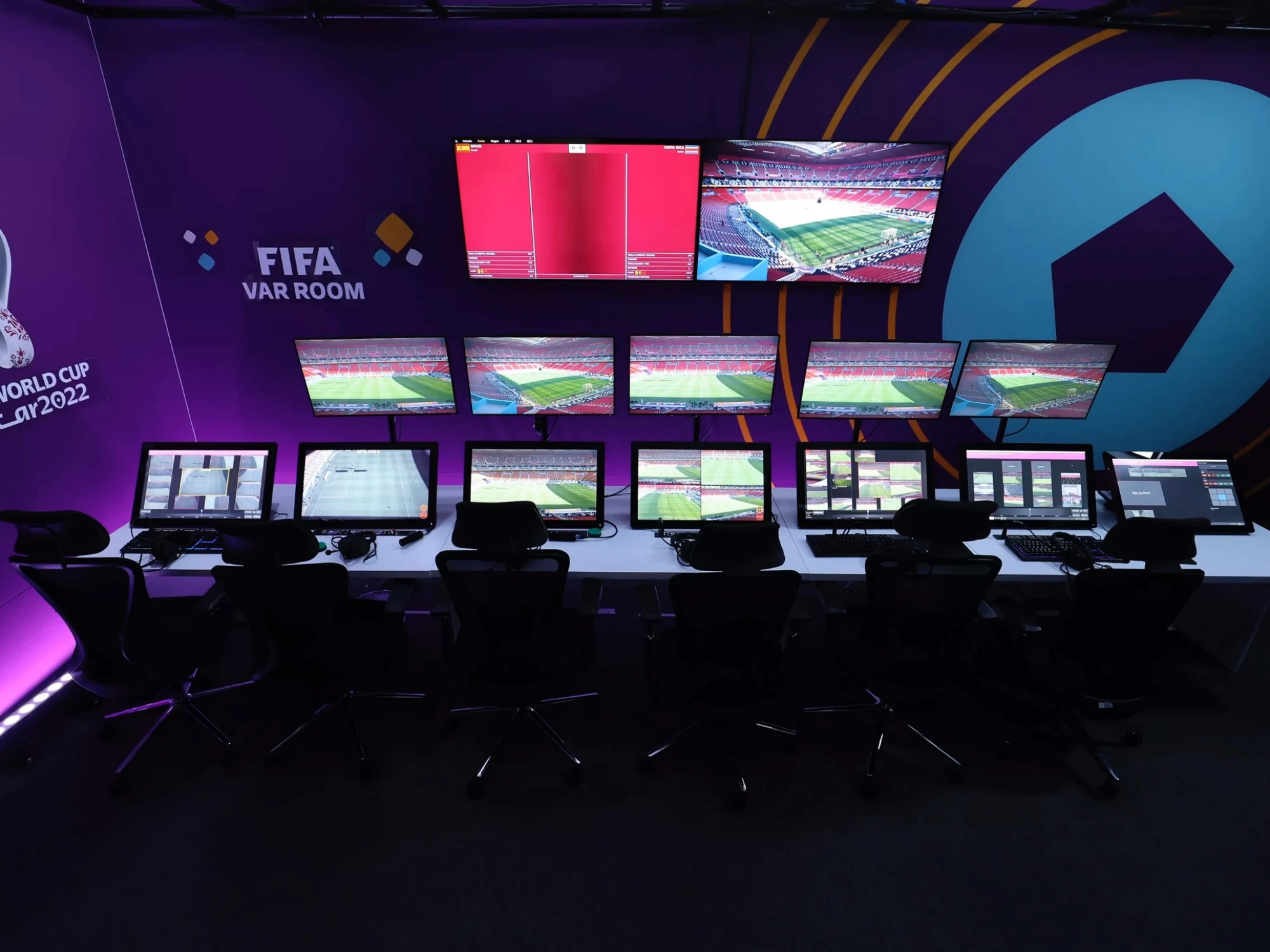
Modern football increasingly relies on semi-automated offside systems, namely VAR (video assistant referee) technology. These systems track player positions using multiple cameras, but they also need to know the precise moment the ball was kicked.
When a player strikes the Trionda, the sensor immediately records the contact event and sends the data to the video assistant referee system. This helps officials identify exactly when a pass was played, making offside reviews faster and more accurate than before. While the technology does not replace referees, it provides another layer of information that can reduce uncertainty during key moments.
You Can Buy The Trionda, Including The “Smart” Version
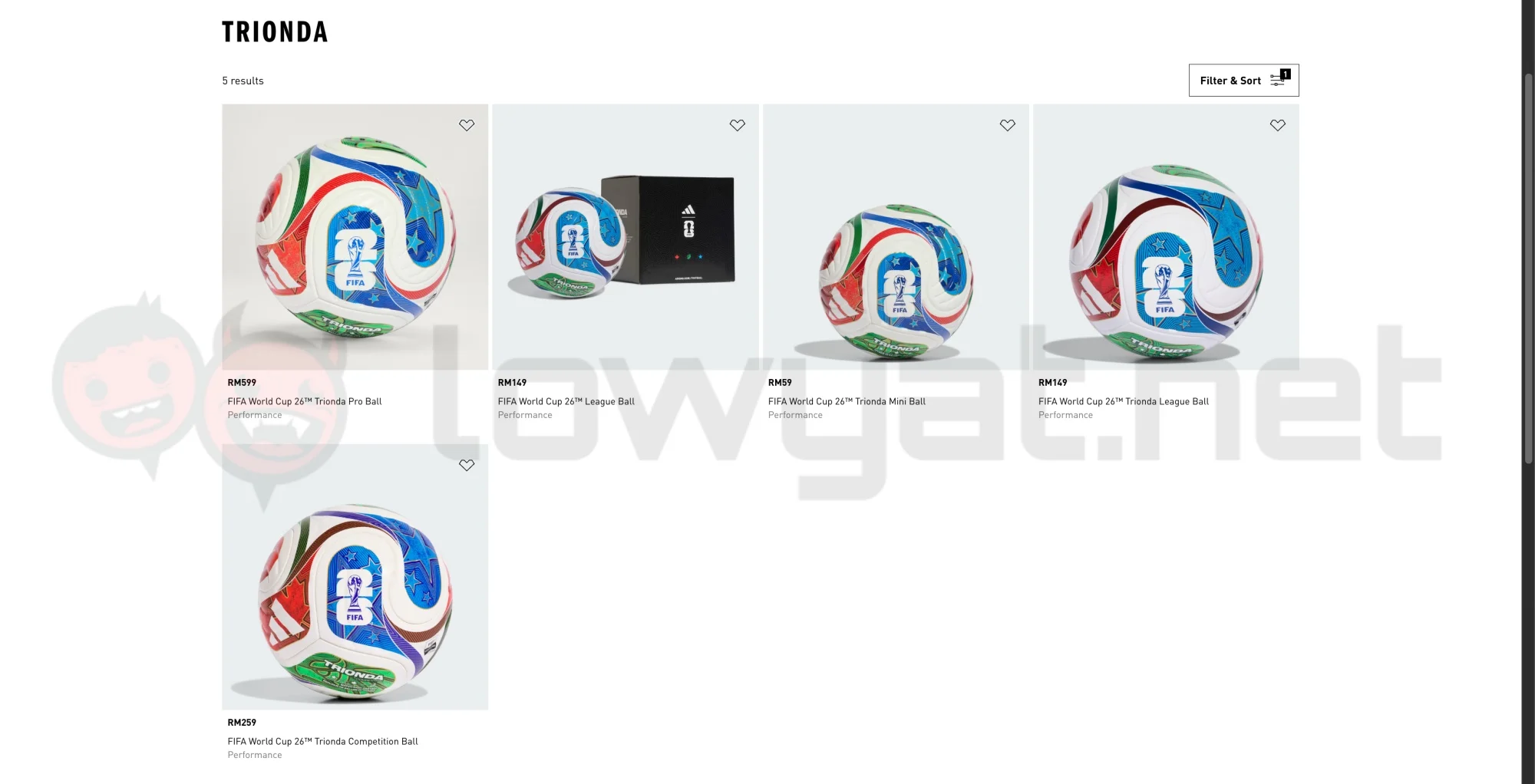
Like previous World Cup match balls, the adidas Trionda is not just a single product. It actually comes in different versions, with only one being the fully equipped official match ball used in ongoing tournament.
The “smart” Connected Ball Technology equipped version is labeled as the Pro variant, which is priced at RM599. This is the same version used by players on the pitch during World Cup matches, complete with the built-in sensor that tracks movement at high frequency and feeds data into the officiating system. However, do note that the smart features are not something consumers can actively use, so back to verbal arguments when determining whether your mate was offside or not.
For the non-tech version, you have the League and Competition versions of the Trionda. The former is a more affordable replica that’s priced at RM149, while the latter is a more premium, performance tuned variant that’s retailing at RM259. Oh and for the collectors out there, adidas is also offering a desktop-friendly Trionda Mini at RM59.
