
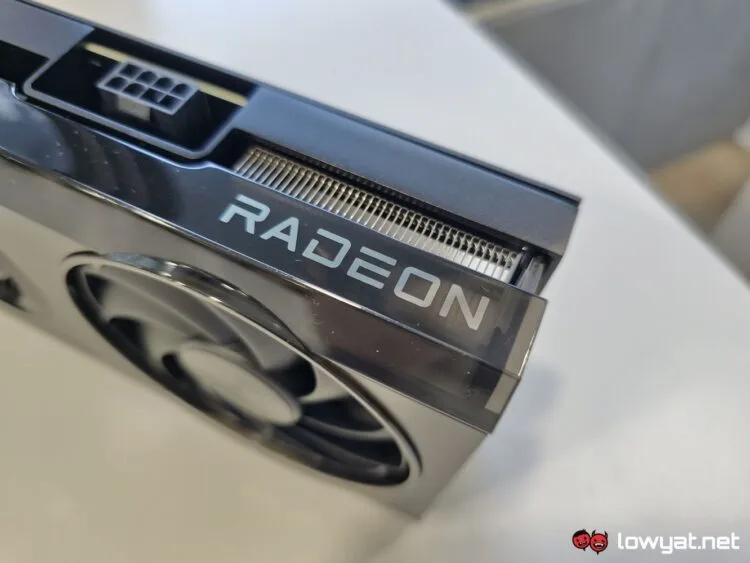
Earlier yesterday, we reported on a modder who managed to get NVIDIA’s DLSS 5 and its Neural Rendering engine running on AMD Radeon GPUs through a simple installation process, albeit with the expected performance hit. Now, another developer and modder has reportedly managed to get the green team’s upscaler working on older RDNA3 Radeon RX 7000 Series GPUs.
“Older” DLSS Models, Not DLSS 5
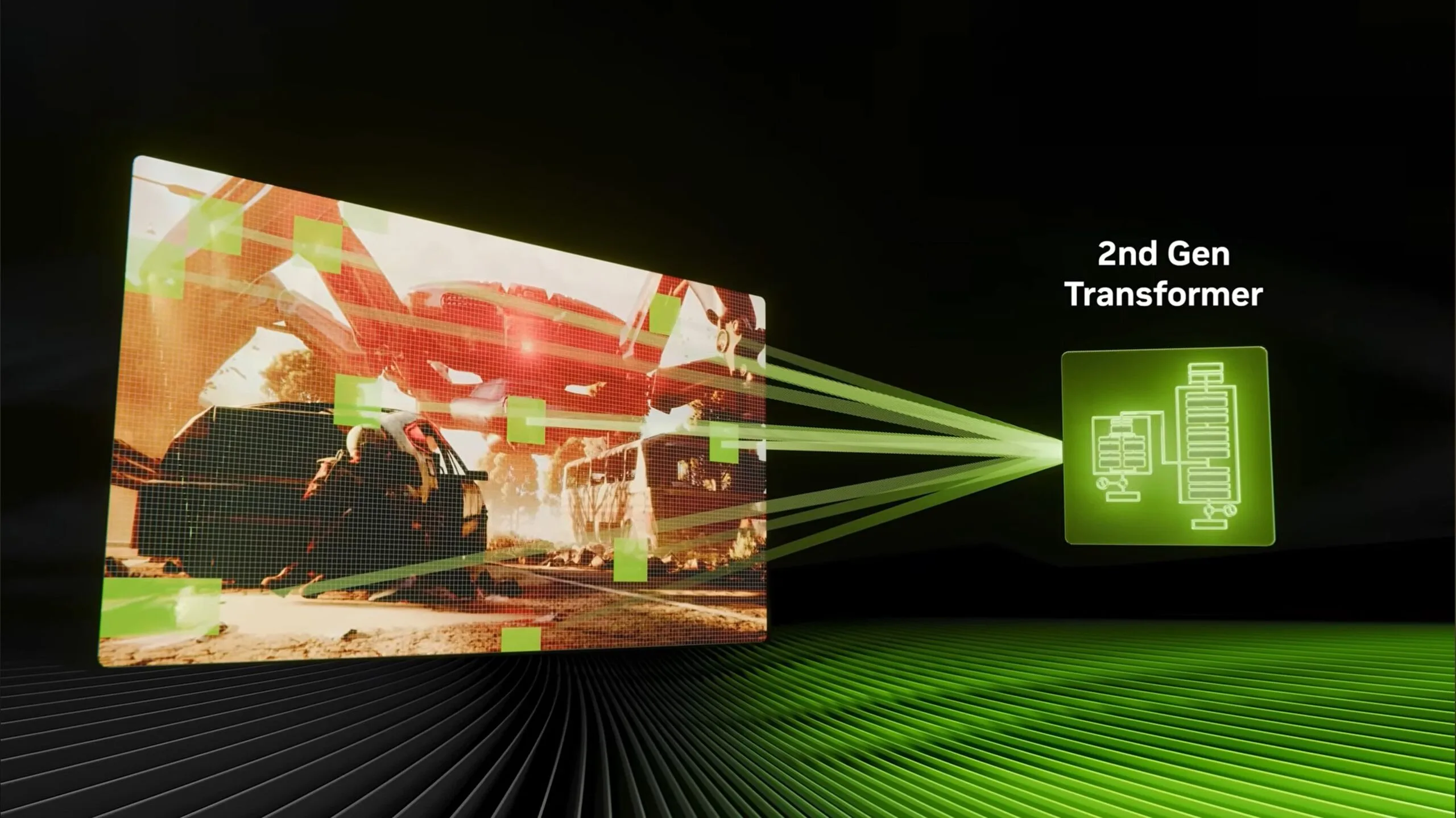
The developer project is called d4r, which is short for “DLSS 4 Radeon”, and its goal is to run NVIDIA’s official upscaler on AMD RDNA3 GPUs under Linux and Proton. Also, unlike other projects that have focused on DLSS 5 running on, say, a web browser, this project focuses on getting older models to run on the red team’s GPUs. This includes the DLSS 3 Conventional Neural Network (CNN) model, 4, and 4.5, through nvngx_dlss.dll.
Additionally, the project uses ZLUDA, which is a compatibility layer that enables CUDA applications to run on non-NVIDIA GPUs. It works by translating PTX code for AMD hardware through the latter’s ROCm. With d4r, the DLSS library remains unchanged and basically redirects CUDA calls through a Wine bridge to ZLUDA. Oh, and we think it’s prudent to make it clear that NVIDIA absolutely will not condone this project, seeing how it banned the use of CUDA on other platforms. Anyway, following the flow chart:
game (D3D12) ──► OptiScaler (DLSS inputs) ──► d4r_nvngx.dll (NGX D3D12 API, tools/d4r_nvngx_shim.cpp)
│ inputs/output stay in VRAM (vkd3d-proton Vulkan interop,
│ command list split around DLSS for same-frame results)
▼
official NGX core + nvngx_dlss.dll (their CUDA path)
▼
nvcuda.dll (Wine CUDA bridge, tools/wine_nvcuda_bridge.c)
▼
ZLUDA (patches/zluda: PTX → AMDGPU, WMMA, native kernel overrides)
▼
native RDNA3 kernels (kernels/: DLSS 4 and 4.5 network layers)
Moving on, the developer used Silent Hill running at 2,560 x 1,440 as part of their demo, running it across all modes across all three DLSS modes: 3 CNN, 4, and 4.5. They even provided a demo video of it running in Performance mode, but seeing how we can’t embed it, we’ll just provide the link to it here. Also, they used a Radeon RX 7700 XT.
FSR 4 Still Ran The Best
With DLSS 3 CNN, the 7700 XT ran an average of 75 fps across Quality, Balanced, Performance, and Ultra Performance mode. Specifically, the card ran 72 fps on Quality Mode, while Ultra Performance yielded close to 90 fps.
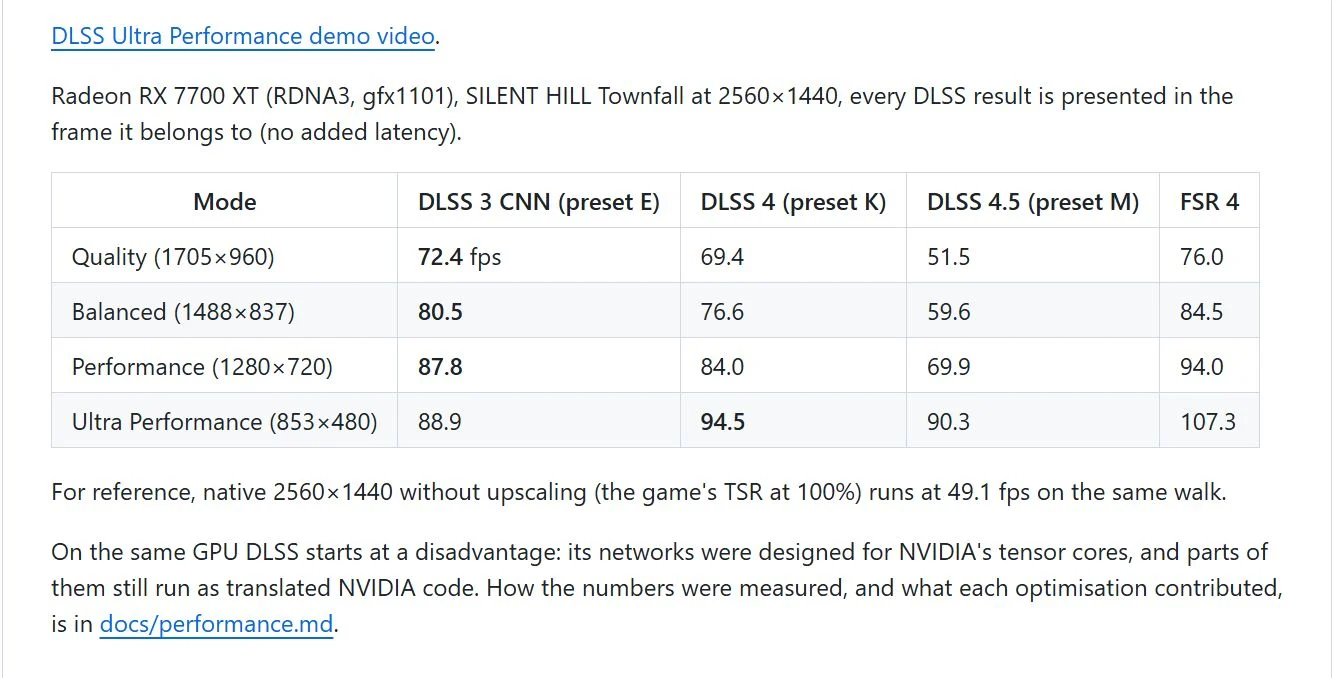
DLSS 4 and 4.5 in Quality mode were comparably lower, with an average of 69.4 fps and 51.5 fps, respectively. Both performed better in Ultra Performance, running at 94.5 fps and 90.3 fps, respectively. However, on its native FSR 4, the 7700 XT outperformed all variations of the NVIDIA upscaler.
The interest in getting NVIDIA’s DLSS upscaling technology to run on both older NVIDIA and non-NVIDIA GPUs has surged in the past several months, to the point that one could say that it has become a passion project for the modding community. Back in April this year, modder Nexus Mod released DLSS Enabler, an upscaler tool that brings multiframe generation (MFG) to the older RTX 40 series GPU, as well as AMD Radeon GPUs.
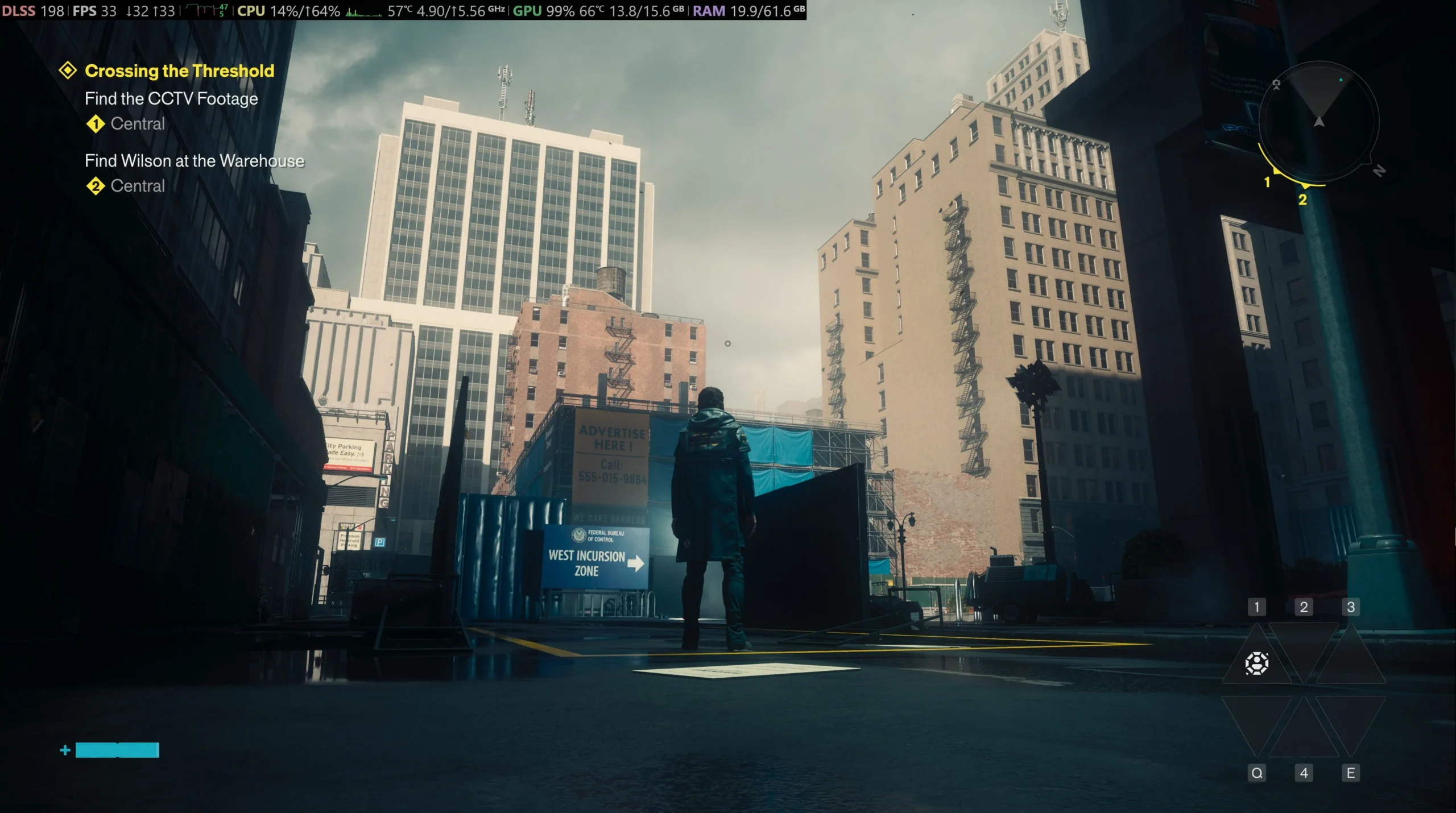
Technically speaking, it is an emulator that mimics DLSS 4.5, allowing these GPUs to generate up to 6x more frames.
Then, earlier this month, a modder collective managed to get MFG working on the older NVIDIA RTX 40 Series GPUs — MFG is currently exclusive to Blackwell-powered RTX 50 Series GPUs — rerouting and patching restrictions in the Ada Lovelace architecture. Needless to say, NVIDIA wasn’t too happy with the development and released a patch that blocked this, but sadly for the company, the modders overcame that hurdle on the very day, and even fixed the broken frame pacing issues they’d experienced with MFG running at 3x and 4x.
(Source: GitHub, Videocardz)
