

Three Malaysia-based entities have been added to the US government’s trade restriction list over concerns that they could be involved in diverting advanced computing products to unauthorised end users. One of them is Speedmatrix Sdn Bhd, which was previously linked to allegations involving NVIDIA AI chips hosted at a data centre in Johor.
According to The Star, the US Department of Commerce’s Bureau of Industry and Security (BIS) named Speedmatrix, MSFusion Sdn Bhd and PT Megaspeed International. They join four other entities across Southeast Asia, including Singapore-based Megaspeed International Pte Ltd, Megaspeed (Thailand) Co Ltd, Apex Enterprise Solutions and Swiftdata.
The BIS said the entities pose a significant risk of diverting advanced computing commodities to unauthorised users or purposes, potentially disrupting US national security and foreign policy interests. Consequently, exports, re-exports and domestic transfers involving them will require licences, with applications subject to a presumption of denial.
MITI Advises Data Centres To Cut Ties
In a recent statement, the Ministry of Investment, Trade and Industry (MITI) said it would advise Malaysian data centre operators not to host the affected companies, lease space to them, or provide them with services. The ministry reiterated that Malaysia would not allow itself to become a channel for circumventing export controls, adding that action would be taken against parties found violating local laws.
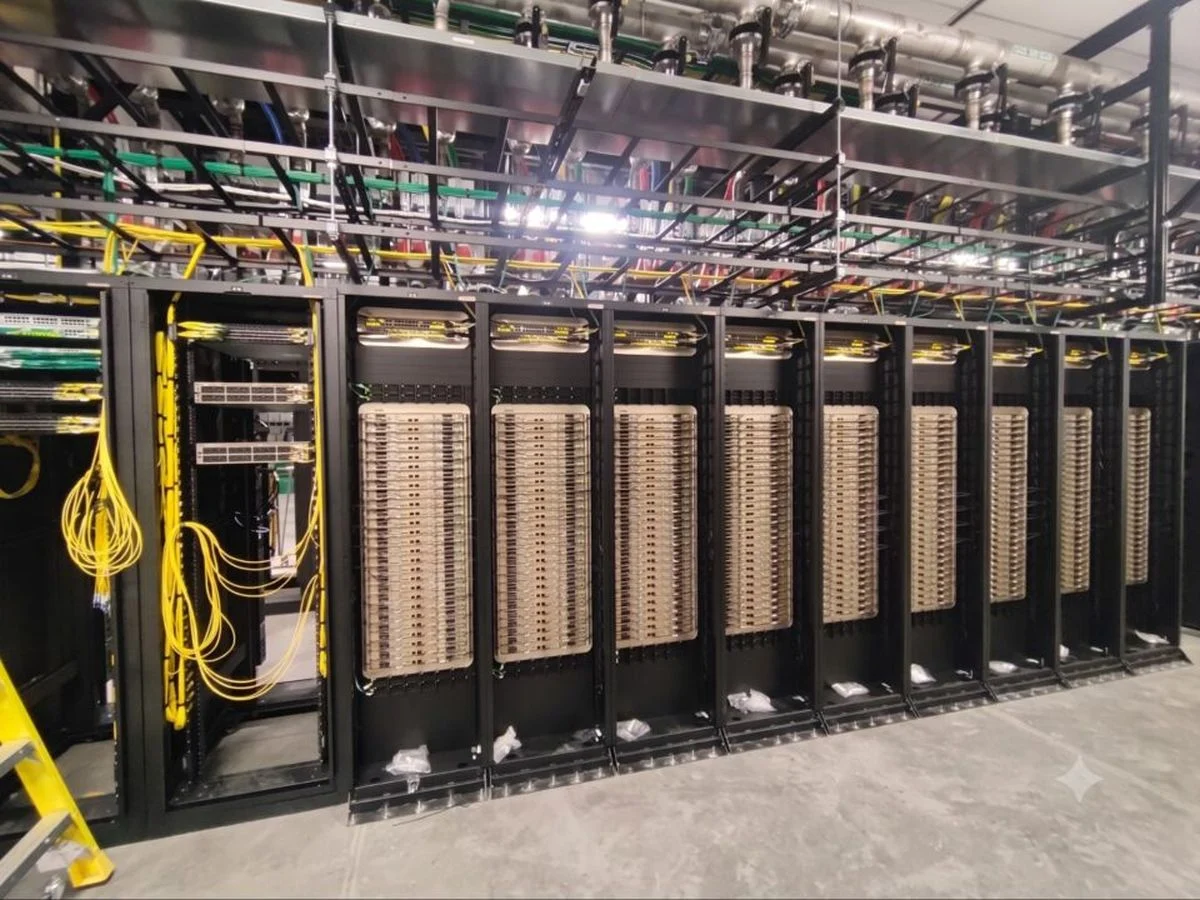
The Ministry of Investment, Trade and Industry (MITI) previously clarified that it never gave Megaspeed or Speedmatrix the all-clear to operate in Malaysia. The ministry also said it was working with the Royal Malaysian Customs Department to investigate whether AI chips brought into Malaysia for or through Speedmatrix had been re-exported elsewhere, and whether such transactions complied with local regulations.
MSFusion Denies Links With Megaspeed
Following the announcement, MSFusion denied having any equity relationship with Singapore-based Megaspeed International or its subsidiaries. It also clarified that Alice Huang had never held any position within the company, directly or indirectly.
The company stressed that it operates as a separate legal entity, with independent management and decision-making. Meanwhile, Megaspeed chairman and CEO James Tan Yong Pong said the company takes US export control requirements seriously and has engaged a US law firm to review its GPU inventory and compliance.

NYT Allegations
Additionally, the latest development comes amid allegations that Alibaba had been accessing NVIDIA AI chips housed at YTL’s data centre in Johor through an arrangement involving Megaspeed and Speedmatrix. To recap, the New York Times (NYT) reported earlier this month that the Malaysian subsidiary operated the hardware on Alibaba’s behalf, allowing the Chinese technology giant to access computing resources without physically bringing the restricted chips into China.
YTL Power International subsequently denied the allegations, describing them as speculative and unsubstantiated. The group maintained that its data centre business provides co-location services to multiple customers and complies with applicable laws and regulations.

Meanwhile, Jensen Huang Returns As NVIDIA CEO
In a related development, NVIDIA announced on 23 November that Jensen Huang had been reinstated as its president and CEO, effective immediately. The company’s board voted unanimously to bring him back following discussions and meetings, with the decision also receiving input from senior US government officials.
The board said it was confident that Huang’s reinstatement posed no national security risk. However, NVIDIA will continue its investigation into reports that Huang had been targeted by a foreign intelligence effort, while also establishing a dedicated National Security and Export Control Committee to oversee trade compliance and related risks.
