
NVIDIA AI chips housed at YTL’s data centre in Johor were reportedly operated on behalf of Chinese technology giant Alibaba, allowing the latter to access advanced computing hardware that would otherwise be restricted under US export rules. This is according to an investigation by The New York Times (NYT), which cited five people familiar with the arrangement.
For context, YTL’s involvement in the data centre business dates back to December 2023, when it announced a partnership with NVIDIA to develop a large-scale AI infrastructure project in Malaysia. The Johor facility, built on a former oil palm plantation, subsequently became part of the country’s growing data centre industry.

Speedmatrix And Megaspeed’s Role
According to the report, the operation was allegedly handled by Speedmatrix, a Malaysian subsidiary of Singapore-based cloud computing company Megaspeed. The company reportedly ran the NVIDIA hardware at YTL’s facility on Alibaba’s behalf, effectively allowing the Chinese firm to use the chips without physically bringing them into China.
The NYT also cited an analysis by intelligence firm Infrawatch, which found that computer systems connected to YTL’s network at the facility carried Alibaba’s name. This included software used to remotely monitor data centre equipment.

How The Arrangement Worked
The NYT, citing two people familiar with the arrangement, said Alibaba would first commit to becoming a customer of a regional company such as Megaspeed. The latter would then use the commitment to secure funding from investors to purchase NVIDIA chips before arranging for data centre operators such as YTL to host and operate the hardware.
Once operational, Alibaba and its customers could remotely access the computing resources. Data was reportedly transmitted through fibre-optic cables from Malaysia to an internet hub in Singapore before travelling to China through undersea cables.
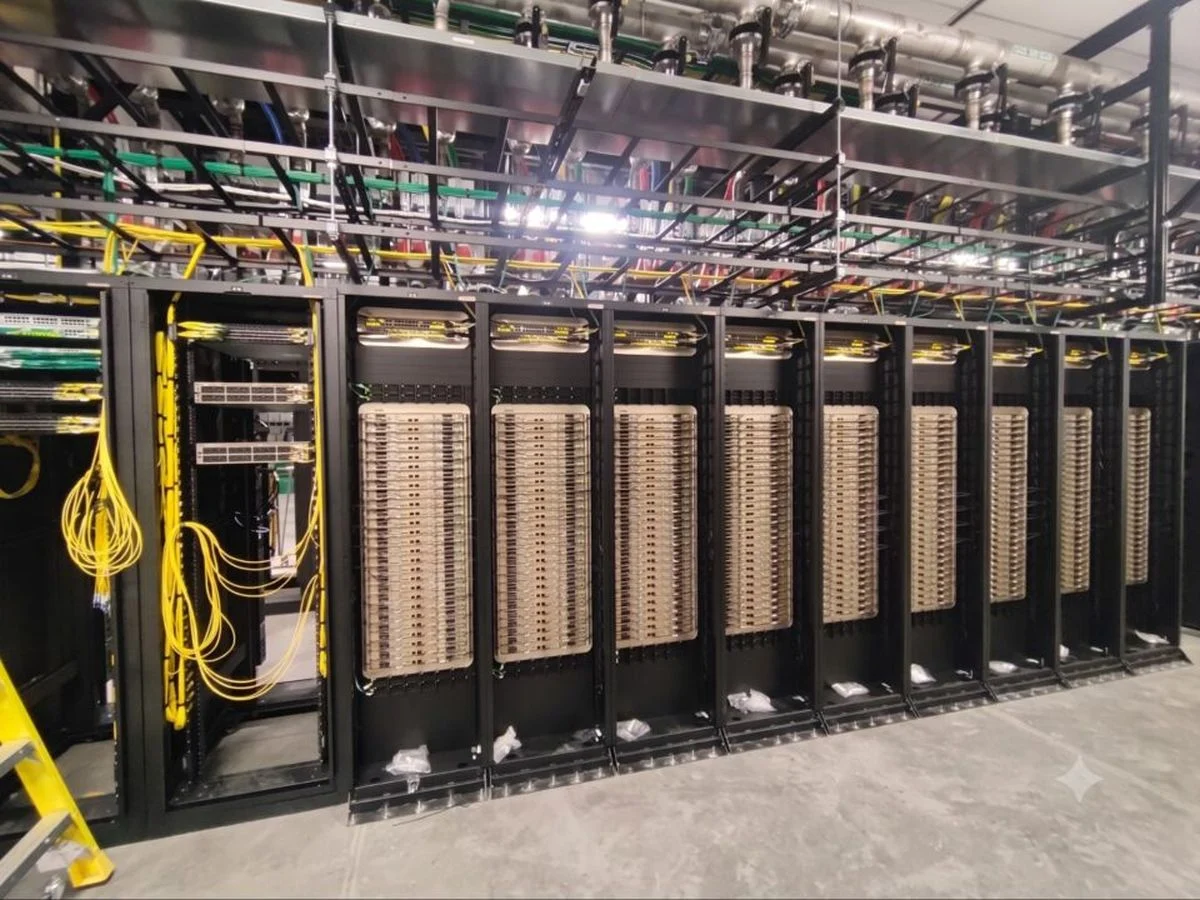
Megaspeed reportedly purchased more than US$4 billion (~RM17.6 billion) worth of NVIDIA chips over the past few years. The NYT also cited three people familiar with the company’s operations, who identified Alibaba as both its main customer and financial backer.
The report also identified several other Southeast Asian data centre operators that allegedly provide computing resources to Chinese customers. These include DayOne, Bridge Data Centres, and Aolani.

YTL Denies The Allegations
Following the report, YTL Power International issued a statement denying allegations that its Johor data centres were involved in diverting NVIDIA chips to Chinese customers. The group described the claims as “speculative and unsubstantiated”, stressing that its operations comply with Malaysian laws and US trade controls.
The company also clarified that its data centre business provides co-location services to multiple global customers, including US-based hyperscalers. These services cover physical space, electricity, cooling and connectivity, rather than directly providing computing services to customers.
YTL Power added that it has been working closely with the Ministry of Investment, Trade and Industry (MITI) to fulfil all applicable reporting and import requirements. It also said that the US Department of Commerce’s latest interim final rule on remote access to advanced semiconductors would not affect its co-location services, as the regulations primarily target GPU importers and providers of computing services to customers in designated D:5 countries.

Alibaba’s Presence In Malaysia
Meanwhile, it should be noted that Alibaba, via its subsidiary Alibaba Cloud, already operates its own data centre infrastructure in Malaysia, with facilities in both Kuala Lumpur and Johor. In fact, the company yesterday announced the availability of its sixth Malaysian data centre, following the addition of a third facility in its Johor cloud region. However, these facilities are part of Alibaba Cloud’s own infrastructure and should not be conflated with the separate arrangement alleged by the NYT involving NVIDIA hardware hosted at YTL’s Johor data centre.
(Source: NYT / YTL Power official statement)
