
UPDATE (11:00AM 18 September 2026): NexG Bhd, the developer of the new MyKad, said that the new card is the world’s first to combine biometric QR identity verification with an optional e-wallet component. The Edge reports that the company added the feature as a value-added service, provided at no cost to the government or citizens.
ORIGINAL STORY (10:35PM 17 September 2026):
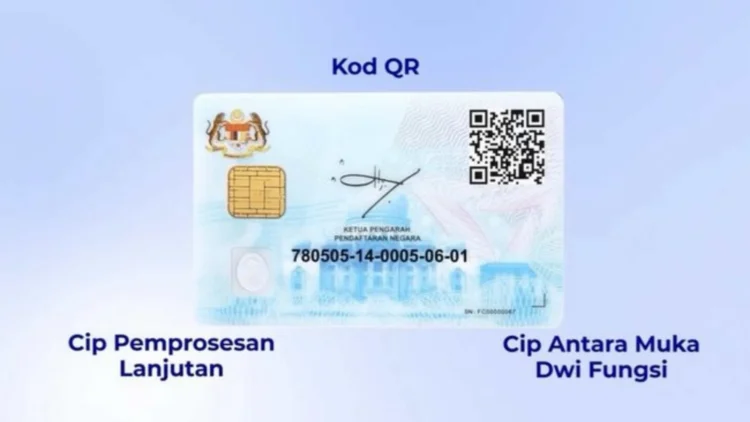
The new MyKad begins its rollout today, with a new look, a QR code at the back, and the chip also moved to the back. We’ve covered most of the things you need to know about the new identification card, including the two aforementioned elements. But in case you needed more clarity on these, the National Registration Department (JPN) has shared via its social media channels what the QR code is for specifically, and what are the implications of the chip being at the back.
Going in that order, JPN’s director of the Identification Card Division, Muhammad Asraf Sukadi, says that the QR code is used strictly for enforcement purposes by agencies authorised by JPN. For now, though, it is only used by JPN to verify that the holder of a MyKad is its true owner. He also says that this QR code cannot be read by any smartphone camera.
Moving on to the chip, as mentioned before, this is a dual-interface chip, allowing for conventional contact-based terminals as well as NFC. To use the new MyKad with the former, such as when claiming your BUDI95 fuel subsidy or even the RM100 SARA cash aid, all that’s needed to be done is to plug in your identity card with the chip side facing up as before. Though with the new card, this does mean having the back facing up rather than the front.
With all that said, the NFC feature remains a bit of a mystery. After all, it no longer features any Touch ‘n Go card functionality, and JPN has not mentioned any contactless use cases for the new MyKad. That said, Asraf did mention that the NFC functionality will allow contactless interaction between the card and devices authorised by JPN to read information stored in the chip. Chances are features that currently require the card to be plugged into contact-based terminals may also support contactless uses in the future, but that’s merely speculation on our part.
To reiterate, there’s no rush to get the new MyKad if there’s no reason to. But if you must replace it, Asraf says you can make an appointment with JPN via a dedicated webpage, linked here.
(Source: JPN / X [1], [2], The Edge)
