
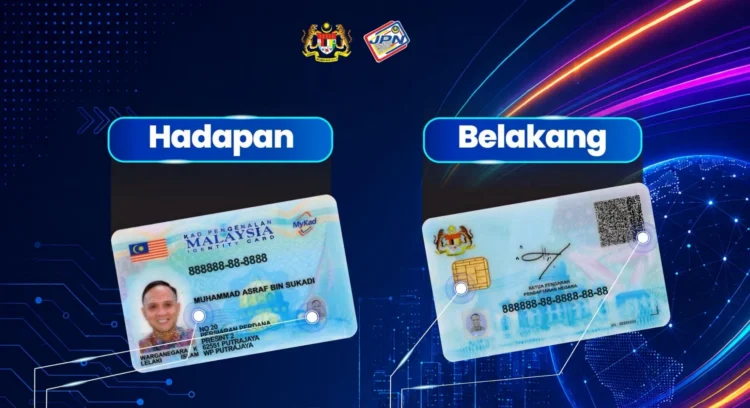
The National Registration Department (JPN) has announced that the new-generation MyKad will roll out starting today on 17 September 2026, introducing a redesigned physical card alongside upgraded security features intended to make the national identity card more difficult to counterfeit. Additionally, the new MyKad features 53 security elements and uses a polycarbonate construction designed to improve durability against heat, chemicals and physical wear.
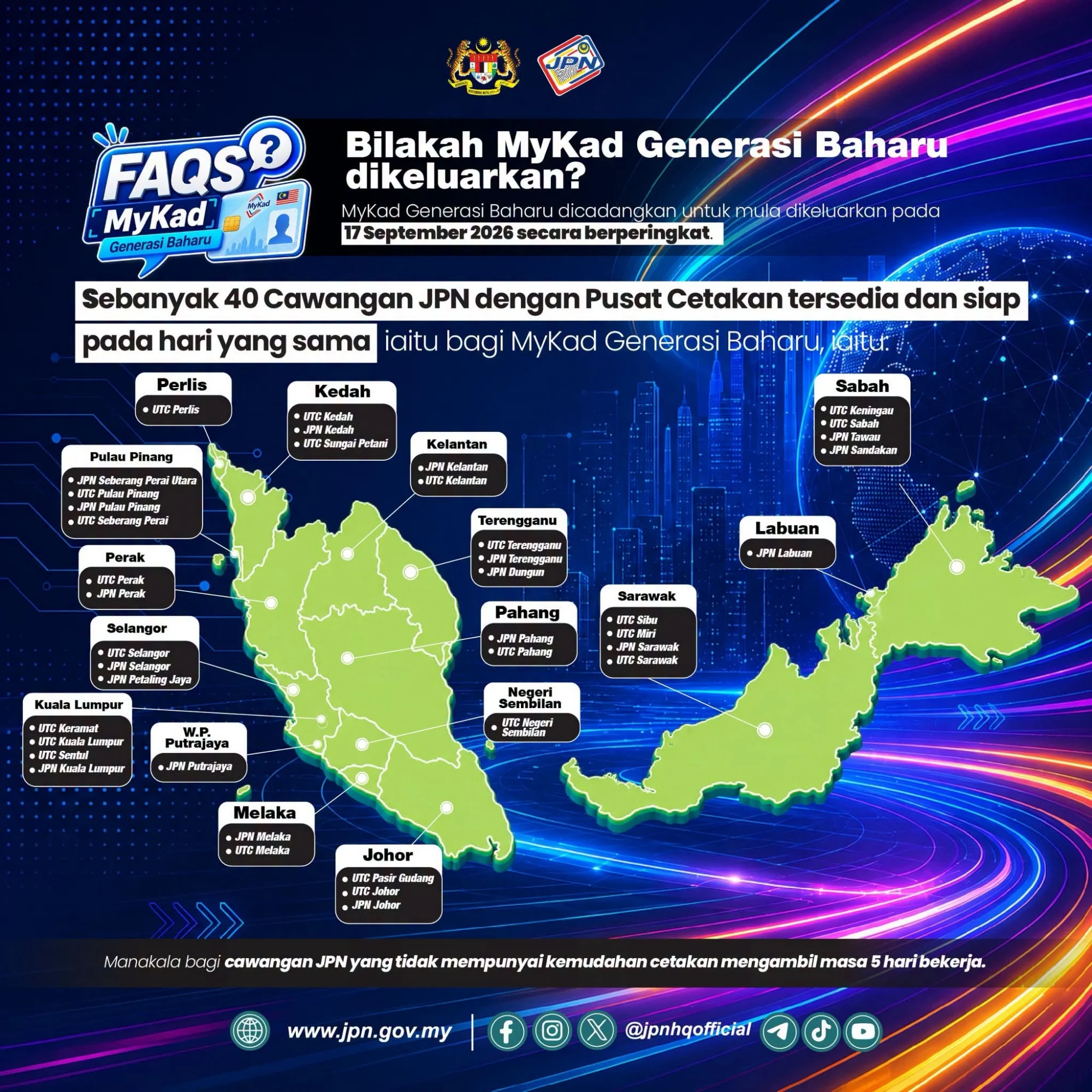
JPN says the new-generation MyKad will be rolled out in stages across Peninsular Malaysia, Sabah, Sarawak and Labuan. Applications begin today at 40 selected JPN and UTC locations that are equipped with on-site card printing facilities, allowing the new cards to be produced on the same day.
Applicants visiting JPN branches without on-site printing facilities will have to wait around five working days for their new MyKad to be produced. The rollout will therefore take place progressively rather than making the new card immediately available at every JPN location.
New Design And Security Features
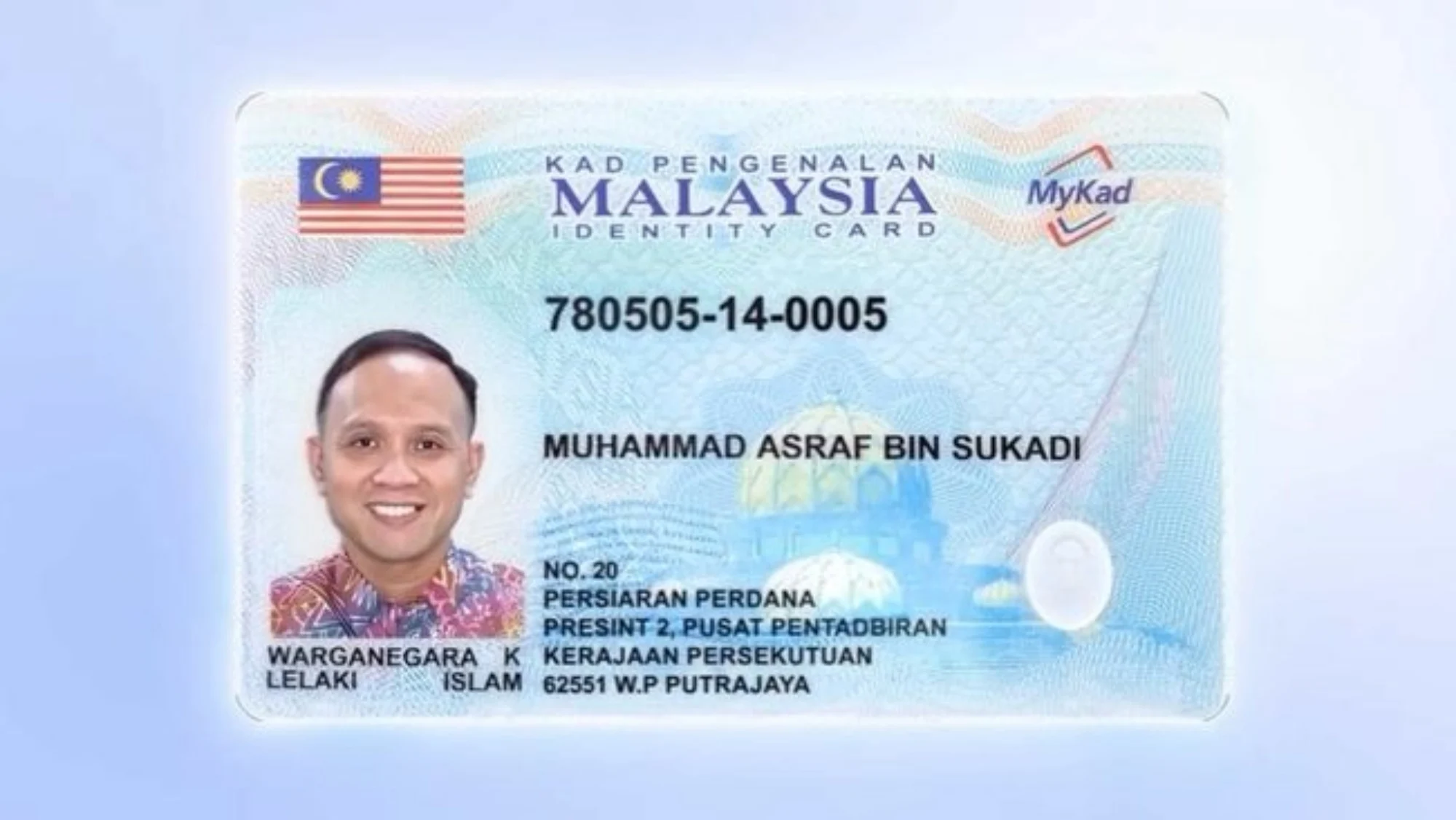
One of the most noticeable changes is the repositioning of several elements on the card. The holder’s photograph is now placed on the left side of the front, while the chip and QR code have been moved to the rear.
The card incorporates Guilloche patterns consisting of fine, intricate lines that are designed to make reproduction more difficult. There are also UV security elements on both sides, with hidden patterns becoming visible when viewed under ultraviolet light.
Another prominent feature is the dynamic security hologram, which produces a three-dimensional effect that changes depending on the viewing angle and lighting conditions. A transparent window has also been incorporated as an additional physical authentication feature.

The rear of the card carries a QR code intended to support identity verification and enforcement. The new MyKad also uses a dual-interface chip, allowing it to be read through conventional contact-based terminals as well as contactlessly using NFC.
Despite the redesign, the 12-digit identification number remains unchanged. It continues to follow the existing format based on the holder’s date of birth, state code and unique identifier.
No More Touch ‘n Go Functionality
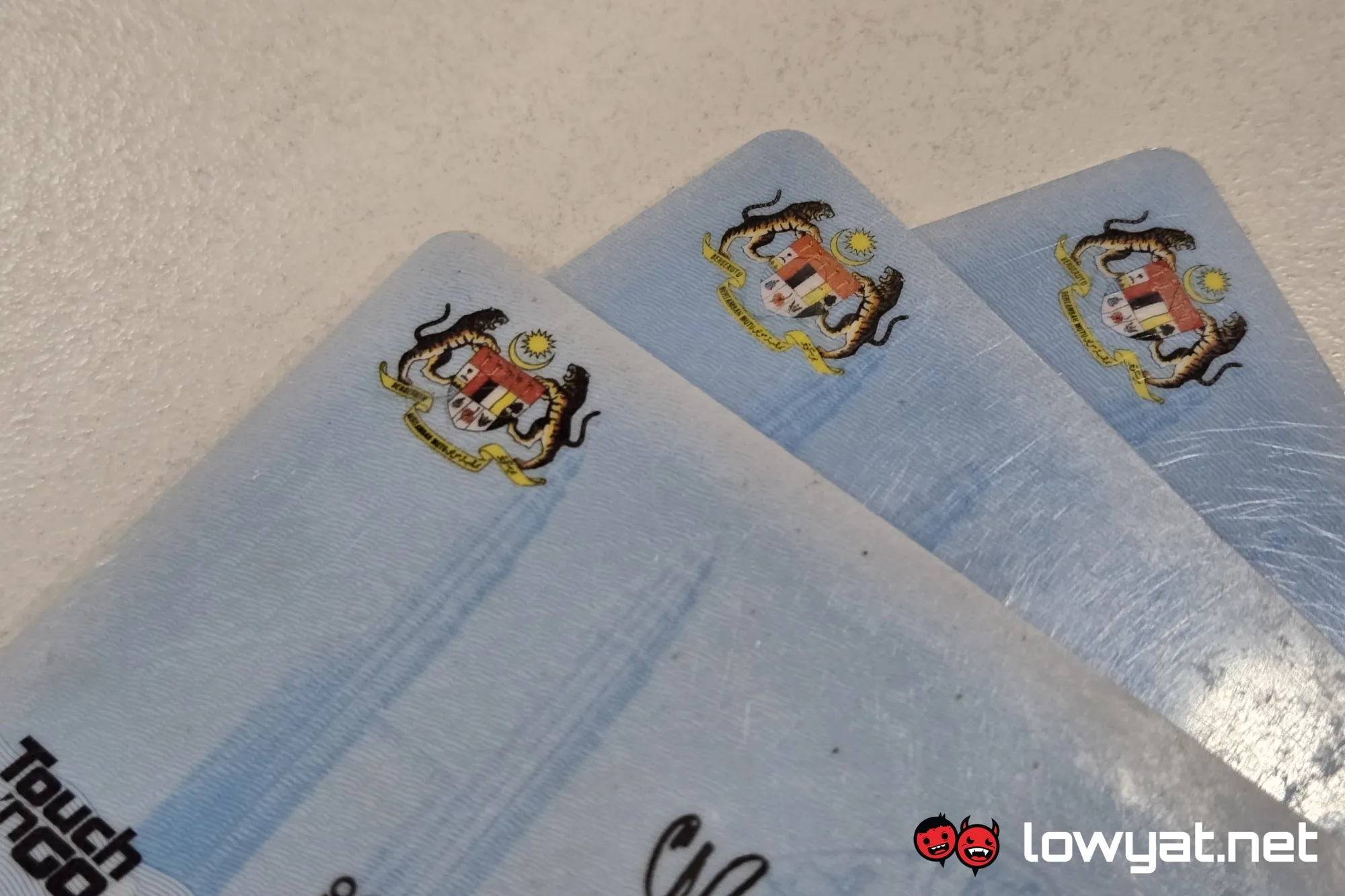
One notable change for existing MyKad users is that the new-generation card does not include Touch ‘n Go functionality. This means it cannot be used as a Touch ‘n Go card for supported payments, including public transport.
Those who want to continue using Touch ‘n Go will instead need to rely on the Touch ‘n Go eWallet or a separate Touch ‘n Go card. Existing MyKad cards with Touch ‘n Go functionality can continue to be used until the functionality expires, subject to the card’s validity period.
For users changing to the new MyKad who still have a Touch ‘n Go balance on their old card, refunds can be requested through Touch ‘n Go’s refund portal. Existing cards can also be linked to the Touch ‘n Go eWallet to check their balance and validity.
Existing MyKad Still Valid, No Need To Rush
Importantly, Malaysians do not need to rush to replace their existing MyKad. JPN has confirmed that current MyKad cards remain valid and there is no directive requiring everyone to replace them with the new-generation version.
Home Minister Datuk Seri Saifuddin Nasution Ismail has also previously advised Malaysians not to rush to JPN offices when the rollout begins. Keeping an existing MyKad in good condition will not affect subsidy balances or eligibility associated with the cardholder’s identity.
The new-generation MyKad is therefore being introduced as a gradual replacement rather than a mandatory nationwide swap. Existing cardholders can continue using their current MyKad as usual unless they have another reason to apply for a replacement.
(Source: JPN [Facebook])
