
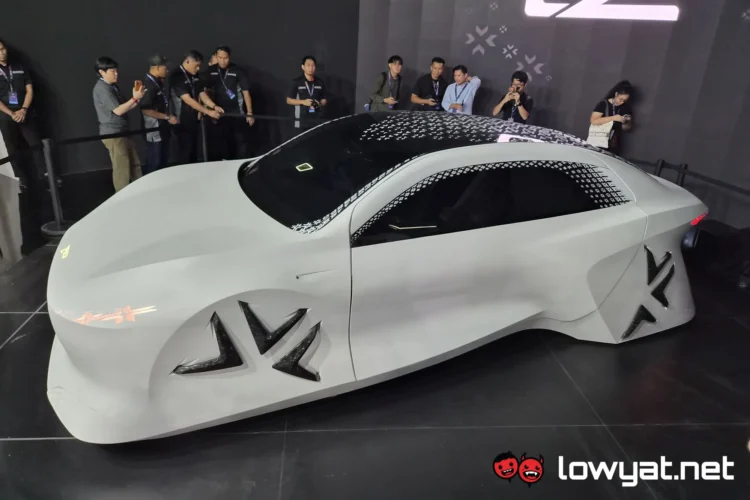
At KLIMS 2026, Perodua revealed what it calls the C2 concept car. It’s called the C2 because it represents Chapter 2 of the company’s ongoing EV efforts. It will be the basis of the next B-segment EV, according to the press release the company sent out alongside the reveal. Which is all well and good, but then you actually see the way it looks.
You know the look of some concept cars that make you think “I wish this goes into mass production” or “I wish this was a real car people can buy”? I’d hazard a guess that’s not the thought most people had when they saw the veil being pulled off of the Perodua C2. I won’t go as far as to say that people would actively hope this never existed, but I would imagine that the best feeling the C2 would elicit from anyone is optimism, and hopefully I’d have explained why by the end of this article.
What You See Is What You Get
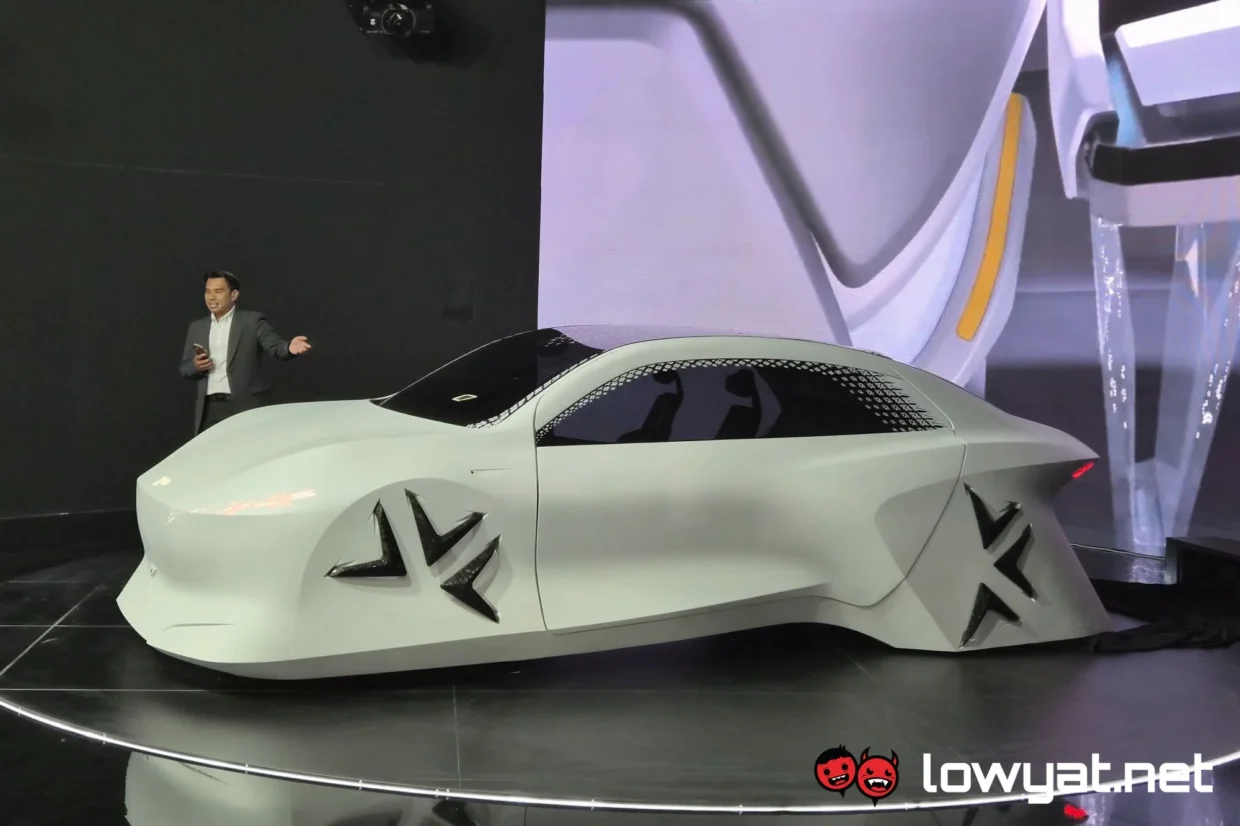
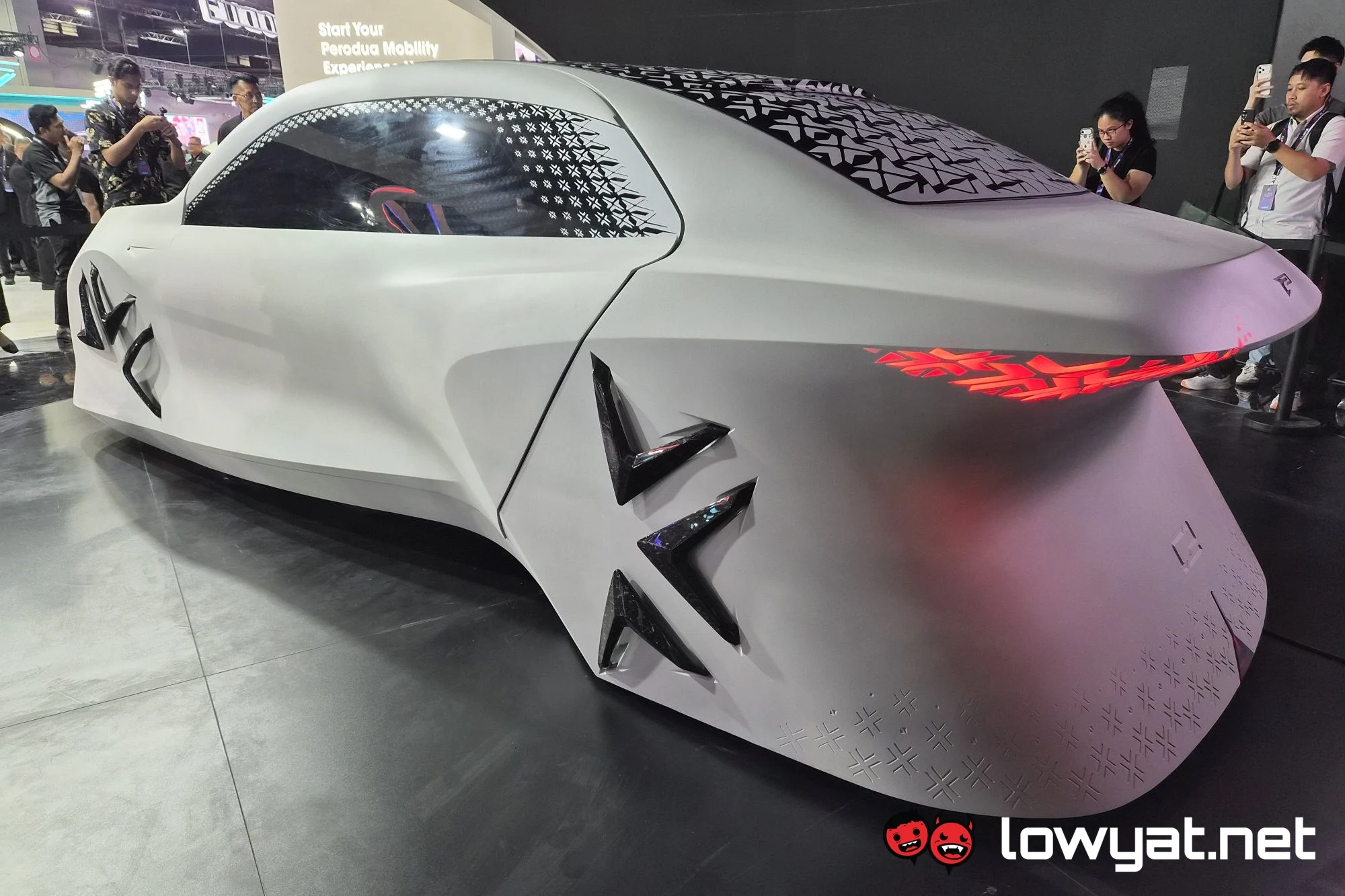
Speaking of the veil being pulled off, when that happened, the body of the Perodua C2 concept looked like there was another layer to be removed. That was unfortunately not the case, and the bizarre design choices were here to stay, both on the outside and in. It would probably have been fairer to call this a mockup of a concept than a concept car proper.
Let’s start from the beginning, at least, based on my point of view, where I stood as I took these pictures. Once it was clear that there was not another layer of cloth to be removed, it also became clear that the Perodua C2, as it was presented, did not have wheels. In fact, the entire thing was on stilts. Not a jab at the design, at least not yet; just pointing out that it’s a mockup rather than a concept car.
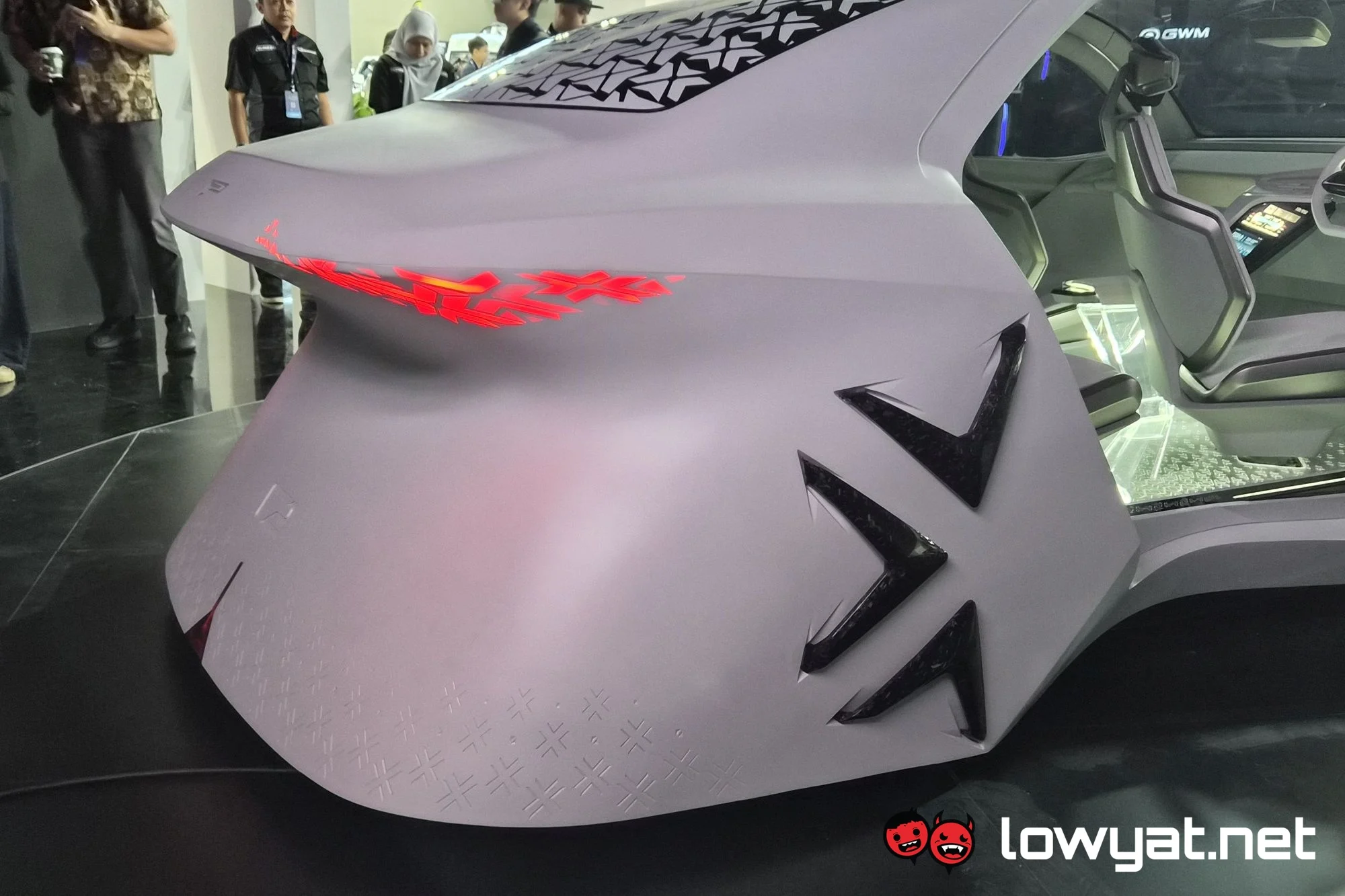
Then there’s the attention-grabbing tail end of the Perodua C2. Rather than rear splitters, it has a solid block that extends all the way to where the rear wheels ought to be. This connects to an upwards curve, which then slopes downwards again to where the front splitter is supposed to be. This bit of design causes the silhouette to look like a shoe. That’s probably not the shape one wants to see on a car, and even if it is, it seems unlikely that it will be able to retain that shape once real wheels are fitted on.
The Reverse Gaming Chair
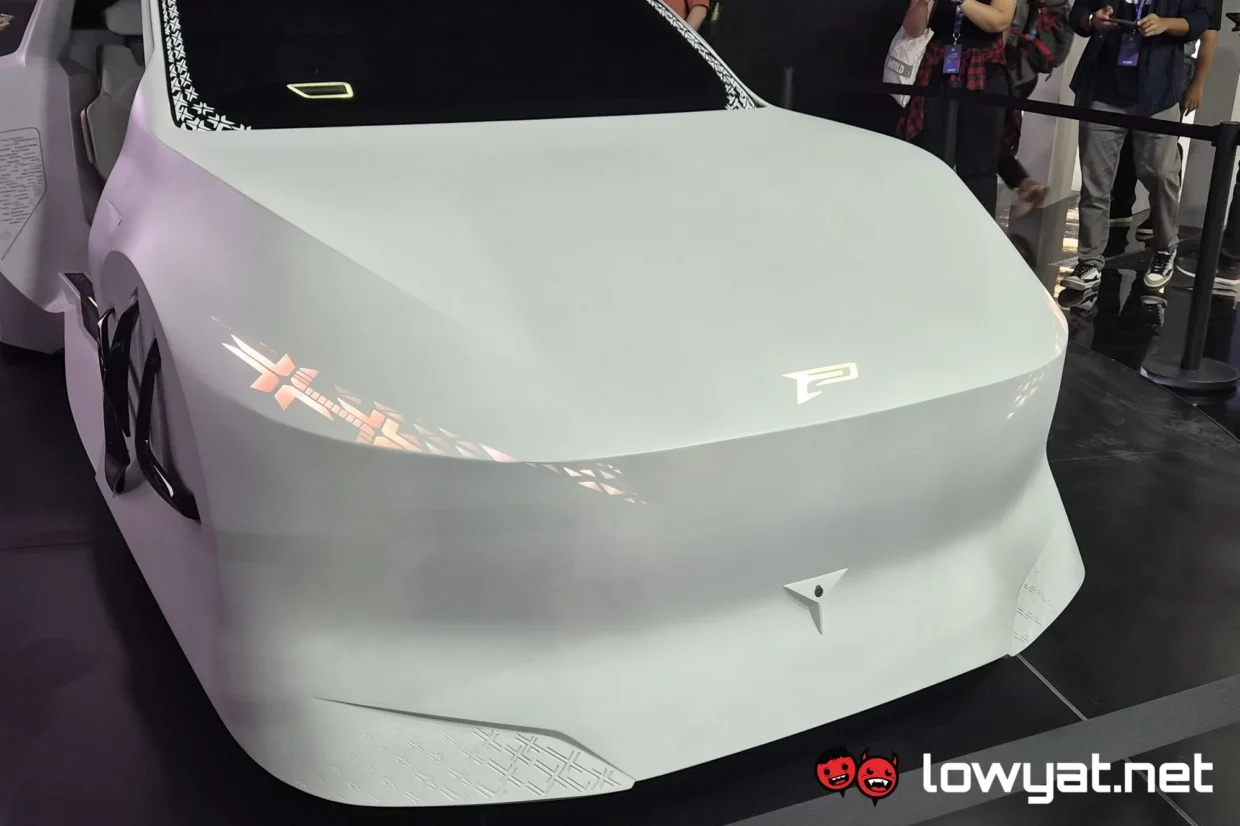
Moving to the front of the C2, we see the badge light up, alongside the headlights with an excessive number of composites. Nothing particularly wrong here, but the lack of detail elsewhere makes the camera stick out way too much, way beyond just “like a sore thumb”. Similarly, from this angle, the “wheels losing one of presumably four stylised spokes” look is less jarring than the spokes themselves jutting out of the “wheel”.
Continuing the clockwise movement around the Perodua C2 we see the interior, since the right door is not there at all. And unfortunately, this looks like the complete opposite of the trend turning racing harnesses into office chairs. Concave, hugging shapes notwithstanding, the distinct separation of the headrest from the backrest makes the front seats look too much like office chairs. It’s not much better with the connected rear seats.
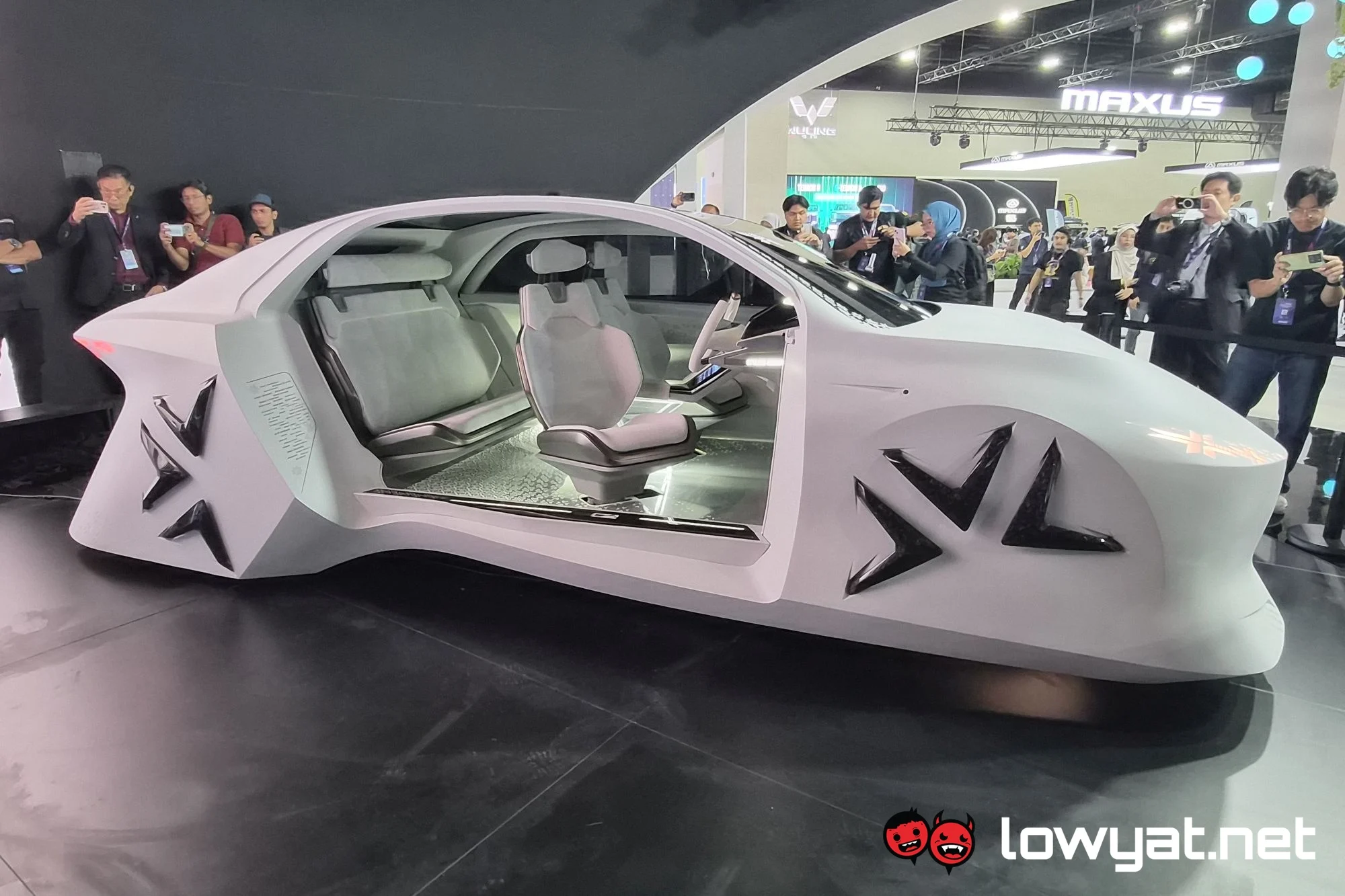
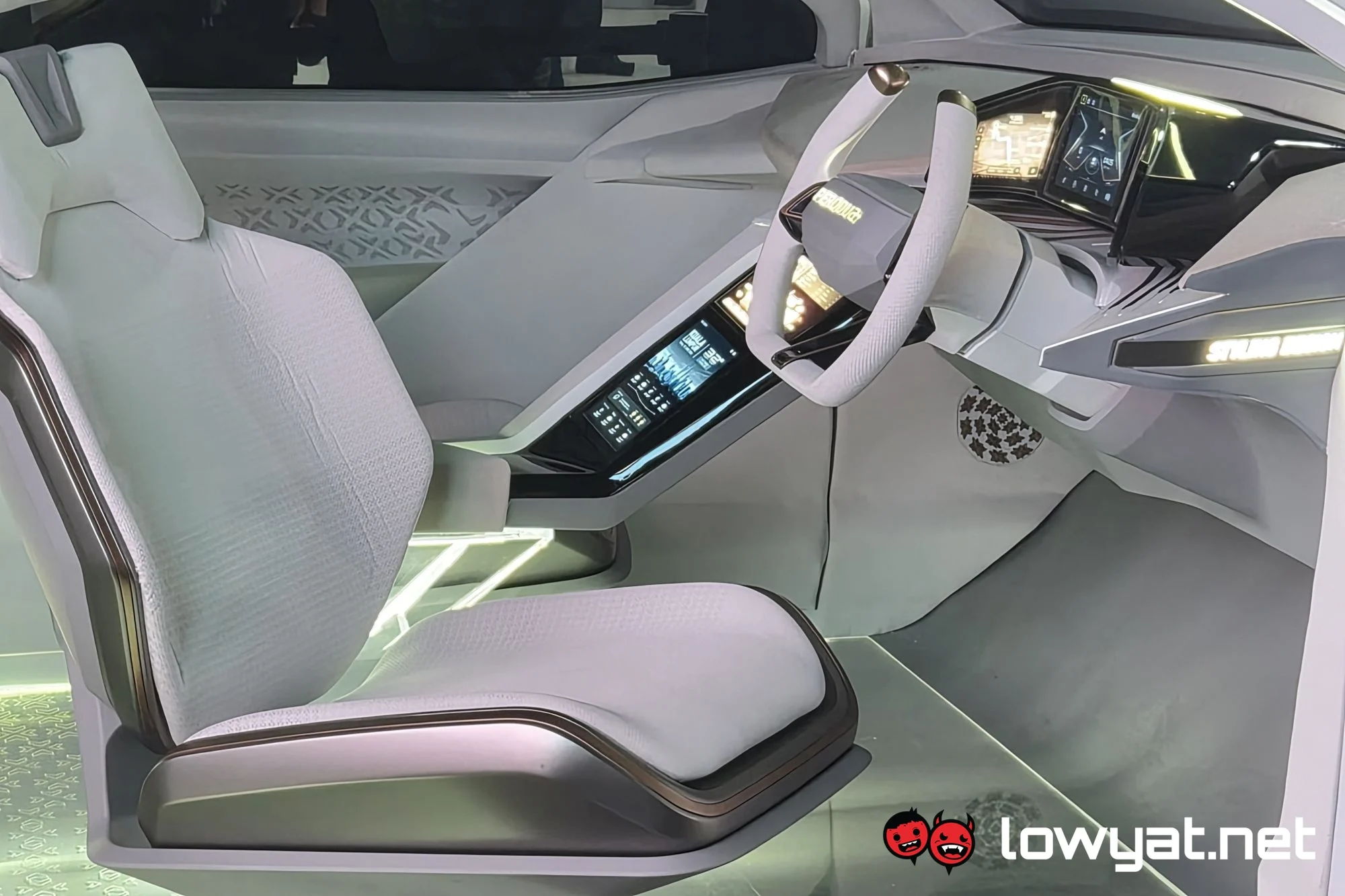
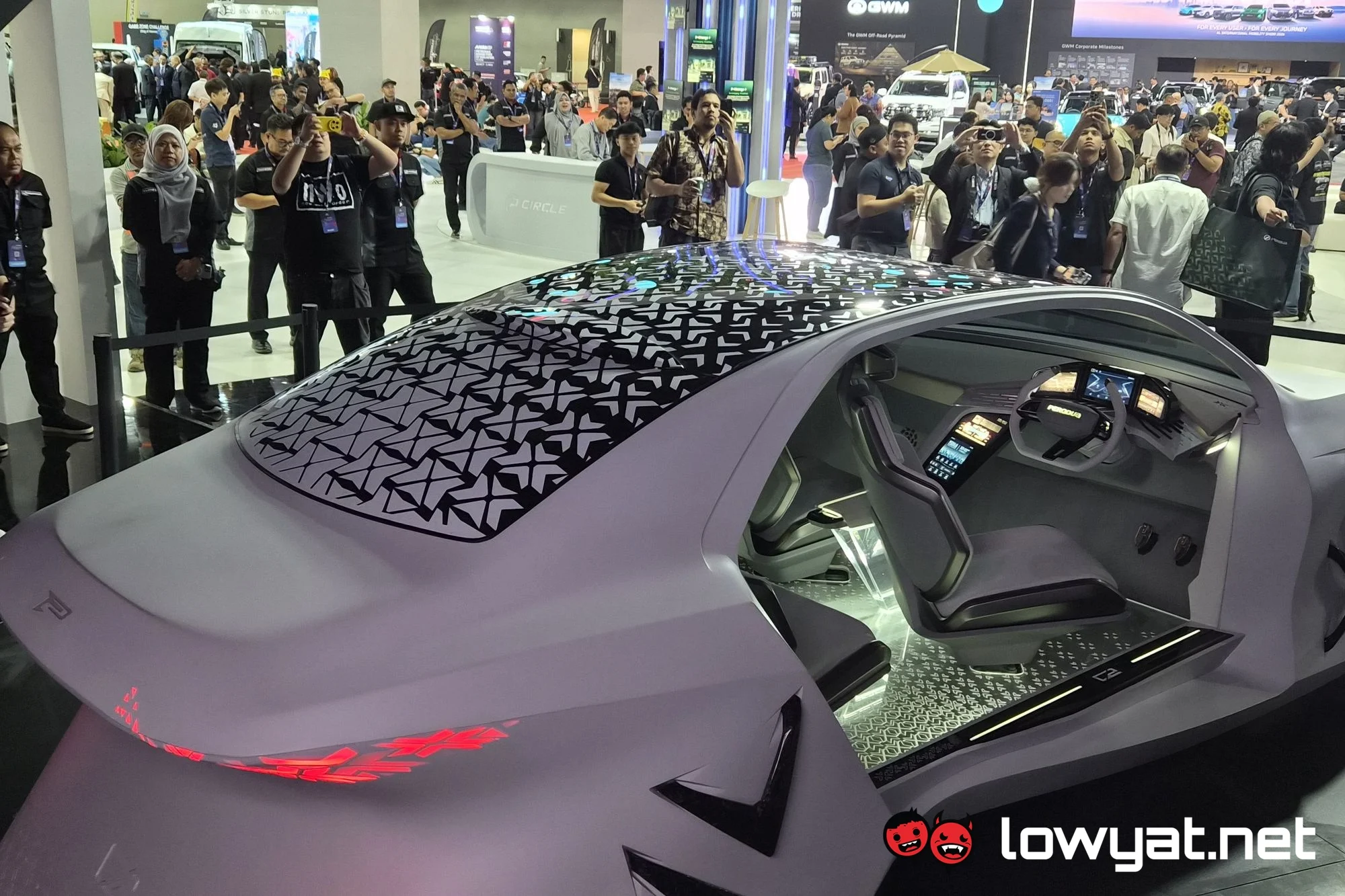
Then you see the centre console, which is held up by a piece of either glass or acrylic, totally distracting from the fact that the pedals are tiny. The faux instrument cluster and the steering wheel, in comparison, look fine. Great, even.
Bumper Bender
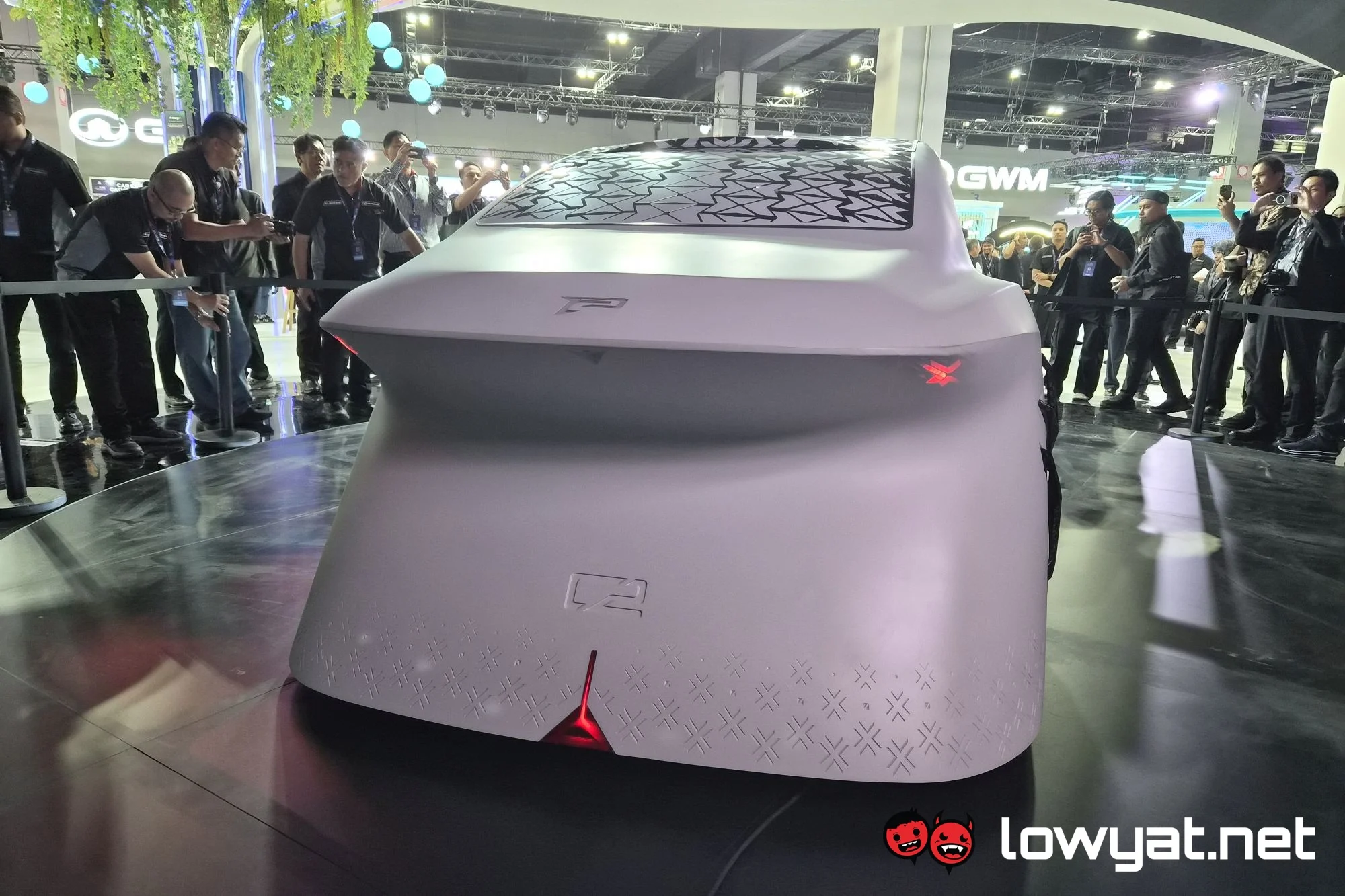
Then we get to the back for a better look at the shoe heel that is the tail of the Perodua C2. Which definitely does not inspire confidence for when it is driven on our bumpy roads. And if the light at the bottom is meant to be the third brake light, then it’s very liable to get damaged, requiring frequent replacement along with the rest of the “rear diffuser”. The tail lights also look to be part of the protruding structure that is presumably the rear spoiler. These lights also look to be made up of too many composites.
Contrast the Perodua C2 with the three EMO concepts, if you will. The first EMO was unabashedly a Myvi that’s modified into an EV. By the second EMO, it already looks a lot like the eventual QV-E final form. It’s the same story with the third and final version of the EMO, save for cutting out a segment. It’s a much clearer ideation-to-concept pipeline overall, without too much that’s seemingly left to the imagination.
Though arguably, even the QV-E could have benefited from more design changes between EMO-II and the final product. To say nothing of the whole battery-as-a-service thing without providing easy swaps, but that’s a discussion for another day.
Back To The Drawing Board
Perodua says that the C2 “represents an entirely different styling direction; incorporating the latest technology; and created by our young and talented designers, which represent their vision of what the future of EV would look like”. Which probably explains why the carmaker started seemingly from scratch rather than using the existing QV-E as a base. But with that being the case, the design would likely have benefitted from cooking a little longer in the oven before being shown off to the public. Much like games could use a lot more dev time before they get opened up to betas or early access.
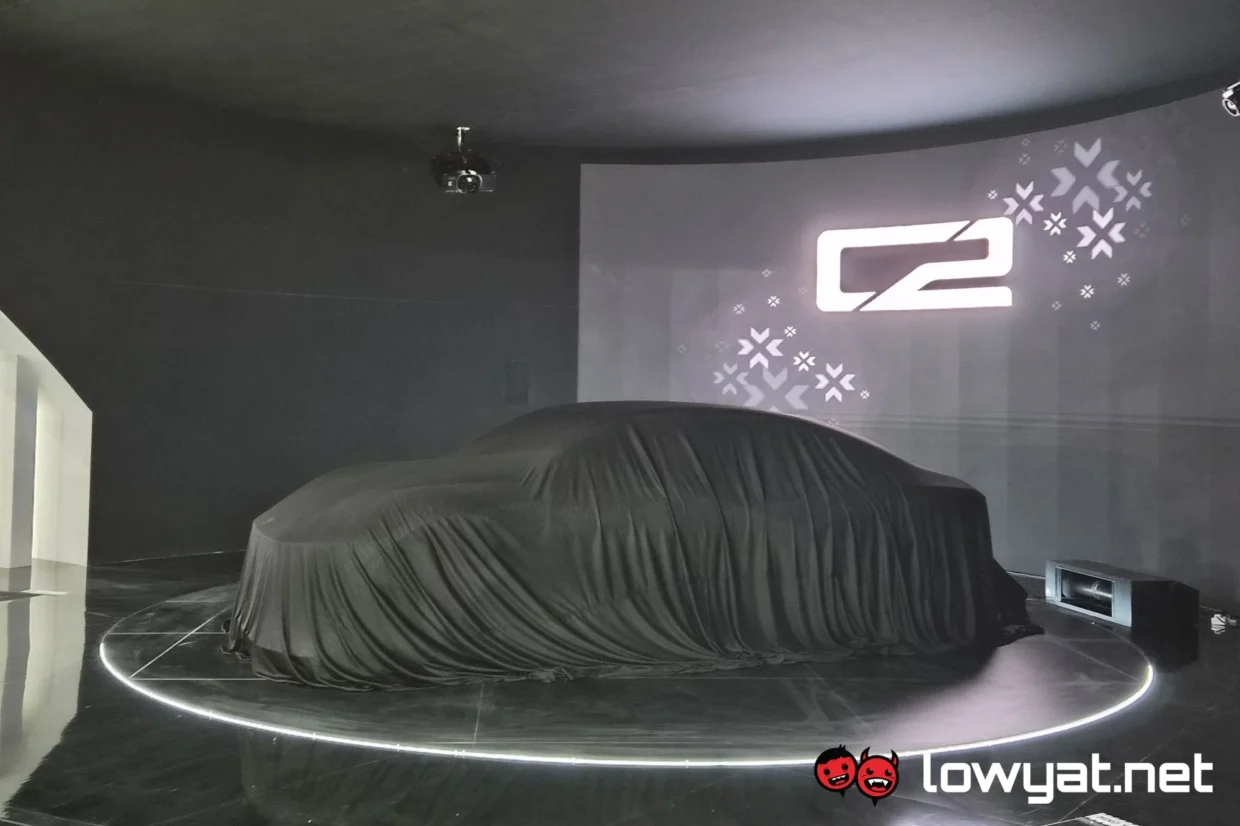
At any rate, it’s unclear if the Perodua Chapter 2 that was presented was the result of having to show something off at KLIMS 2026 despite its readiness. Similarly, it’s also unclear if it will be a three-parter the way EMO was. Should that be the case – or if there will be more parts to the C2 – then the silver lining here is that, with what we’ve seen, the only way is up. Well, statistically anyway, because in absolute terms, there’s a non-zero chance that things go further south still.
And on that bombshell…
@lowyatnet At KLIMS 2026, Perodua revealed its C2 concept car, or Chapter 2 of its ongoing EV efforts #KLIMS1026 #Perodua #PeroduaC2Concept
