

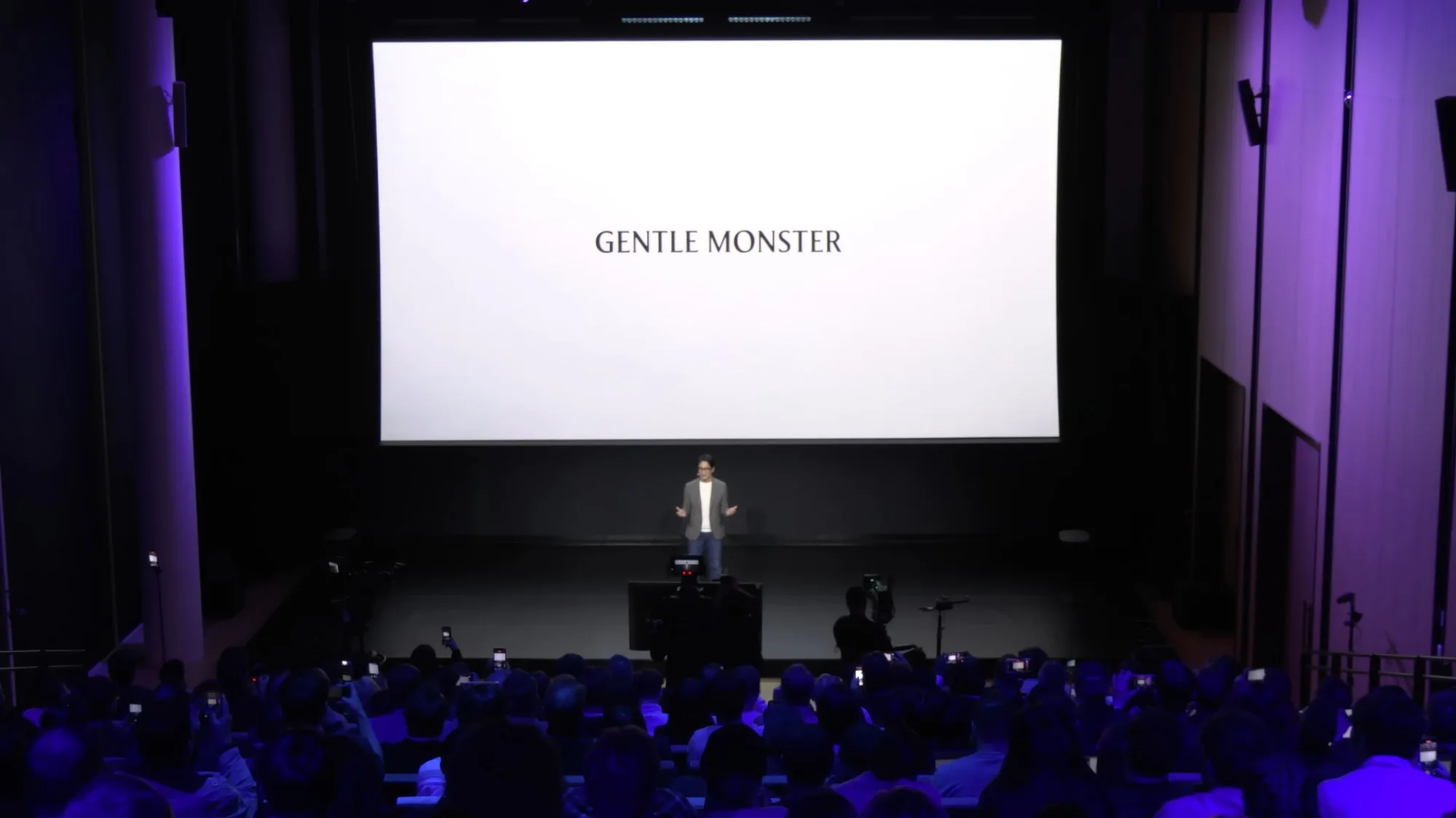
Back in October, Samsung officially launched the Galaxy XR headset as its first product to run on Google’s Android XR platform. Of course, it will not be the last, as the South Korean tech giant also announced its collaboration with Warby Parker and Gentle Monster to create AI-powered smart glasses. Now, a new leak has offered a glimpse of the Galaxy Glasses.
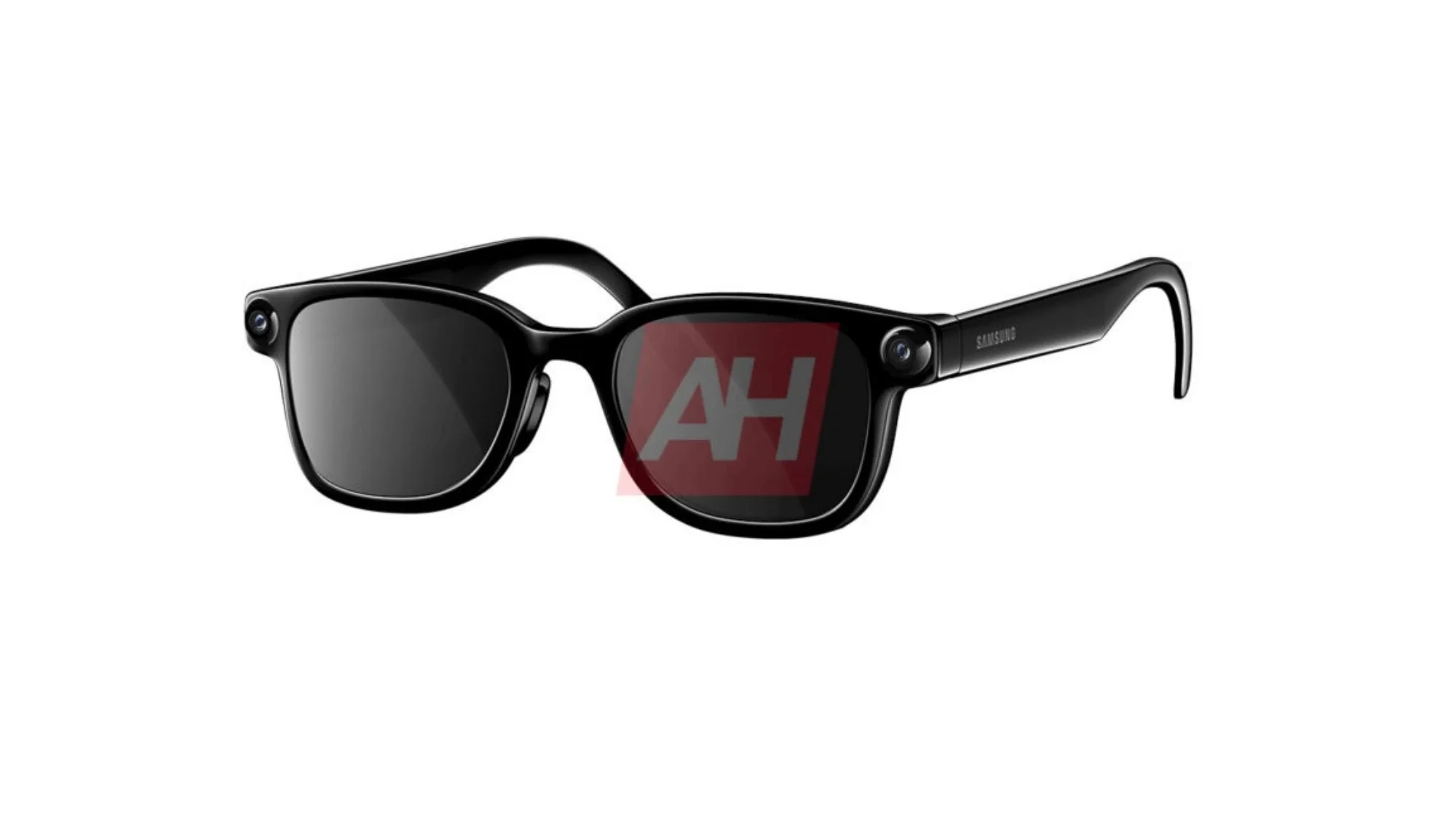
In a recent report, Android Headlines shared renders depicting the glasses in multiple angles. According to the outlet, Samsung is working on two different models, which it is internally calling “Jinju” and “Haean”. The renders are of the former, which will not feature a screen.
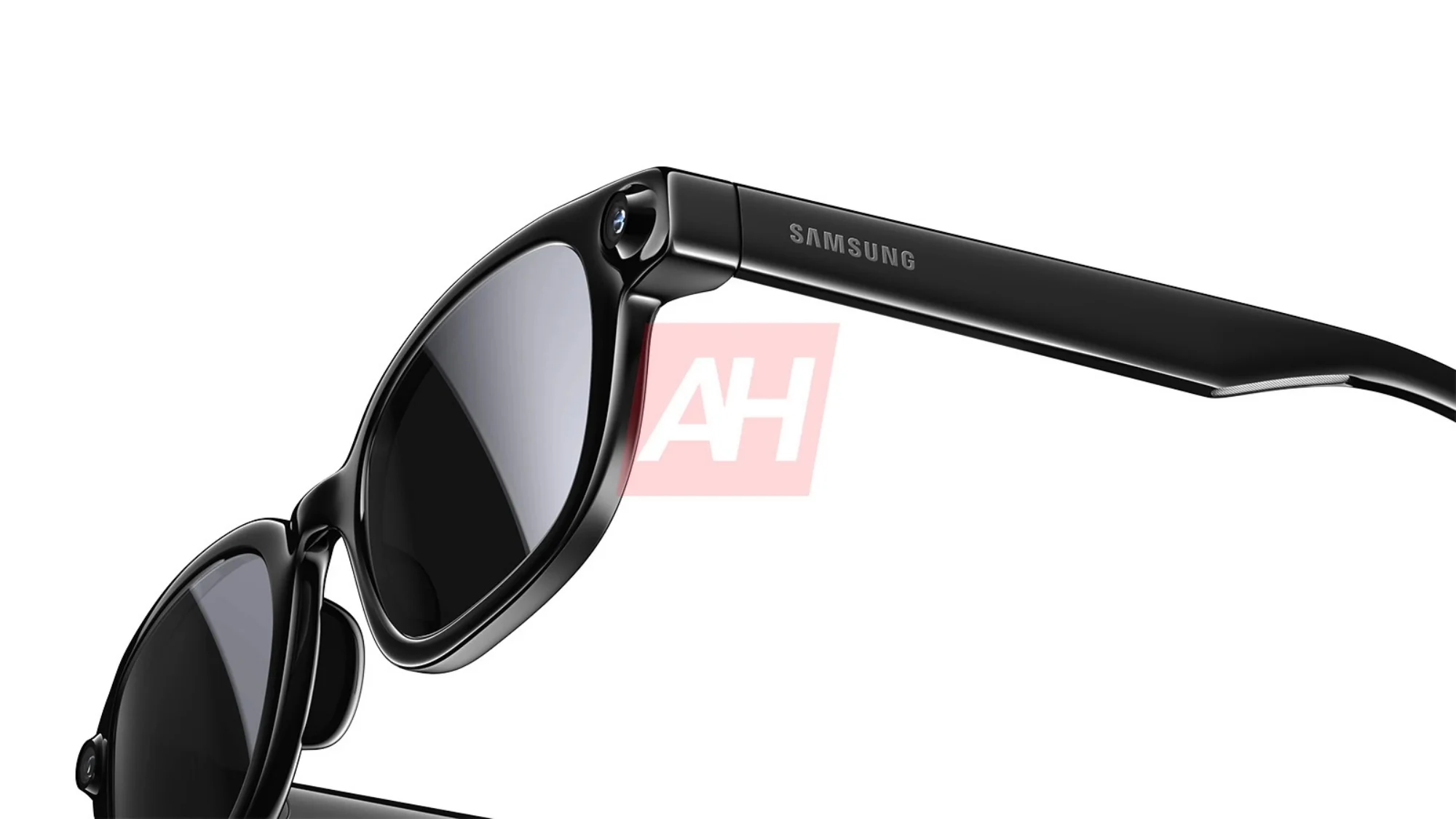
Alongside these renders, the publication disclosed some of the device’s specifications. Jinju will apparently come with photochromic transition lenses. Internally, it will reportedly feature a Qualcomm Snapdragon AR1 chipset and a 155mAh battery. In addition to this, the site claimed that the glasses will use a 12MP Sony IMX681 sensor for imaging.
Other than that, the glasses will allegedly come with directional speakers. For connectivity, it may support Bluetooth 5.3 and WiFi. Furthermore, the entire device will reportedly weigh roughly 50g. Of course, as the Galaxy Glasses will run on Android XR, Gemini will be on board. Wearers will likely be able to use the AI assistant to translate signs, take photos, and get directions via Google Maps.
For now, it is unclear when the Galaxy Glasses will be debuting. Samsung will likely launch its new foldables at the next Galaxy Unpacked event, so the Jinju model may make an appearance then.
However, sales might not begin immediately after. Once available, the device could be priced between US$379 (~RM1,496) and US$499 (~RM1,970). As for the other variant, Haean may only launch in 2027. This version will reportedly feature a microLED display and cost between US$600 (~RM2,369) and US$900 (~RM3,554).
It goes without saying that these leaks should be taken with a grain of salt. Samsung has yet to offer any concrete details on the project. And of course, local availability still remains in question.
(Source: Android Headlines)
