

The physical games market is on thin ice, with Sony adamant on putting a stop to physical discs for new PlayStation games. Although other companies have yet to follow suit, supply constraints may push them to make a similar decision. Apparently, Taiwanese semiconductor and memory manufacturer Macronix will be exiting the ROM business. The firm currently serves as the main supplier of ROM chips for Nintendo Switch game cartridges.
According to Taipei Times, Macronix CEO Miin Wu confirmed that the company will gradually phase out ROM production and instead focus on NAND and NOR flash memory chips. This decision is undoubtedly largely driven by the AI boom and the ongoing memory shortage. Wu noted that the demand for NOR used in data centres is “very robust”.
 On the other hand, the ROM market is dwindling. Although the supplier reported record-high profits of TWD10.95 billion (~RM1.35 billion) this quarter, its ROM products only accounted for 5% of the overall revenue, down from 26% previously. This marks a 39% decline compared to last year.
Of course, Macronix is not the only supplier of ROM chips for Switch cartridges, so Nintendo probably won’t be phasing out physical media anytime soon. Beyond that, the change will only affect game cards for the original Switch. Switch 2 cartridges use NAND chips instead, and those aren’t going away for the foreseeable future.
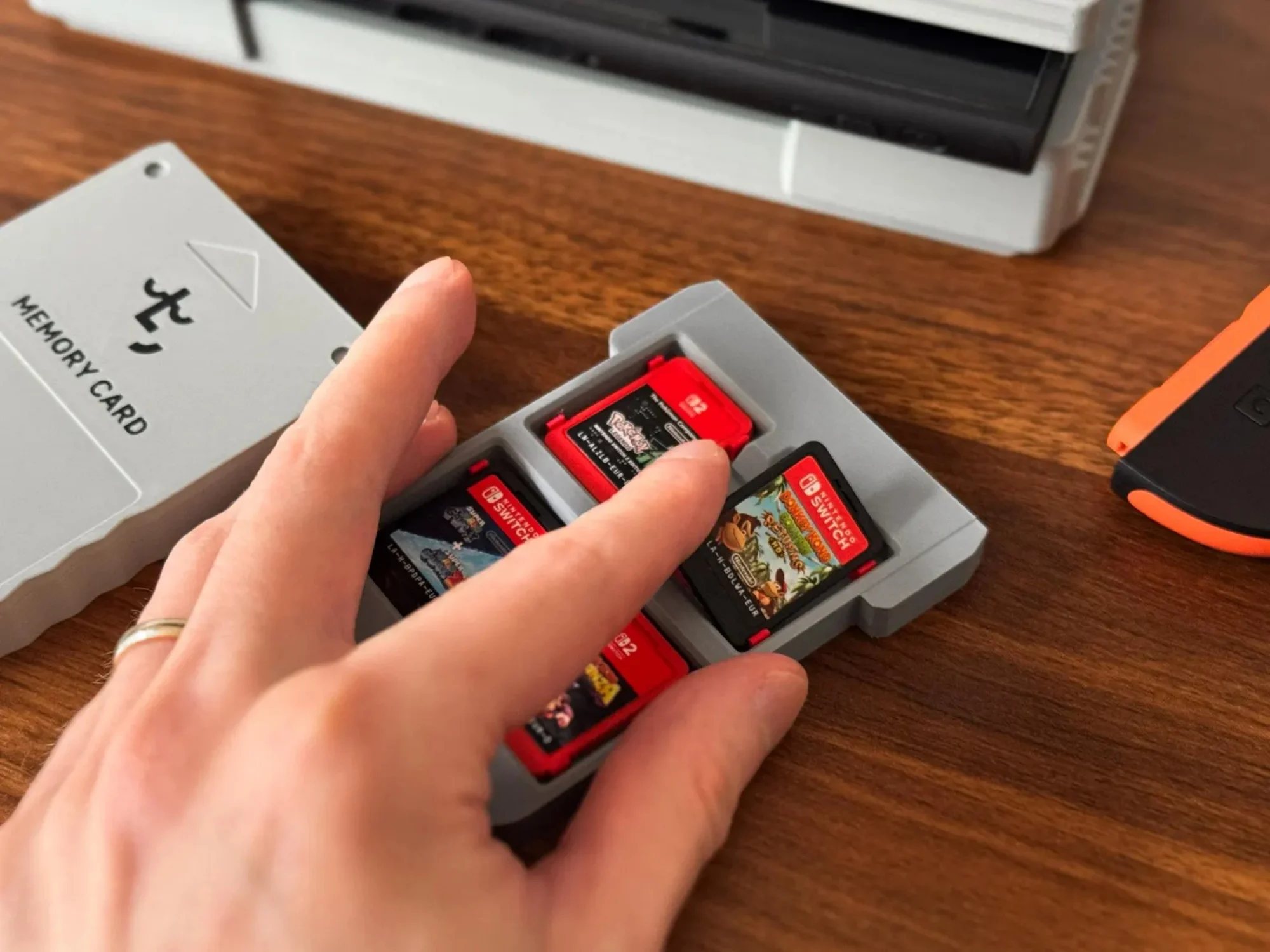
That said, the shift could still spell trouble for physical cartridges in the long-term. As of earlier this year, digital products accounted for 61.5% of Nintendo’s software sales. The rise of digital media has been used as a justification for putting an end to physical games, with Sony reporting an 85% digital-to-physical ratio. It is worth pointing out that these figures don’t necessarily paint the full picture, though.
In any case, Nintendo has yet to comment on this development. Previously, the company’s Vice President and General Manager for Latin America Bill van Zyll affirmed that there are no plans to ditch physical media. He also noted that the brand’s stance has been to be agnostic and to take consumer preferences into account. Though that position may change down the line.
(Source: Taipei Times, David Gibson via X)
