
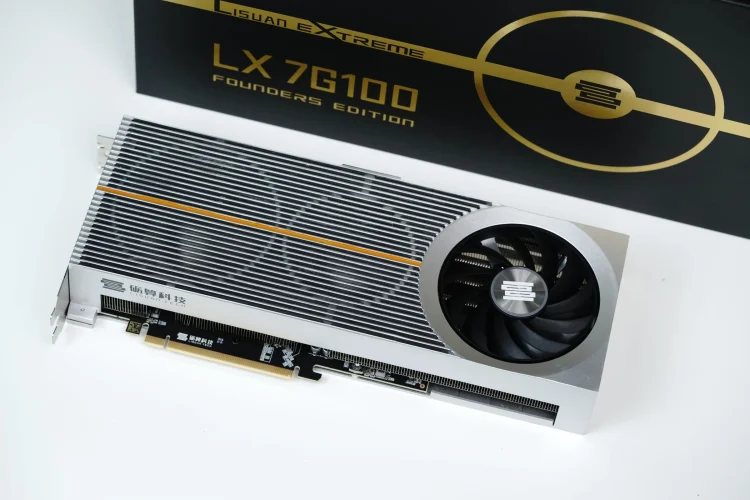
Remember Lisuan, the Chinese GPU maker that recently made headway this year with the launch of its first-ever consumer-ready graphics card, the LX 7G100 Founders Edition? The company recently released new drivers for the card, containing a slew of fixes, updates, and performance optimisations to the card.
The driver update can be found and downloaded via the company’s official product support page. Specifically, the update includes 58 changes, comprising 43 fixes, 13 game performance optimisations, and two feature additions.
One important update is the addition of FreeSync control to the company’s proprietary eXtreme software, essentially allowing owners and users of the card the ability to run variable refresh rate on it. Not only that, but it also adds support for hardware decoding for MPEG-1 and MPEG-2 video.
Perhaps the most interesting update is for game titles that were very recently released. By that, we are talking about Phantom Blade Zero, which launched at the tail end of October. It is interesting because, based on the hardware requirements on Steam, the game looks fairly demanding, even though the recommended GPUs for it goes back two generations, both for NVIDIA and AMD.
New game support aside, Lisuan says that the new driver also addresses rendering problems for multiple titles. That list includes Borderlands 4, F1 24 and 25, Control Resonant (yet another recently launched title), Wardogs, and Red Dead Redemption 2, to name a few. It also fixed crashing issues for titles that include The Witcher 3: Wild Hunt Remastered and Halo: Campaign Evolved, to name a few.
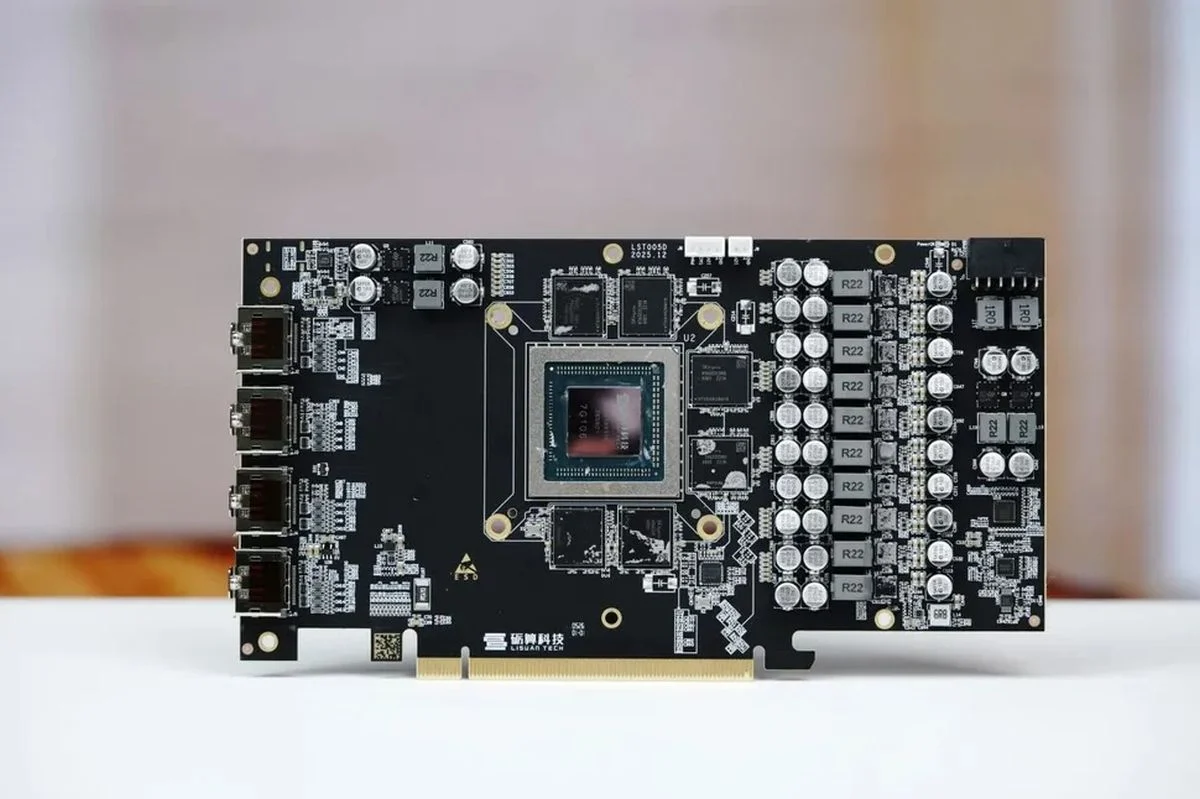
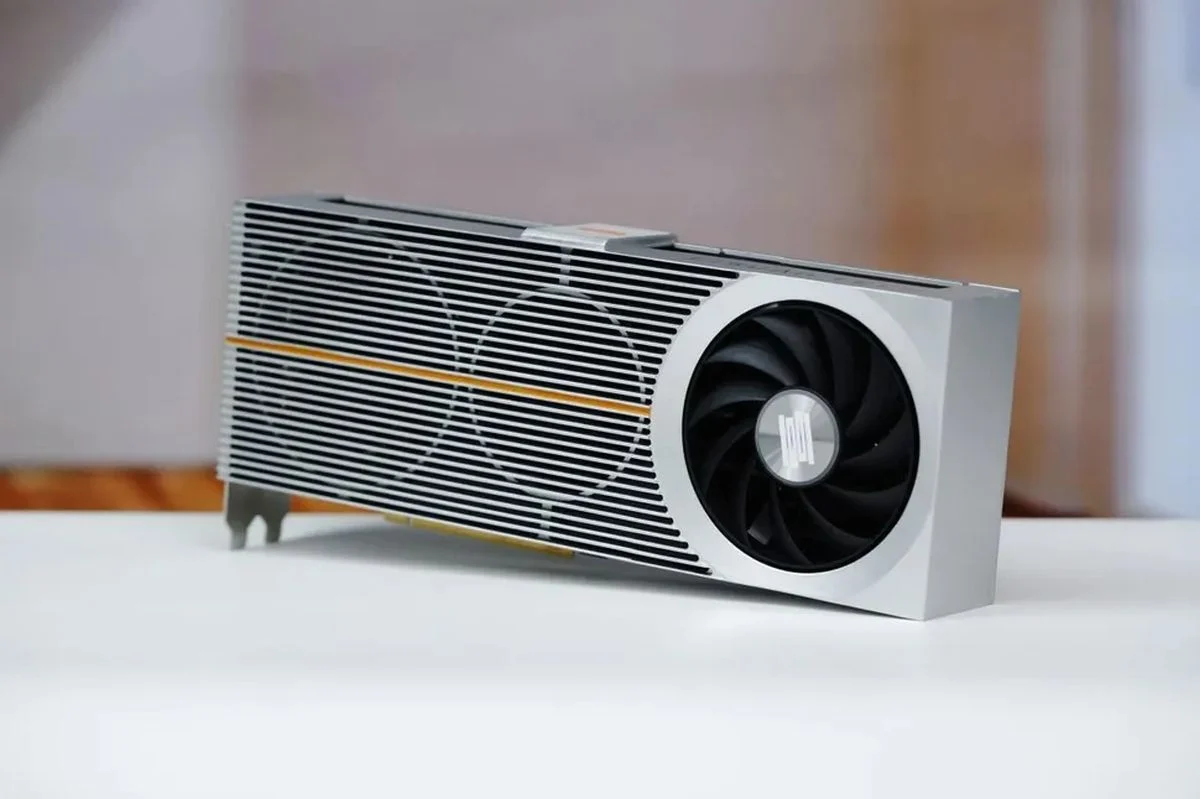
The Lisuan LX 7G100 went on sale back in May of this year, and only 1,000 units were made and were sold out within 48 hours. Specs-wise, the card uses a 6nm GPU, 12GB GDDR6 VRAM, and runs on a PCIe 4.0 interface with four DisplayPort 1.4a ports. Additionally, the card supports DirectX 12, Vulkan, OpenGL 4.6, and OpenCL 3.0. As far as performance goes, and based on user feedback, the card is supposed to be on par with an NVIDIA RTX 3060, which is based on the Turing architecture that launched six years ago.
(Source: Lisuan, Videocardz)
