
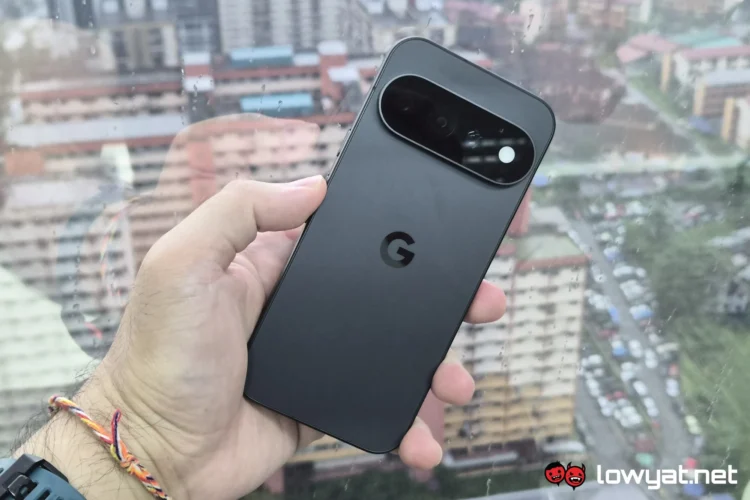
In an age where the consumer tech industry is wholly committed to AI, it’s completely safe to expect that Google, one of THE AI companies right now, is pushing that element as the killer feature with the new Pixel 11 Pro. Sure enough, the phone’s launch has come and gone, and having spent time with the phone, there’s good news, and news that could go either way.
Let’s deal with that uncertainty first by framing it as bad news. And that is, if you were looking forward to using all of those agentic AI capabilities, they are absent. With that out of the way, the good news is that, barring some Tensor-specific oddities, the Google Pixel 11 Pro is as good as you’d expect a flagship with vanilla Android to be.
What Am I Looking At?
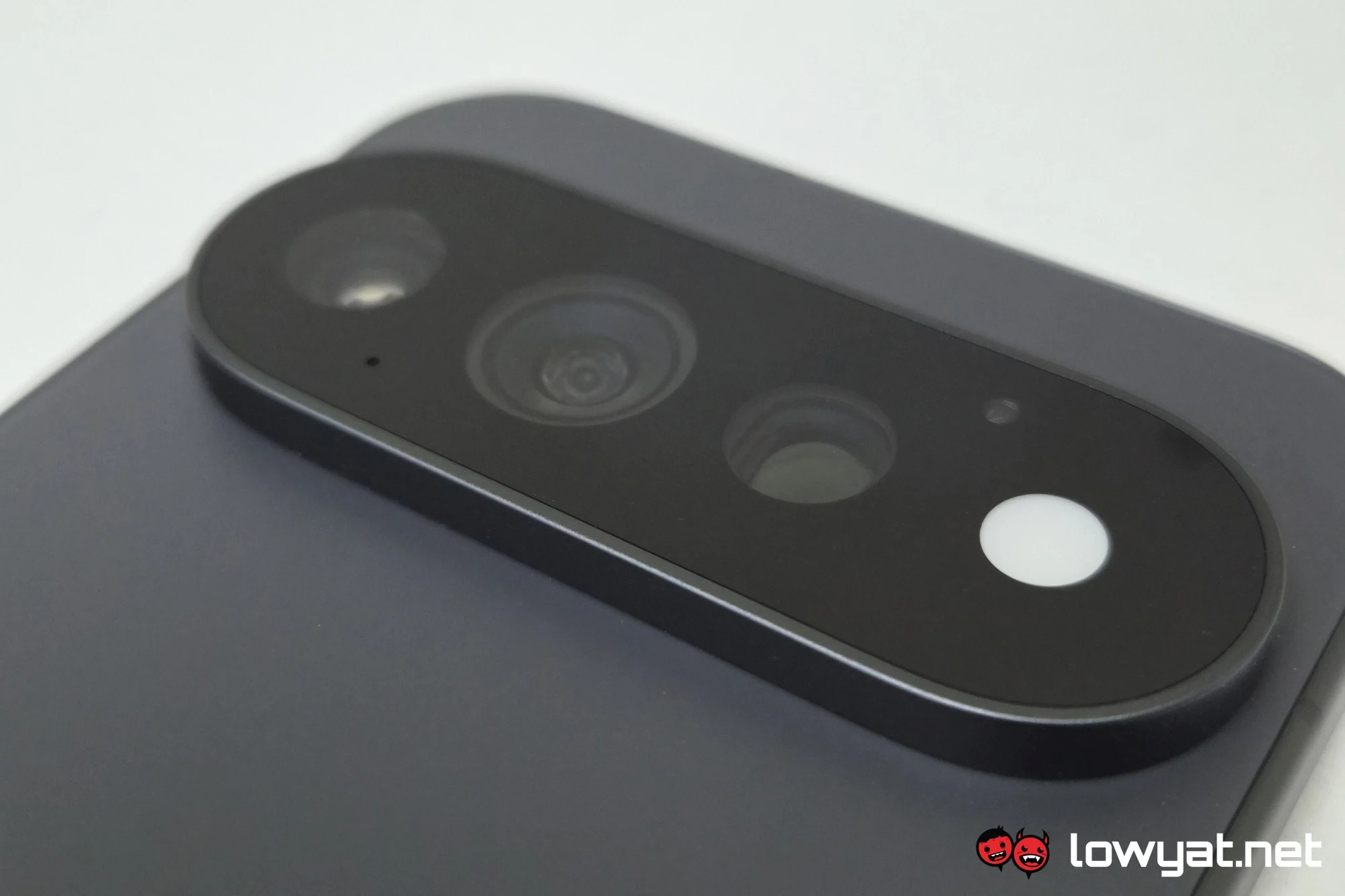
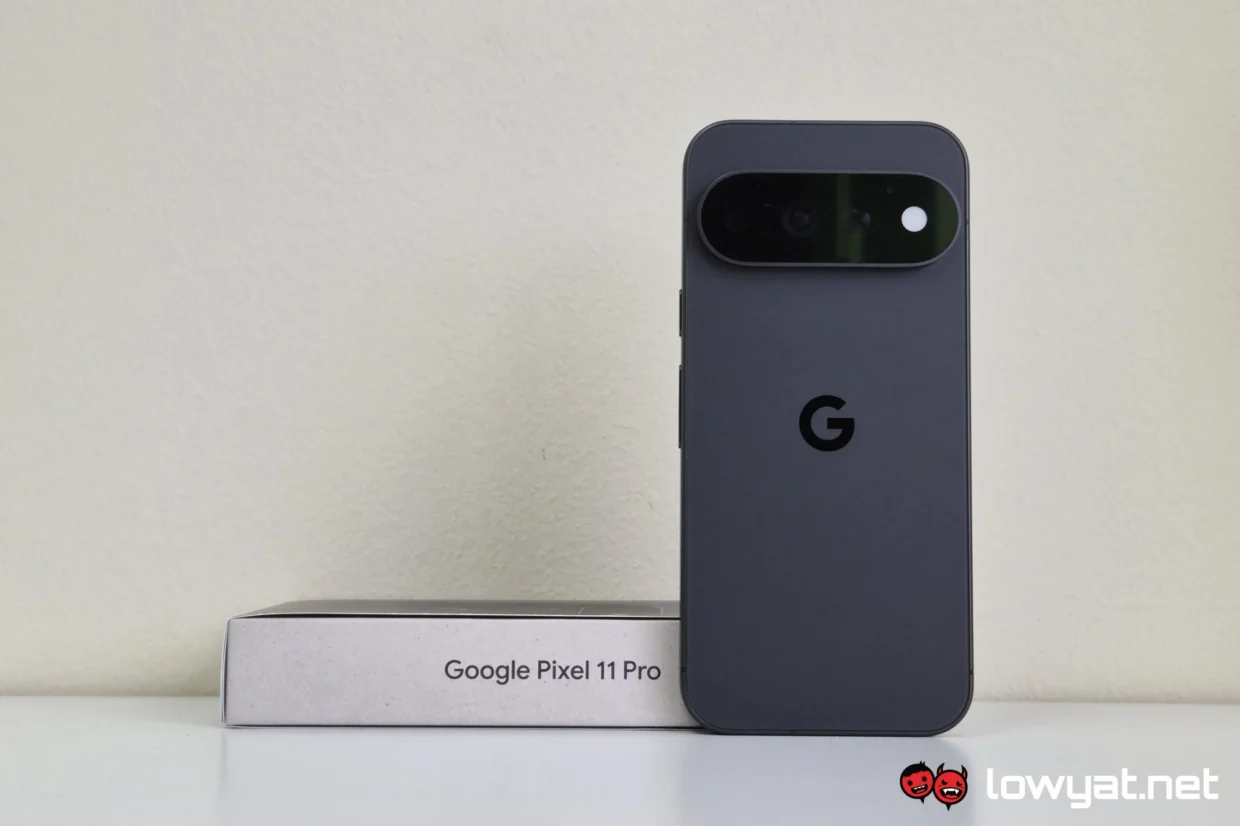
For better or worse, the design of the Google Pixel has not changed much between the 10 and 11 generations. This is especially true with the Pro models, with their distinctive, if somewhat large, camera island. It’s worth noting at this point that Google provided us with a case alongside the phone, so that large camera island bump is not as noticeable. But without it, I can imagine it snagging onto things that you’d least expect.
There’s an incremental upgrade to be found here on the camera island, in the form of the LED notification that goes by one of two names – HiLight or Pixel Glow. This is useful for those who usually leave their phones face down on a table, but it does mean that you’ll have quite a bit of setting up to do beforehand to differentiate between the important notifications, and those that are less so.
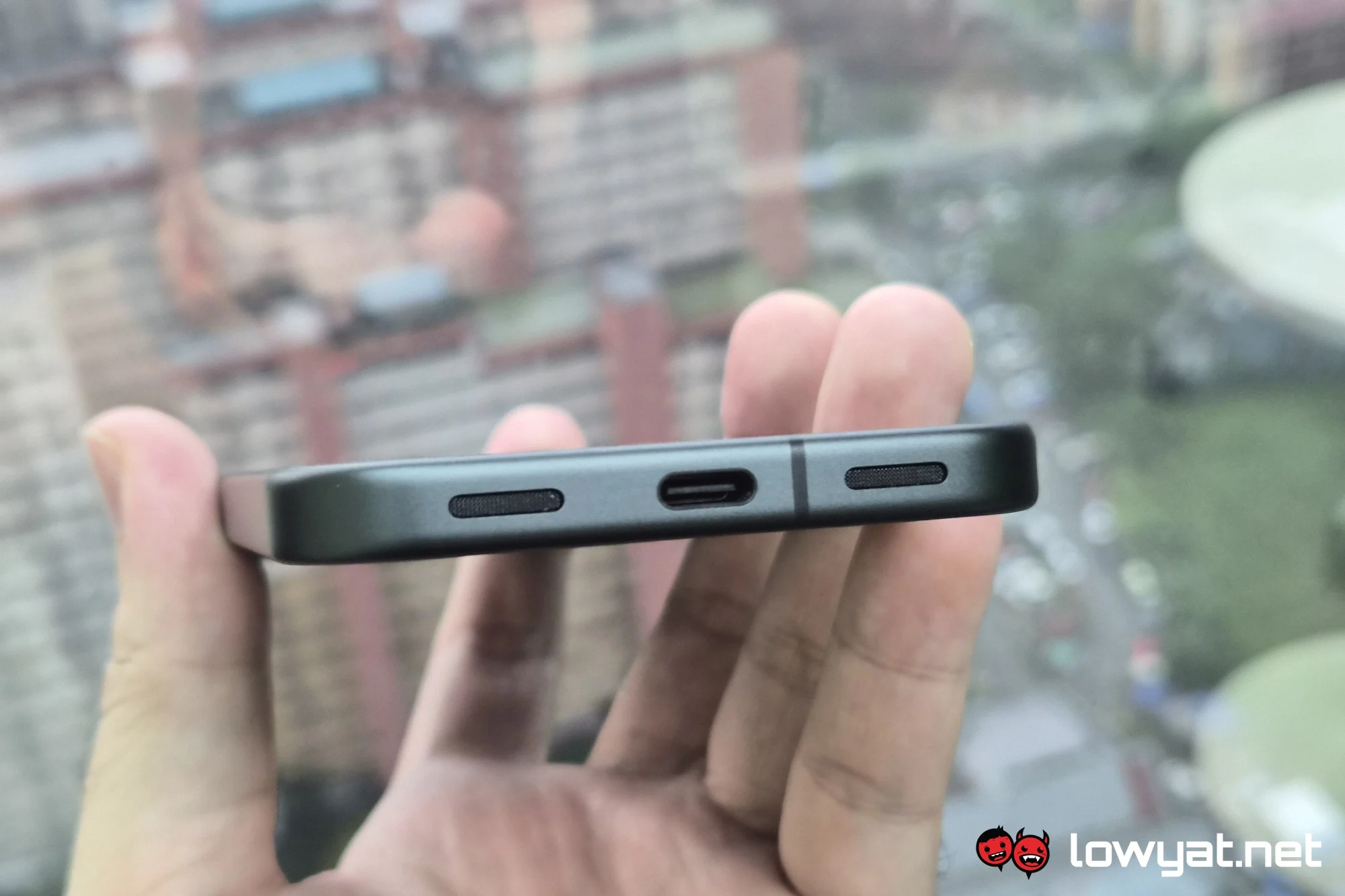
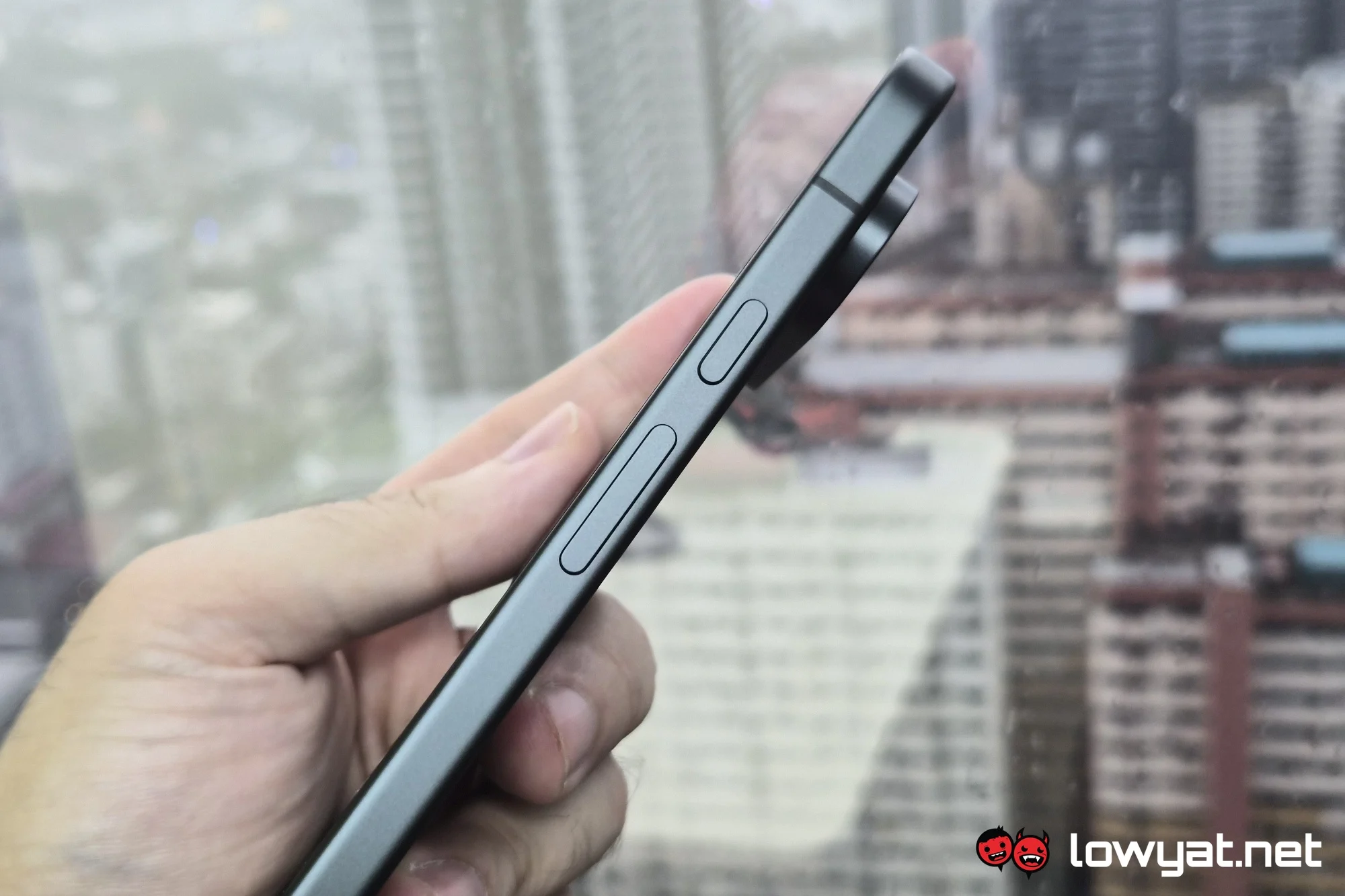
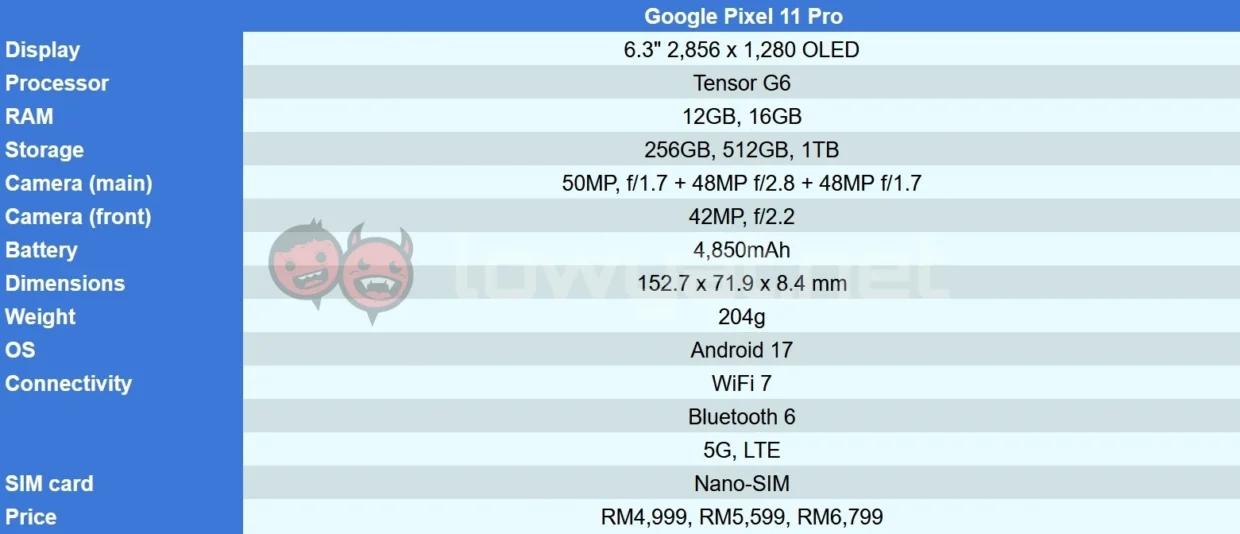
Inside the Google Pixel 11 Pro is another incremental upgrade, in the form of the Tensor G6 chipset. There’s the oddity of it losing one core, but the cores themselves are generally faster. Beyond that though, there’s not much differentiating the two generations of chipsets.
What’s Good About It?
As always, the easiest win to give to a Google Pixel device, including the 11 Pro, is vanilla Android. Beyond that, it is on occasion the first to get new features that may or may not be available on other Android devices down the line. There’s not much of the latter to be found here, unfortunately, despite what was promised, and we’ll get to that in a bit.
The battery life this time around ended up being a bit of a highlight. On a day with heavy camera use, YouTube and Spotify streaming, and general web browsing – but admittedly very little gaming – the Google Pixel 11 Pro ended the day with slightly under 20% battery remaining. Comparing this to when I was reviewing the Pixel 10 Pro last year, the day consisted of admittedly slightly less video streaming, but a lot more photo taking, with the largest amount of battery drain happening within this window.
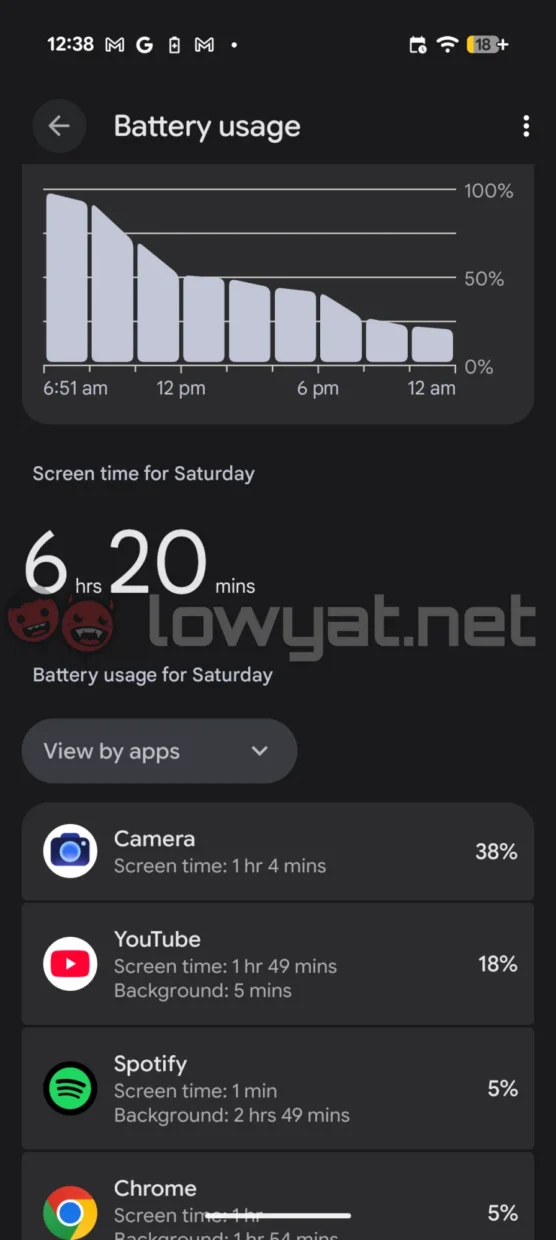
If you were really conservative with your use, and take as few photos as possible, you could possibly stretch it to two days. Personally, I’d rather not take that risk and just increase the amount of mobile gaming I do in a day, and charge the phone at the end instead.
Despite the large camera island, the weight distribution of the Google Pixel 11 Pro is actually pretty well balanced. Sure, it’s still slightly heavier at the top, but it’s far from the worst example of that.
Camera And Sample Images
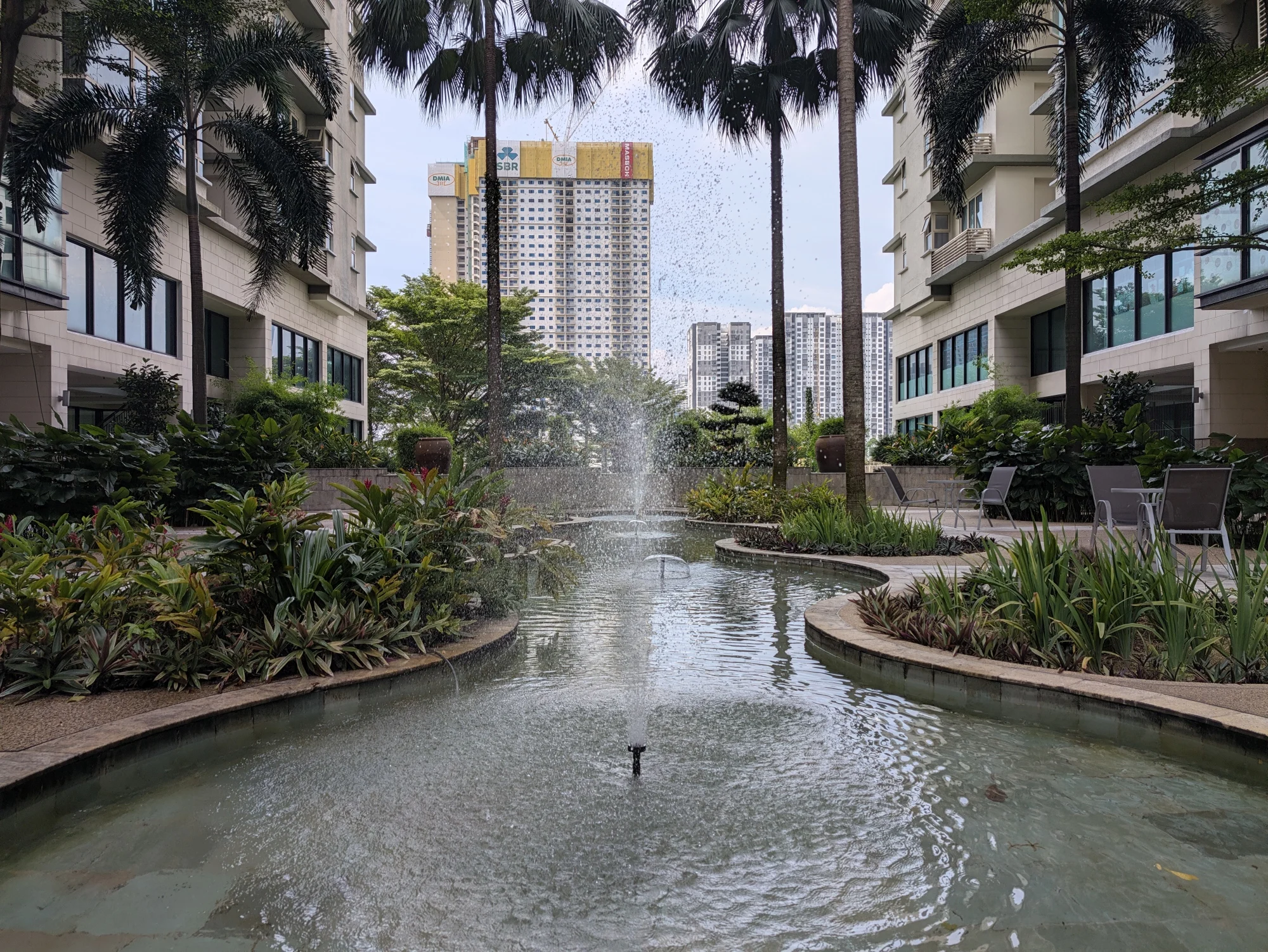
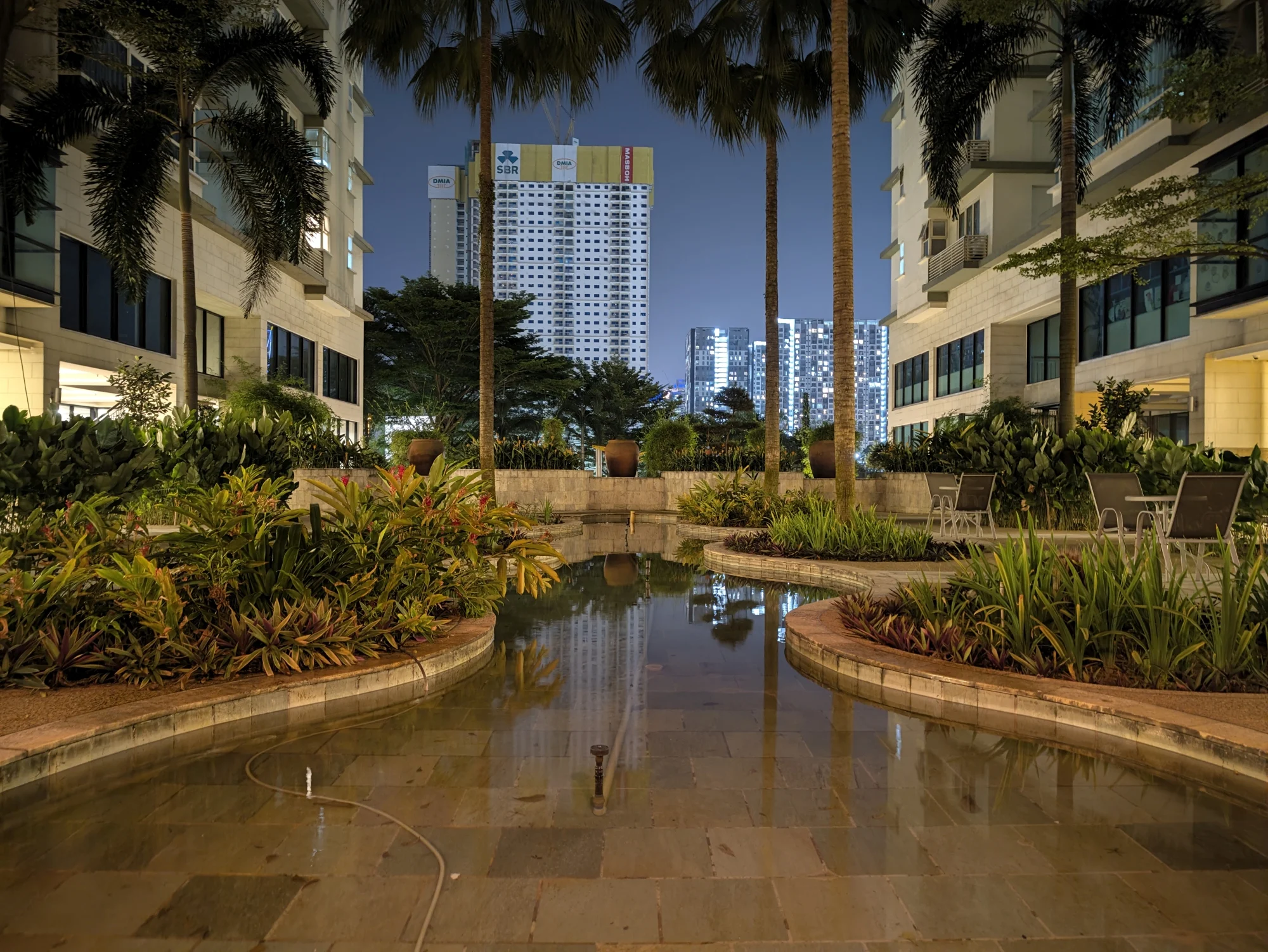
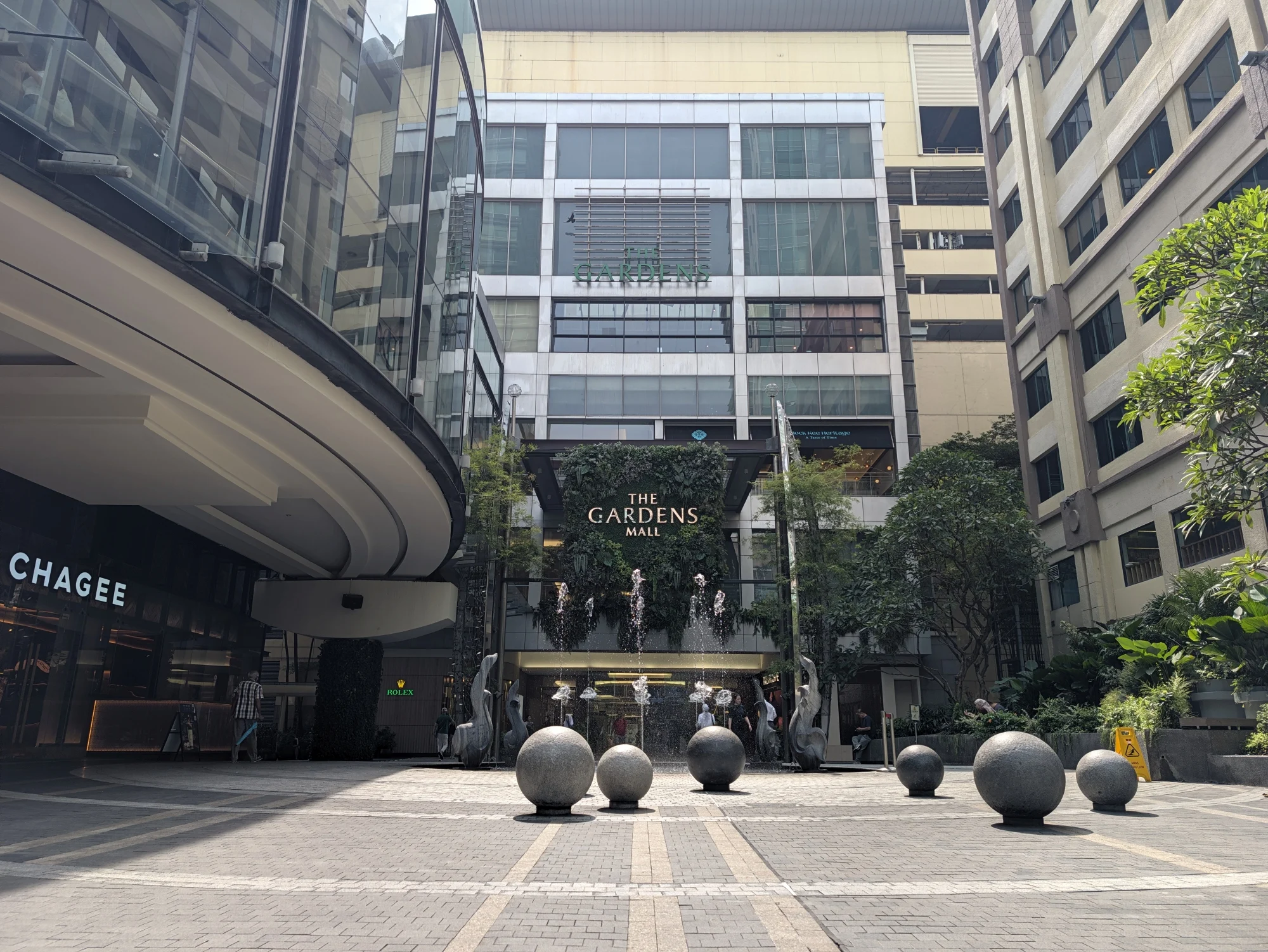
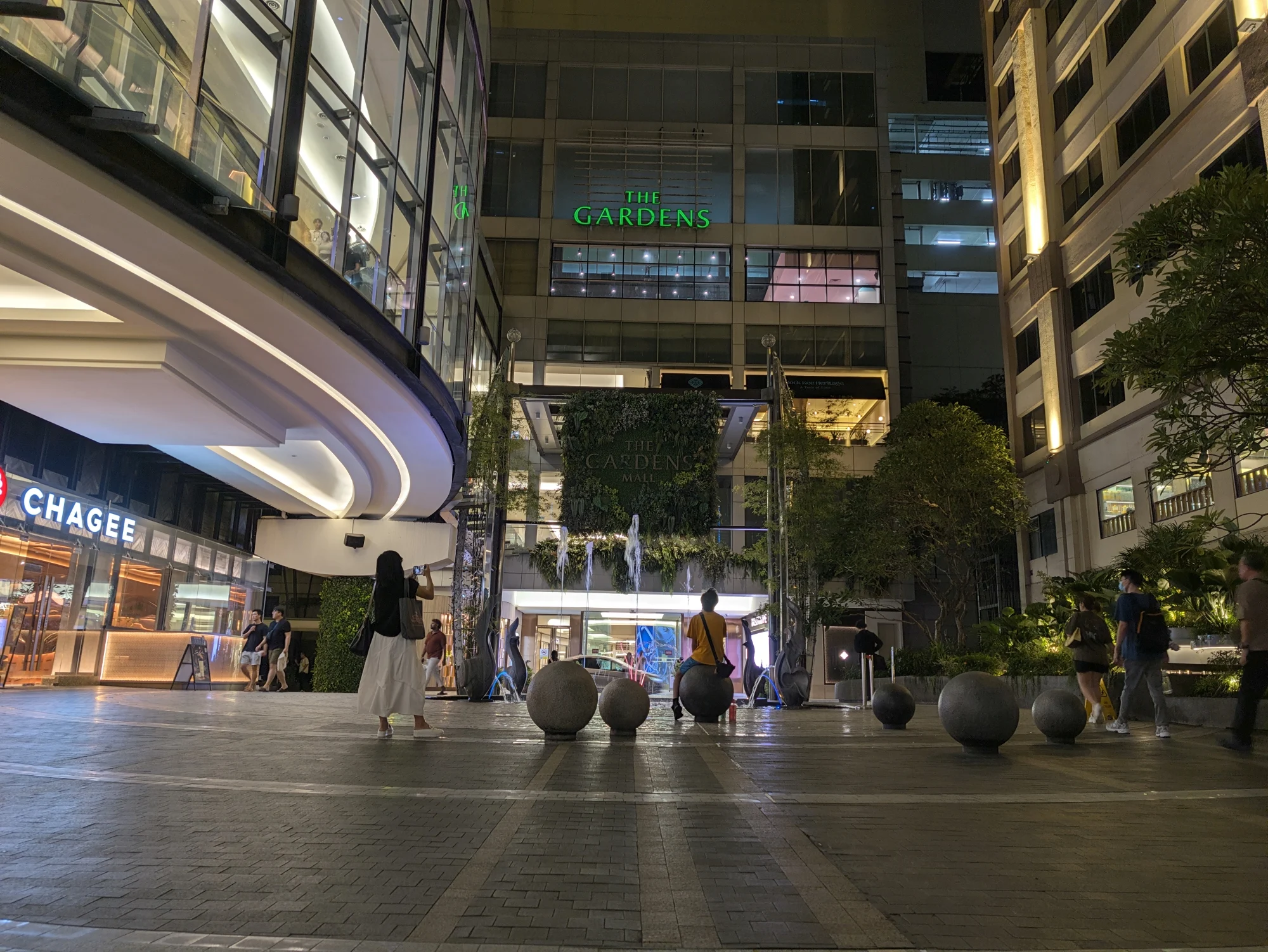
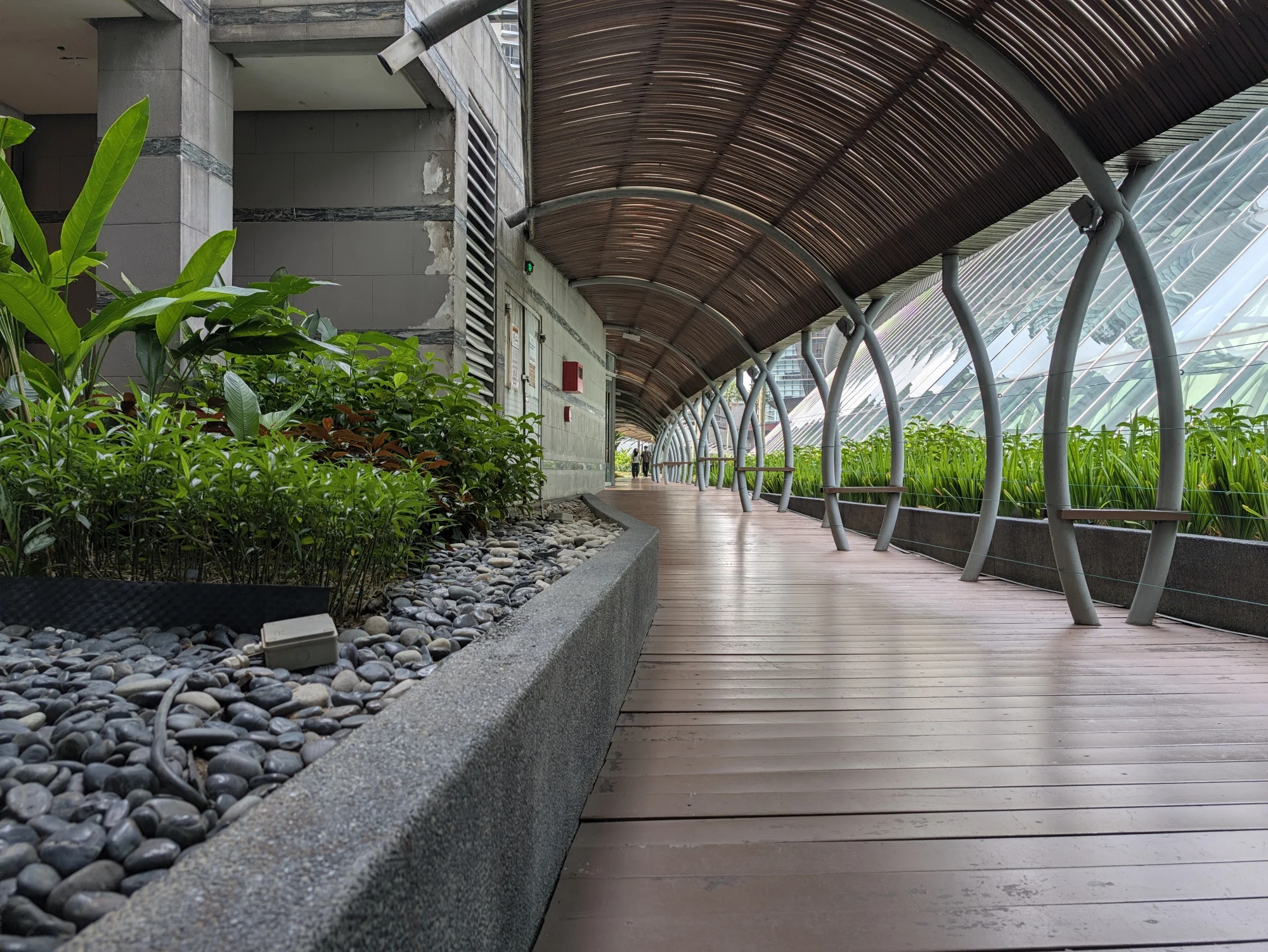
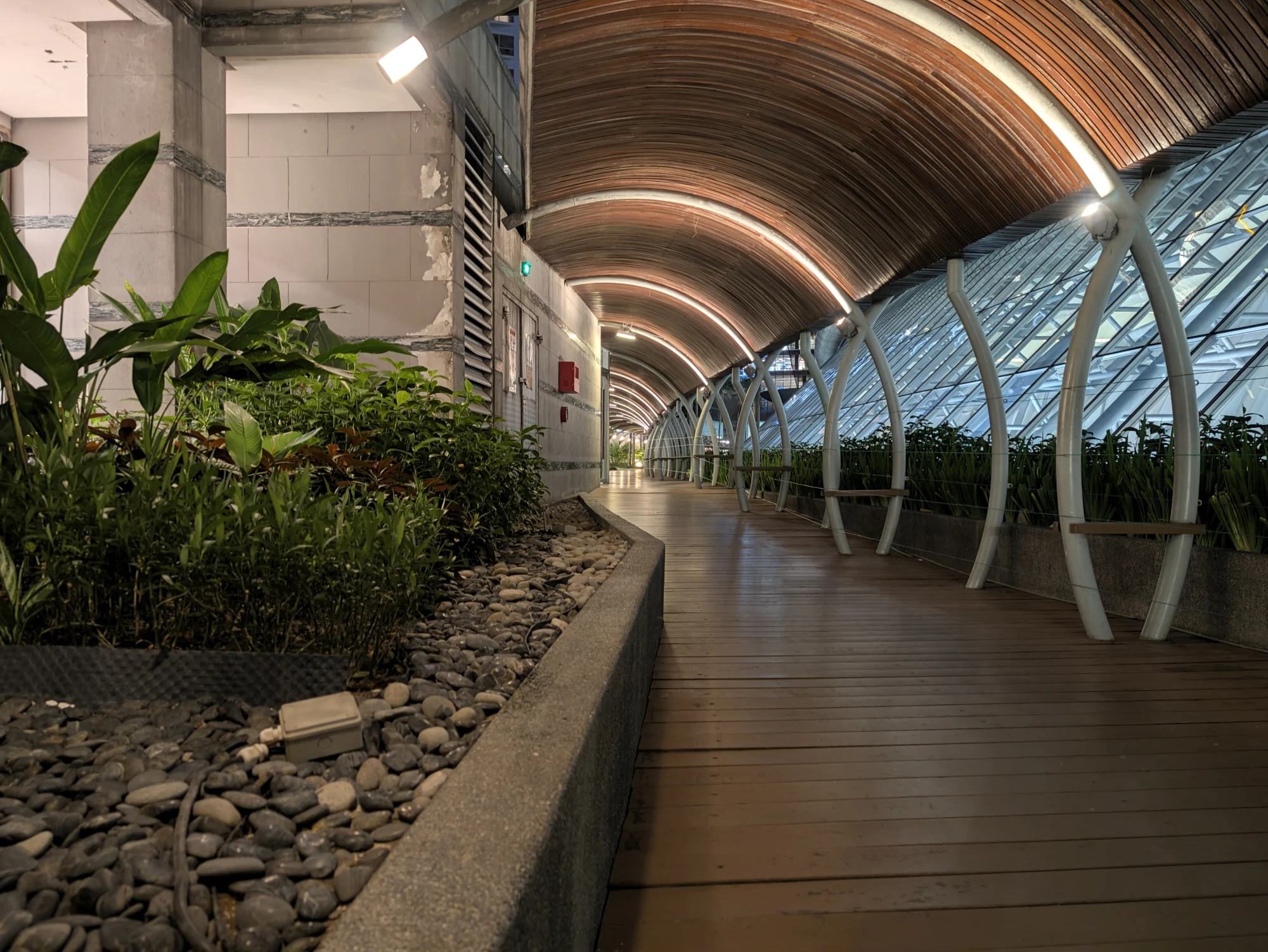
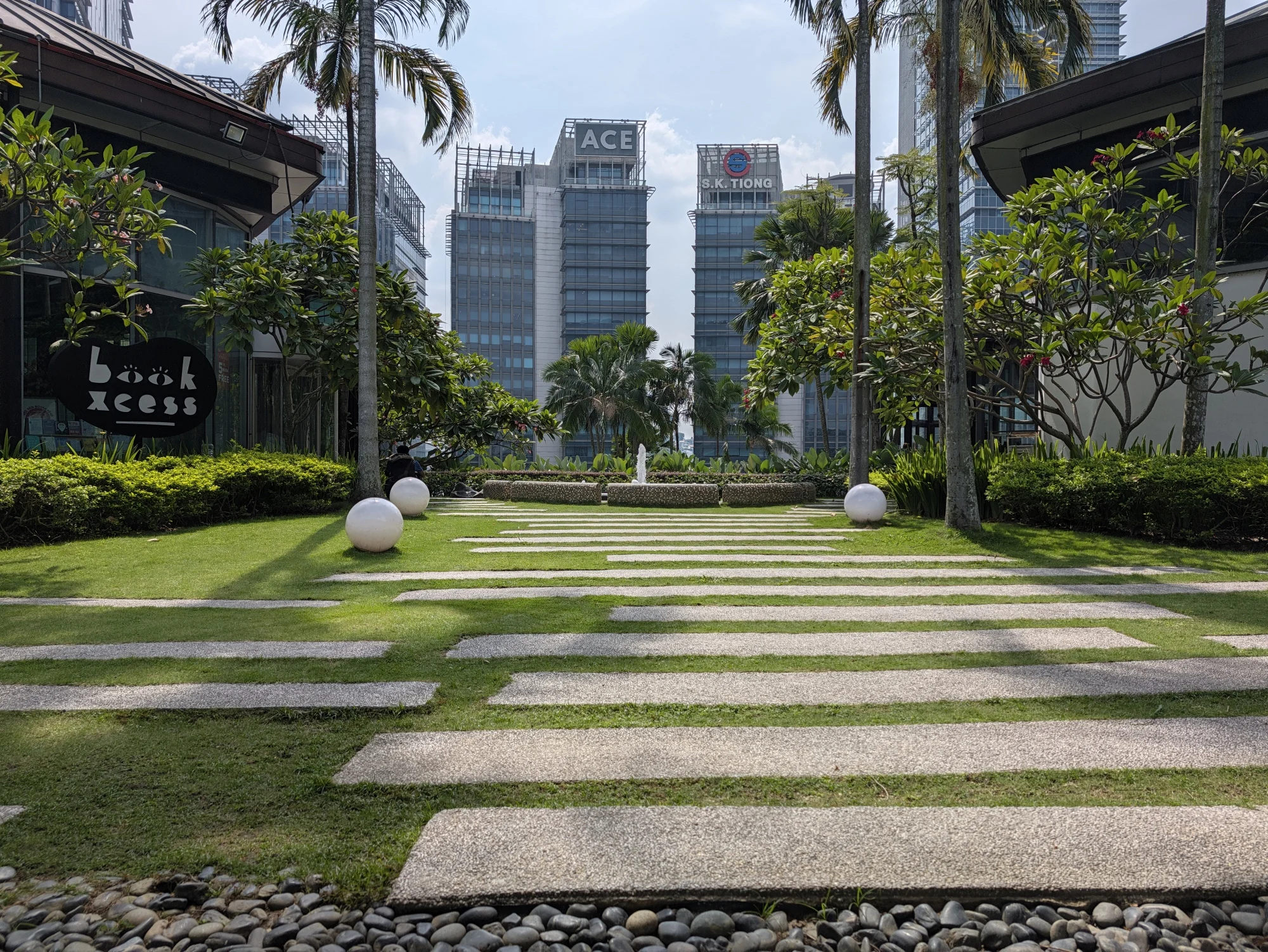
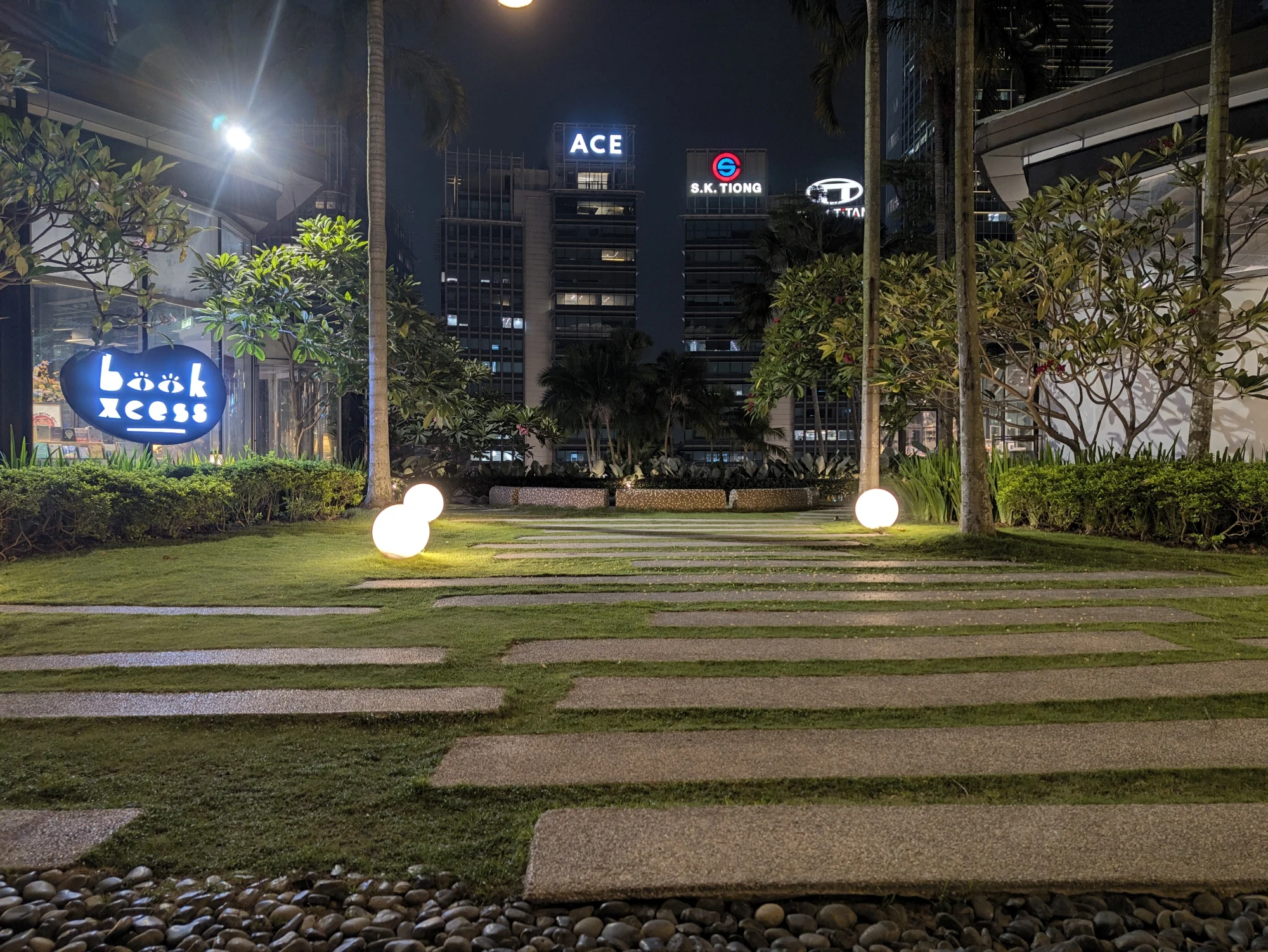
The Google Pixel 11 Pro is equipped with a 50MP main camera, a 48MP wide-angle with Macro Focus, and a 48MP camera with 5x telephoto zoom. It’s a very familiar set of cameras – just about identical to what was packed into the Pixel 10 Pro. Which is not necessarily a bad thing, since it was one of the highlights of using that phone. With this one, it’s mostly the same story.
That being said, the colours that the Google Pixel 11 Pro snaps are closer to neutral than before. It’s not completely flat, so you do still get some shots popping out more than usual. Detail retention is better than ever, and even pixel peepers will find that there’s less artificial sharpening going on.
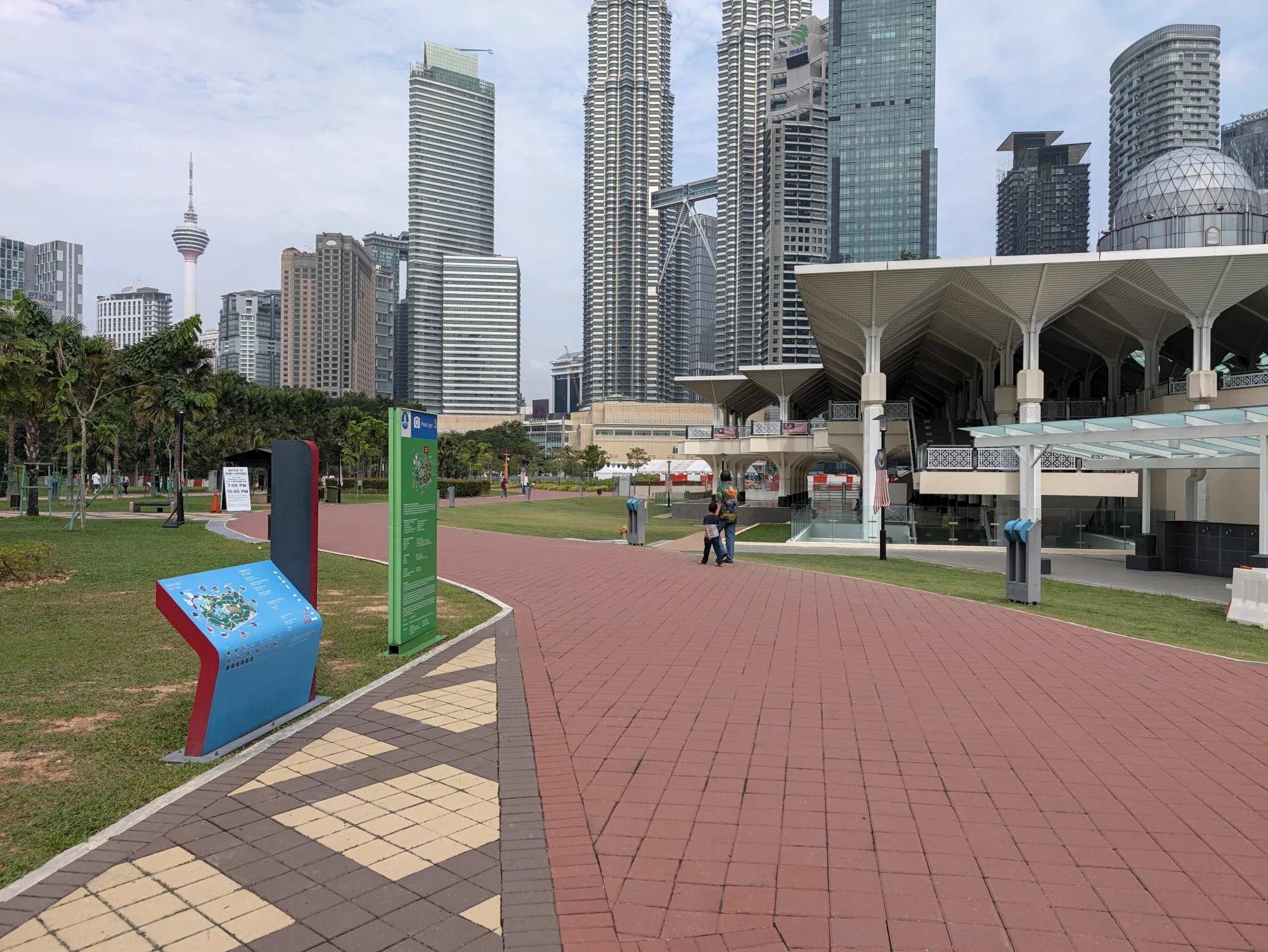
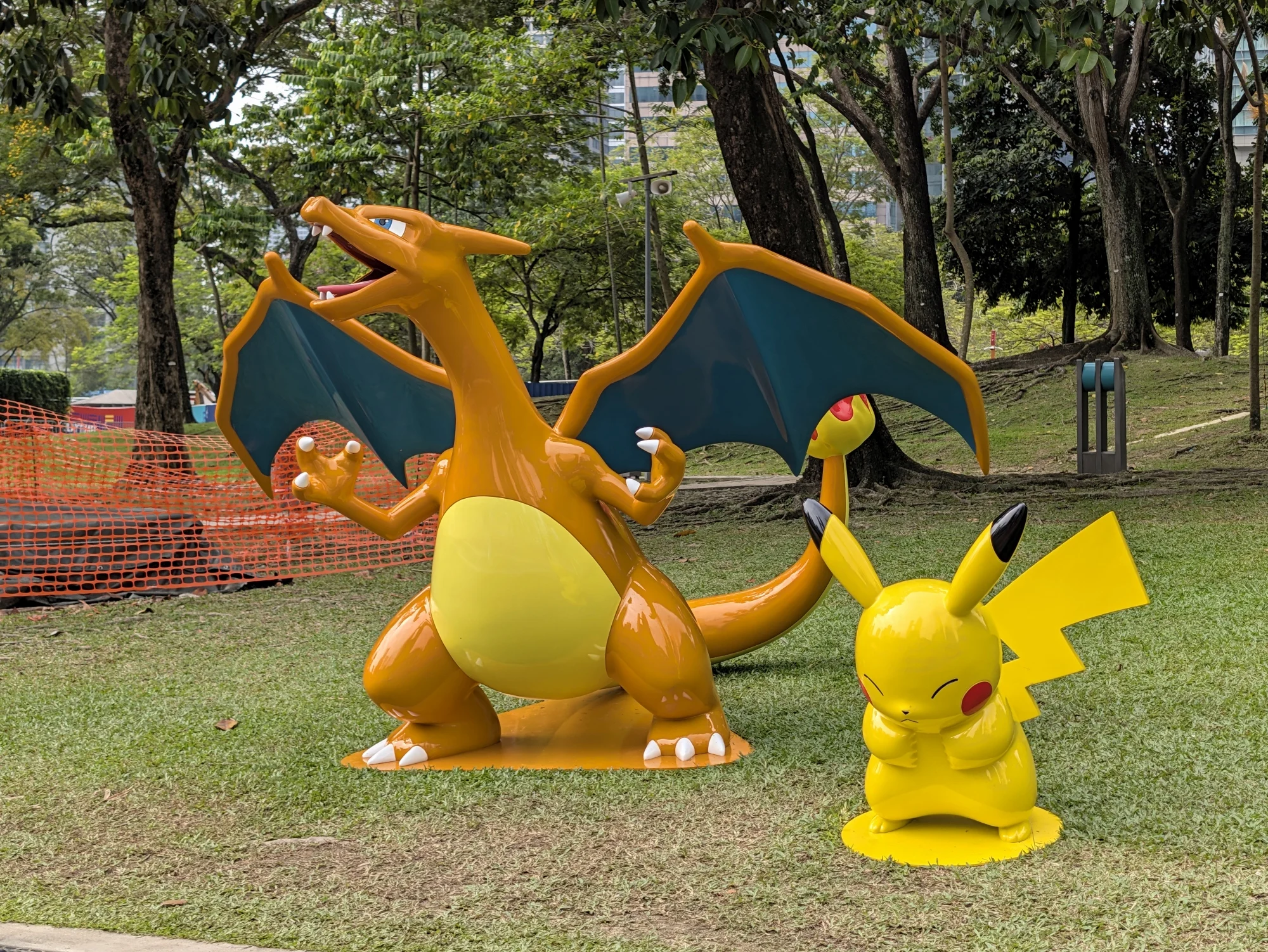
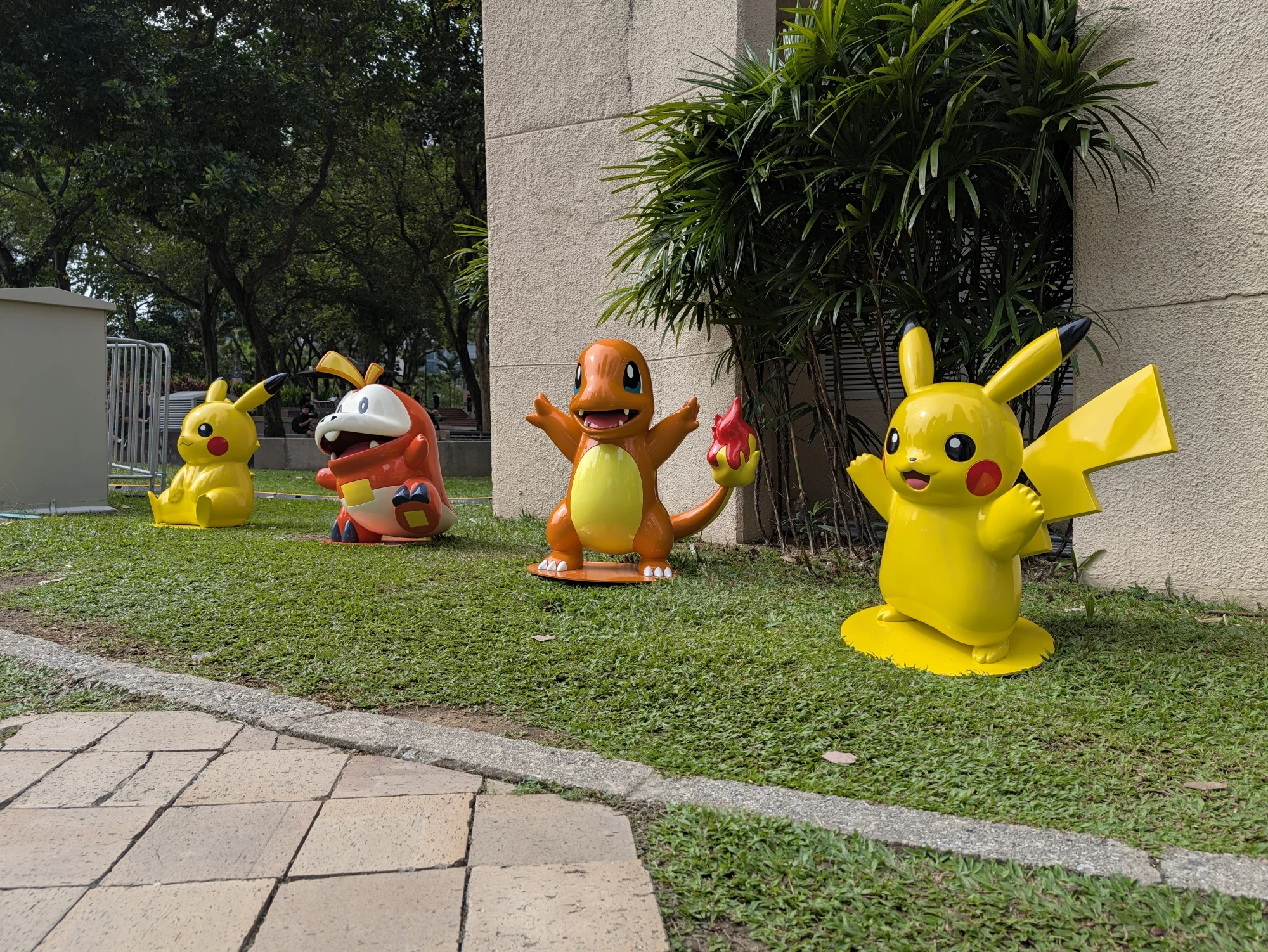
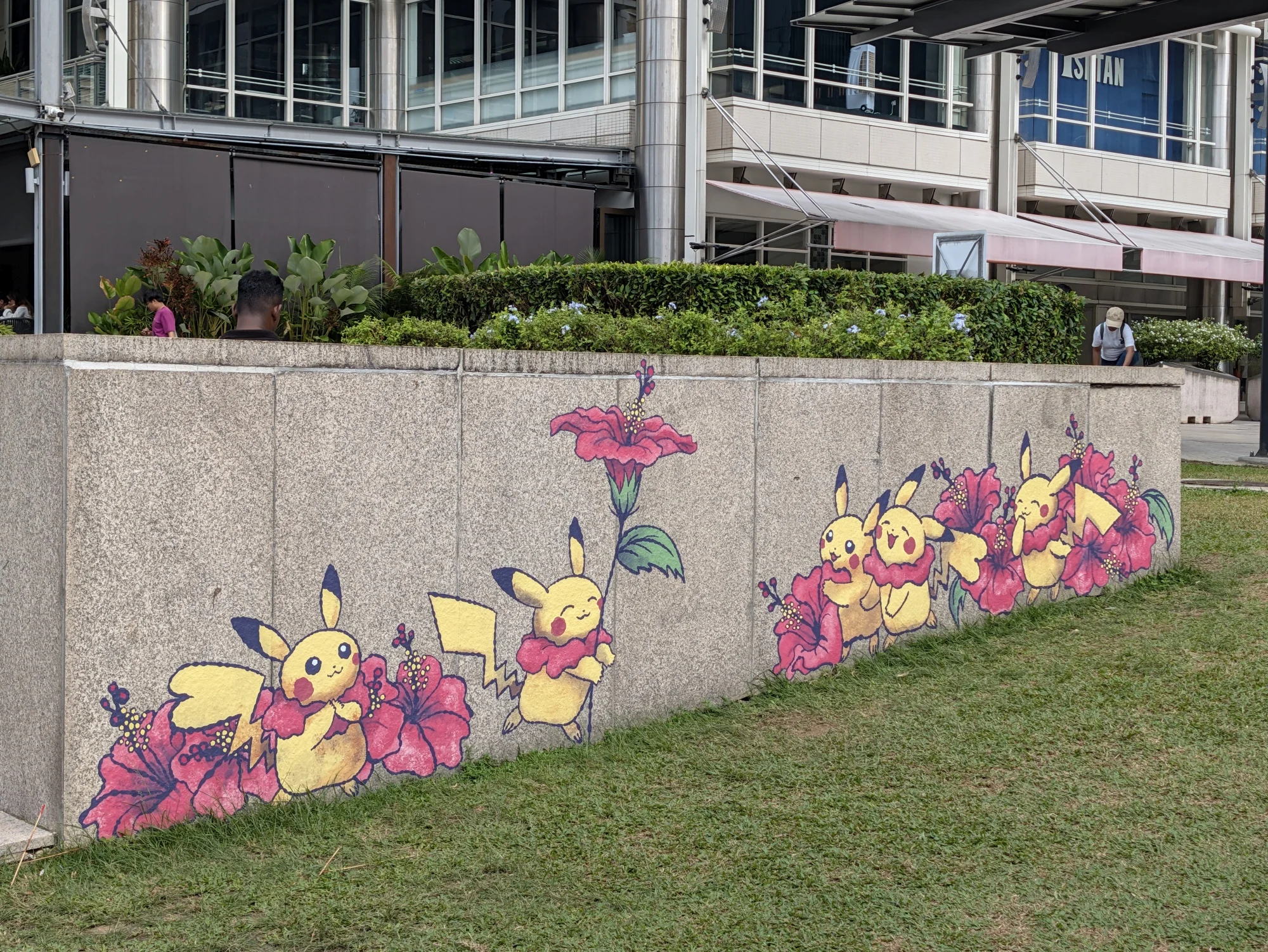

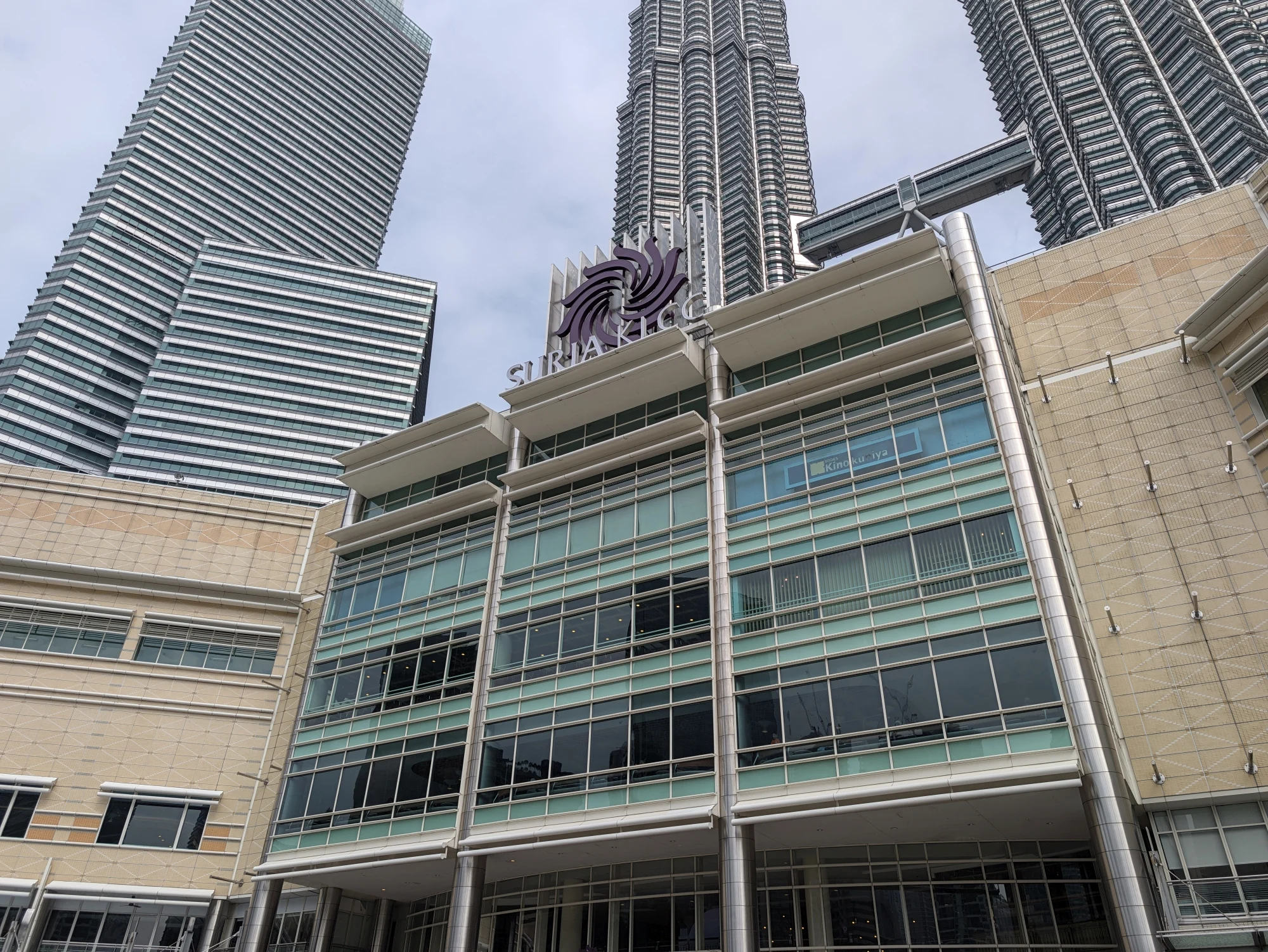


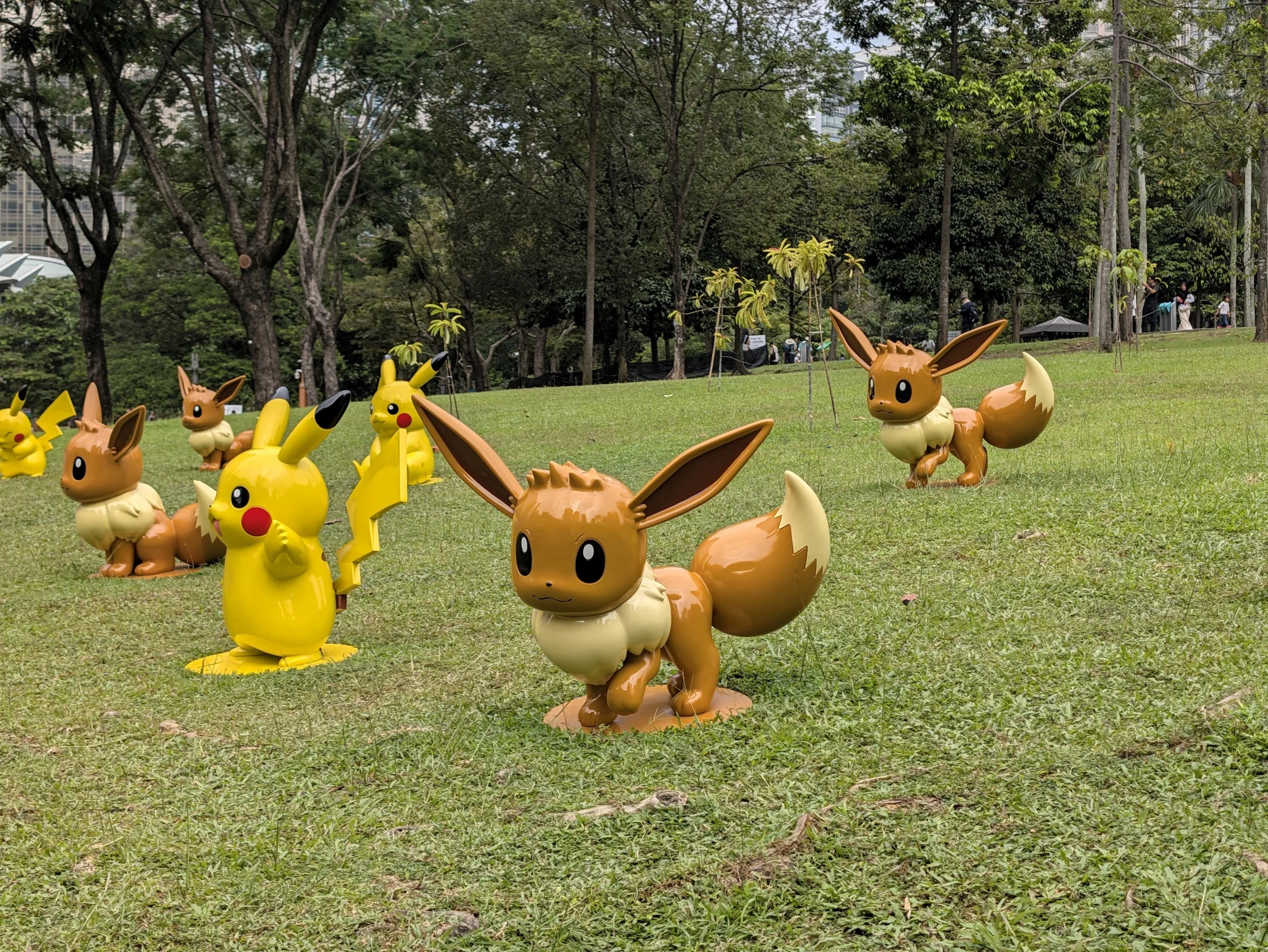
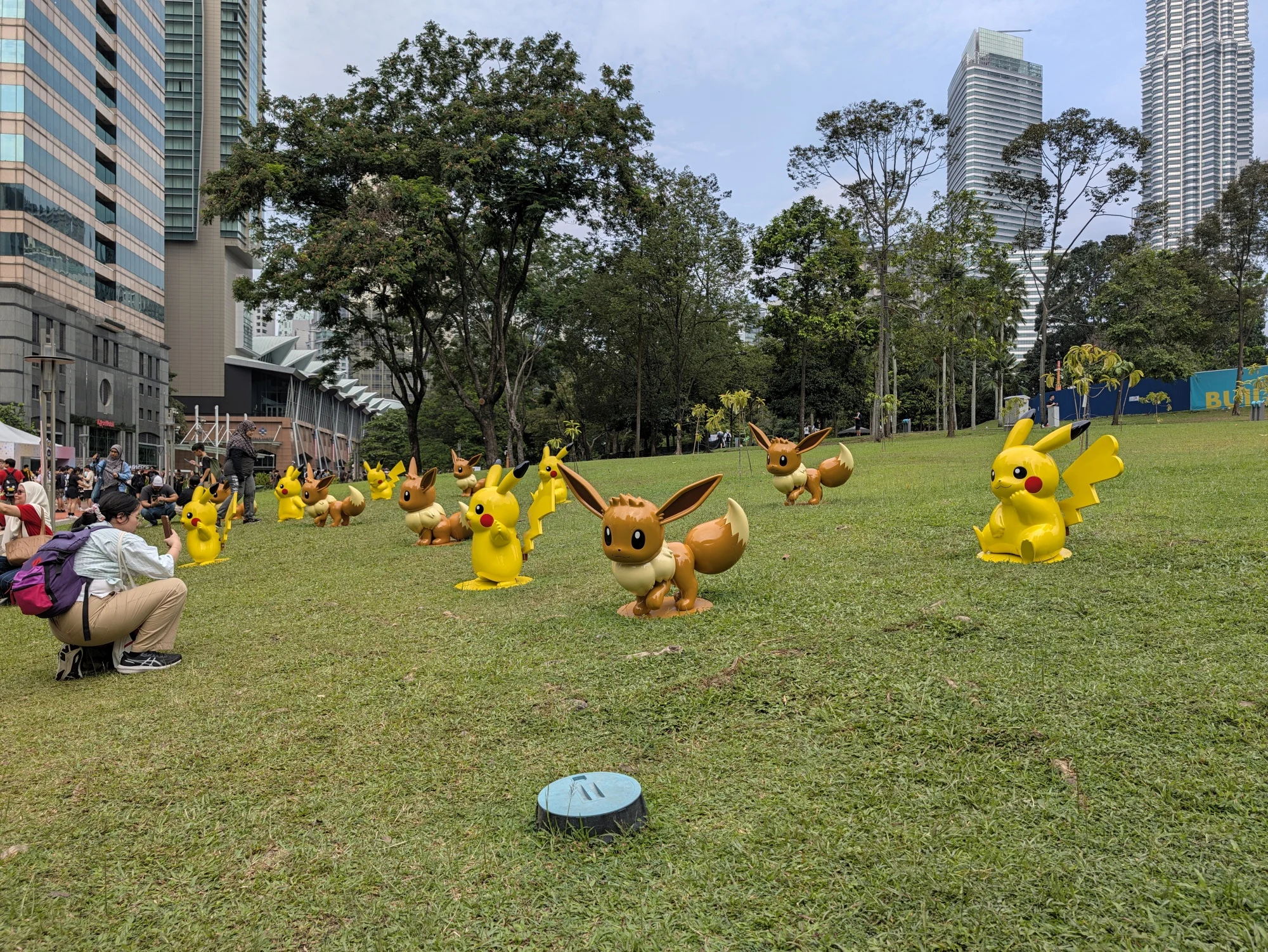

Low-light performance is where things go the opposite direction for whatever reason. Detail retention is still good, and is better than ever before, but colours are extra warm now. Images are also brighter, to the point where it’s sometimes a tossup as to whether you’re getting better or worse HDR images than before.
What’s The Catch?
Unfortunately, as mentioned earlier, most if not all of the agentic AI stuff, the KSPs of this generation of Pixel phones, did not show up. Sure, things that you get it to do actively are still there, like getting it to plan a travel itinerary based on a single image, but the more passive ones, like sorting out a Calendar entry from skimming your emails, did not happen.
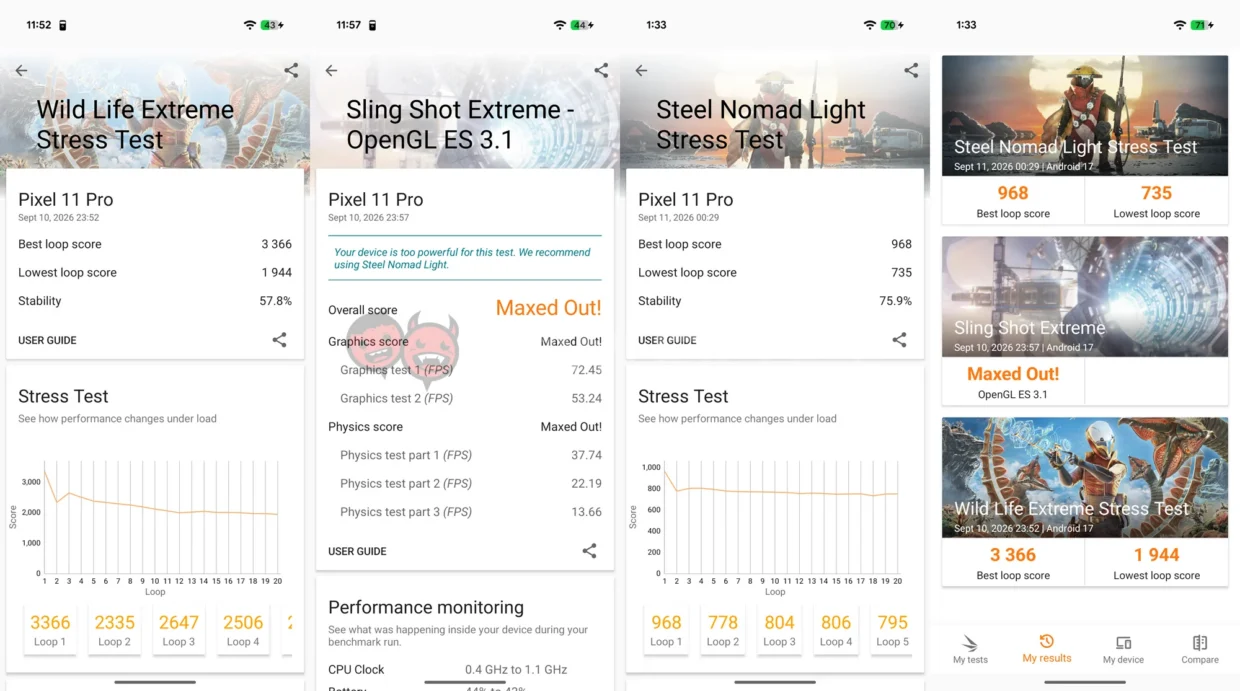
This is exacerbated by the fact that the Tensor G6 is made for more AI workloads than conventional graphics crunching. As noted in the Pixel 11 Pro Fold review, the emphasis on TPU is here, but the lack of the passive agentic AI stuff mentioned above makes it a quality that you’d appreciate less anyway.
On the performance side of things, all the familiar issues that were emblematic of the Tensor chips are still here, with the Tensor G6. While battery life was better than expected, raw performance falls behind. When playing Warframe, the Google Pixel 11 Pro failed to maintain a constant 30fps on low settings, to say nothing of the frequency of microstutters.
Competition
Samsung Galaxy S26 Ultra

As usual, the conventional Samsung flagship is the primary point of comparison. It may not have the most vanilla version of Android, but the user experience is, one can argue, more akin to the average Android device.
At any rate, we’re looking at a phone with a 6.9-inch Dynamic AMOLED QHD+ screen with up to 120Hz refresh rate, a Qualcomm Snapdragon 8 Elite Gen 5 chipset, up to 16GB of memory, up to 1TB of storage, a 5,000 mAh battery that supports 60W wired and 25W wireless charging, a 200MP main + 50MP 5x periscope +10MP 3x optical zoom + 12MP wide angle camera combo. This is priced between RM5,999 and RM7,999.
iPhone 18 Pro
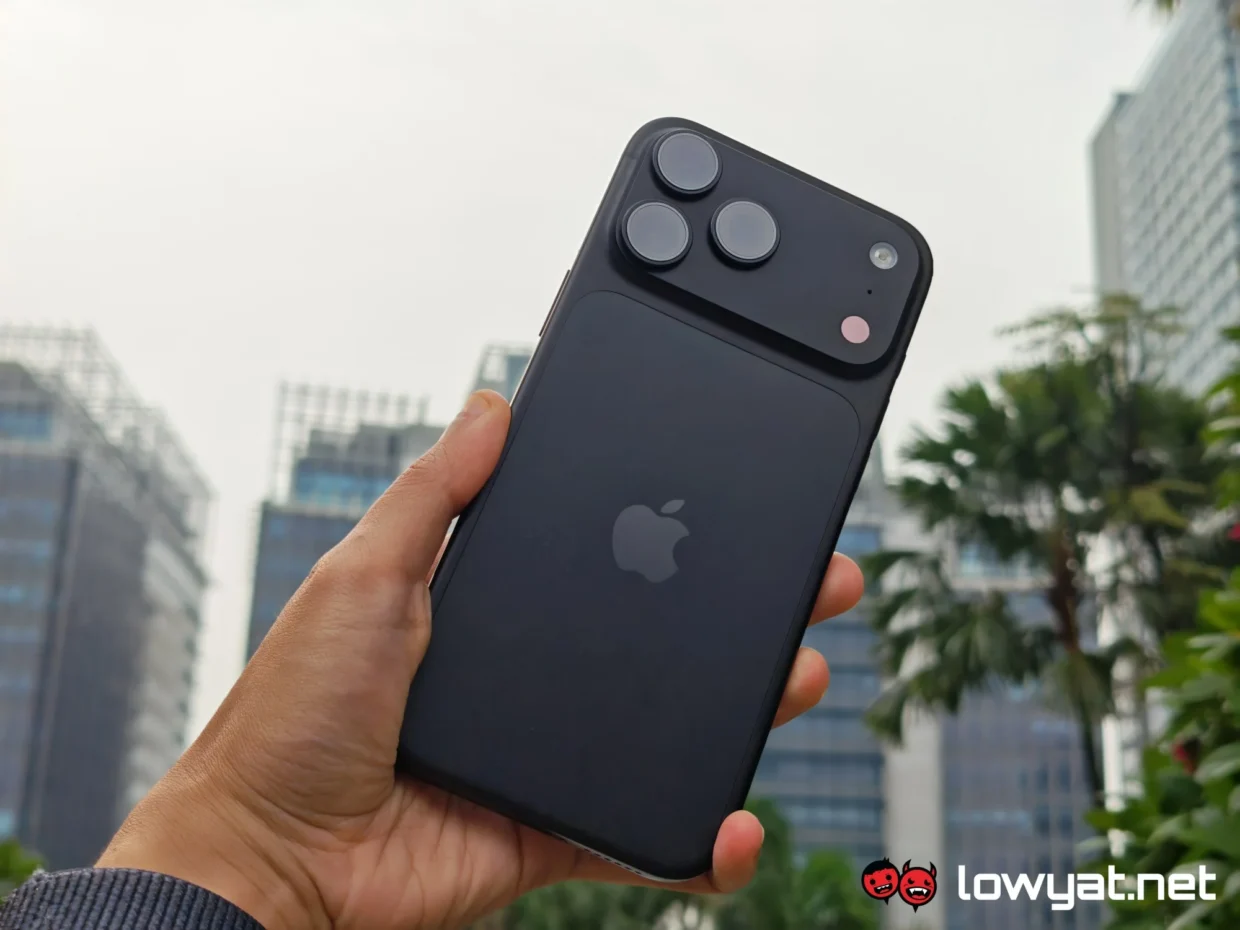
As you’d expect, competing against the Android ambassador is none other than the iPhone of the year. With the Pro and Pro Max models being mostly interchangeable, which one you prefer is completely down to which screen size is more to your liking, with the slightly longer battery life being the small cherry on top if you like the larger ones. But to directly contrast with the Google Pixel 11 Pro, we’ll also be looking at the iPhone 18 Pro rather than the Pro Max
Of course, the whole iOS experience is its own thing separate from Android, but the phone itself provides a 6.3-inch Super Retina XDR display, 12GB of memory, up to 2TB of storage, a claimed 24-hour battery life, and a triple 48MP camera setup. Prices range from RM5,499 to RM11,499.
Should I Buy It?
With its killer feature being as avoidant as it was, the Google Pixel 11 Pro, then, is more of the Pixel series, and little else. This is, unfortunately, a familiar story, as I’ve had a similar experience with the Pixel 10 Pro and the Magic Cue feature.
Sure, there’s a slight improvement to the camera performance. Then there’s the battery life, which still ended the day at 20% despite a lot more photo taking. All that being said, if you’re already a user of one of last year’s flagships, the Google Pixel 11 Pro doesn’t quite have enough to justify an upgrade so soon.
The Pixel 11 Pro delivers vanilla Android, improved battery life and slightly better cameras, but the headline agentic AI features are largely absent. Tensor G6 performance still lags in games, making this a hard sell for recent flagship owners.
Good
- Clean vanilla Android experience
- Strong all-day battery life
- Better detail retention from cameras
- Handy HiLight notification LED
- Well-balanced weight despite camera island
Bad
- Agentic AI features largely missing
- Tensor G6 struggles in gaming
- Warm, over-bright low-light colours
- Minimal upgrade over Pixel 10 Pro
Scores
- Design & build8.5
- Display9.0
- Performance6.0
- Camera9.0
- Battery & charging8.5
- Software & updates8.5
- Value6.0
Review unit on loan from Google.
