
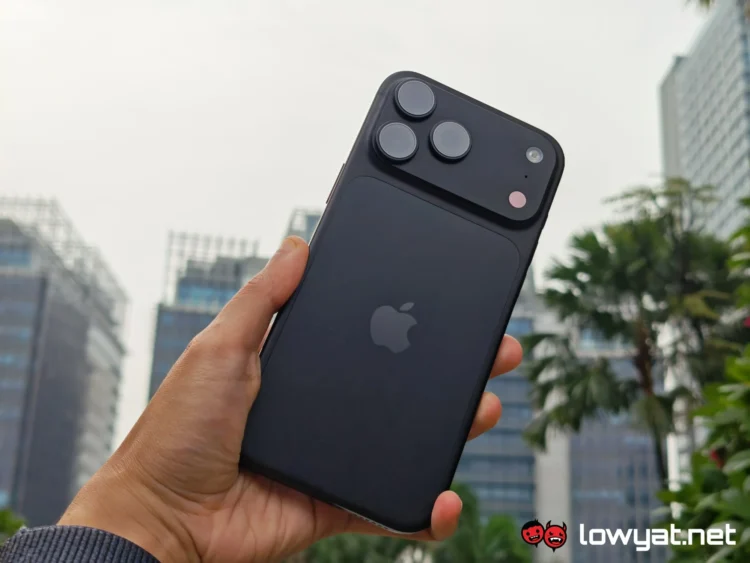
The iPhone 18 Pro Max serves as the top-of-the-line variant in this generation of candybar iPhones. It’s not exactly the most interesting Apple product to launch so far, partly due to the presence of one particular device.
But even ignoring that elephant in the room, not much has changed between last year’s model and this new one. The bitten fruit brand focused more on iterative improvements rather than shiny new features. Ignoring the obligatory chip upgrade, much of the attention was given to the imaging setup. Still, you may find some other minor improvements here and there, and they do add up.
What Am I Looking At?
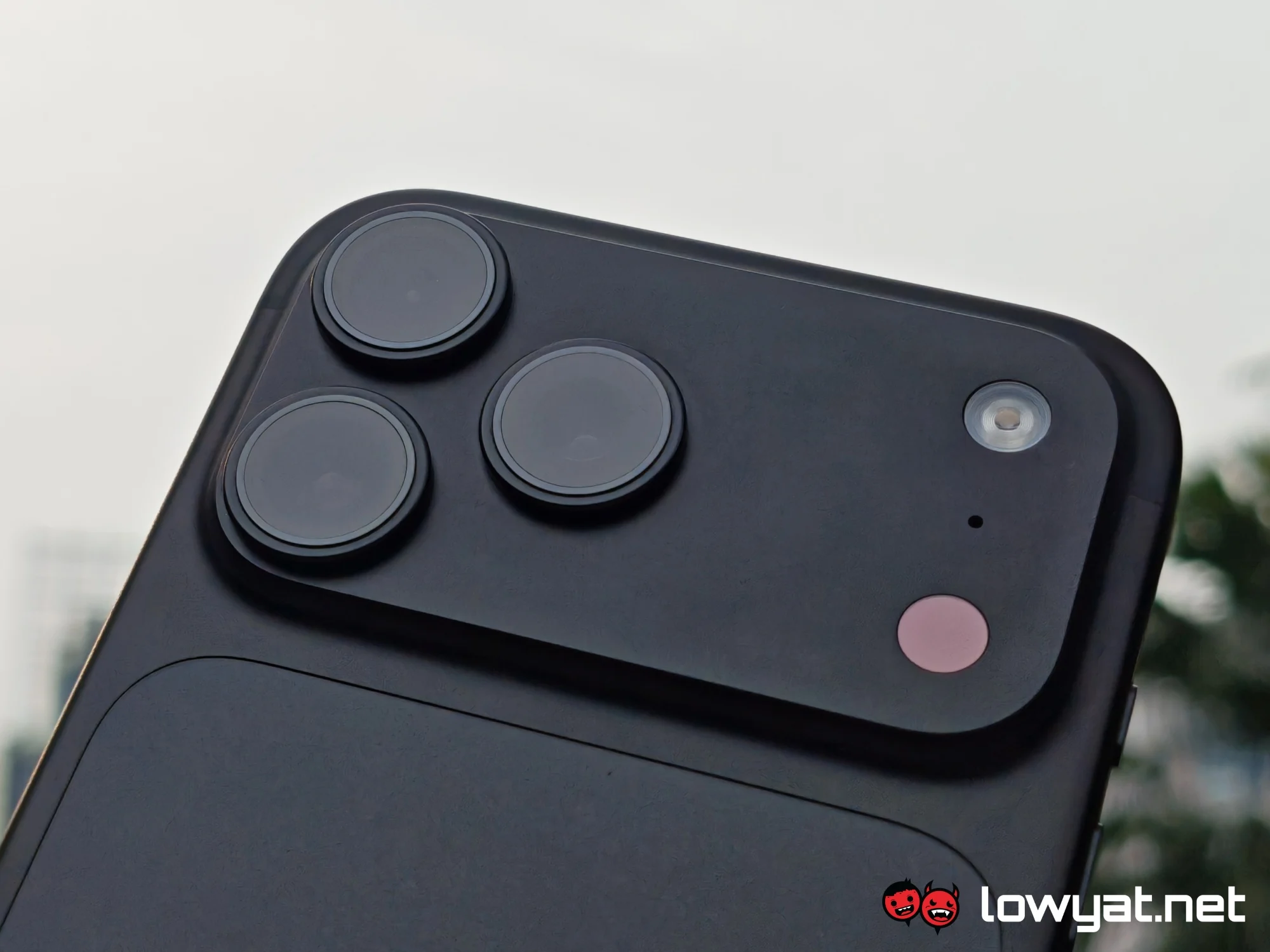
 As I’ve already mentioned in my first impressions of the device, Apple isn’t introducing any significant design changes with this generation. At a glance, the phone looks just like its older sibling, albeit with a fresh coat of paint. There are a few slight tweaks to the aluminium unibody build, such as the ever-so-slightly thicker camera plateau. Meanwhile, on the front, there’s the Dynamic Island cutout, which Apple managed to shrink by moving the Face ID hardware under the display. Reducing the cutout’s size leaves room for more Live Activities, so it’s not just an aesthetic choice.
For the most part, the design changes aren’t really noticeable unless you spend some time comparing the phone to its predecessor. And even then, you’re unlikely to find much that sets the new model apart from the old one. Which isn’t an issue unless you absolutely hate the current look.
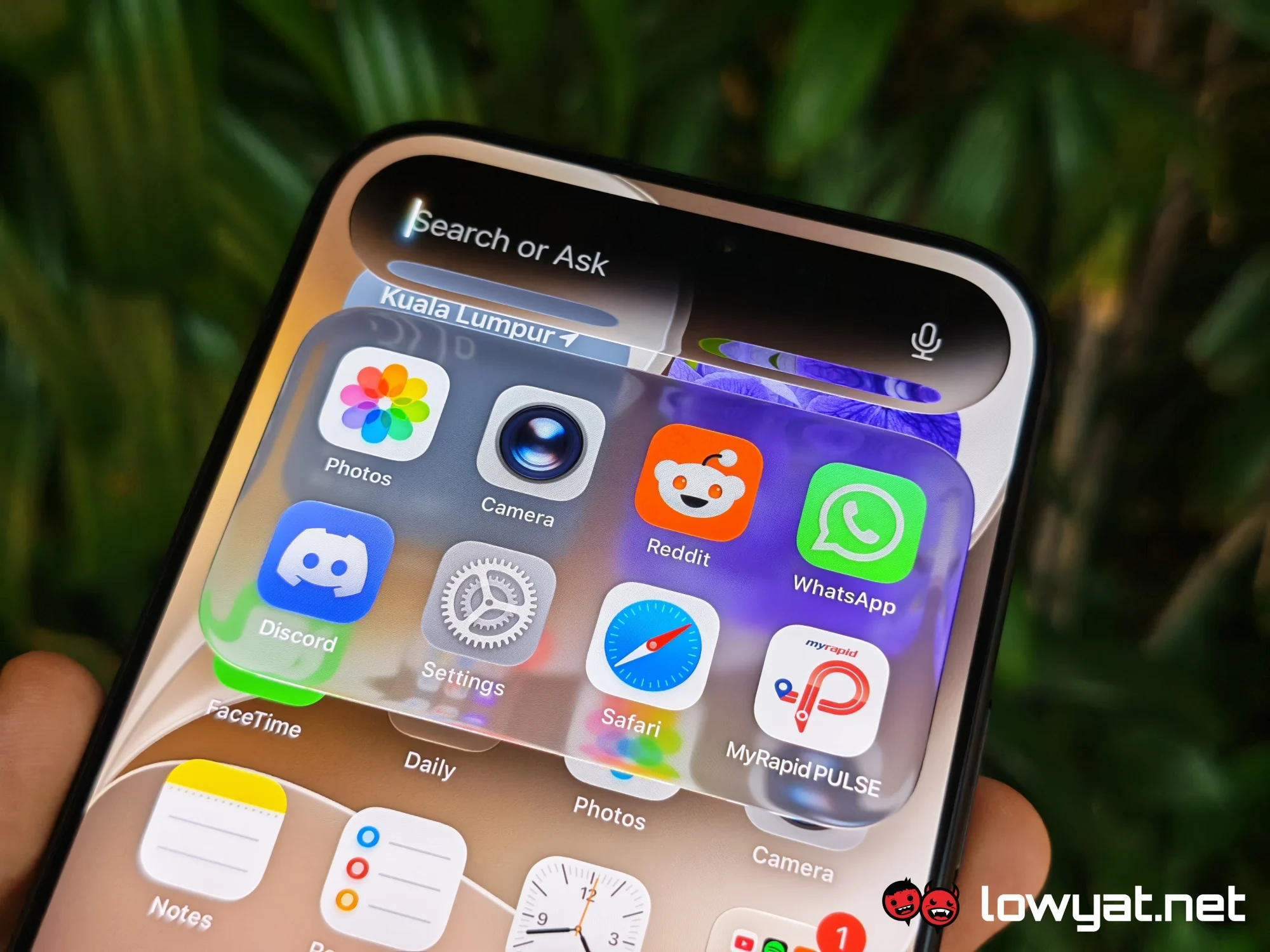
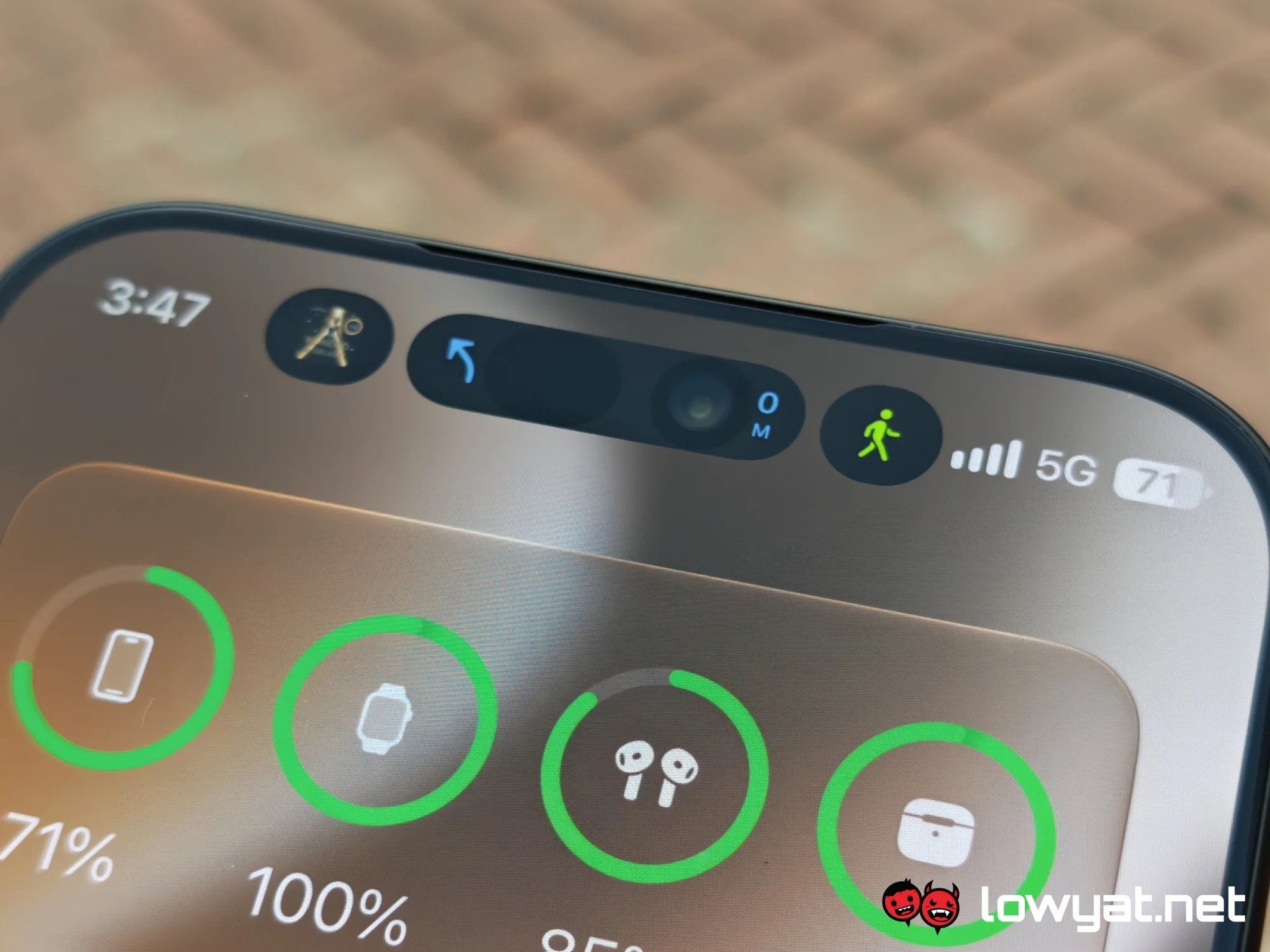
On the software side, the iPhone 18 Pro Max runs on iOS 27 right out of the box. There aren’t any significant visual overhauls here either—Liquid Glass is here to stay. This time, you can tone down or turn up the translucent elements, with the “More Tinted” option lending a more frosted glass appearance. Oh, and there’s the Siri overhaul that gives the digital assistant more prominence, but we’ll get into the nitty-gritty in a bit.
What’s Good About It?
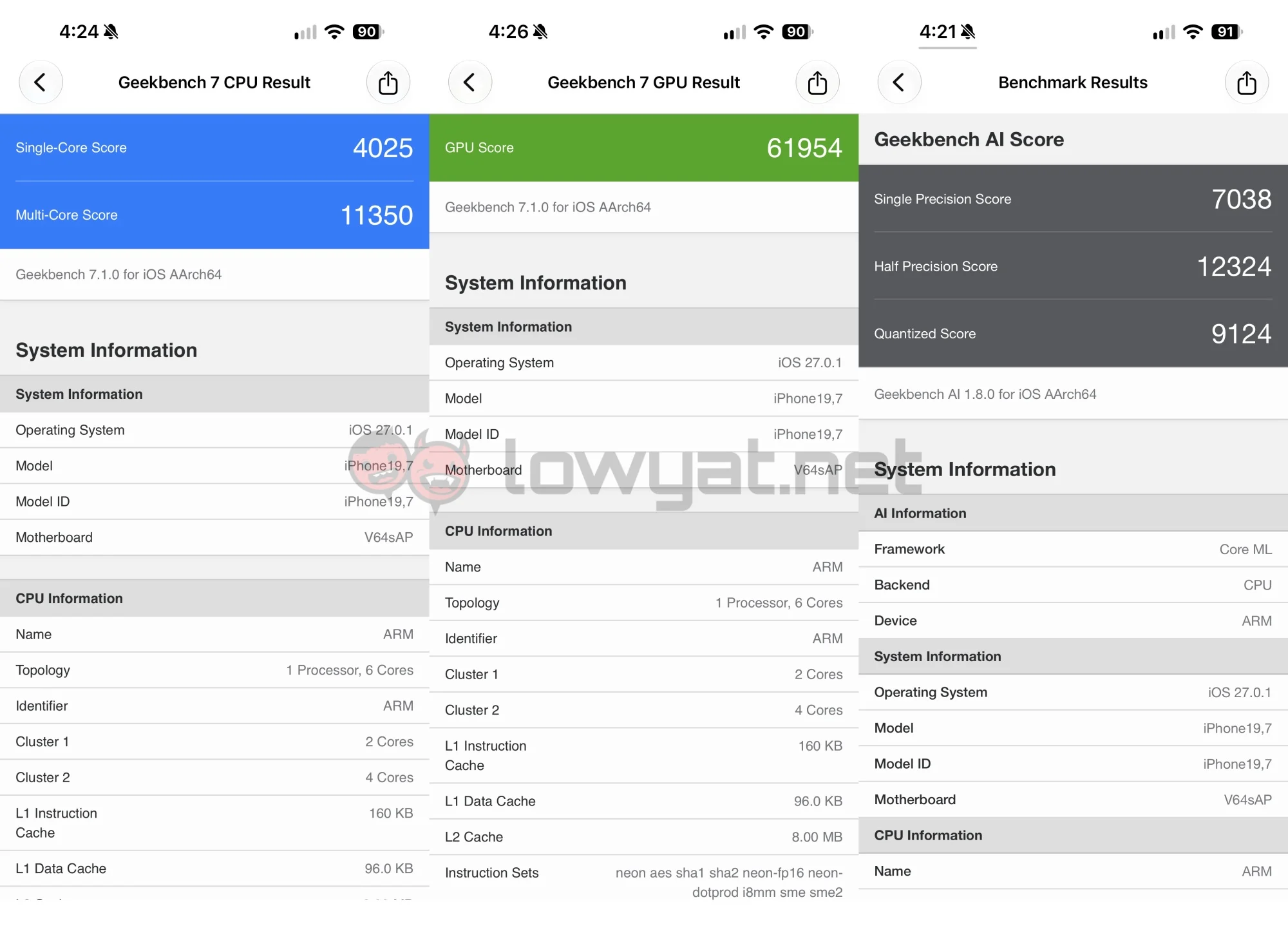
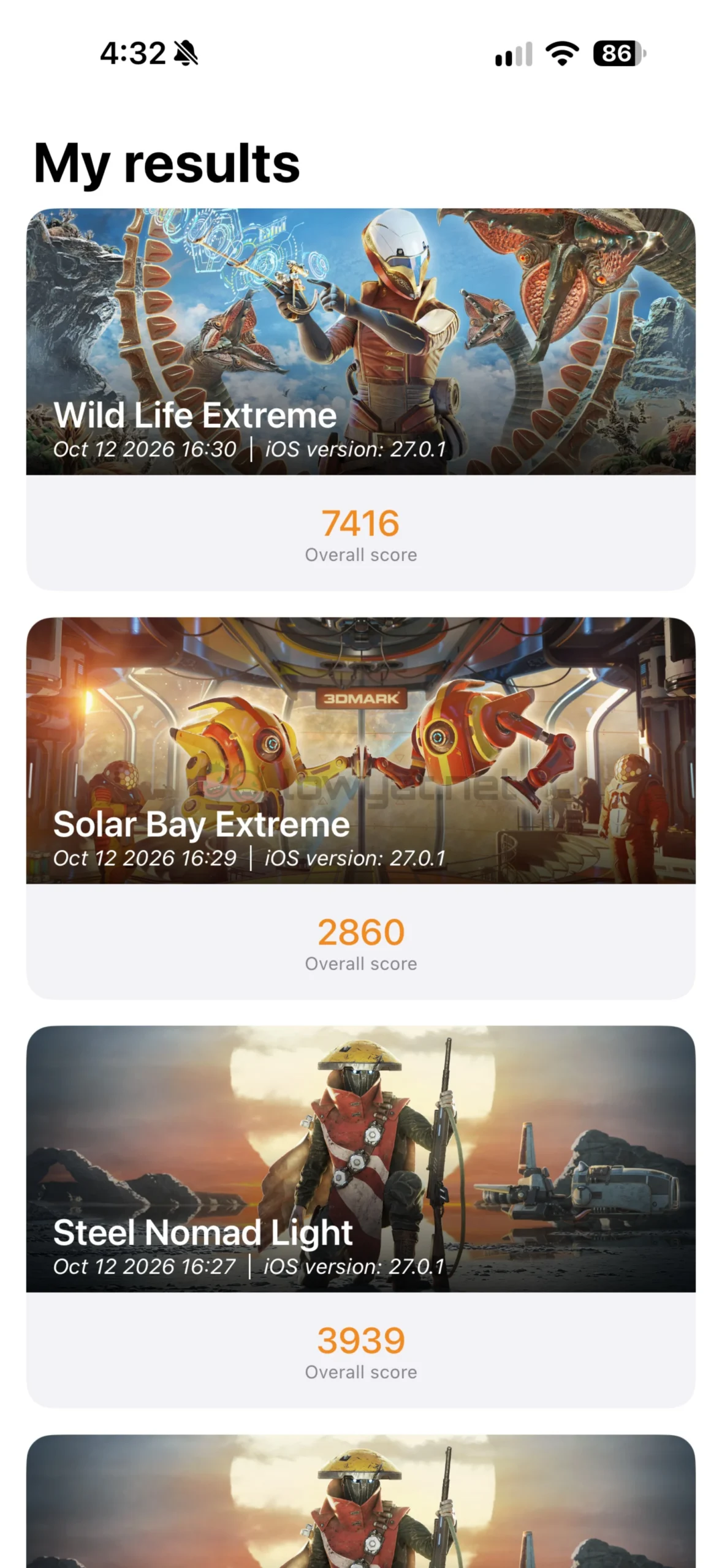
The A20 Pro chip is undeniably the star of the show. It leaps ahead of its predecessor, offering a considerable boost in performance, as evidenced by the benchmark scores. Of course, raw numbers only make up half of the equation. The more important question is the real-life experience, and the phone certainly doesn’t disappoint. Navigation feels smooth and snappy, with apps launching quickly. Switching between them is also seamless, though it shouldn’t come as a surprise. So for your day-to-day activities, there really is no reason to complain.
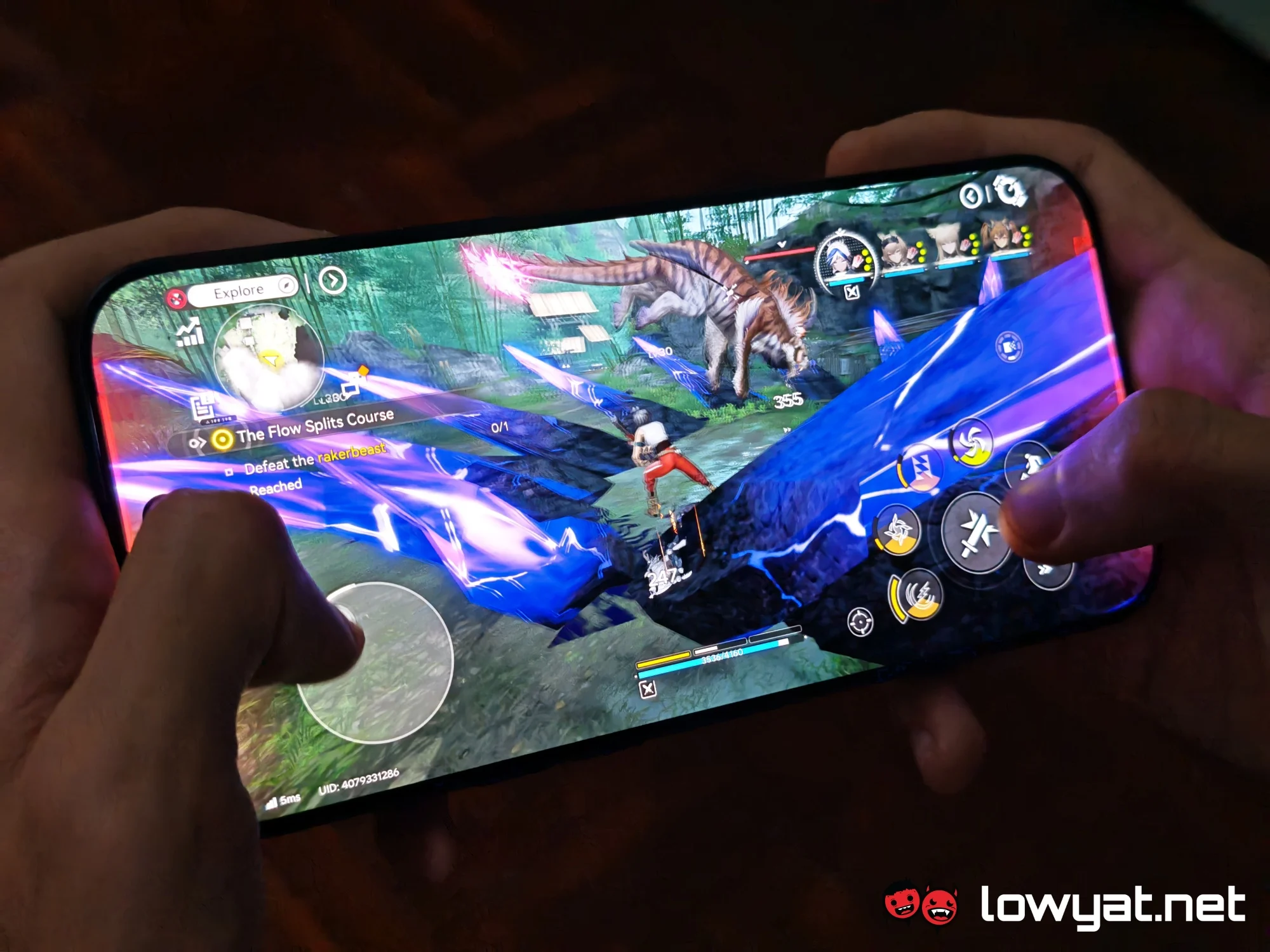
The same can be said for gaming, even with demanding titles like Warframe and Arknights: Endfield. Both games run perfectly with the settings turned up to eleven, maintaining a steady 60 fps. In Warframe, the phone is equally adept at handling the open maps like Orb Vallis and areas with high enemy density like the Höllvania tilesets. The device does get pretty toasty after a while, but not more than one may expect.
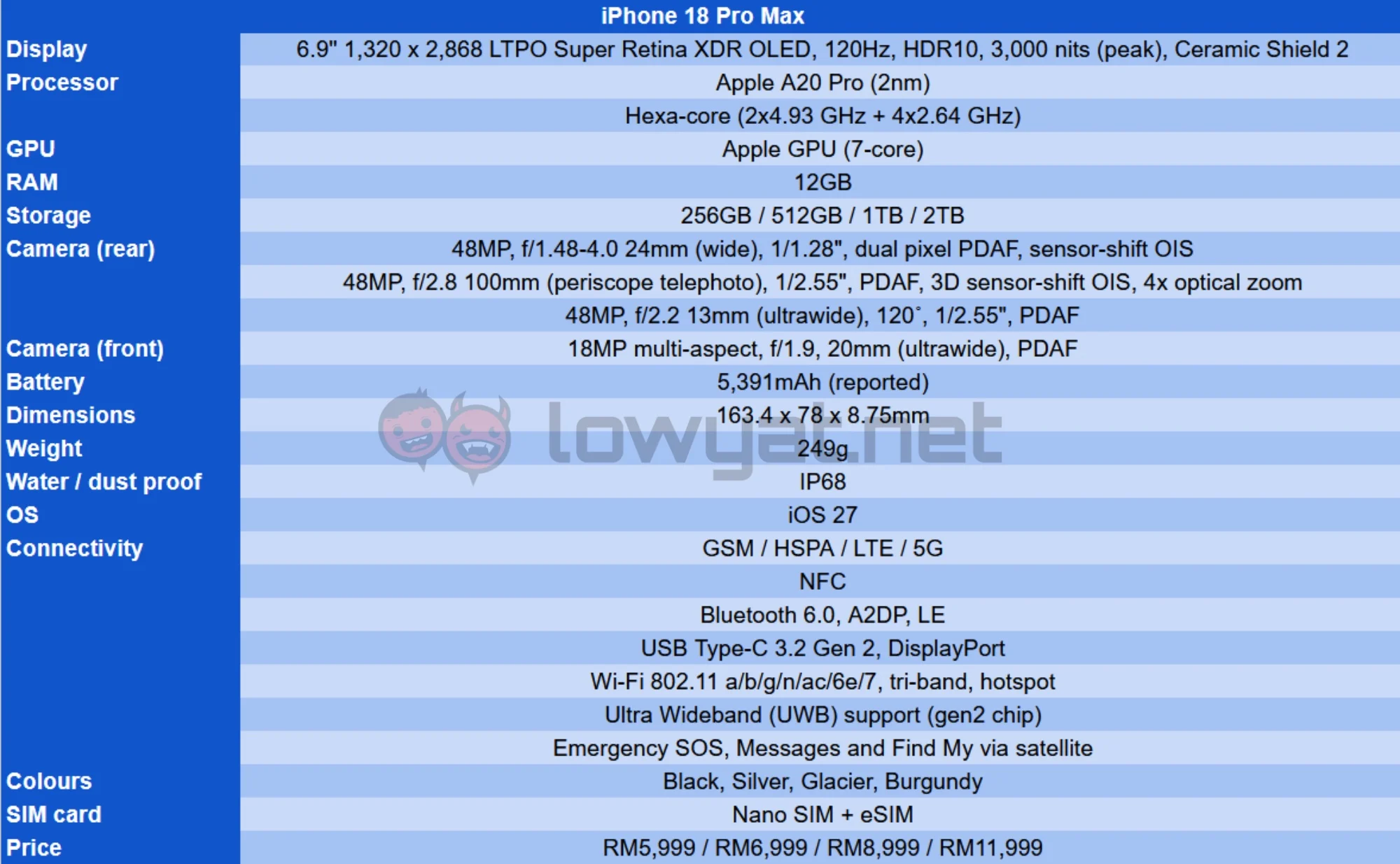
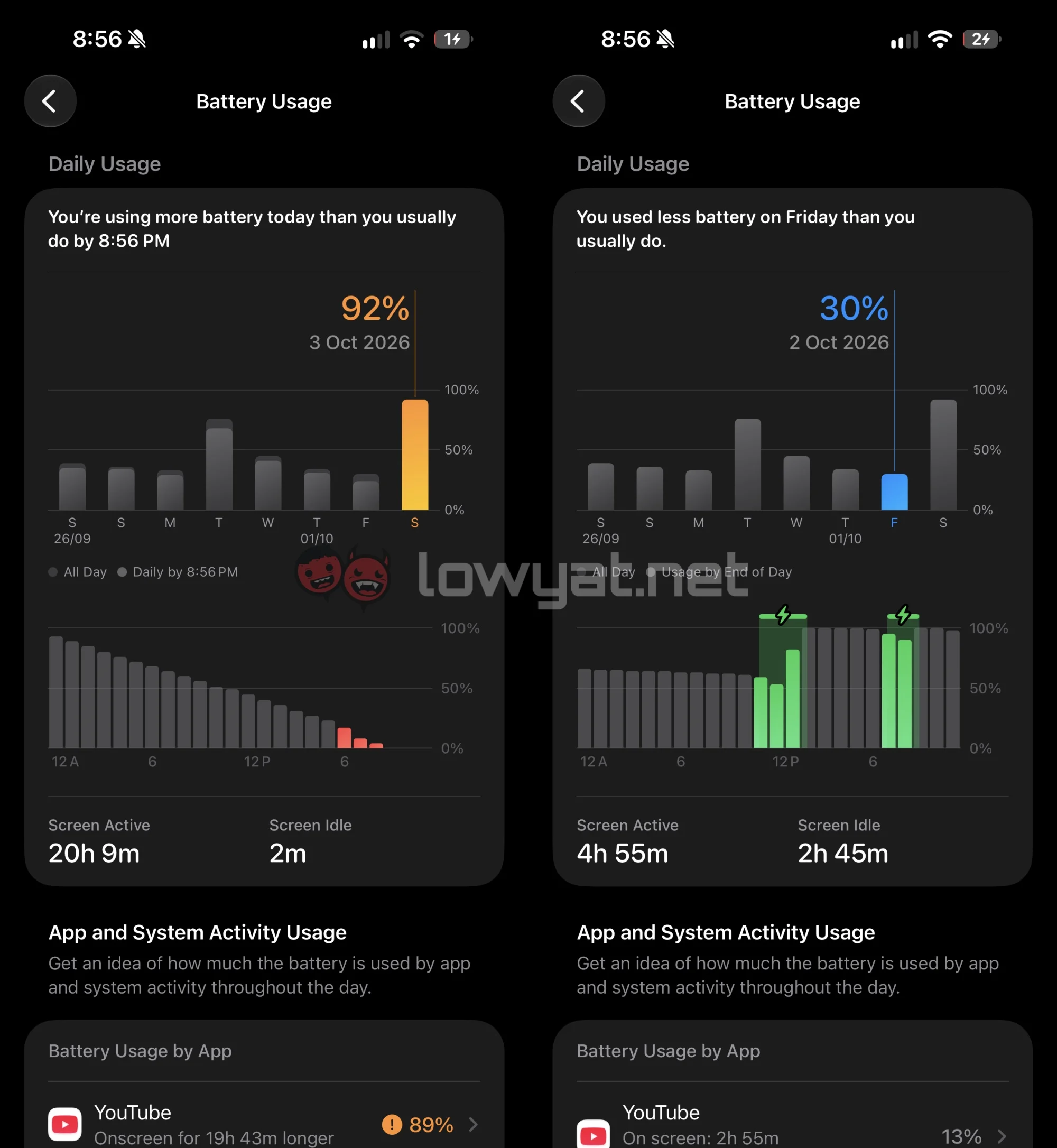 Although Apple is not racing to cram bigger batteries into its devices, the iPhone 18 Pro Max did get an upgrade in that department. As usual, the brand didn’t officially disclose the exact figures, falling back on the “X hours of use” type of claims. According to the company, the handset can offer up to 43 hours of video playback. Based on my own testing, it didn’t last nearly as long, but it did manage to hang on for about 24 hours streaming non-stop with the brightness turned up to eleven. It’s better than many of the phones I’ve tested this year, proving that capacity isn’t necessarily the deciding factor when it comes to battery life.
As a daily driver, it can last roughly two days with light-to-moderate use—meaning messaging and minimal doomscrolling if you can help it. The odd video or two also doesn’t hurt, and neither does snapping a few cat photos. That said, heavy users may still get as much as one and a half days’ worth of use. I’ve managed to end a busy day with a little over 40% battery left on quite a few occasions. Lengthy photography sessions, music streaming, and maybe some casual gaming can fit into a single day with some juice to spare.
 Since Apple largely left all the other hardware untouched, you can expect all the good things from last year’s model to hold true for this one as well. Audio quality remains top-notch, with music and other media content sounding clear and detailed.
Camera And Sample Images
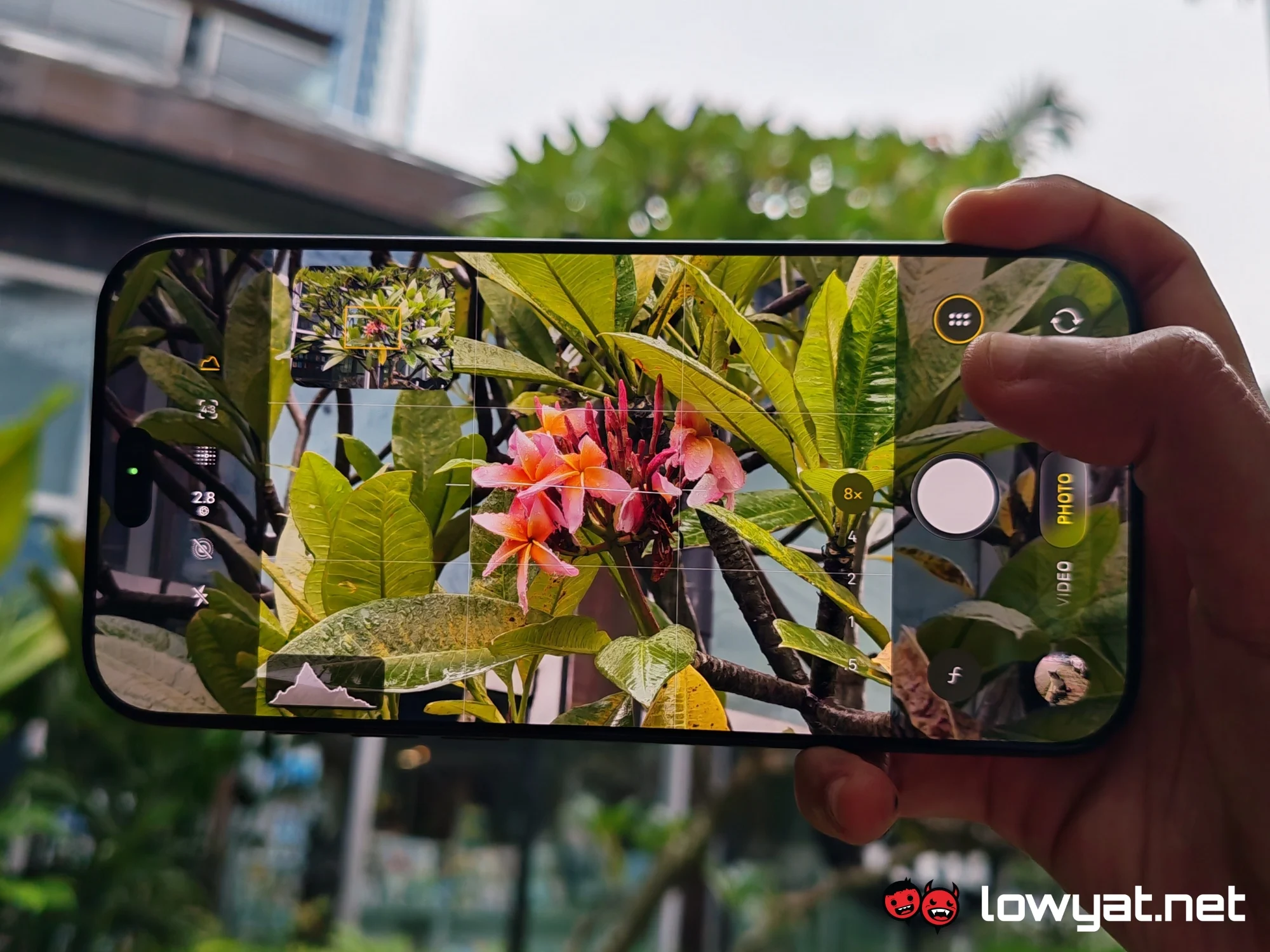 As mentioned earlier, many of the upgrades focus on the imaging system. More specifically, the main camera. Apparently, Apple is using a new sensor for the main camera, though the specs remain the same. So, you get a 48MP 1/1.28-inch shooter. Of course, the major change is the addition of the variable aperture, which can switch between four presets: f/1.48, f/1.8, f/2.8, and f/4.0.
Arguably, the variable aperture feels a bit over the top for casual point-and-shoot photography. During the day, especially outdoors, there isn’t any meaningful difference when swapping between the settings. The changes are more noticeable when shooting subjects up close—there is a clearer separation between the subject and background with the wider aperture setting. Still, it doesn’t make a whole world of difference. The most prominent distinction would be the starburst bokeh effect, but it can look artificial. In any case, the new hardware does come off as impractical, considering the fact that it makes repairs more complicated without offering much in return.
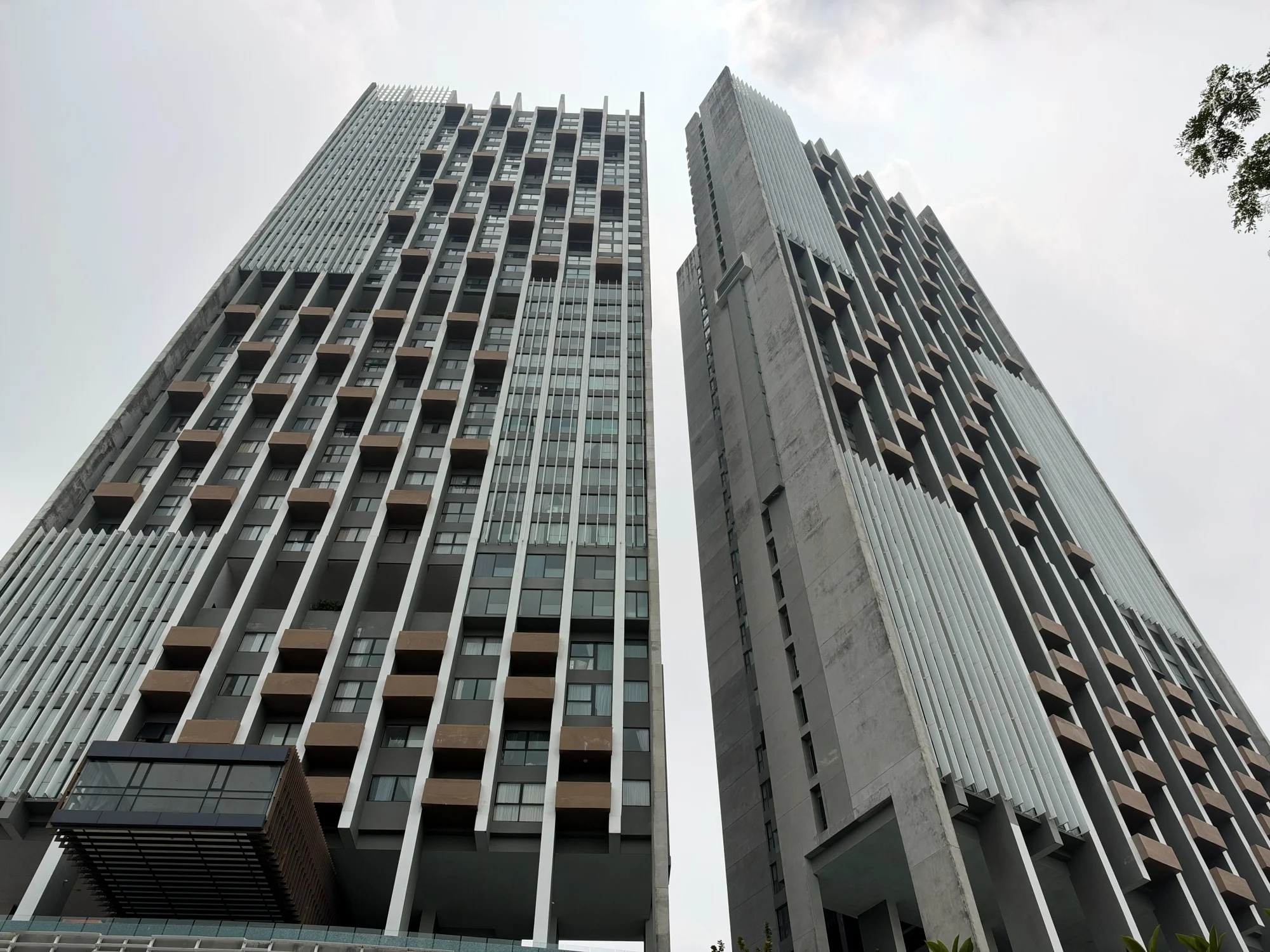
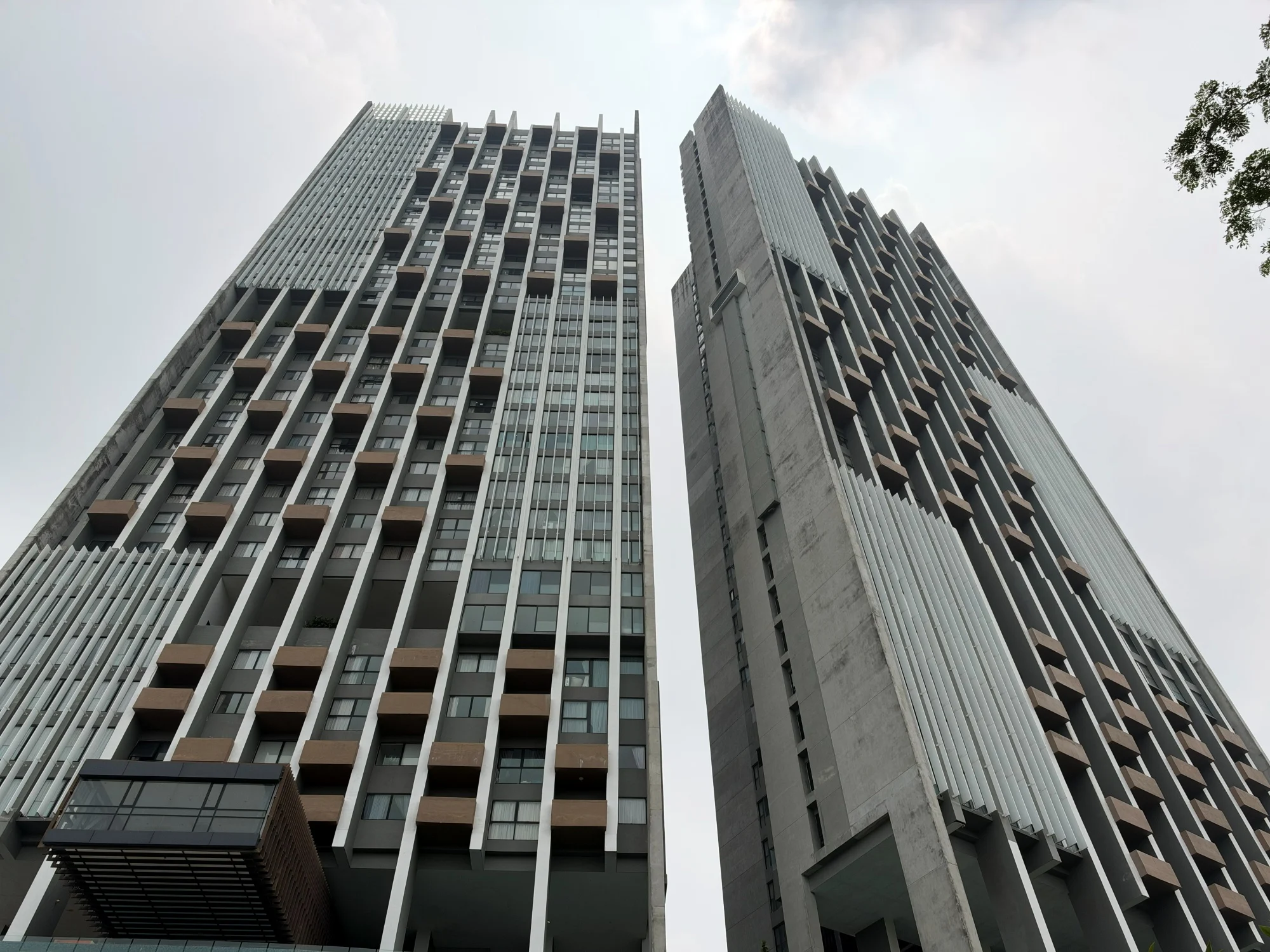


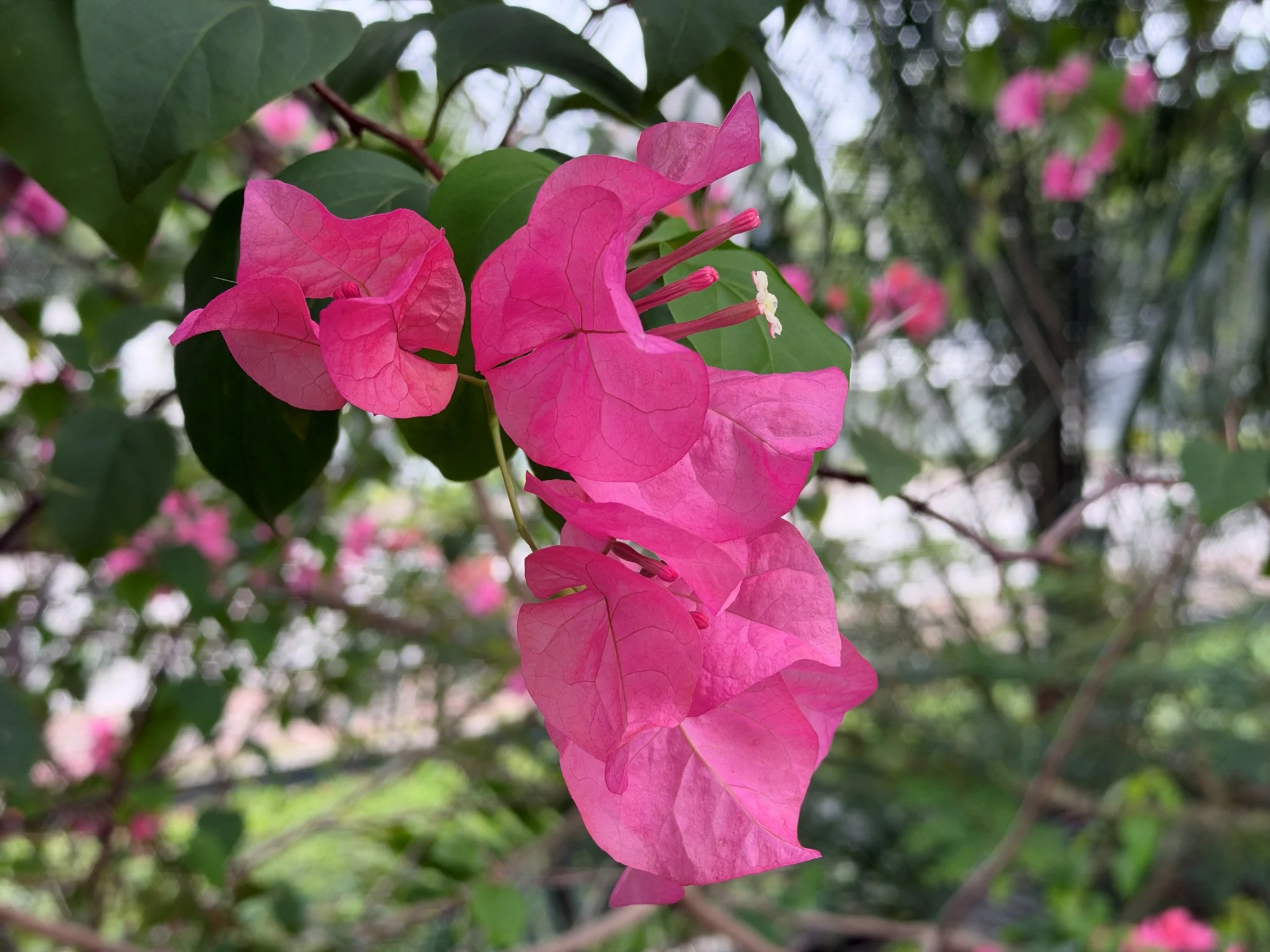
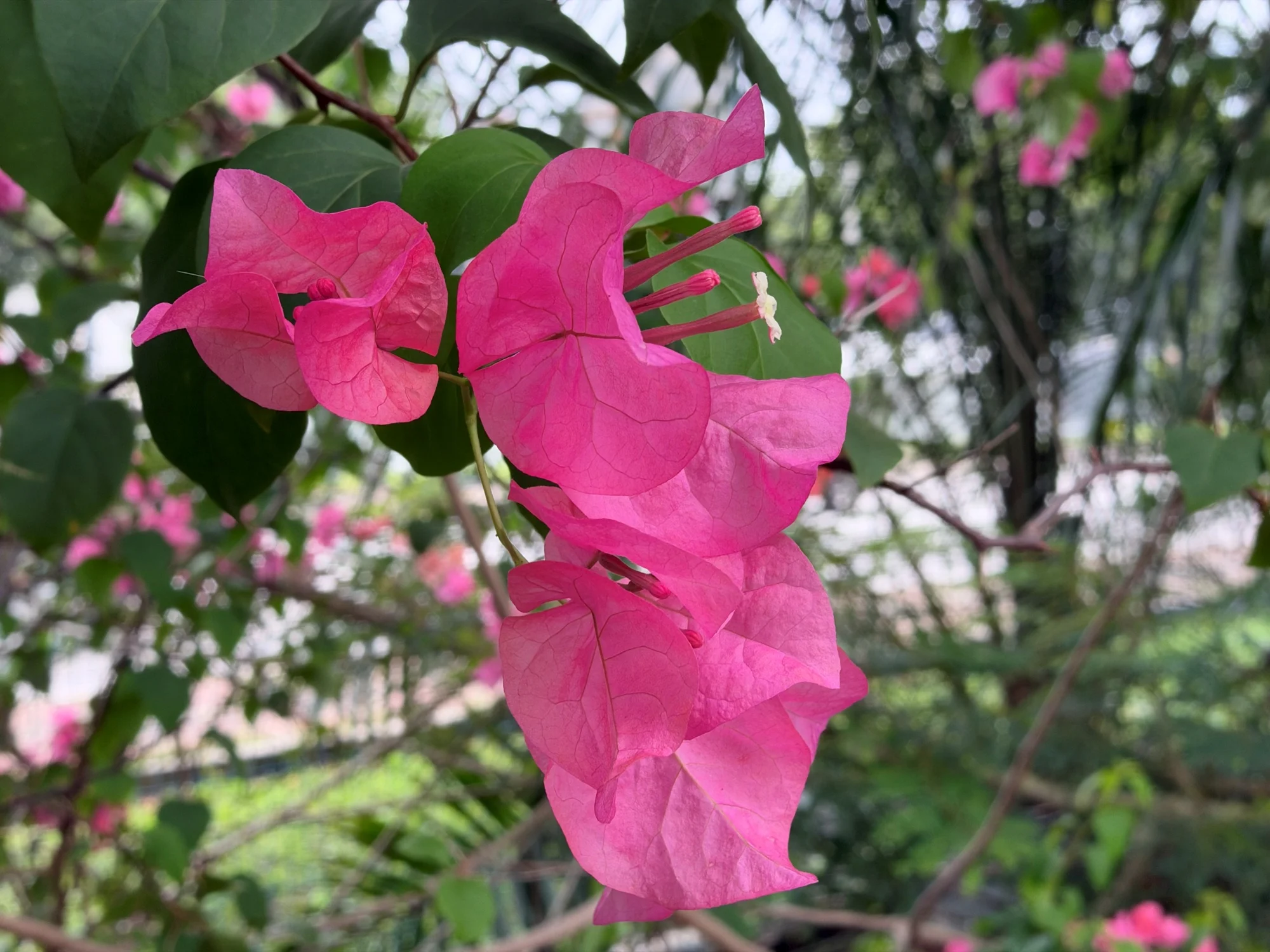
That said, a more skilled hand may be able to unleash its full potential. It does look like Apple is targeting professionals here, as the phone also comes with controls for fine-tuning your shots. There are settings for shutter speed and white balance, plus a live histogram. Users can access these settings by tapping the button on the bottom right corner next to the shutter. The brand also made it so you can add the tools to the top bar of the camera interface, so you can get to them quicker.
Speaking of which, I do have a bone to pick with the interface. There is a Siri mode that sits in between the regular photo and portrait modes. And if you enable the Apple Reference Image feature, that shows up right before the Siri mode. So, swapping to portrait mode takes more swiping than before. Now, I do understand the rationale behind the Siri inclusion, but its presence is irksome, especially when I’m trying to just take pictures.

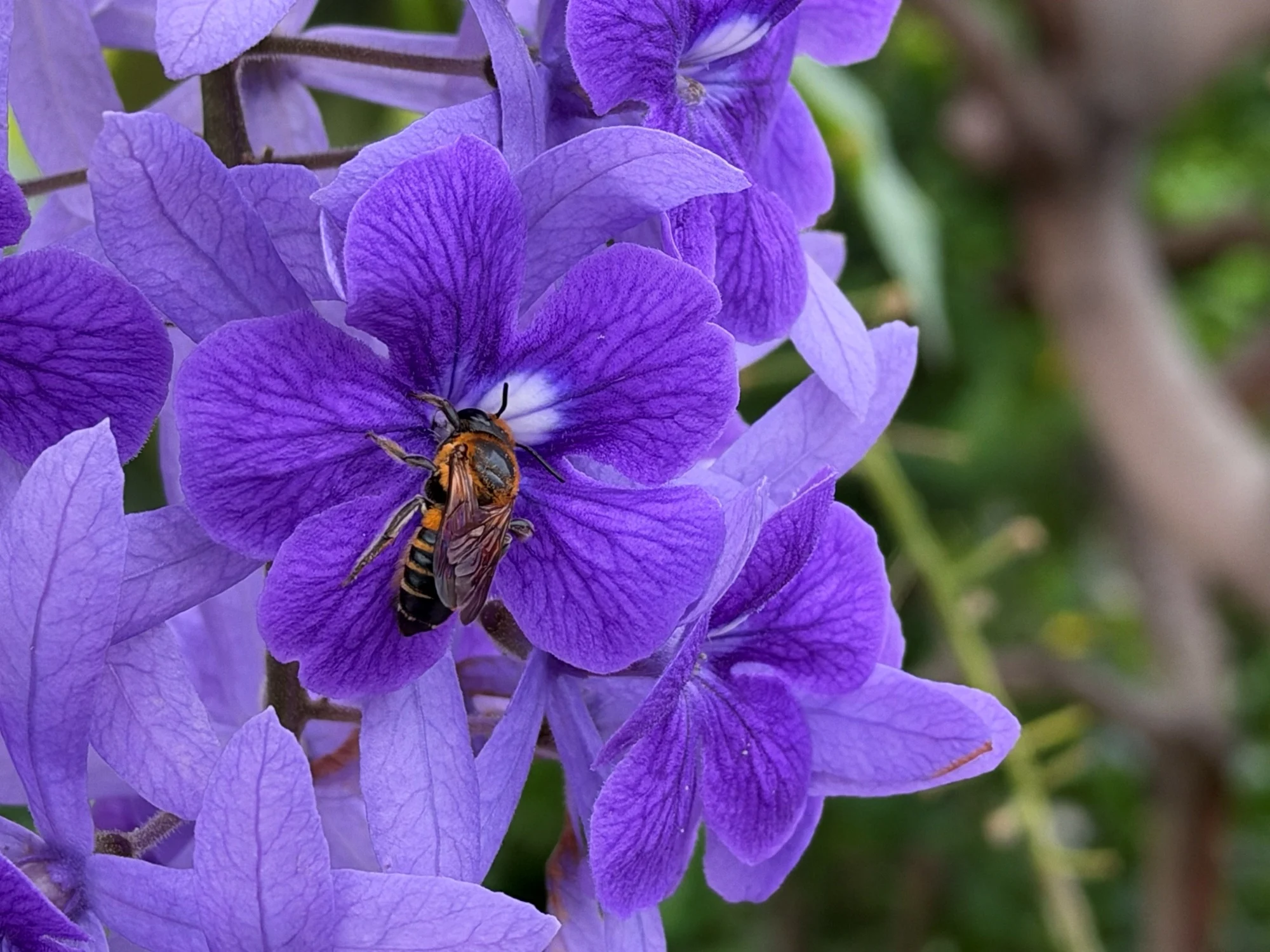




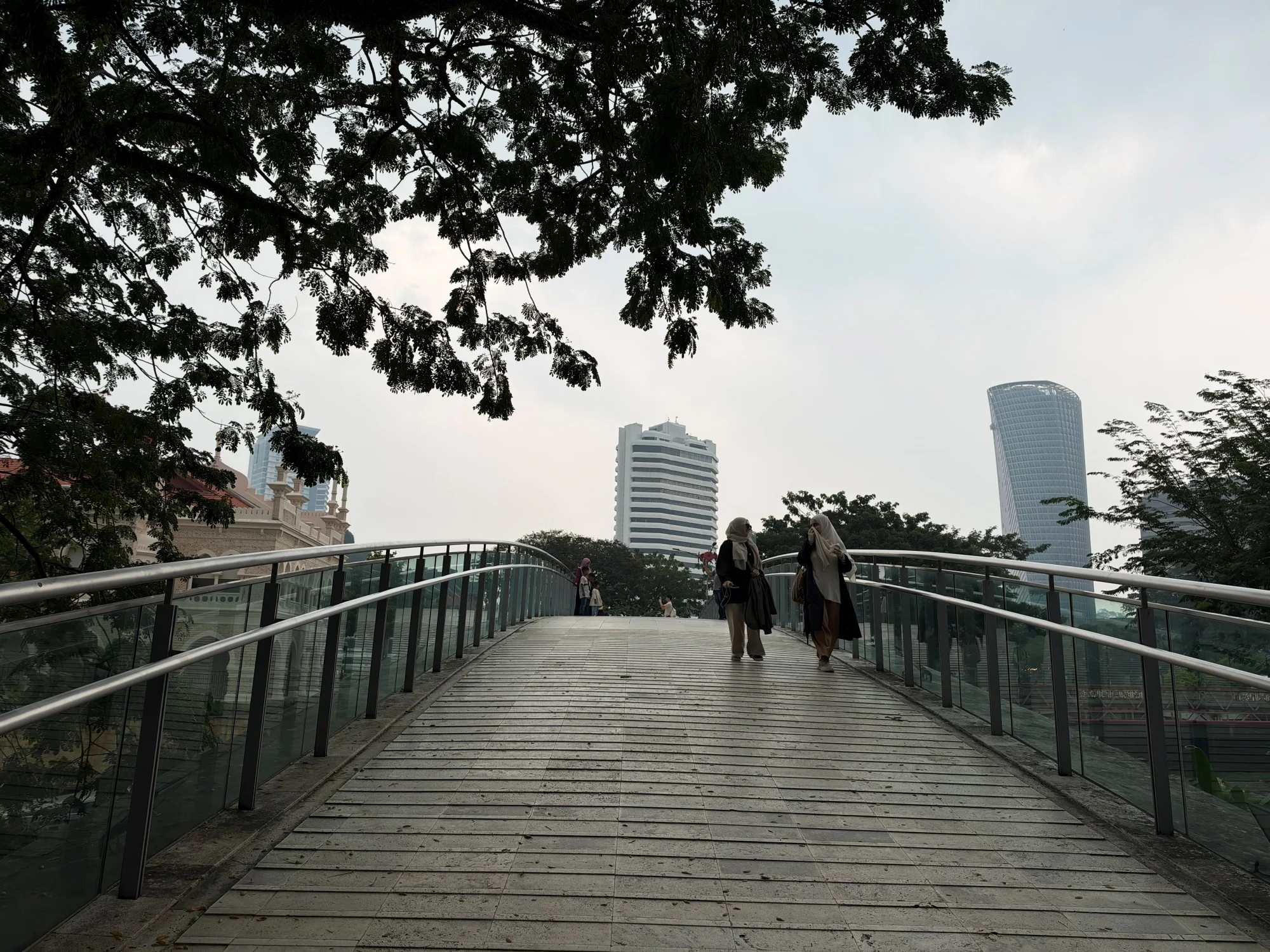




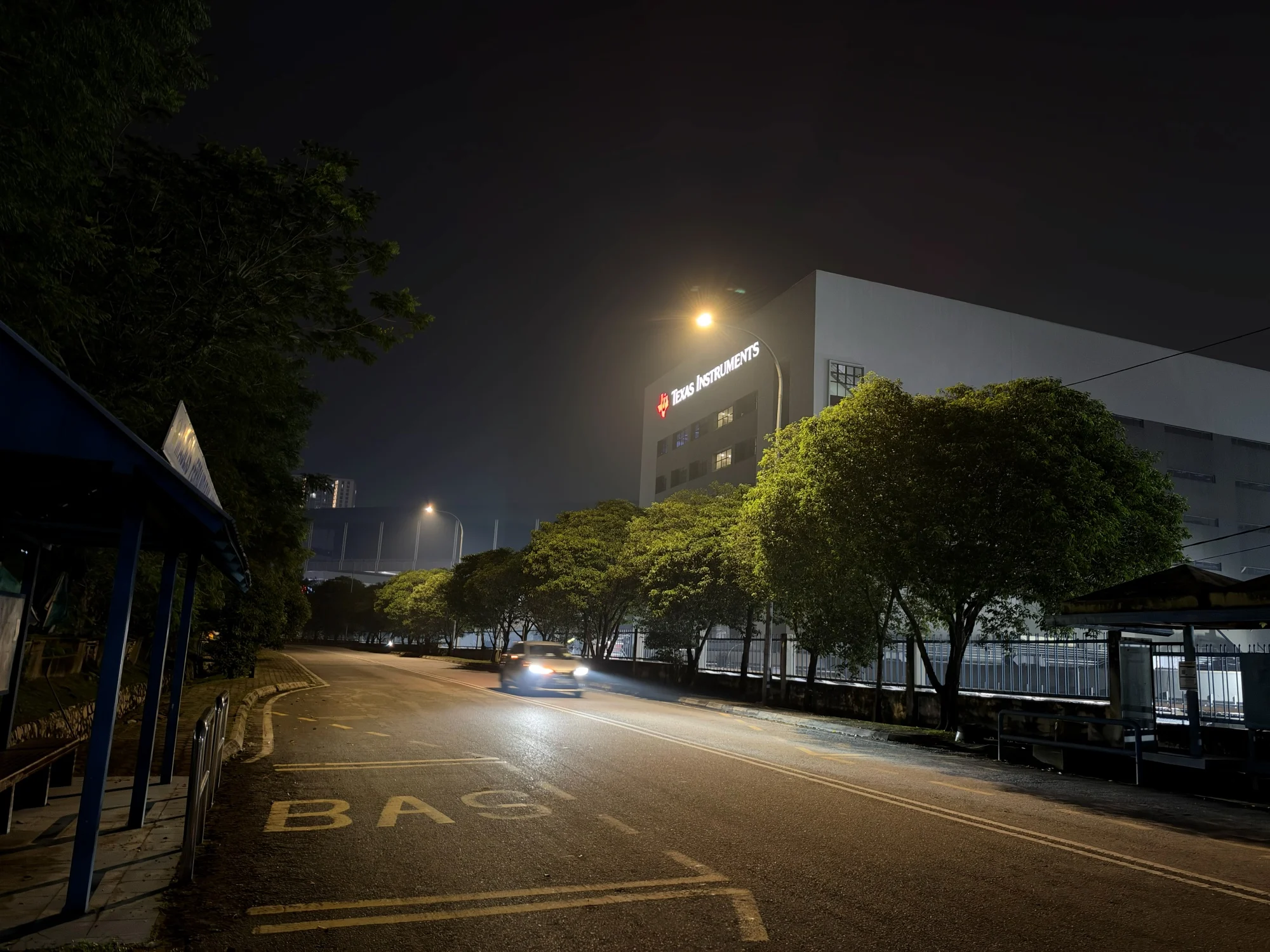

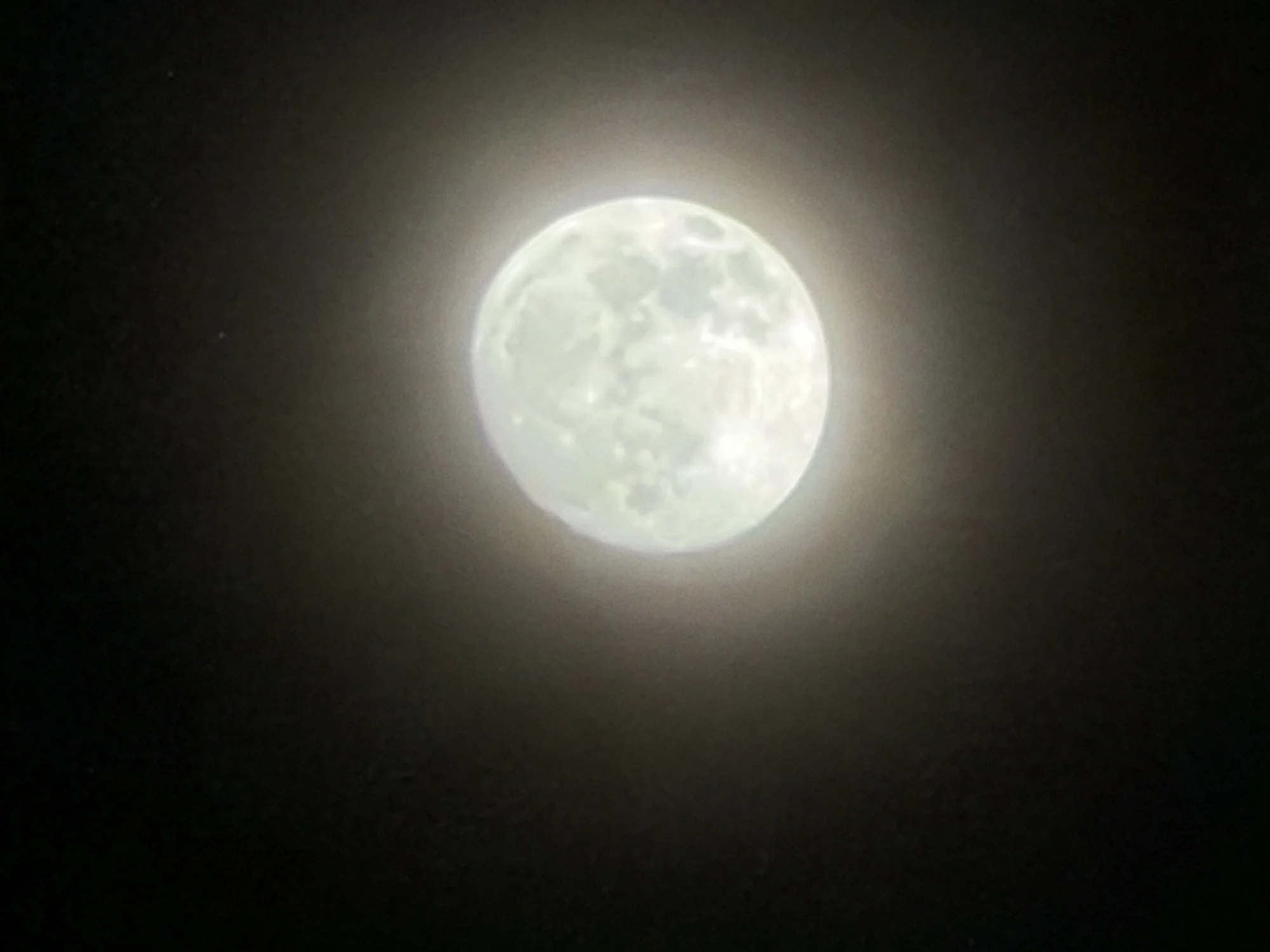
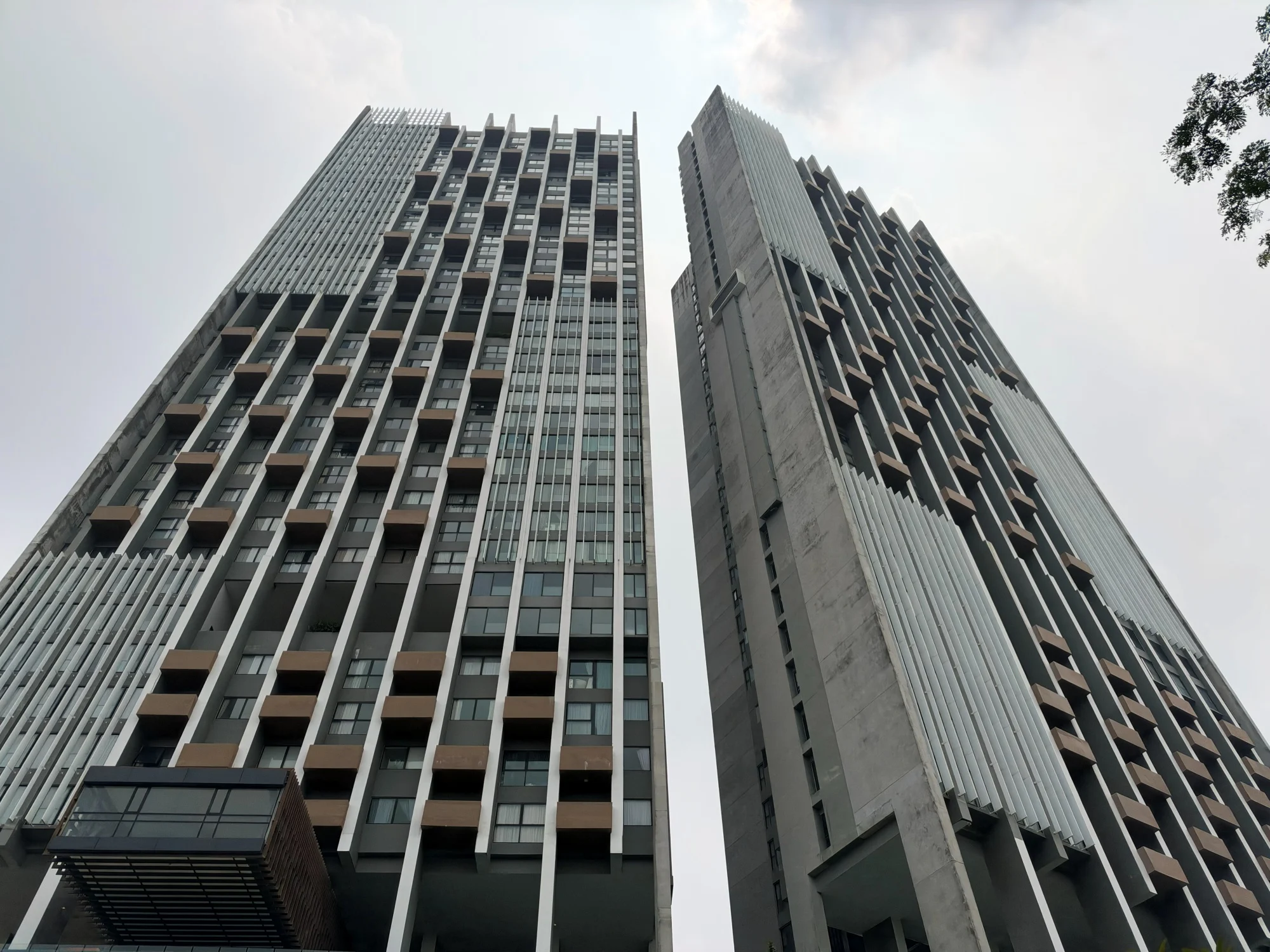
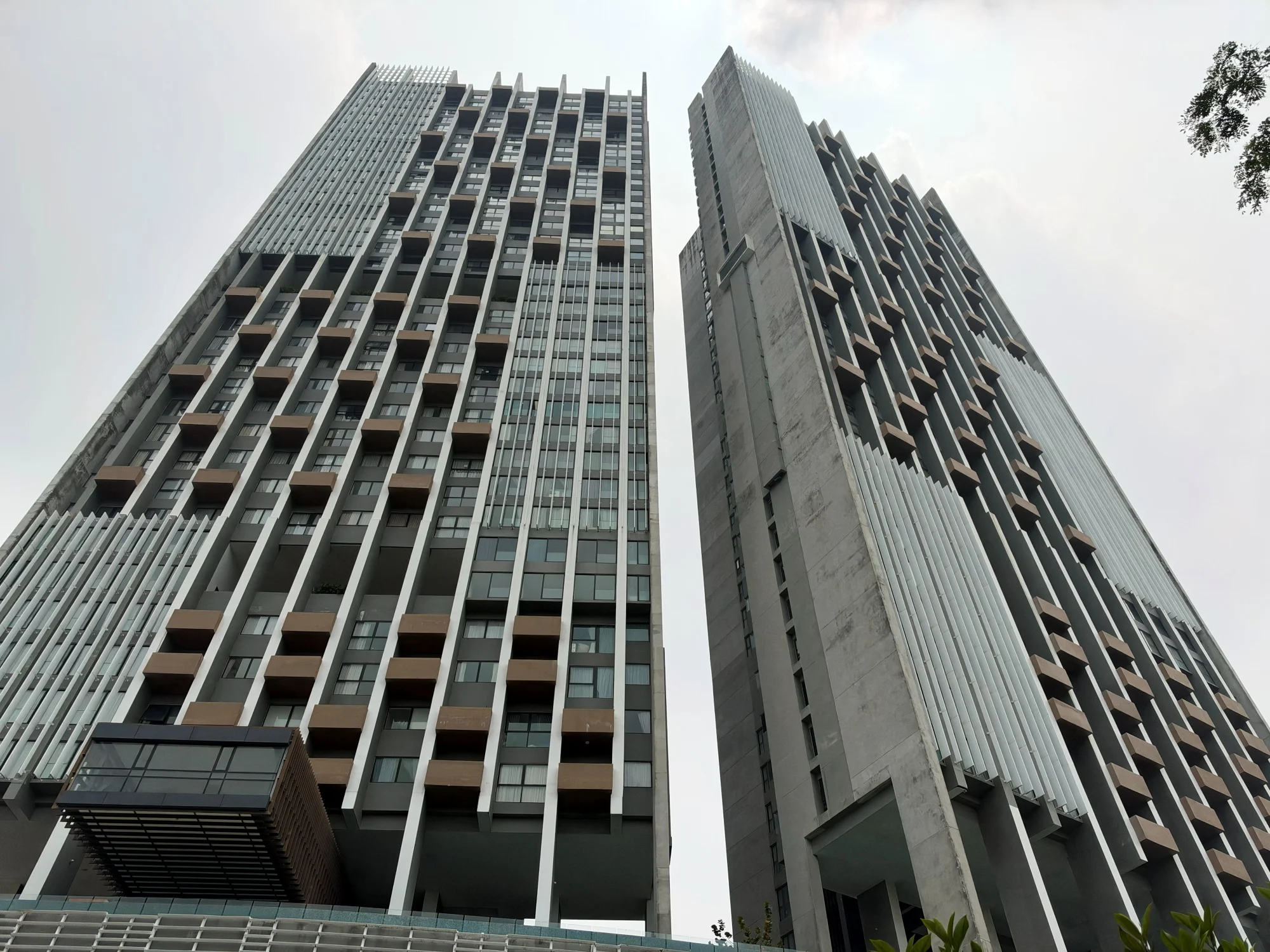
Flashy new features aside, the camera system captures excellent photos, delivering sharp and clear results. Colours turn out rich and natural without looking too bright or saturated. Meanwhile, low-light performance isn’t particularly mindblowing, but that’s par for the course. The company also left the phone’s videography capabilities largely untouched, so there’s not much to say there.
However, there is one other new feature worth mentioning: smart focus tracking. Basically, it’s an AI-powered tool that locks on to the subject to keep it in focus. It’s a bit finicky, particularly when you have overlapping subjects. But it works well enough, and it can briefly remember the subject when it moves out of frame.
What’s The Catch?
 The phone’s weight is noticeable from the get-go. Sure, one can expect bigger phones to be heavier, but Apple seems to be pushing it to the extreme. At 249g, it’s heftier than some Android foldables of this generation, which isn’t exactly a good sign. Throw a case into the mix, and one can safely call it a brick. For what it’s worth, the device’s mass seems to be evenly distributed, so it doesn’t feel unbalanced or top-heavy. Instead, you get a dense slab that feels a bit clumsy to handle, but the big beefy build is the whole point of the Pro Max model, which also nets you the more expansive screen.
Furthermore, the Camera Control button still sits way too far into the side of the phone, making it difficult to actually use for its intended purpose. This is true whether you’re trying to operate the device with one hand or both.
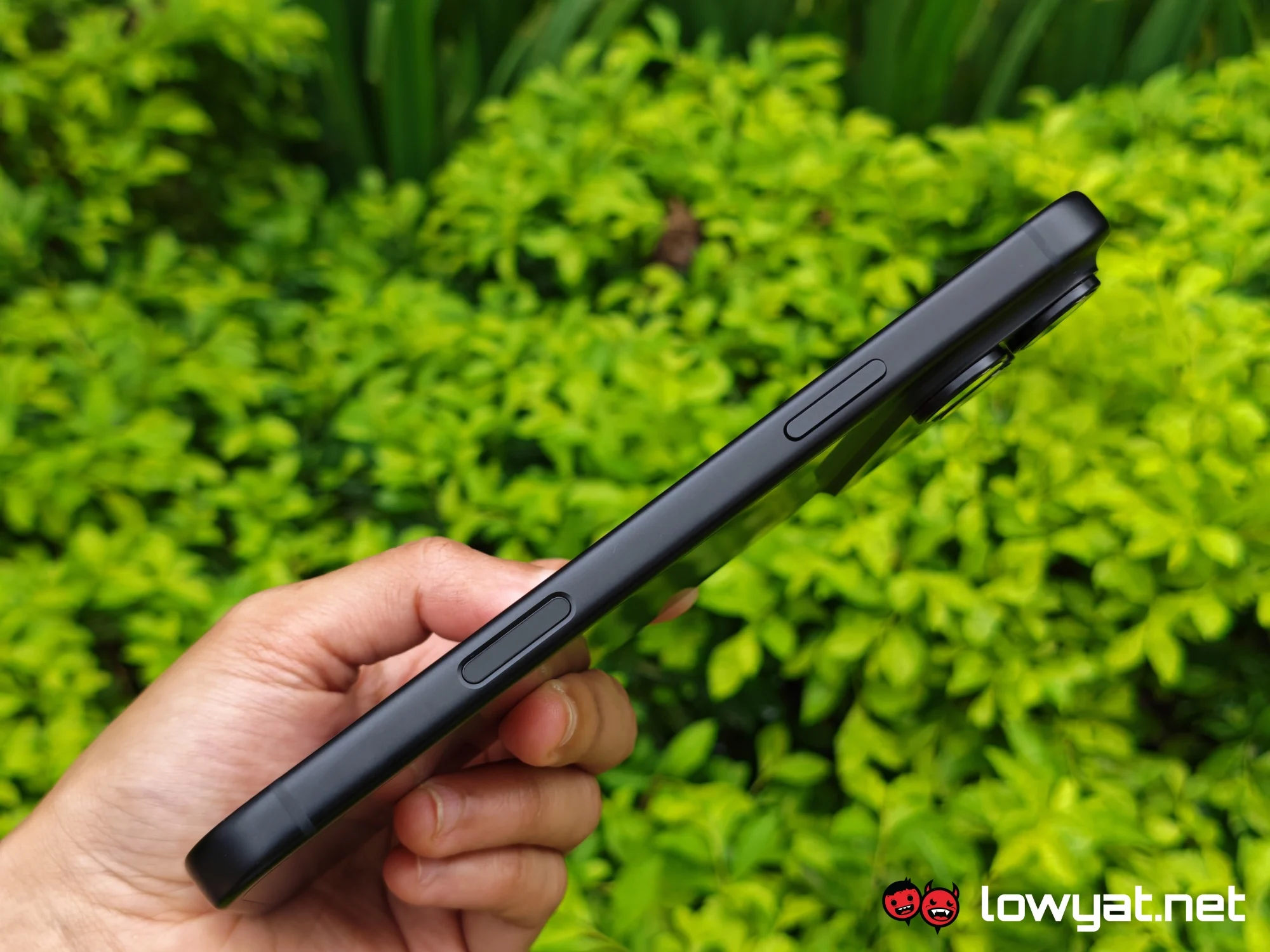
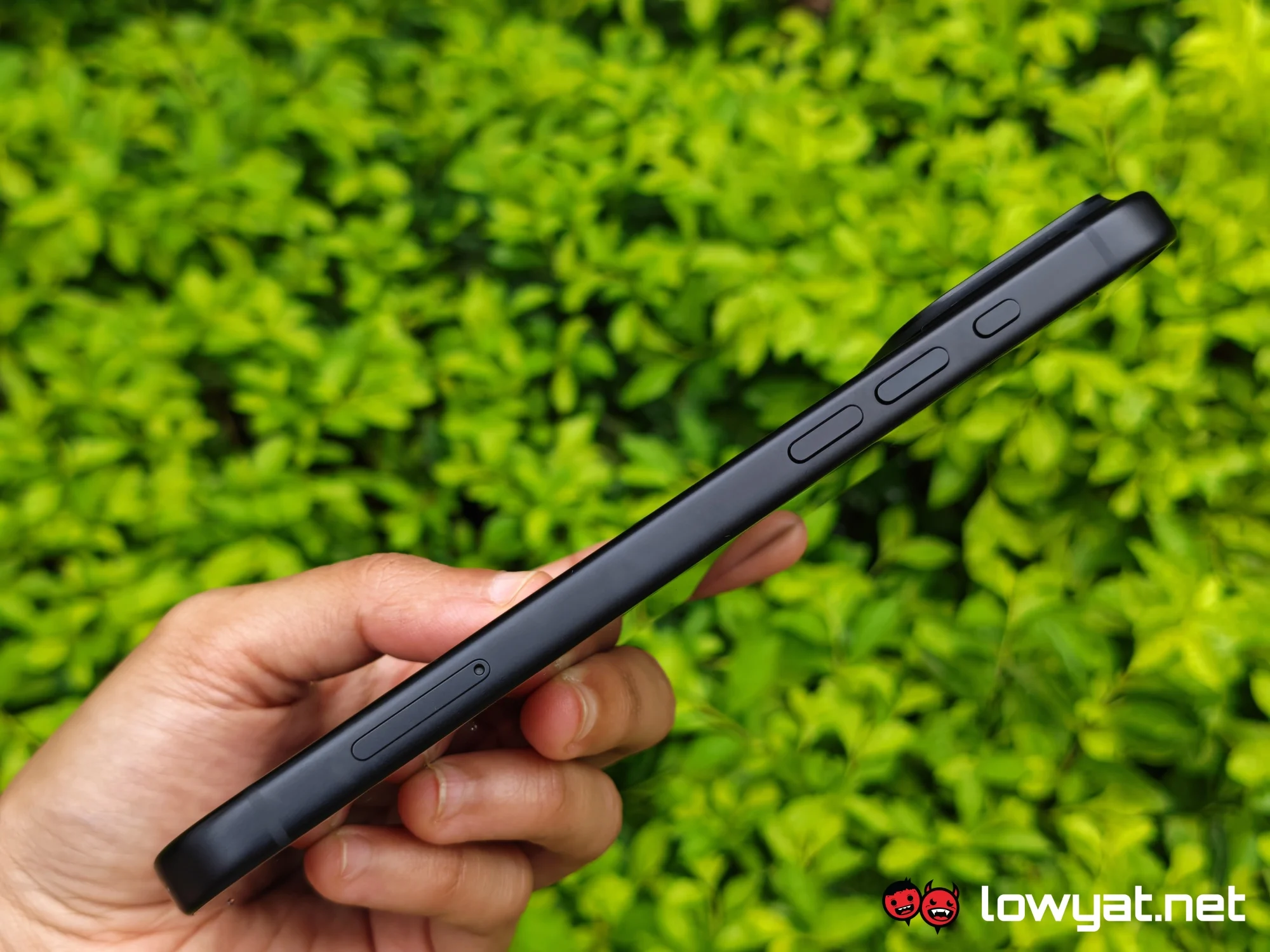
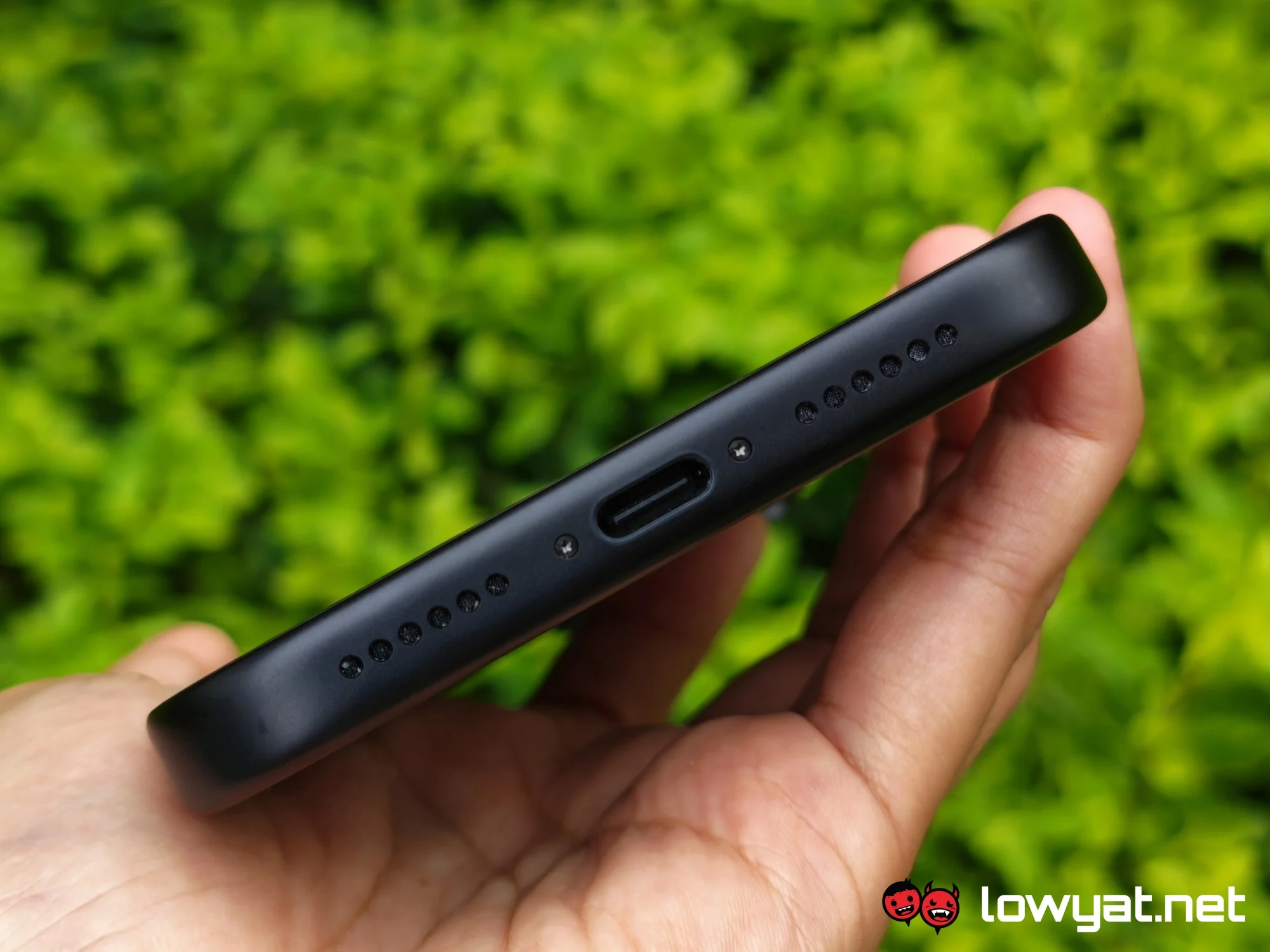
I should also point out that the software experience hasn’t exactly been free of hiccups. There was a bug where the phone would restart after a failed Face ID recognition attempt. I did encounter this bug on one or two occasions, though a fix has since rolled out. There have been reports of other issues, such as a clicking noise from the speakers, but I have yet to encounter the problem myself.
And speaking of software, the long-awaited Siri upgrade feels fairly uninspired. This is probably due to the fact that Apple’s take on AI features doesn’t really bring anything new to the table. This is simply the cost of being late to the party—you’re left playing catch-up. The brand’s implementation also feels too eager, with multiple ways to stumble upon Siri. There’s the chatbot app, Spotlight search, and as I’ve already covered, the dedicated mode in the camera app. In any case, Siri AI comes off as fairly basic, though that’s likely because it’s still in beta.


There are also a few photo-editing tools, including what’s called Reframe. As the name suggests, it lets you adjust the framing and composition of the photo, including the perspective. It’s pretty limited in what it can do, and it doesn’t seem to be great at filling in the missing details, as you can more or less see the boundary between the actual photo and the generated sections.
Competition
Samsung Galaxy S26 Ultra
 Much like Apple, Samsung didn’t pull out all the stops when it comes to updating its premium flagship phone. That said, the Galaxy S26 Ultra does get a brand new privacy display feature, which makes it stand out among its peers. Beyond that, the device comes with a 6.9-inch Dynamic AMOLED 2X display, Snapdragon 8 Elite Gen 5 chipset, and a 5,000mAh battery. Furthermore, it features up to 16GB of RAM and 1TB of storage.
For imaging, it sports a quad camera setup. This arrangement includes a 200MP main shooter, 50MP and 10MP telephoto lenses, plus a 50MP ultrawide sensor. Over on the front, it gets a 12MP selfie snapper. Price-wise, it starts from RM5,299.
Should I Buy It?
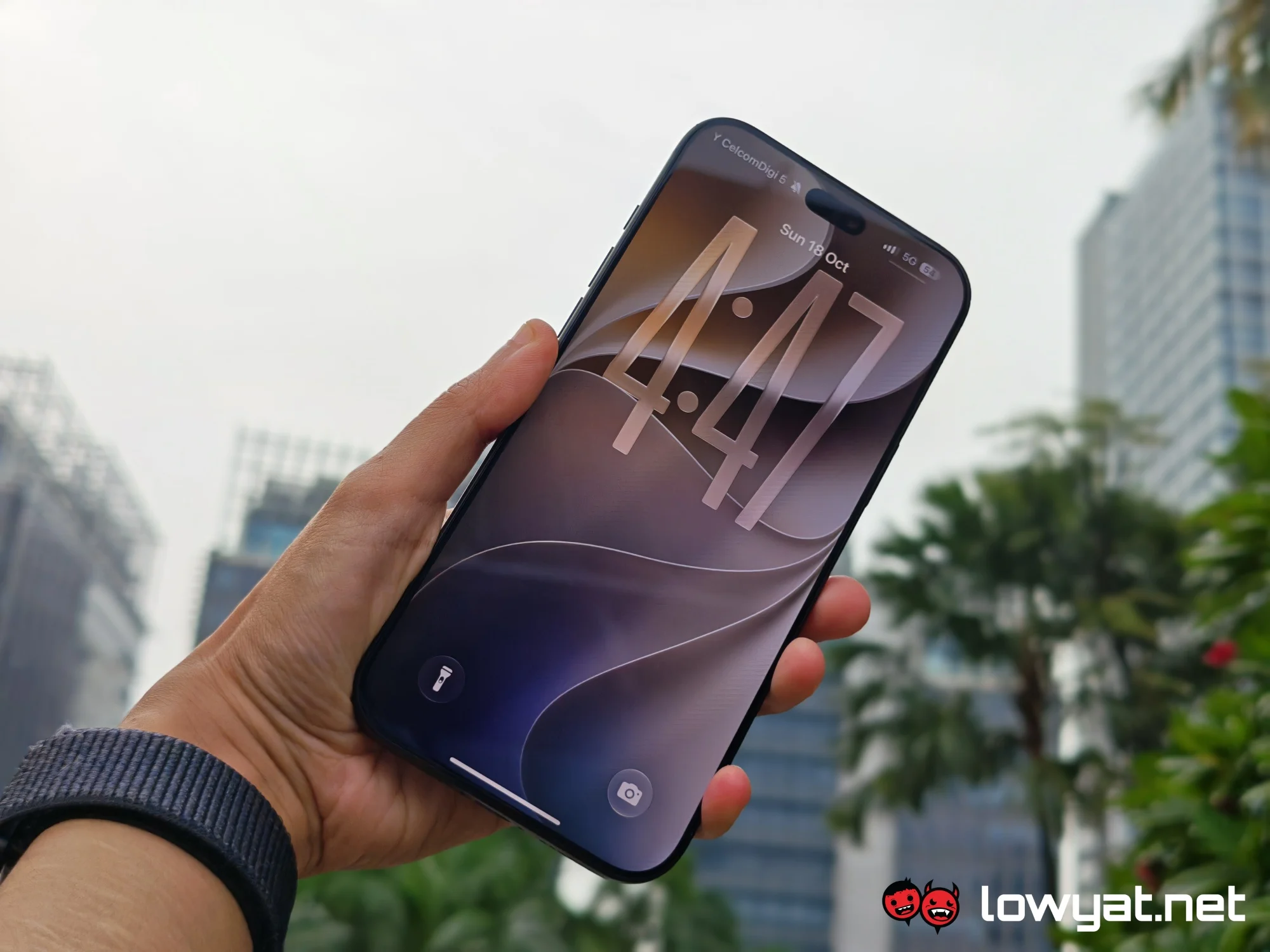 Whereas last year’s model epitomises a bold leap, this one is more of a safe and steady step. There’s nothing wrong with that, of course, and the iPhone 18 Pro Max remains a great phone either way. If you’ve got one of the older iPhones and are due for an upgrade, then this model is the obvious choice. Unless you don’t like them big, in which case, the iPhone 18 Pro would be more up your alley.
Overall, the iPhone 18 Pro Max is a solid entry in Apple’s smartphone lineup. Given its starting price of RM5,999, you get a sturdy device with a good set of cameras and a powerful chip at its core.
The iPhone 18 Pro Max keeps last year's formula with an A20 Pro chip, a new main sensor with variable aperture and slightly better battery life. It performs and shoots excellently, but at 249g it is a brick, and the Siri overhaul feels uninspired.
Good
- A20 Pro delivers a big performance leap
- Steady 60fps in demanding games
- Roughly two days on light-moderate use
- Sharp photos with rich, natural colours
- Pro controls: shutter, white balance, histogram
- Smaller Dynamic Island, more Live Activities
Bad
- Weight makes it clumsy and brick-like
- Variable aperture adds little in practice
- Camera Control button still awkward to reach
- Siri mode clutters the camera interface
- Siri AI feels basic and uninspired
Scores
- Design & build6.0
- Display8.0
- Performance9.0
- Camera8.5
- Battery & charging8.5
- Software & updates7.0
- Value7.5
Review unit on loan from Apple · tested for 4 weeks.
