
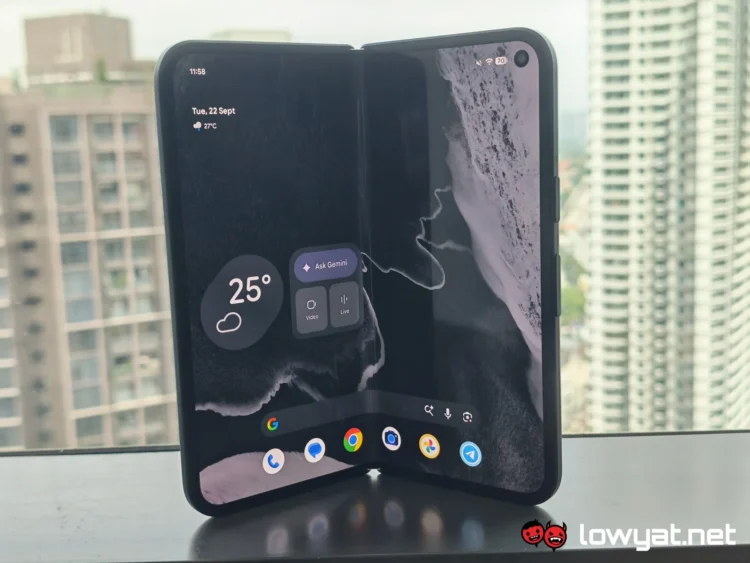
The Google Pixel 11 Pro Fold launched as the search giant’s fourth book-style foldable, and is the second of its kind to land on our shores. Like the other models in this year’s crop of Pixel phones, this one doesn’t introduce any drastic changes, focusing more on iterative upgrades.
Like every generational flagship, there are a few incremental tweaks here and there. The question is whether said tweaks are notable enough to make it a worthwhile investment.
What Am I Looking At?
 When it comes to smartphones, Google has always marched to its own beat, for better or for worse. Which way the Pixel 11 Pro Fold leans is a matter of perspective — one may argue that the search giant’s foldable looks unique when lined up against the competition. In a sea of aesthetically similar products, one can easily pick out the Pixel model, with its squarish camera island and a cover display that doesn’t quite stretch from one edge to the other.
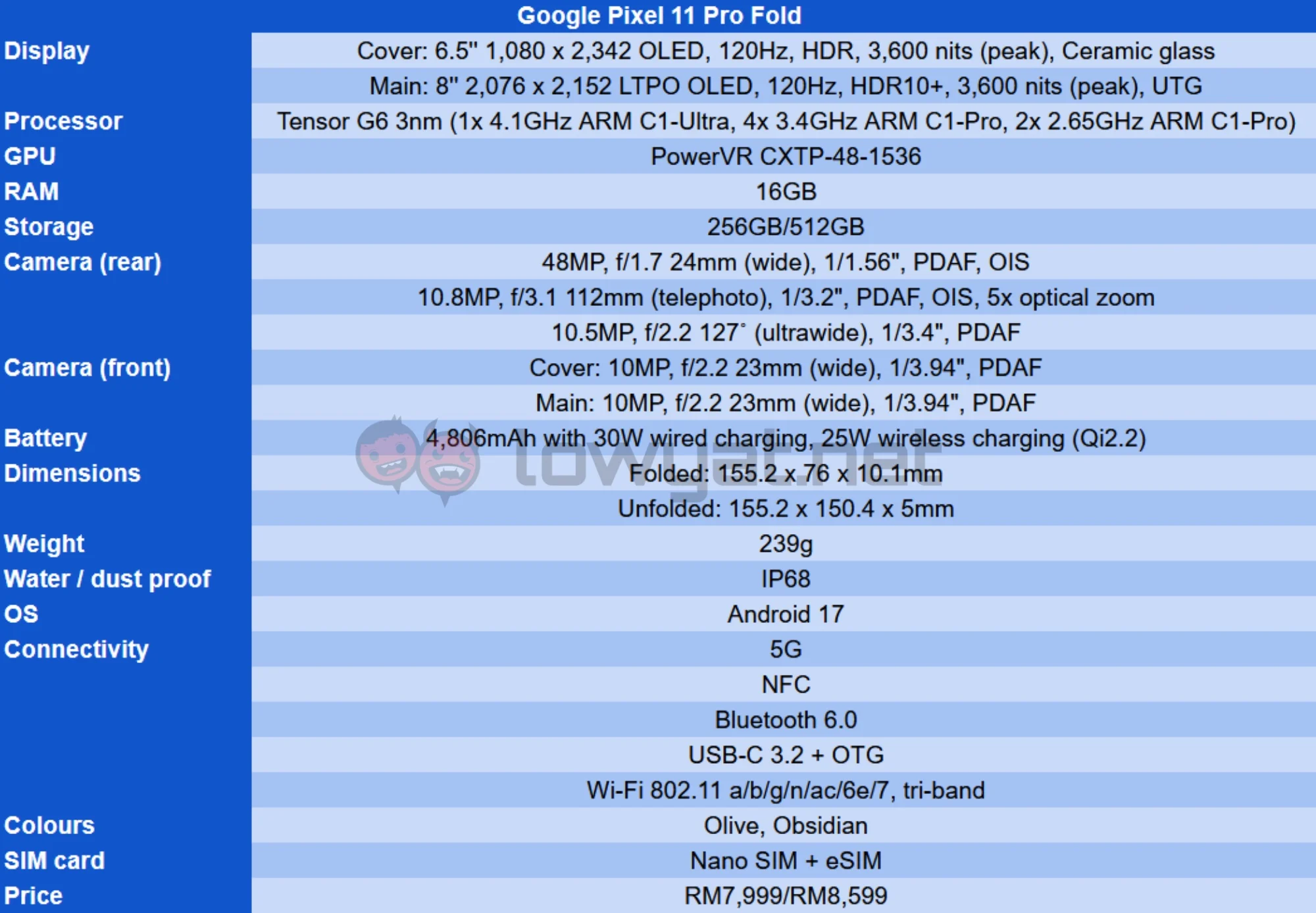
On the flip side, different doesn’t always mean good. In this case, the device looks (and feels) bulkier than the rest, which is not ideal given the product category. The thickness is pretty noticeable, especially after you put on a case. For what it’s worth, it is slimmer than its predecessor, though not by much. When unfolded, the device measures 5mm. In its folded state, the phone measures 10.1mm thick. Overall, the Pixel 11 Pro Fold would have been the beefiest foldable to debut this year, if not for the recently announced iPhone Duo.
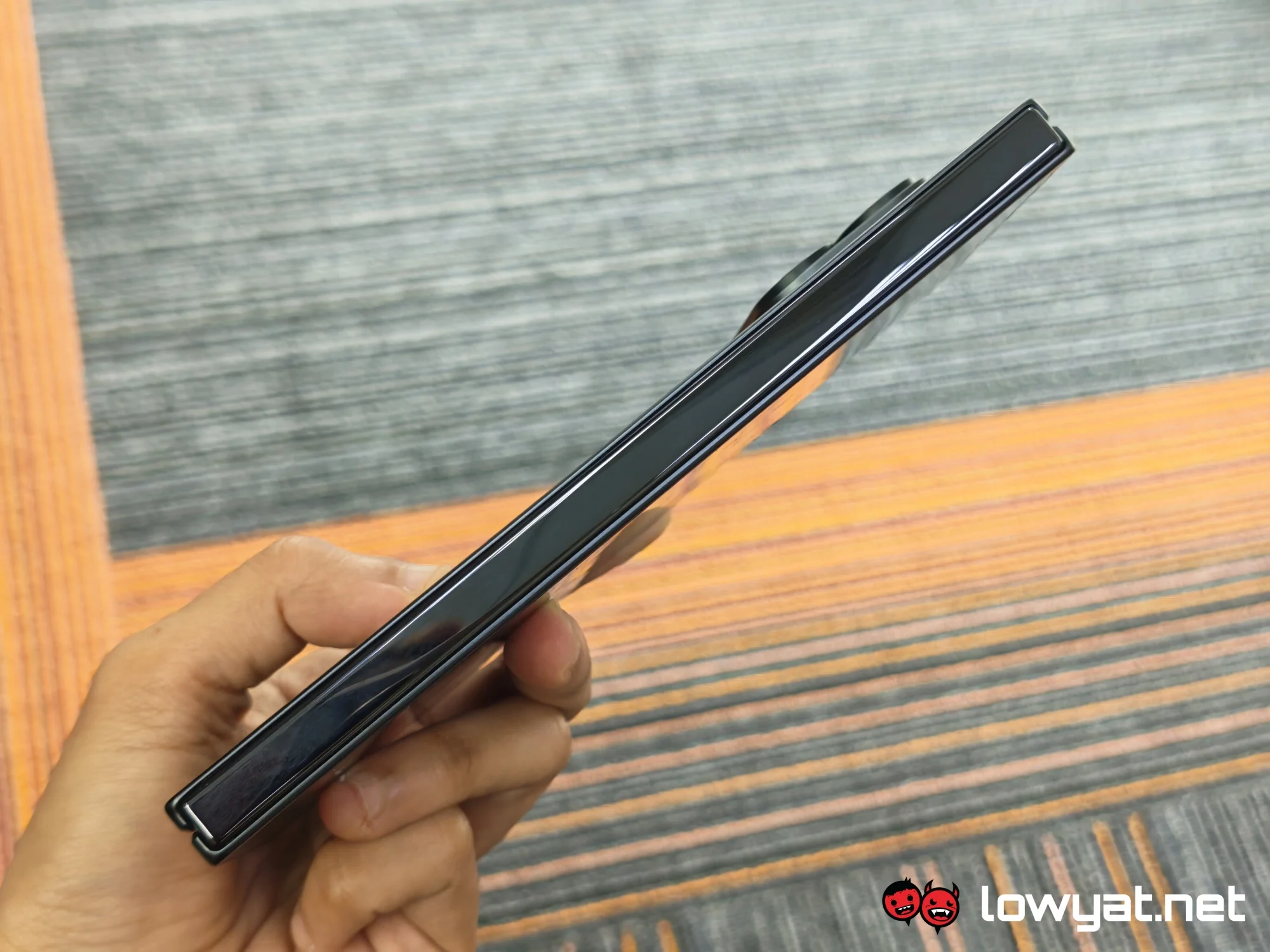
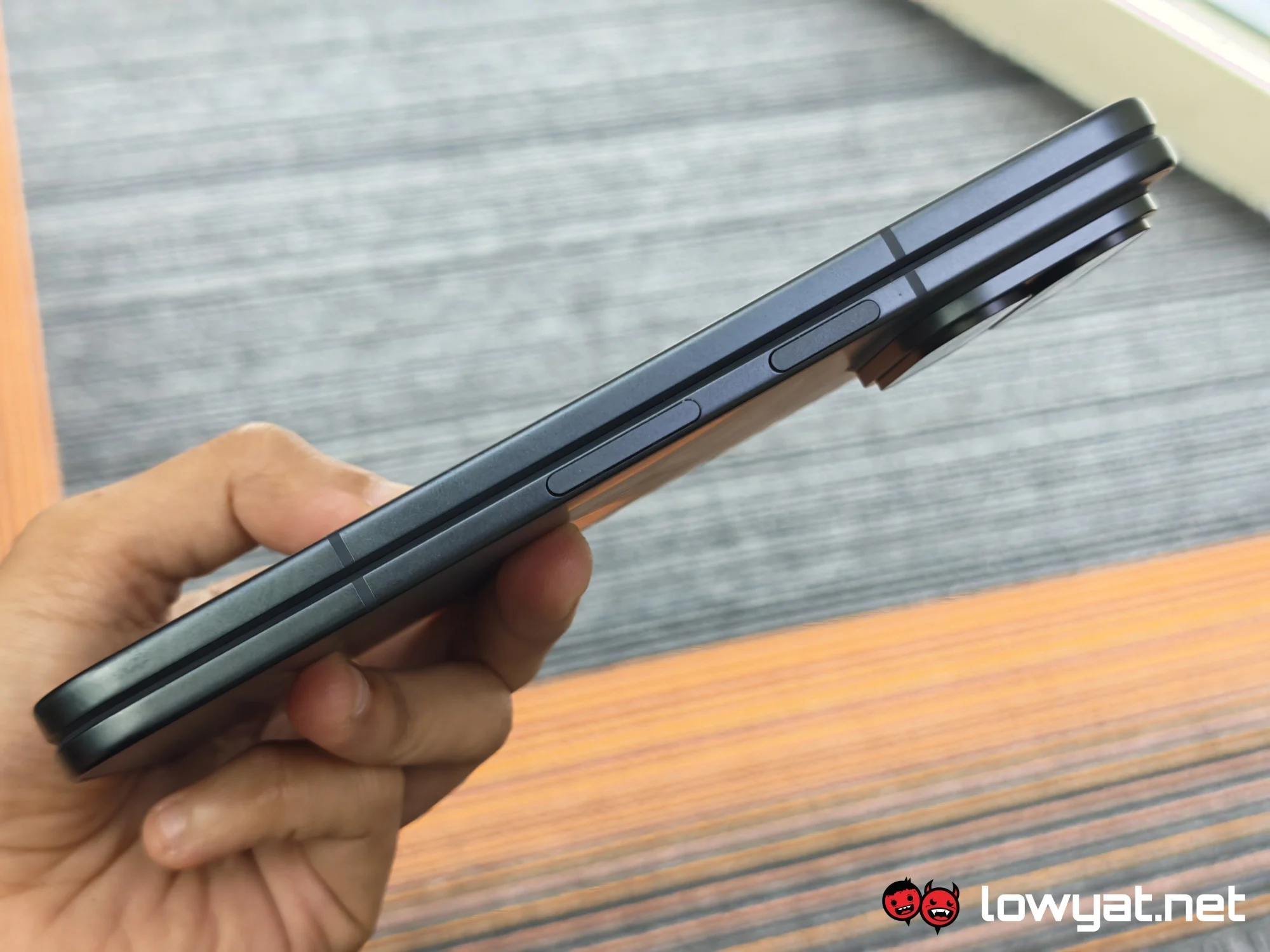
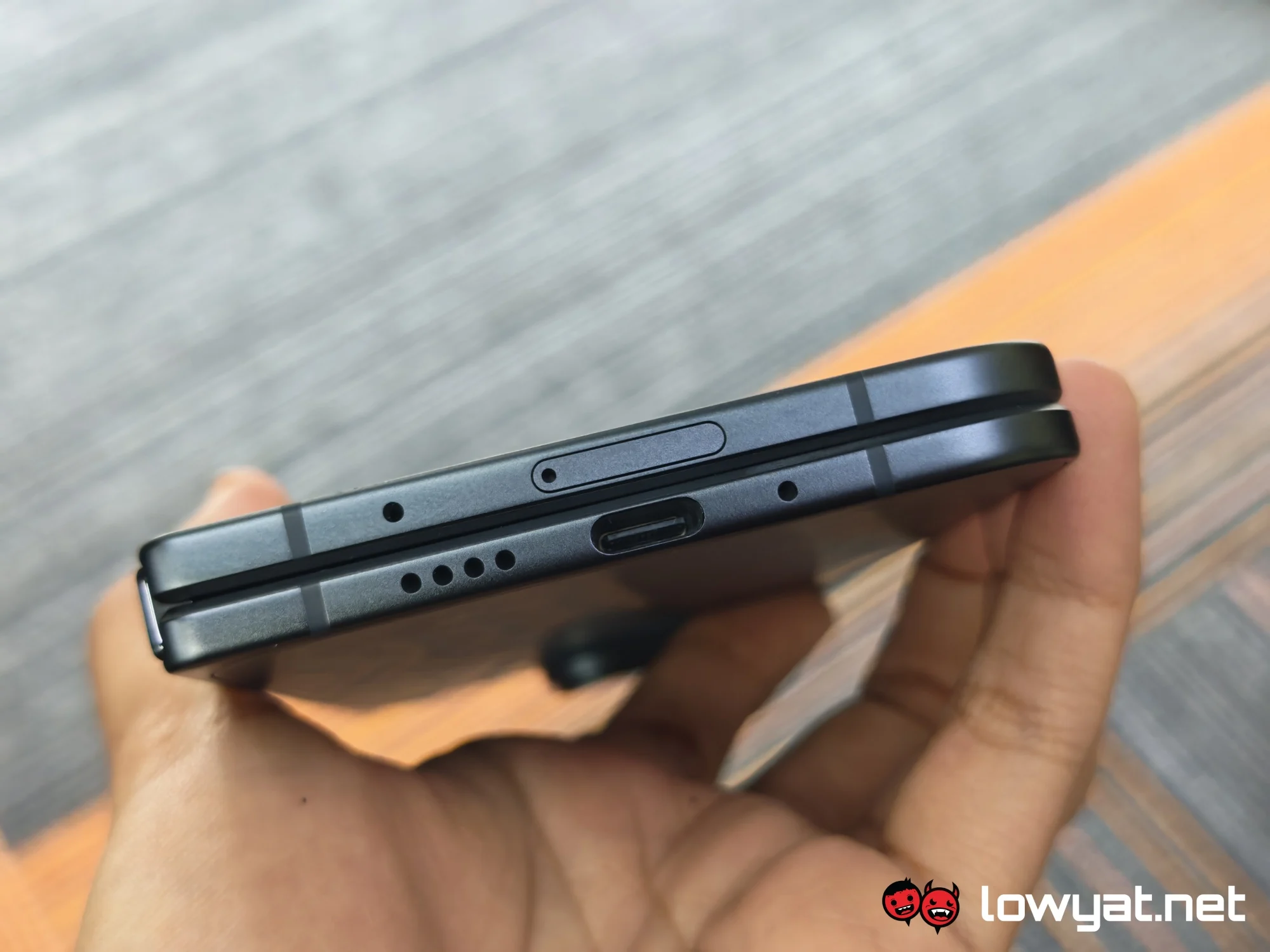
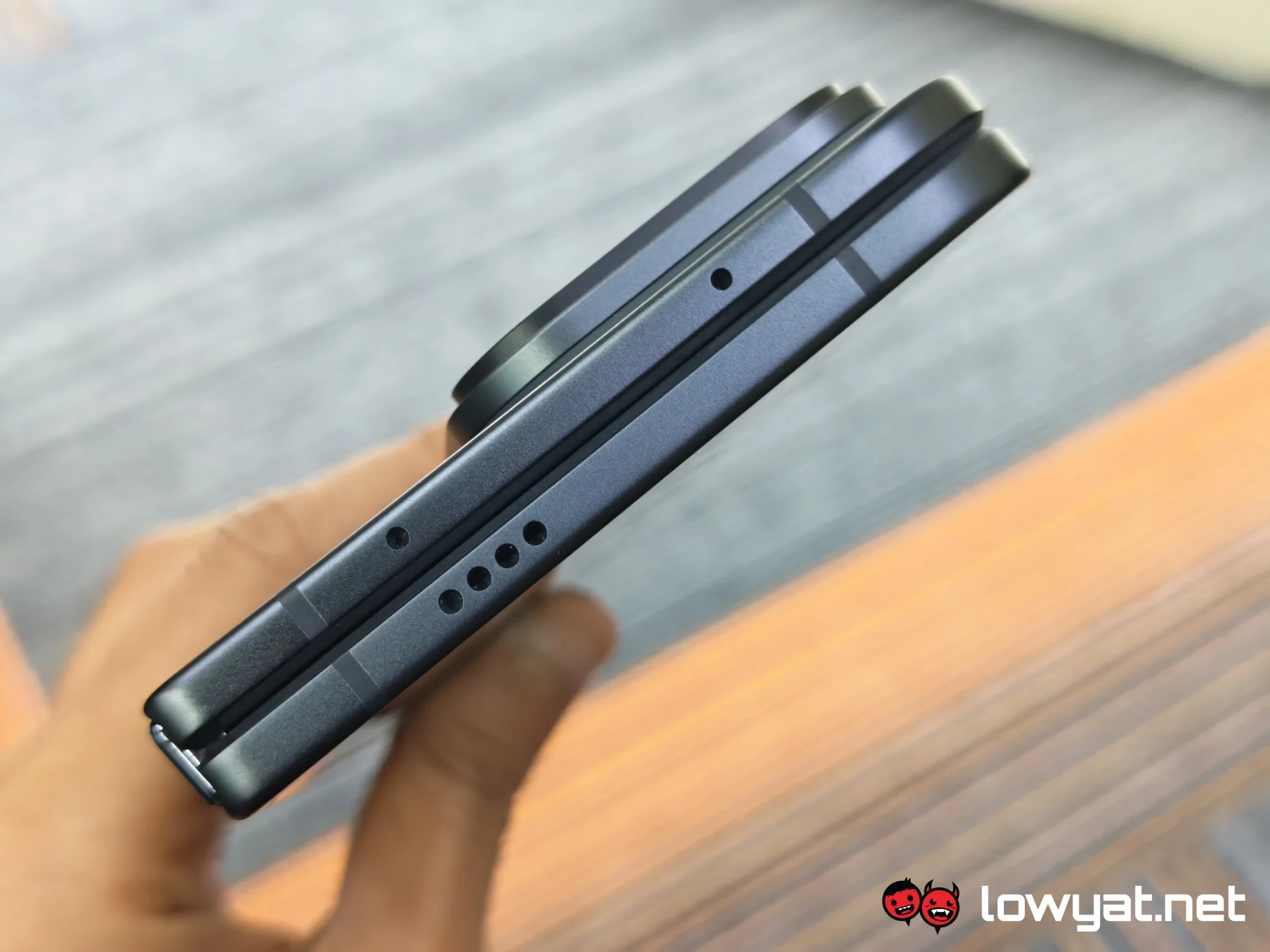
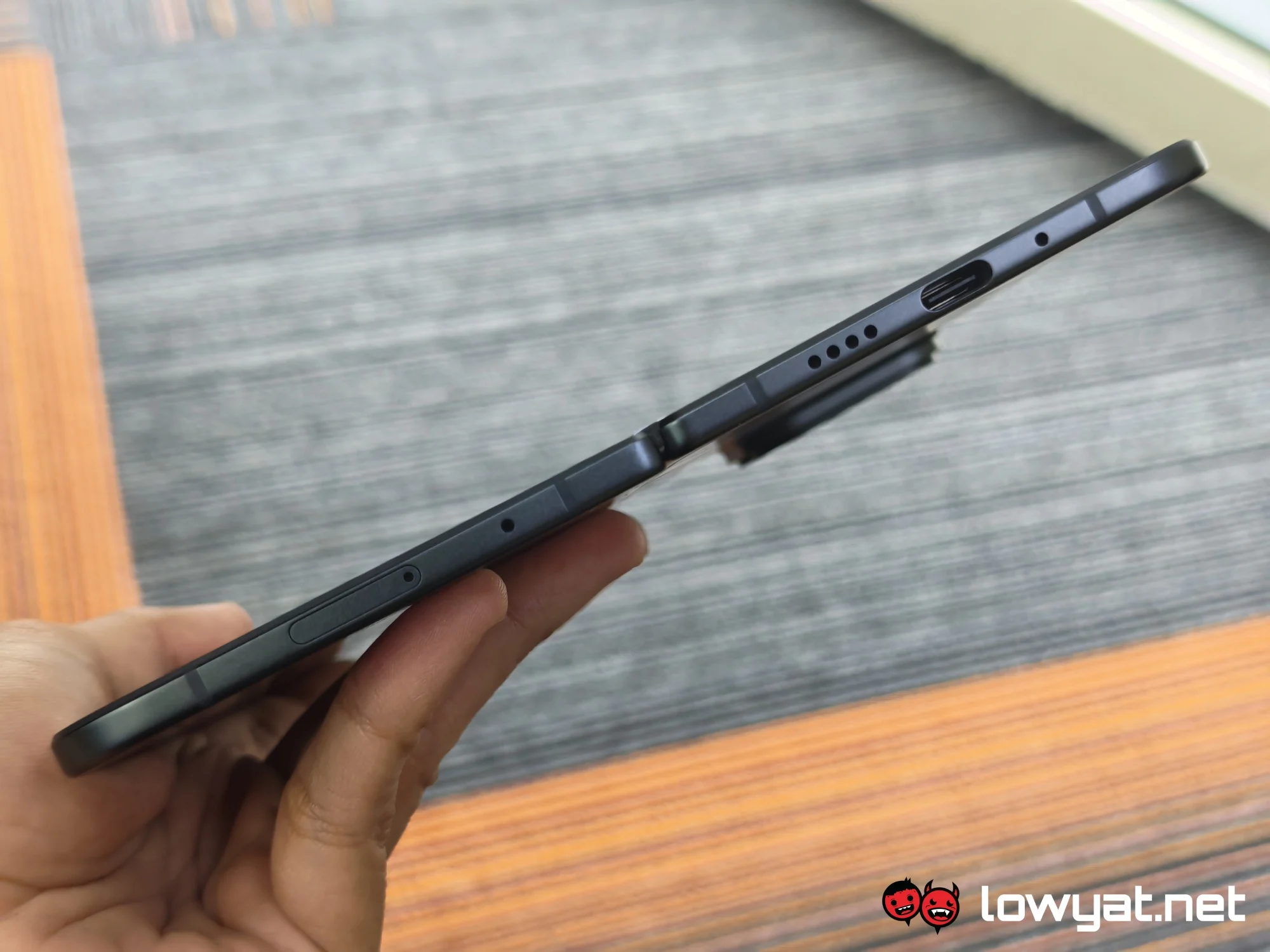
There’s also a curious design quirk: it’s asymmetrical. And by that, I mean one of the halves is just a touch thicker than the other. It’s not immediately apparent, but it’s hard to unsee it once you do. Now, one may think that the mismatched sides might serve a purpose, perhaps to balance out the camera module when the phone is open on a flat surface, but that doesn’t seem to be the case. The camera bump sticks out too much for that, though this is a problem for other foldables too. Regardless, the odd design choice is an inoffensive one, since it doesn’t really affect the overall user experience.
What’s Good About It?
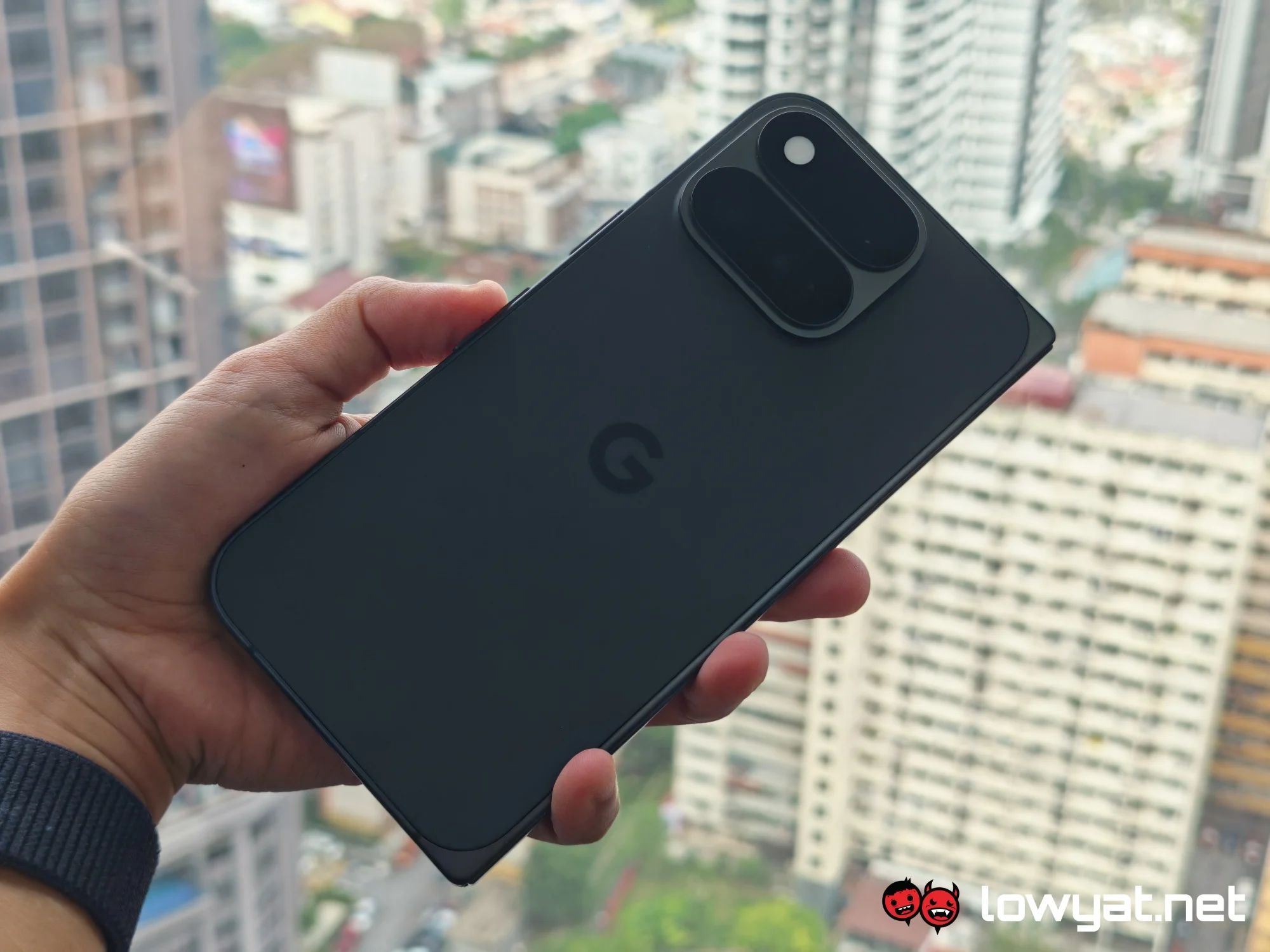 With how thin foldables have become, opening them can be a bit of a chore, since it’s hard to get a good grip on the frame. This is slowly becoming true for Google’s models as well, but the Pixel 11 Pro Fold is still easier to handle compared to the rest. The hinge is also quite springy, so the two halves snap into place as you open and close the phone. This does help with opening the device. Once you get used to the bulk, handling the foldable is comfortable enough.
One of the main advantages Pixel phones have over other devices has always been the pure Android experience, and that remains true for the foldable. You don’t have to contend with bloatware or third-party apps. What you get right out of the box are just the bare essentials. Even Pixel Journal, which came pre-installed on the Pixel 10 series, is an optional download here.
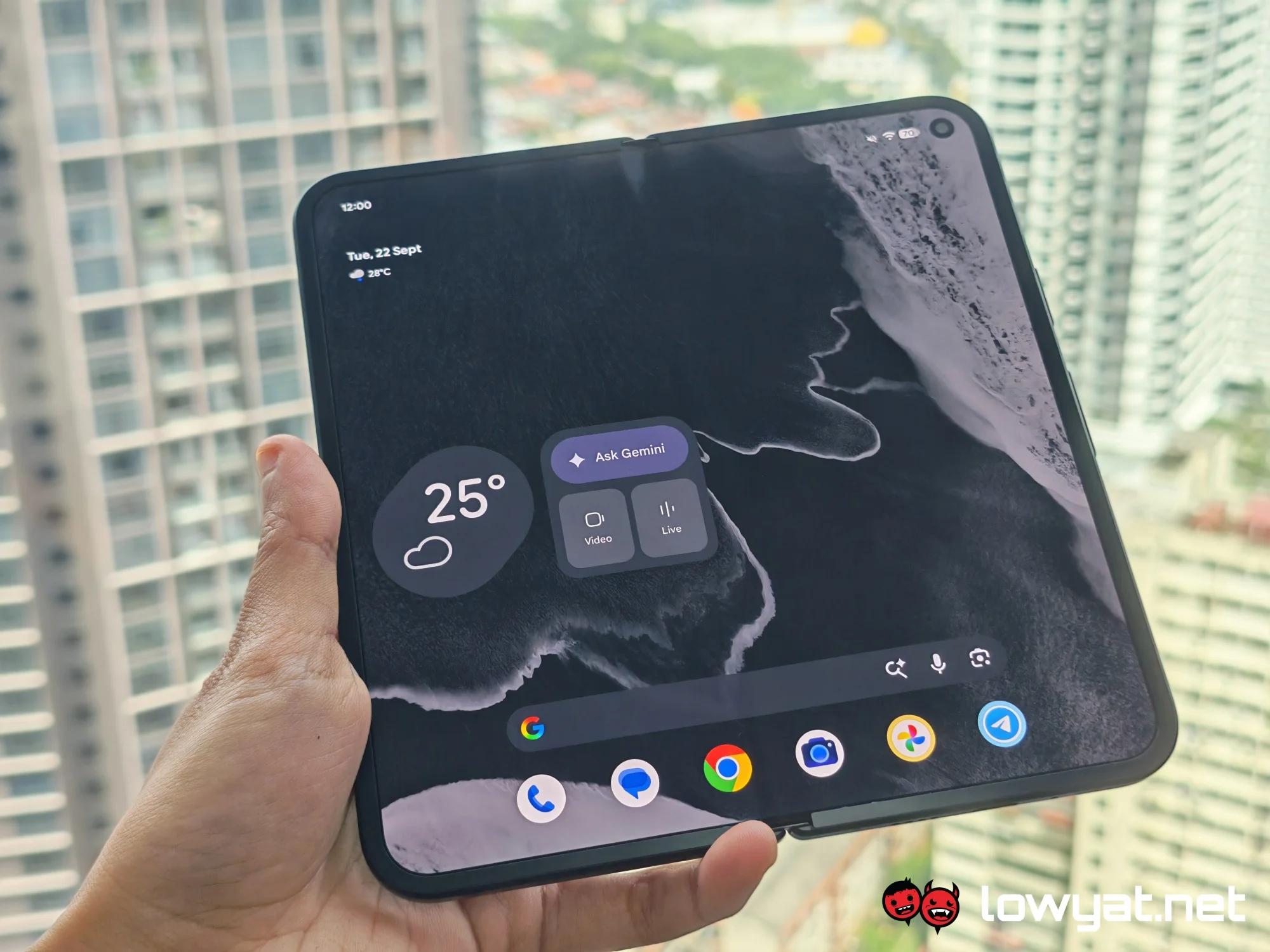 For day-to-day purposes, the phone serves you well enough. Both displays are decently bright, even though they do falter under harsh sunlight. Speaking of which, the inner screen still has a noticeable crease, but this is to be expected, since Google’s priorities lie elsewhere. This isn’t necessarily a mark against the phone, since there are some qualities to appreciate. Like the built-in magnets, for instance. So far, the Pixels are the only Android phones to have this feature. Although they add to the weight, they do make wireless charging more convenient, particularly if you’re less keen on cases.
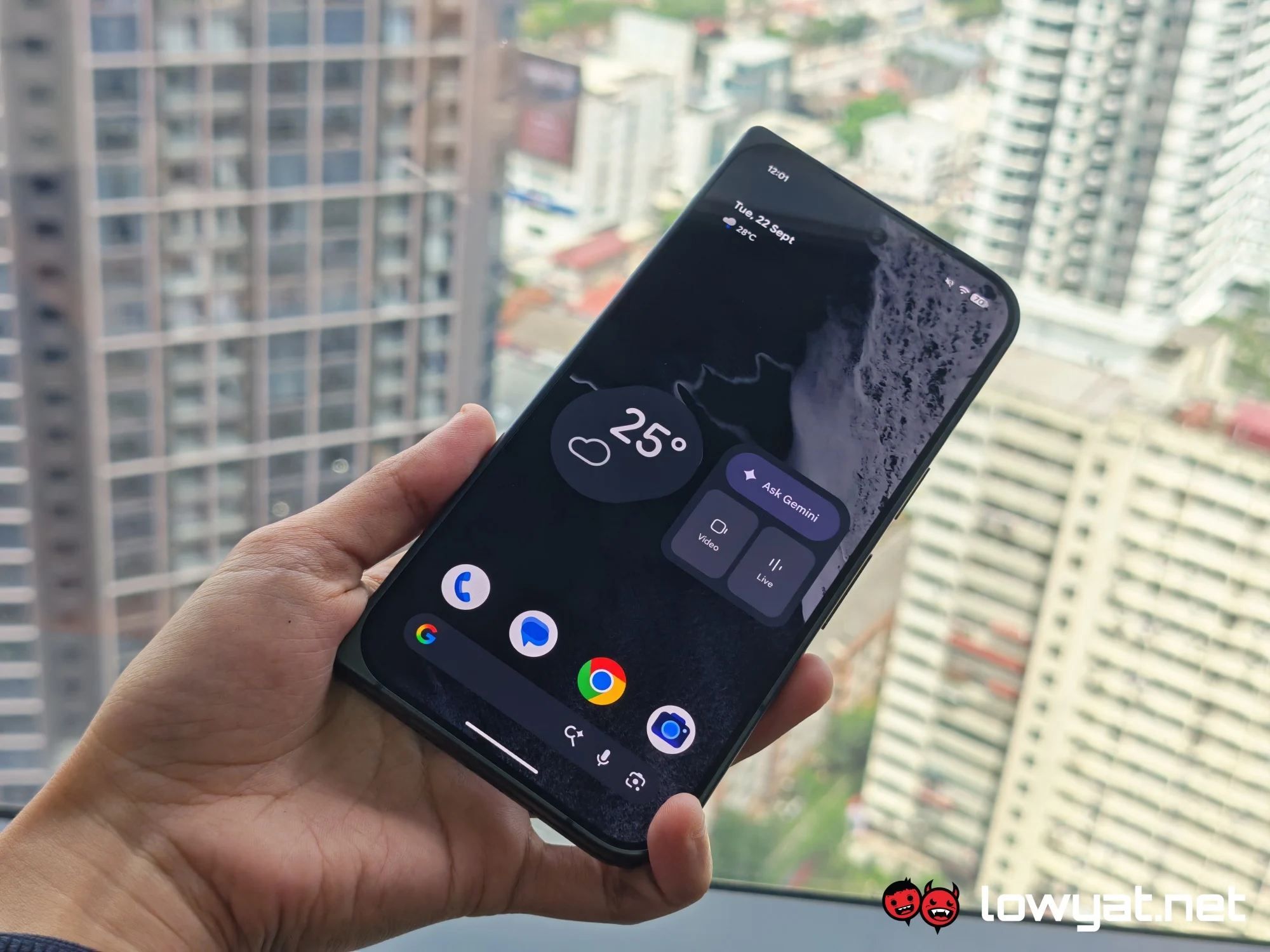 In terms of performance, the Pixel 11 Pro Fold can keep up with your daily needs. Apps launch without delay, and switching between them is just as quick. Multitasking features are on board, so you can remain productive while on the go. You get app “bubbles”, which are basically floating windows, as well as split-screen views.
Camera And Sample Images
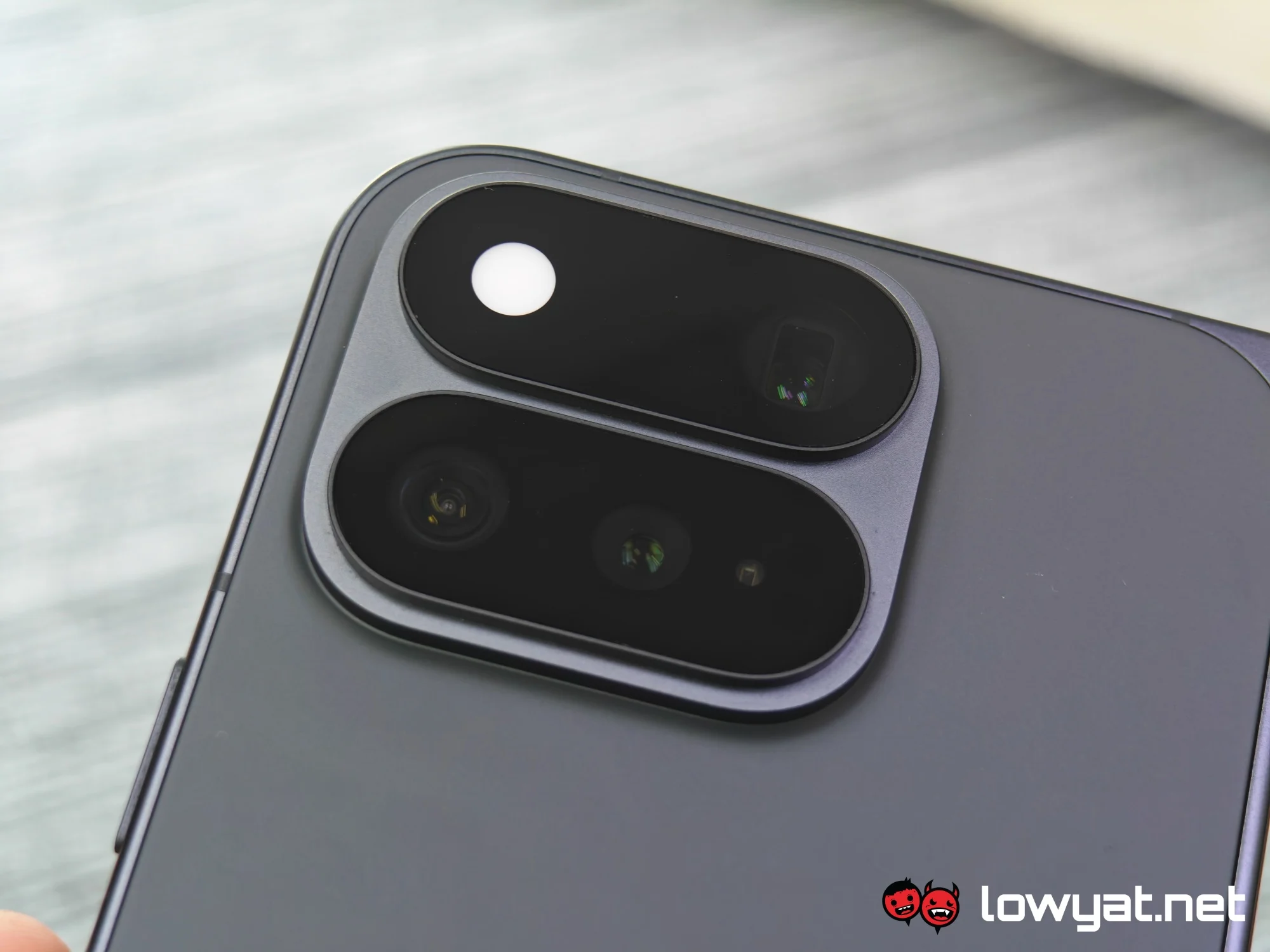 Arguably, the real highlight of the phone is the imaging setup. On paper, it sounds like the Pixel 11 Pro Fold uses the same cameras as its precursor: a 48MP main shooter paired with a 10.8MP telephoto lens and a 10.5MP ultrawide snapper. However, the primary camera uses a larger 1/1.56-inch sensor, which should in theory improve performance, particularly in low-light settings.
Although the overall setup is still not comparable to what Google has equipped on the candybar Pro models, it’s still very capable. Shooting with the phone is a delight, as the cameras capture crisp and clear photos. They do preserve a good amount of detail too, though some of it does get lost when zooming in on subjects. Speaking of which, the foldable’s digital zoom only goes up to 30x, compared to the 100x on its non-folding counterparts. Still, 30x is plenty enough, and pictures taken look decent, even if there are AI enhancements in play.




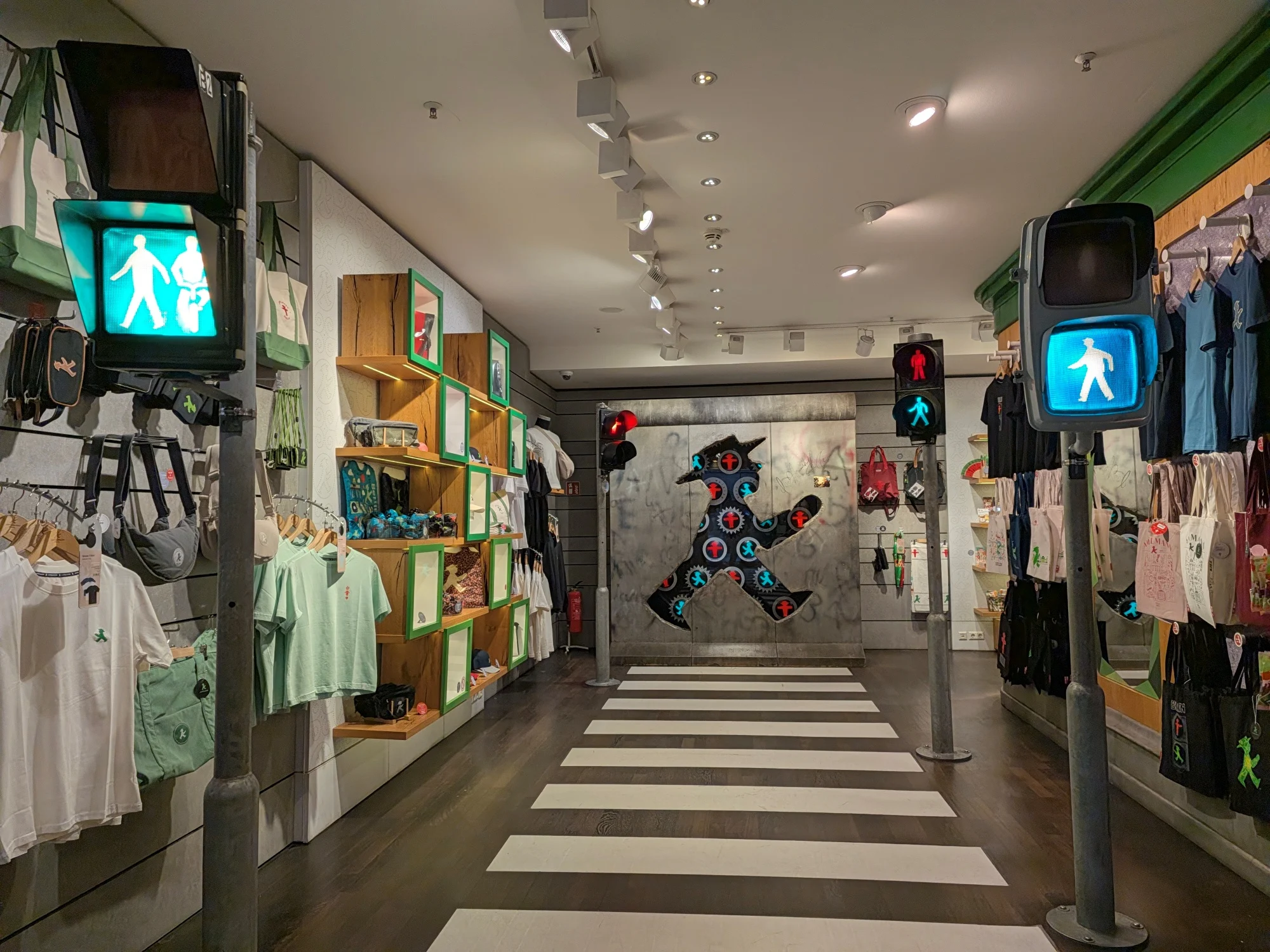






The colours are also worth appreciating. Where other phones tend to oversaturate the hues, the Pixel 11 Pro Fold maintains a more natural look. It’s easier on the eyes and feels truer to life. This does not mean that the images look dull, however. Brighter tones like reds and oranges remain adequately vivid. Furthermore, the colours largely remain intact in low-light conditions, though shots can still be hit or miss. Regardless, the camera can still snap some nice nighttime photos.
A new addition to the phone’s camera toolbox is Magic Capture. This AI-driven feature essentially lets you record footage and then picks out still images from the video and crops them where necessary. In a way, it complements Camera Coach. Where Camera Coach is a slower tool that aims to teach users how to get the right shot, Magic Capture does it automatically with fewer button pushes. Although it won’t really help you become a better photographer, I can see it being useful when you’re shooting a moving subject and want to get the best moments.




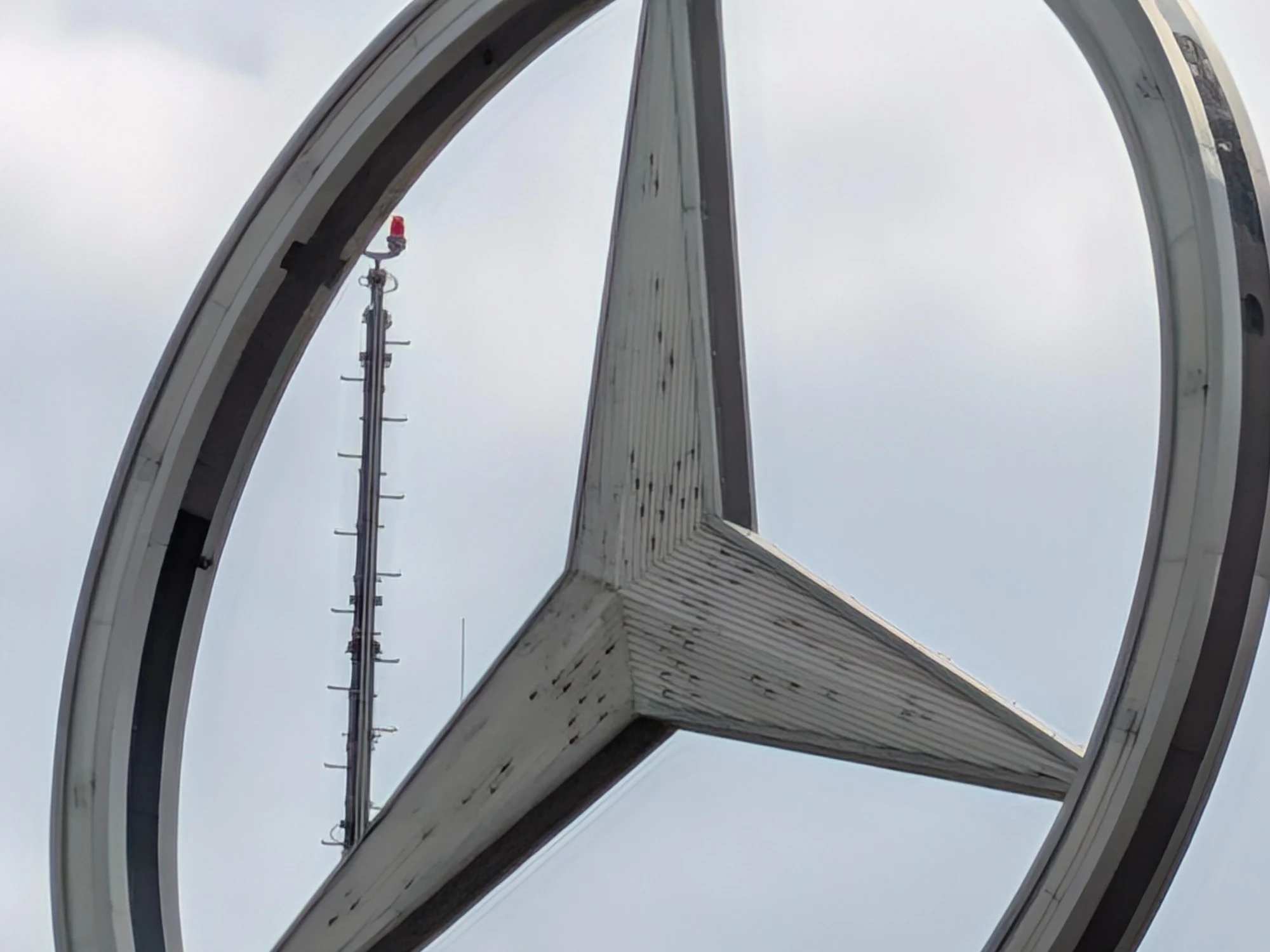





As for the phone’s video capabilities, it can record 4K footage at 60fps. Basically, it’s the same deal as last year’s model. Overall, you can get smooth and stable footage with the same neutral tones as the still images — certainly good enough for casual shooting.
What’s The Catch?
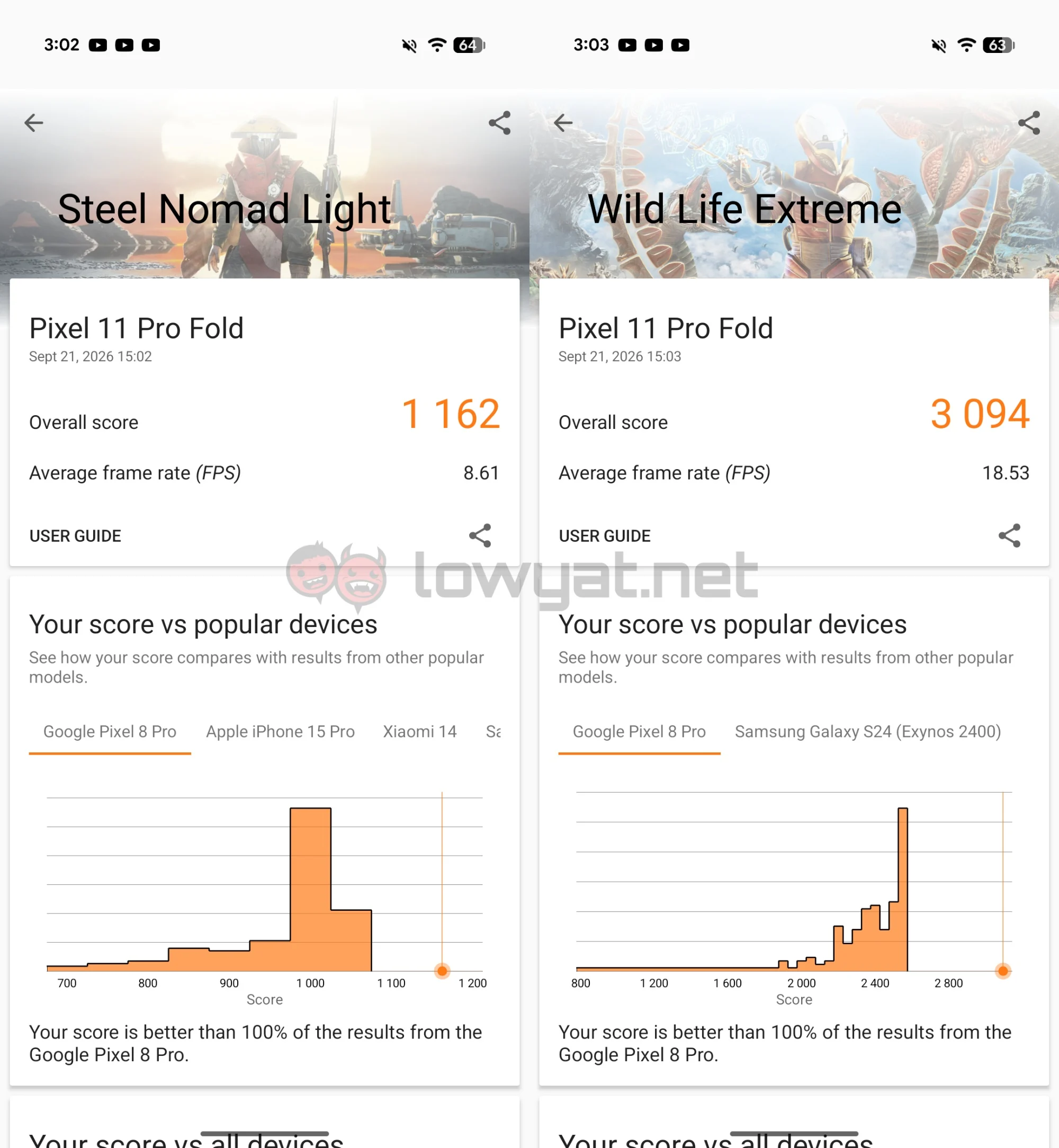
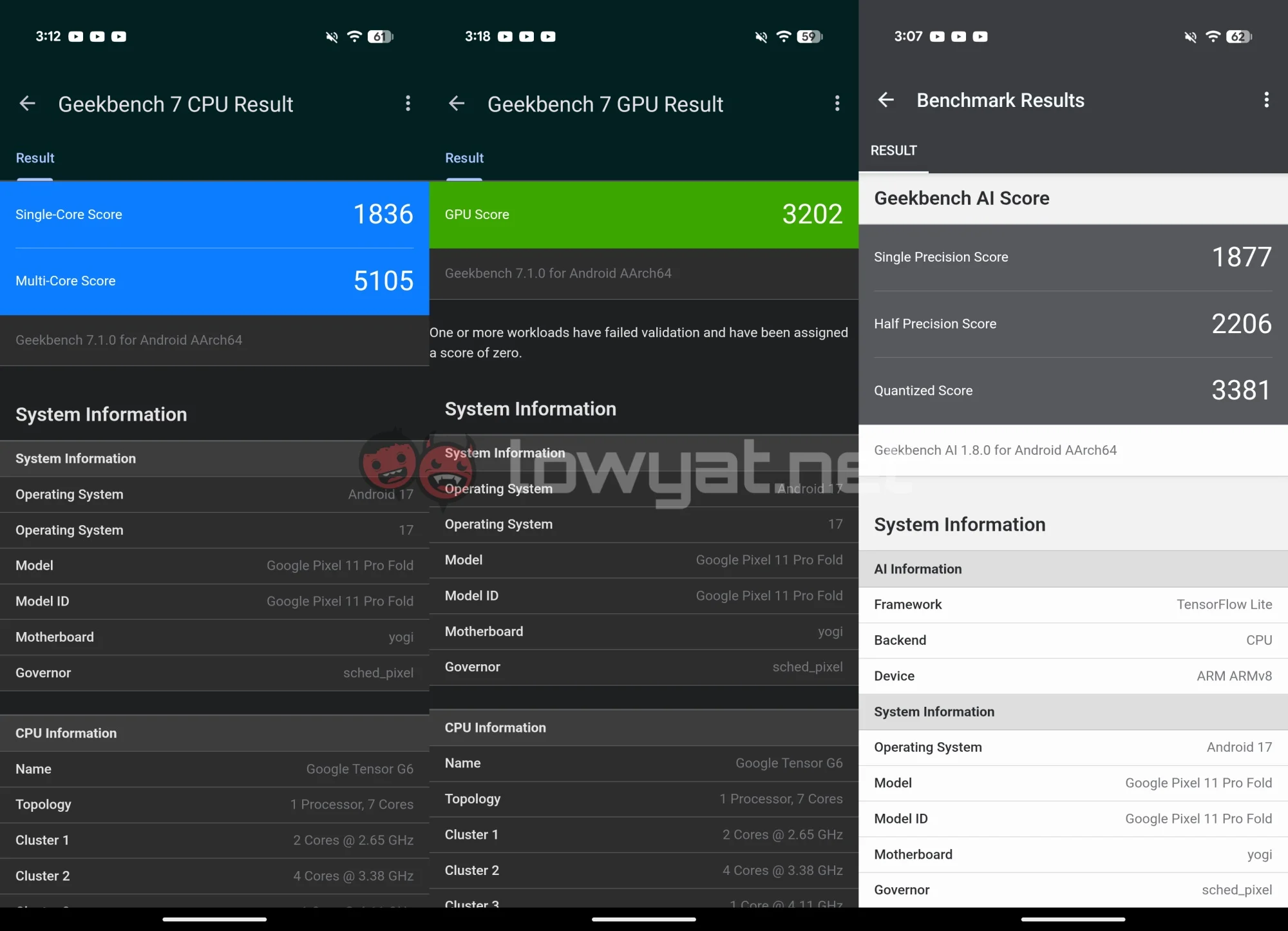
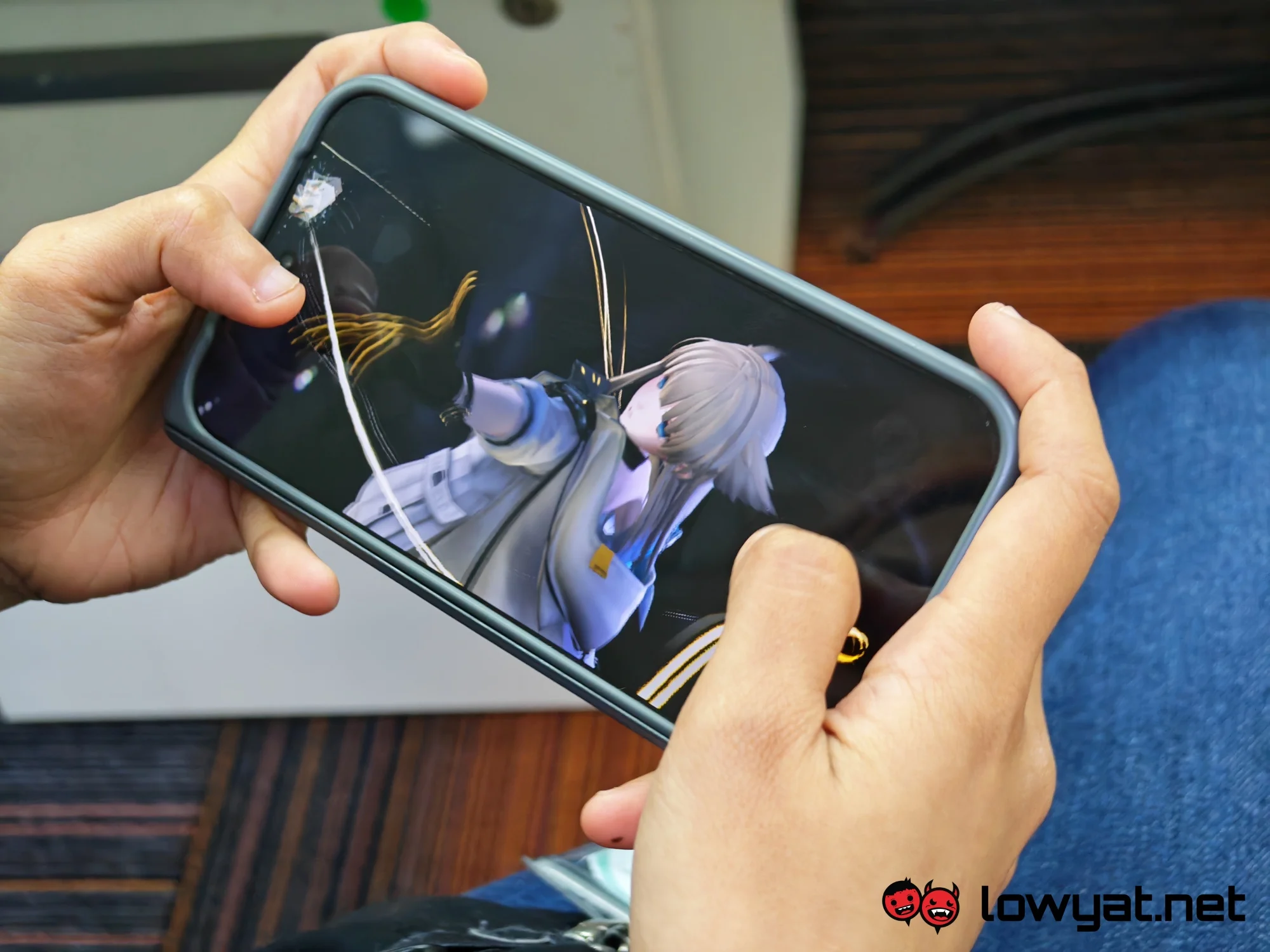
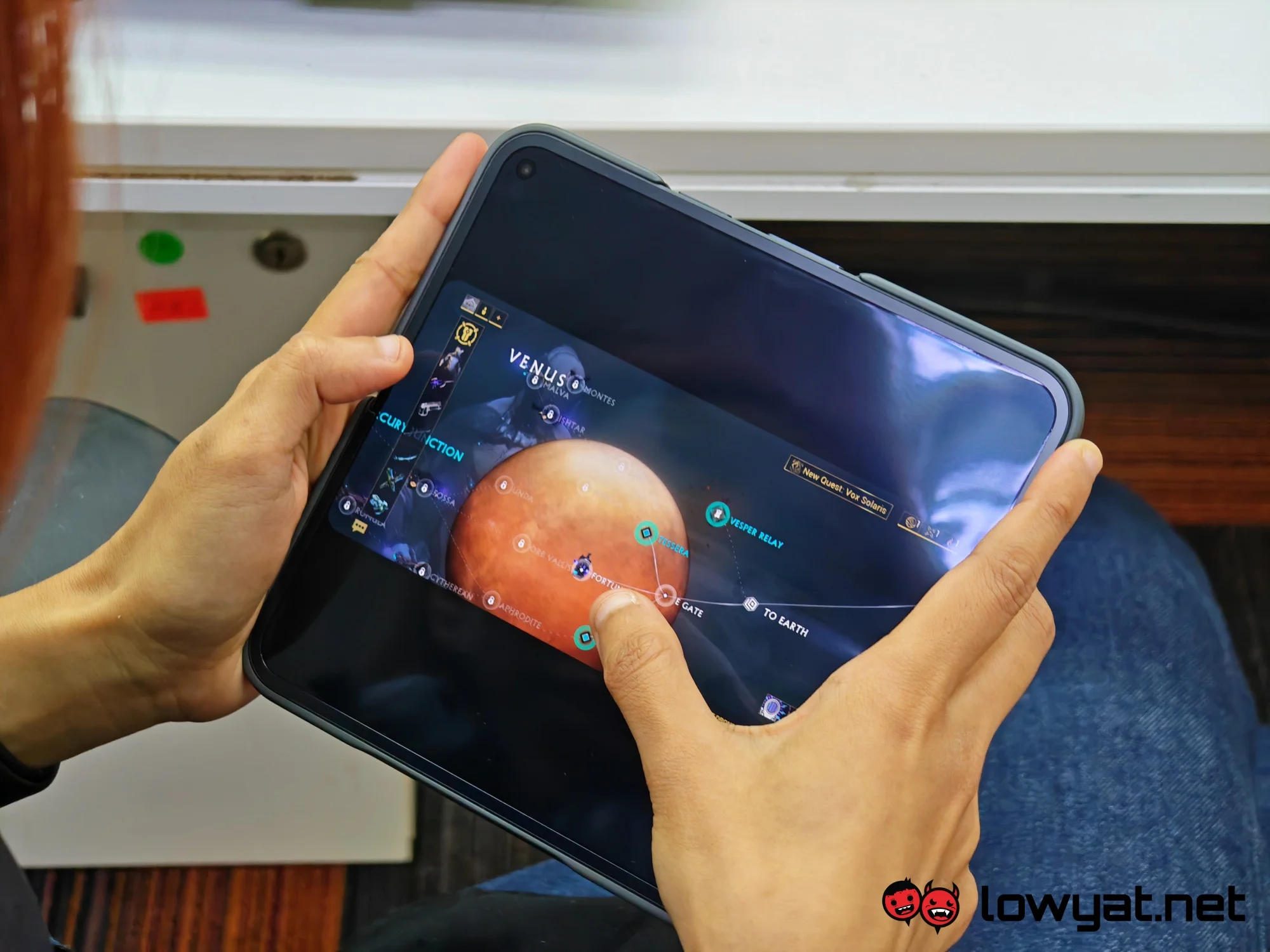
Perhaps unsurprisingly, Google’s in-house Tensor G6 remains pretty lacklustre, lagging behind the competition. This is especially apparent when gaming. When launching Arknights: Endfield, you are warned that the device doesn’t meet its minimum system requirements. The graphics settings are also stuck on the lower side. For what it’s worth, though, the phone can run the game at about 40 to 50fps on average, albeit on a lower resolution than one may find comfortable.
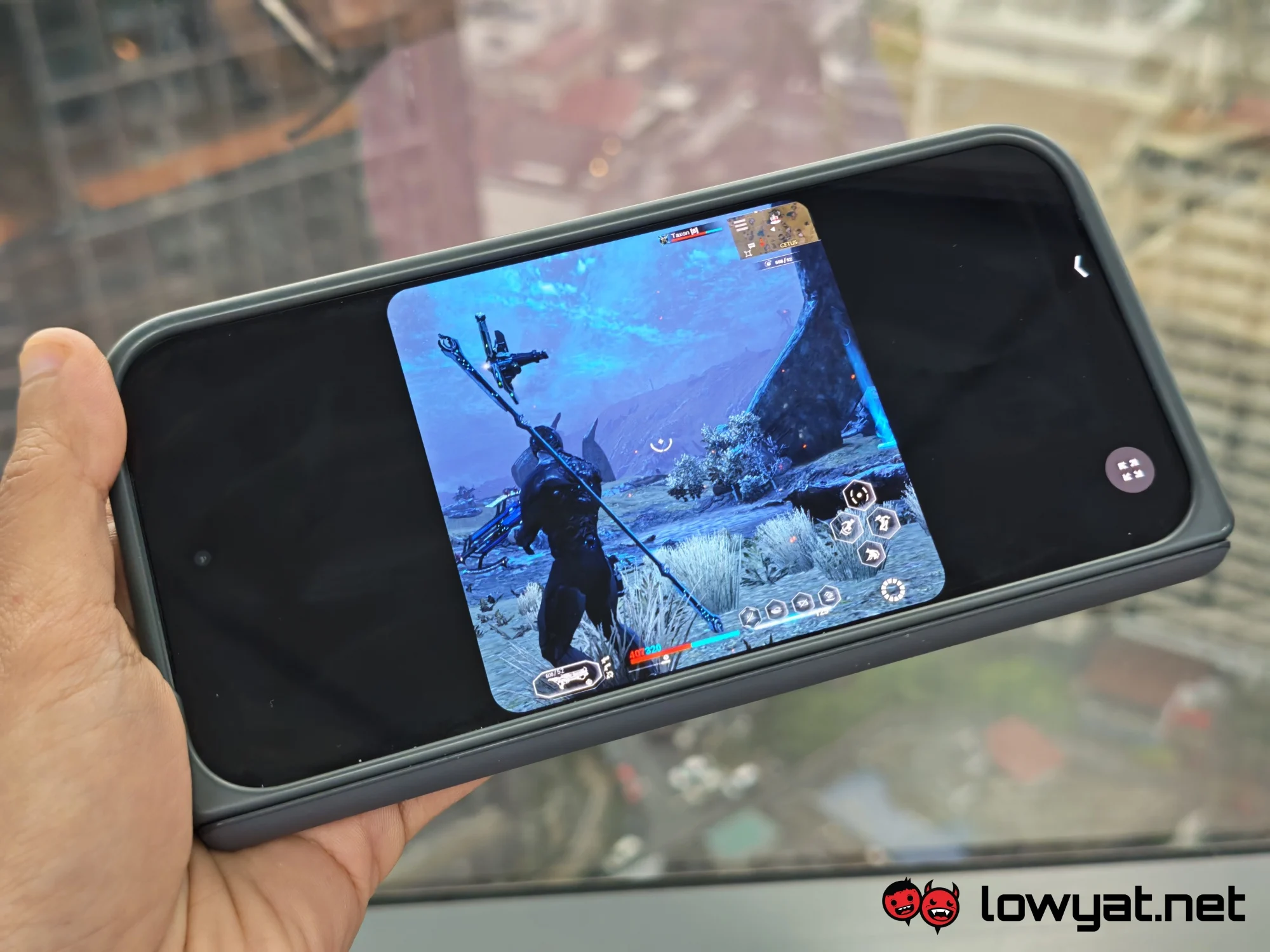
When playing Warframe, I also noticed that the game will retain the original aspect ratio when switching screens. This is probably a minor annoyance in the grand scheme of things, since it just means you have to relaunch the game if you decide you want to play on the other display. In any case, the problem only seems to affect Warframe.
It is worth reiterating that Google is putting AI above all else, and the Tensor G6 is emblematic of that focus. There is a greater emphasis on TPU performance at the cost of literally everything else. So, the phone may only be worth it if you use AI extensively.
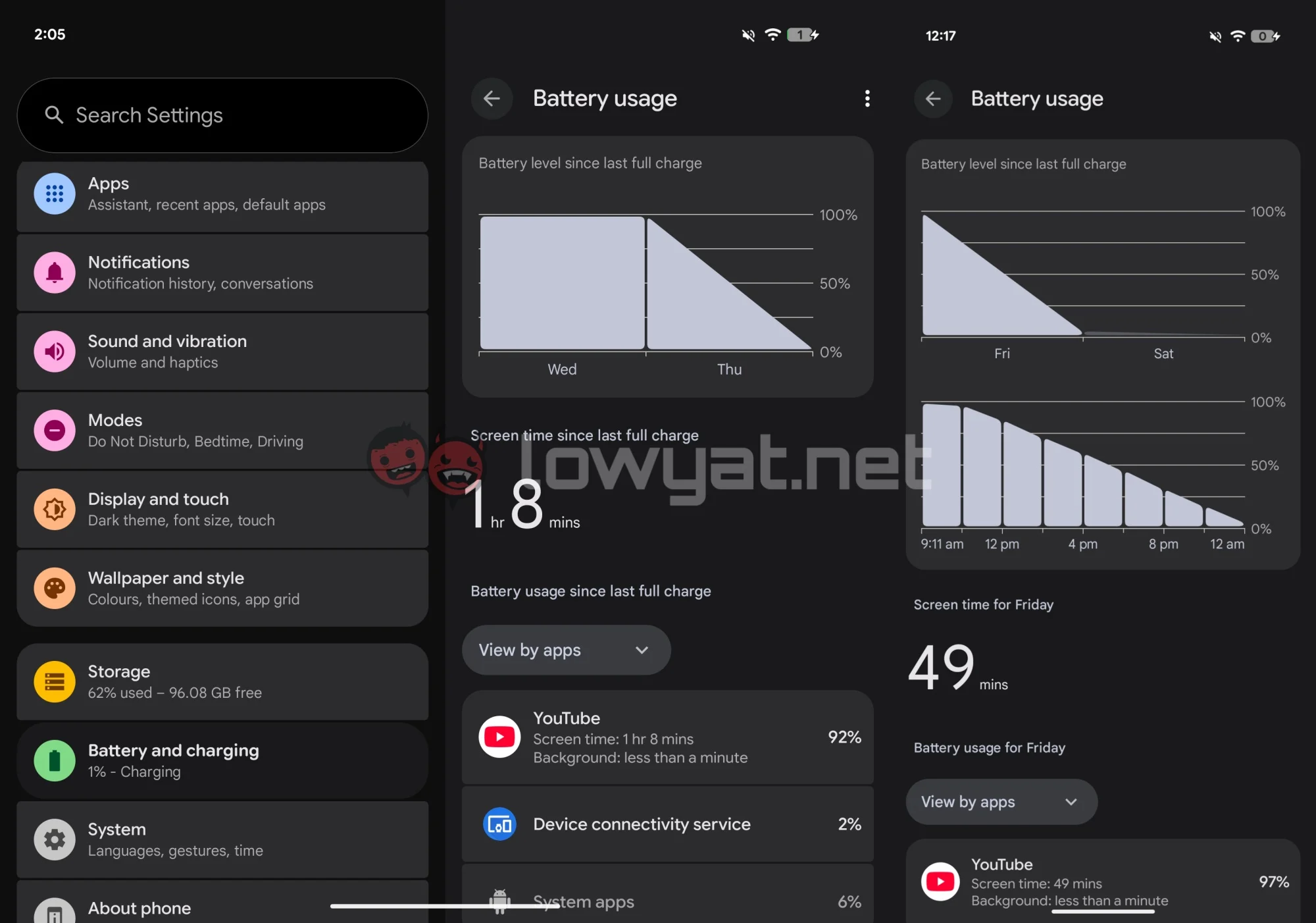
Moving on to more general complaints, the battery life isn’t particularly impressive. In fact, Google has actually shrunk the capacity from 5,015mAh on last year’s model to 4,806mAh on this one. On average, I managed to get about a day and a half of use out of the phone before needing to reach for the charger, but this is with fairly minimal use. Running the video loop test, it lasted about 14 hours before giving up the ghost. This is in its unfolded state. When folded, it managed to hang on for a slightly longer 15 hours.
 Google has also swapped out the temperature sensor in favour of a new notification light, dubbed “HiLight”. Unfortunately, the feature isn’t really worth highlighting, since it has pretty limited functionality thus far. This could hopefully change in the future, but for now, it doesn’t seem like a fair trade-off, even if the temperature sensor was a bit of a niche tool.
Competition
Samsung Galaxy Z Fold8 Ultra
 By now, the foldable space is a crowded one, with multiple contenders aiming to be the top dog. Samsung’s latest model remains a formidable entry, even though it also doesn’t bring a ton of upgrades. It features a 6.5-inch FHD+ Dynamic AMOLED 2X outer display and an 8-inch QXGA+ Dynamic AMOLED 2X inner screen.
Internally, the foldable is equipped with a Qualcomm Snapdragon 8 Elite Gen 5 for Galaxy chipset, paired with either 12GB or 16GB of RAM and up to 1TB of storage. Keeping the lights on is a 5,000mAh battery with 45W charging support. For imaging, it sports a triple camera setup comprising a 200MP primary shooter, a 10MP periscope telephoto lens with 3x optical zoom, and a 50MP ultrawide lens. Meanwhile, both selfie cameras use 10MP sensors. Price-wise, the base 12GB+256GB configuration will set you back RM7,899.
HONOR Magic V6
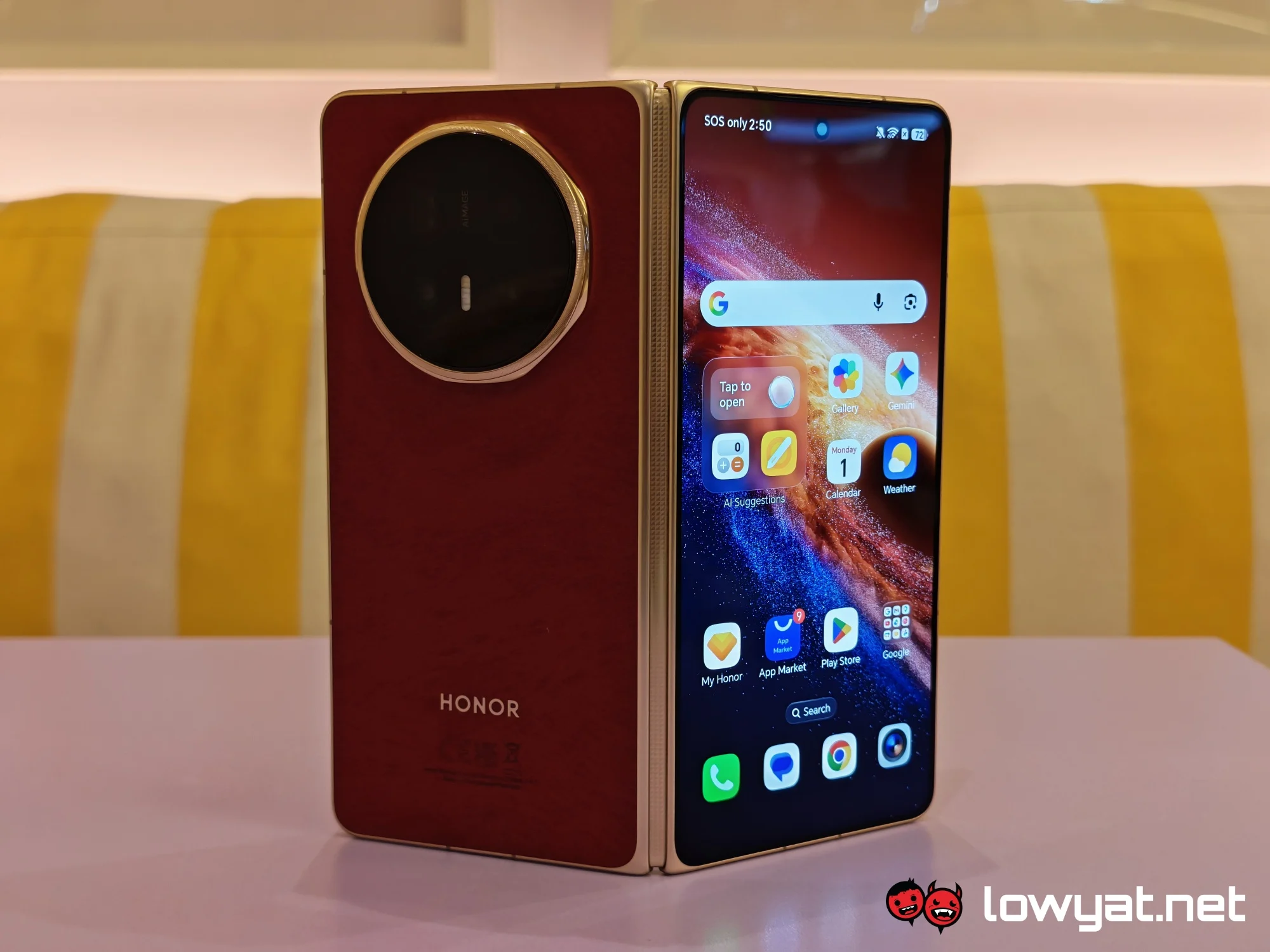 The HONOR Magic V6 serves as a slightly more affordable alternative and comes with a 6.52-inch LTPO AMOLED cover screen and a 7.95-inch LTPO AMOLED main display. It also boasts an upgraded hinge for improved durability, plus IP68 and IP69 ratings.
Under the hood, it packs a Snapdragon 8 Elite Gen 5 SoC and a 6,660mAh silicon-carbon battery with 80W charging. For memory, it gets 16GB of RAM and either 512GB or 1TB of storage. Meanwhile, its imaging system comprises a 50MP main camera, a 46MP periscope telephoto lens, and a 50MP ultrawide sensor. For selfies, the phone uses 20MP cameras on both screens. Pricing for the foldable starts at RM7,699.
Apple iPhone Duo

While not exactly a 1:1 match, the iPhone Duo is worth a mention given its status as the bitten fruit brand’s first foldable. It has a “passport” form factor with a 5.4-inch outer display and a 7.6-inch main screen. Furthermore, the device comes with a titanium frame for durability.
As for internals, it comes with the A20 Pro chip and C2 modem, plus a dual-cell battery that offers a 24-hour battery life. Unlike the other devices on the list so far, the Duo features only two rear cameras, namely a 48MP Fusion Main lens and a 48MP Fusion Ultrawide sensor. The cover screen hosts a 12MP Centre Stage front lens, while a FaceTime camera is hidden under the main display. Unsurprisingly, the phone is pretty pricey, starting at RM9,499.
Should I Buy It?
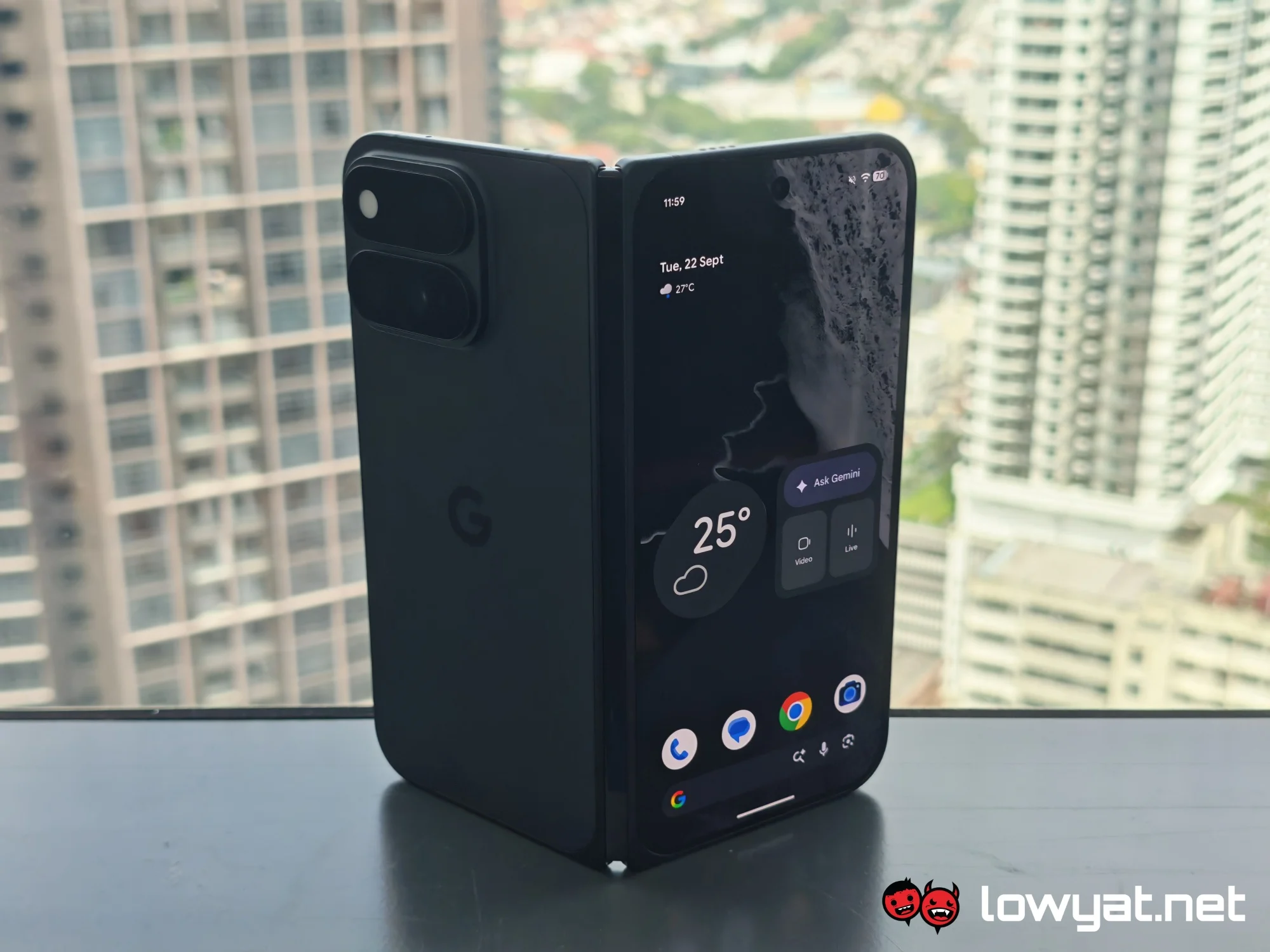 There are only two reasons to get the Pixel 11 Pro Fold: you want a Pixel phone, and you want a foldable. If you’re just looking for the former, you’re probably better off just getting the slab Pro models. As for the latter, there are plenty of other options. While the foldable category has matured as a whole, Google’s offering seems to be living in the past. Ultimately, it feels like this device was made simply for the sake of having a foldable.
Which is not to say that it’s a bad phone. On its own, the Pixel 11 Pro Fold is arguably decent. As long as you’re not a serious gamer, it’s a perfectly acceptable device. You get a nice set of cameras, multitasking tools, and more control over the apps you want. But the phone does not exist in a vacuum, and compared to the other options out there, it does feel a bit lacking. Especially given the RM7,999 starting price.
Google's fourth book-style foldable is an iterative update with excellent cameras and a clean Android build. But the Tensor G6 lags rivals, the battery has shrunk, and the design remains bulky, making it hard to justify against cheaper, faster foldables.
Good
- Natural, detail-rich camera output
- Clean Android with no bloatware
- Easier to grip and open than rivals
- Built-in magnets for wireless charging
- Handy multitasking bubbles and split-screen
Bad
- Tensor G6 lags behind competitors
- Weak gaming performance
- Bulkier than rival foldables
- Smaller 4,806mAh battery than predecessor
- HiLight replaces temperature sensor poorly
- Pricey at RM7,999
Scores
- Design & build6.0
- Display7.0
- Performance5.5
- Camera8.5
- Battery & charging6.0
- Software & updates8.0
- Value5.0
Key specs
- Chipset
- Google Tensor G6
- Rear cameras
- 48MP main (1/1.56-inch), 10.8MP telephoto, 10.5MP ultrawide
- Battery
- 4,806mAh
