
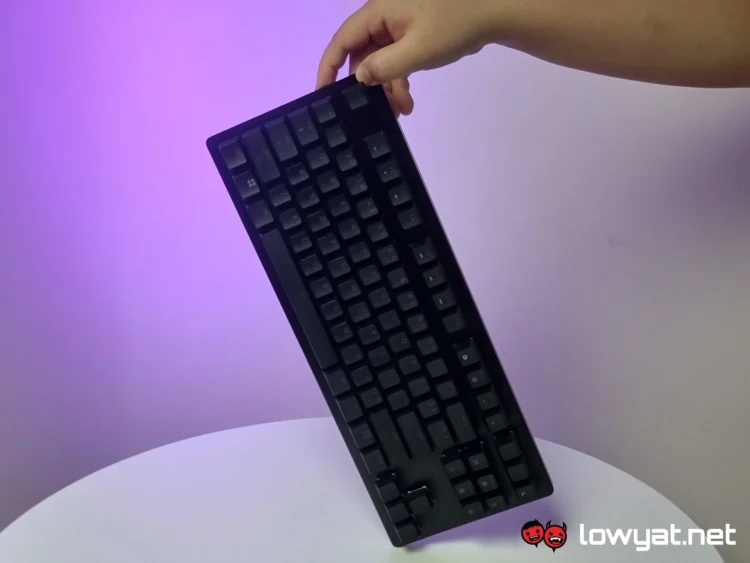
The Razer Huntsman V3 HE Magnetic 8KHz is an interesting specimen of a product, to say the least. While it is part of the storied Huntsman lineup of peripherals, which has been going strong for eight years, this product marks the company’s first true Hall Effect magnetic keyboard. As a result, it is capable of delivering a unique gaming and typing experience.
The “series”, if you will, consists of two different keyboard layouts: a 65% and a tenkeyless (TKL). For the purpose of this review, I’ll be discussing the latter of the two models.
What Am I Looking At?
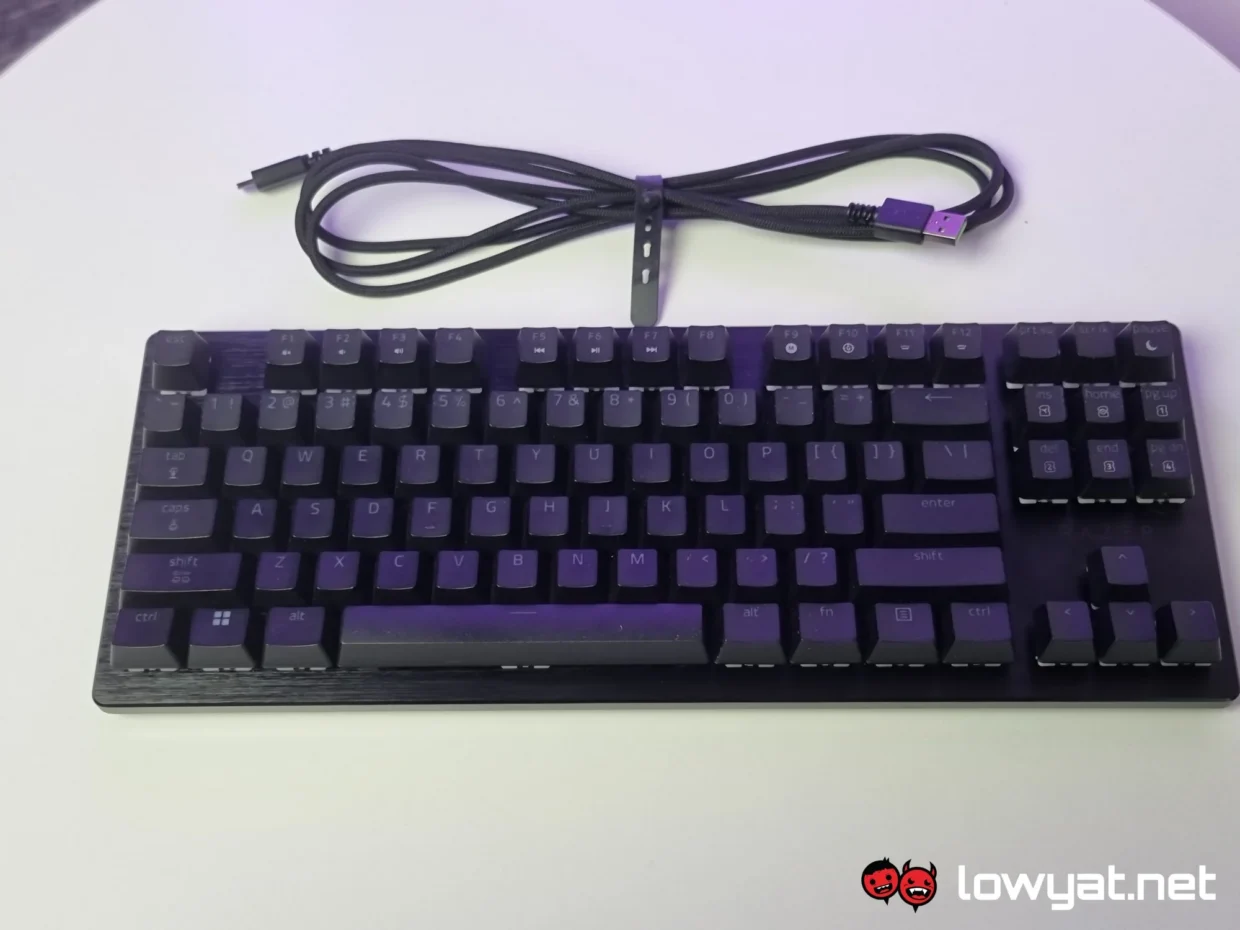
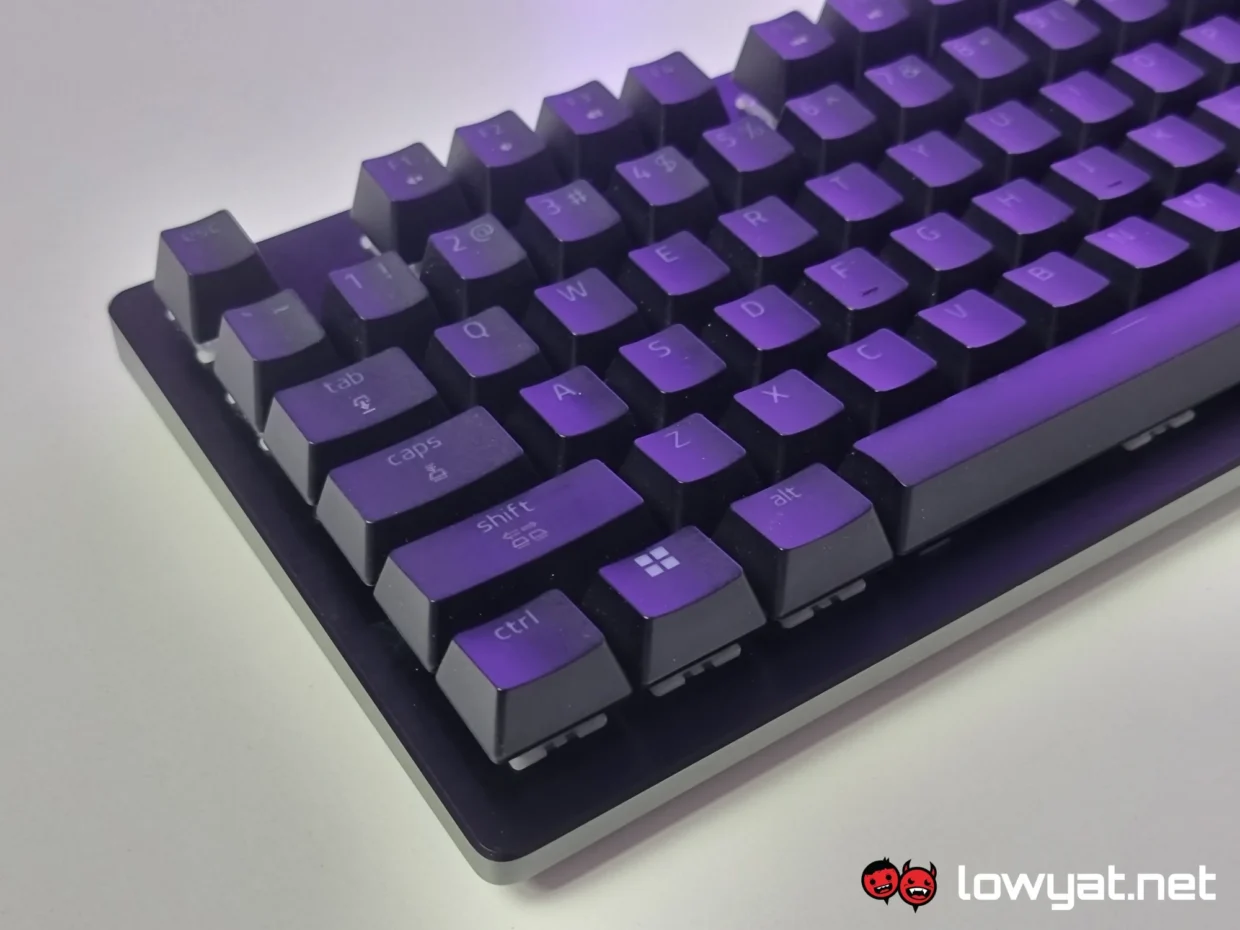
The Razer Huntsman V3 HE Magnetic 8KHz is a somewhat sizable yet low-profile keyboard. While it is the larger of the two variants, the TKL model can still feel relatively compact for some users. As for colour, the keyboard is only available in Razer’s standard black hue.
In terms of its build, the keyboard features a brushed aircraft-grade aluminium top plate, which gives it some texture and adds a fair bit of weight. Meanwhile, Razer claims that the keyboard comes with thick internal foam that helps improve its acoustics by reducing unwanted vibrations and echoes.
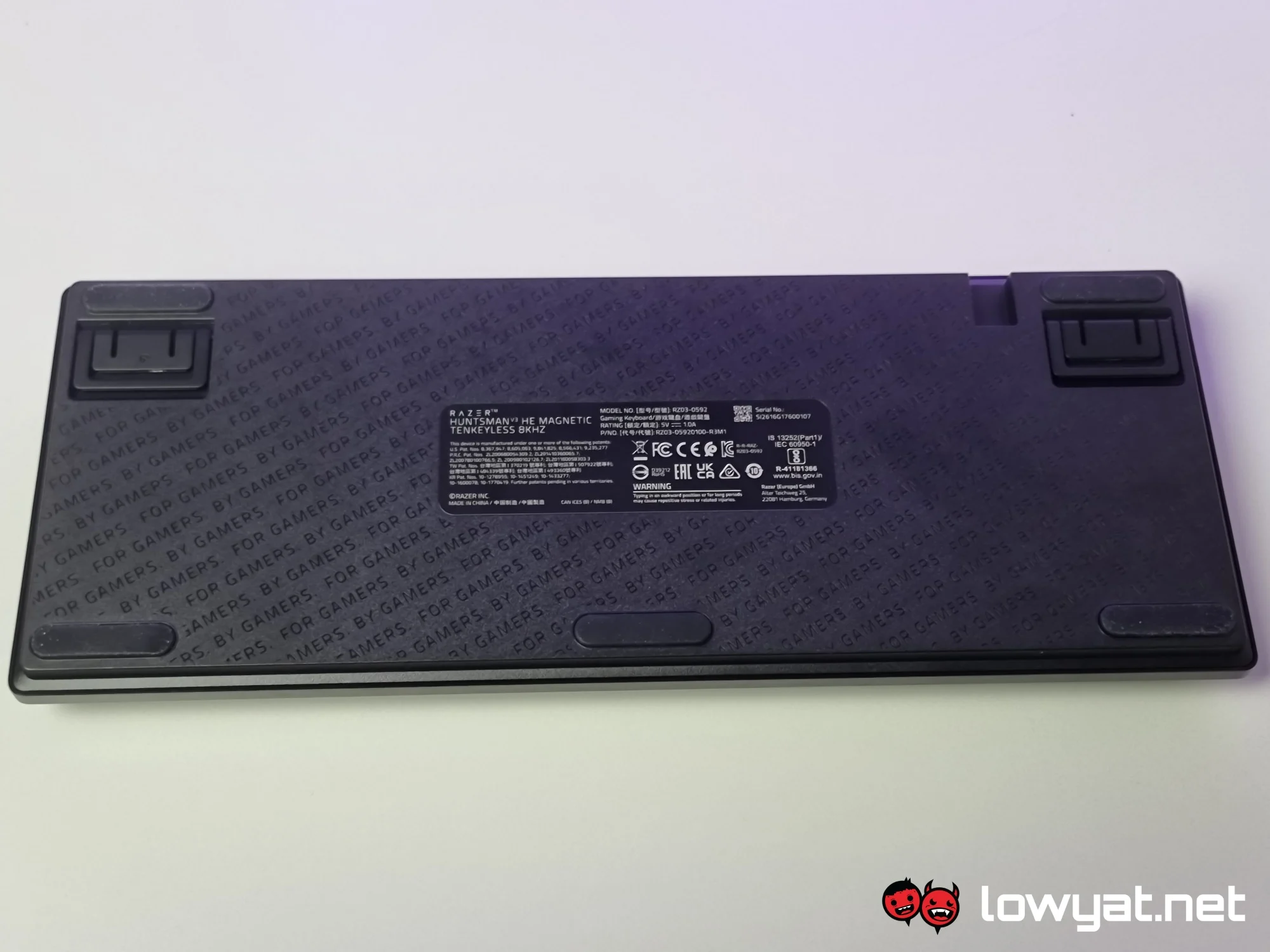
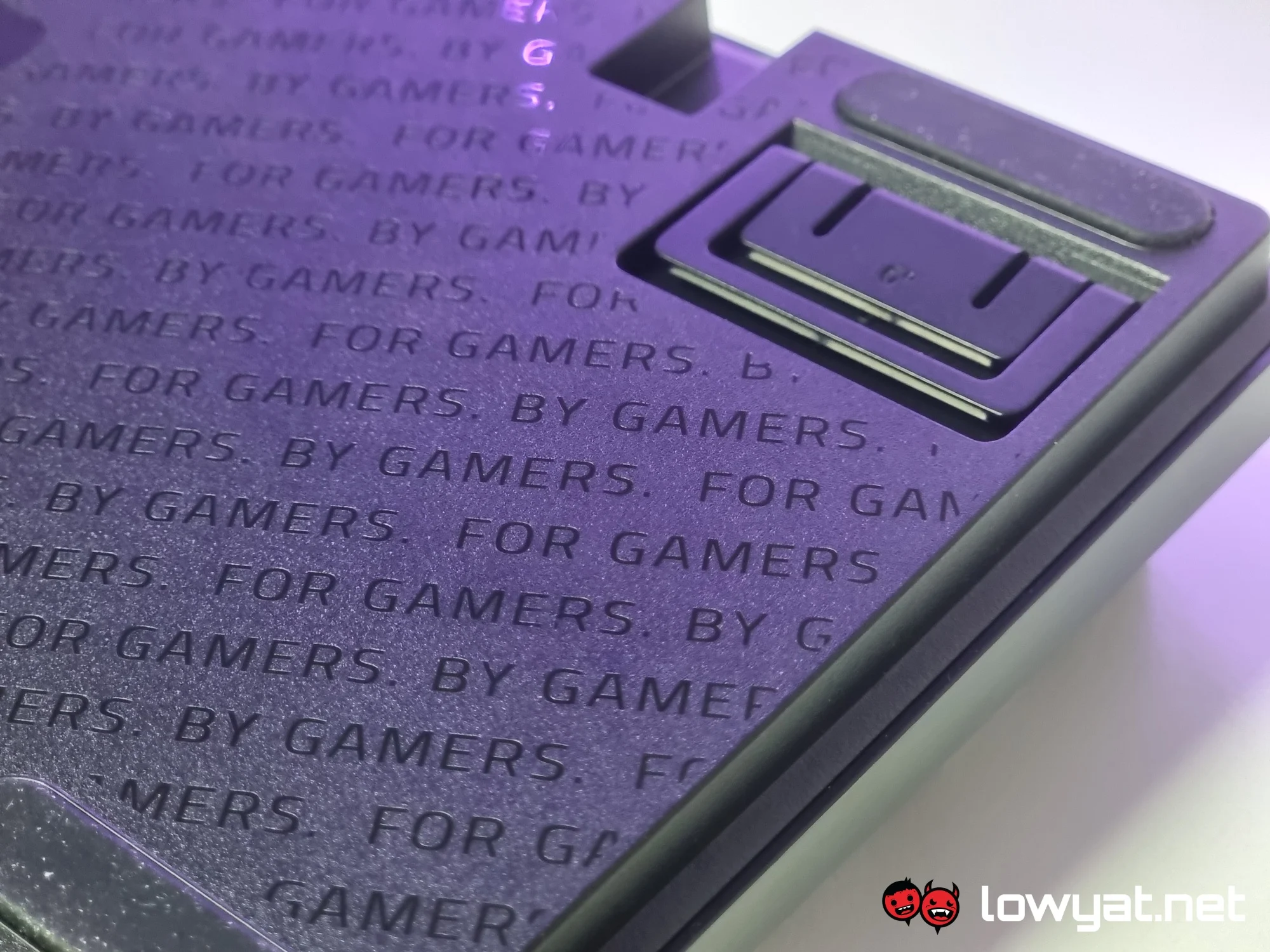
This is paired with textured double-shot PBT keycaps. These keycaps, however, hide the real star of the show – and arguably the reason why the Huntsman V3 warranted a new variant in the first place: the Hall Effect switches, which Razer simply calls its Razer Hall Effect Magnetic, or HE switches.
As you might have gleaned from the name, the keyboard supports a polling rate of up to 8,000Hz over a wired connection. That said, it lacks any wireless functionality, which is a typical trait of Huntsman keyboards at this point.
What’s Good About it
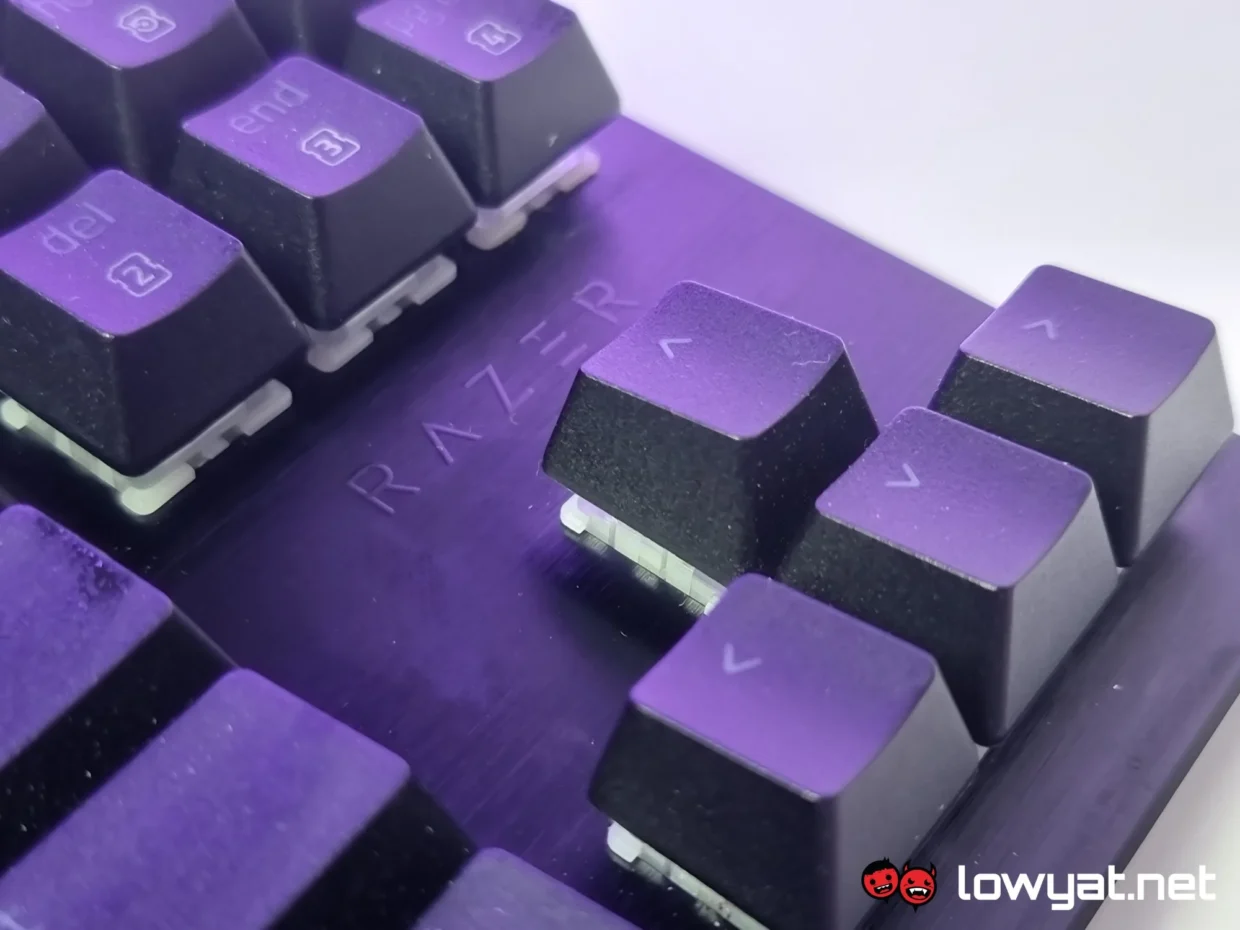
As my colleagues have noted in their respective reviews, the double-shot PBT keycaps are a really great addition to the keyboard. Not only are they inherently more durable and resistant to the legends peeling off, but they are also incredibly easy to wipe clean of any oil left behind by your fingers.
Aesthetically speaking, the brushed aluminium top plate serves as a nice way to break up the plastic elements of the keyboard, namely the keycaps and undercarriage. In terms of practicality, Razer claims that this slab of metal is highly resistant to warping. And while I can’t test that detail myself, I can safely say that this portion gives the Huntsman V3 HE Magnetic 8KHz an added sense of ruggedness, whether I’m using it at my desk or lugging it around.
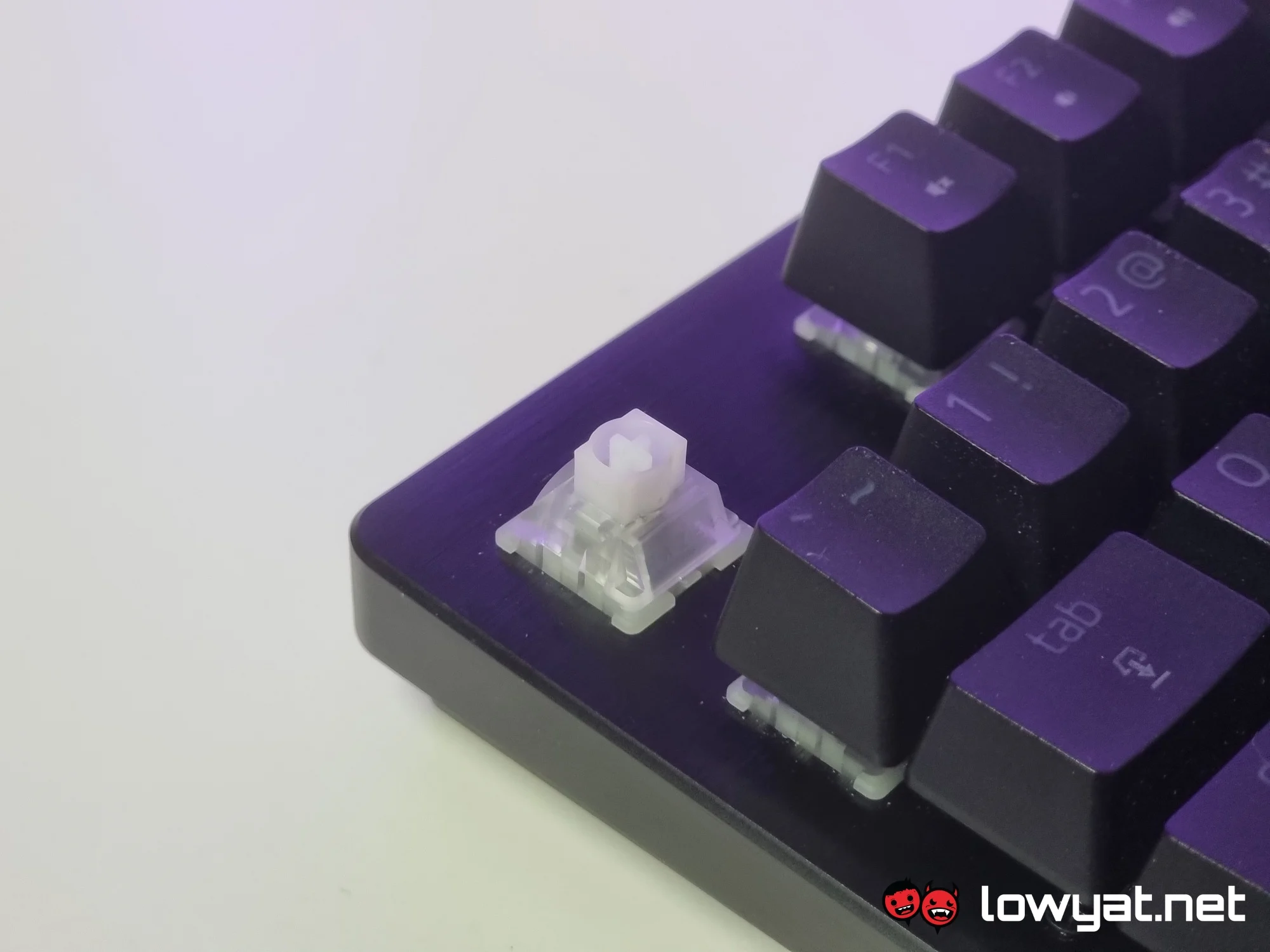
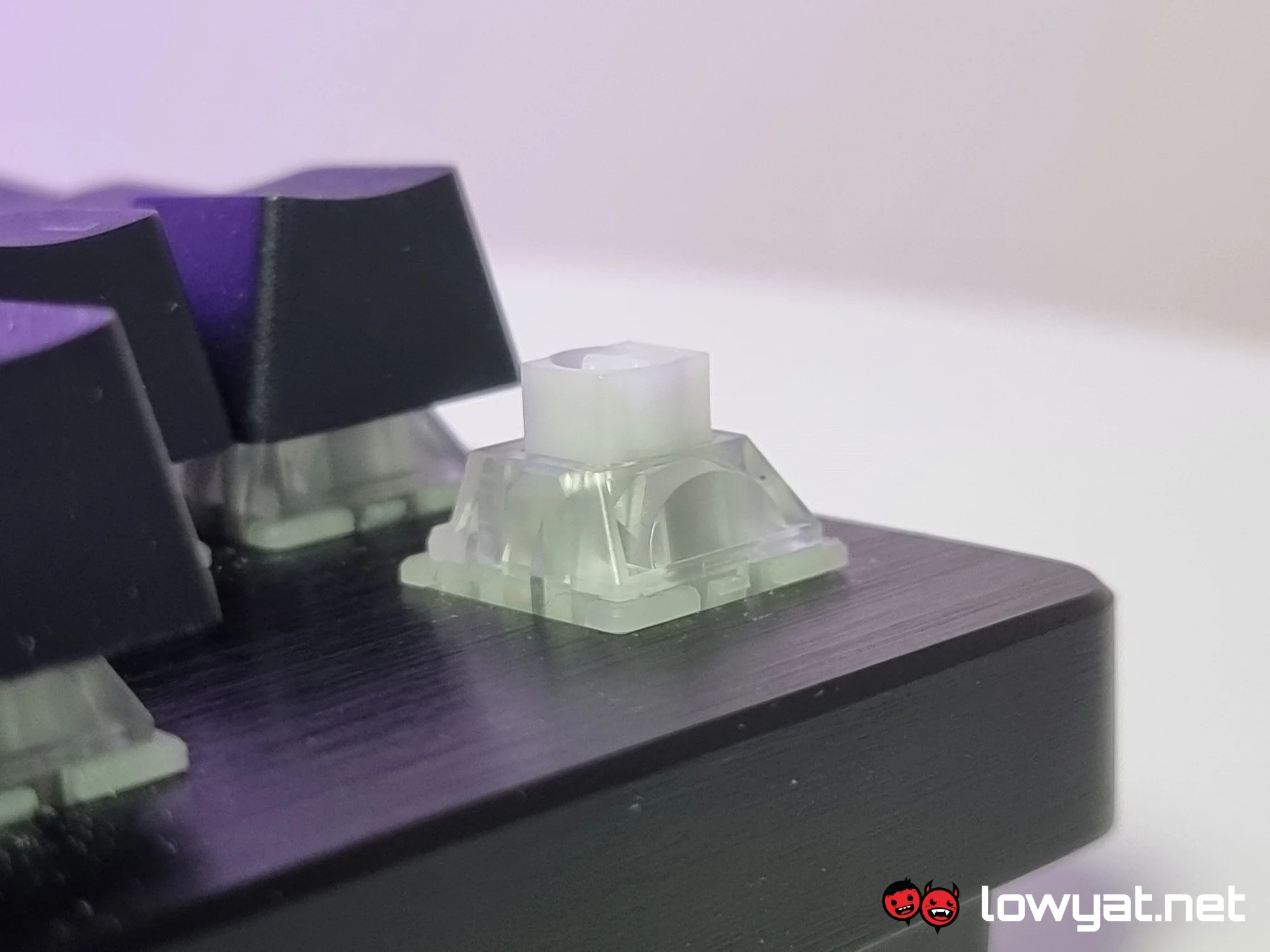
Now we have the Hall Effect switches. And, I’ve got to say, these are by far one of the most satisfying switches I’ve ever tried. Outside of being a joy to type away at, every key press feels exceptionally snappy and responsive, which is great for competitive games like Valorant and Marvel Rivals. Add on the 8,000Hz polling, and you hardly notice any input lag while gaming.
For all its features, what I really like most about this keyboard is its in-depth customisation options. While this isn’t exactly new territory, I still appreciate the fact that I can tweak virtually everything on the keyboard. The ability to create multiple profiles is also a nice touch, as I can quickly switch between work and gaming modes without having to manually change my settings each time. Though it may not seem like much, this little addition gives me an added sense of comfort and convenience while using the peripheral.
Let’s talk about the price. At RM509, the Huntsman V3 HE Magnetic 8KHz may be a bit much for some users, especially when there are certainly cheaper alternatives available. That said, you do get quite a lot for your money. In fact, when compared with its other variant, the Razer Huntsman V3 Tenkeyless 8KHz, which retails for RM799, the HE Magnetic 8KHz starts to look like a surprisingly good deal.
On paper, the Huntsman V3 Tenkeyless 8KHz is technically the better-performing keyboard. However, based on Razer’s own findings, the improvements are so marginal that most users are unlikely to notice any meaningful difference in everyday use. Because of this, I’d argue that the Hall Effect variant offers better value, particularly for less competitive gamers who have a bit of extra cash to spend but don’t necessarily need every last bit of performance.
What’s The Catch?
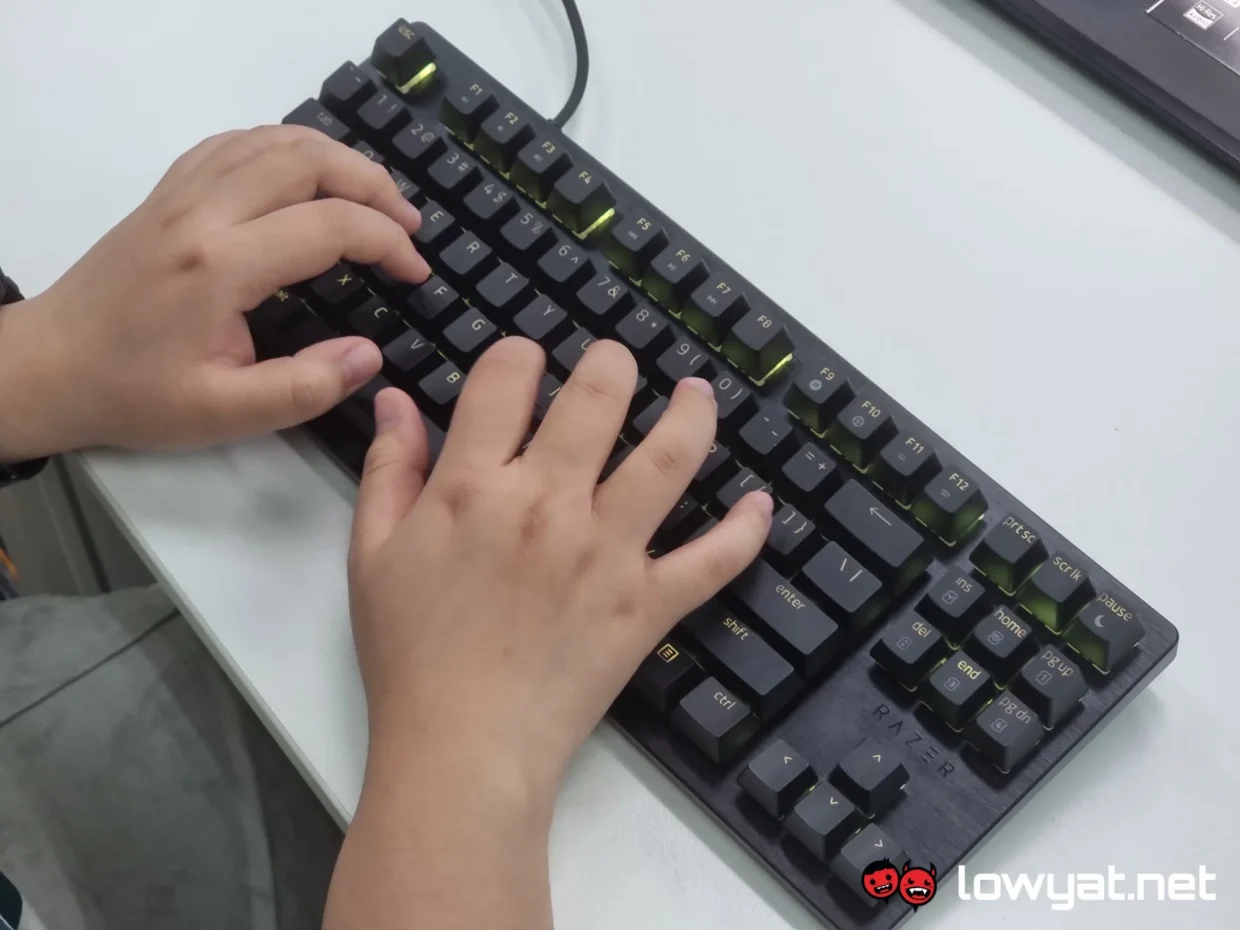
While this is the larger of the two keyboards, I’m not a big fan of its form factor. This is probably due to my massive hands, but I noticed that my forearms and wrists would start to cramp up after a while, largely because of how…well, cramped the keyboard feels. A wrist rest could probably help alleviate some of that discomfort. You can purchase one separately from Razer, but it would have been nice if one were included with the keyboard.
Typing on it is indeed enjoyable, but I have to point out that it’s a bit loud for my taste. Razer claims that it added some extra padding to help reduce the sound, but it can only do so much. Granted, the Razer Huntsman V3 HE Magnetic 8KHz isn’t the most hollow-sounding keyboard I’ve tried- far from it- but I simply wish that it was a lot quieter right out of the box.
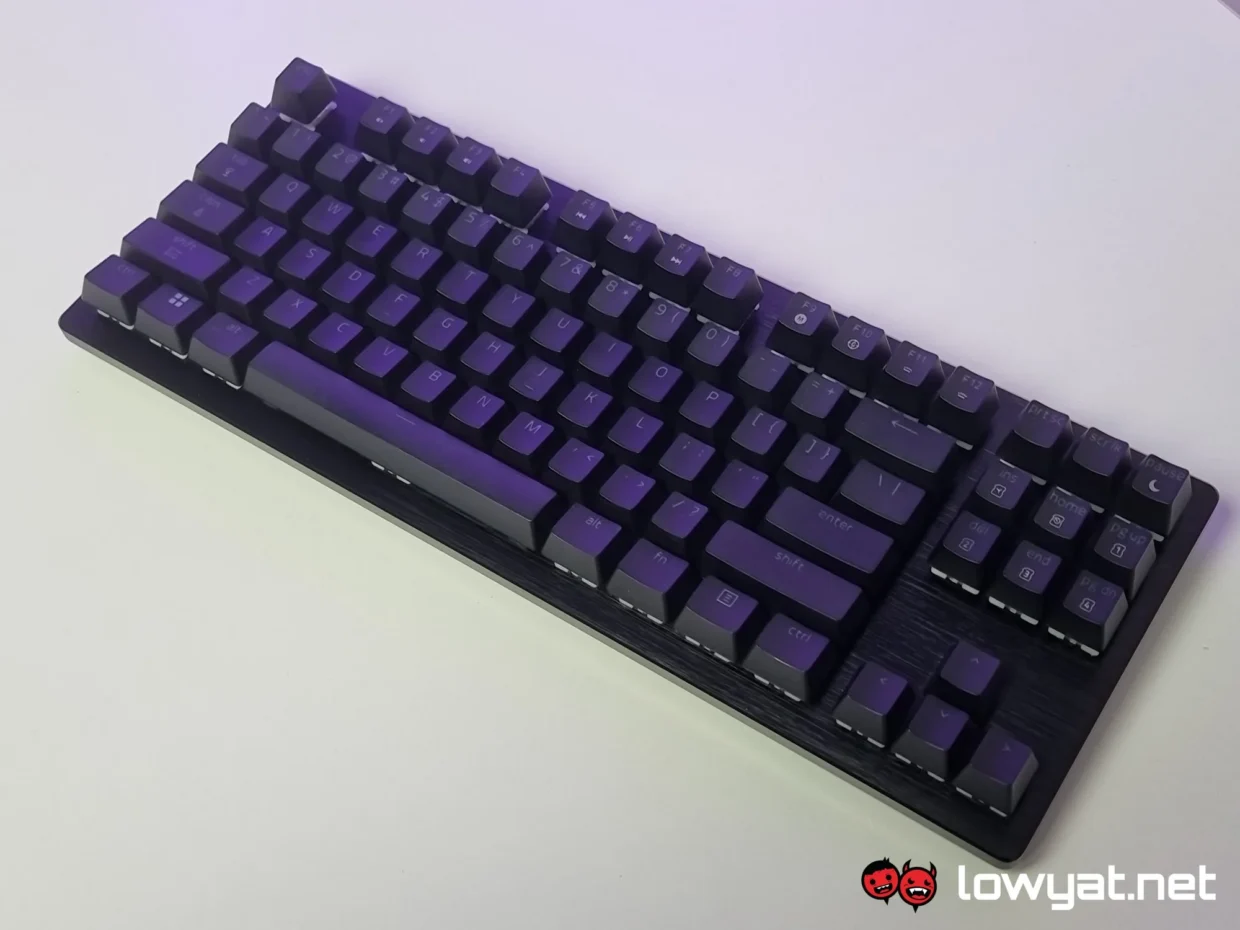
Another concern of mine is that the keyboard does not come with dedicated media controls. One may argue that, since this is a TKL design, there simply isn’t enough space for them. But that argument quickly crumbles when you consider the recently released Pro Low-profile variant of the keyboard. Sure, that variant is three buttons short in order to accommodate the media controls, but my point still stands.
Though I praised the Razer Huntsman V3 HE Magnetic 8KHz’s build earlier, it’s not perfect. For one, the brushed top plate is a magnet for all sorts of dirt and dust. Within the first few days of using it, I could already tell that the gaps between the keys were starting to look a little dirty.
While you are purchasing this keyboard primarily for its Hall Effect switches, you are limited to linear switches. This is quite disappointing for me personally, as I’m more of a tactile switch enjoyer myself. Furthermore, the fact that Razer doesn’t offer individual replacements could hurt the keyboard’s longevity, especially if something were to happen to one of them.
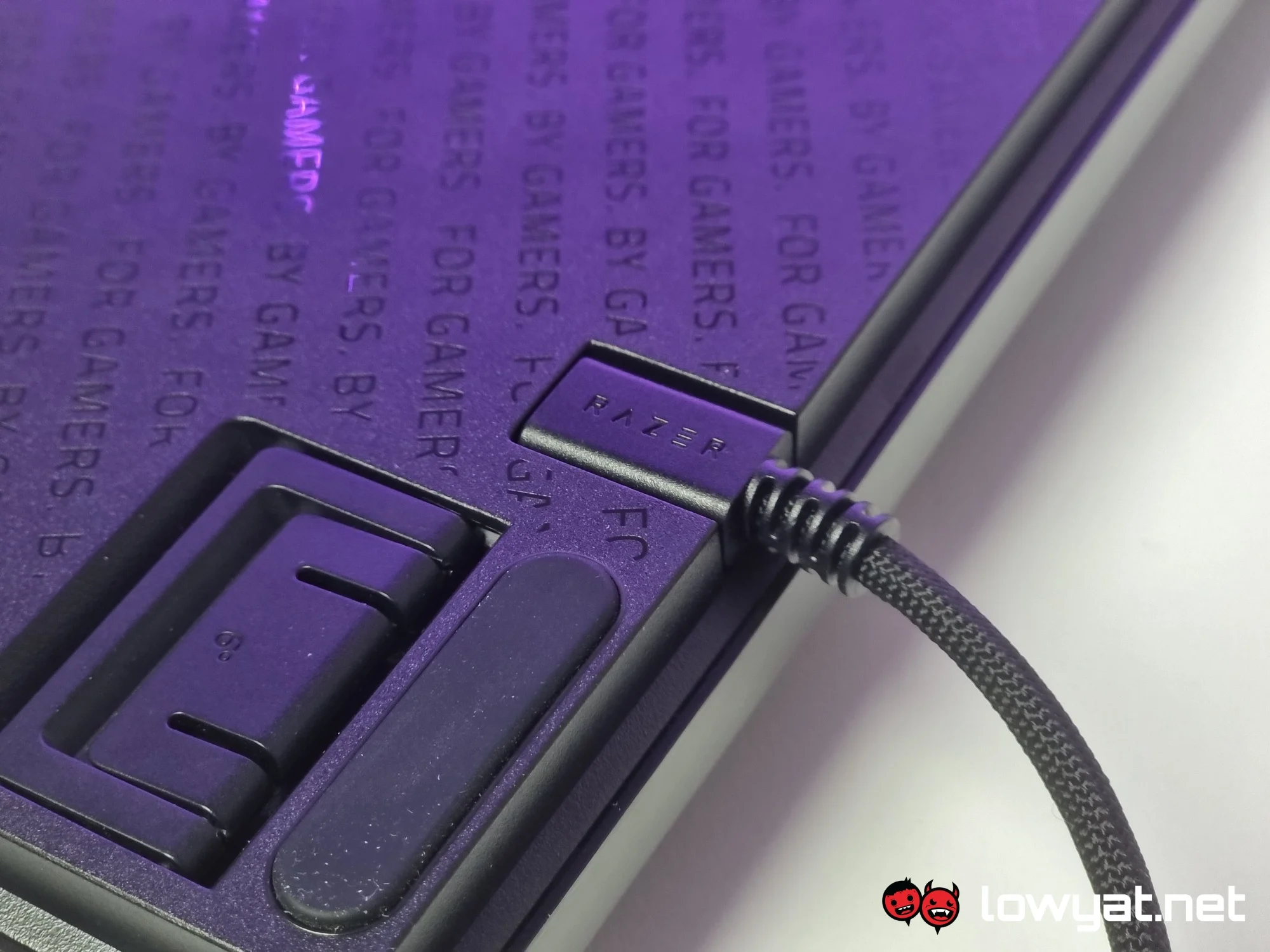
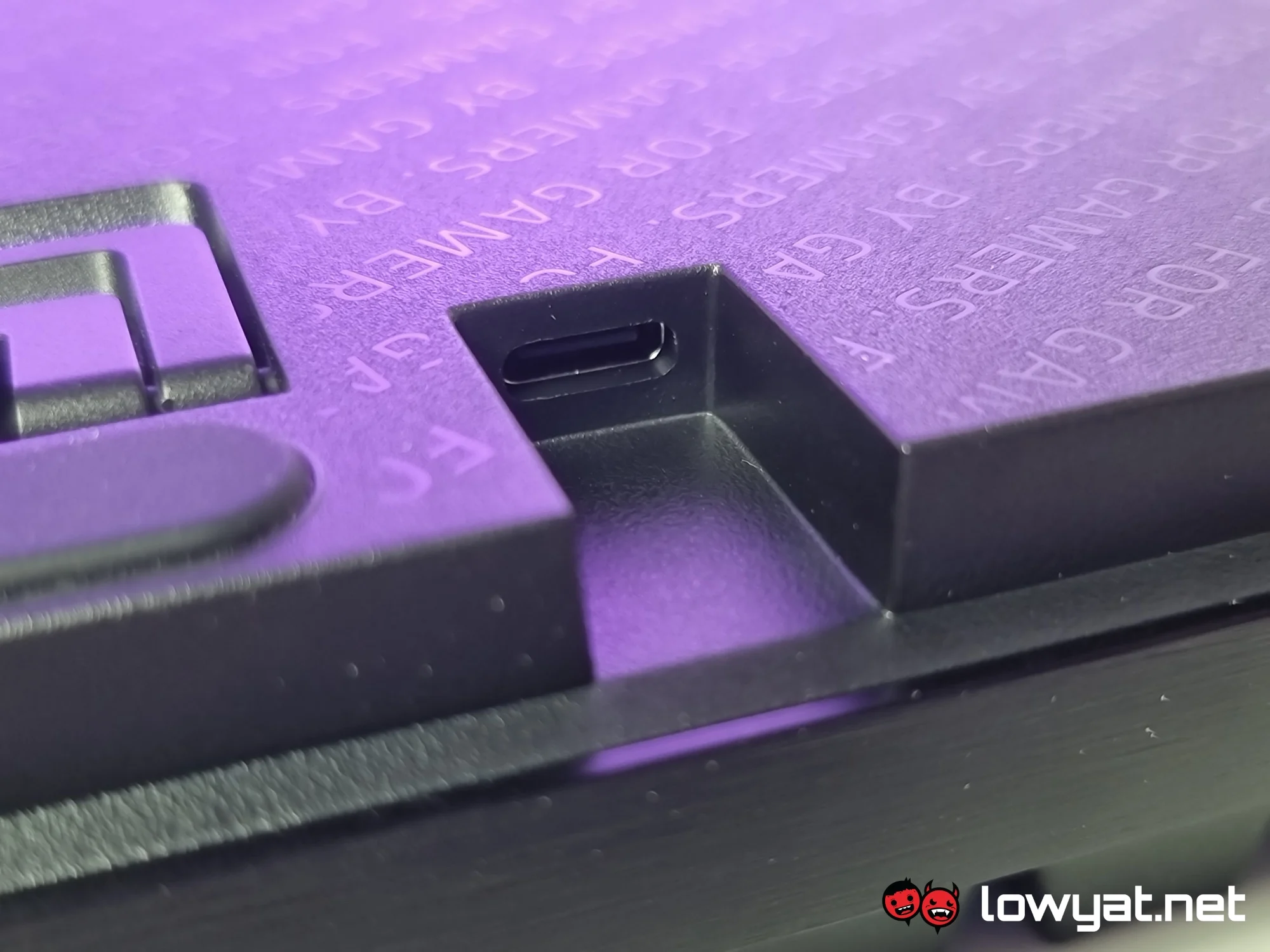
Now, this is a personal gripe of mine, so take it with a grain of salt, but I’m not a fan of the USB-C connector on the included cable. I honestly wish that the connector had more of an L-shaped design. That way, it could fit into tighter spaces and the area around my desk.
Should I Buy It?
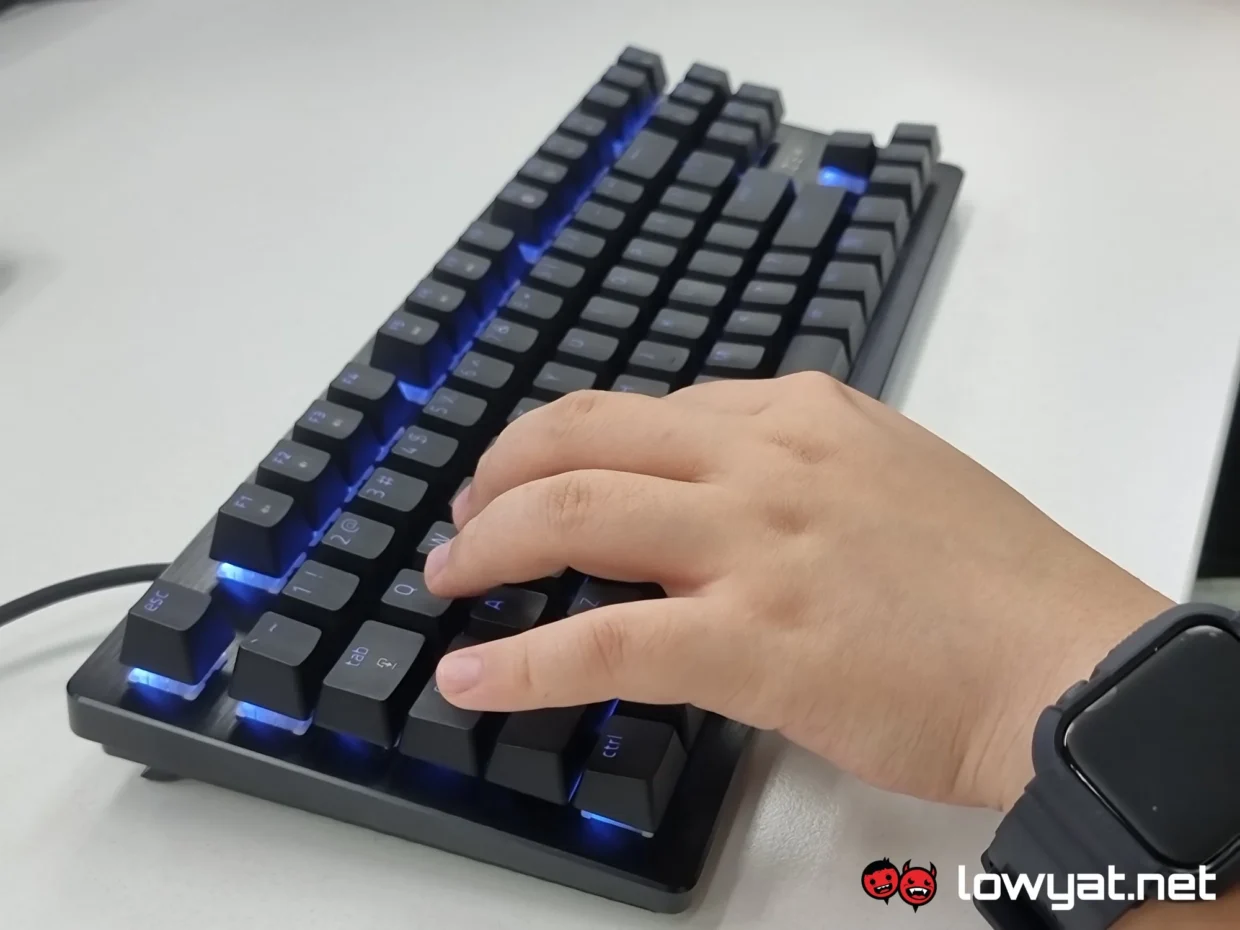
Do I recommend the Razer Huntsman V3 HE Magnetic 8KHz? If you’ve never owned any of its variants before, then yes. And it’s for one major reason: this thing is a lot of fun. The Hall Effect switches feel great, it has an incredible response time, and the amount of customisation available through Synapse gives you plenty of room to fine-tune the experience to your liking. Put all of that together with its solid build, and you have a keyboard that could serve as a great starting point for those who’d like to adopt the Razer ecosystem.
Now, the RM509 price tag might be a bit much for some, but I’d argue that, for what you’re getting, it’s just about right. That said, when you take all of its features and the price into consideration, this keyboard might be a bit overkill for more casual users. If you fall into that category, there are certainly more budget-friendly options available on the market.
With satisfying Hall Effect switches, lightning-fast response times and deep customisation, the Razer Huntsman V3 HE Magnetic 8KHz is a fun and capable gaming keyboard that’s held back by a cramped design and a few quality-of-life omissions.
Good
- Durable body and resilient keycaps
- Satisfying and responsive Hall Effect switches
- 8,000Hz wired polling
- In-depth customisation and personalisation
- Strong value for RM509
Bad
- Feels a bit cramped
- Loud typing sound
- No dedicated media controls
- No option for tactile or clicky switches
- Razer doesn't offer replacement switches
Scores
- Design8.5
- Performance8.5
- Coimfort6.5
- Features9.0
- Value9.5
Review unit on loan from Razer · tested for 4 weeks.
