
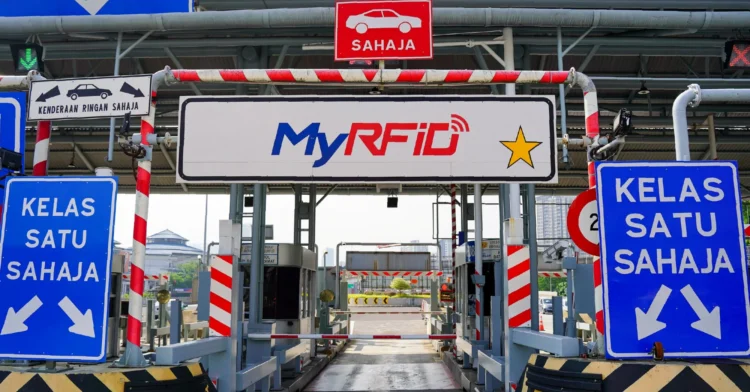
Touch ’n Go is expanding its Enhanced Radio Frequency Identification (Enhanced RFID) network with 10 additional lanes across five highways by the end of this year. The expansion is part of the company’s efforts to support Malaysia’s transition towards a Multi-Lane Free Flow (MLFF) tolling system, which is designed to allow vehicles to pass through toll points without conventional barriers.
Company COO Liza Woon Yin Yin said the company is ready to support the government’s barrier-free tolling initiative with its existing RFID technology. She added that the additional lanes will also allow the company to further improve and demonstrate the technology ahead of the wider adoption of MLFF.
The expansion was announced as Touch ’n Go marks its 30th anniversary, with the company showcasing its mobility technologies at the MyASEAN Roads & Traffic Tech Expo (MyARTTE) at the Malaysia International Trade and Exhibition Centre (MITEC) in Kuala Lumpur. The company also demonstrated its Single Lane Fast Flow (SLFF) e-RFID and MLFF Titan Flow technologies at the event, alongside a virtual reality experience showcasing its vision for future mobility.
New RFID Lanes Coming To Five Highways
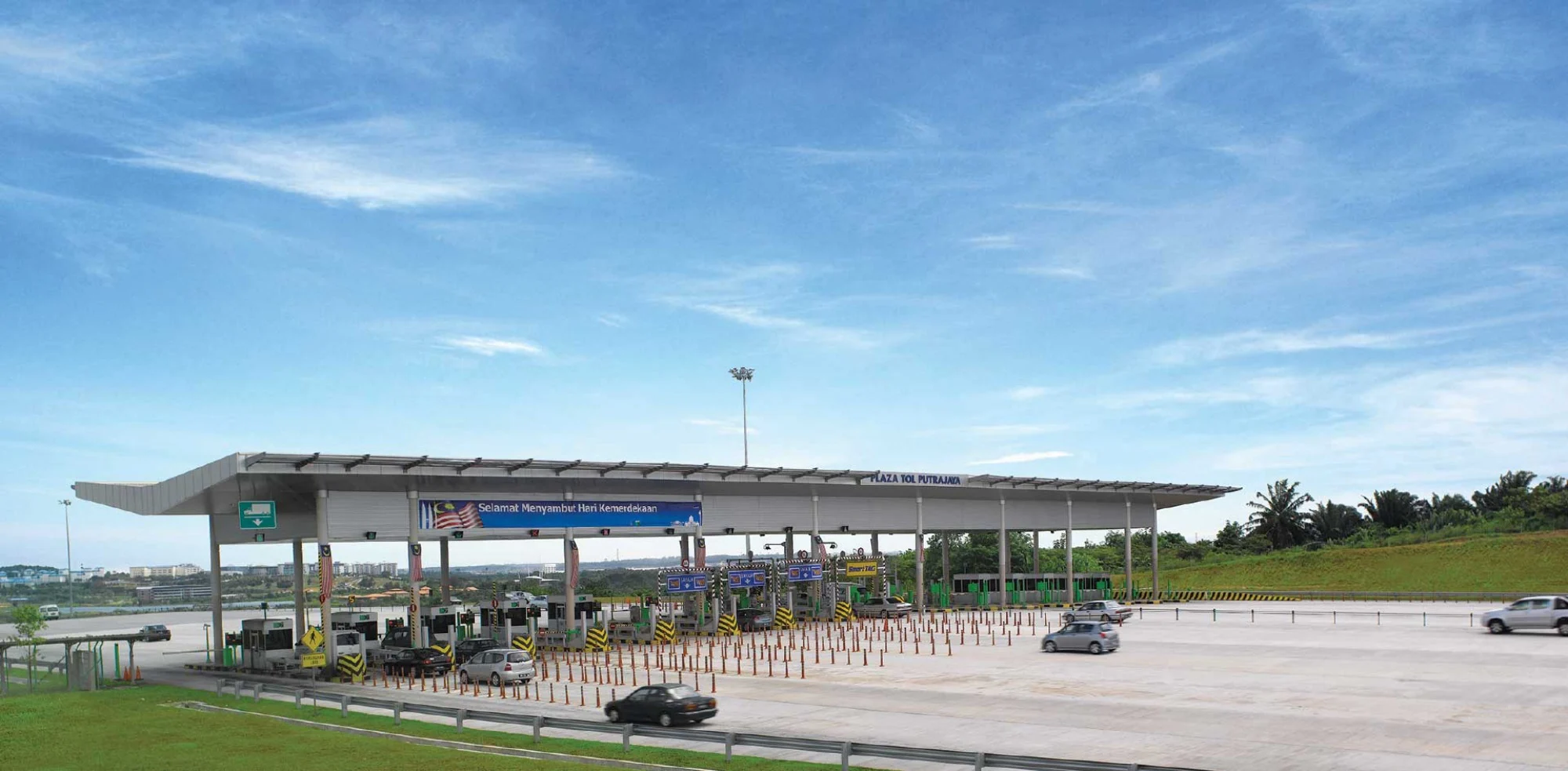
The 10 new Enhanced RFID lanes will be deployed across five highways, with two lanes each planned for the Putrajaya Toll Plaza on the Maju Expressway (MEX), Sungai Ramal Toll Plaza on the Kajang Dispersal Link Expressway (SILK), Bukit Raja Toll Plaza on the Grand Sepadu Highway, and Bukit Jelutong Toll Plaza on the Guthrie Corridor Expressway (GCE). The remaining two lanes will be installed at the Sungai Long and Ampang Toll Plazas on the East Klang Valley Expressway (EKVE), with one lane allocated to each toll plaza.
Touch ’n Go currently has two Enhanced RFID lanes in operation. These are located at the Ampang-bound Dato Keramat toll plaza on the Ampang–Kuala Lumpur Elevated Highway (AKLEH) and the Putrajaya-bound Putrajaya toll plaza on MEX.
Enhanced RFID Uses Two Antennas And ANPR
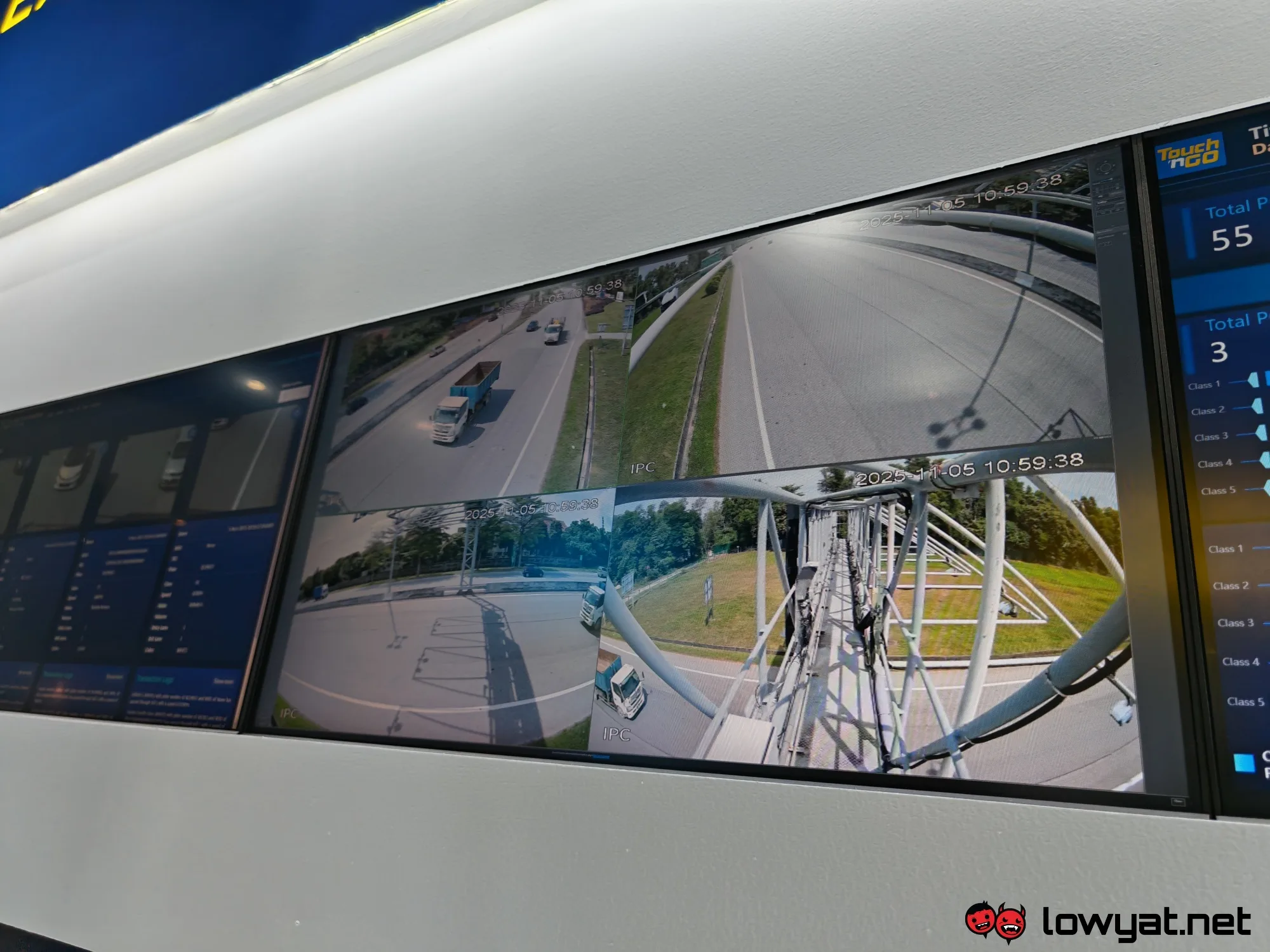
Unlike conventional RFID lanes, the Enhanced RFID system uses two RFID antennas alongside an Automatic Number Plate Recognition (ANPR) camera. Touch ’n Go says this setup allows the system to detect both the front and rear of a vehicle, with the secondary RFID antenna intended to improve transaction security and accuracy.
The company says the upgraded lanes are designed to provide a smoother drive-through experience that is similar to what motorists can expect from the targeted MLFF system. The lanes will also be identifiable through a gold star symbol displayed on their signage.
Touch ’n Go says the Enhanced RFID lanes incorporate components of its locally developed Titan Flow technology stack, combining RFID with artificial intelligence and machine learning. According to the company, the multi-technology approach is intended to improve vehicle detection and lane throughput while supporting reliable toll transactions at higher vehicle speeds.
(Source: Bernama)
