
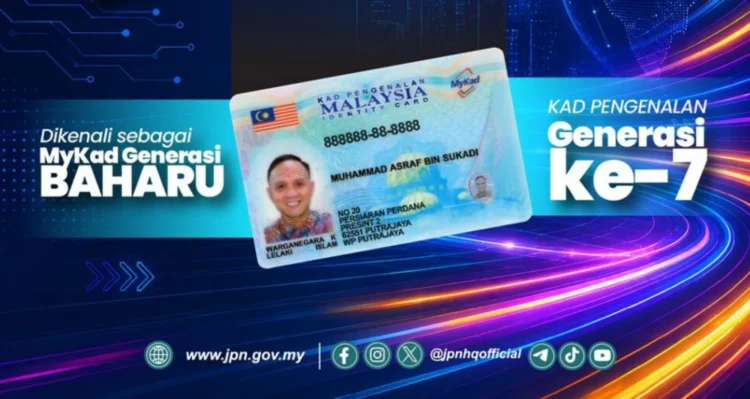
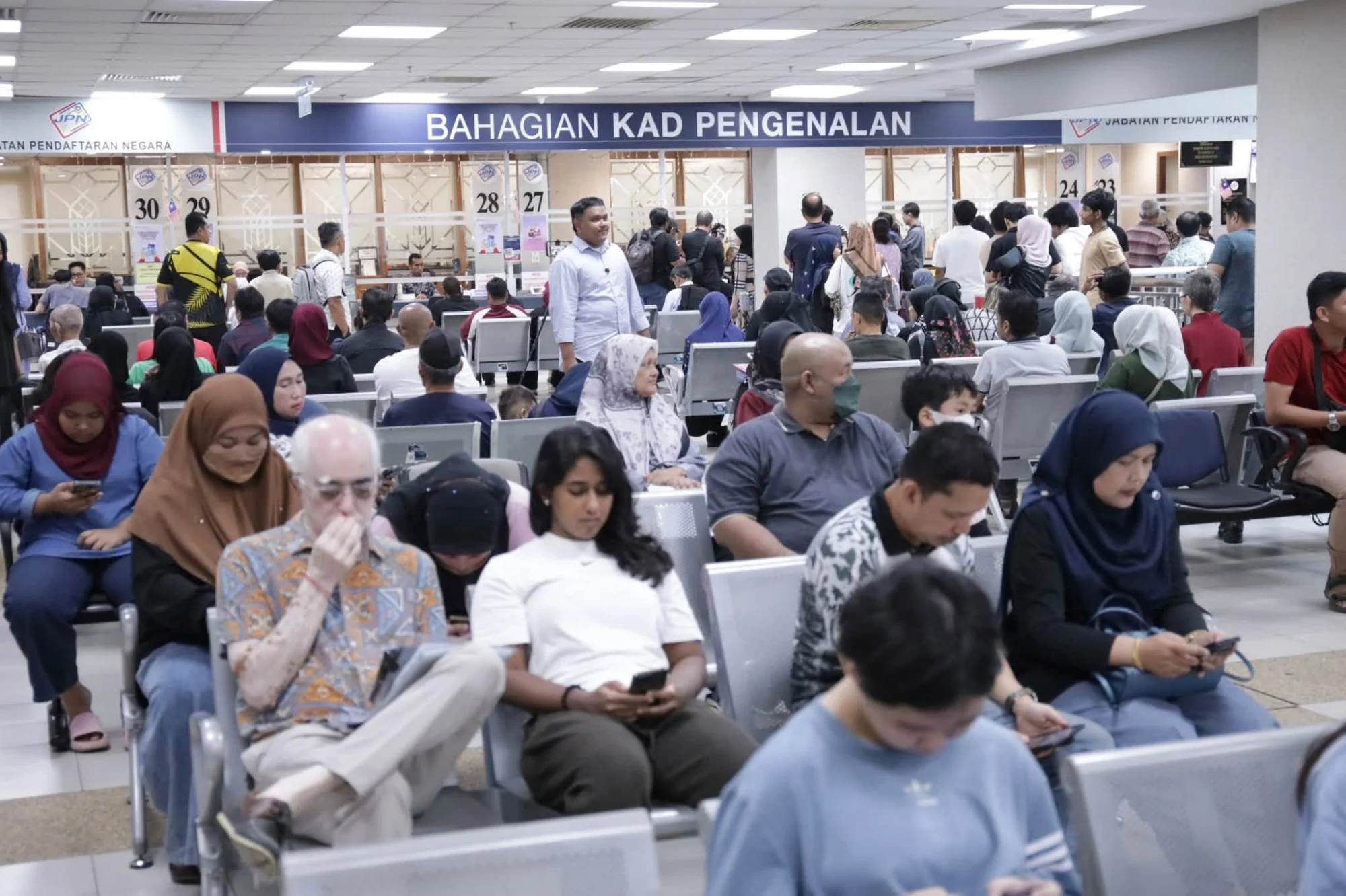
Electronic Know Your Customer (eKYC) service providers are updating their systems to recognise the design and features of the new-generation MyKad. The National Registration Department (JPN) said the updates are needed after some holders encountered difficulties completing identity verification through eKYC systems.
According to the department, several engagement sessions have been and are being conducted with relevant agencies and eKYC service providers to address the issue. These discussions are intended to ensure that identity verification continues to work smoothly as the new MyKad is gradually adopted.
In the meantime, JPN advised new-generation MyKad holders who encounter problems with eKYC verification to consult the relevant institution or service provider. Alternative verification methods may be available while their systems are being updated, with the department adding that it will continue monitoring the progress and working with relevant parties until the necessary updates have been fully implemented.
To recap, the new-generation MyKad officially began rolling out on 17 September 2026, introducing changes to its physical design, technology and security features. The card uses a polycarbonate body and incorporates 53 security elements, including a dynamic security hologram, UV features, Guilloche patterns and a transparent window.
One of the more significant changes is the relocation of the chip and QR code from the front to the back of the card. The new MyKad also uses a dual-interface chip that supports both conventional contact-based terminals and NFC-based contactless communication with authorised devices.
The QR code, meanwhile, is intended for identity verification by agencies authorised by JPN and cannot be scanned using a conventional smartphone camera. At present, JPN says it is used to verify whether a MyKad holder is the legitimate owner of the card.
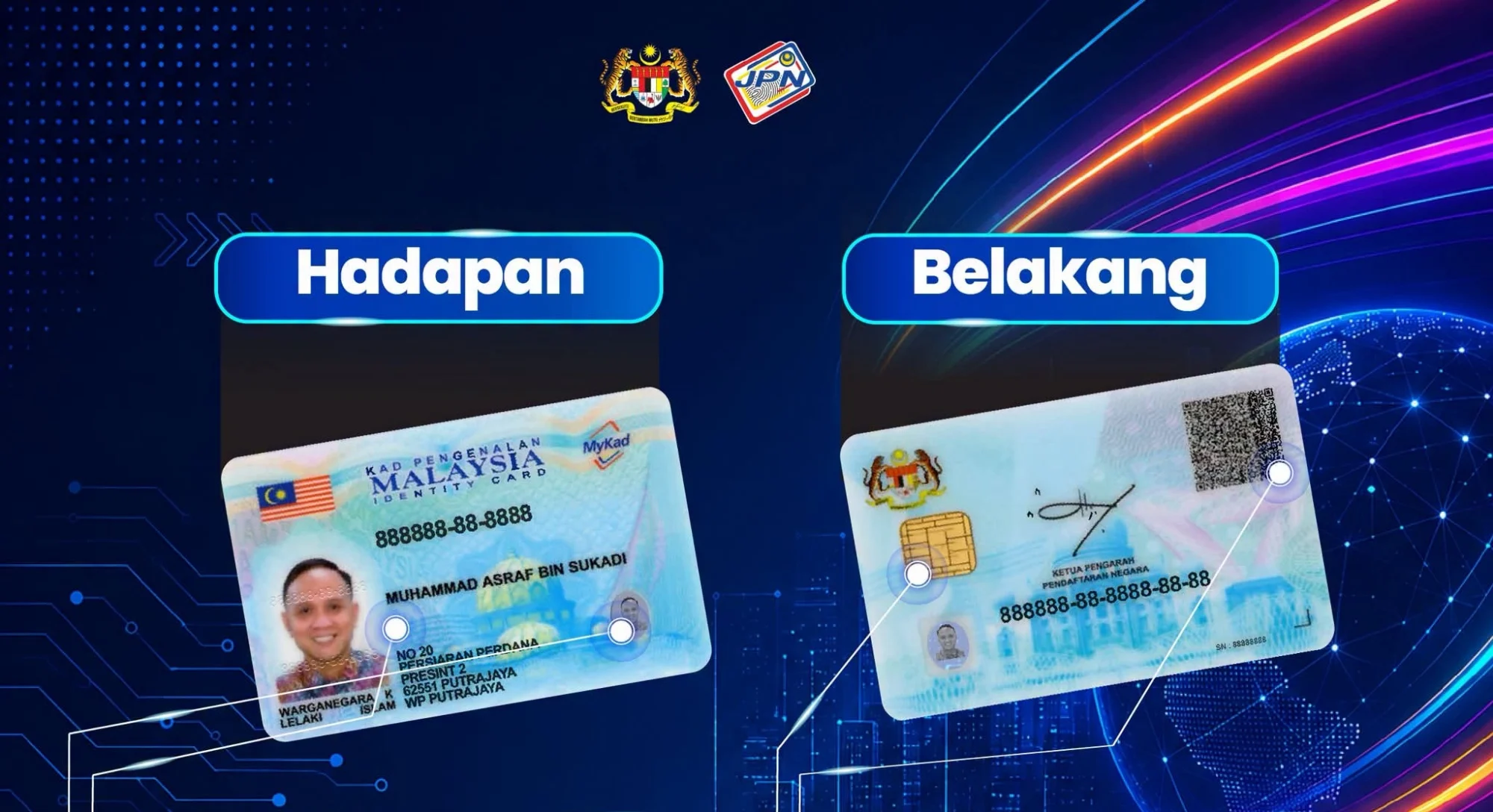
It’s also worth noting that the redesigned card drops the Touch ‘n Go functionality found on older MyKad cards. Existing MyKad holders do not need to rush to replace their cards, as current cards remain valid and the new-generation version is being introduced through a gradual rollout.
JPN said the adaptation of eKYC systems is part of the transition to support the new card. The department added that it will continue working with relevant agencies and service providers to ensure the transition is carried out smoothly.
(Source: JPN, via Facebook)
