
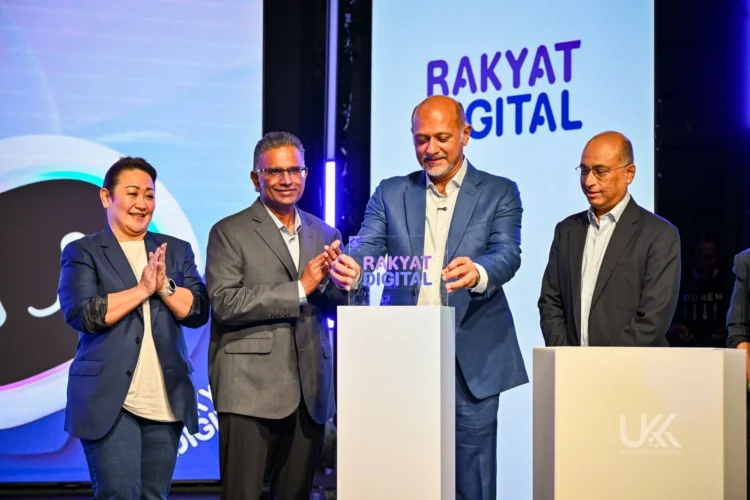
In addition to bringing the BUDI95 petrol subsidy quota back to 300l, Prime Minister Anwar Ibrahim also announced a number of other measures which take effect starting today. Probably the second most important of them all, behind the petrol subsidy, is the offering of up to three months of free access to four premium GenAI services to the youth of the country. And all that’s needed to redeem them is completing six free learning courses.
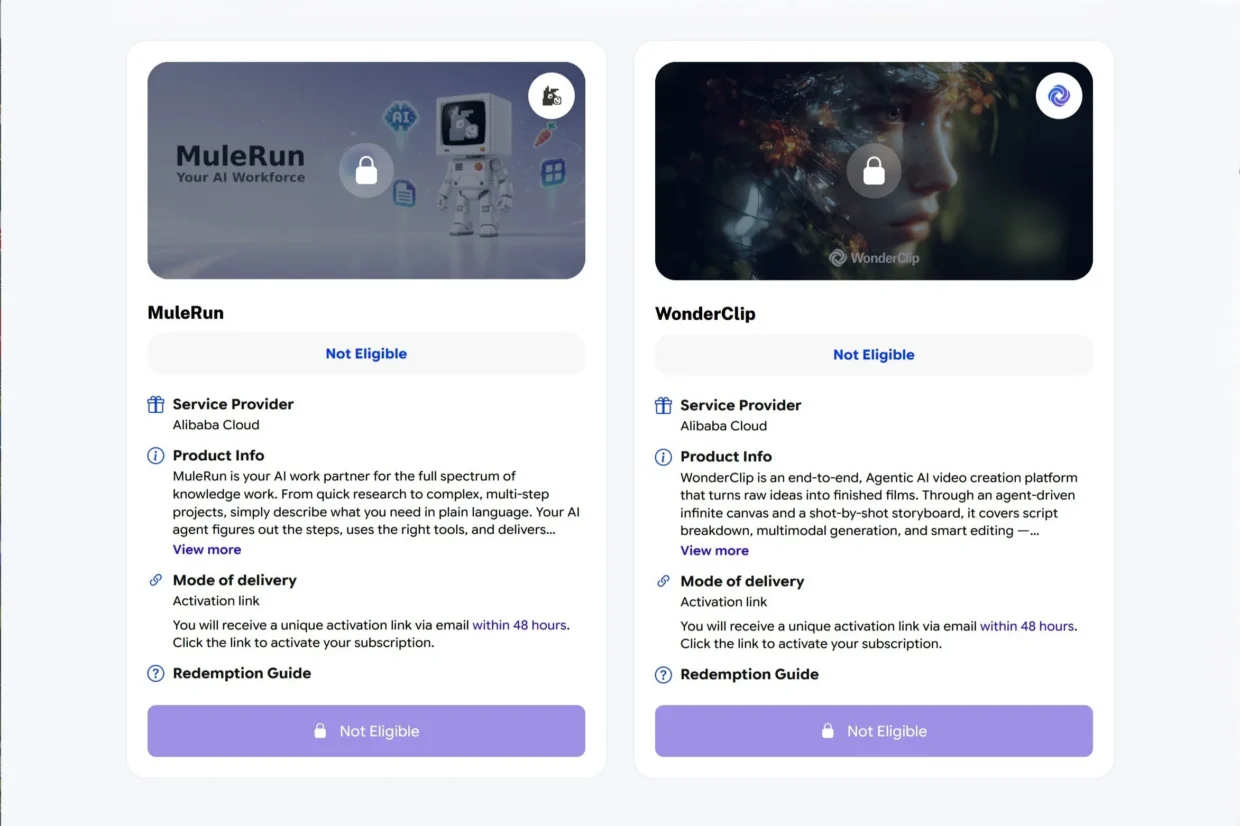
All six courses, as well as the redemption of the premium GenAI services, can be done via the revamped Rakyat Digital website. Most of these courses were already listed when the site was first relaunched, with all of them now accessible. And once that’s done, youths aged between 18 and 30 will be able to access the four paid GenAI tools. One of them is Google Gemini Enterprise, and another is YTL’s ILMUchat. The remaining two, MuleRun and WonderClip, are by Alibaba.
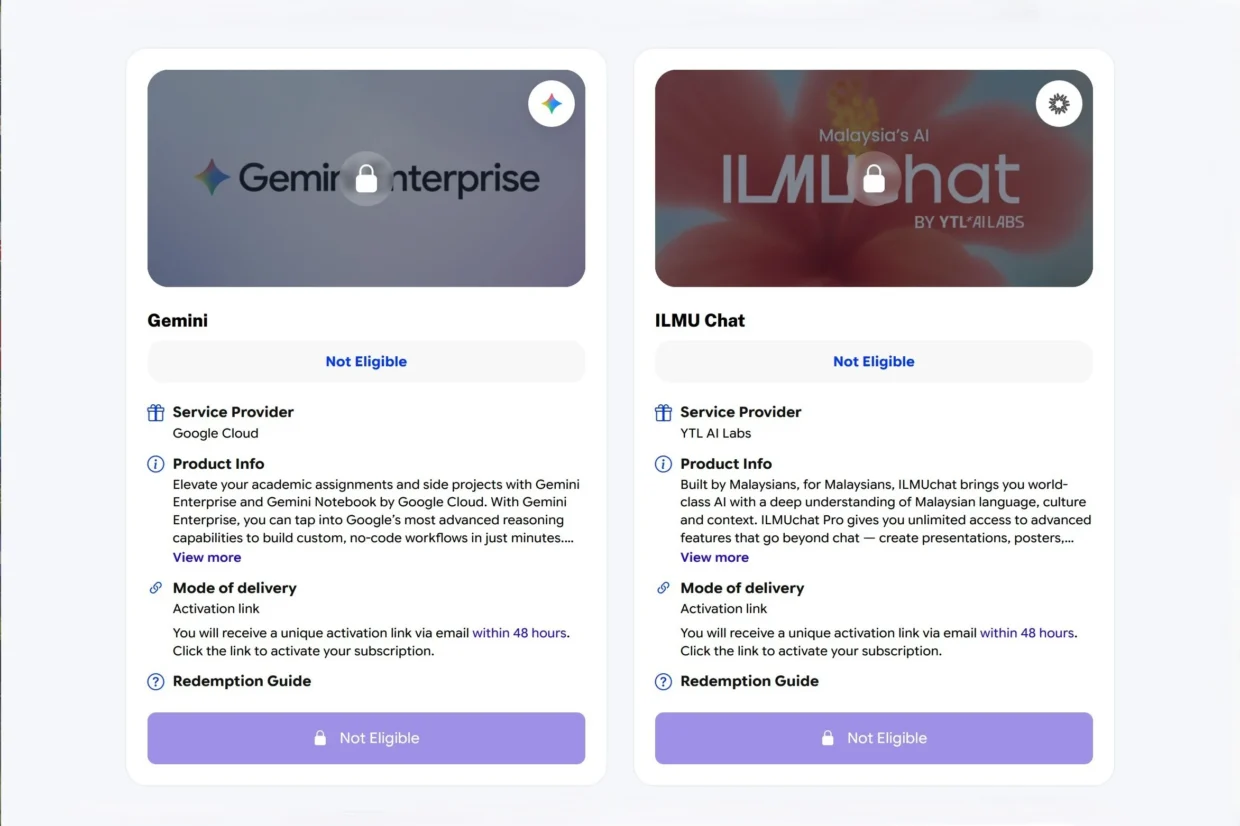
To be clear though, anyone can take the free courses, but only those aged between 18 and 30 can redeem the three-month subscription for these GenAI tools after that. The Edge reports that these three-month subscriptions are also only offered to 100,000 youths.
Beyond what is called the AI for the People programme, Anwar also announced the raising of the e-Invoice exemption threshold from RM1 million to RM3 million annually. This would exempt businesses with annual sales of less than RM3 million from the obligation to implement it. On a related note, another measure announced was the increase in microfinancing facilities by RM1 billion, bringing the total funding for 2026 up from RM5 billion to RM6 billion.
Of the last two measures announced, one was the allocation for maintenance of all school types for 2027 being increased by 50%, bringing the total up from RM1 billion to RM1.5 billion. The last on the list is the Malaysian Communications and Multimedia Commission (MCMC) providing RM1 billion to strengthen the digital efficiency of the public healthcare sector. This includes the implementation of the Electronic Medical Records (EMR) system and internet connectivity at 150 hospitals and over 2,000 public health clinics.
(Source: The Edge)
