
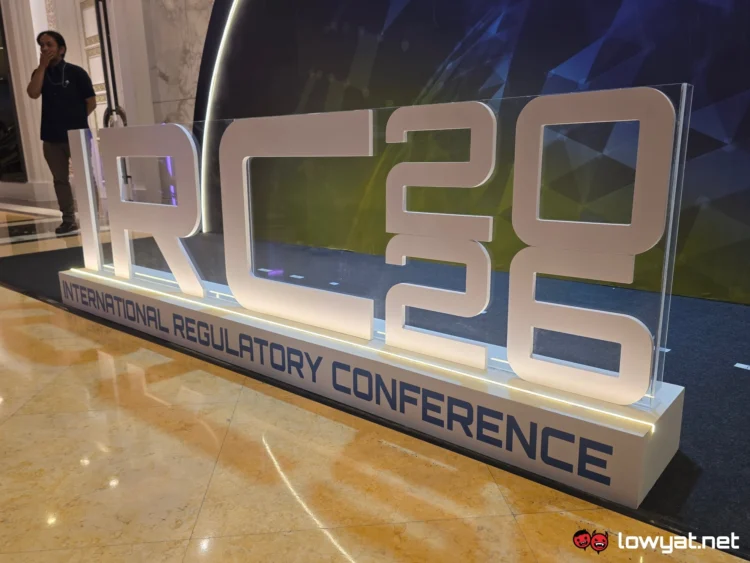
Malaysia’s International Regulatory Conference (IRC) 2026 officially kicked off today, bringing together policymakers, regulators and industry leaders to discuss the future of digital governance. According to Communications Minister Datuk Seri Fahmi Fadzil, the conference’s discussions could eventually help shape new legislation and strengthen Malaysia’s regulatory framework for artificial intelligence (AI), cybersecurity and online safety.
Organised by the Malaysian Communications and Multimedia Commission (MCMC), the two-day event has attracted more than 500 participants and 40 speakers from Malaysia, ASEAN and other countries under the theme “Shaping the Next Digital Era: Regulation, Resilience and Trust.” The conference also covers topics such as online fraud, data protection, digital platform accountability and quantum communications.

Conference Findings May Shape Future Legislation
During a Q&A session after officiating the conference, Fahmi said the recommendations and views gathered during IRC 2026 will be brought to the Cabinet and senior government officials for further discussion. Where appropriate, these could lead to amendments to existing laws or the drafting of entirely new legislation before being tabled in the Dewan Rakyat.
He added that previous editions of the conference had already contributed to the drafting of the Online Safety Act (ONSA). Likewise, this year’s discussions are expected to support the development of the AI Regulatory Bill currently being prepared by the Digital Ministry, alongside other future digital policies.
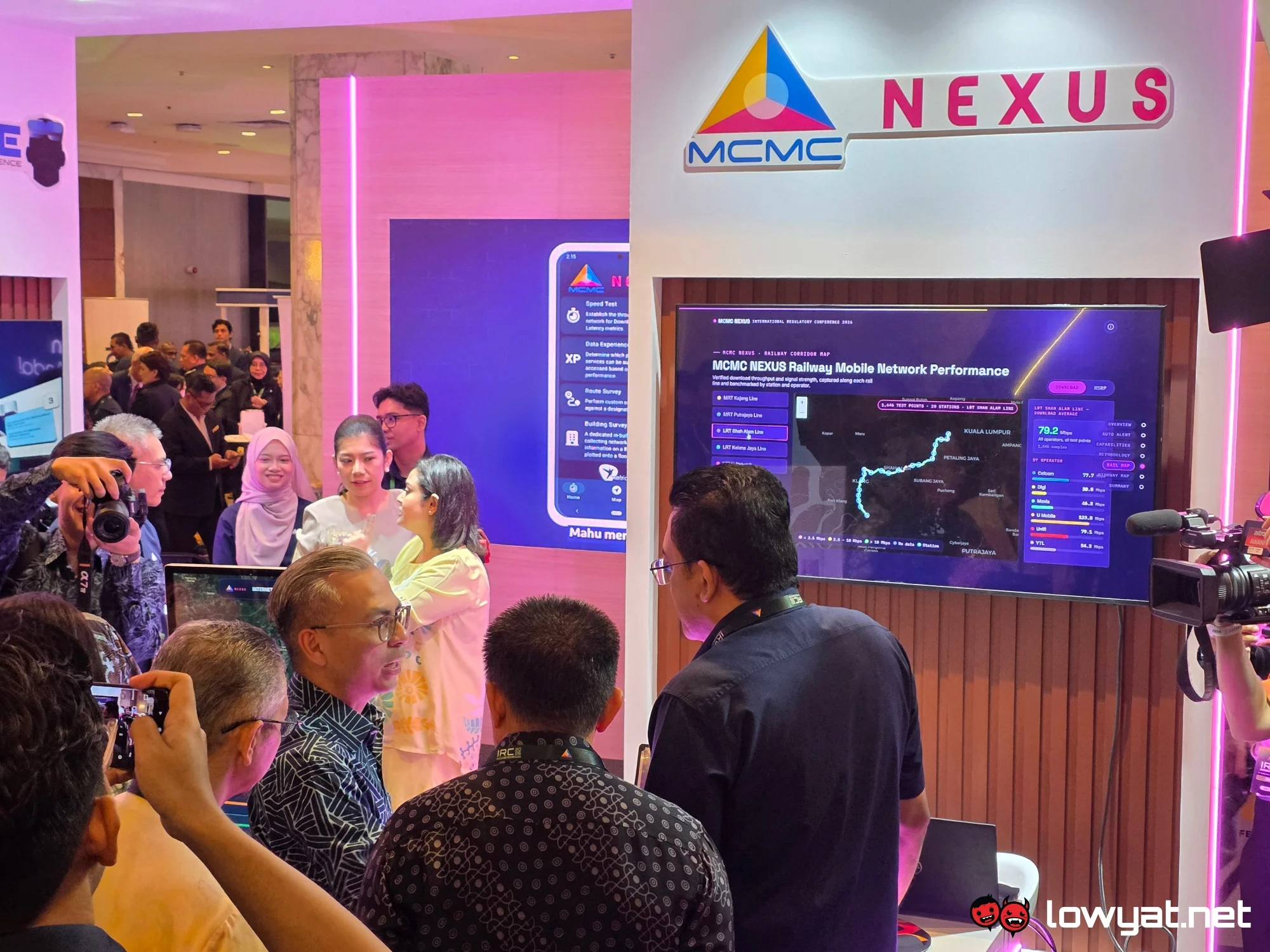
Balancing Regulation And Innovation
Among the key issues discussed at IRC 2026 are AI governance, online safety, cybersecurity, data protection and digital platform accountability. Fahmi said the government wants to ensure Malaysia’s legal framework keeps pace with rapidly evolving technologies while avoiding regulations that could discourage investment and innovation.
He also said the conference’s findings will be shared with the International Telecommunication Union (ITU) to contribute towards international regulatory efforts. At the same time, the outcomes are expected to help shape Malaysia’s upcoming Digital Infrastructure Policy.

Age Verification Rollout To Be Given More Time
Separately, Fahmi revealed that social media platform operators have requested additional time to implement Malaysia’s upcoming minimum age verification mechanism. He said the government is prepared to provide an appropriate implementation period after the Risk Mitigation Code (RMC) and Child Protection Code (CPC) are published under ONSA.
The minister added that discussions between MCMC and platform operators are still ongoing to ensure there are no misunderstandings regarding the new requirements. However, he stressed that platforms which fail to comply with the gazetted codes could face legal action.
MCMC To Probe Khairul Aming Data Leak Allegations
Fahmi also commented on influencer Khairul Aming’s recent allegation that details of his mobile phone bill had been publicly disclosed on social media by another user. While the overdue bill amount itself was not the issue, Khairul questioned how someone was able to access what he described as his private customer information.
The minister confirmed that he has met representatives from the relevant telecommunications company, while MCMC has also been instructed to obtain a full report into the incident. Describing the allegation as worrying, Fahmi said it creates the impression that an individual may have gained access to confidential telco systems or customer information.
Fahmi also urged anyone facing similar incidents to lodge reports with both the police and MCMC. He stressed that the unauthorised disclosure of personally identifiable information (PII) is an offence under the Personal Data Protection Act 2010.
