
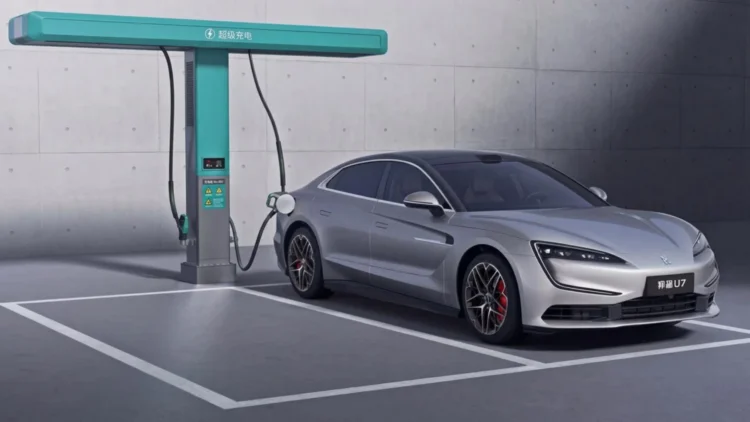
BYD Malaysia is planning to introduce its Megawatt Flash Charging technology to the local market, according to Paultan.org. The move could make Malaysia one of the first countries in Southeast Asia to adopt megawatt-level EV charging infrastructure.
The company revealed that deployment plans are currently in the research and planning stage. During a media event in China, BYD Malaysia managing director Jacob Ma said the initial rollout will focus on selected BYD and Denza showrooms as well as service centres before expanding further.
He added that the company is currently evaluating various aspects of the implementation process. These include charging tariff structures, payment system integration, mobile application support, and the overall user experience to ensure the service remains stable and convenient for customers.

Public Expansion Planned In Later Stages
Ma noted that BYD intends to expand the technology to more public locations once the supporting infrastructure matures. The company is also exploring collaborations with government agencies, regulatory authorities, charge point operators, and other industry stakeholders to accelerate deployment.
Interestingly, BYD is not ruling out support for vehicles from other brands in the future. However, compatibility remains a key consideration, as the charging system was specifically developed around the company’s latest Super e-Platform architecture.
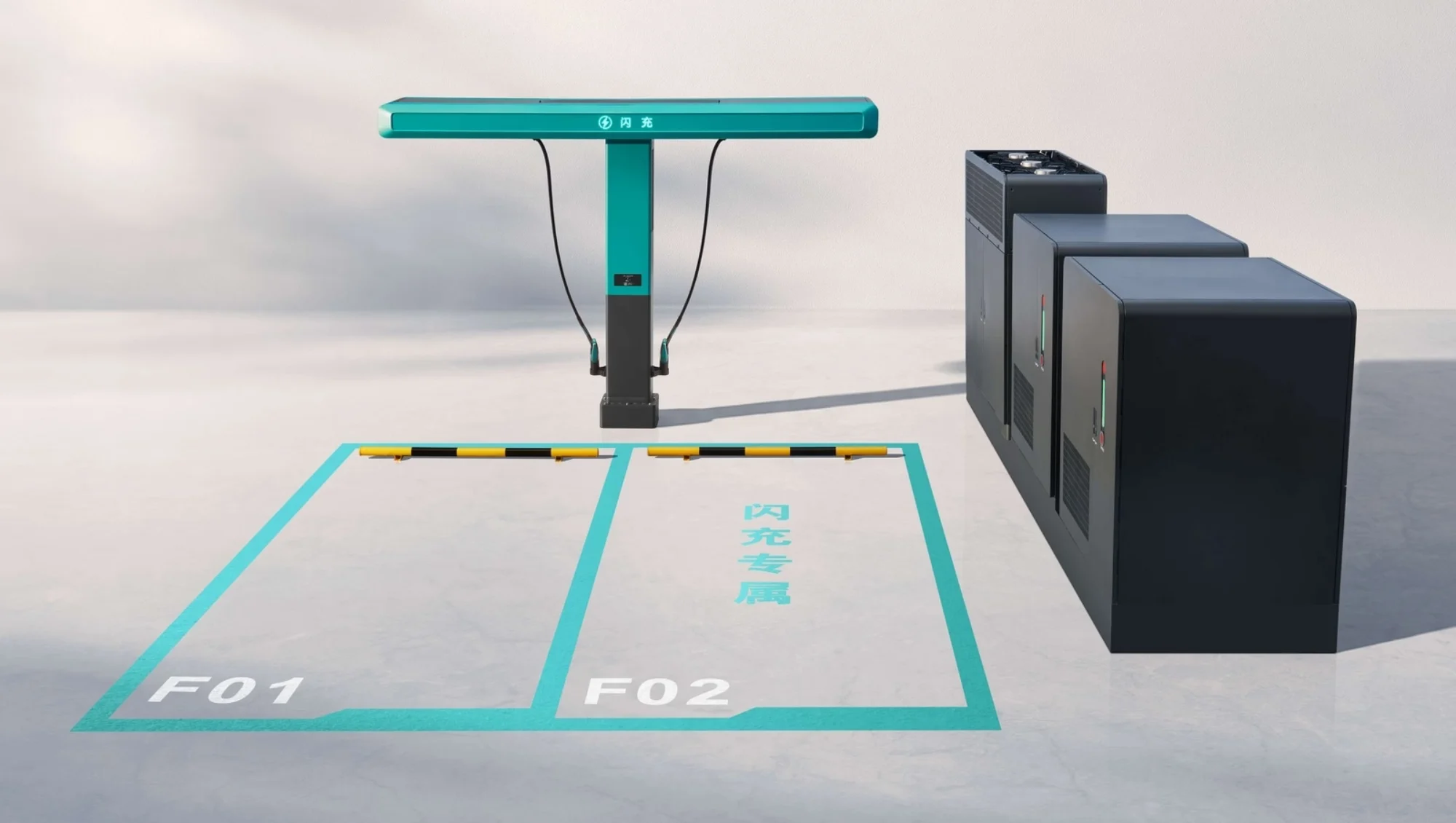
At present, only a limited number of BYD models are capable of accepting charging power exceeding one megawatt. As a result, the initial deployment will primarily serve compatible BYD vehicles.
BYD Malaysia did not reveal the locations, pricing structure, or launch timeline for its first Megawatt Flash Charging stations. The company said more information will be announced at a later date.
Up To 1.5 MW Of Charging Power
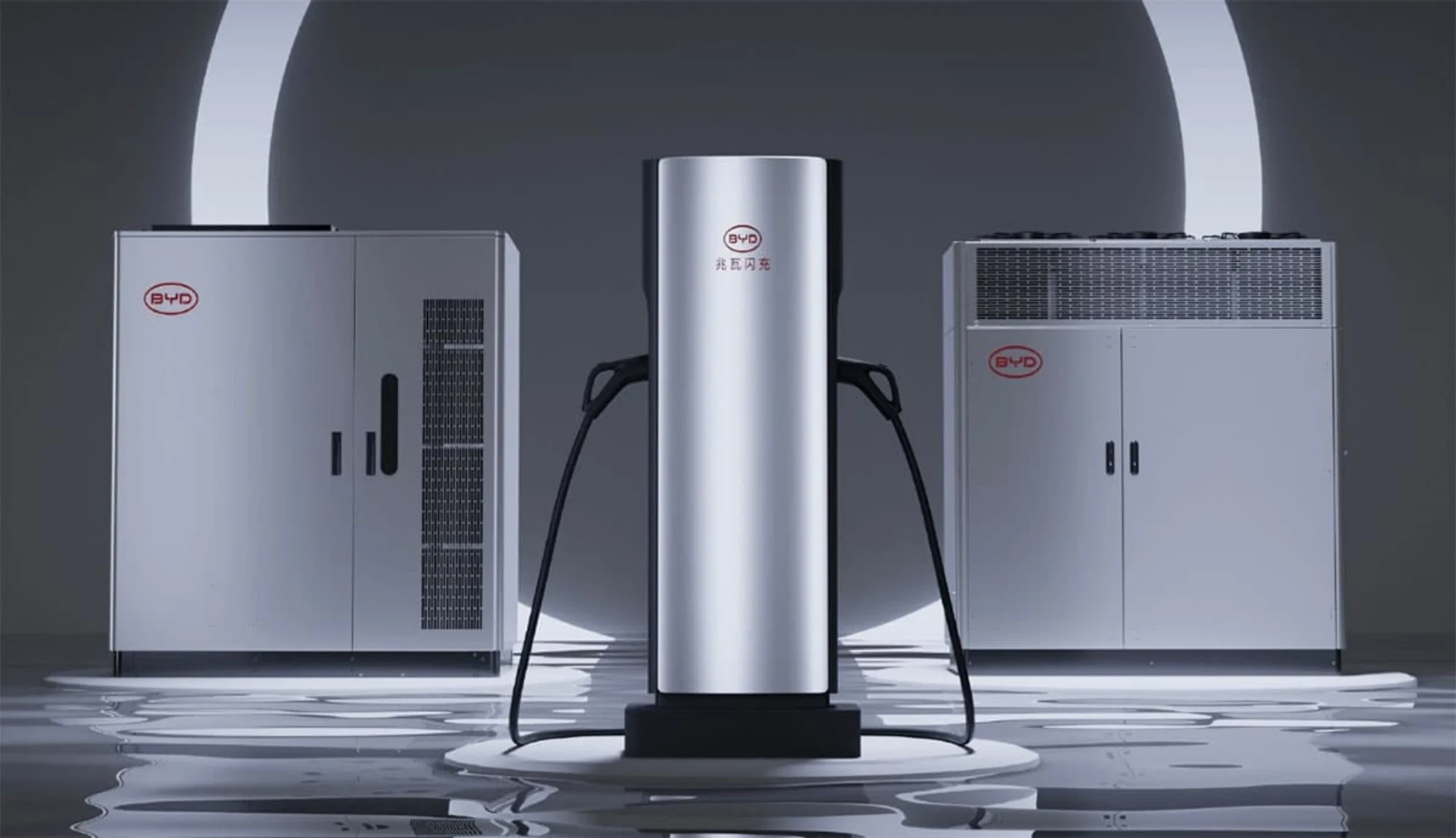
For the uninitiated, BYD first unveiled its second-generation Megawatt Flash Charging technology in China last year as part of its new Super e-Platform. The system combines a 1,000-volt electrical architecture with charging currents of up to 1,000 amperes, enabling a peak charging rate of 1.5 MW.
To support such high power delivery, the charging stations work alongside battery energy storage systems (BESS). This allows them to provide megawatt-level charging even in areas where the local grid may not be able to supply that amount of power directly.
According to BYD, a compatible vehicle can gain approximately 400km of driving range after just five minutes of charging under ideal conditions. The company also claims a battery can be replenished from 10% to 70% state of charge in around five minutes, while charging from 10% to 97% takes only nine minutes.
(Source: Paultan.org)
