

After much deliberation, Malaysia’s social media restriction for underage children is now in place. On 1 June 2026, the Malaysian Communications and Multimedia Commission (MCMC) declared that the new Child Protection Code (CPC) under the Online Safety Act 2025 (ONSA) has come into force.
Under this code, social media platforms are required to implement measures to ensure a safer online experience for children. Of course, a big part of this is the aforementioned ban for underage users, and by extension, mandatory age verification processes. Beyond that, these providers are required to introduce additional protections for young users.
Given the scope of these regulations, there may be some confusion among users and parents regarding how it all works. So here’s a rundown on the nitty gritty details.
Affected Platforms

As outlined in the FAQ page, the new rules apply to licensed social media platforms with at least eight million users in Malaysia. Furthermore, the page went on to specifically name four websites in particular: Facebook, Instagram, TikTok, and YouTube.
That said, MCMC acknowledged the possibility of child users migrating to unregulated spaces. As such, additional platforms may be brought under these regulations should the need arise.
The Cutoff Point

Just as the government has previously mentioned, the minimum age for social media users is 16 years. This means that those younger than 16 are not permitted to create accounts on these platforms. That said, MCMC asserted that this code is not meant to outright prohibit child users from accessing the internet. The policy is limited to social media account registration.
As for why 16 was chosen, the CPC clarified that children at this age are more capable of assessing risks, managing online interactions, as well as exercising judgement. Essentially, this threshold takes factors like cognitive and emotional development into account.
What Actually Changes

With the new regulations in place, these platforms must prevent those under 16 from having accounts. As such, they must introduce age verification systems to ensure both new and existing users are at least 16 years of age.
According to MCMC, a grace period of up to six months will be provided for users. Within this period, underage users will be given a month to download or transfer their data before account deletion or suspension. This includes photos, videos, and other media.
Implementation Depends On Platform
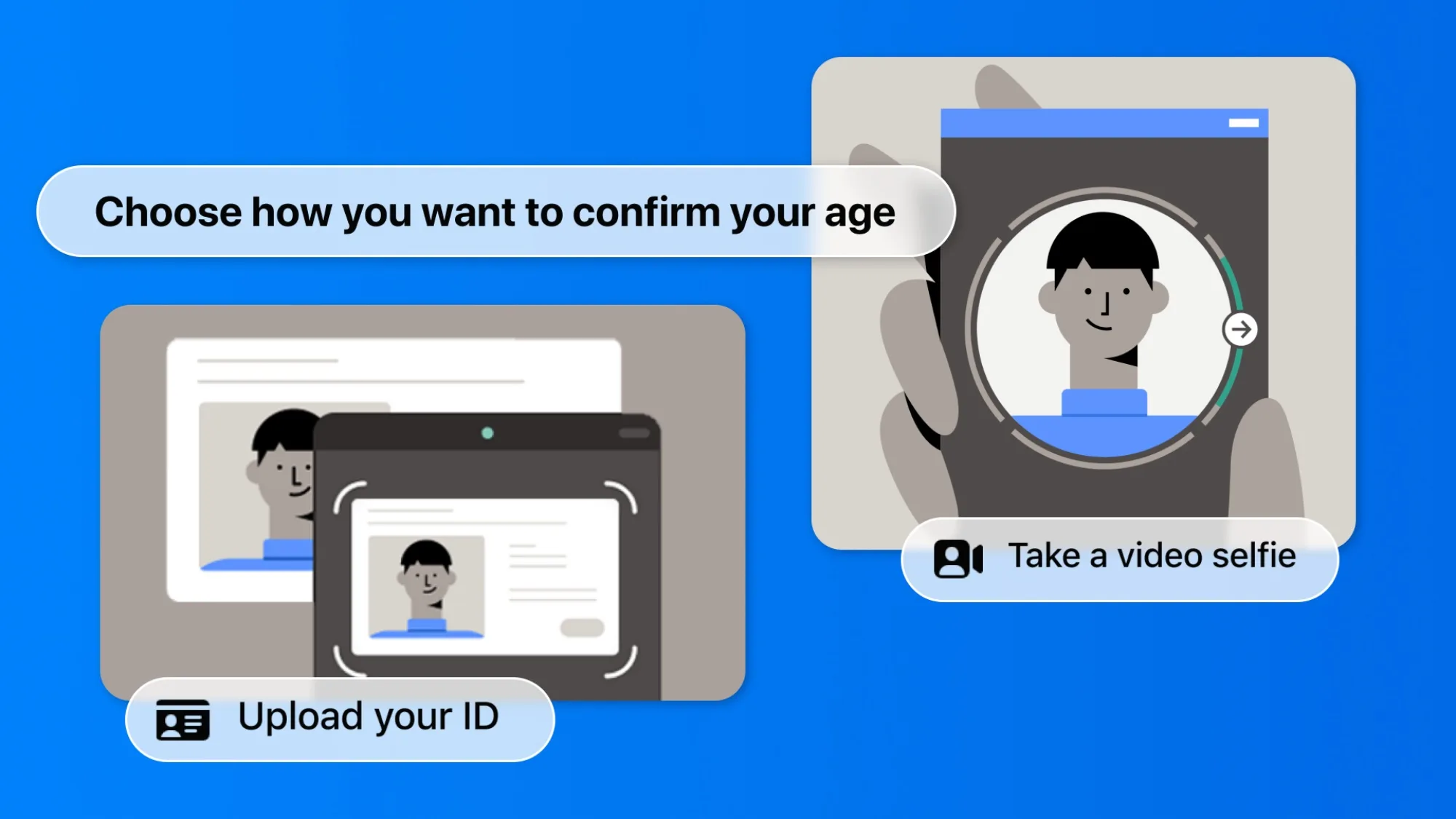
Naturally, the burning question is how these platforms will verify the user’s age. As per the FAQ page, the government is not prescribing a particular method, opting instead for a “technology-neutral” and “outcome-based” approach. Basically, it’s up to each platform to decide how to implement these checks, provided that they meet the requirements.
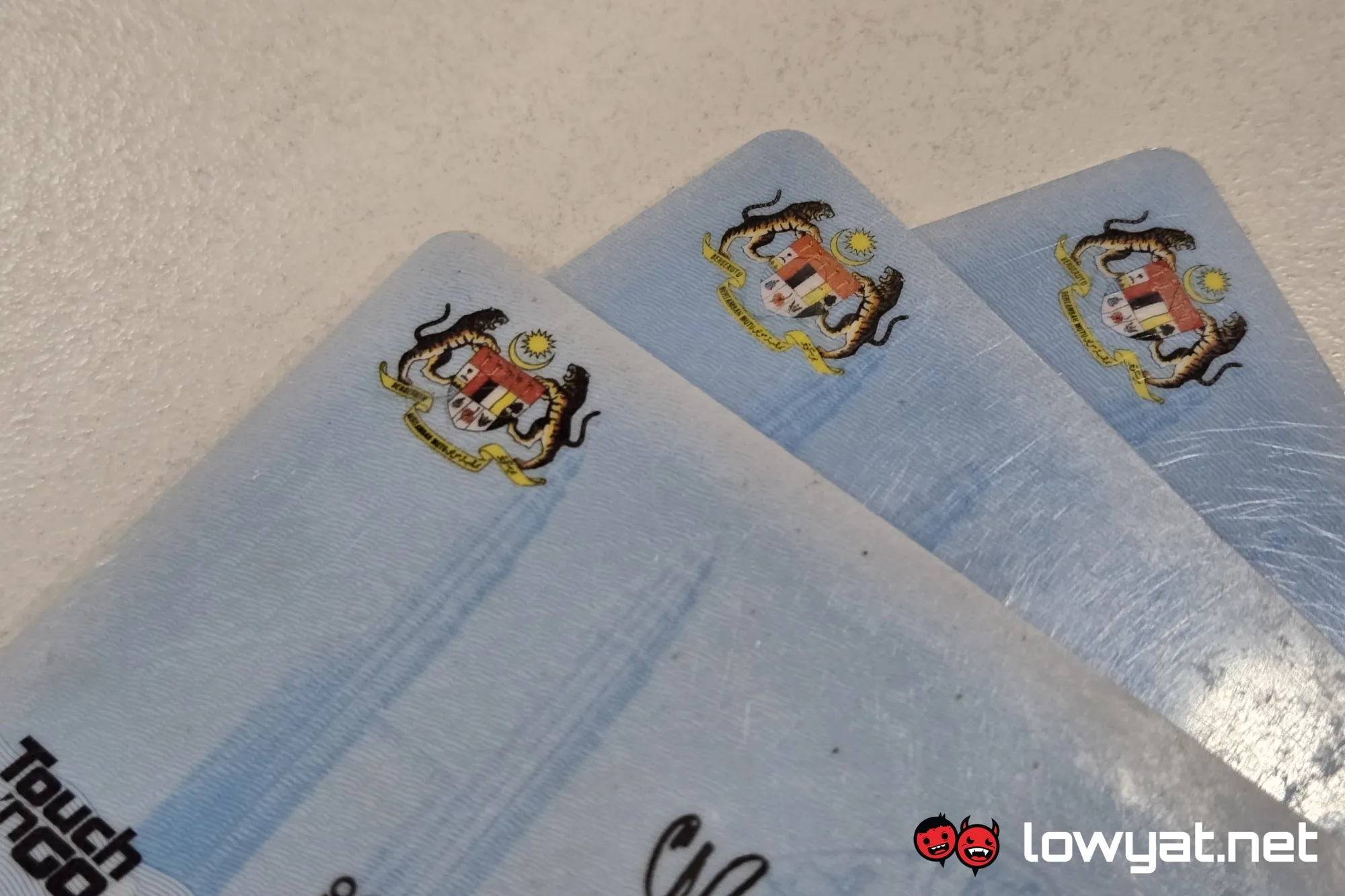
With this in mind, though, service providers must verify the user’s age based on government-issued records. Among the accepted documents are the MyKad, passport, and other relevant records recognised by the Malaysian government or equivalent foreign authorities.
 Also worth noting is the fact that the platforms must explain how the verification process works. This includes specifying the required information and how this data will be handled. Furthermore, MCMC highlighted that these measures must comply with Malaysian data protection laws and regulatory requirements. Essentially, the information collected must only be used for verification purposes and be handled securely.
Other Protections
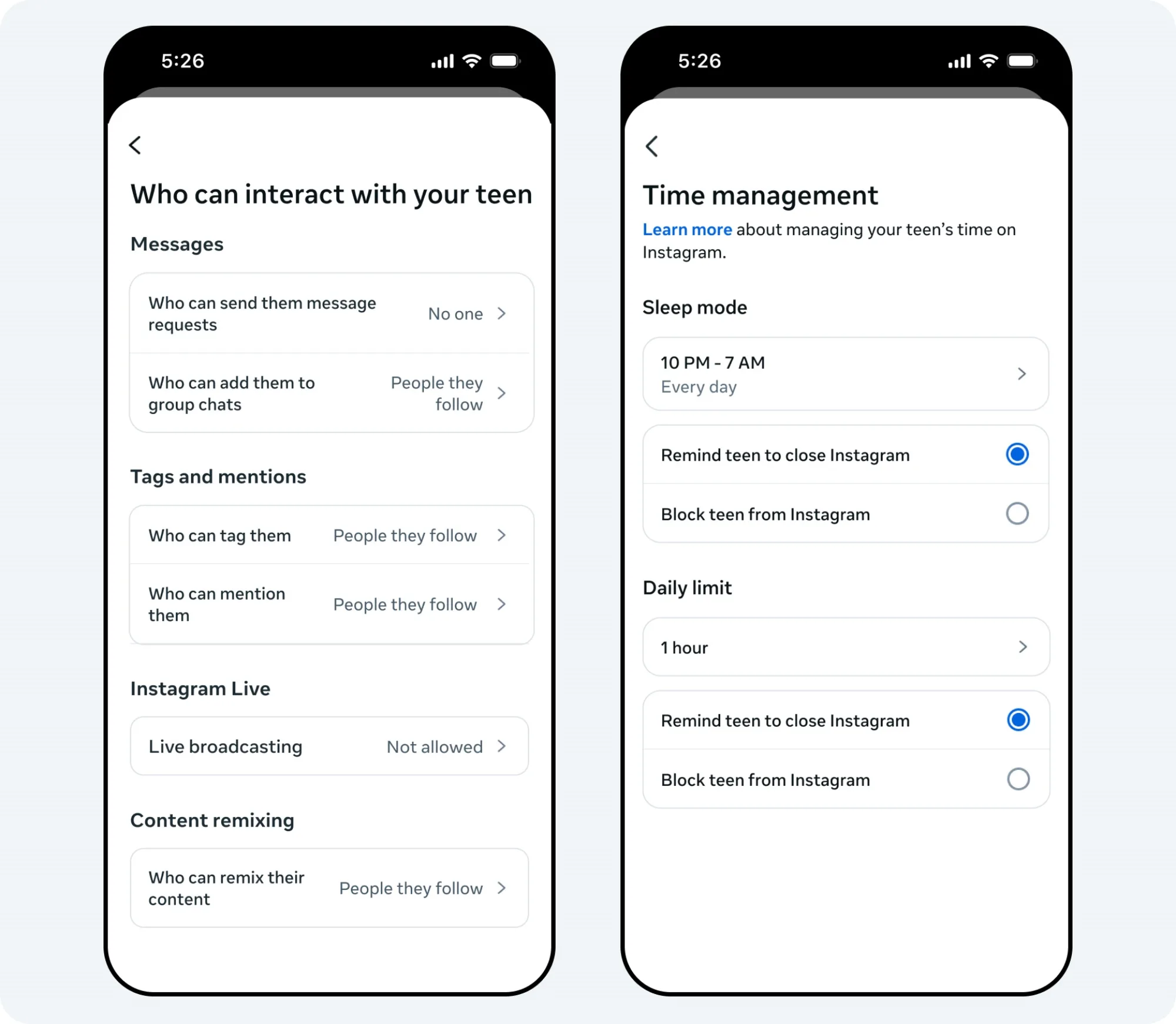
Aside from the age verification requirements, the CPC outlines safeguards for child users. These include the following protections:
- Highest level or age-appropriate privacy settings by default
- Restricted direct communication features between child users and unknown adult users
- User-friendly parental control tools for monitoring and managing online activity
- Safer recommendation systems that do not promote harmful content
- Clear reporting systems for harmful content affecting children

Additionally, the code details the types of content that fall under the harmful category. Among them are:
- Child sexual abuse material
- Financial fraud
- Obscene content
- Indecent content
- Content that may cause harassment or distress
- Content that may incite violence or terrorism
- Content that may induce a child to cause harm to himself
- Content that may promote feelings of ill‑will or hostility amongst the public
- Content that promotes the use or sale of dangerous drugs
Penalties For Failing To Comply
 These obligations apply to the social media platforms, so it makes sense that these platforms will face the consequences for non-compliance. As detailed in the CPC, these providers may incur fines or financial penalties of up to RM10 million.
Meanwhile, MCMC declared that the government will not impose punishments on parents or guardians for non-compliance. Still, parents are advised to monitor their children’s online activities.
For the time being, users are unlikely to see any immediate changes to their social media experience. Of course, that will change once these platforms begin implementing the age verification measures.
