
Social media platforms operating in Malaysia will require users to upload official government-issued documents such as identity cards or passports for age verification purposes following the implementation of two new codes under the Online Safety Act (ONSA) on 1 June 2026. The move is part of the government’s broader effort to strengthen online safety measures, particularly for younger users.
Deputy Communications Minister Teo Nie Ching said the new requirements fall under the Children’s Protection Code (CPC) and Risk Mitigation Code (RMC). As reported earlier, both codes were introduced by the Malaysian Communications and Multimedia Commission (MCMC) as part of the upcoming ONSA implementation.

Platforms Must Implement Their Own Verification Methods
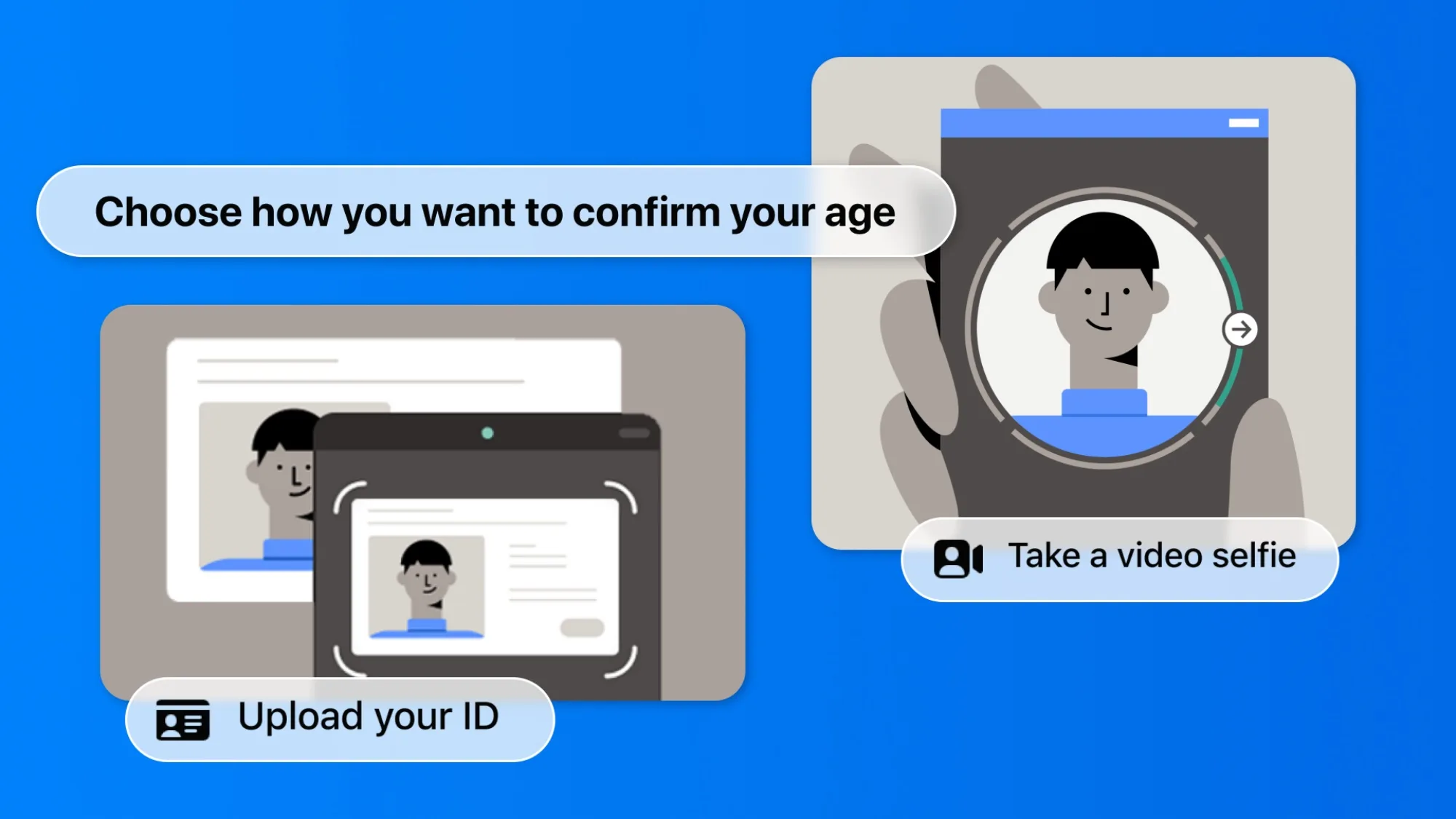
Speaking to reporters after officiating the Safe Internet Campaign Community Carnival earlier, Teo said platforms can no longer rely solely on self-declared ages from users. “Users need to verify their age using government-issued documents such as identity cards, passports or other official documents,” she said. “If it is merely self-declared, anyone can simply click and claim they are above 18-years-old.”
However, Teo also clarified that MCMC has not mandated any specific technology or implementation method that platforms must use to carry out the verification process. Instead, social media companies are expected to determine their own approach to comply with the new rules.

The government is also expected to provide a grace period for existing users to complete the verification process before enforcement begins. According to Teo, MCMC is still discussing a reasonable timeframe with platforms including TikTok, Facebook, and Instagram.
She added that users who fail to complete age verification may eventually have their accounts closed. Alternatively, platforms may need to rely on technologies such as artificial intelligence systems to determine whether users are aged 16 and above.
Questions Remain Over How Platforms Will Enforce The Rules
The announcement follows MCMC’s earlier publication of the CPC and RMC guidelines ahead of the ONSA rollout next month. The commission previously said the codes were developed through engagement sessions with industry players, civil society groups, and other stakeholders since the start of the year.
That said, the implementation details remain somewhat unclear given how close the enforcement date is. MCMC appears to be leaving it to platform operators to determine suitable age verification mechanisms without prescribing a standardised framework, which could potentially result in differing enforcement methods across services.
Privacy concerns may also arise if users are required to upload sensitive identification documents directly to social media platforms. This is especially if no centralised verification system or technical standard has been publicly outlined so far.
(Source: Bernama)
