
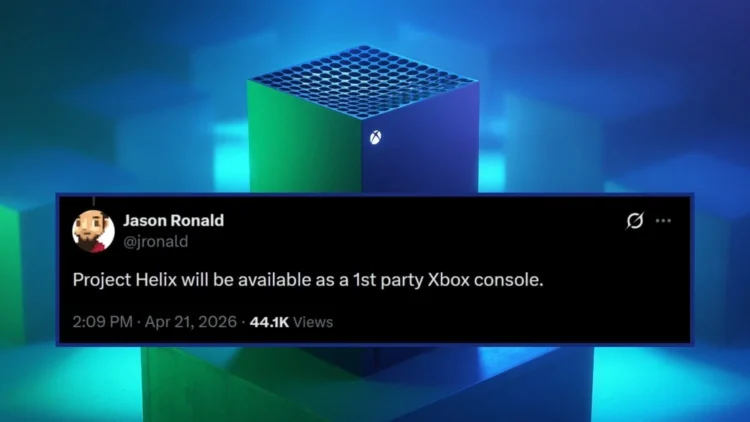
Microsoft has confirmed that it is still on course to release a first-party console. Well, if we’re getting into specifics, Jason Ronald, VP of Xbox Gaming Devices and Next Generation, confirmed that the company is making an official “Project Helix” console.
Ronald’s statement and response to a comment by KeplerL2 on the NeoGaf forums, who made the bold statement that Project Helix wouldn’t be sold directly to customers and that, in fact, they’d need to get from one of Microsoft’s OEM vendors.
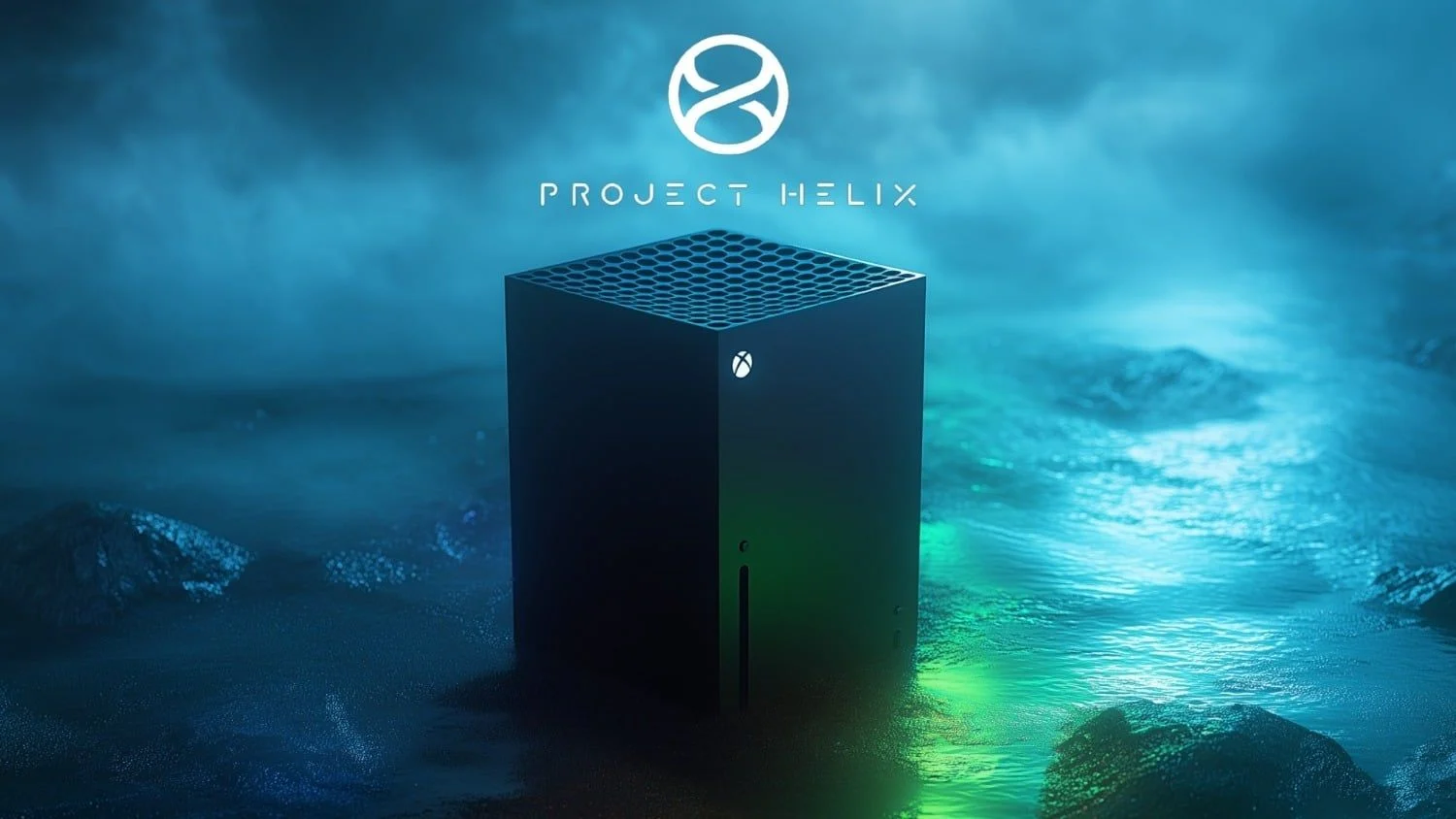
Ronald says that the Project Helix console will be first-party, meaning that it won’t be made through third-party manufacturers, such as ASUS or MSI. Additionally, as reported previously, the alleged console is expected to be PC-console hybrid of sorts, which more or less describes what it should be able to play when it launches.
The reaffirmation from Ronald comes at a time when the gaming industry as a whole thinks that Microsoft may have abandoned its endeavour of releasing a next generation Xbox console, and it’s not difficult to see why. Sales of its current console, the Xbox Series X and S, have been less than stellar, while its direct rival, the Sony PlayStation 5, has practically, if not effectively, dominated the market.
Diversification To Other Platforms
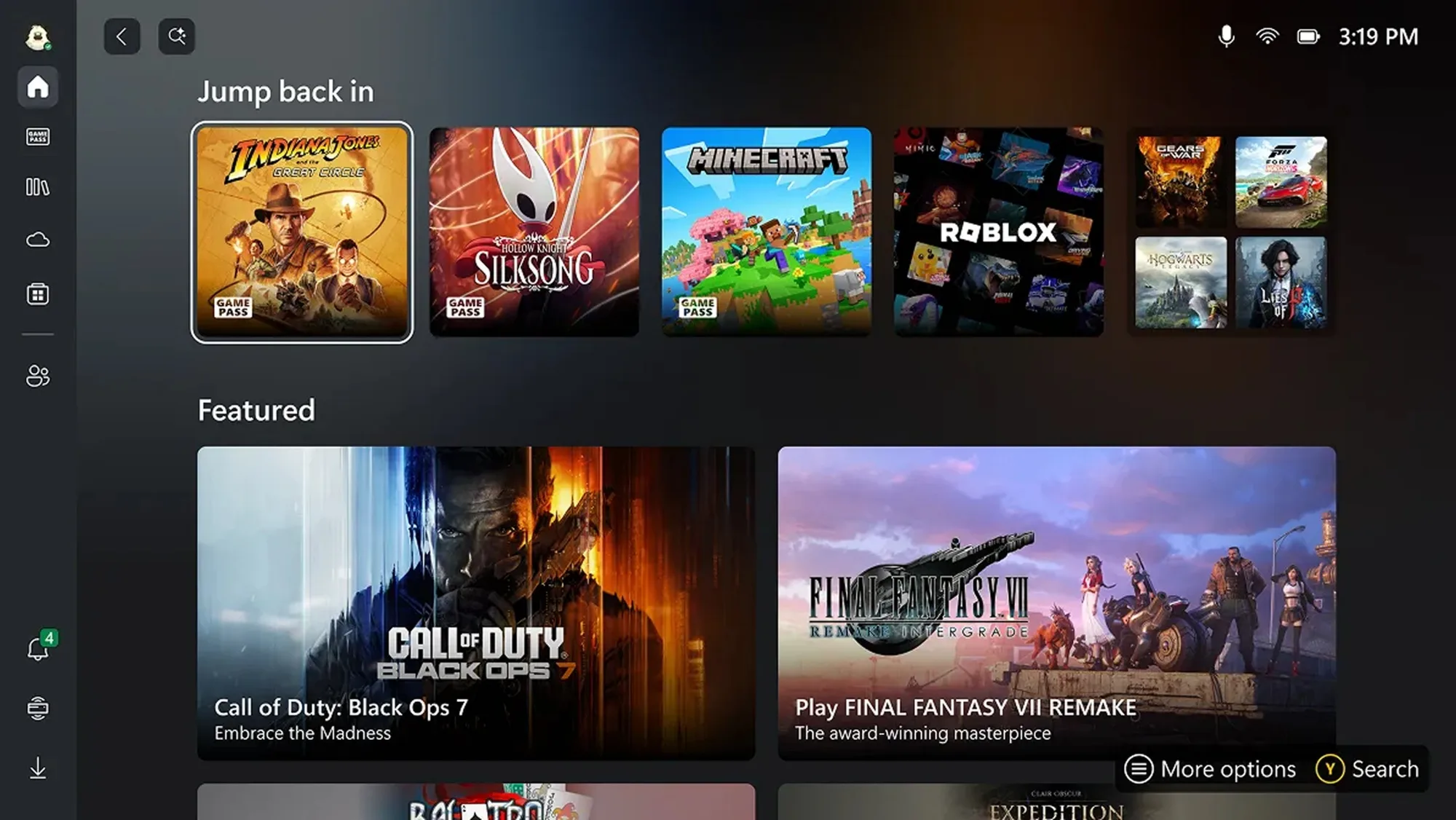
Before Project Helix, one of Microsoft’s off-tangent moves to diversify its Xbox portfolio came in the form of a collaboration with ASUS: The ROG Xbox Ally X. To call that an Xbox console is definitely a stretch, but for what it was worth to the company, the move set a precedent for the Xbox UI or, in this case, the Xbox mode for “all Windows 11 PC form factors”, announced during this year’s Game Developers Conference in March.
As far as hardware goes, there is still no details on the kind of hardware the Project Helix console would use. Of course, considering the past two generations of Xbox — again, much like the Sony PlayStation 4 and 5 — were all powered by a custom APU from AMD, it wouldn’t surprise us if the company continued the tradition.

In any case, we’re just going to have to wait until next year to see what comes out of this. Assuming, of course, the current memory shortage breaks its fever, and things return to normal.
