

As the government continues to advance its digital aspirations, more services will soon require MyDigital ID. Among such services are marriage registrations, passport renewals, as well as death certificates.
Digital Minister Gobind Singh Deo recently revealed that while signing up for MyDigital ID is currently not compulsory, the digital identity platform will be integrated across major public and private sectors starting next year. These include not only financial services, but also healthcare and telecommunications.
As it stands, telcos have already started integrating the technology into their respective apps. New prepaid SIM registrations will now require MyDigital ID as part of the identification process.
Incentivising MyDigital ID adoption
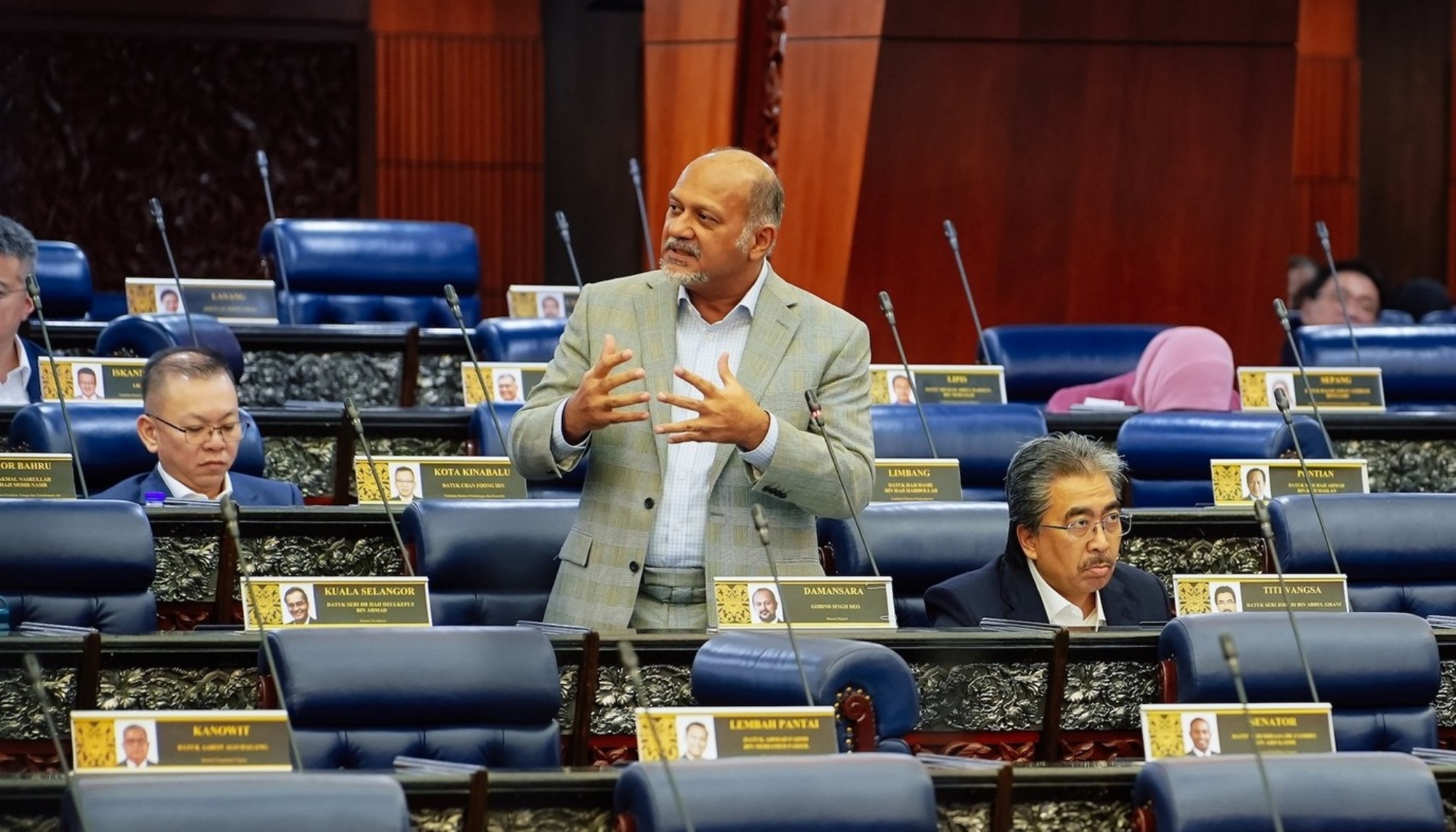
The government is looking to boost the adoption of MyDigital ID among Malaysians by embedding it into crucial, high-traffic services. He went on to explain that the aim is to create a system that is convenient, secure, and essential, so that people will be naturally inclined to use it.
Furthermore, the government is targeting widespread adoption, with plans to accelerate the process through 2025 and 2026. This is because the verification system will serve as the single universal key for the MyGov app. Of course, these platforms are a core part of the GovTech initiative.
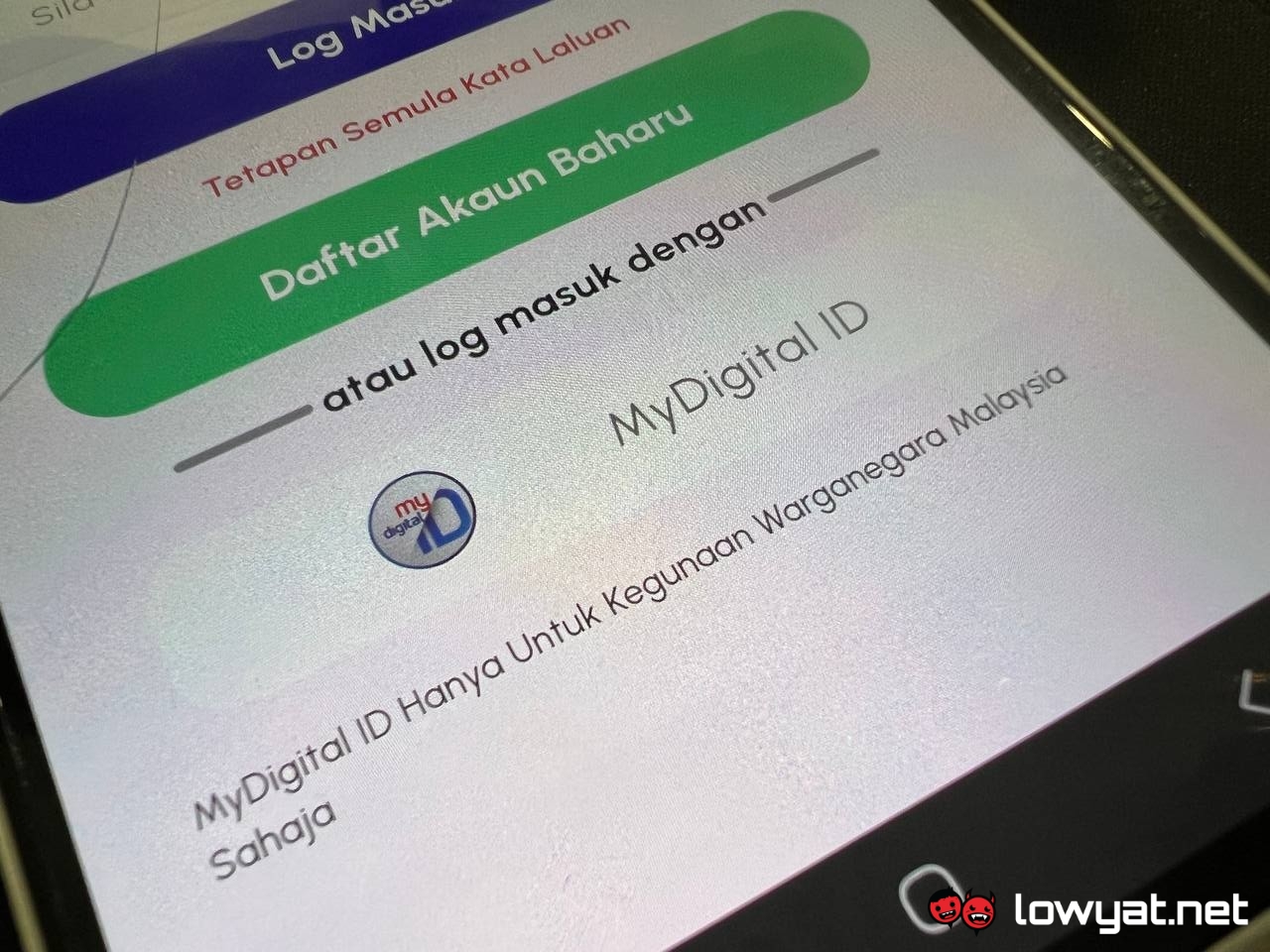 Starting from next year, MyDigital ID will be needed for services like police summonses, Road Transport Department (JPJ) services, government payments, public housing services, travel facilities as well as government financial aid. Additionally, the platform will be used for secure logins to major government apps like MyJPJ and MyBayar PDRM.
According to Gobind, the goal is to have 95% of all federal government services to be online by 2030. As of 8 December, MyDigital ID has seen roughly 6.36 million registrations. Aside from that, the platform has recorded an average of 50,000 daily sign-ups.
Why MyDigital ID?
The minister proclaimed that the platform is the key that unlocks Malaysia’s digital economy, replacing multiple logins and paper-based systems that are deemed as inefficient. He went on to highlight convenience as one of the platform’s advantages. The single sign-on capability eliminates the need for multiple usernames and passwords for accessing the various services, making transactions smoother and quicker.
Aside from that, Gobind asserted that strong security protections are in place, reducing instances of identity theft and fraud. As the platform is purely for verification and authentication platform, it works by cryptographically linking the user’s digital ID to existing records in a one-time process. Furthermore, it does not store personal data or track user activity.
(Source: The Star)
