

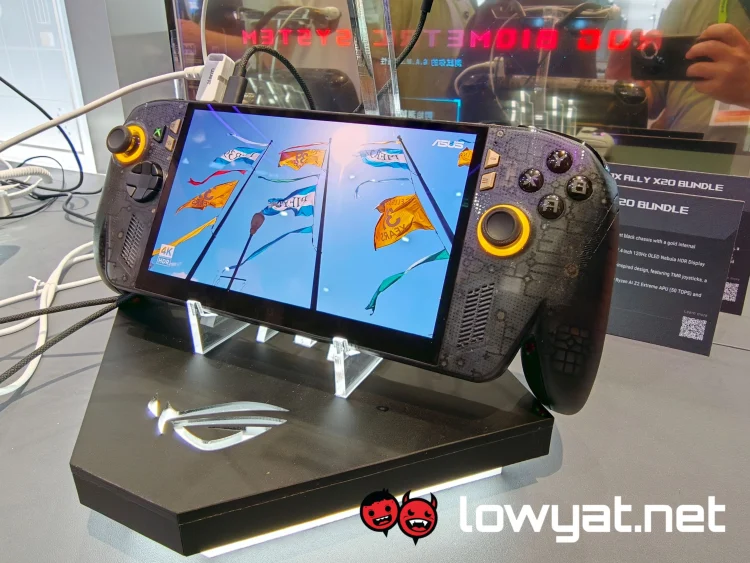
It’s official: ASUS did indeed launch a new ROG Ally handheld during Computex 2026, but it’s not an Ally 2 or anything of the sort. Instead, the brand gave us something else: the ROG Xbox Ally X 20th anniversary edition, or simply referred to as the X 20.
On the surface and at a glance, it’s easy to brush off the X 20 as nothing more than a cosmetic update of ASUS’ current handheld flagship. But no, there is actually so much more to it than just a new black chassis and gold trimming.
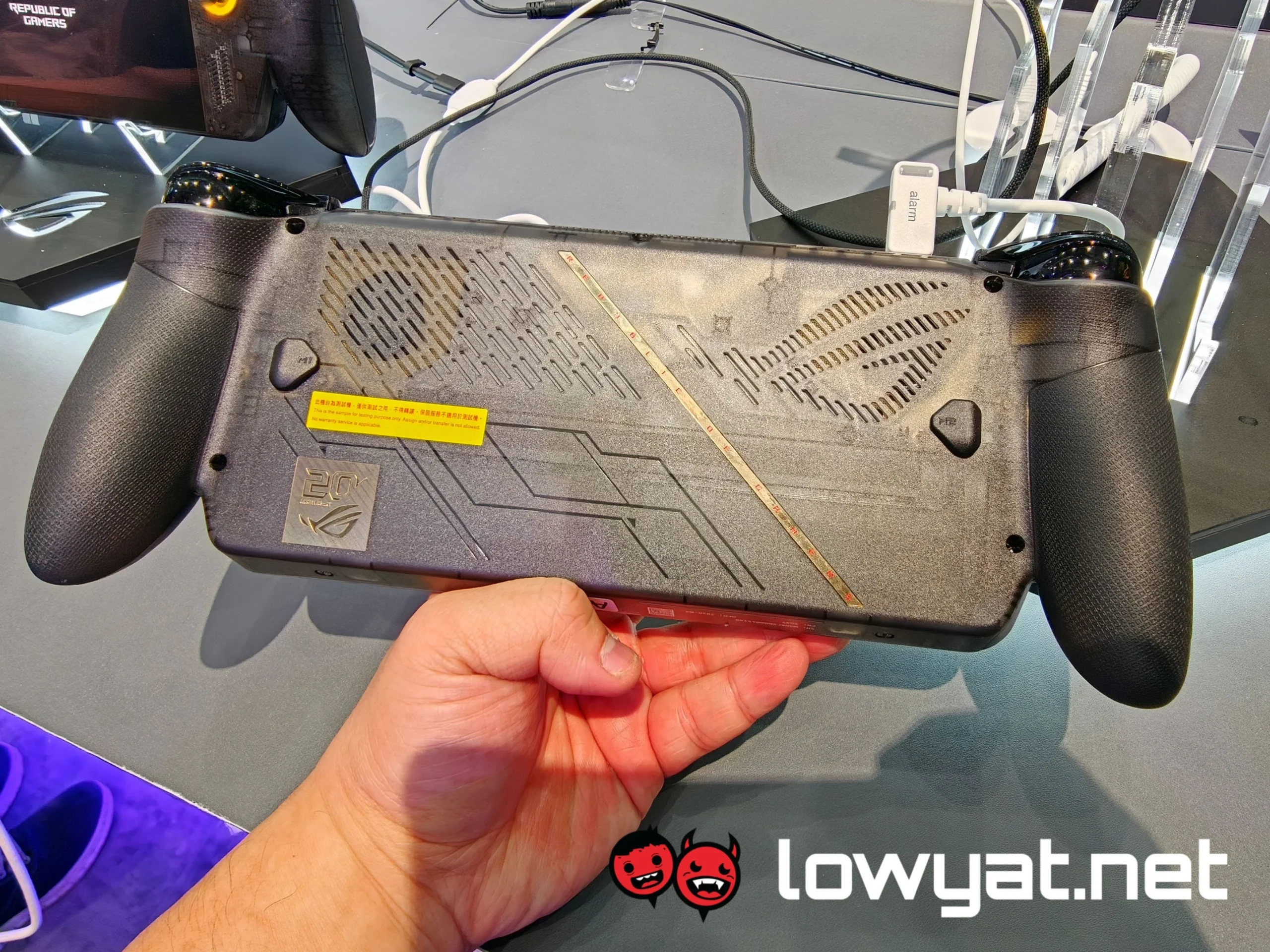
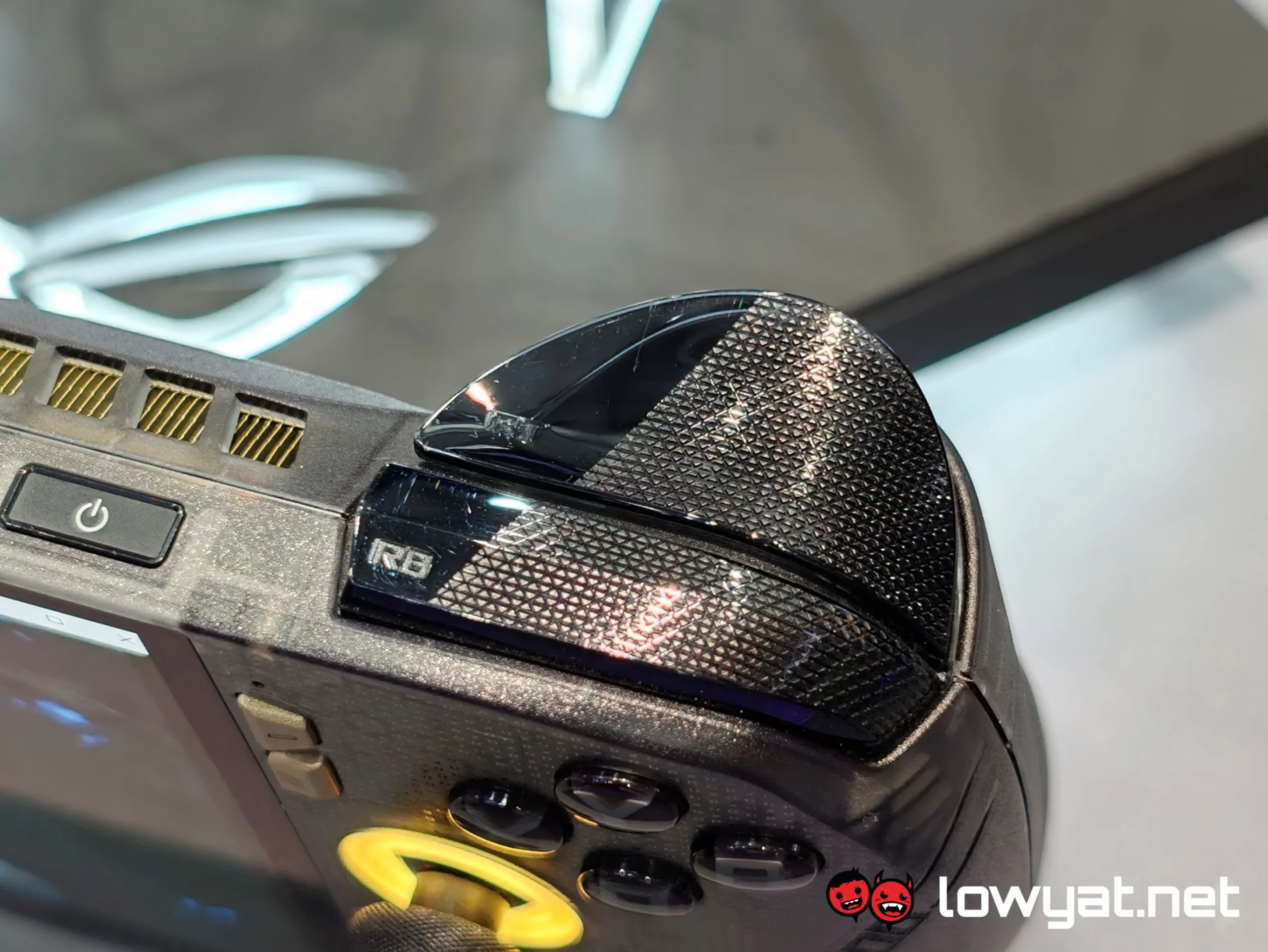
And that actually opens up this hands on nicely: the aesthetics. As part of the 20th anniversary of ASUS ROG, the whole chassis of the X 20 is made entirely of transparent black plastic and gold trimmings around the rims of the joysticks and the back of the console. Further, the back of the prongs has had rubberised grips added to the back, providing yet another layer of stability and comfort when holding it in hand.
Honestly, those rubberised grips do make a difference, as it makes it feel more comfortable, reducing the fatigue that I tend to feel in my hands, and that’s saying something for the 15 or so minutes I spent playing with it.
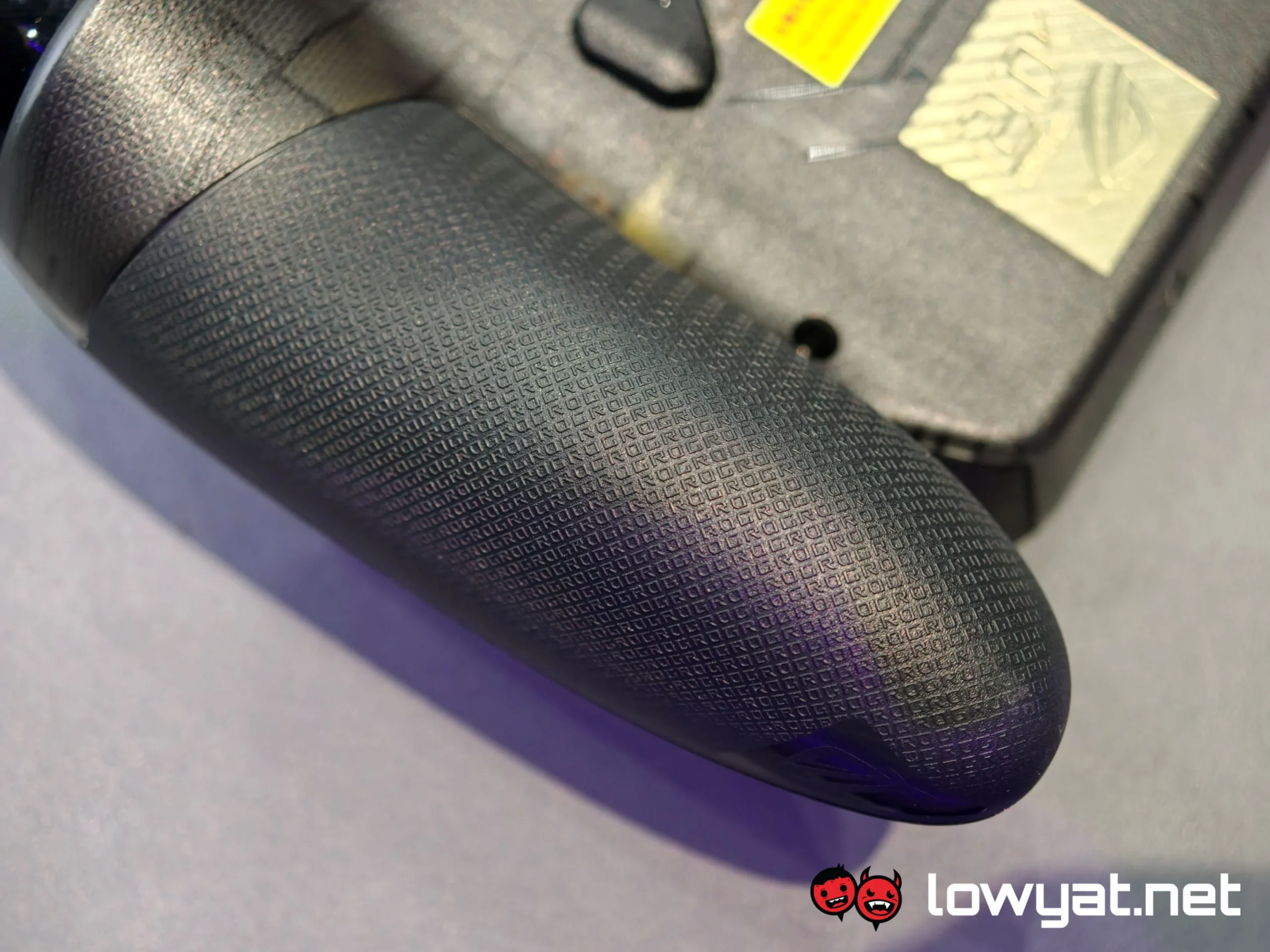
A floor rep was also quick to point out that because of the changes to the X 20, the console is actually a little bit heavier than the standard Xbox Ally X, but again, it’s actually so minute that I don’t feel it, and I doubt you would too.
The display has also been given a facelift. Taking a page out of Valve’s playbook, ASUS has upgraded it from a 7-inch IPS panel to an enlarged 7.4-inch OLED panel, while still retaining the same 120Hz refresh rate. My time with it was brief on the show floor, but I can see that it had all the hallmarks typical of the panel: deep, inky blacks, and rich, punchy colours.
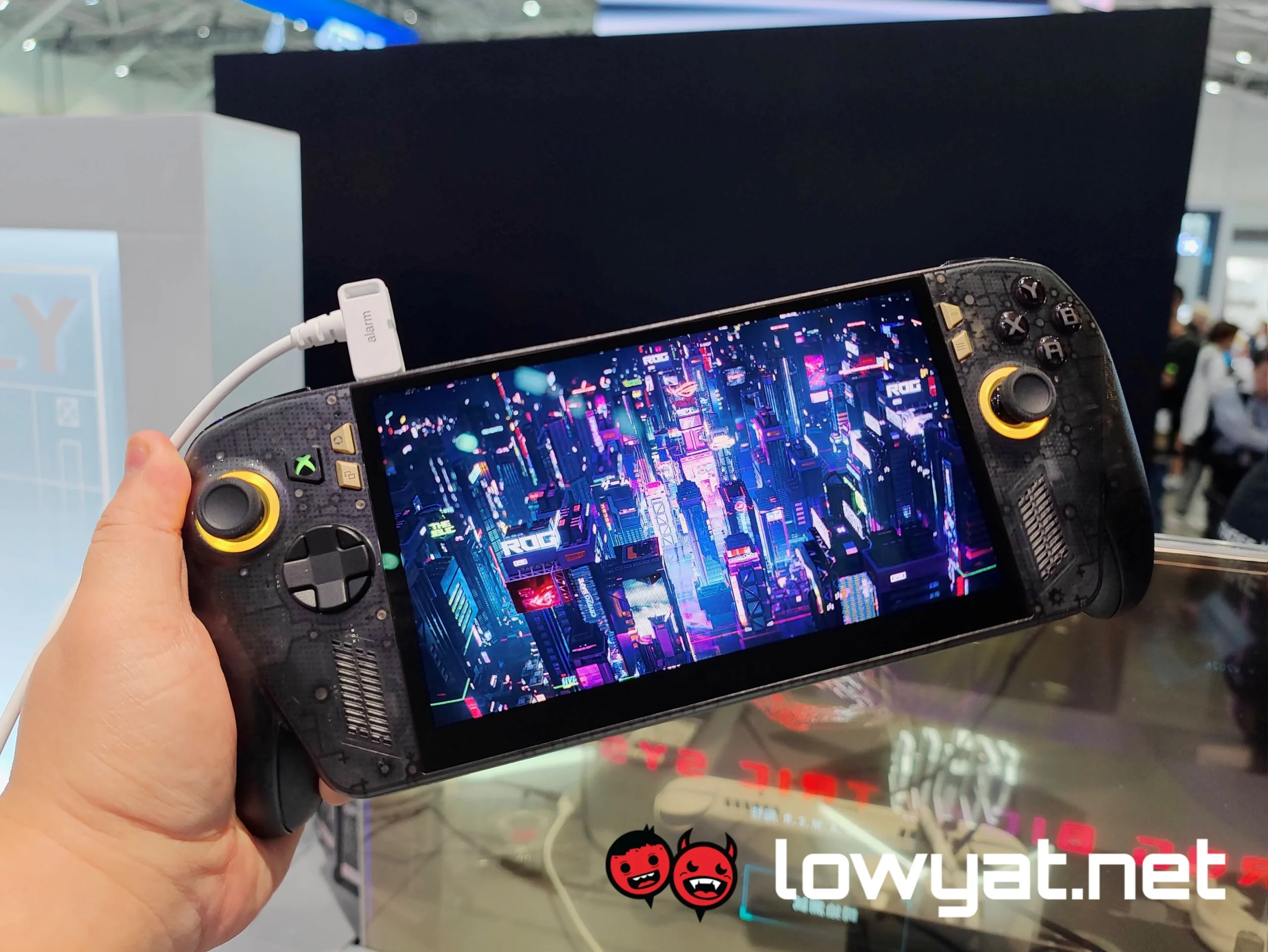
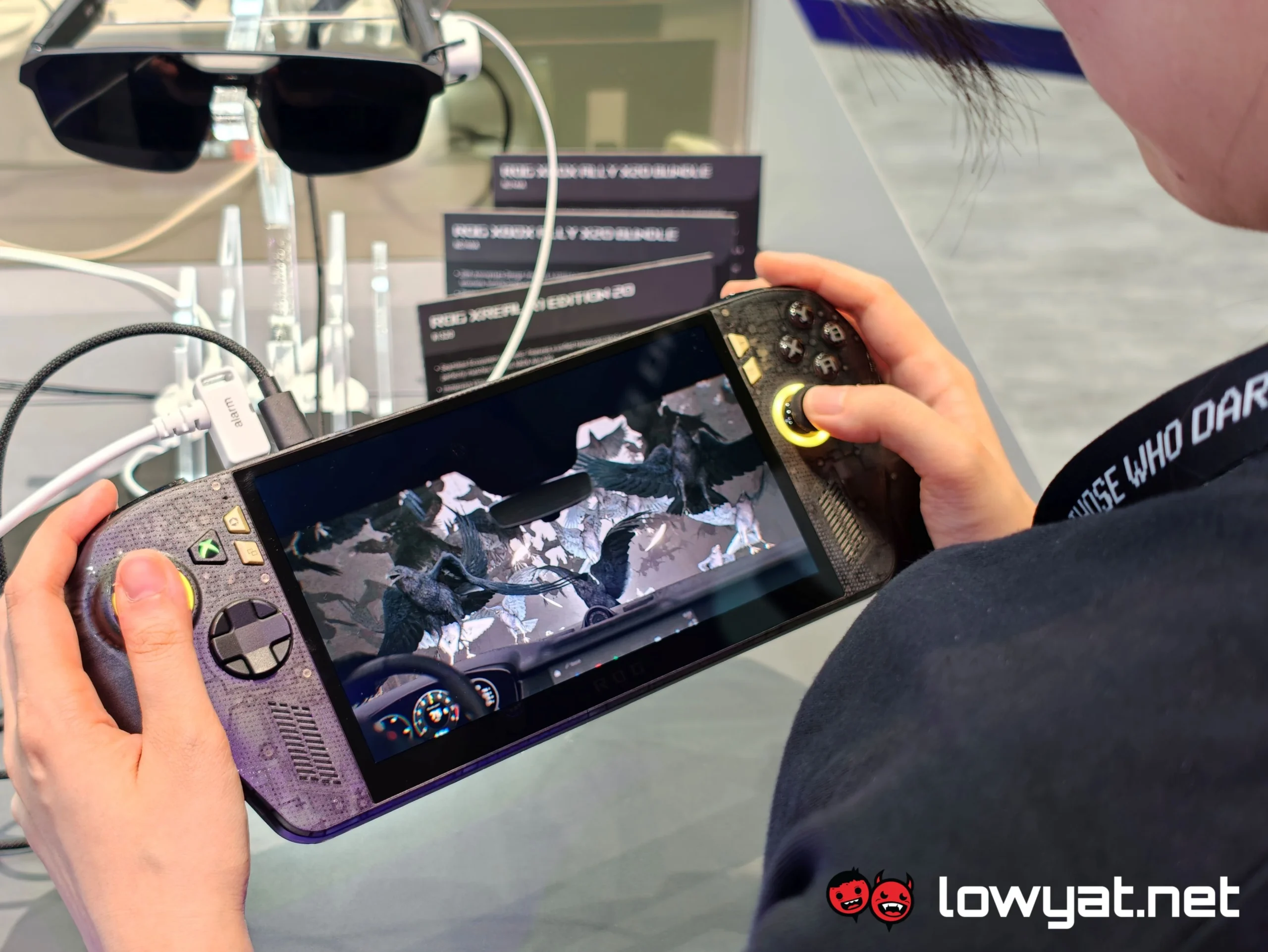
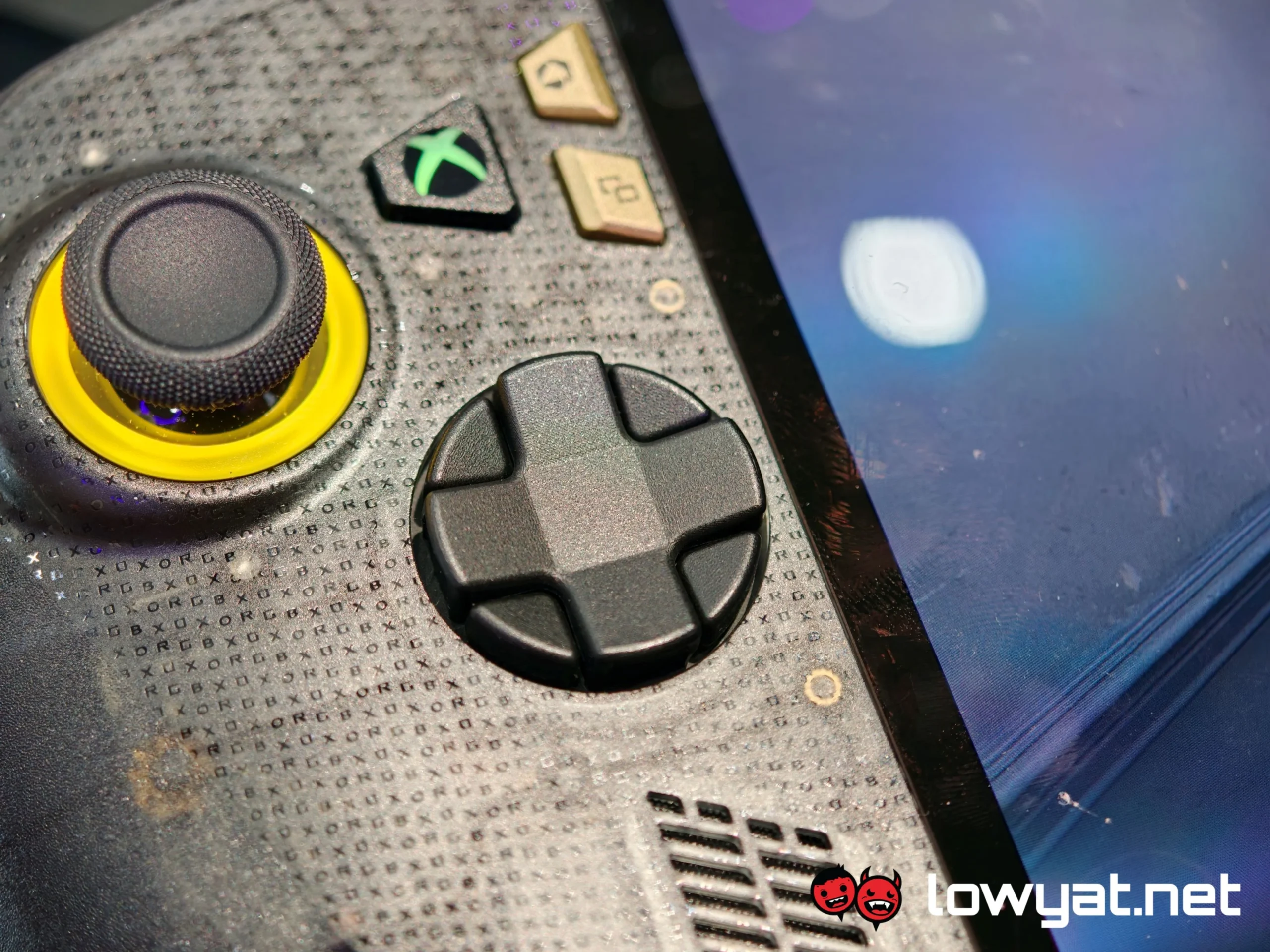
The changes to the X 20 also extend to the shoulders and trigger buttons, as well as the joysticks. The shoulders and triggers have been realigned and stiffened up, and feel more tactile. The joysticks have been upgraded to tunnel magnetoresistance (TMF) switches, which are more resistant than standard switches and more power efficient that hall effect ones. Plus, they feel more rigid by design too, reducing the dead zones in the joysticks to a really small area.
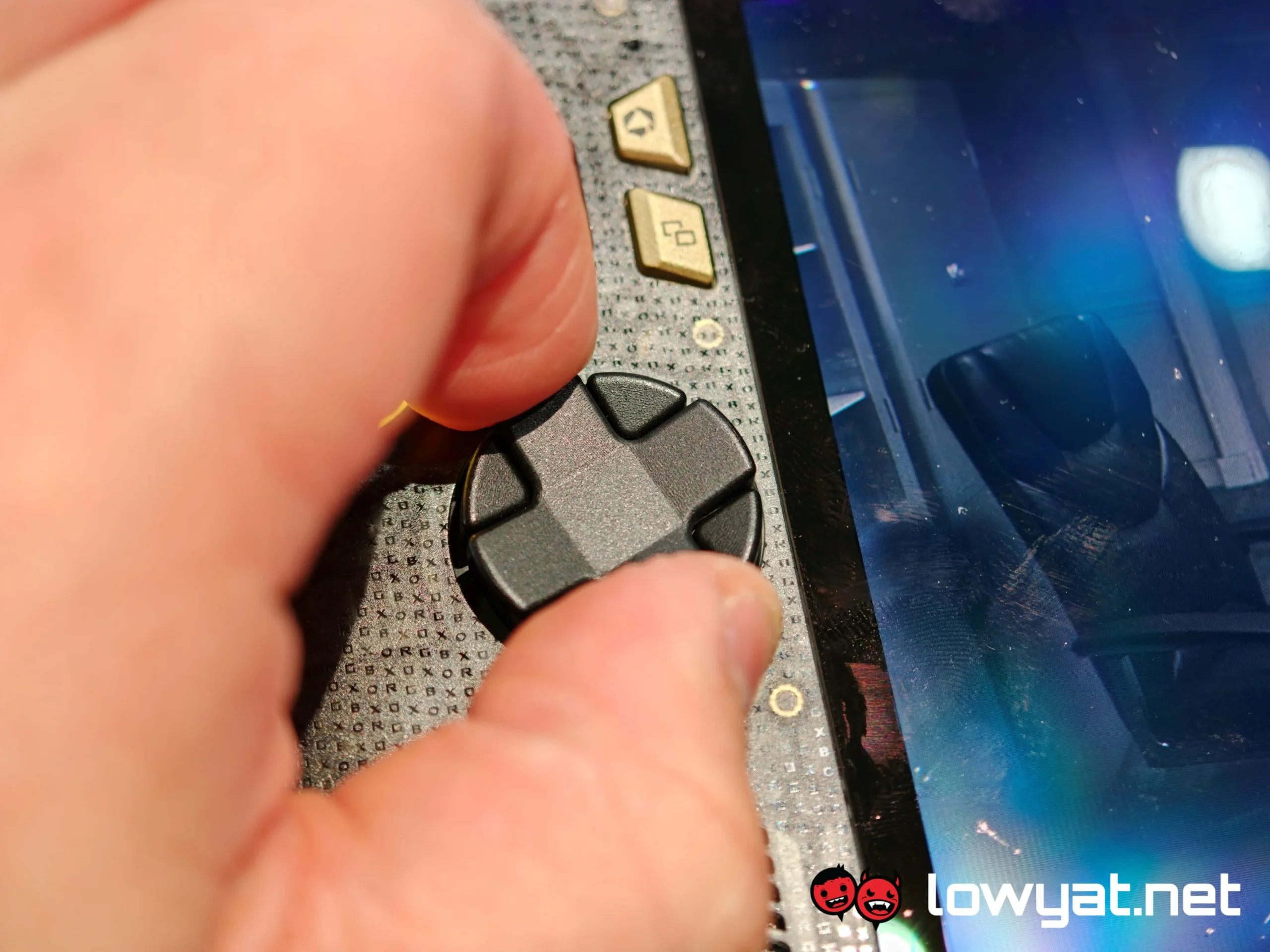
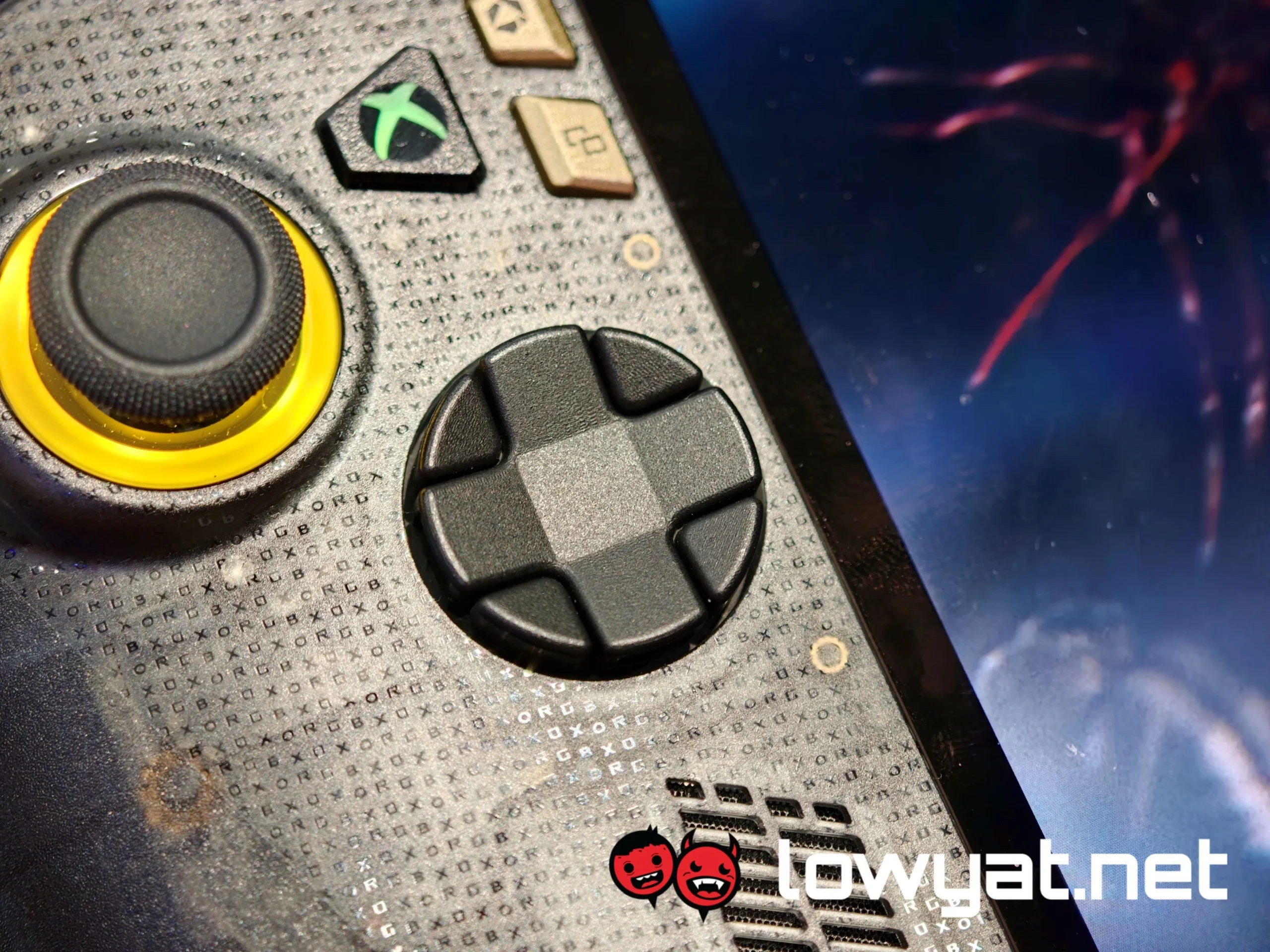
The D-Pad and face buttons also feel more tactile, but the party piece of the two is the former’s ability to be rotated; turning it by 90° changes the layout and surface, from raised directions for retro RPG titles, to a smoother and more fluid feel for the ones that like fighting games. Oh, and the Xbox button now glows the console’s iconic green.
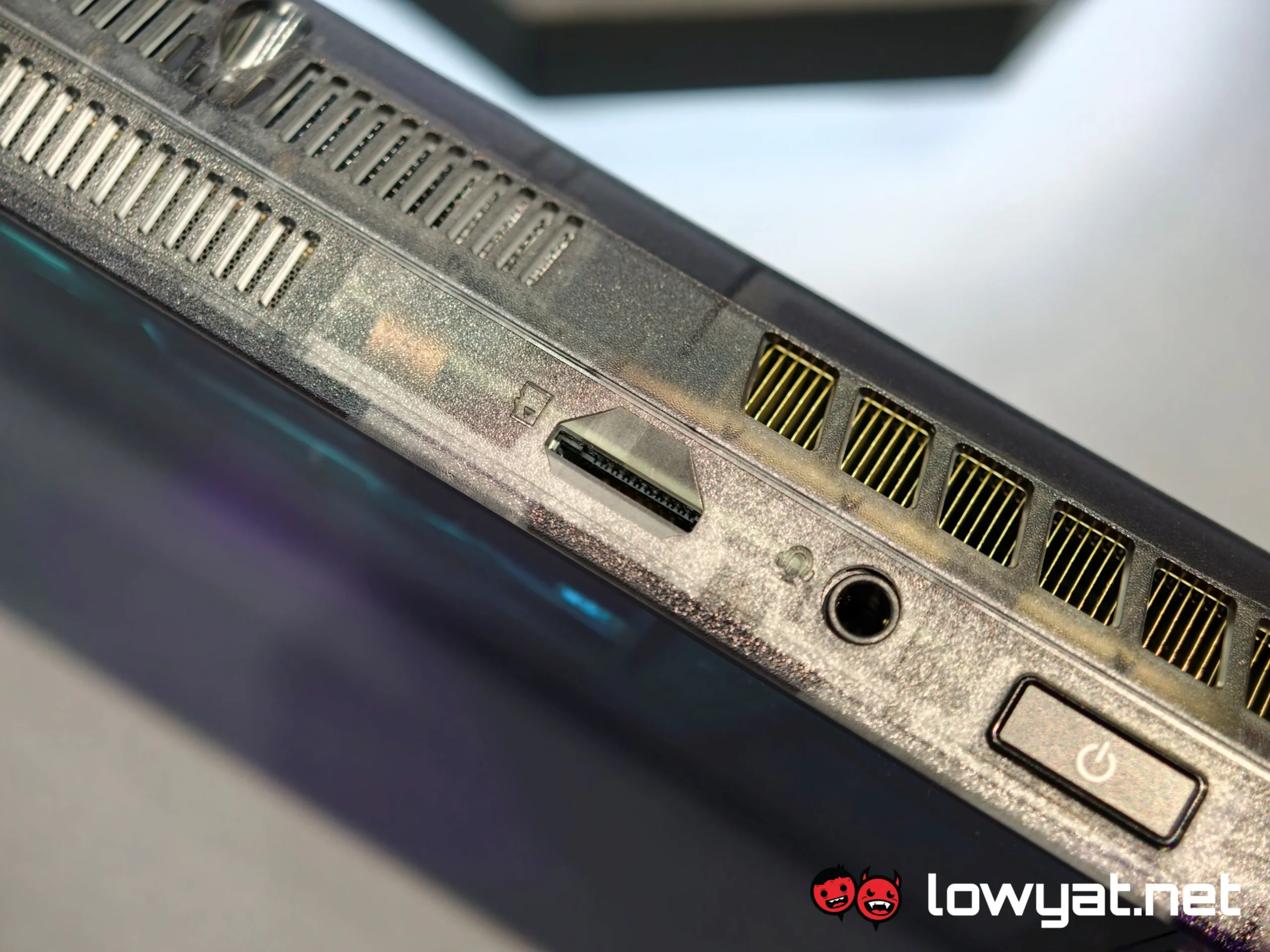
Internally, the X 20 remains more or less the same, featuring an AMD Ryzen AI Z2 Extreme SoC, 24GB LPDDR5X RAM, and 1TB of PCIe 4.0 storage. What has been changed is the PCB inside, and ASUS has replaced the microSD card slot with a microSD Express slot. This effectively makes this console the second handheld to support the medium, after the Nintendo Switch 2. It’s a smart move when you think about it; rather than having folks changing out the internal SSD with a higher capacity, the MicroSD Express slot gives users an opportunity to expand and load games from an external SSD, effectively.
There’s also the evergreen question that inevitably gets asked: how much will it cost? While an exact figure remains shrouded in mystery, ASUS has made it clear (somewhat) that, given the nature of the X 20, it’s not going to be cheap and will be sold at a price that is higher than the standard Xbox Ally X.
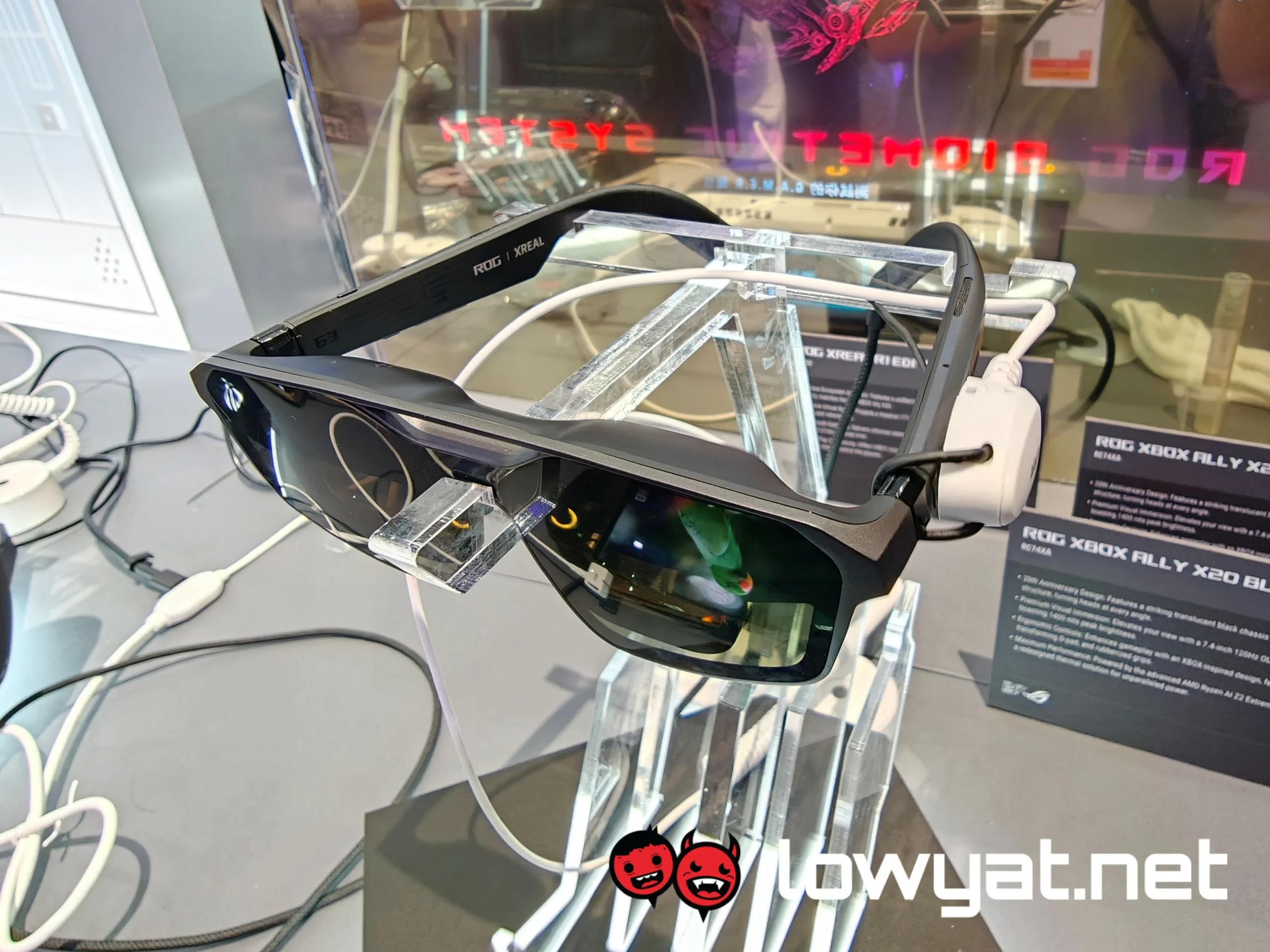
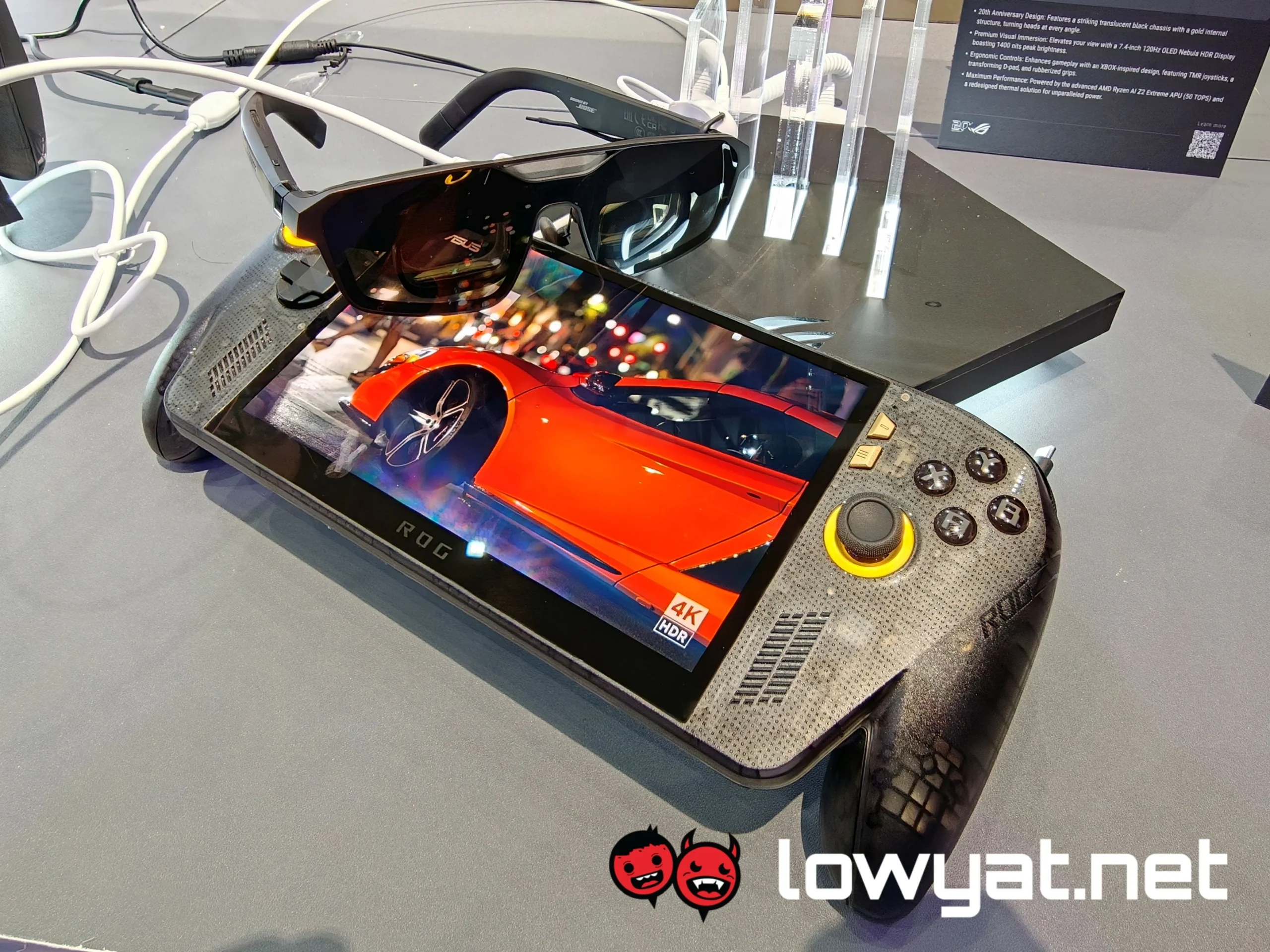
That’s the first half of the bad news. Given its rarity and the special edition nature of the handheld, ASUS will only be selling the X 20 bundled with the 20th anniversary ROG Xreal glasses. Again, don’t have the exact price of it, but an ASUS representative we spoke to suggested that it would be somewhere within the RM10,000 range when it arrives in Malaysia.
