
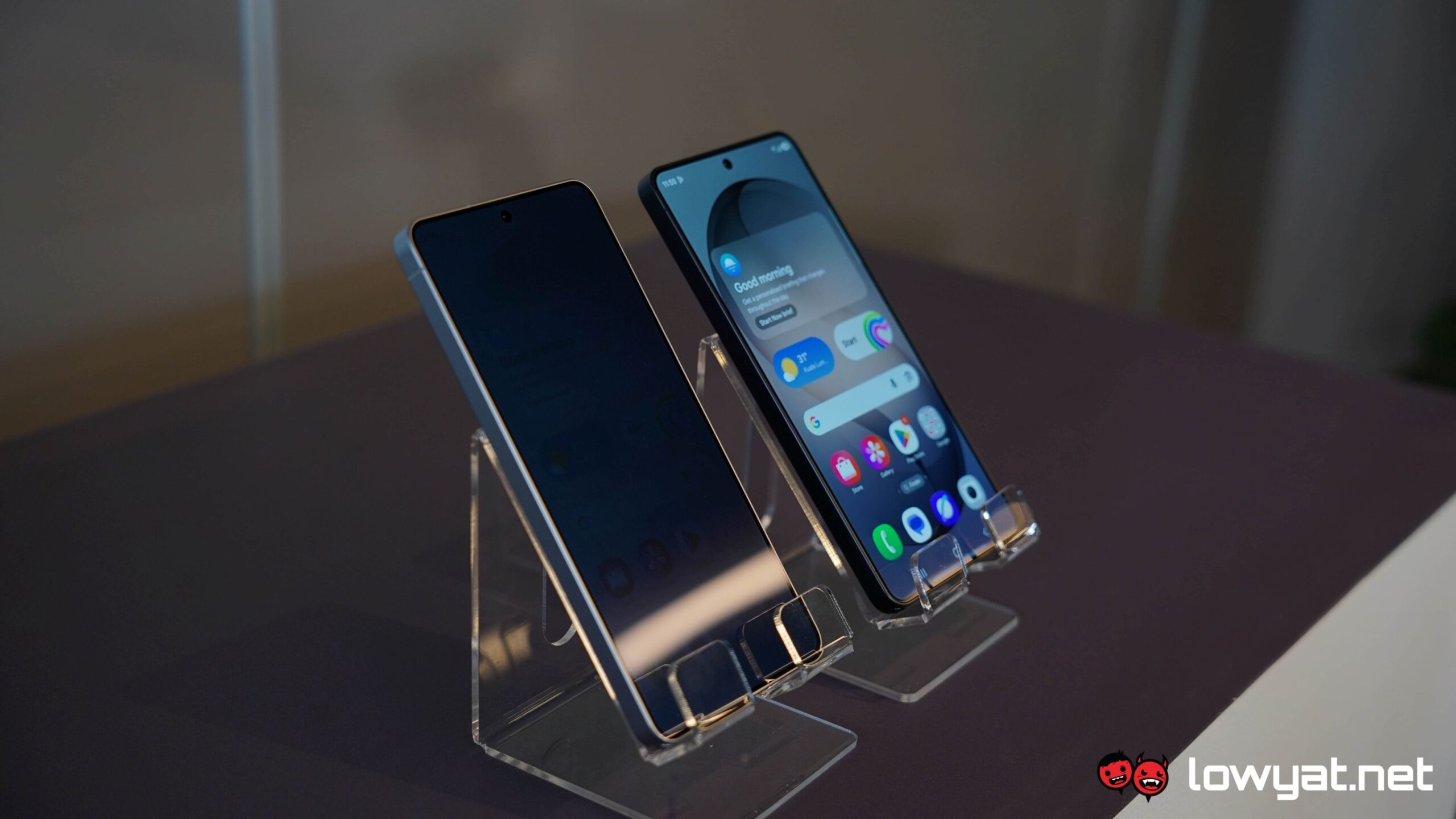
We’ve discussed at length how the Galaxy S26 Ultra doesn’t offer much compared to the Galaxy S25 Ultra, aside from the new Privacy Display feature. To quickly bring you up to speed, the feature is essentially a built-in privacy screen protector that limits viewing angles from prying eyes. However, recent reports suggest that this new feature is quite literally giving Galaxy users some headaches.
Several users on Reddit have reported experiencing eye strain, headaches, dizziness, and nausea after using the device. The issue was so prominent that some had no choice but to return it.
S26 Ultra has been causing me eye strain, am i the only one?
byu/Educational_Bike_403 ingalaxys26ultra
Many Redditors believe that the new Privacy Display is a possible cause, as it is the biggest addition to the smartphone lineup. However, at the time of writing, there is no clear evidence linking the feature to the issue. This detail is important because some users say they still experience the symptoms even with the feature turned off, suggesting that it might be an issue with the display itself.
In addition to this, another Galaxy S26 Ultra user mentions that the text and characters look slightly fuzzy around the edges. It is a subtle detail, but the user says it feels like “there’s a slight blur or filter over everything” and that after about 15 minutes, they start feeling nauseous. The Redditor adds that this feeling goes away immediately after switching back to the S25 Ultra.
On that note, it’s worth mentioning that this issue only affects Galaxy S26 Ultra users; there are no similar reports for the base Galaxy S26 or Galaxy S26+ smartphones. Since the news broke out, more users have come forward reporting similar experiences. Interestingly, not everyone seems to be affected, suggesting that the issue may come down to individual sensitivity.
PWM Dimming Rate To Blame?
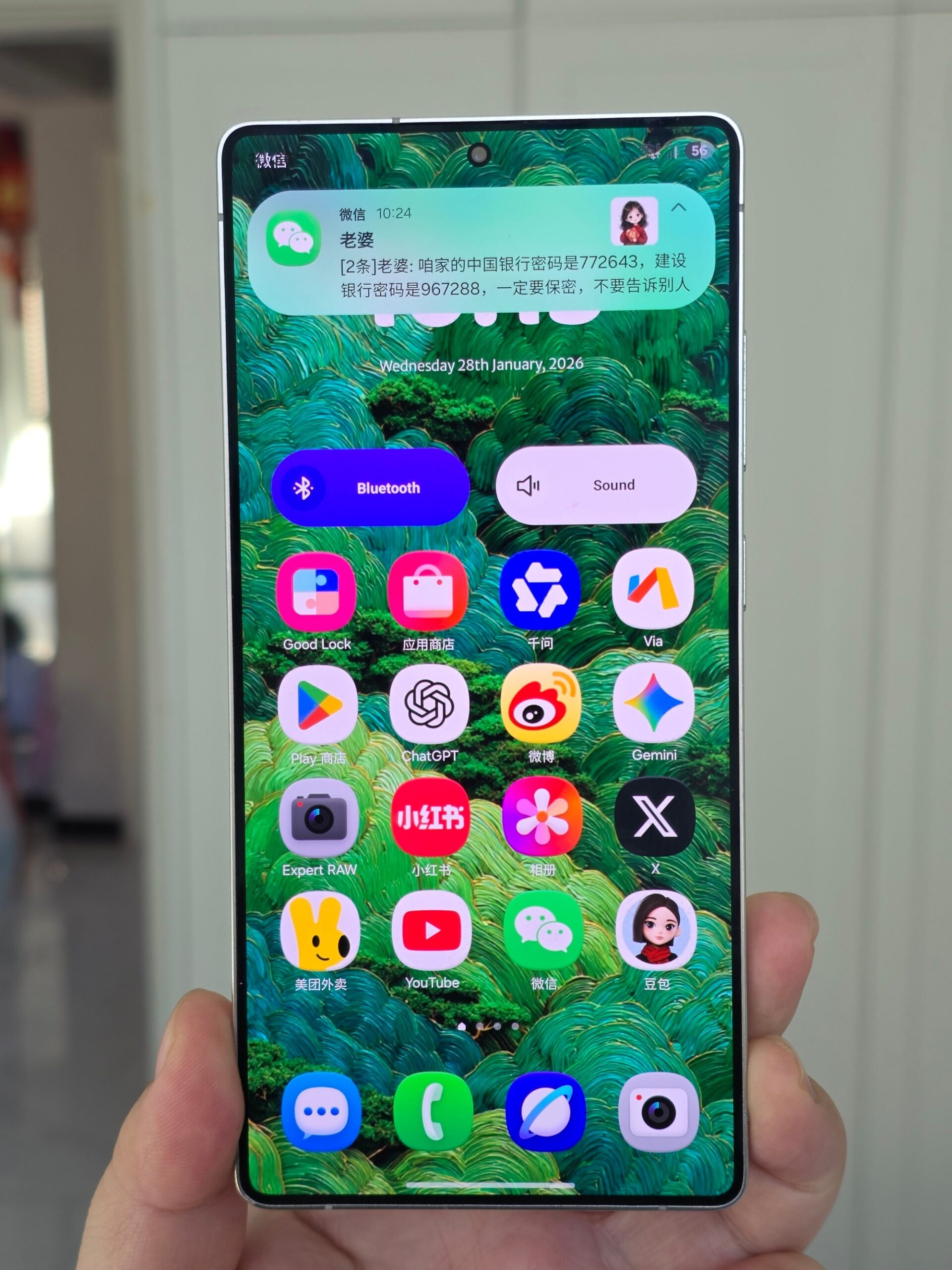
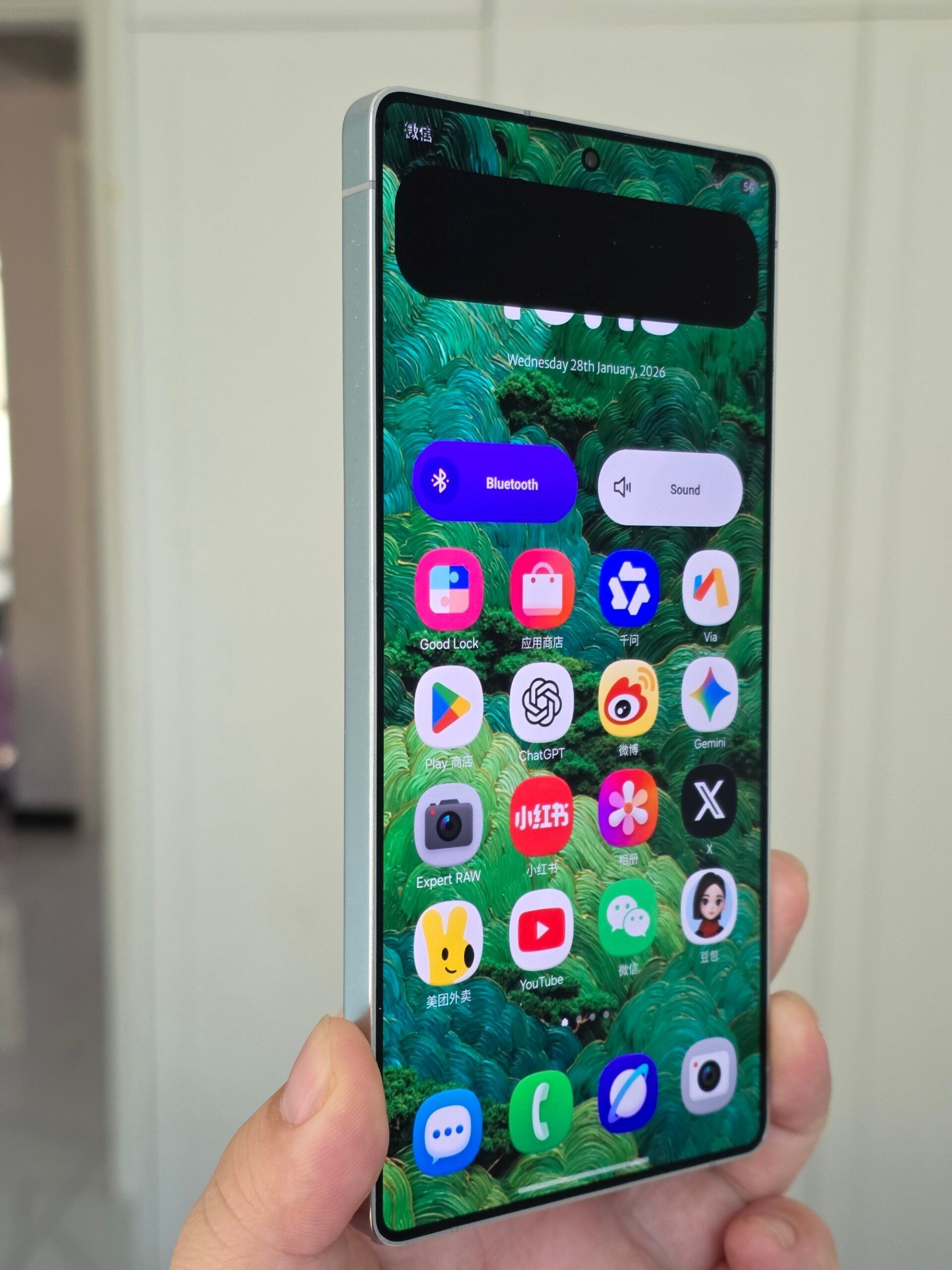
Since the issue has been a literal headache for many users—regardless of whether the Privacy Display feature is on or off—some believe that it may be related to the phone’s PWM dimming rate. For those unfamiliar, PWM (pulse-width modulation) dimming is a technique commonly used in OLED and AMOLED panels, where the display rapidly turns pixels on and off to control brightness. This flickering creates the illusion of a brighter or dimmer screen, which is often more efficient than simply reducing voltage.
Most people usually don’t experience this, but some do. Reports say that PWM dimming needs to occur at 3,000Hz or faster to be safe for a vast majority of people. The reason why the S26 Ultra is causing some users some level of discomfort is because various reports suggest that it has a PWM dimming rate of around 480Hz. Samsung isn’t alone in this, as Apple’s iPhone 17 reportedly has the same PWM rate of 480Hz. Meanwhile, other smartphones, like OnePlus’s 15R, have a dimming rate of 3,840Hz.
Before we move on, it’s worth noting that the S25 Ultra also has a 480Hz dimming rate, making it unclear why the Redditor mentioned earlier only experiences discomfort with the S26 Ultra. It could be due to a combination of the relatively low PWM dimming rate and the pixel behaviour required to enable the Privacy Display feature. That said, this is purely speculative.
What’s The Fix?
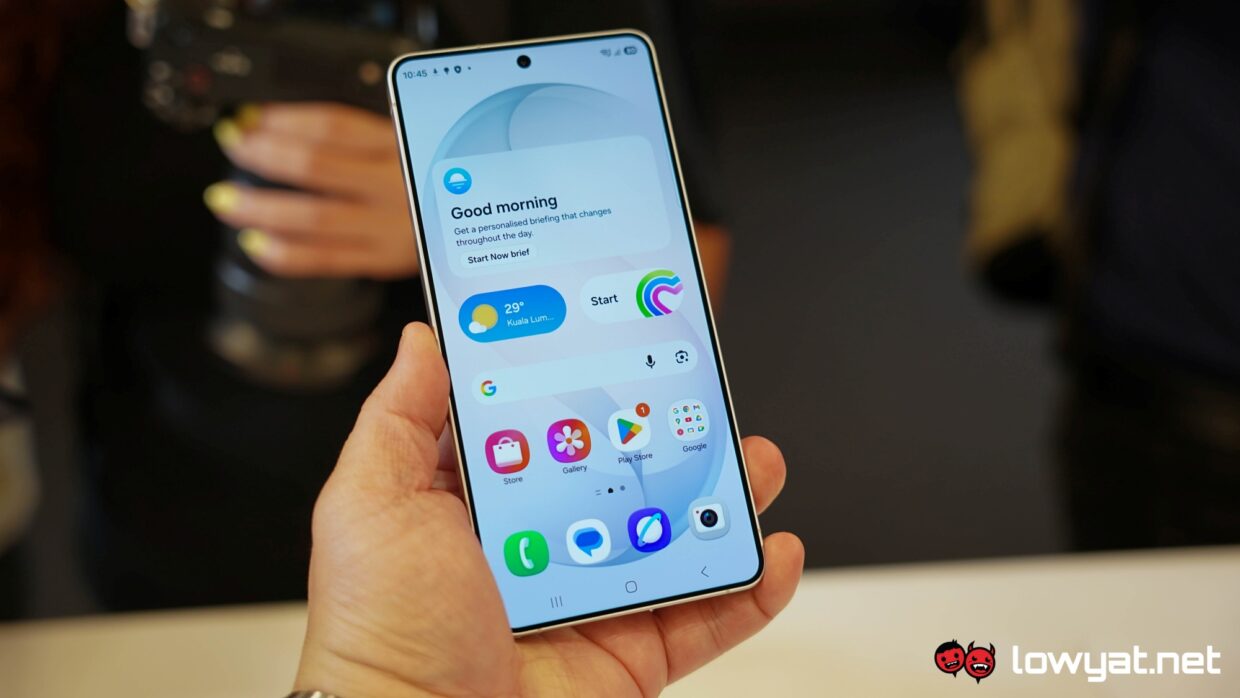
That said, it’s unfortunate that many users have no choice but to return their devices due to the symptoms. If you’re sensitive to a low PWM dimming rate, the easiest workaround is to increase the device’s brightness, which can reduce the PWM effect. You can also enable the Eye Comfort Shield or the built-in blue light filter in the settings. For those who wear glasses, applying a blue light filter directly to the lenses is another option.
As mentioned earlier, this issue doesn’t affect everyone, but some users do. If this could be a concern for you, it’s a good idea to research smartphones thoroughly before choosing your next device. After all, most consumers tend to stick with a single device as their daily driver for years.
(Source: Reddit [1], [2], [3], [4], via Android Authority)
