
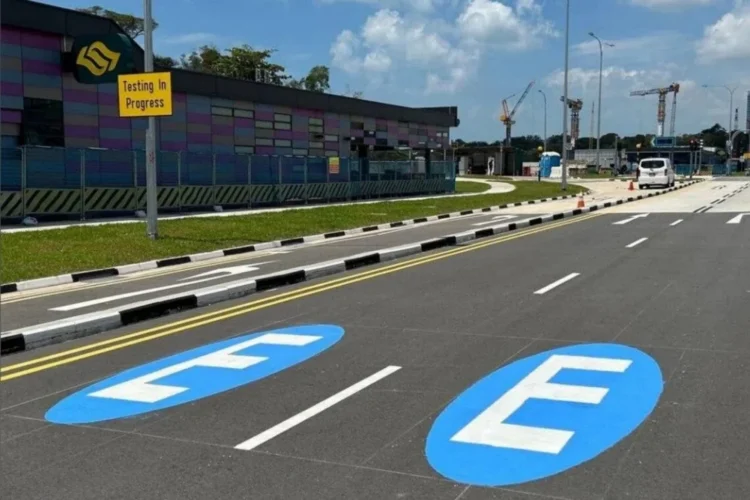
Singapore is preparing to replace its existing Electronic Road Pricing (ERP) system with a satellite-based alternative known as ERP 2.0, which is scheduled to take effect on 1 January 2027. The transition will eliminate the need for conventional charging gantries, allowing the country’s Land Transport Authority (LTA) to determine road usage charges through satellite positioning instead.
For the uninitiated, the existing ERP system has been in operation since 1998, relying on physical gantries to identify vehicles and collect charges. Its successor is designed to modernise this infrastructure while retaining Singapore’s congestion-based road pricing framework.
How Does ERP 2.0 Work?
ERP 2.0 uses Global Navigation Satellite System (GNSS) technology to determine a vehicle’s location and identify when it enters designated charging zones. This is made possible through an On-Board Unit (OBU) installed in each vehicle, which communicates with satellites to calculate applicable road charges.
For cars, the OBU consists of a processing unit, touchscreen display and antenna, while motorcycles receive a smaller integrated unit. Besides handling ERP payments, it can also provide parking information, road updates and flood advisories.
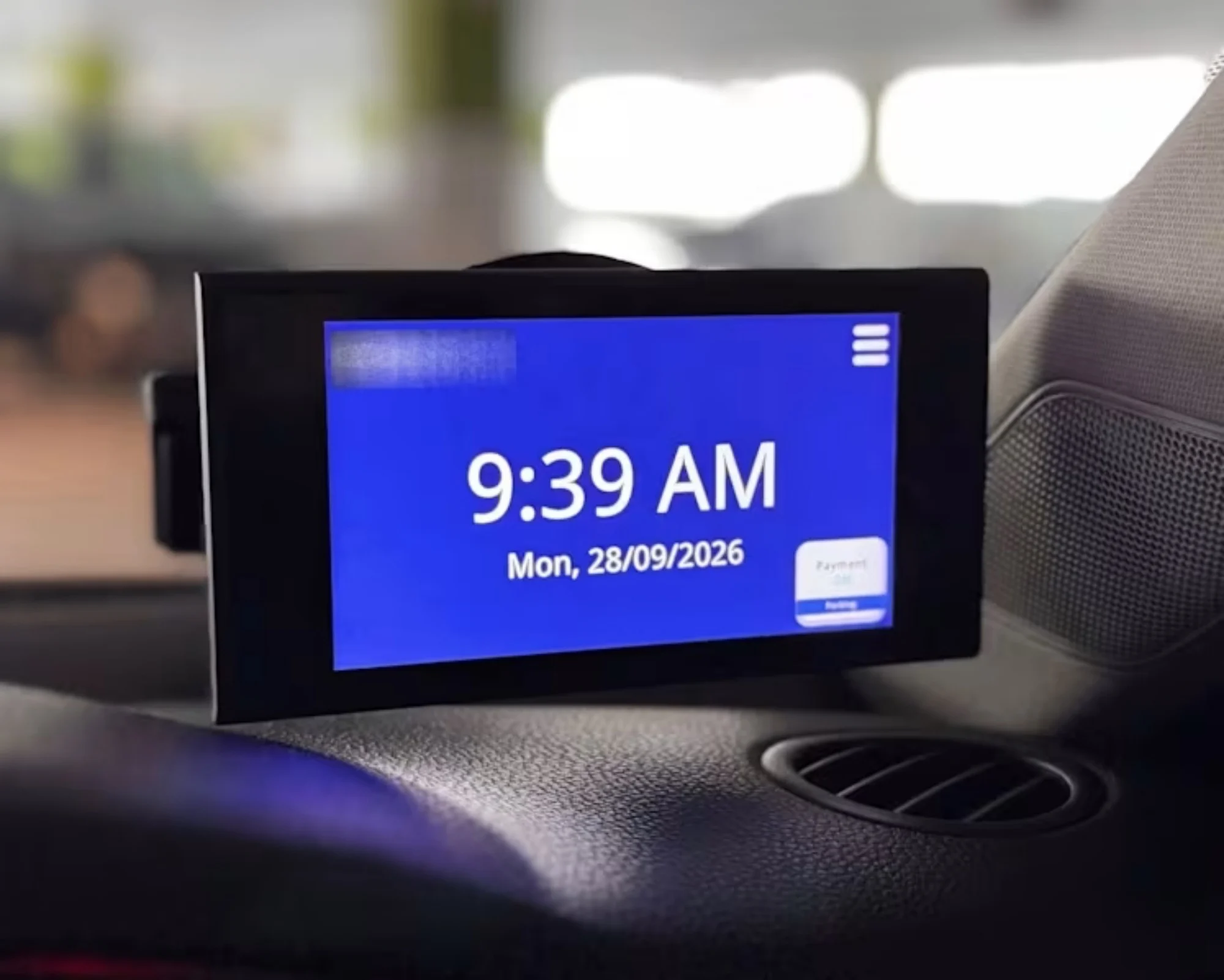
As physical gantries will no longer indicate charging locations, the LTA is introducing blue oval ERP road markings and dedicated signs to alert motorists. The OBU will also notify drivers before they enter a charging zone and display the applicable rate.
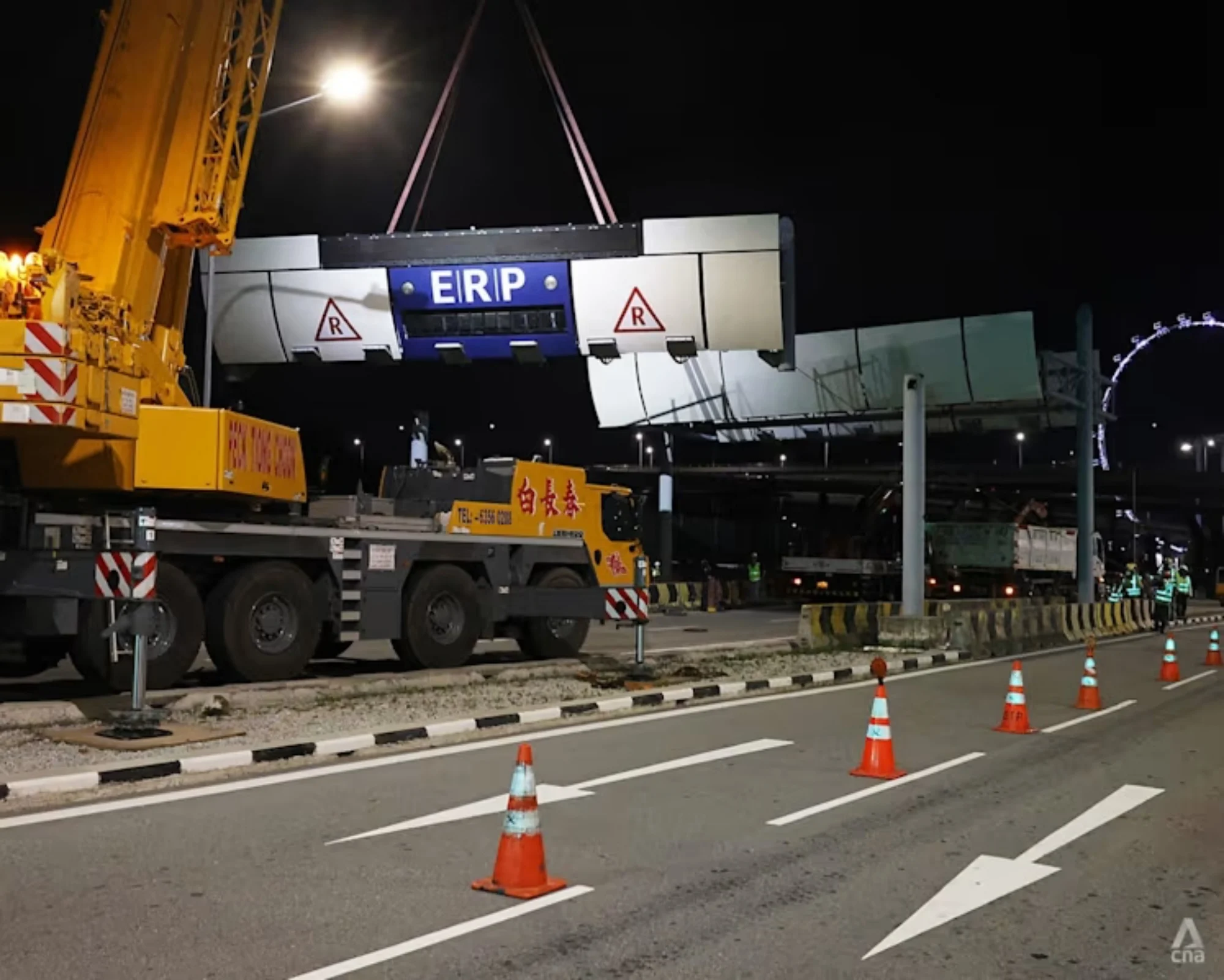
The LTA is currently removing or modifying the existing 95 ERP gantries, with the work expected to be completed by June 2027. Some structures will remain to accommodate roadside equipment that supports satellite connectivity in areas with weaker signals.

What About Malaysian Motorists?
Malaysian motorists driving into Singapore will not be required to install the new OBU, although the LTA is encouraging them to do so. Foreign-registered vehicles have been eligible for installation at authorised Singapore workshops since 1 April 2026, with the unit priced at SGD$158.70 (~RM522), excluding installation.
Those who opt not to install it will instead pay a flat-rate ERP charge for every operational day they drive in Singapore. This amounts to SGD$3 (~RM10) for motorcycles and SGD$10 (~RM33) for other foreign-registered vehicles, regardless of how many charging zones they pass through.
The accumulated charges will be deducted from their Autopass Card when exiting Singapore. Those who install the OBU, meanwhile, will be charged according to their actual ERP usage. The LTA has also clarified that the OBU only operates within Singapore and will not track vehicles when they return to Malaysia.
Could Malaysia’s MLFF Learn From This?
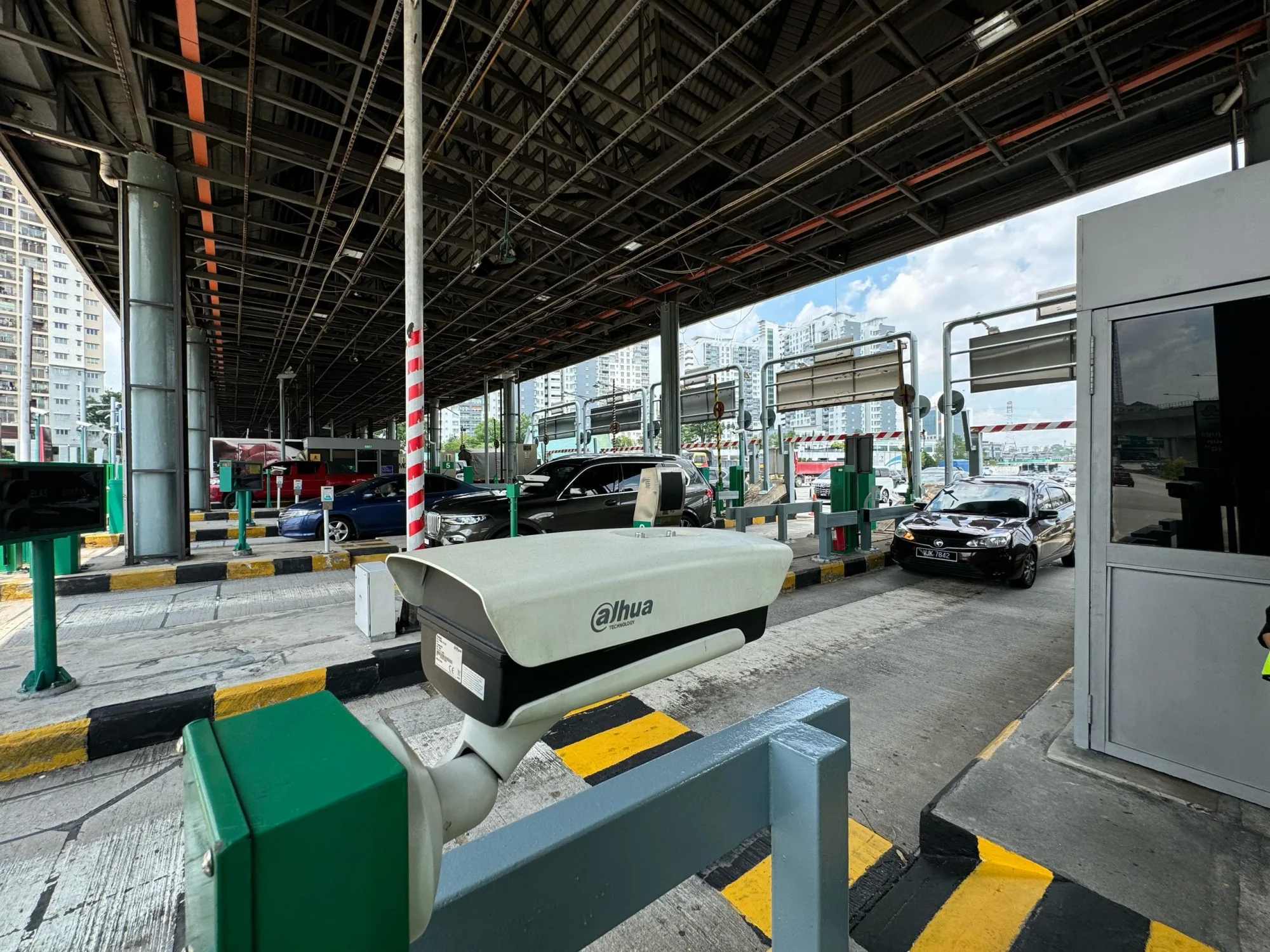
Singapore’s transition is worth watching as Malaysia continues working towards its own Multi-Lane Free Flow (MLFF) toll collection system. However, the technologies involved are different, where the local system involves technologies such as Automatic Number Plate Recognition (ANPR) and Radio Frequency Identification (RFID) to identify vehicles and process payments.
Nevertheless, ERP 2.0 would provide a useful reference in terms of effectiveness. Whether or not Malaysia would consider satellite positioning as a potential technological candidate for MLFF remains to be seen.
