
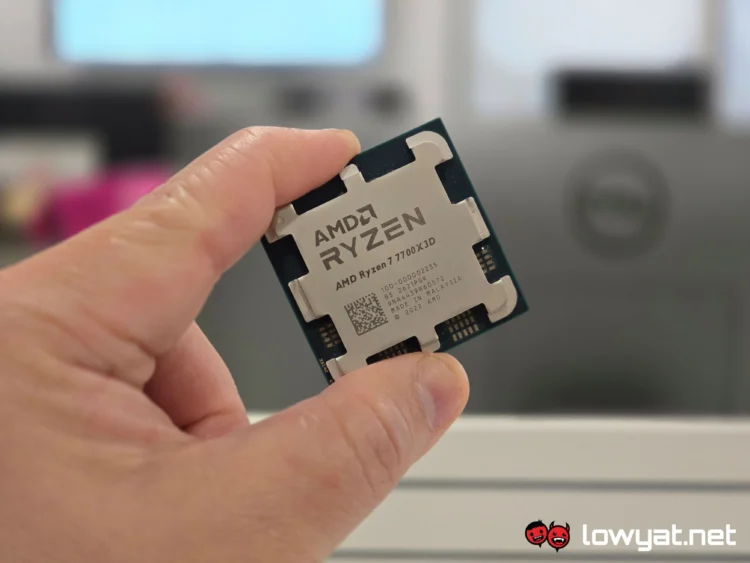
It is now being rumoured that AMD’s next generation Zen 6 CPU architecture, codenamed Olympic Ridge, may be delayed until after Computex 2027 next year. That is according to Chiphell leakster zhangzhonghao, at least.
The leakster says that the reason for the delay is because of AMD is switching the process node of Zen 6 to TSMC’s N2X manufacturing process. It should be noted that the leakster didn’t mention if the process node was being shared across EPYC and Ryzen, nor did they mention which manufacturing process AMD was using for the Ryzen architecture in the first place.
TSMC N2X

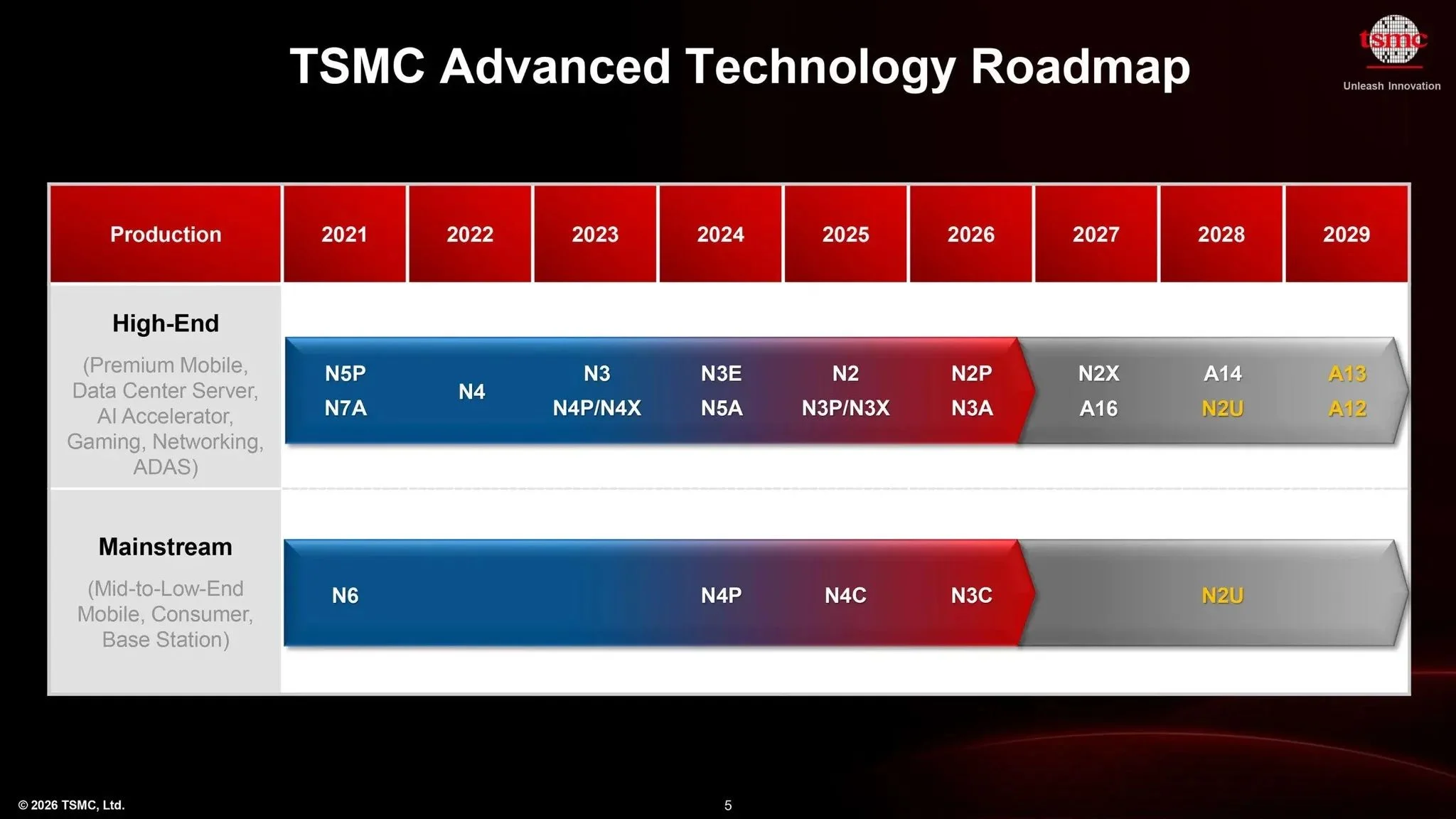
TSMC’s N2X process node is basically a higher-end and much faster variant of the fab’s 2nm manufacturing technology. As per the official fluff, the node combines ultra-high performance standard cells with high-speed devices, contributing anywhere between 5% and 10% speed improvements.
Tracing TSMC’s timeline, the company had previously targeted 2027 for the production of N2X. N2, the base of N2X, entered volume production back in 2025, while N2P was scheduled to enter production during the second half of this year.
Zhangzhonghao claims that the culprit behind the delay was AI (but of course it is). They say that without AI demand, AMD would be able to meet demands for the desktop market segment. In the same thread, the leakster also claims that AMD is planning on a new chipset design, although they declined to provide any further technical details. That said, the red chipmaker has confirmed that it will be supporting its AM5 chipset well into 2029, suggesting that Zen 6 will continue using the platform.
Olympic Ridge And Medusa For 2027
That brings us to another subject within the ranks of AMD’s Zen 6 portfolio: Medusa. As per another leakster, Kepler_L2, the Ryzen and Radeon owner is planning on introducing Medusa Point, which is its upcoming mobile processor series based on the microarchitecture. Again, like Chiphell, Kepler’s post isn’t heavy or laced with details, but such is the nature of rumours.
(Source: Chiphell, Videocardz, Kepler via X)
