
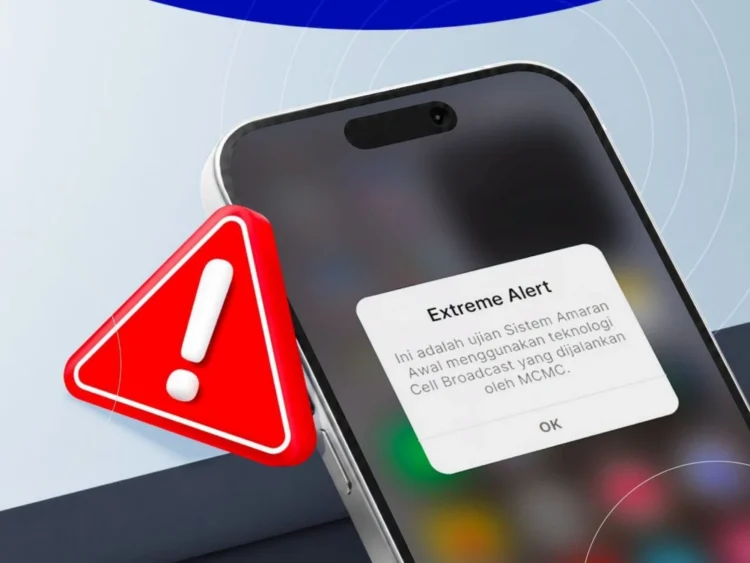
By now, you’ve probably heard that the Malaysian Communications and Multimedia Commission (MCMC) is working on a smartphone-based disaster alert system, which is called the Early Warning System (EWS). Recently, the commission clarified that it was conducting a strictly internal technical test for the system, contrary to previous reports that it would involve the public. Now, the actual date for the public test has been revealed.
In a series of posts on its official Facebook account, the commission shared a clearer timeline for the system’s implementation, as well as how it works. As per the official announcement, the EWS rollout includes three testing phases.
Public Test Taking Place Soon
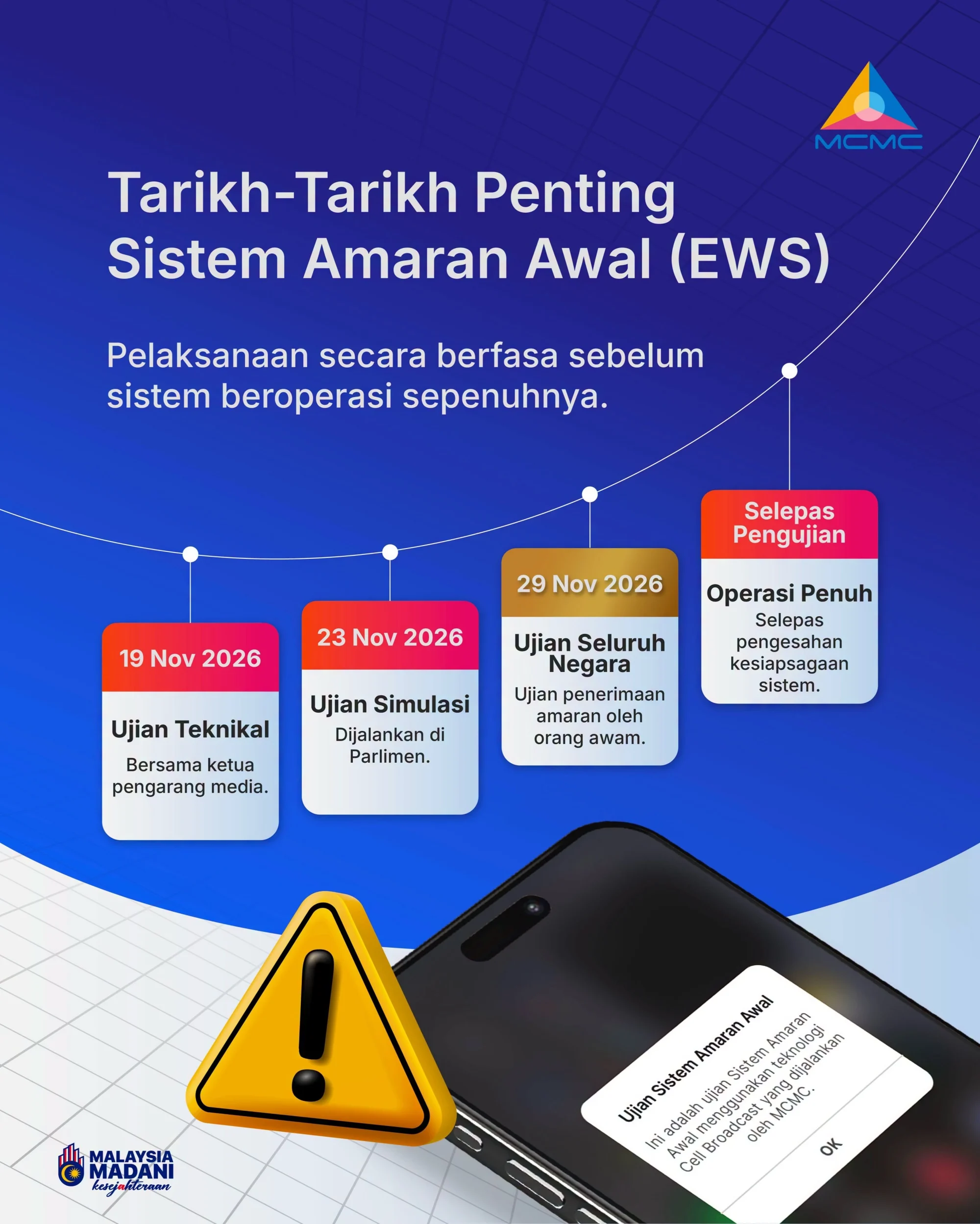
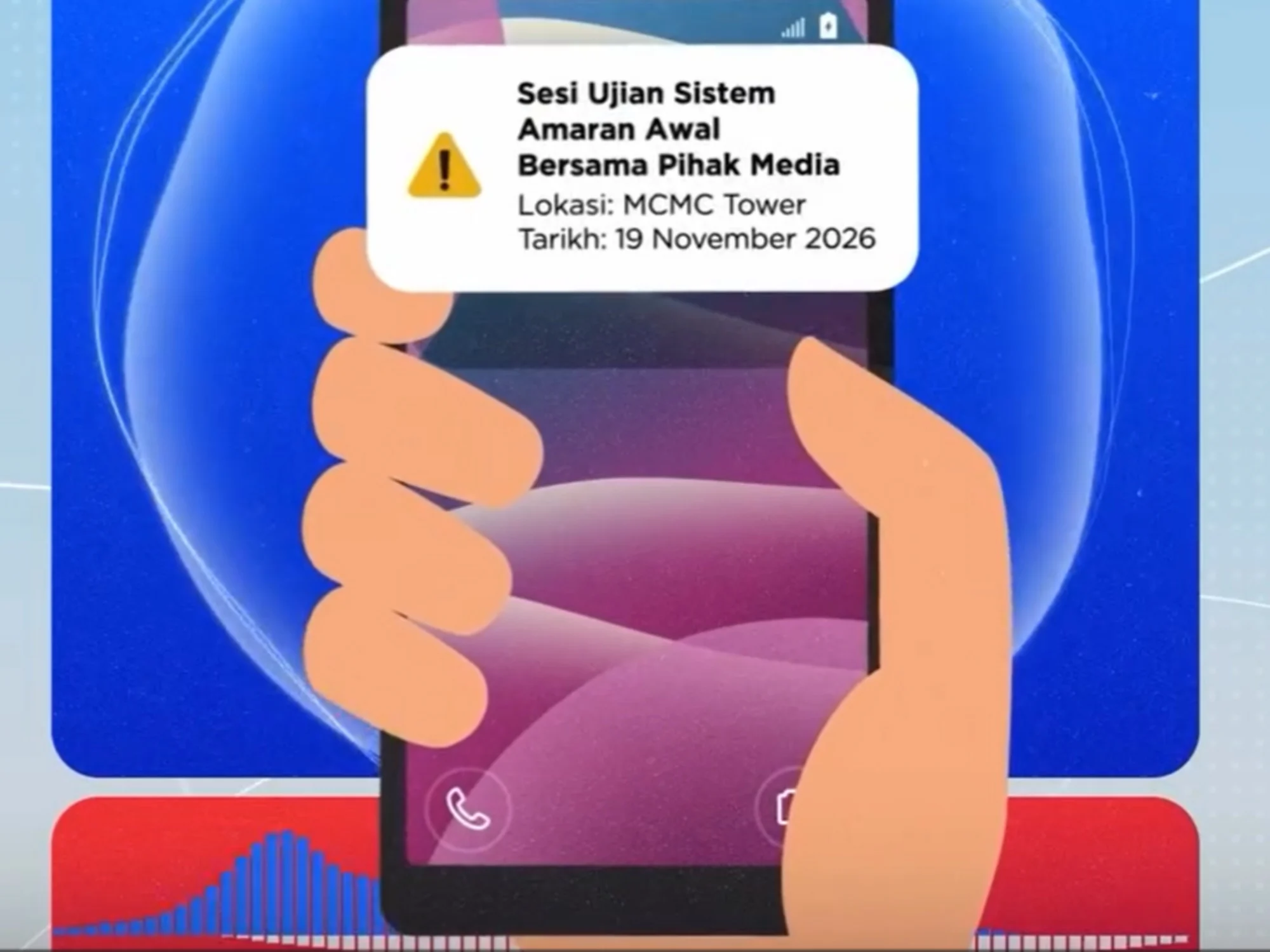
The first test already took place on 19 November, serving as an internal technical exercise at MCMC’s headquarters in Cyberjaya. Then, the next phase will be a simulation test at the Parliament on 23 November. And finally, the public test is scheduled for just over a week from now on 29 November. This nationwide exercise, which will take place between 10 AM to 10.30 AM, is intended to ensure the public can receive emergency alerts on their smartphones.
Following this final test, the EWS will enter full operation. That said, no specific date has been set for this rollout as it entirely depends on the system’s readiness.
What You Need To Know
To ensure you will receive the emergency alerts, you must make sure your device has been updated to the latest OS version available. In the case of iPhones, this is iOS 27.2 or later. Meanwhile, the minimum requirement for Android smartphones is Android 12. And finally, Huawei devices will have to run on EMUI 16 at least. Bear in mind that these requirements may change. Regardless, MCMC advises the public to update their mobile phones in preparation. Users should also restart their devices after installing the updates and enable any emergency alert settings if applicable.
According to the commission, the EWS leverages Cell Broadcast System technology, which allows warnings to be simultaneously transmitted to compatible devices within a certain geographical area. As such, there is no need for any separate app downloads or subscriptions. As long as you are within the designated area, your phone will receive the alert.
As to what this will look like, the device will play a distinctive sound and may vibrate to draw the user’s attention. At the same time, a notification will appear on the screen. This warning will include details on what is happening, the affected location, and what you need to do. So, when the notification comes in, users should read through the information calmly and act accordingly if necessary.
(Source: MCMC via Facebook [1], [2], [3])
