
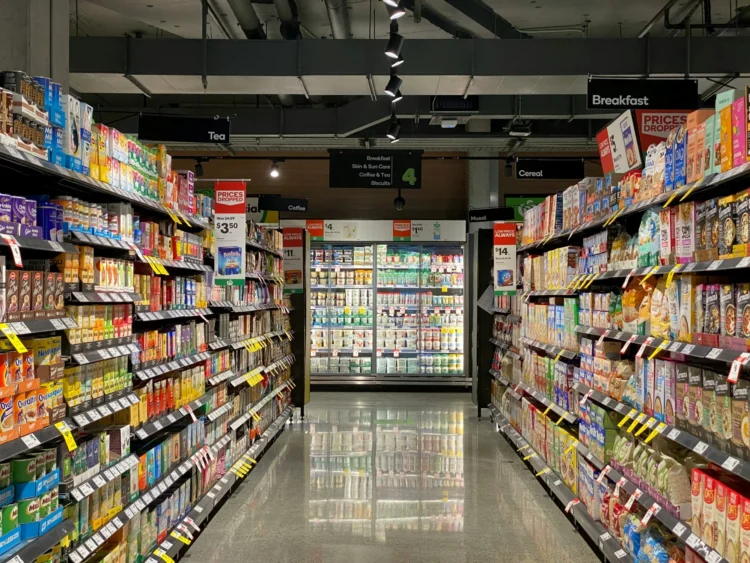
Cyberattacks have become increasingly disruptive, with some incidents going beyond stealing data or money to causing physical damage and disrupting everyday services. The latest example comes from Europe, where hackers have reportedly targeted supermarket refrigeration systems, causing temperatures in refrigerators and freezers to rise and forcing stores to throw away spoiled food.
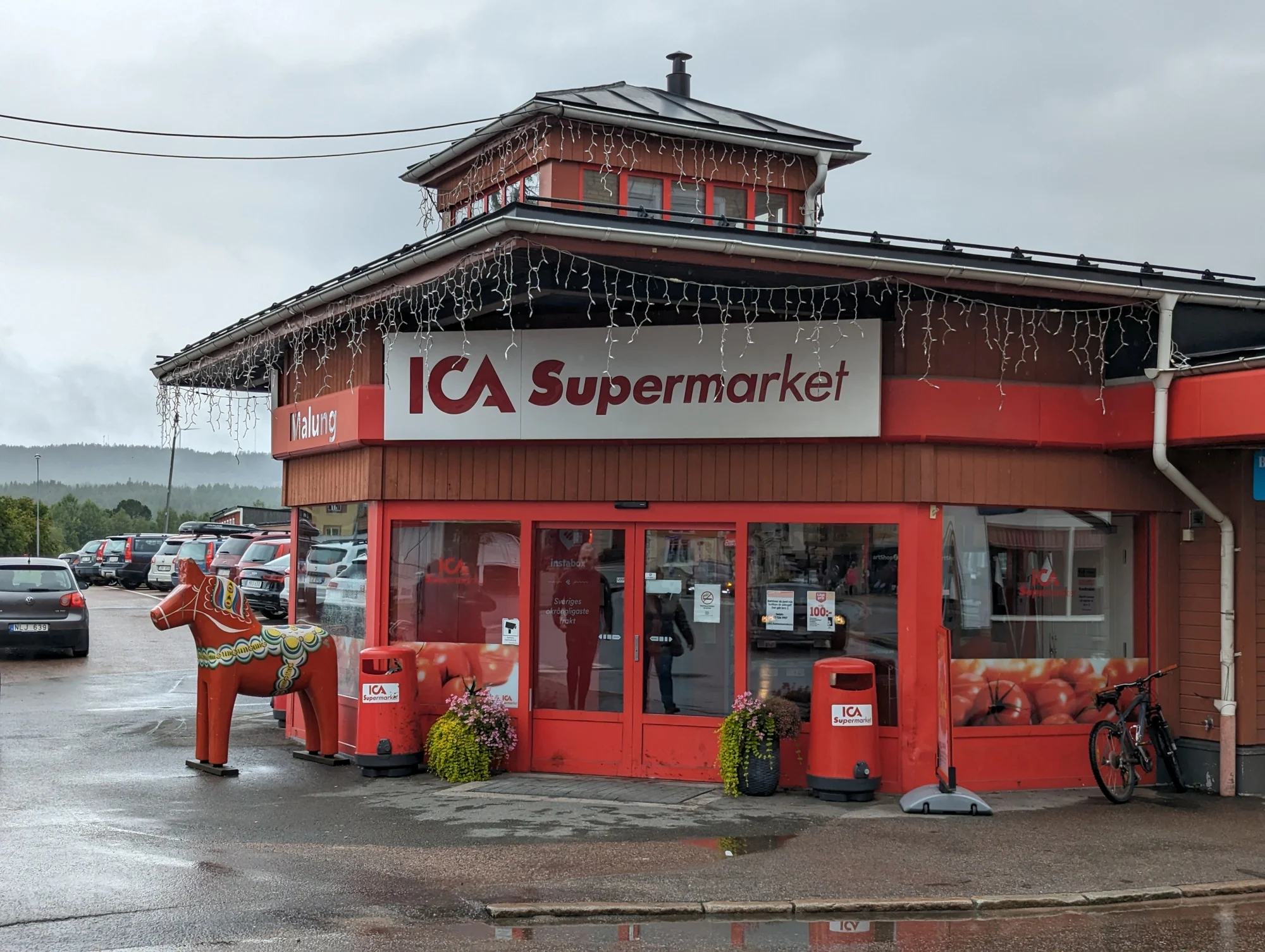
According to Reuters, the attacks affected several supermarket chains across Sweden, Belgium and Luxembourg on Monday, 2 November. Among those hit were Swedish grocery retailers ICA and Coop, as well as Ahold Delhaize and Colruyt in Belgium and Luxembourg. Even IKEA, better known for its flat-pack furniture and meatballs, reportedly had at least one of its stores affected.
Frozen Goods Targeted
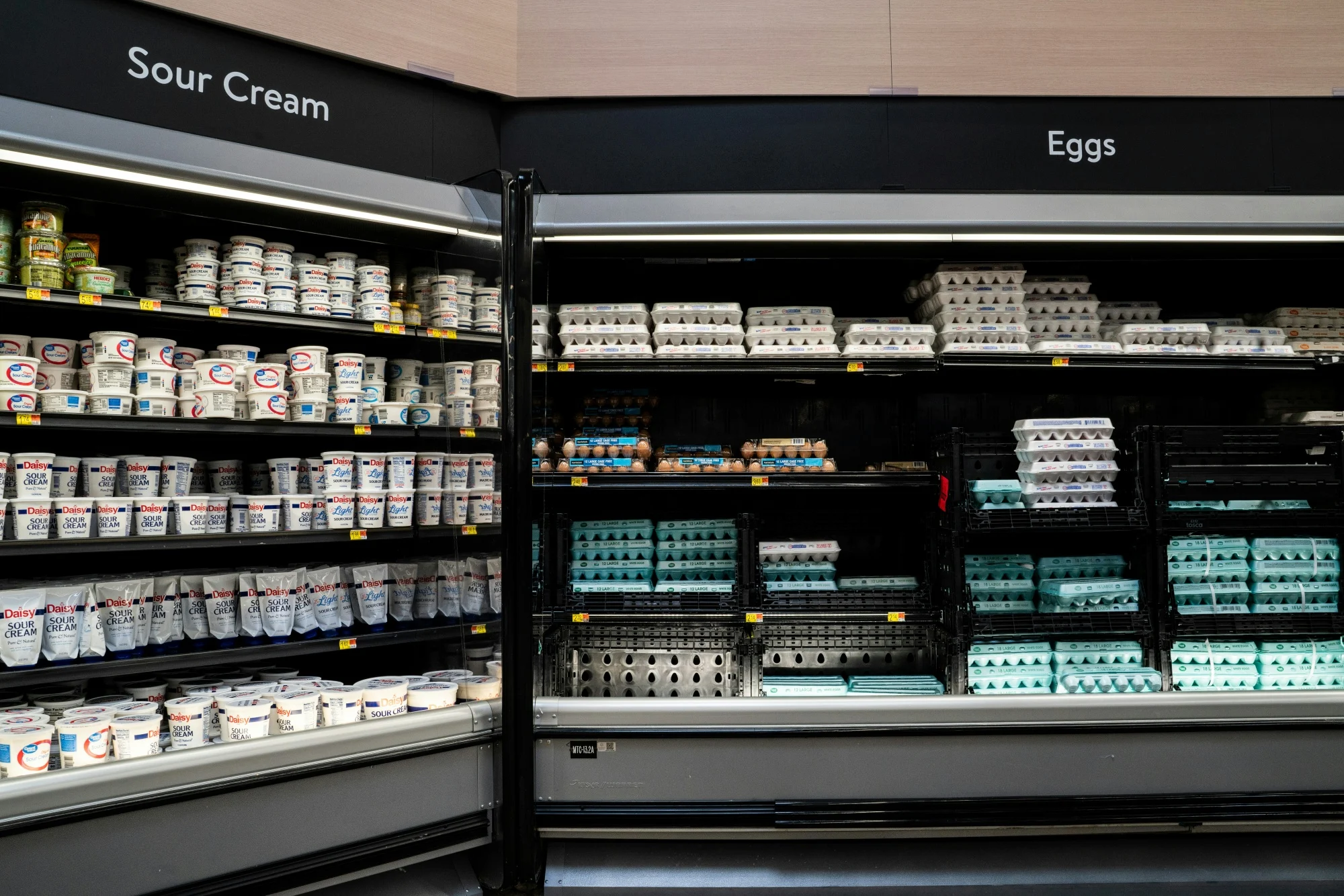
An ICA franchise store in Stockholm was among the affected locations. Its sales manager, Engla Ingwall, told Reuters that the incident occurred at around 2am local time, but was only discovered hours later. By then, the store’s freezers had reportedly reached temperatures of 50°C, leaving its frozen goods completely ruined. ICA confirmed that a limited number of its stores had been affected by an overnight incident involving their refrigeration and freezer systems.
The impact extended beyond Sweden, with five SPAR stores in Belgium, 15 Carrefour outlets in the country and seven Coop stores in Sweden also affected. In Ireland, the incident disrupted refrigeration systems at 13 SuperValu stores, forcing them to remove some chilled and frozen products from sale.
Motives Unclear
While no group has claimed responsibility for the attacks, the circumstances surrounding them raise questions about their motives. Cybersecurity researcher Tom Hegel from SentinelOne told Reuters that such incidents are typically associated with extortion, political motives or nation-state operations. However, the absence of any apparent financial demands in these recent cases could point towards sabotage instead.
The latest incidents also follow a similar attack in France last month, where hackers reportedly seized control of cooling units at hundreds of supermarkets, causing fires and food losses. At least some of the affected refrigeration systems in the latest incidents used temperature control technology from Danish company Danfoss, which was also targeted during the French attack.

The timing is particularly interesting, as governments across Europe and elsewhere have been stepping up public preparedness campaigns. According to reports, at least 33 countries have issued guidelines encouraging households to stockpile essential supplies for emergencies, with recommendations ranging from three days’ worth of provisions to a week or more. These initiatives are intended to help residents cope with disruptions caused by geopolitical tensions, extreme weather, power outages and other emergencies, rather than suggesting that a major crisis is imminent.
Meanwhile, cyberattacks have also been causing significant disturbances elsewhere. Closer to home, hackers recently compromised several public LED billboards in Kluang, Johor, displaying obscene images and videos before Majlis Perbandaran Kluang (MPK) shut down all its screens. Then there’s the recent high-profile incident involving cryptocurrency exchange Binance, which confirmed a security breach that potentially exposed approximately US$6.3 billion (~RM25.8 billion) worth of affected digital assets.
(Source: Reuters)
