
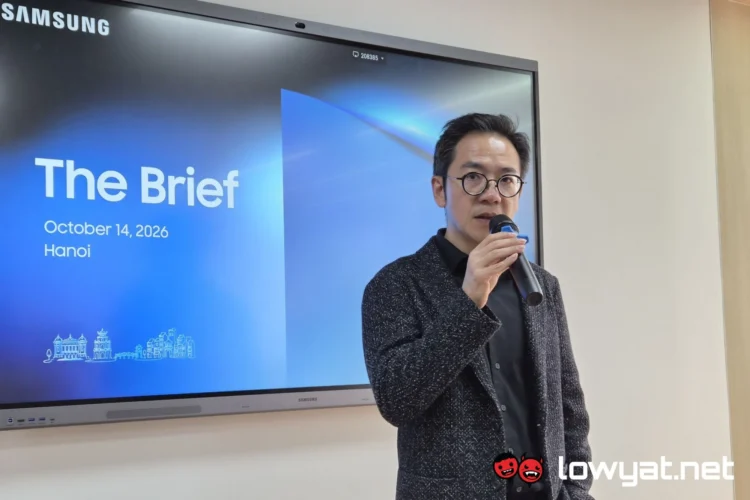
Today, when anyone brings up the subject of AI, chances are they are referring to generative or agentic AI. And for the latter, this is usually associated much more with your phones and computers than anything else. Of course, that doesn’t stop the tech from being used in other markets as well, such as that for home appliances. It has even become the primary selling point of Samsung’s home appliances, or at least those marketed with the Bespoke AI name.
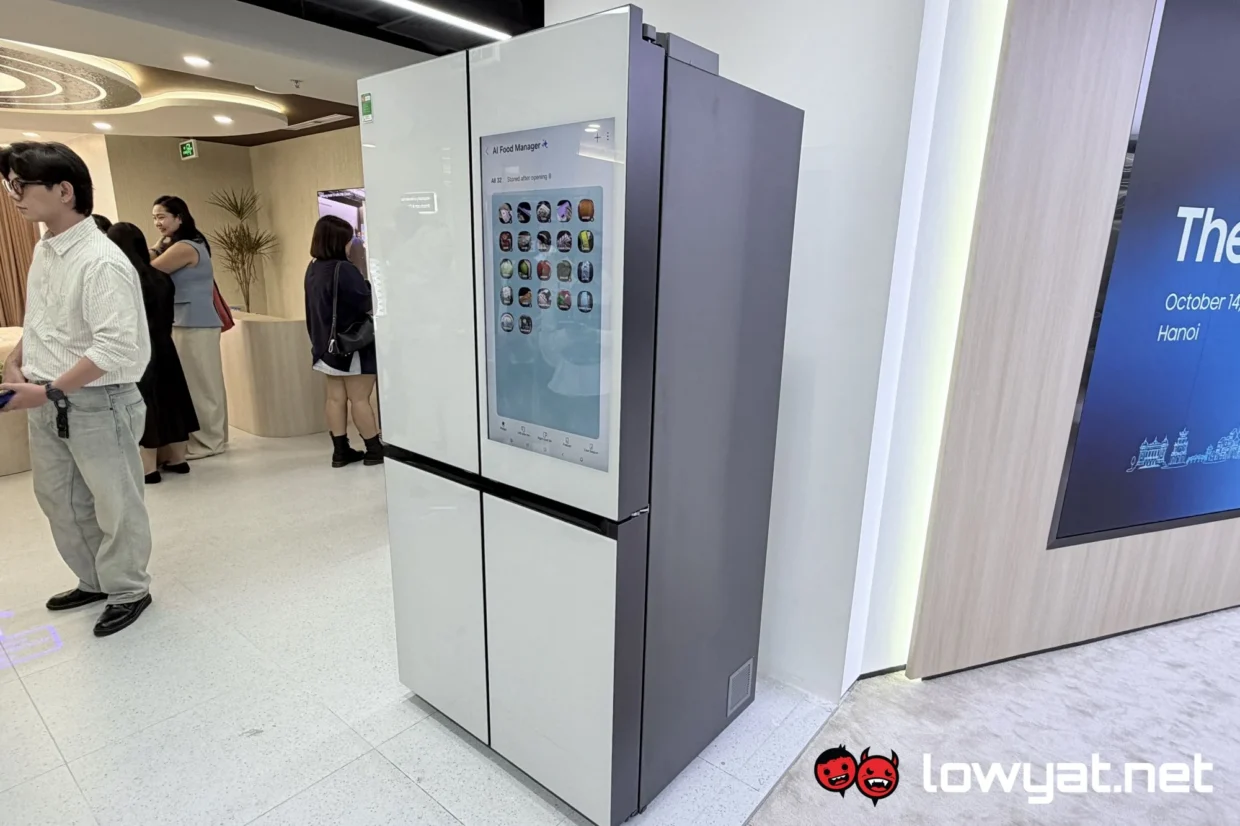
Since its introduction in 2024, Samsung has made its Bespoke AI home appliances do more than just what you’d expect them to do. For instance, a Bespoke AI fridge does more than just store food, and its smart features don’t stop at just opening after a voice command. Beyond that, it even helps you plan your meals and update your shopping based on that.
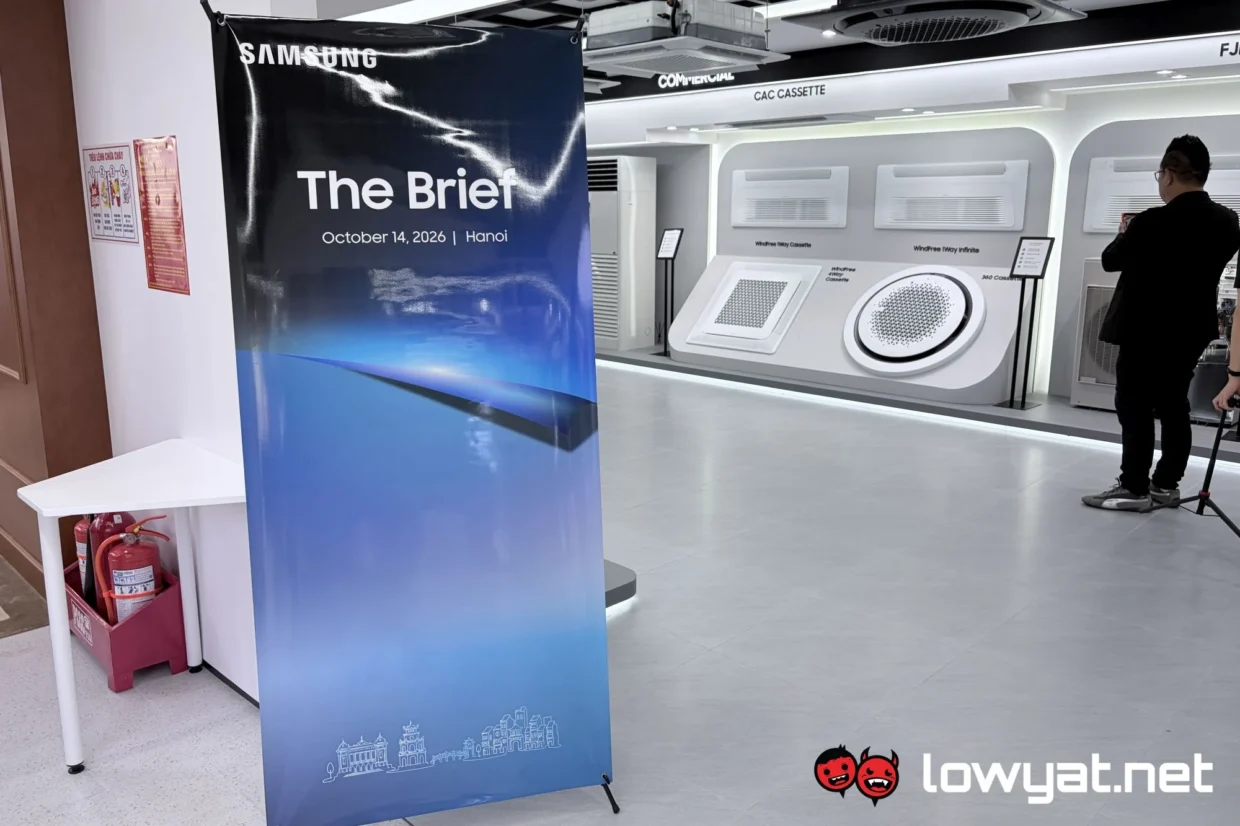
Shortly before the start of The Brief 2026 event in Hanoi, Vietnam, Samsung provided us with an opportunity to have a very short chat with Bernard Ang, the Vice President and Regional Head of the company’s Digital Appliances Business in SEA and Oceania. During the interview, he mentioned that while AI is the trending topic within the realm of tech, for it to make sense for home appliances, it has to address everyday moments and relevant lifestyle needs.
This is then revealed to be, among other things, the improvements to AI Vision and SmartThings Food. “It’s going to be operating more intuitively, at a more seamless level, in the background”, Ang said. “That will truly provide value-add to consumers”.
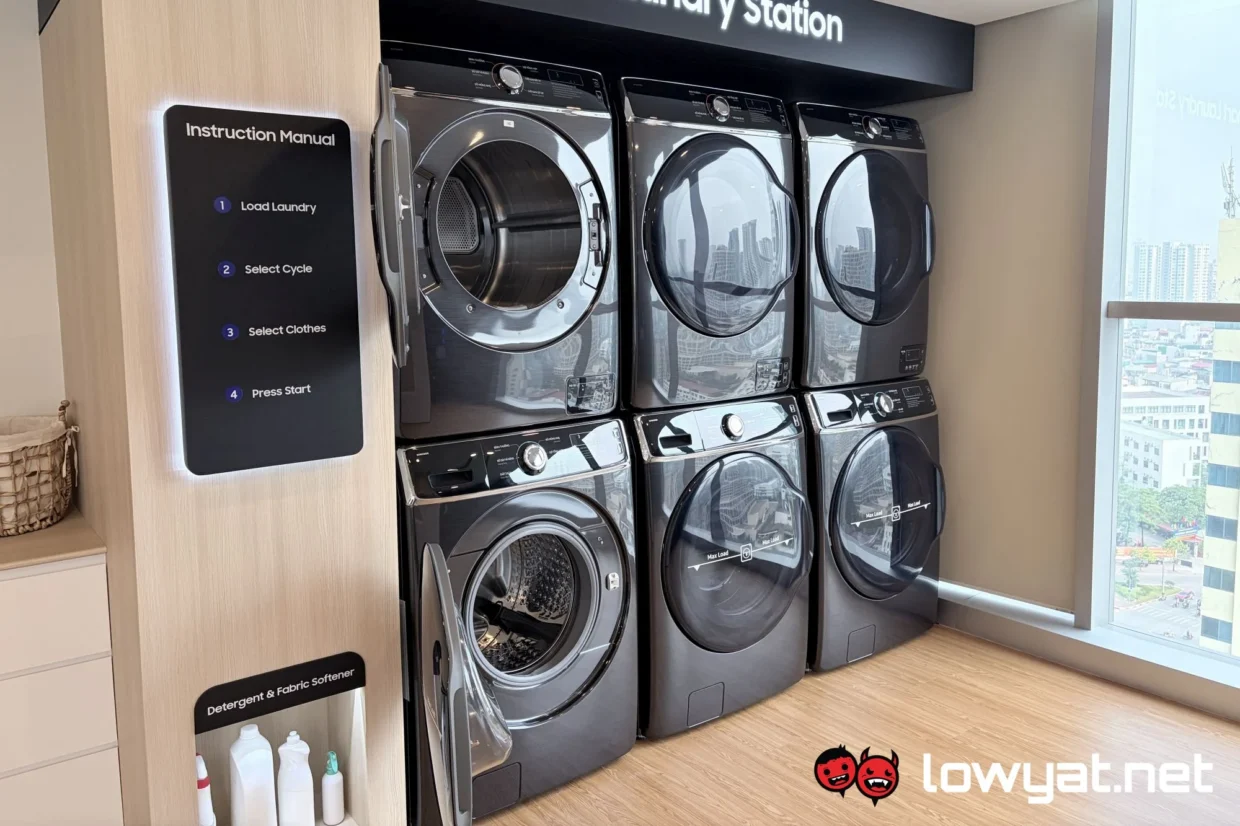
Of course, the benefit is perhaps most obvious for AI-powered fridges, but what about things like washing machines? Ang mentioned AI Wash, which helps Bespoke AI washing machines detect the wash load, fabric type, and even soil level (the level of dirtiness). Based on these three parameters, the washer will decide the amount of water and detergent to use, as well as the duration of the cycle. No more guessing if you’ve used enough detergent or water, or if your laundry will still smell because you got the cycle duration wrong. It will also be doing a better job than if you just fall back onto your preferred default setting.
Concurrently, while each individual device is able to do more with agentic AI, Samsung’s Bespoke AI will also allow all such applicable devices to be interconnected. You’ve seen memes of making phone calls with fridges, for instance. But with the interconnectivity, you can get access to all the data from all of your devices from, say, your phone via Now Brief. Going in the other direction, especially in the case of a family setting, Ang says it’s about the connected agentic AI fulfilling the specific needs of specific individuals at a specific point in time. Over the long term, this means getting remote monitoring and preemptive alerts, such as when it’s time to clean out the lint filter of a washing machine.
Of course, agentic AI devices being connected, there’s the concern that they will themselves serve as a vector for rogue AI agents. It’s something that Anthropic has raised not too long before the interview took place. Ang mentions that this is where the Samsung Knox tech comes in. This is, of course, not particularly new tech, since it’s been around in the company’s mobile devices for quite a while.
But in the case of home appliances, there’s the Knox Vault which, like its smartphone implementation, locks down sensitive data on a hardware level. Then on a wider network level, there’s Knox Matrix, which keeps an infected device isolated from the rest, to prevent a cascade of devices being compromised one after another.
Of course, that would ideally be enough, as Anthropic has warned that such rogue AI agents can be capable of figuring out unfamiliar devices on their own. This likely also extends to security measures that they have in place. For now, that hopefully remains a hypothetical without a conclusion.
