

Google is expanding more of its Android scam protection features to more devices beyond its own Pixel smartphones, while introducing new safeguards against fraudsters who exploit phone calls and screen sharing. According to the latest entry to its security blog, the expansion will bring Scam Detection in chat notifications to hundreds of millions of additional Android users later this year.
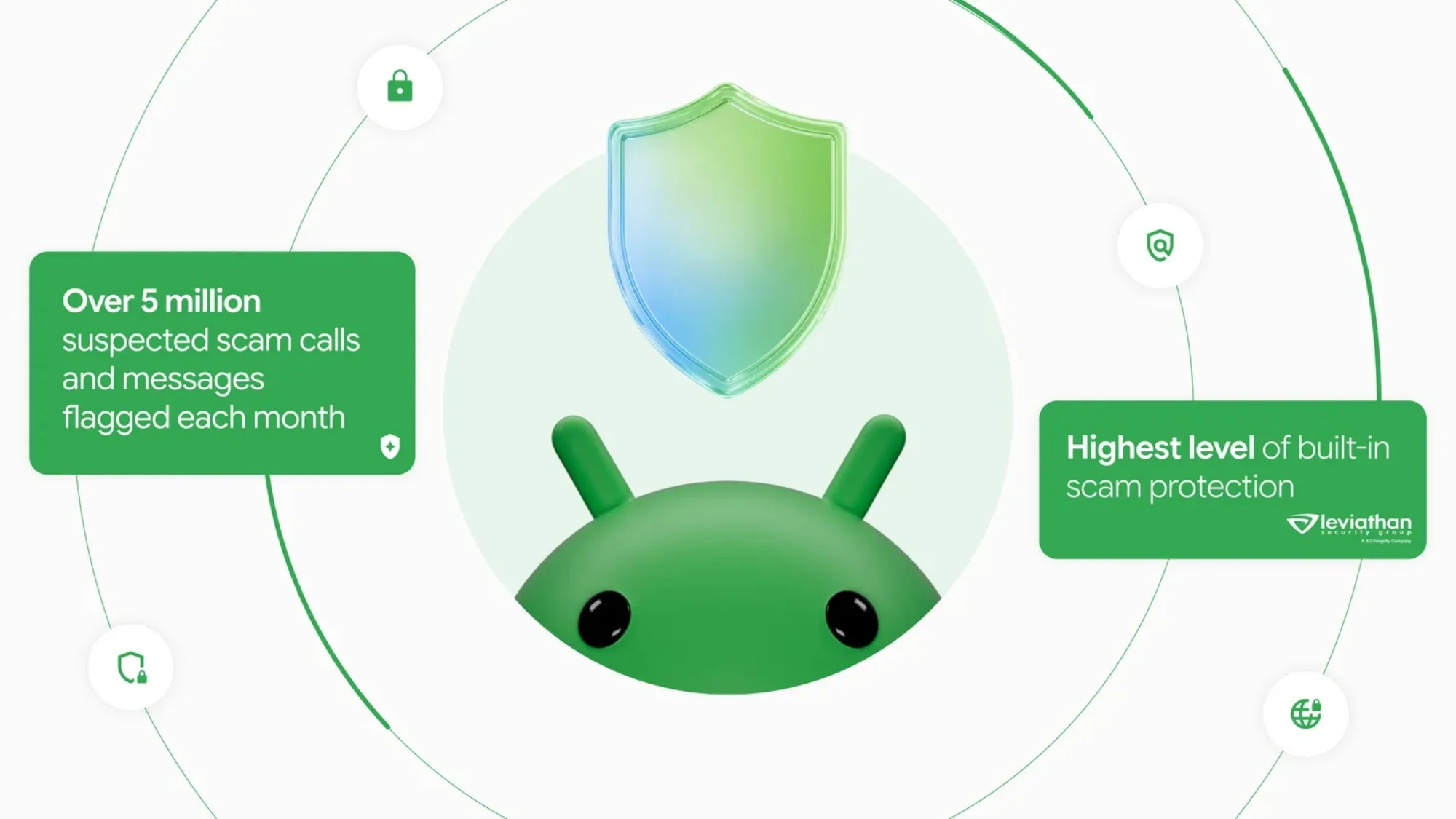
The company says its AI-powered Scam Detection in Phone by Google and Google Messages already flags more than five million suspected scam calls and text messages every month. The latest measures aim to help users identify suspicious messages and prevent scammers from accessing sensitive information.

Scam Detection Expands To More Android Devices
Google says it is partnering with Android device manufacturers to expand Scam Detection in chat notifications, which was previously introduced on Pixel devices. The feature analyses suspicious messages displayed in notifications and alerts users before they open the relevant messaging app.
The expansion will cover devices from manufacturers including HONOR, Infinix, Motorola, OPPO, OnePlus, realme, TECNO, vivo and Xiaomi, among others. Google expects the feature to reach hundreds of millions of additional users later this year, although availability will vary by manufacturer.
However, the company notes that this expansion specifically covers chat notifications. Google has not announced whether its separate Scam Detection feature for phone calls, which uses AI to identify potentially fraudulent conversations in real time, will also become available on non-Pixel Android devices.
Protection Against Phone Scams
Google is also introducing two safeguards designed to disrupt social engineering scams, in which fraudsters manipulate victims into revealing sensitive information or granting access to their accounts. The first extends Android’s screen-sharing protections to Chrome and Android WebView.
When users share their screens, sensitive information such as login fields and payment screens will automatically be concealed, helping prevent others from viewing passwords or banking details during a live session. The feature is rolling out to devices running Android 15 and newer this month.
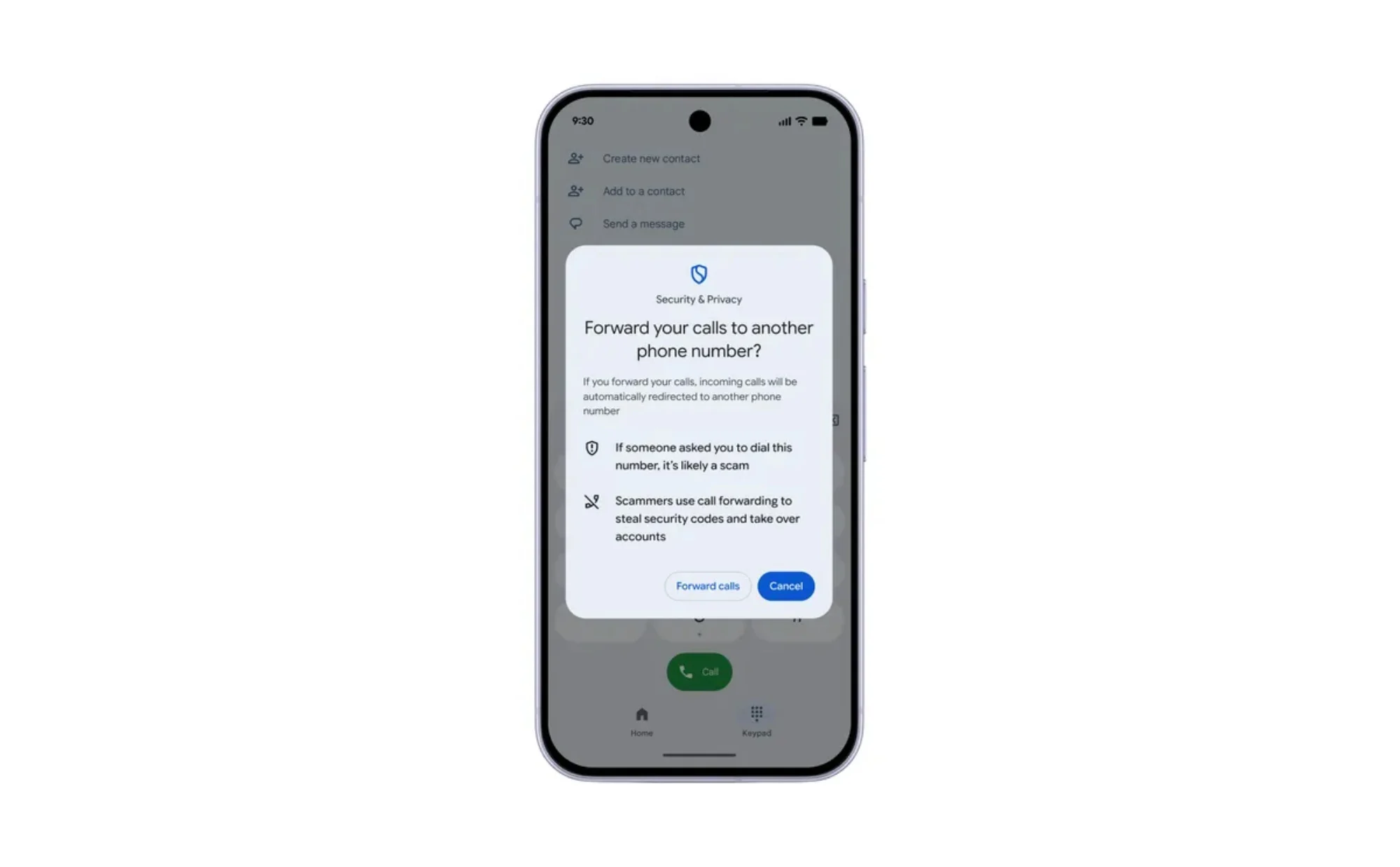
The second safeguard targets call-forwarding scams, which can allow fraudsters to redirect incoming calls and intercept one-time passwords (OTPs). Android will block apps from secretly enabling call forwarding in the background and warn users if they are tricked into manually entering a call-forwarding code through the phone’s dial pad.
Meanwhile, call-forwarding protection is scheduled to arrive from early December on Pixel and other selected devices.
Bank Partnerships To Block Fake Calls
Google says it is also working with banks to combat caller ID spoofing, a tactic that allows scammers to disguise their numbers as those belonging to legitimate financial institutions. Its Verified Financial Calls feature checks incoming calls against participating banks’ official apps to determine whether the bank actually initiated the call. If a call claiming to come from a bank fails verification, Android can automatically end it and alert the user.
According to Google, the feature has blocked more than three million spoofed calls targeting customers of Banco do Brasil and Itaú Unibanco since launching in June. It is also being used by other financial institutions, including Revolut, with Google planning to expand the programme to more partners. However, Google has not announced any partnerships with Malaysian banks for this feature, so whether local financial institutions will participate in the future remains unknown.
Google Messages Gets Enhanced Scam Protection
Additionally, Google is introducing an optional Enhanced Protection mode in Google Messages. It uses Google’s cloud-based Gemini models to analyse suspicious conversations and on-device Gemini Nano to assess unfamiliar links, adding another layer of protection against sophisticated scams. However, as Google Messages is not widely used locally, the expansion of scam alerts to more Android devices and the new call-related safeguards may be more relevant to Malaysian users.
(Source: Google [official blog])
