
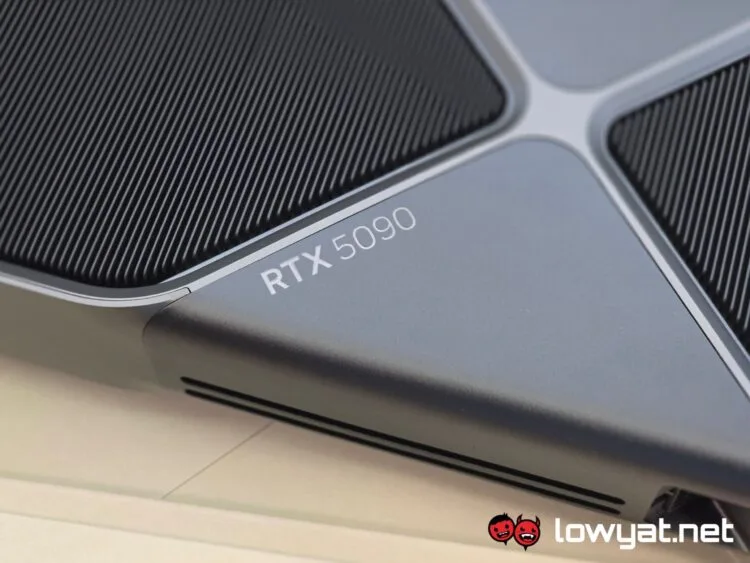
Rumour has it that NVIDIA may be planning on halting production of its RTX 5090 GPUs, in order to redirect all supplies of the GB202 die to its RTX Pro Series lineup. Not only that, but it is also possible that it is reserving its supply of said GPU die to produce a version of the RTX 5080 with 24GB instead of 16GB GDDR7 RAM.
Shifting Production In Favour Of AI
The source of the first rumour stems from popular and serial leakster, MEGAsizeGPU. They believe that the GPU brand will no longer use current and future GB202 stocks for the production of new RTX 5090 GPUs, and instead shift them towards the production of the RTX Pro 6000 Blackwell Series, as well as RTX Pro 5000 Series cards.
As a quick primer, the GB202 GPU core is the largest Blackwell desktop GPU that NVIDIA makes. The RTX 5090, in particular, uses a watered-down version of the GPU, housing 21,760 CUDA cores and 32GB GDDR7 VRAM. On the professional side, the RTX Pro 6000 Series ships out with 24,064 CUDA cores and a whopping 96GB GDDR7 memory, and also costs significantly more at US$16,000 (~RM65,348) a pop.
RTX 5080 with 24GB?
Then there’s the other rumour that NVIDIA could be upgrading the graphics memory capacity of the RTX 5080 from 16GB to 24GB. This is clearly one of the more unsubstantiated rumours, but another leakster, hongxing2020 says that NVIDIA reportedly notified a factory about the end of production for the RTX 5090, as well as its alleged intention to produce 24GB variants of the RTX 5080.
“NVIDIA will no longer sell any RTX 5090 models, including the D variants. Going forward, the highest-end GeForce model will be the RTX 5080 24GB, and the RTX 5080 16GB will be discontinued. Please take note,” the message said.
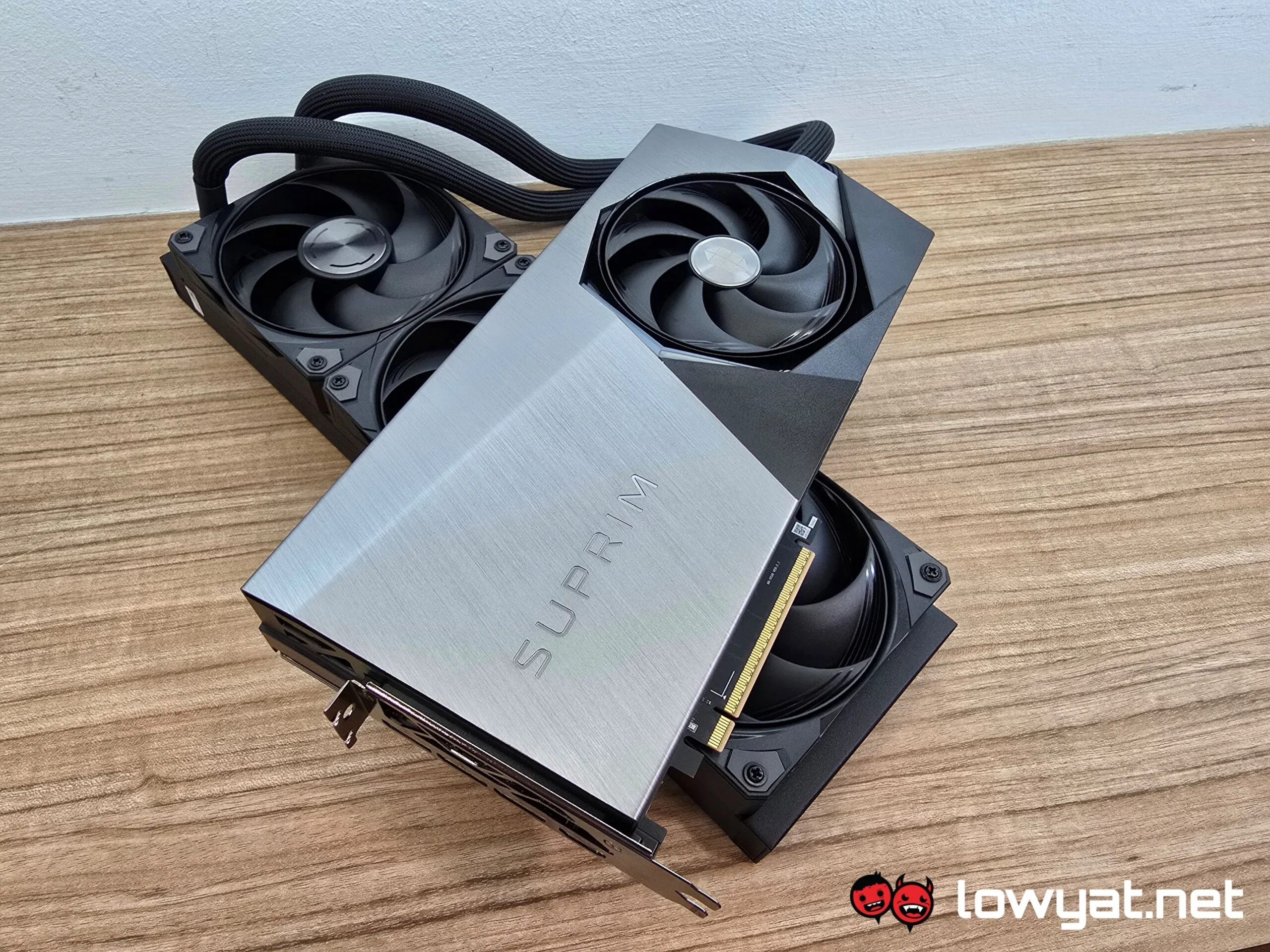
Rumours of an RTX 5080 with more than 16GB GDDR7 isn’t new. The first initial rumours of such a GPU manifested as rumours of an RTX 5080 Super; while the GPU VRAM capacity would increase, as would its TGP, it would have retained its CUDA core count.
Unfortunately, it became clear that the Super series GPUs weren’t coming when word that NVIDIA had instructed board partners to put the GPU series on hold due to rising costs of GDDR7 memory, as well as overall prices of the memory chips thanks, in no small part, to the drive in AI consumption.
(Source: MEGAsizeGPU via X, hongxing2020 via X, Videocardz)
