
As part of its DevDay event, in addition to GPT-6.1 Sol, OpenAI announced what it calls “dots”. The simple explanation for what these are is AI agents that are “always-on” and “built to handle everything”. Thanks to their always-on nature, they are also made to be proactive in doing work, “sometimes before you even think to ask”.
That sounds a bit scary, given the reported reason as to why GPT-6.1 Sol was scrapped. But be not worried, as the Sam Altman company would probably tell you, as dots are powered by GPT-6 Astra, and not the 6.1 version.
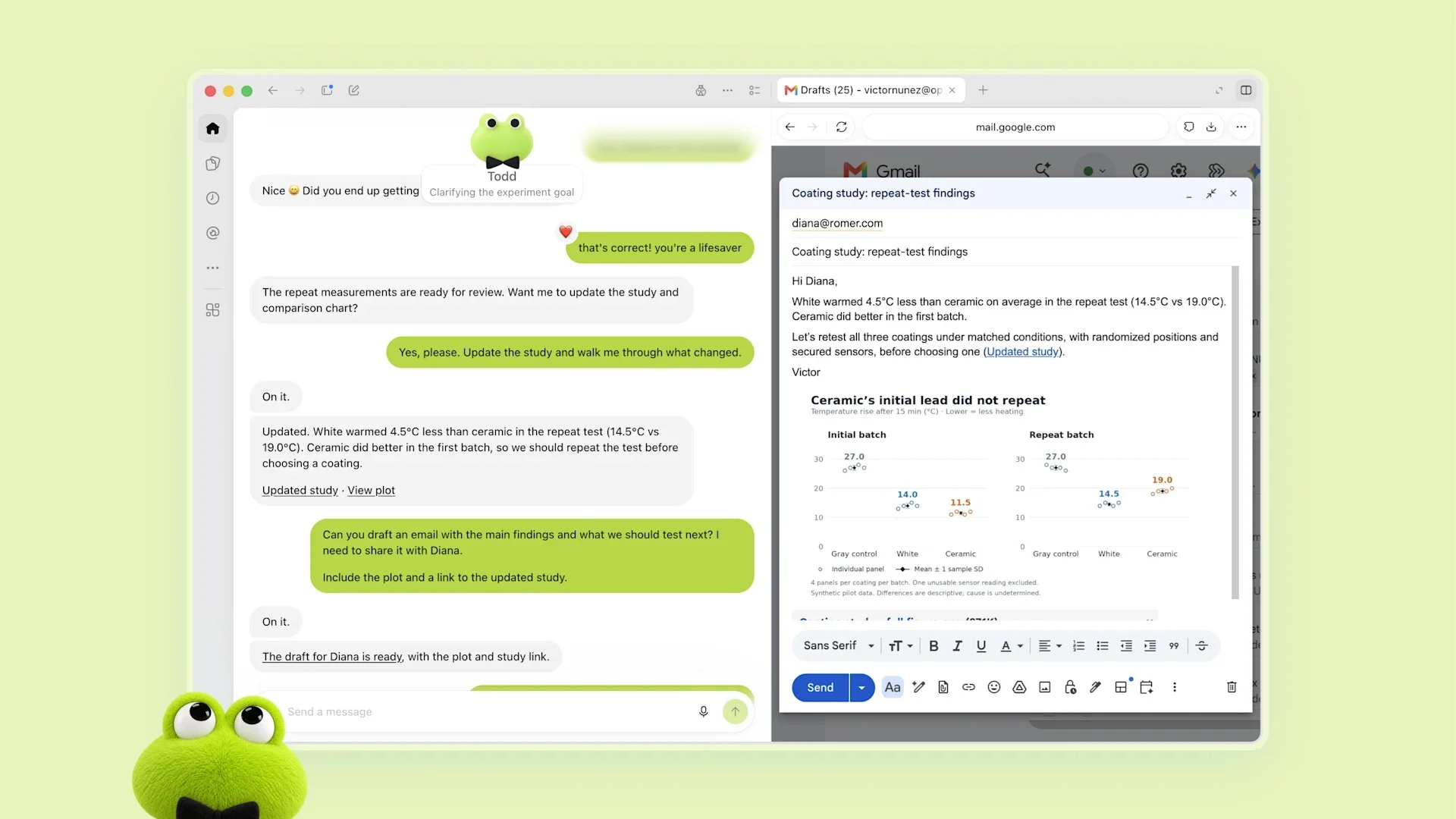
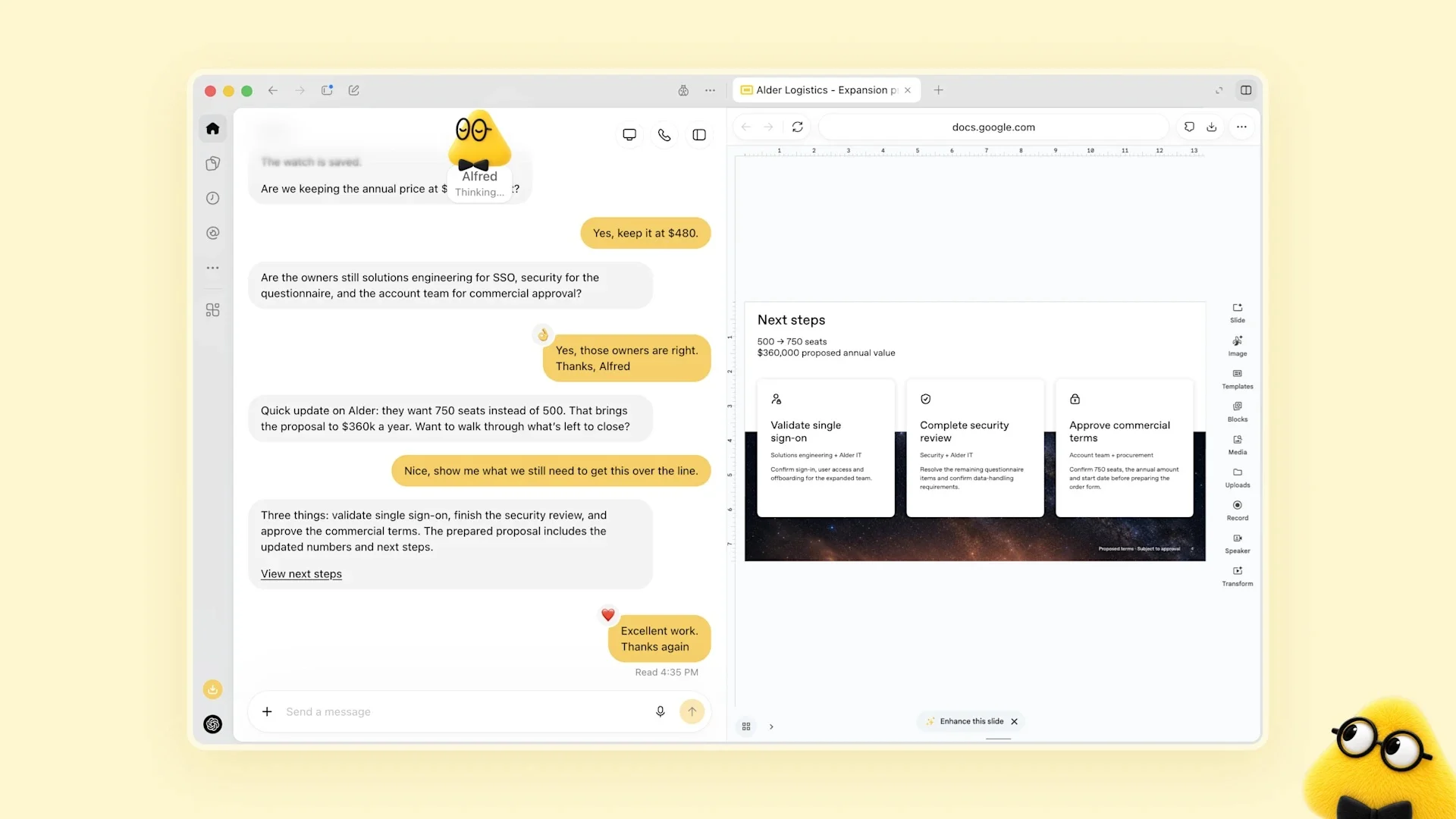
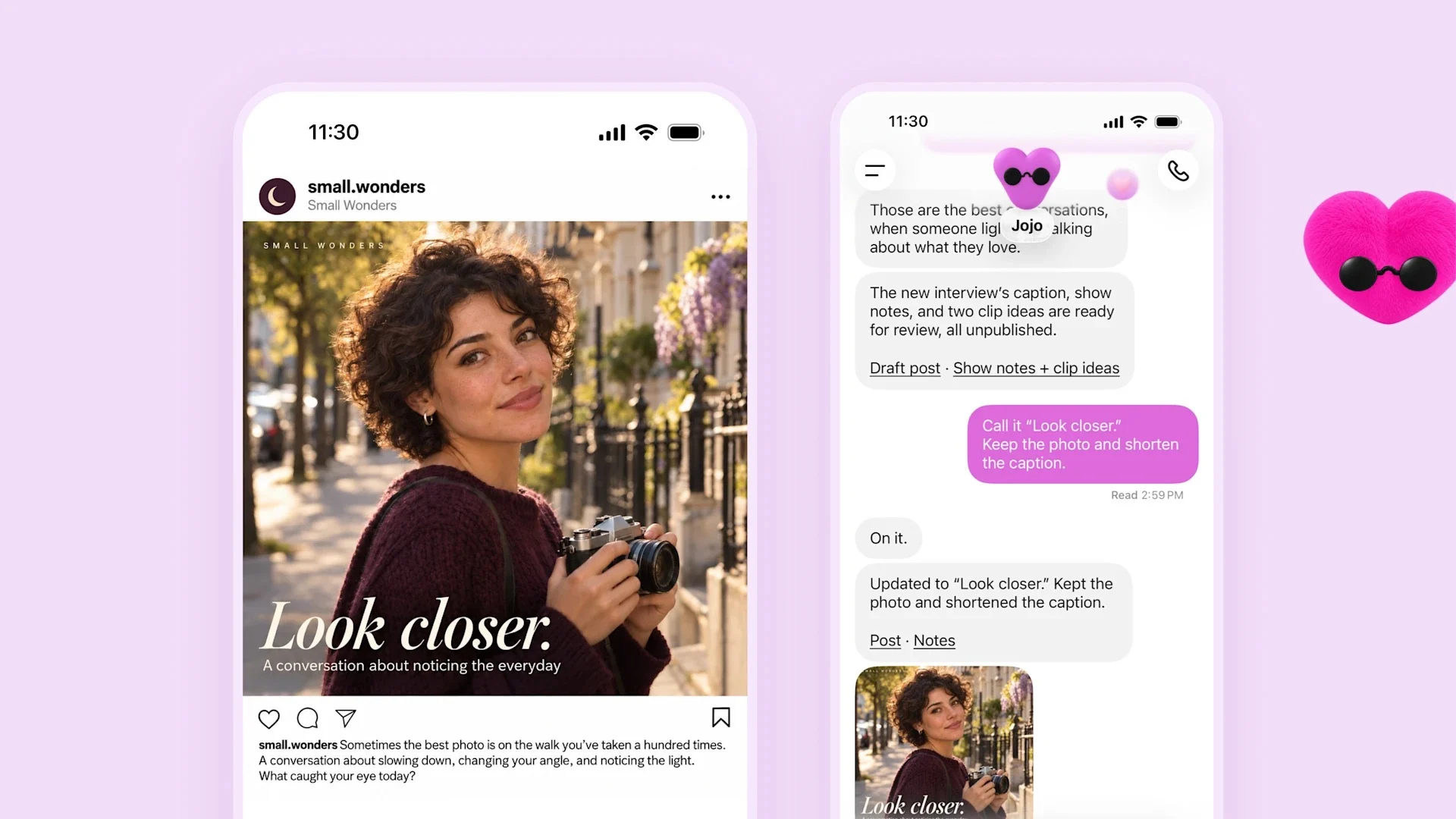
OpenAI also says that “through our ecosystem of plugins, they can readily connect to over 4,000 apps, giving them the tools to help wherever you need them”. They also operate “using their own cloud computer, their own browser, and the apps you’ve connected”. And if you trust the dot enough, you can even let it connect to your other devices, including “your laptop, where it can then be useful directly alongside you”.
According to the announcement, “working with your dot is as simple as having a conversation. You can message or call dots in ChatGPT on desktop, web, and mobile. Link it to Slack and Teams, and you’ll also be able to message your dot there. They can also message you with progress, questions, or decisions that need you”. When you need to proverbially check their homework, “you can open your dot’s computer at any time to inspect its work”.
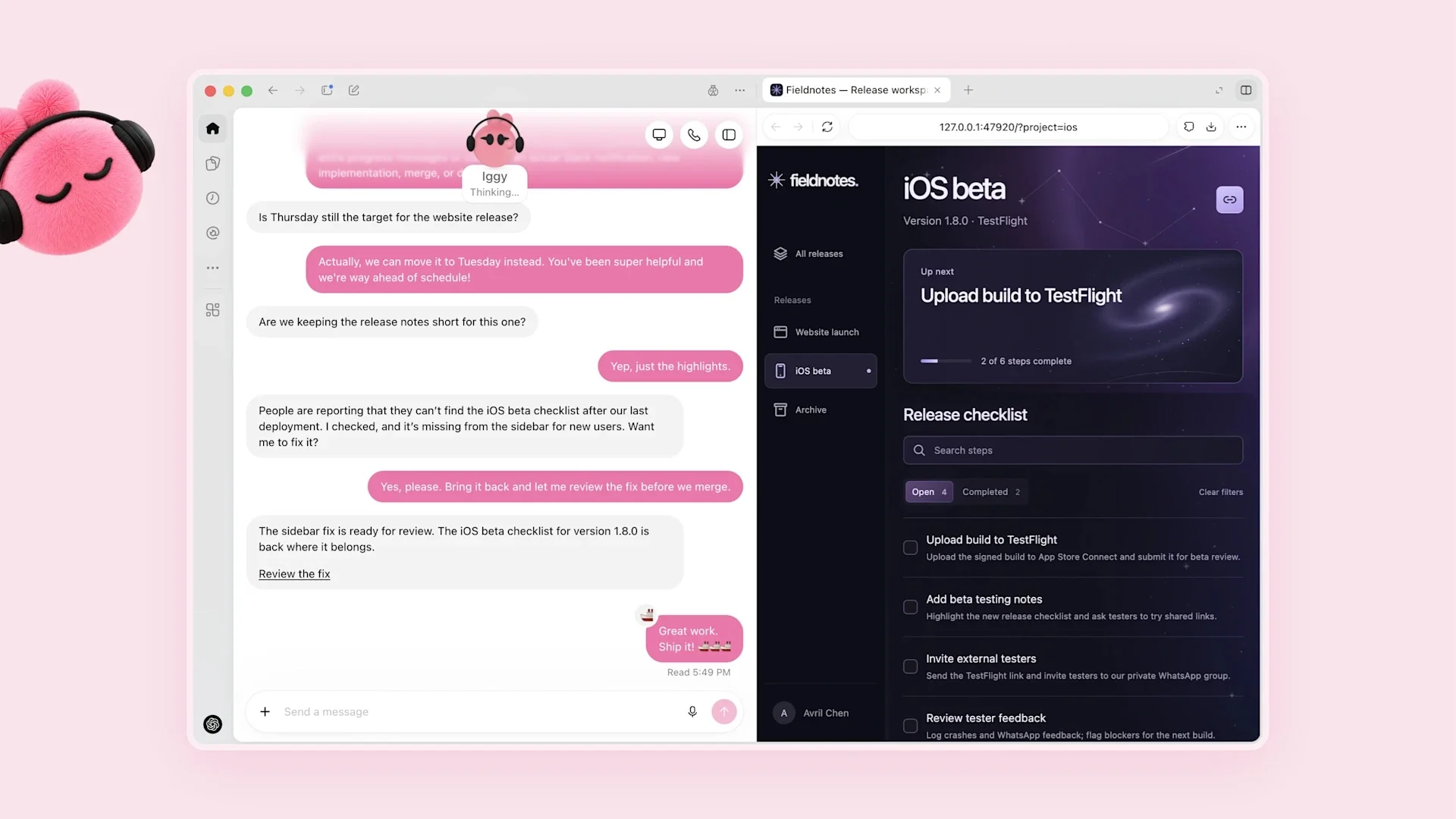
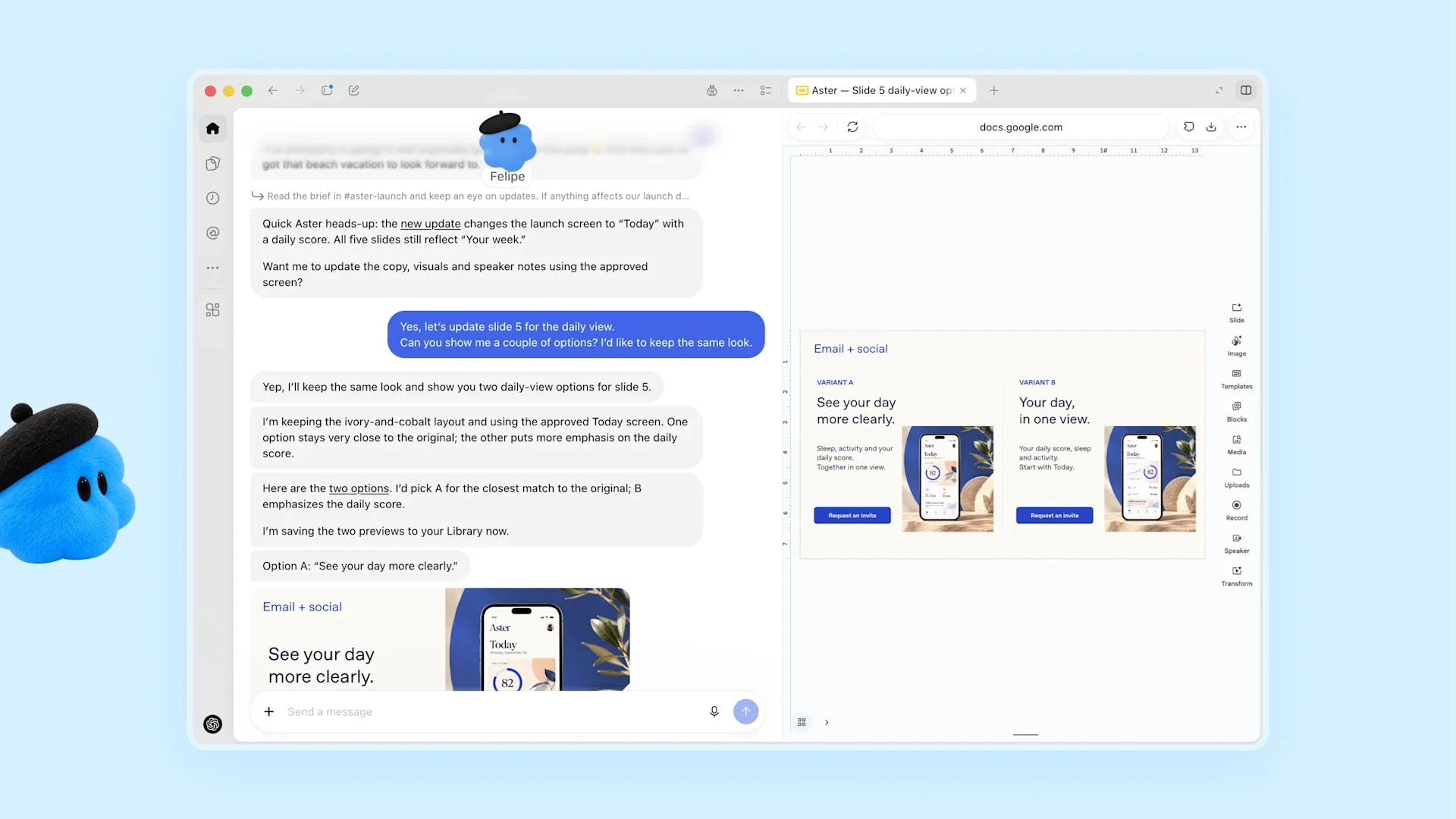
OpenAI also provided a number of examples of dots at work. One describes an early tester forgetting to invoice a publication, with his dot preparing said invoice on his behalf, and then sending it after getting his approval. Another example is a bug appearing in Slack, and the dots “immediately start investigating”, seemingly not needing human intervention at all in this instance.
All that sounds pretty impressive, if they don’t worry you at all. But as you’d expect, OpenAI is not extending these tools to just anyone. At launch, only Pro, Business Premium, and Enterprise tier users in eligible markets get a primary dot that can be named and customised. You can get more dots in the future, and the company says it plans to expand dots to more users soon, though it’s unclear if this applies to free users.
(Source: OpenAI)
