
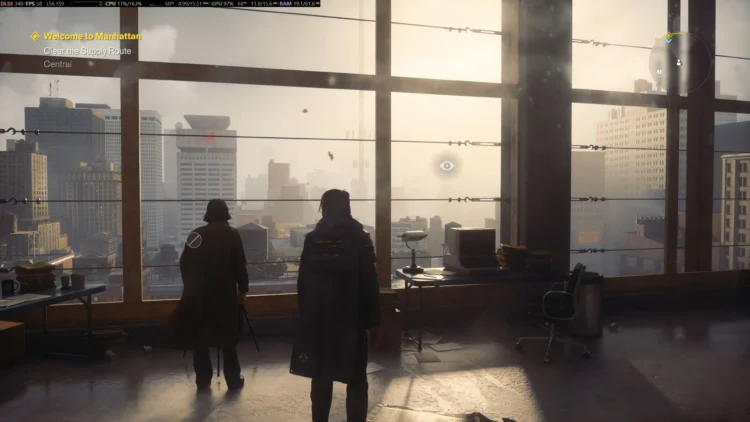
The Paranatural. The Hiss. Object of Power (OoP). Altered World Events (AWE). A physics-defying world. These are the elements that defined Control when it first launched in 2019, and now expanded in Control Resonant.
Control Resonant is perhaps an example of Remedy going out of leftfield, shifting the entire paradigm of the company from a controlled (no pun intended) supernatural shooter to an up close and personal, stylish melee combat system.
By The Power Of NVIDIA DLSS 4.5

Quick disclaimer here: our game code for Control Resonant was for PC and was provided by NVIDIA, primarily because of the relationship between Remedy and the GPU brand, going back years to the original 2019 title. Control was one of the first titles to run on the first version of DLSS; Alan Wake 2 began running on DLSS 4 and Frame Generation; and Resonant is the one of the first few titles to support DLSS 4.5. On that note, the game was reviewed with a Blackwell RTX 50 Series GPU.
The key takeaway with the new upscaler is the improved Ray Reconstruction feature and Multiframe Generation going 6x more frames, up from 4x. Assuming you’ve cranked up the ray tracing presets to Ultra – that’s the only option available if you want to use DLSS 4.5, by the by – the end result here is a game that generates more than 100 fps on average, even at 4K.
Seven Years Into The Future: New York Gets Hiss-y
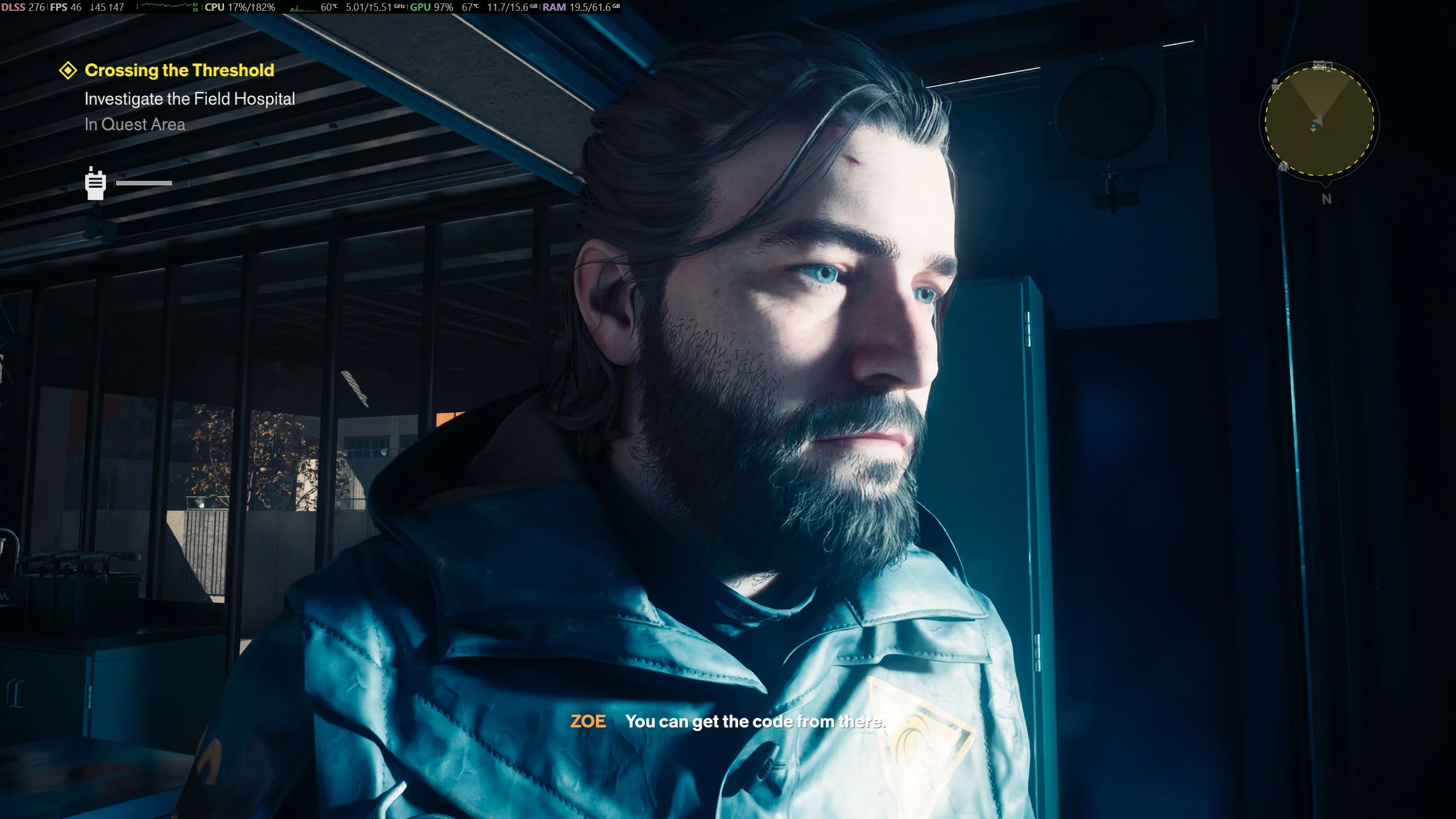
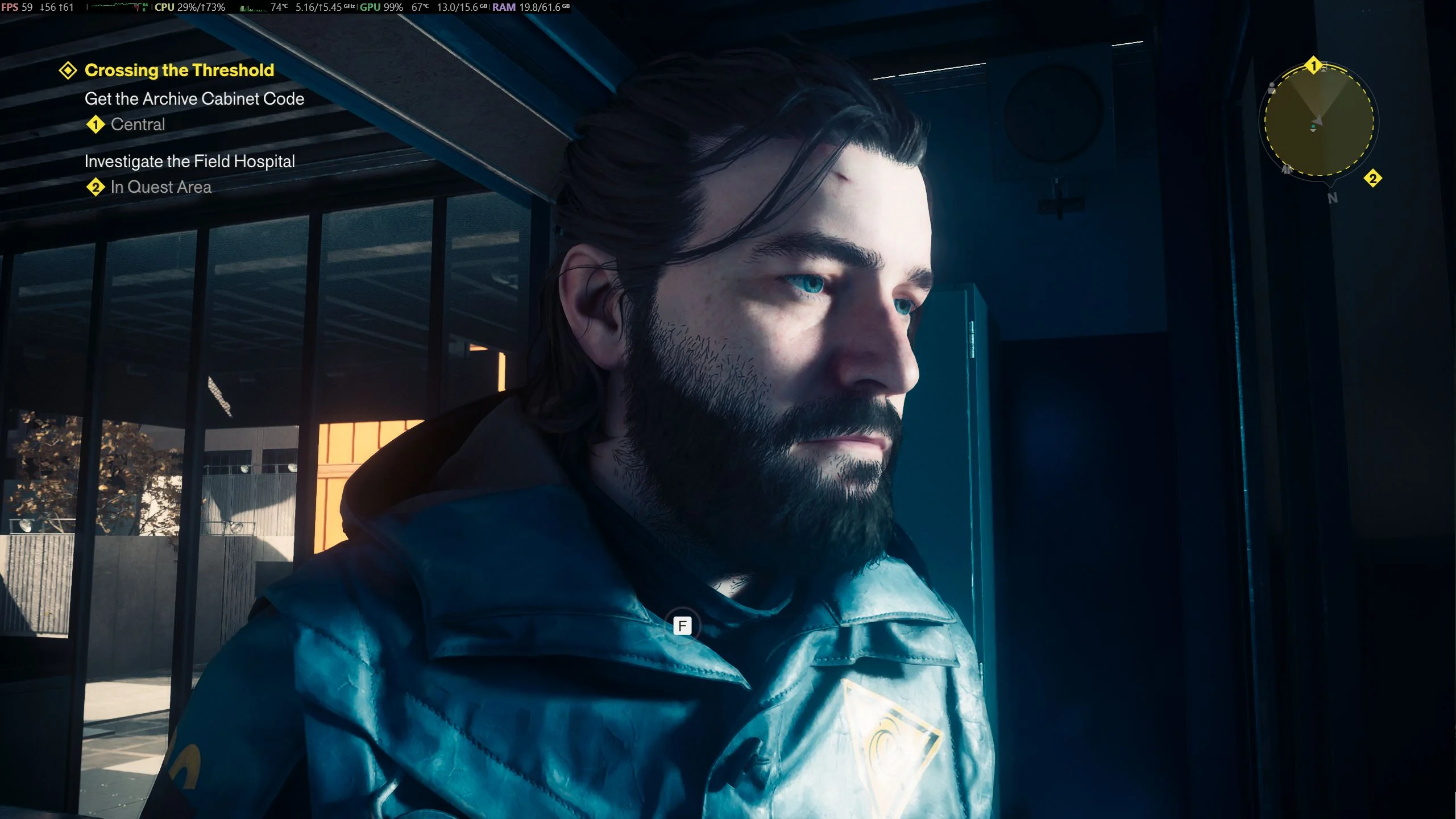
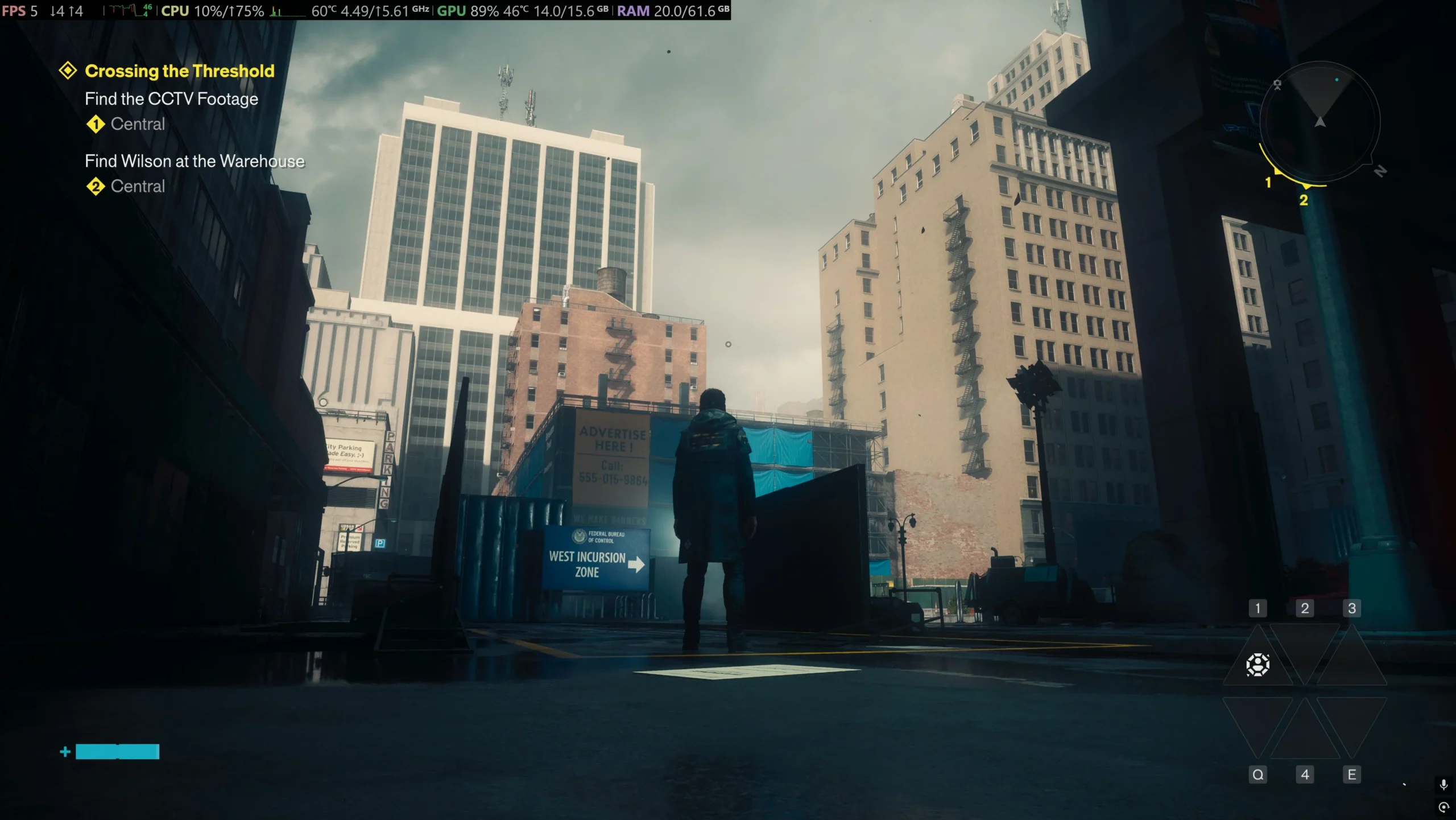
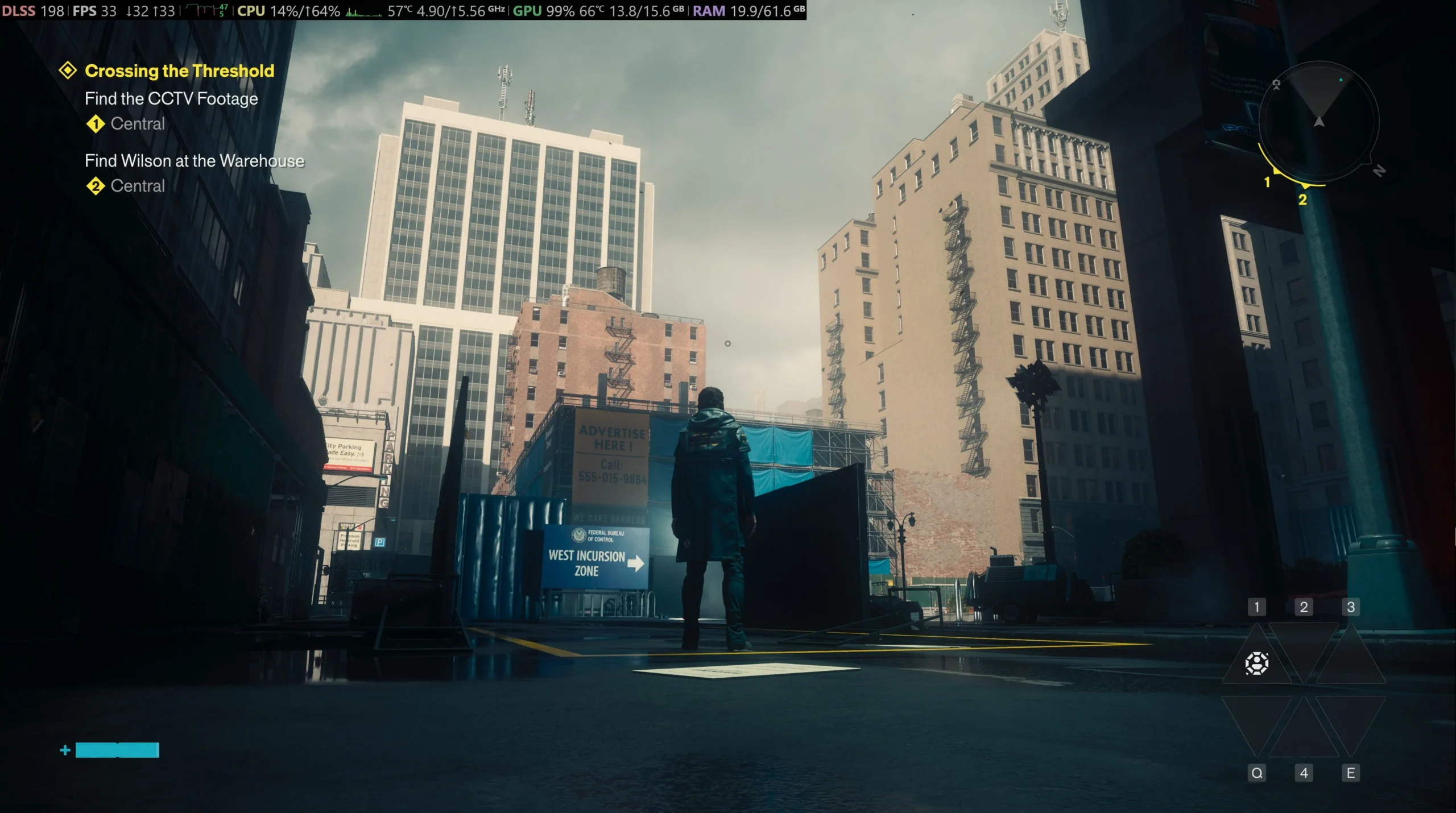
Here’s the sitrep: Control Resonant takes place seven years after the events of the first game. Jesse Fayden, the newly appointed Director of the FBC at the time, has left the Oldest House on a quest to save her brother and new protagonist of the game, Dylan, her loved ones, and the world. It’s a very vague and broad objective, and more than I’ll share here, just to prevent any spoilers.
But to provide a broad overview, Dylan is a disturbed individual and I don’t blame him: in the time Jesse went looking for him and found him at the FBC, they had already been experimenting on him for years, to the point that the Hiss had already nestled deep inside and turning him into the mass murderer in the Oldest House. The end of that game resulted in Jesse putting him into a coma.
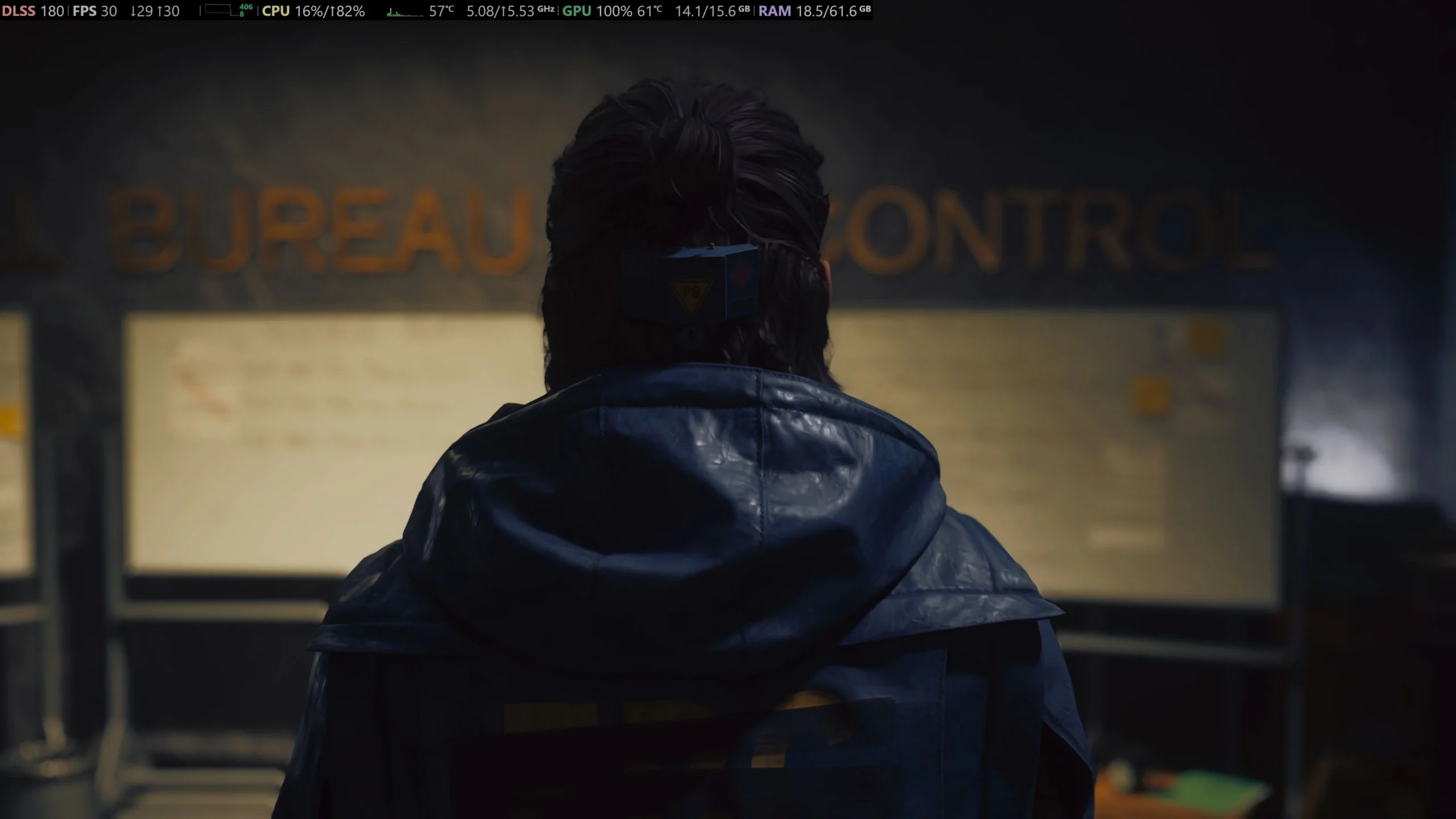
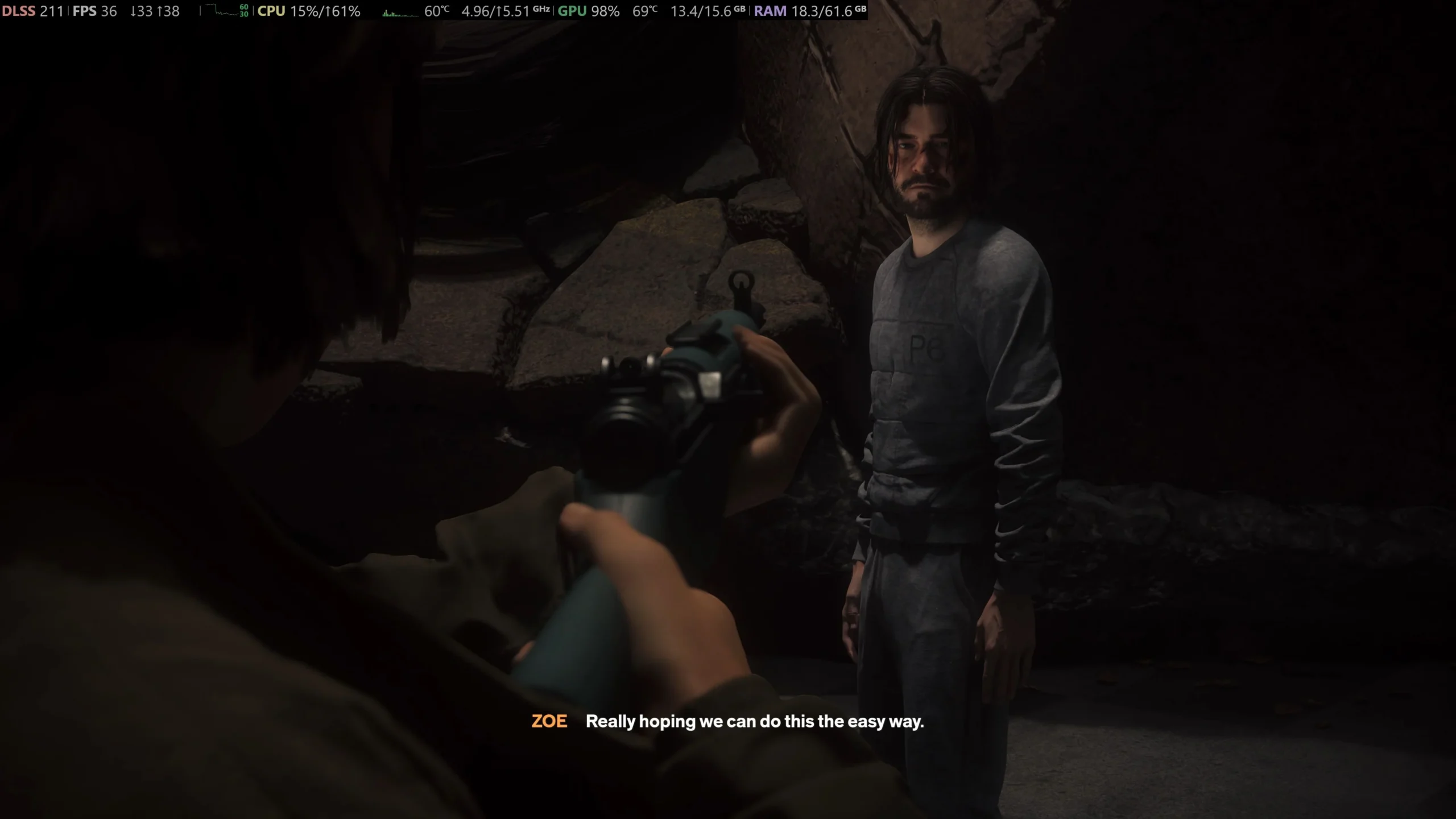
And that’s where Control Resonant picks up. Waking up from the coma, Dylan, now free of the Hiss, is…well, somewhat aware of what he has done, and left with more questions than answers. Compounding that, Dylan now has to contend not just searching for his wayward sister, but also seeking answers to his dark and twisted past. Oh, and for good measure, Dylan’s personality is almost the complete opposite of Jesse: Mopey, remorseful, and looking to redeem themselves from the horrors they caused while possessed.
Aesthetically, the game retains that dark, contrasting, brutalist, dystopian atmosphere that was first introduced in Control, just less of that dusty, hazy atmosphere. To that end, Resonant is more open-world than its predecessor, and the devs have outrightly encouraged us to travel off the beaten path, more or less in the same way we’d do all the side quests available, either at the time or within the area, increase our character’s level and combat effectiveness to heights that clearly make us overpowered, and then slap the main boss (of that act) around like they meant nothing.
Combat Evolved
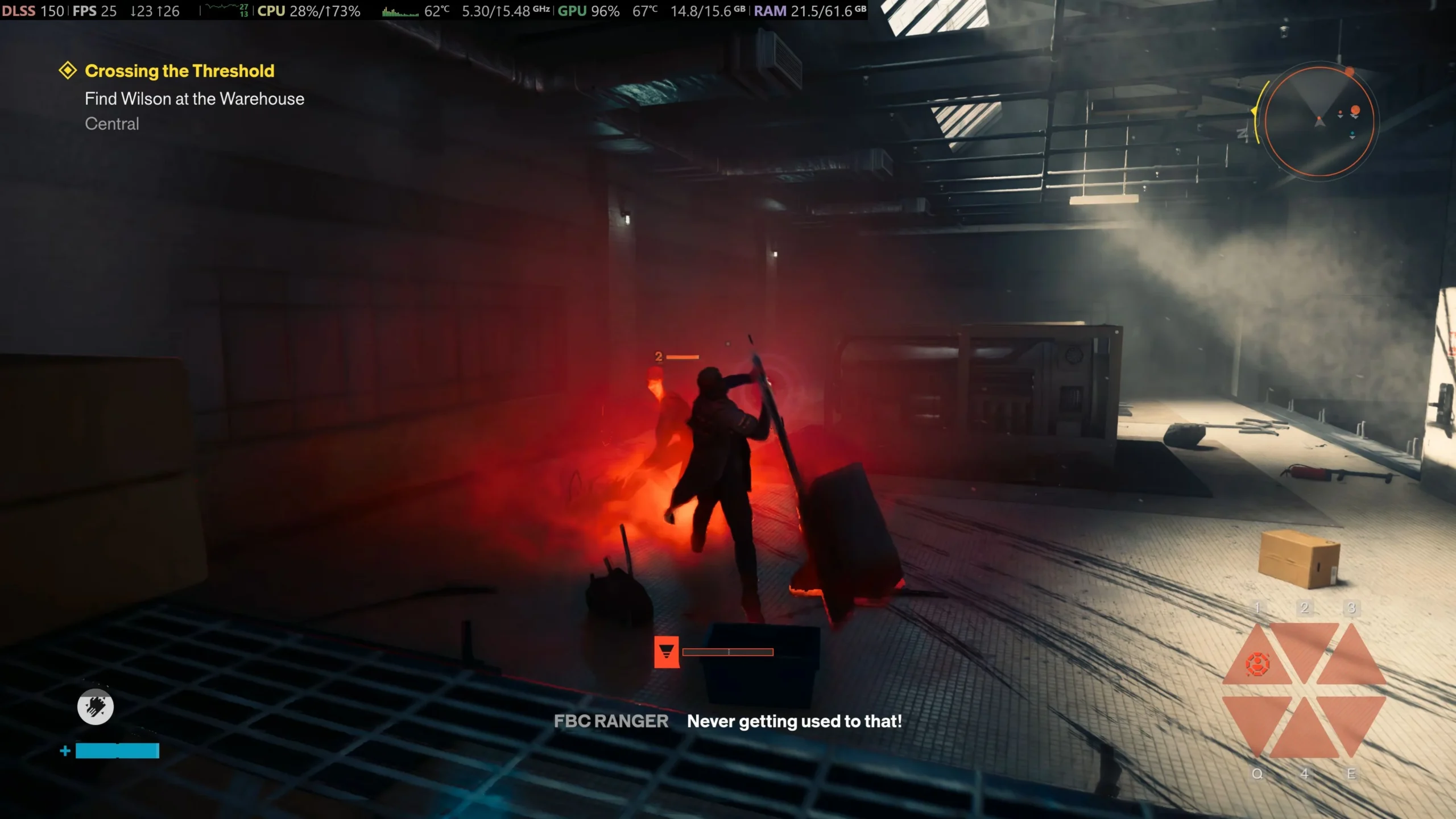
The biggest and obvious difference between Control and Resonant is the combat style. Where the first game was effectively a third-person shooter, this sequel swings all the way to the other end of the spectrum, focusing heavily on melee combat with lots and lots of dizzying, anti-gravity style close combat. And it is fun.
Dylan wields what is called in-game an Aberrant: paranatural metal that infinitely replicates itself and takes on the form of different kinds of weapons. Dual blades, a massive hammer, big axe, otherworldly nun-chucks, full-on metallic boxing gloves, and more. This is complemented by skill trees that are broken down into two segments: one to improve Dylan’s over combat prowess, and multiple others, each for the different Aberrant weapons they wield, in the form of primary and secondary forms, and combo finishers.
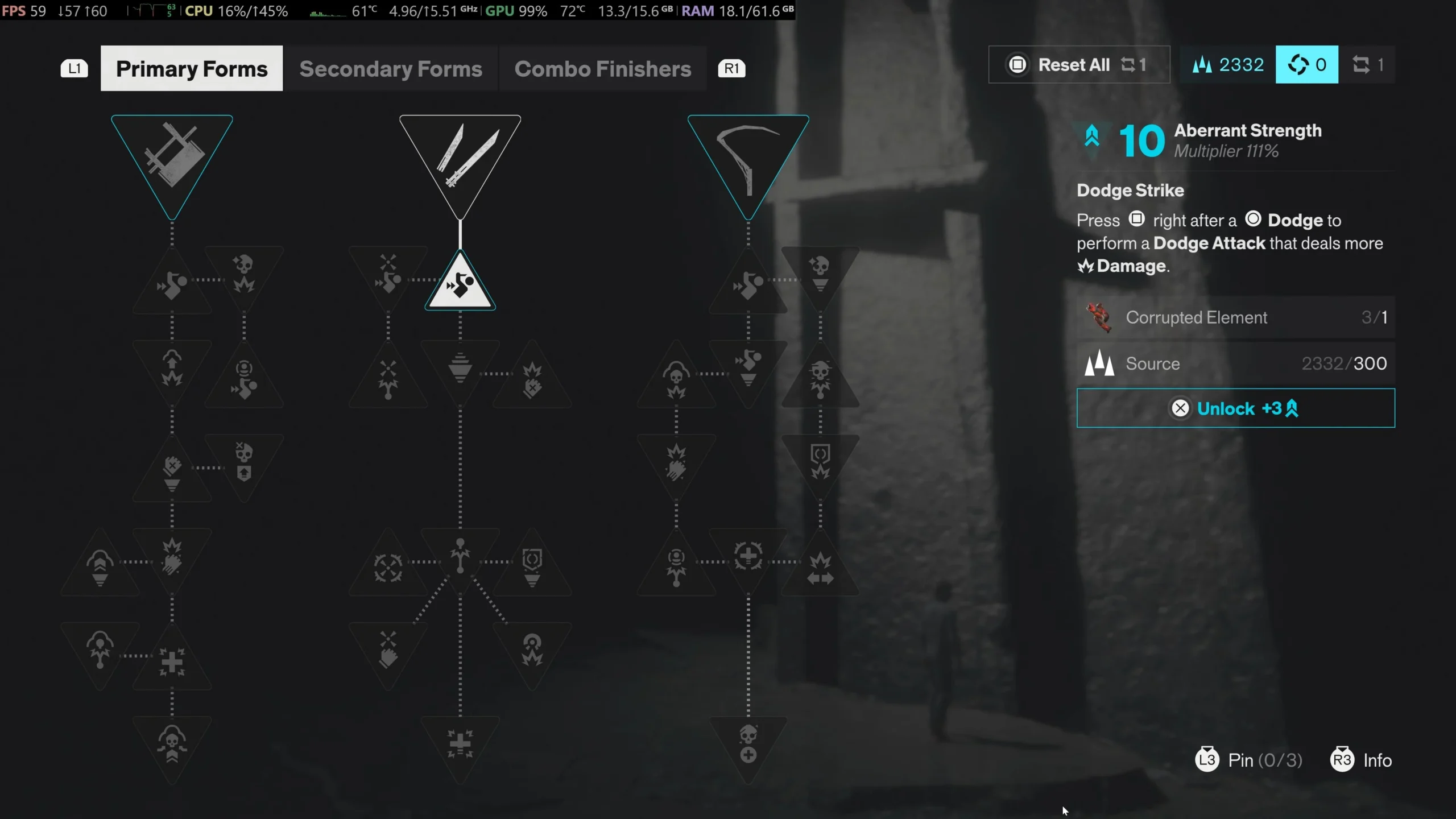
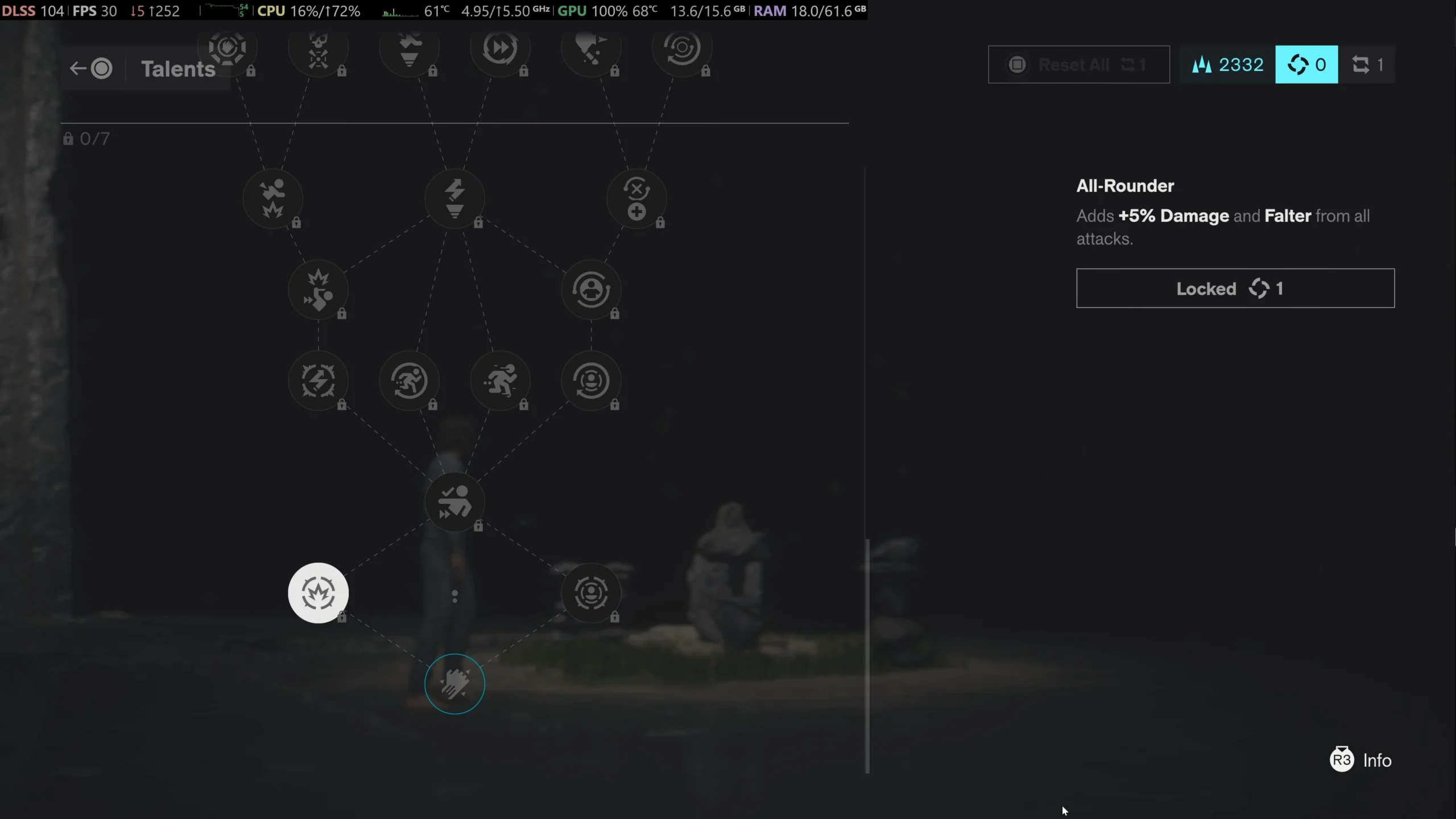 Control Resonant also gives you the option of resetting your setup if you’re looking into a different playstyle, although this will cost you points in-game. The goal is to generate enough Falter, which is the game’s version of Stagger, so that you can finish off enemies in QTR takedowns that replenish your HP and, in turn, keep you in the fight.
There are many other powers from the first game that make a return in Resonant as well. Levitation and Dashing are two such powers, but as sequels do, there are plenty of other psychic powers that Dylan will gain access to as you progress through the game. This includes the ability to summon a minion that you can lob at enemies and then explodes. Then there’s Ignite, which basically allows Dylan to superheat his Aberrant and inflict additional damage.
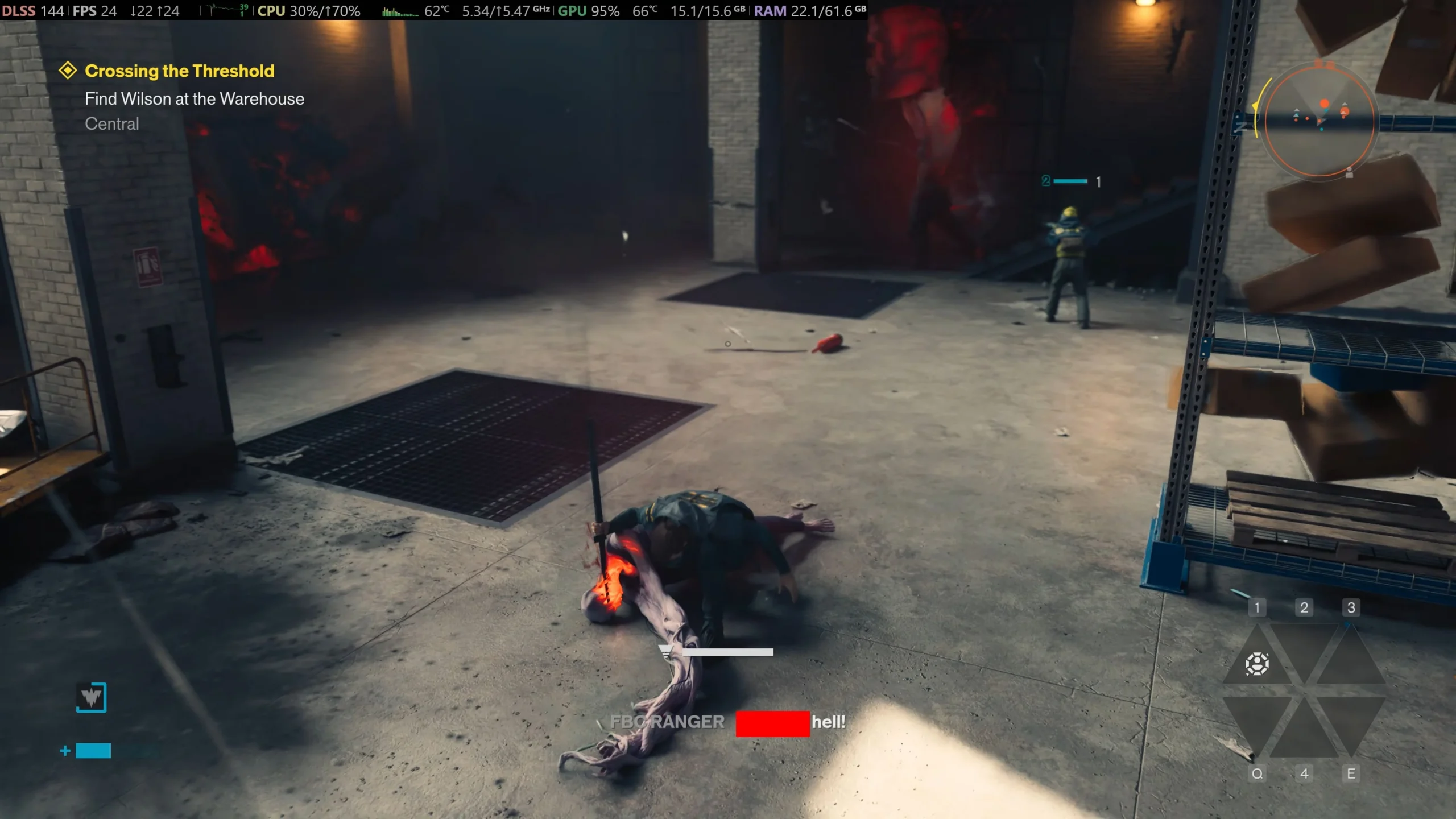
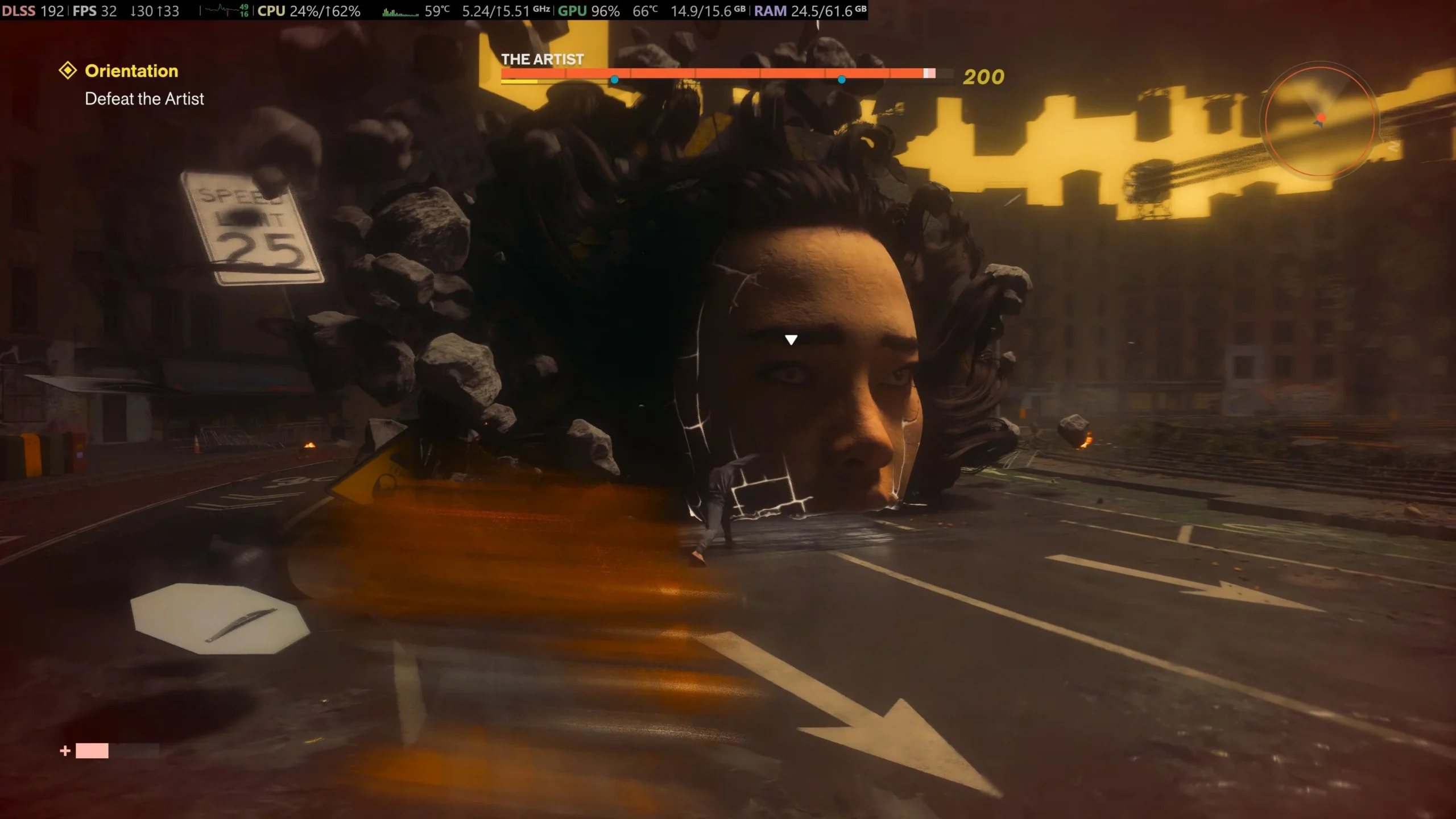
It wouldn’t be a Remedy game if there wasn’t some form of a learning curve from the get-go, and boy, Control Resonant doesn’t disappoint. Then, as now, you’re thrust into the heat of it all; you need to pay attention to visual and audio cues from Hiss-tainted enemies in order to learn their attack patterns and dodge them. Then, for good measure, Remedy made it so that you’re assaulted from all sides, essentially giving you a sense that you’re getting swarmed and overwhelmed. It is, at this stage, that you learn that some form of crowd control (again, no pun intended) is needed on your end, or you’re just gonna get pummelled.
I’m not going to lie: the first boss fight, which is aptly called Resonants, took me several fights and deaths before I eventually got the hang of the rhythm, and like all games, after you conquer and defeat the boss, you get rewarded in the form of skill points and many other in-game items that you can then use to improve Dylan’s combat prowess.
Conclusion
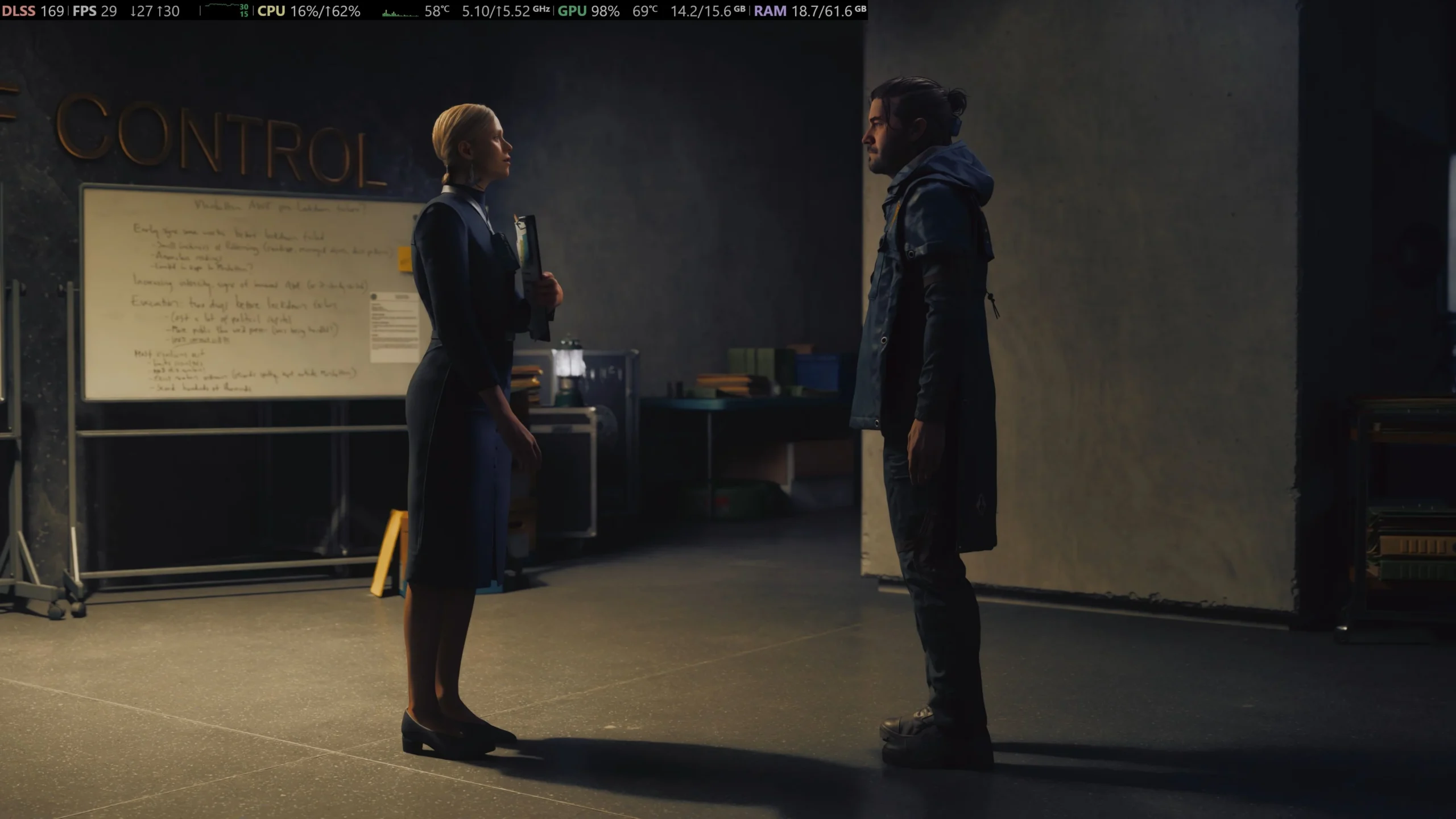
It’s actually interesting to see Remedy Entertainment do what it is doing to Control Resonant as it did with Alan Wake 2: pivoting towards a deeper, traumatic, and more psychological horror aspect, and literally on a city-wide scale. The main story has certainly been simplified since the first game, admittedly, as is the main objective: find your sister and at the same time, save New York City from a paranatural threat.
The outright change of the combat mechanism can be a bit of a shock, but this is Remedy keeping things fresh and, at least in the eyes of this gamer, the dev’s way of paying homage to games of this genre.
Control Resonant drops 24 September.
