

Lenovo recently requested that a US California court dismiss its lawsuit against PC brand and rival Asus. The company also reportedly went as far as to request that it dismiss it with prejudice.
Quick English lesson: to dismiss something with prejudice in a court of law means that the lawsuit cannot be refiled. Interestingly, Lenovo did not provide any reason or explanation for rescinding its lawsuit against the company, only that it is.
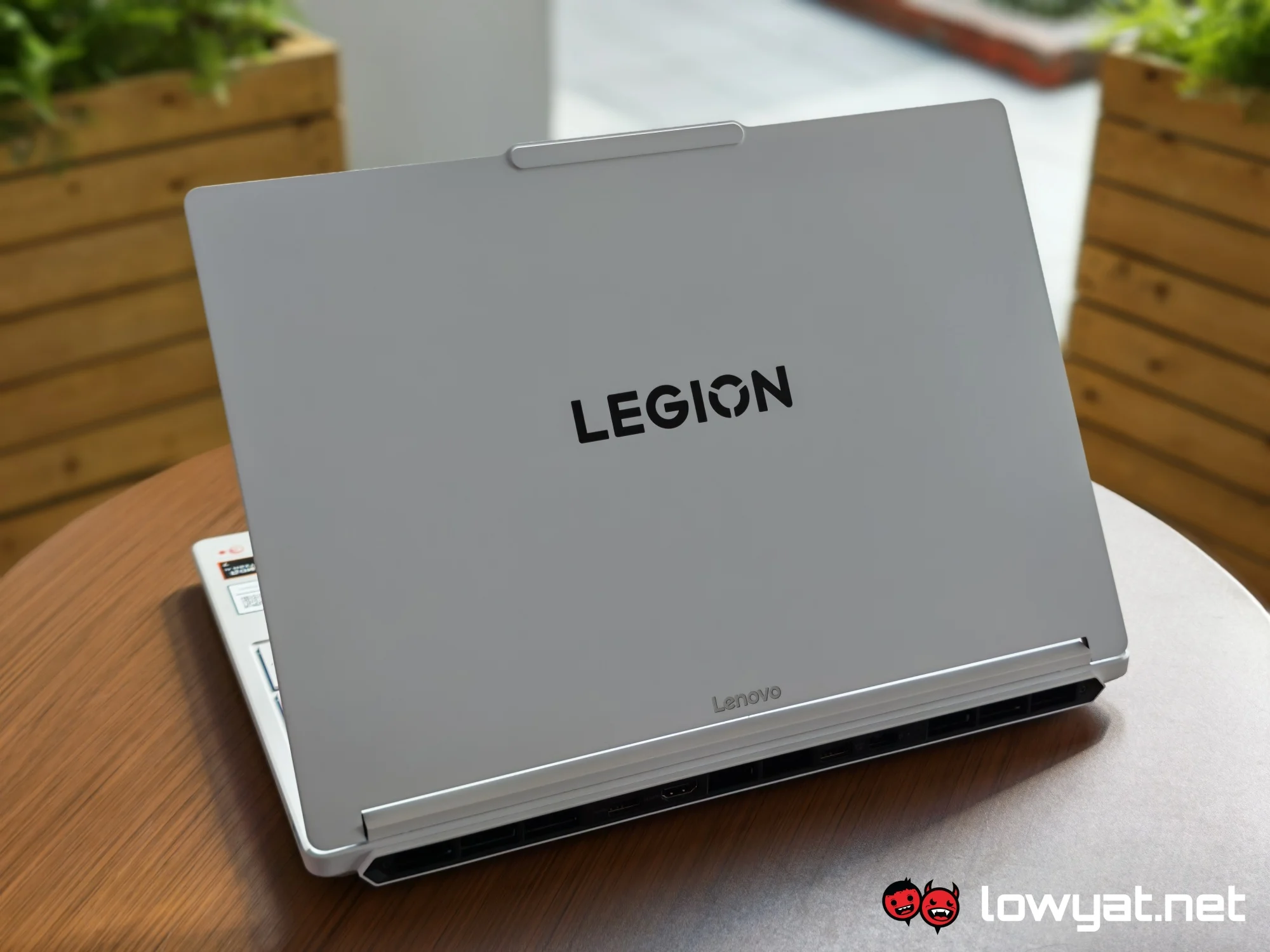
Lenovo’s lawsuit against Asus started back in 2023. It claimed that the latter had infringed on four of its patents. As per the lawsuit filed then, it was seeking “damages, including lost profits, caused by the alleged patent infringement” by ASUS. Specifically, it was for four patents related to wireless communications, diagonal touchpad scrolling, and a hinge design that allows a laptop to convert to a tablet.
One product that it accused of infringing on its patents at the time was the ZenBook Pro 14 OLED, with its wireless wake-on-LAN being one of the prime offenders. Again, as per the lawsuit filed then: “For example, prior to the ʼ066 Patent, there existed a need for techniques to supply main power to devices included in a wireless LAN without intervention of an operator. … The invention includes a wireless receiver that receives a wireless signal,” the lawsuit says. It continues, explaining: “The receiver is connected to a main system whose power is not on,” and that “after receiving a signal, it is determined whether a magic packet is contained.” If the magic packet is present, “a signal is sent to turn on the main power supply to the main system.” The lawsuit notes that the tech doesn’t need a handshake with the wireless access point.
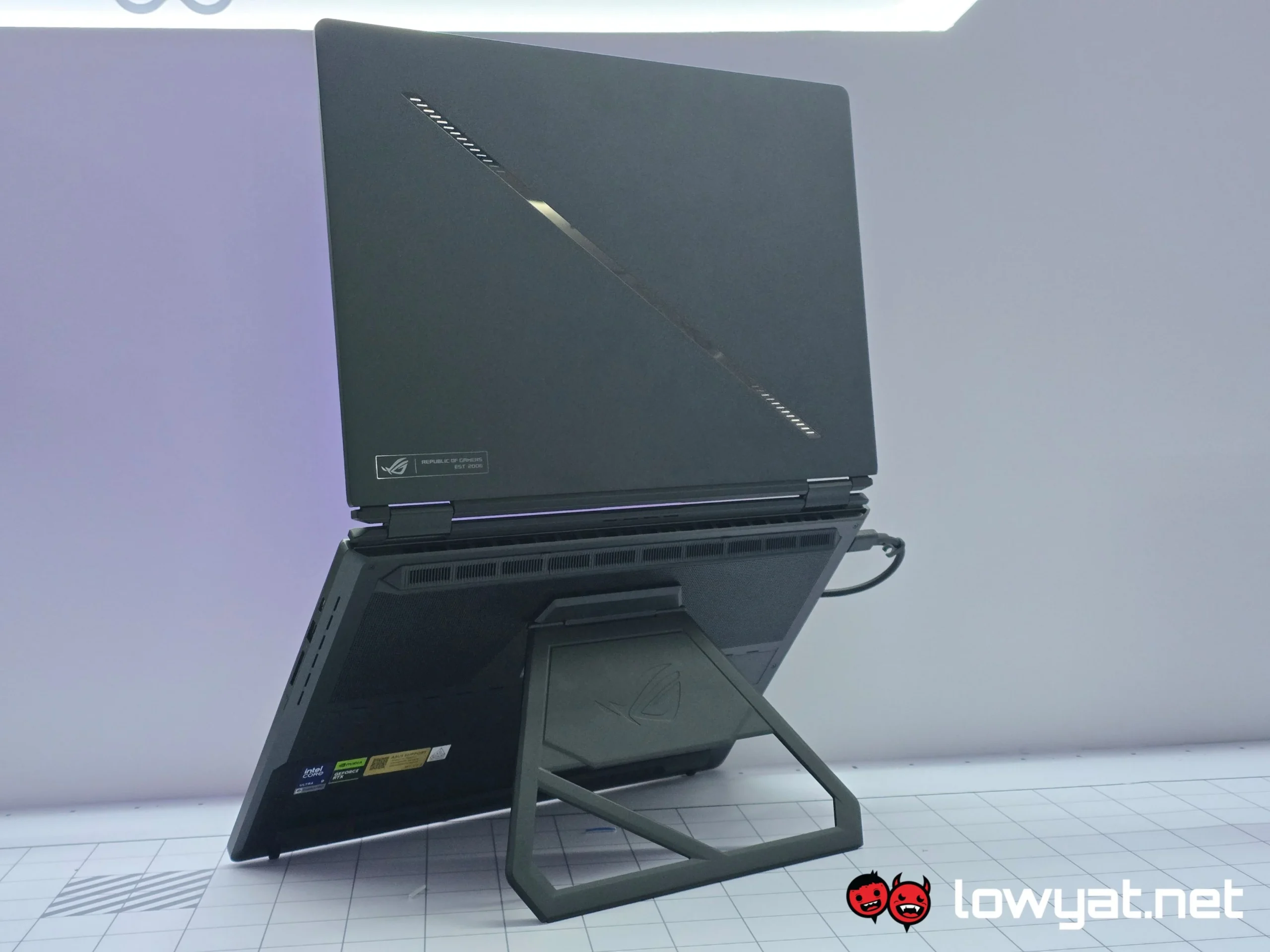
Perhaps the infringement that likely struck closest to home for Asus concerned Lenovo’s accusation that the Taiwanese PC brand used a “Dual Shaft hinge with angle timing shaft mechanism” patent that Lenovo filed back in 2014. To cut to the chase, this effectively forced Asus to abandon its “Ergolift” hinge design and its many variations. That, by the way, explains why the design for its laptops underwent a dramatic change in 2024, as evidenced by the 2024 version of the ROG Zephyrus G14.
(Source: Reuters)
