
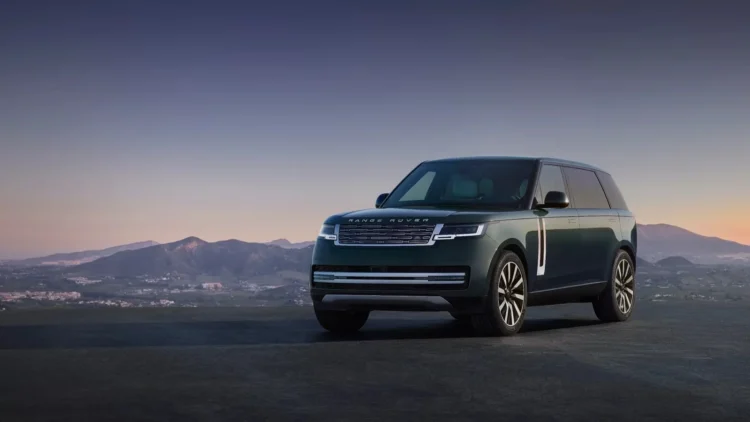
Land Rover has officially unveiled the Range Rover Electric, its first-ever fully electric Range Rover. In a company press release, the automaker says the new EV is “quieter, more responsive and with more torque than any Range Rover to date”.
The Range Rover Electric is powered by a 118.5kWh usable lithium-ion battery with 344 nickel manganese cobalt (NMC) prismatic cells arranged in a double-stack configuration. This gives the EV up to 598km of WLTP range, while Land Rover quotes a real-world range of up to 535km.


The battery is connected to an 800-volt electrical architecture, enabling DC fast charging at up to 350kW. Using a compatible rapid DC charger, the EV can go from 10% to 80% charge in around 22 minutes. It can also add up to 220km of WLTP range with a 10-minute charge.
Power comes from two permanent-magnet electric motors, one on each axle, with each motor rated at 354PS (349hp or 260kW). Land Rover says the motors produce 20% more torque than other motors of the same size.
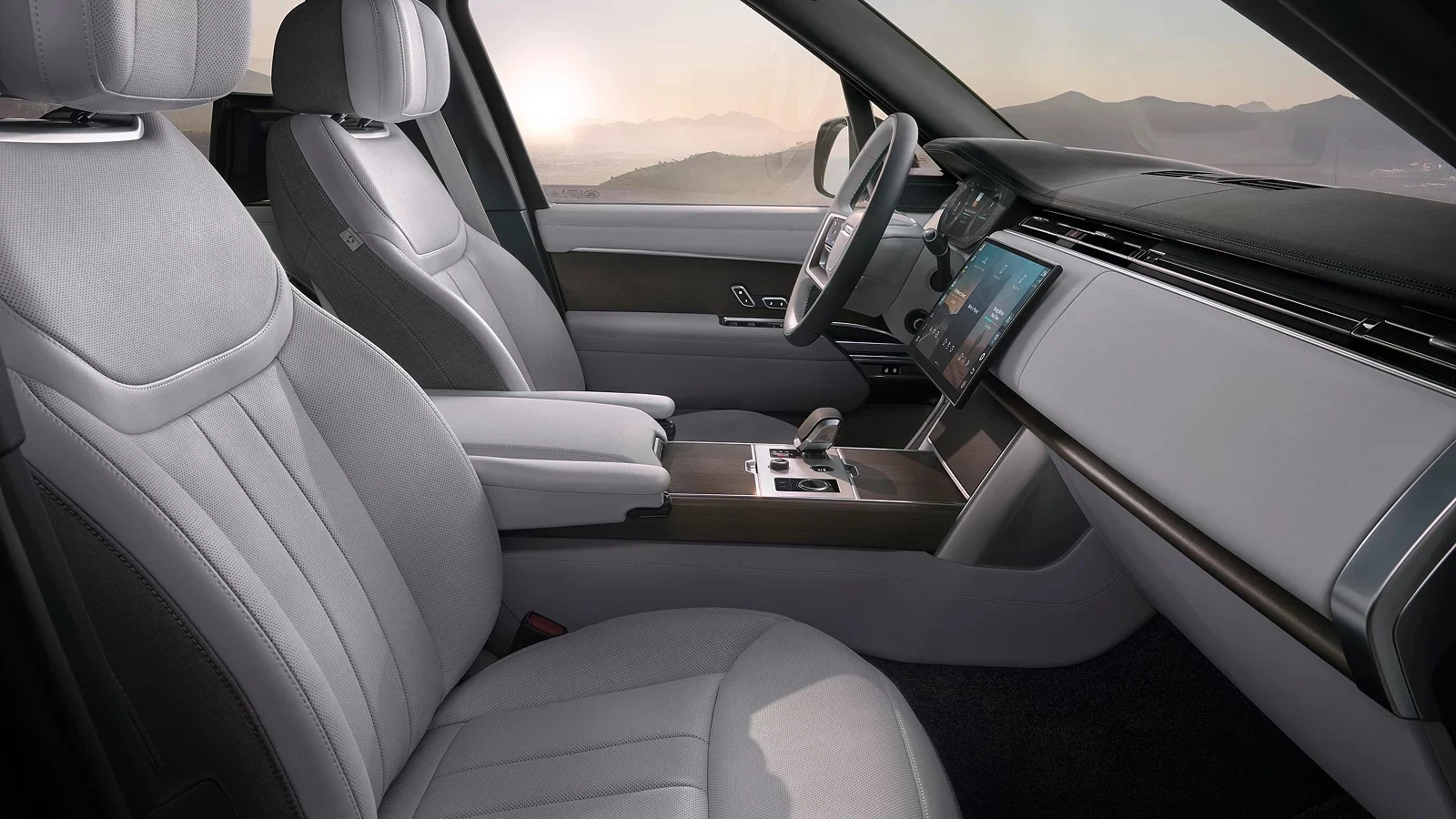
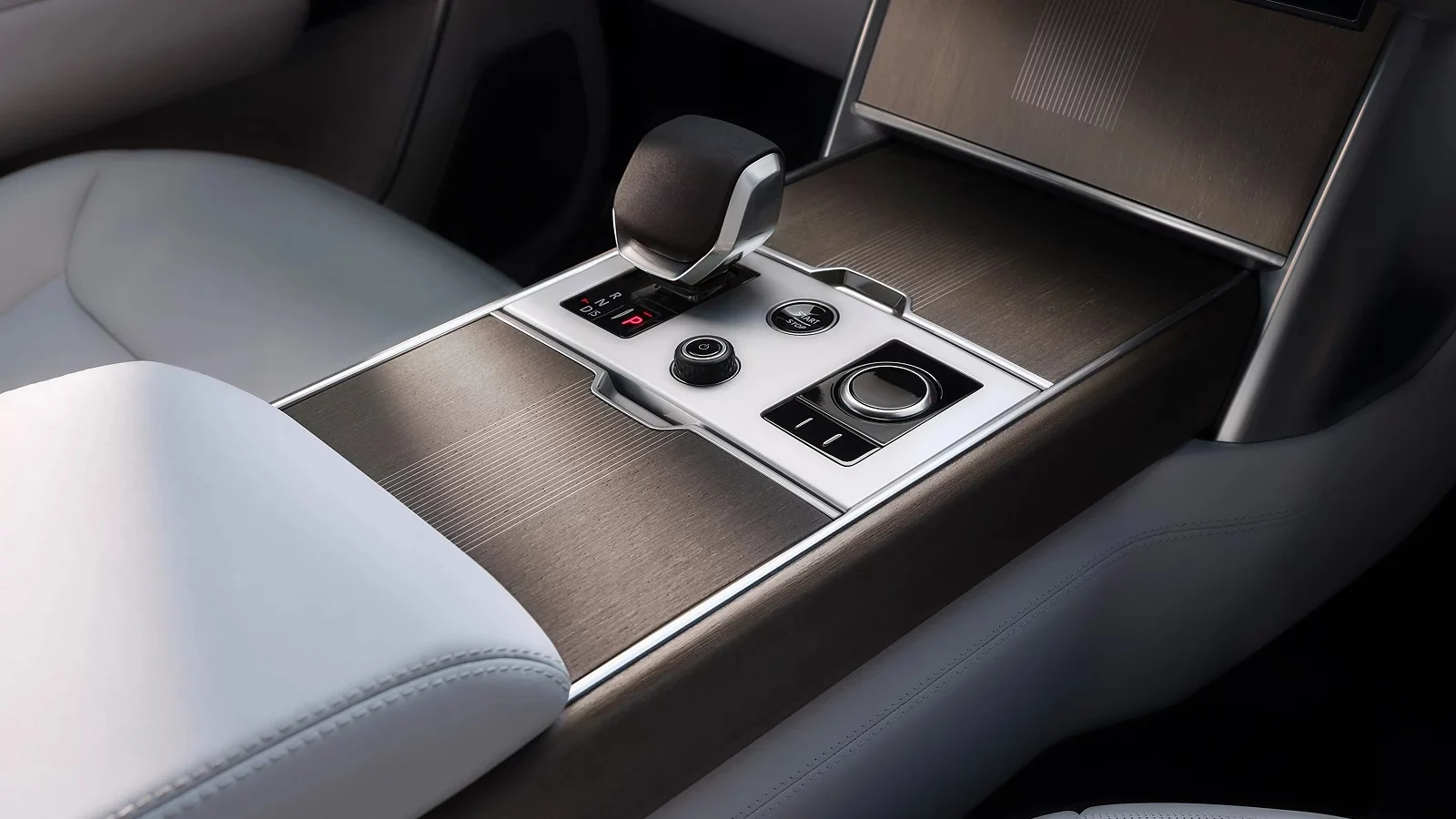
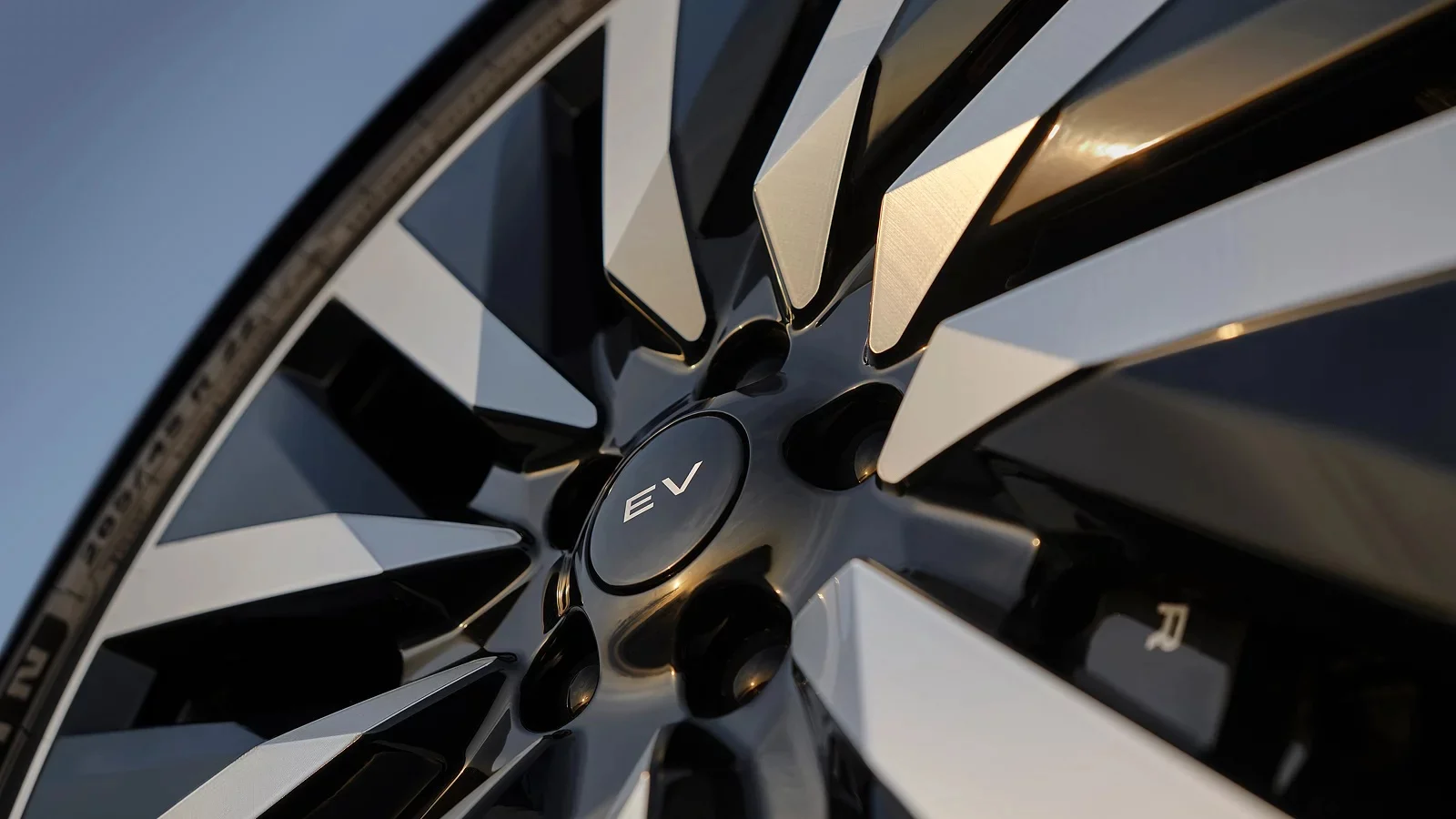
The Range Rover Electric has a total system output of 550PS (542hp or 404kW) and 850Nm of torque. This allows it to accelerate from 0-96km/h (0-60mph) in 4.3 seconds, while 80-120km/h (50-75mph) takes as little as 2.7 seconds.
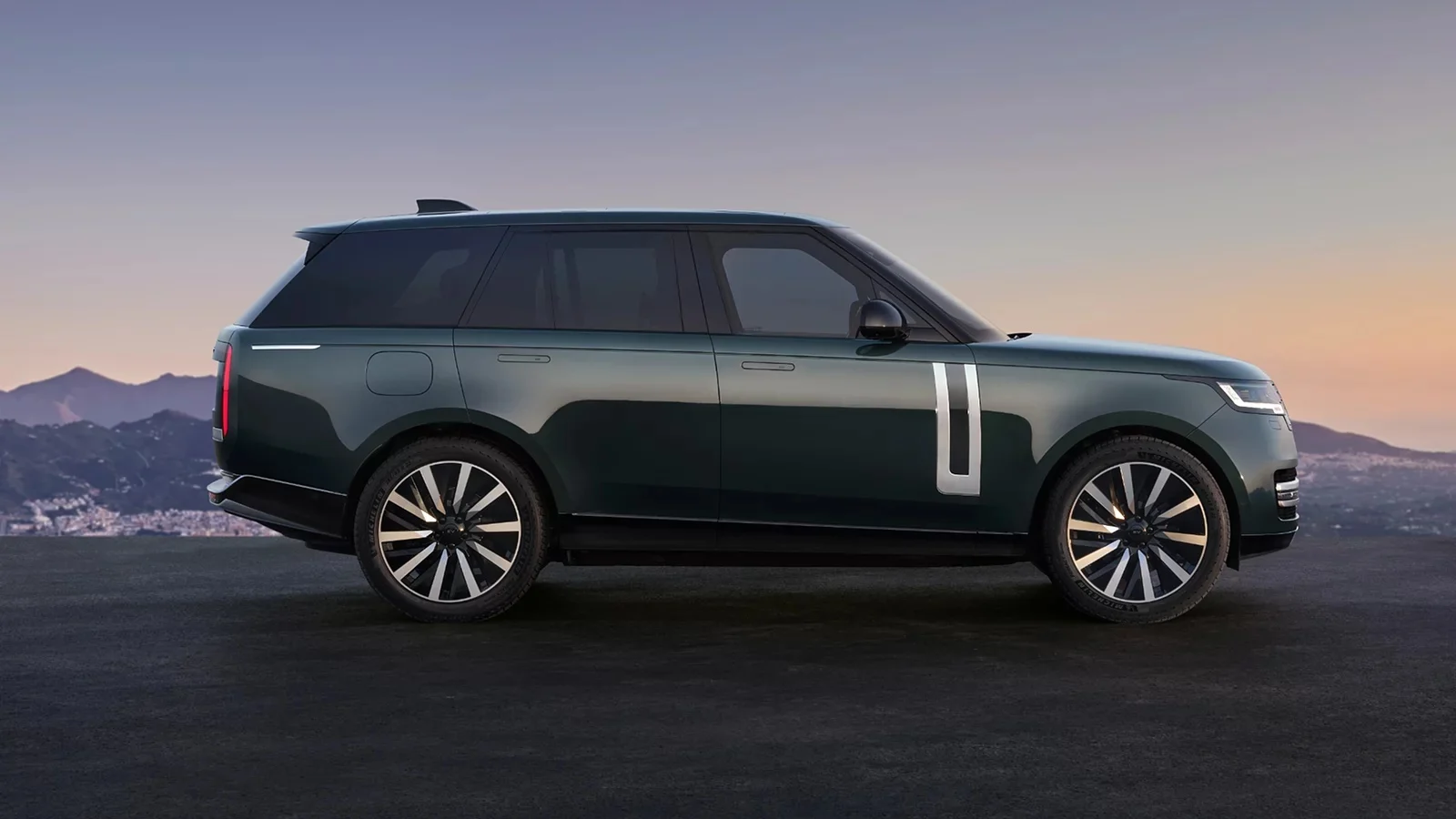
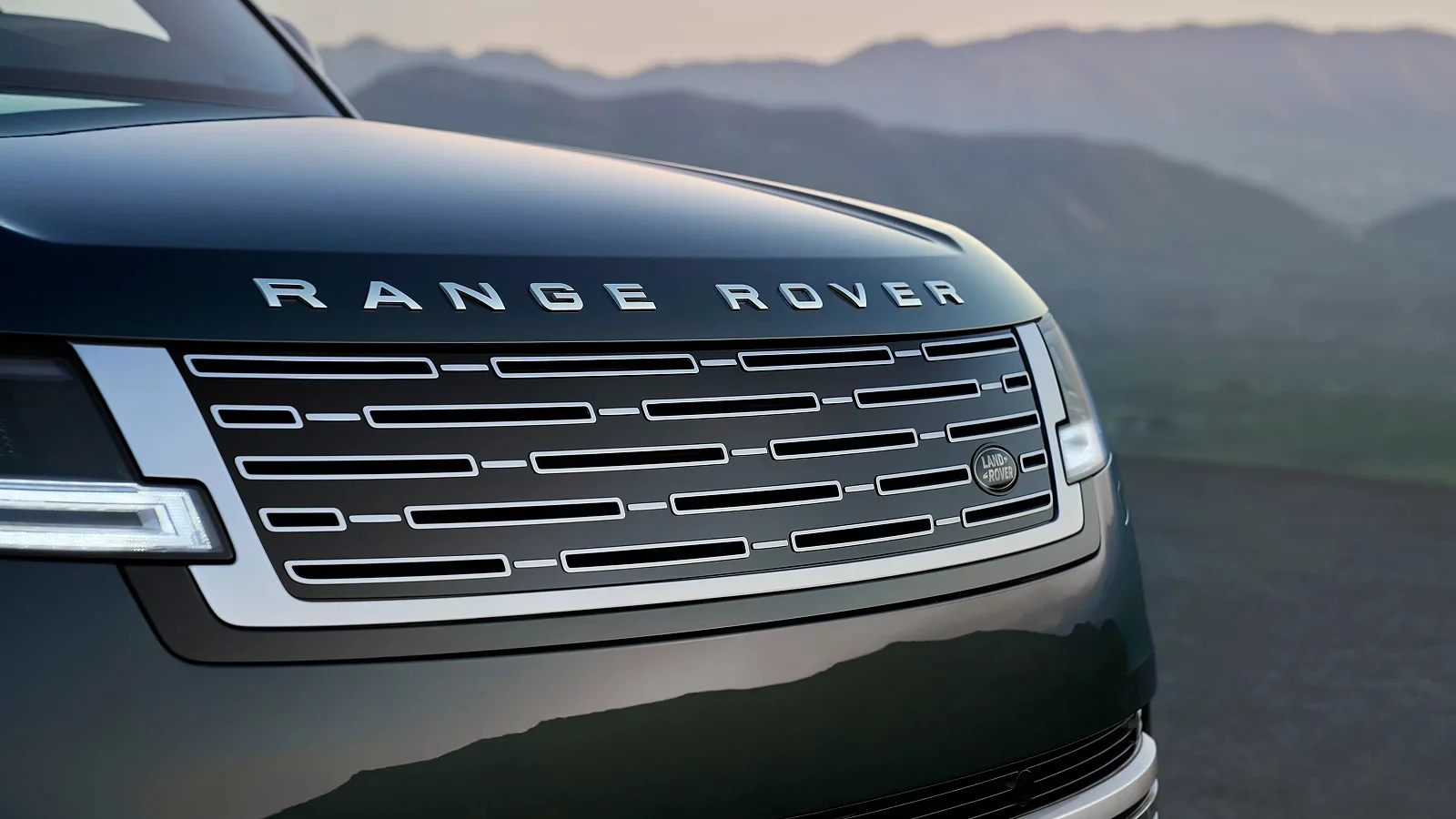
As you may have noticed, the design is largely unchanged from the petrol-powered fifth-generation (L460) Range Rover. This is intentional, as the L460 is based on Jaguar Land Rover’s (JLR) Modular Longitudinal Architecture (MLA), which was developed from the outset to accommodate different powertrain types.
In terms of responsiveness, the Intelligent Driveline Dynamics (IDD) system can distribute rear torque from 100% to zero to help prevent traction loss. This is complemented by the Integrated Traction Management (ITM) system, which can control motor speed within 50 milliseconds and manage wheel slip up to 100 times quicker than an equivalent internal combustion engine (ICE) vehicle, or so the company claims.
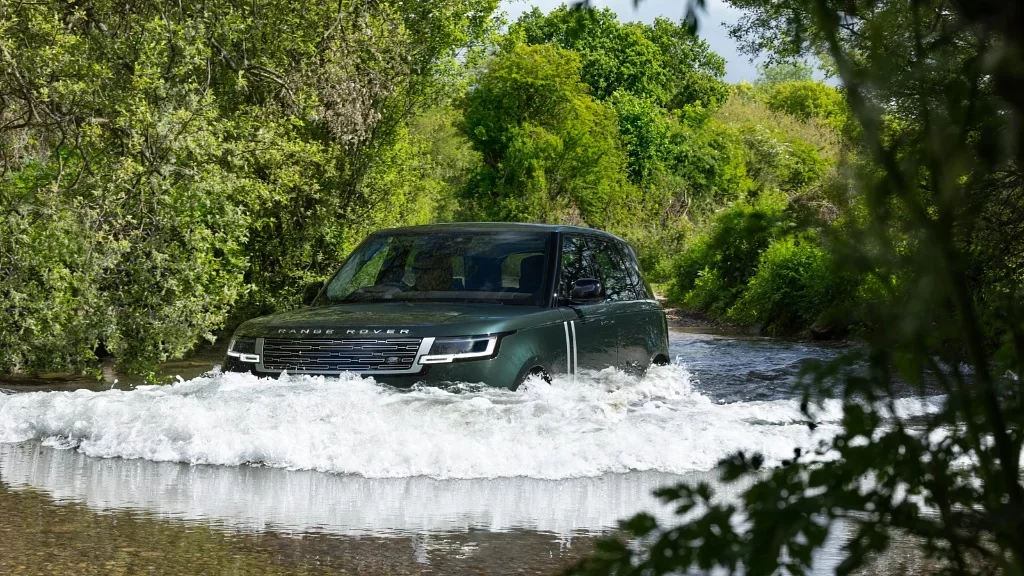
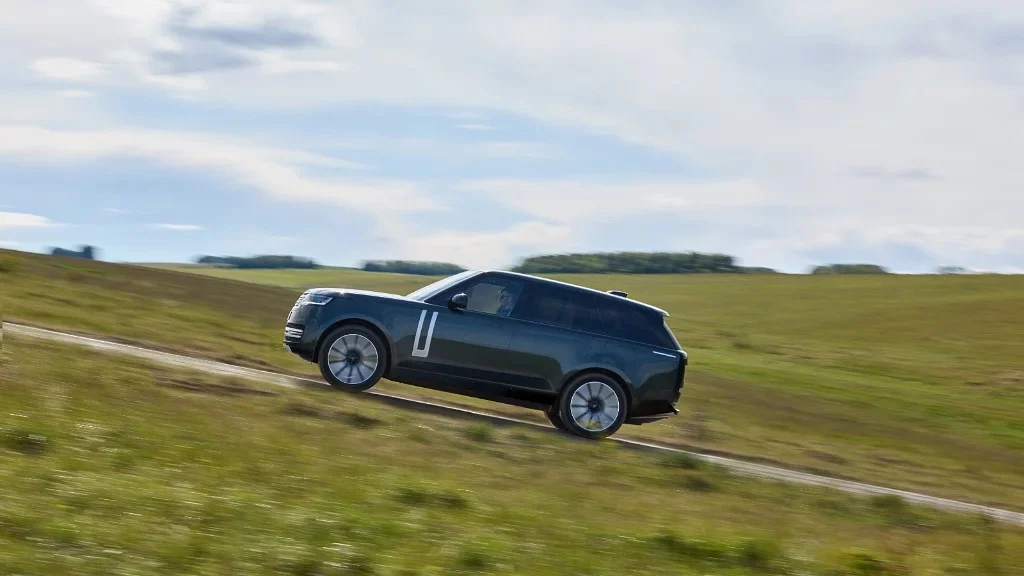
The Range Rover Electric also introduces a new Single Pedal driving mode. According to Land Rover, the system allows the vehicle to smoothly pull away on slopes of up to 33 degrees and complete rolling climbs of up to 45-degree slopes. The EV can also wade through up to 900mm of water.
Other new technologies include ThermAssist, which manages the vehicle’s thermal system to optimise driving range, charging speeds, battery longevity and performance. Land Rover says the system can add up to 40km of range while reducing heating energy use by 40%.
JLR has also highlighted its new battery testing laboratory, where live battery packs are subjected to extreme multi-axis vibration and shock testing from -40°C to +90°C. A high-strength aluminium enclosure is also used to protect the battery from high-impact knocks and jolts.
Lastly, for serviceability and maintenance, each Range Rover Electric comes with a Battery Digital Twin that provides over 900 diagnostic data points. This works with JLR’s over-the-air (OTA) software capability to allow Range Rover to proactively maintain customers’ vehicles.
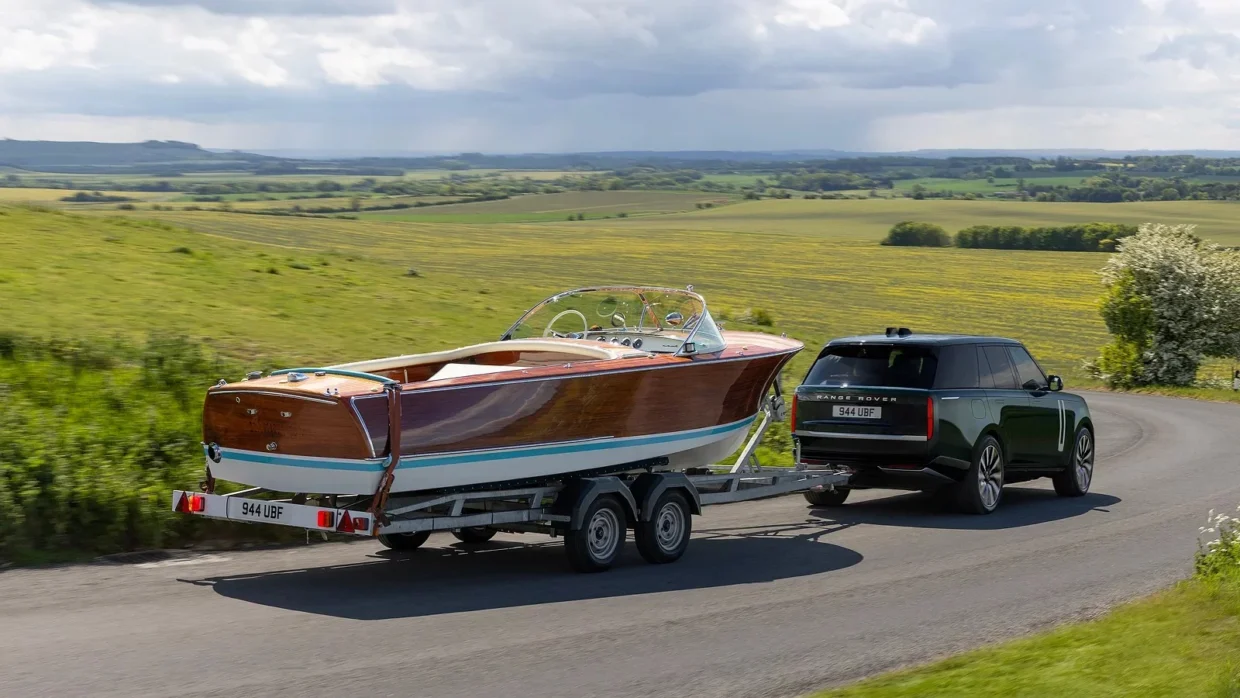
At the time of writing, Land Rover is taking orders for the Range Rover Electric in the UK. The EV is available in short- and long-wheelbase body styles, with SE, HSE, Autobiography, SV, SV Ultra, SV Black and First Edition specifications up on offered. The model has a starting price of £154,070 (~RM841,545).
In Malaysia, Jaguar Land Rover Malaysia has yet to announce local pricing or confirm when the Range Rover Electric will go on sale. However, the model is already featured on the company’s local website, where interested customers can join a waiting list.
(Source: Range Rover press release, via Paultan.org)
