
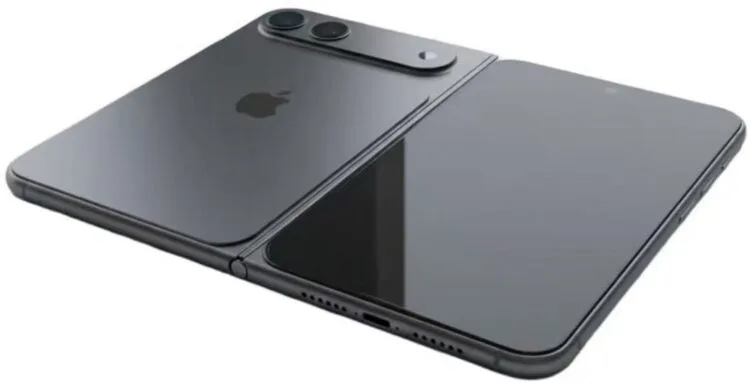
The much-rumoured foldable iPhone Ultra is expected to be properly unveiled next month, alongside the iPhone 18 Pro and Pro Max. But it looks like there have been a handful of early testers for the device, and according to Mark Gurman of Bloomberg, the reception looks to be overall pretty positive. Though, the device is not completely free of complaints, with one of the primary drawbacks being the lack of a telephoto zoom camera.
As Gurman reports in the weekly Power On newsletter, those who got early access to the iPhone Ultra were generally happy with the way the phone fits in a pocket, as well as the feel and durability of the hinge. The iPad-like app layout is also a bonus, though with its very wide form factor when unfolded, it’s not entirely unexpected. Specifically mentioned in the newsletter is a comparison in form factor to the passport-sized Samsung Galaxy Z Fold8.

Of course, it’s not all sunshine and rainbows, as the lack of a telephoto camera is noted as a negative. It’s a fair criticism, considering the iPhone Ultra may be tagged with a US$2,000 (~RM8,081) price. What little the public has seen about the Apple foldable, from leaks and such, indicates a two-camera setup. And with a telephoto unit being excluded, this leaves only a wide-angle shooter to accompany the main snapper. All that being said, there’s still the potential for much more flexibility than the singular camera of the iPhone Air.
Curiously, Gurman mentions being told that the foldable iPhone Ultra “excels as a camera viewfinder”, despite complaints about the camera setup. Beyond that, it is also expected to return to using Touch ID rather than Face ID for its biometric lock.
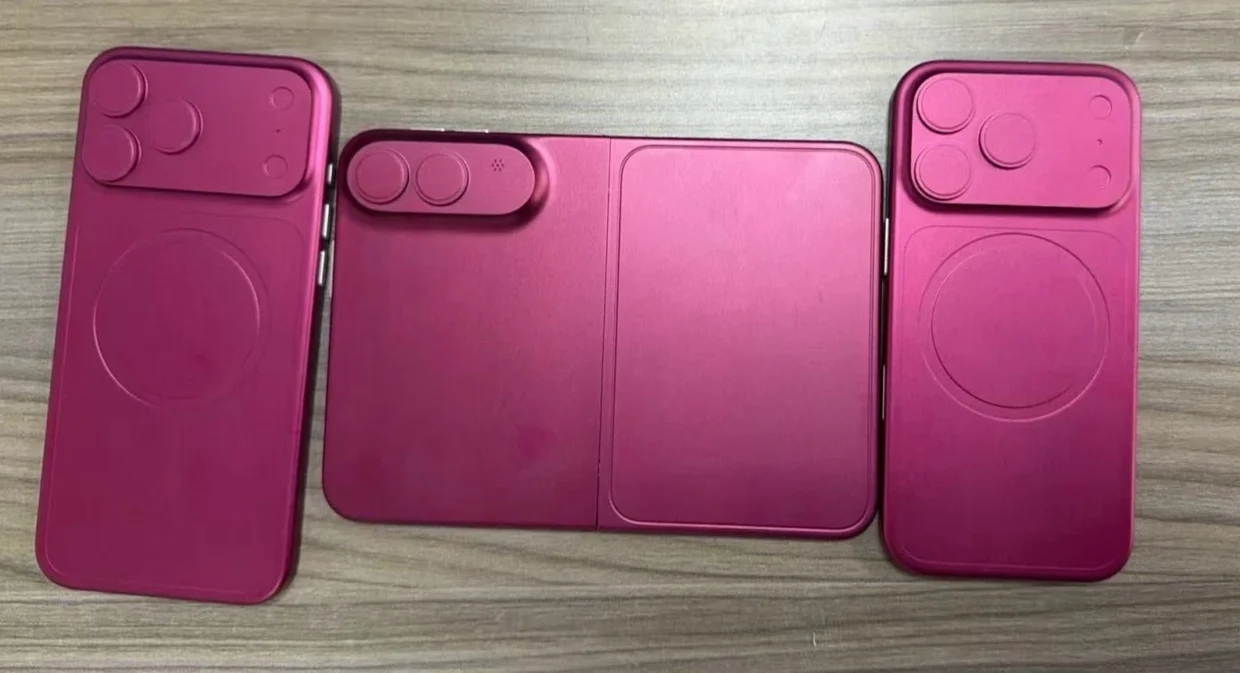
At any rate, Apple is expected to reveal all there is to know about the foldable iPhone Ultra early next month. This includes which markets it will be available in, as existing rumours about the device also point to a US-only launch first, followed later by other major markets such as China. It remains to be seen if the device will land on our shores, or if that is only scheduled to happen in a later generation.
(Source: Bloomberg)
