
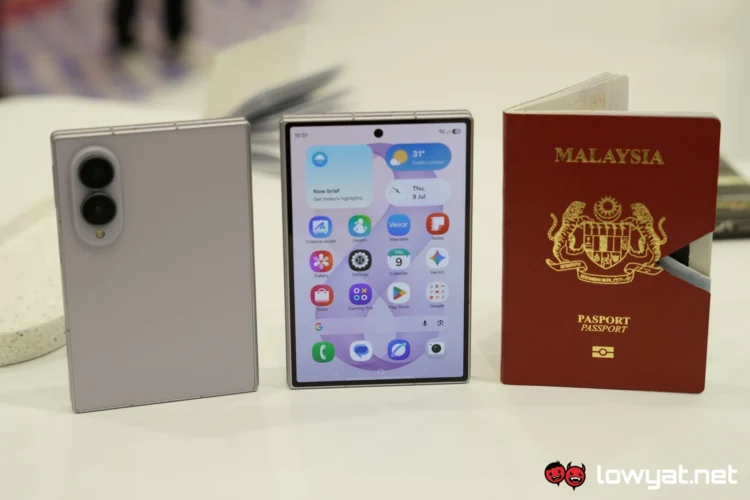
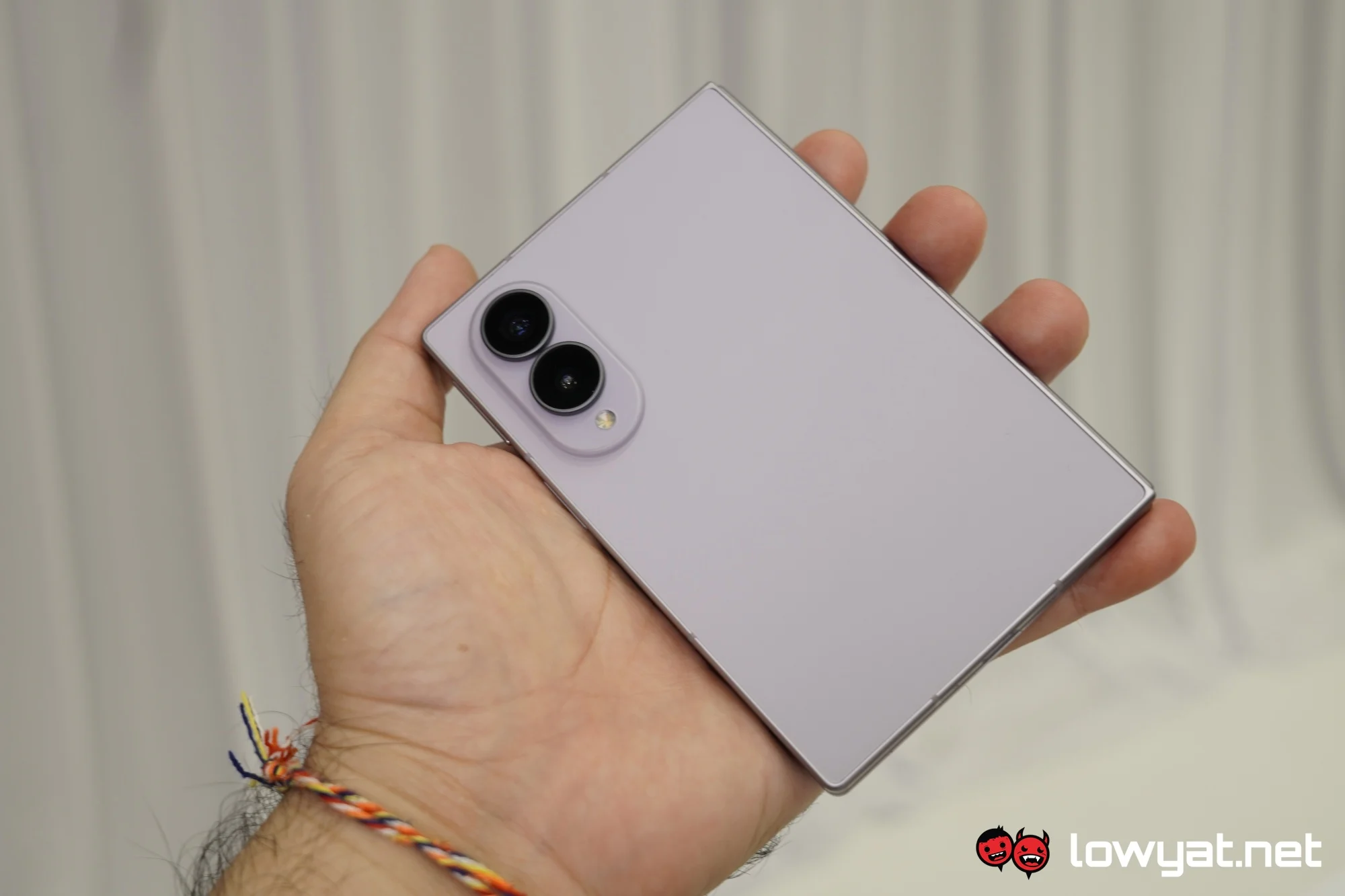
The Samsung Galaxy Z Fold8 introduces a new form factor to the brand’s line of foldable smartphones, despite the way it’s named. On the surface, and especially if not compared side-by-side, it’s not too different from what is now called the Ultra. Sure, it’s stouter in comparison, but otherwise it’s a book-style foldable. But for better and for worse, that additional width plus being a little shorter makes a world of difference for the user experience.
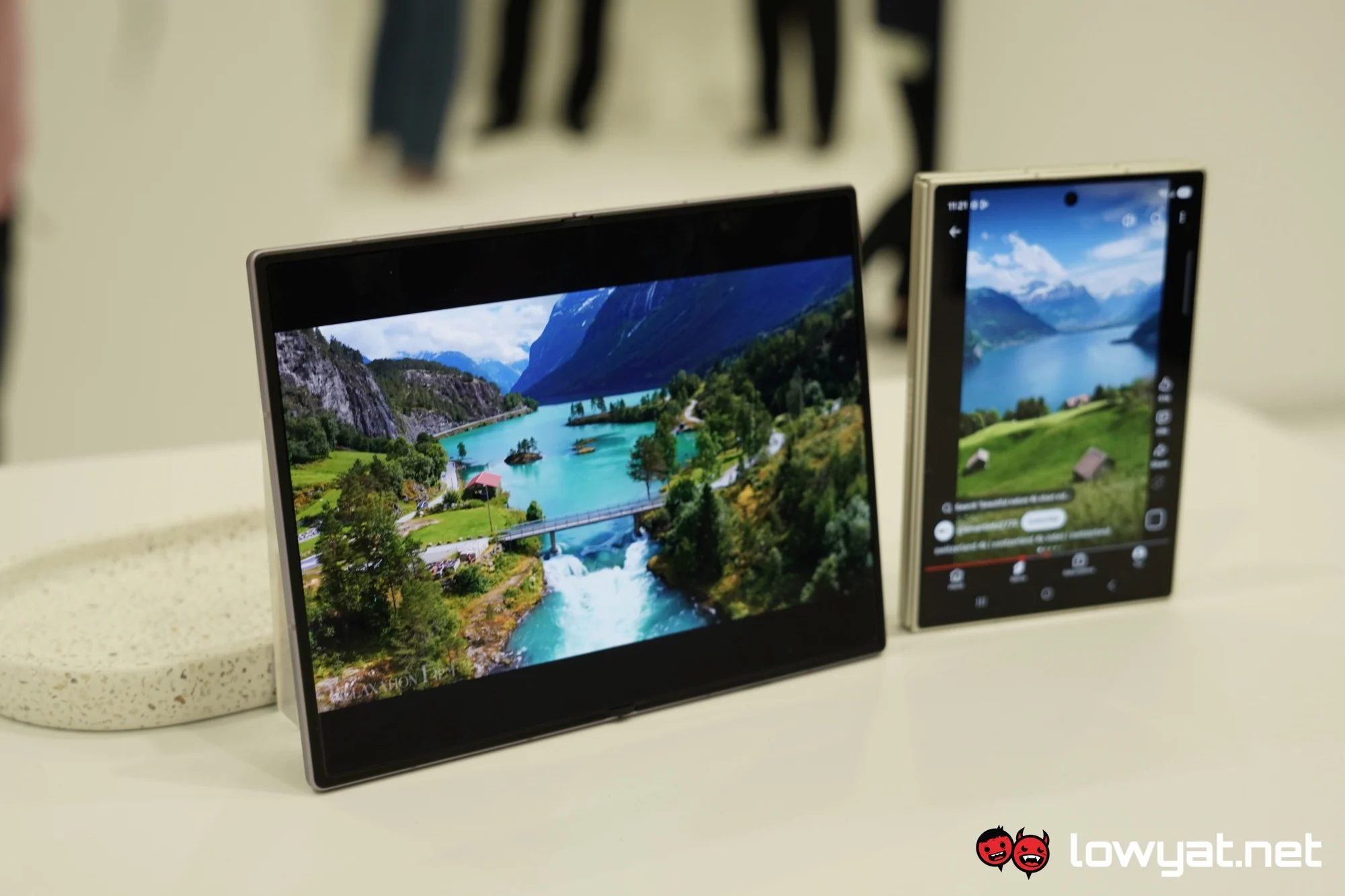
Let’s start with the positives. The wider form factor, both when folded and unfolded, makes the Samsung Galaxy Z Fold8 a much better media centre. It makes for a better e-reader, especially for when text doesn’t automatically wrap around depending on your display width. This also contributes to a better video-watching experience, for both screens and regardless of orientation. In fact, there’s a real argument to be made for leaving the phone in tent mode and watching videos with the outer display.
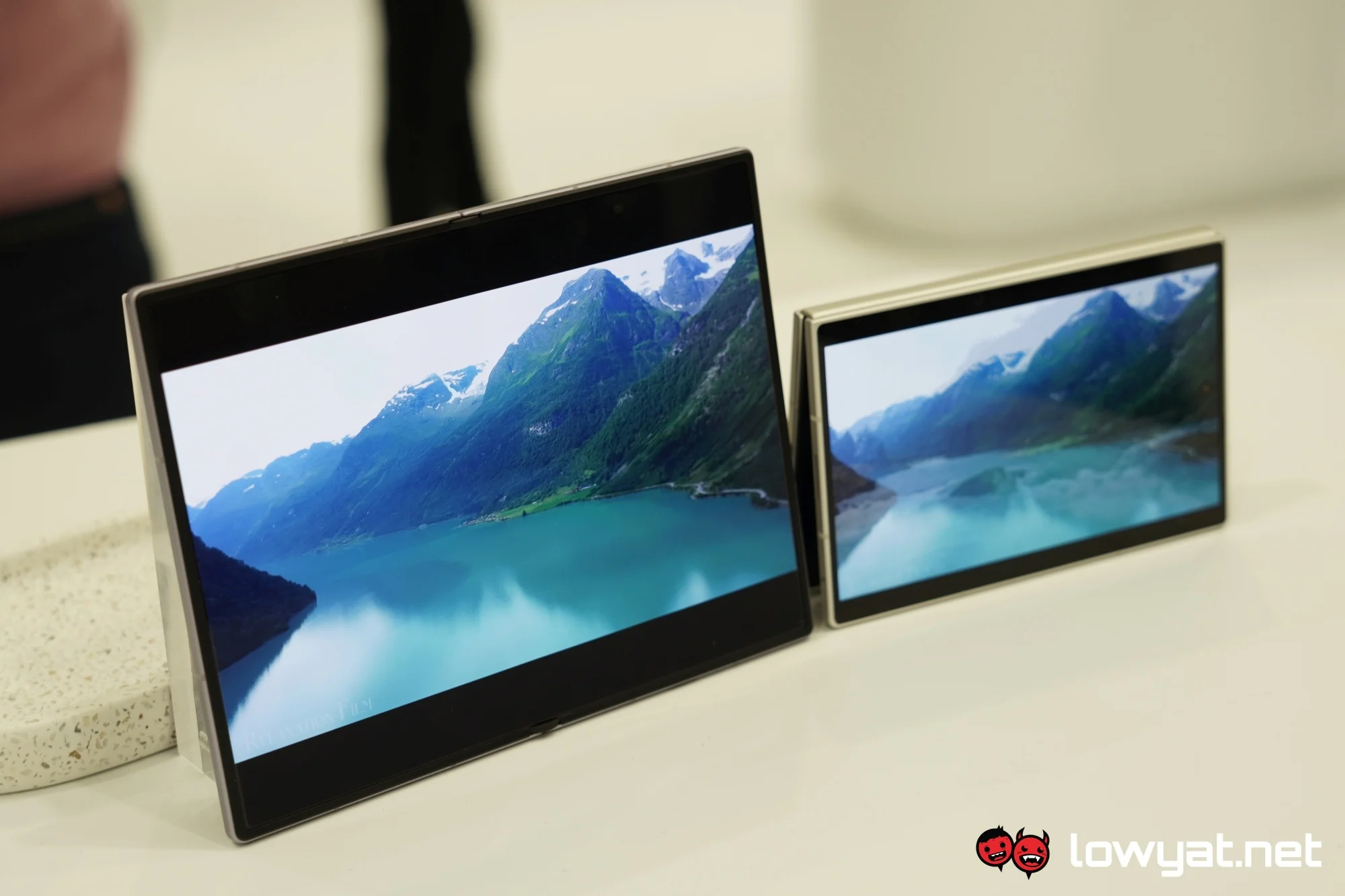
On the flip side, being passport-sized means that it’s nice to just hold in one hand, but one-handed operation is otherwise difficult to impossible, depending on, well, the size of your hands. In my case, trying to reach my thumb over to the opposite side of the phone while holding it naturally is either precarious or simply impossible, and your mileage may vary as to which of the two is worse.
With one-handed operation being the way it is, you’d want your other hand to get involved. And with your hand already there, you might as well be unfolding the Samsung Galaxy Z Fold8, and making use of the full screen real estate. This makes the foldable’s external display pretty underutilised beyond passively consuming content. And that seems a bit of a shame for a device that’s priced the way it is.
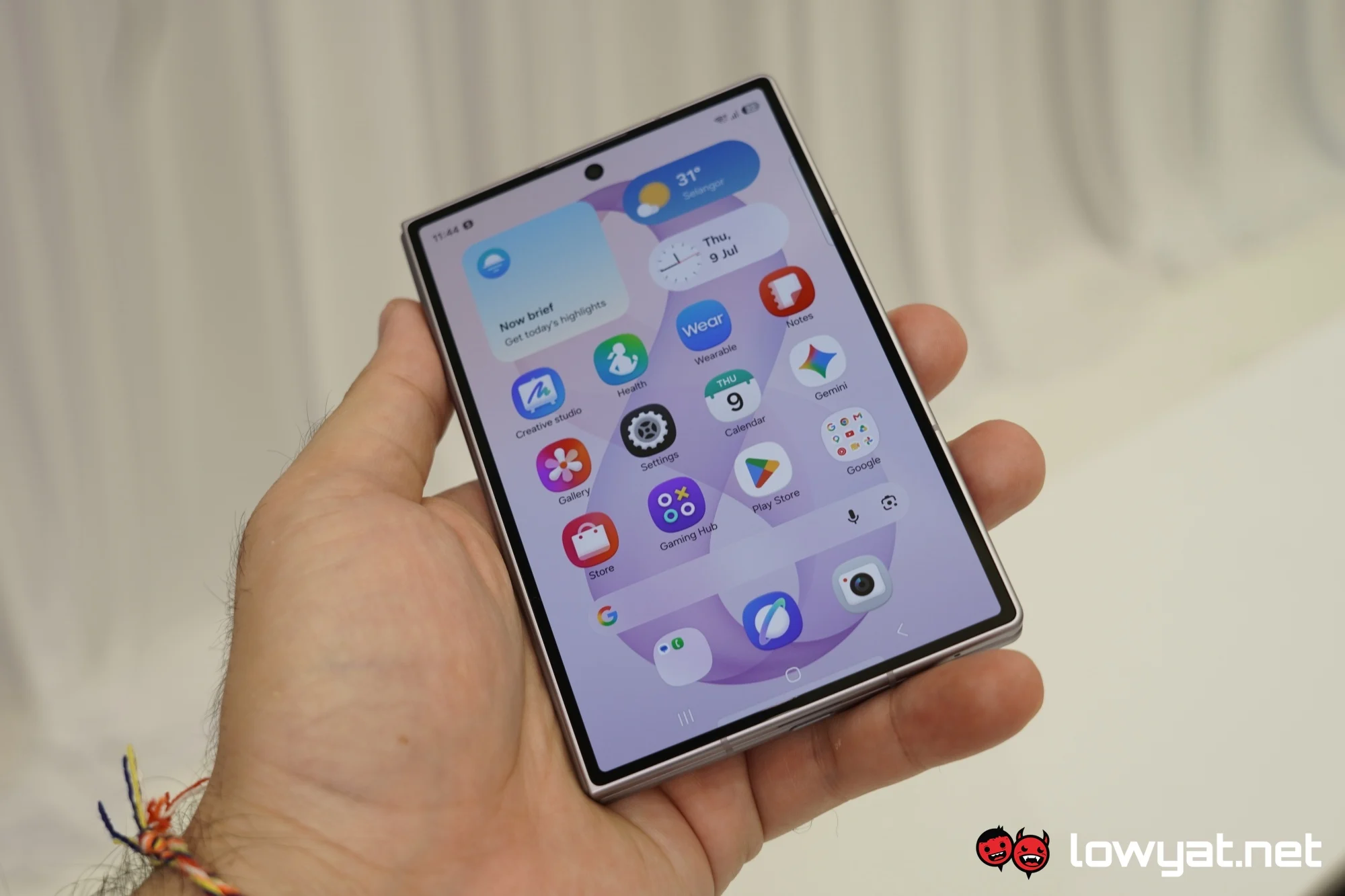
Part of this year’s upgrades for both the Fold8 and the Ultra model is what Samsung calls the Flex Titanium tech. The short explanation is that it reinforces the hinge where the phones fold, as well as reducing the crease. In the limited time I got to try out the phone, the crease was not immediately noticeable, but it remains to be seen if it stays that way after months of use.
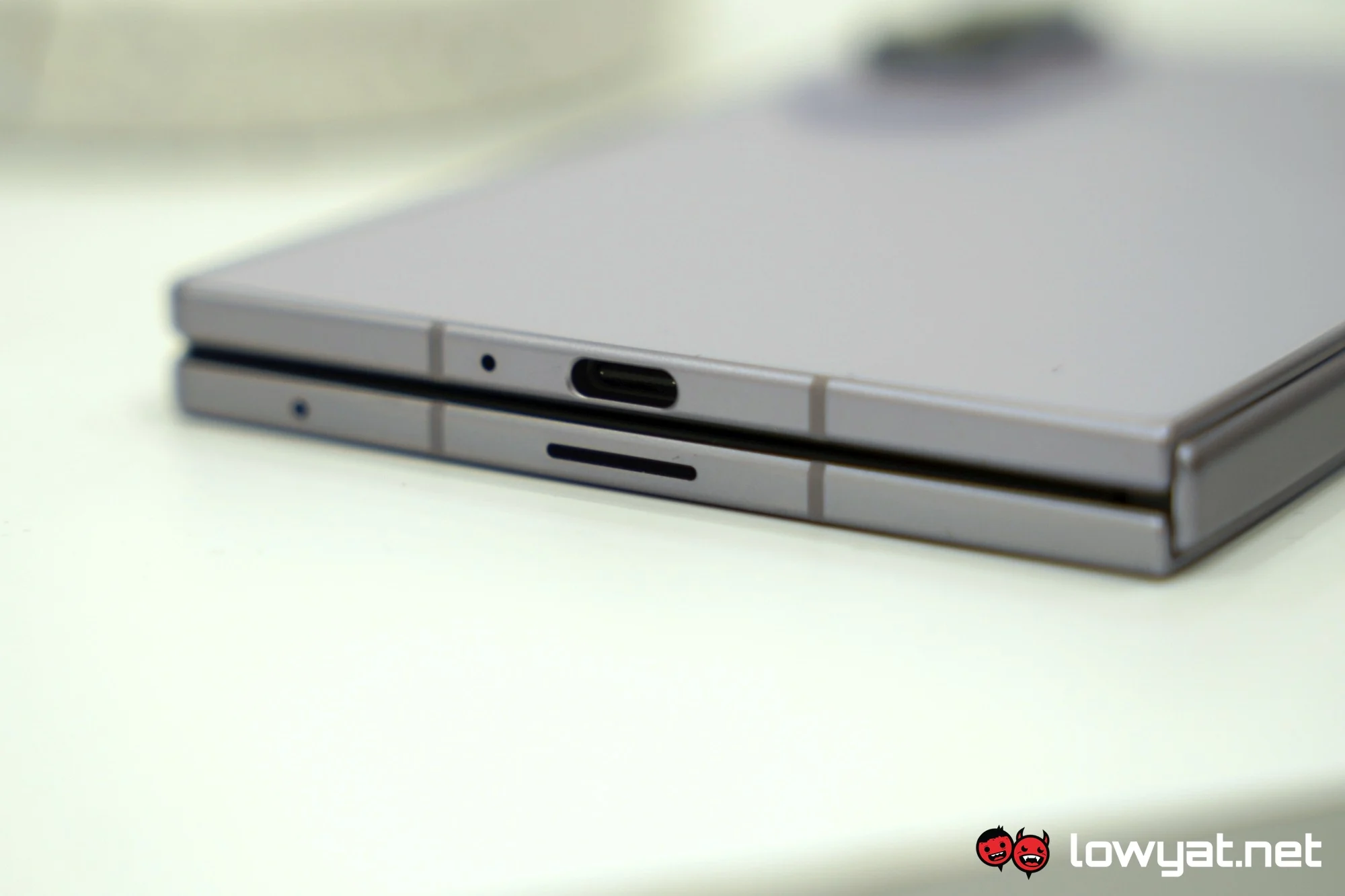
Beyond the relatively unique form factor, the Samsung Galaxy Z Fold8 has everything where you expect it to be. You get a speaker slit rather than a full grille at the top and bottom, giving you stereo sound while the phone is folded. While unfolded, these are located on the left segment, so you won’t get the stereo experience unless you rotate the phone.
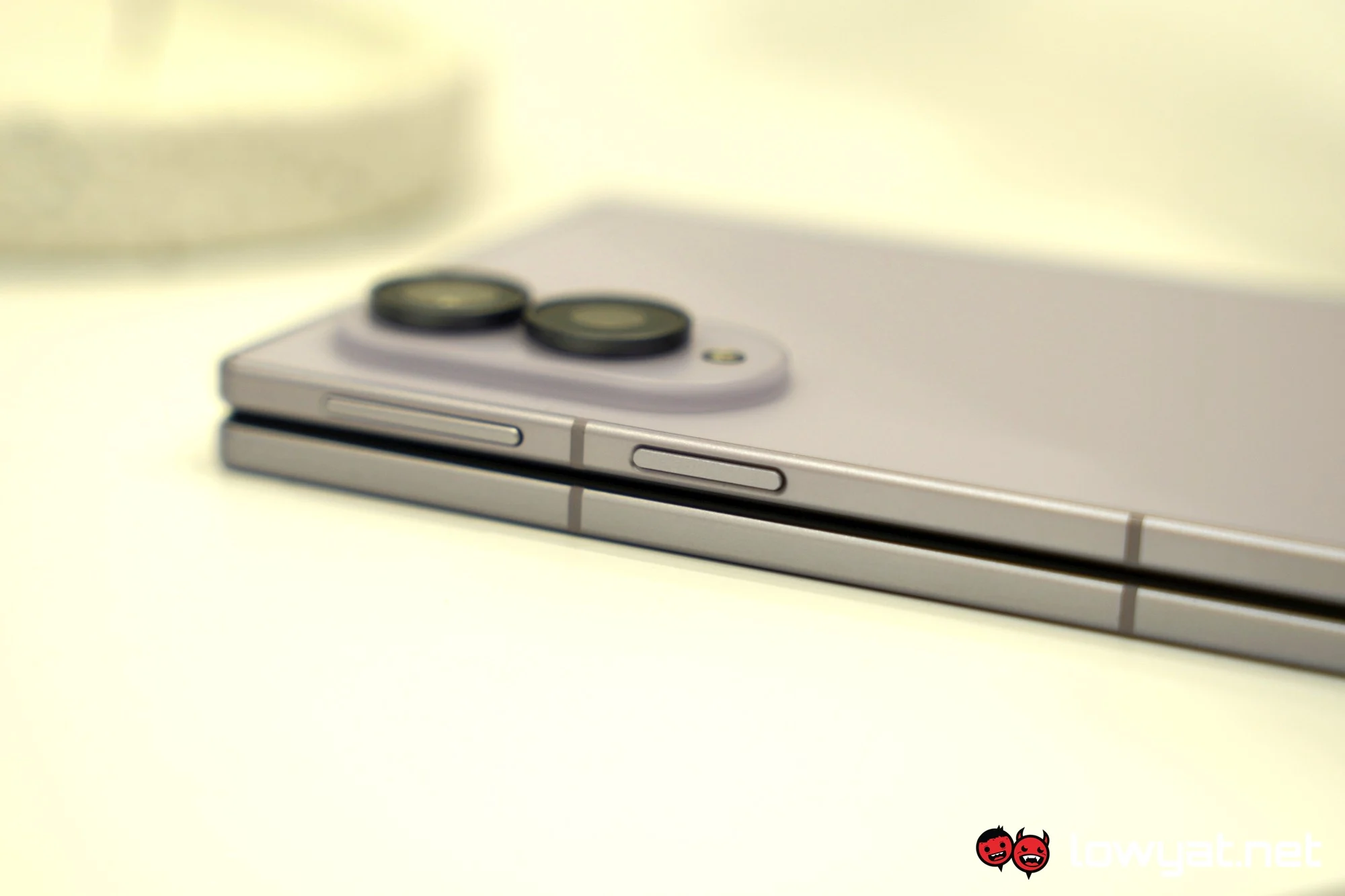
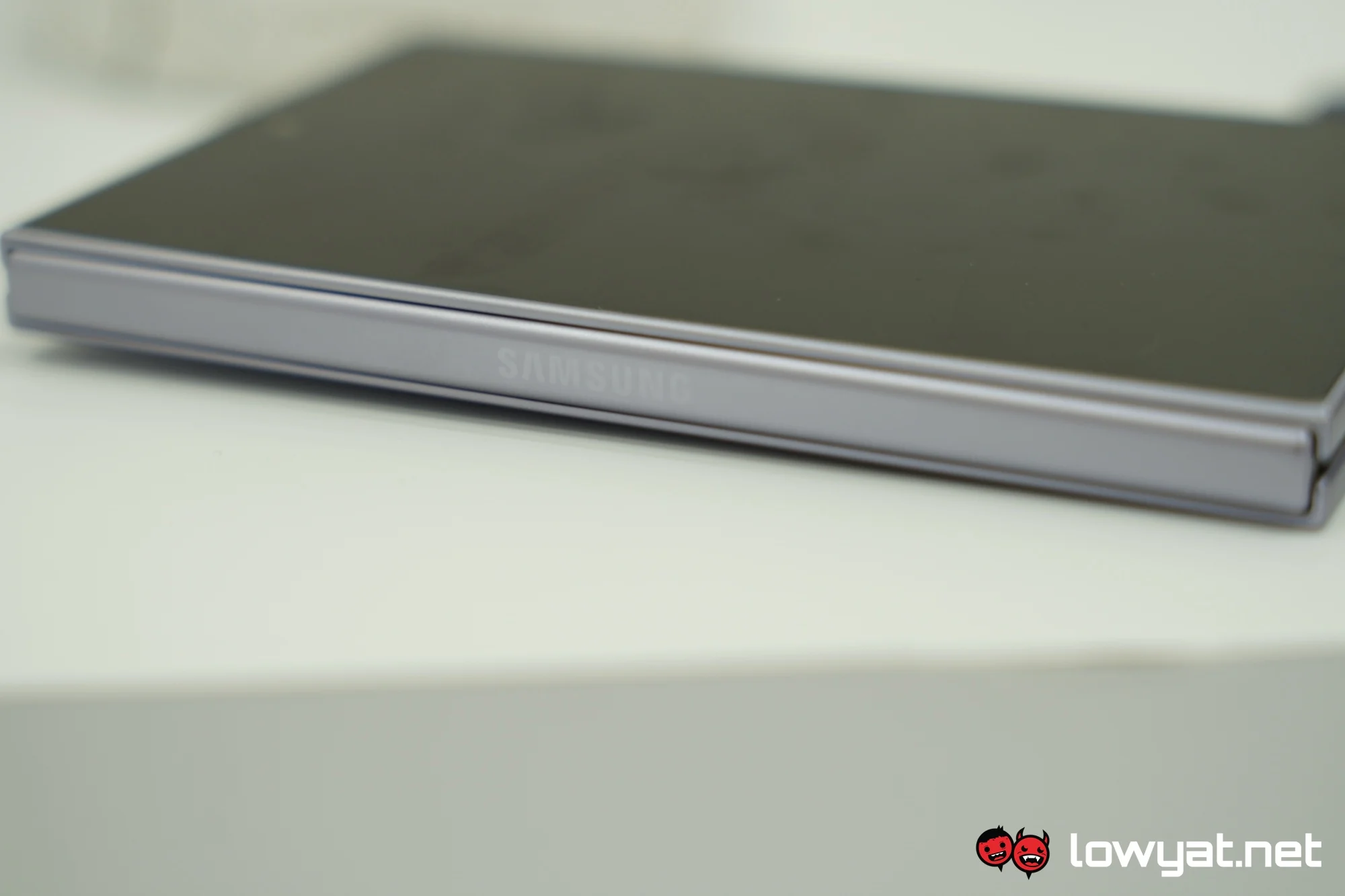
Buttons are on the right side, with the power button also being the fingerprint sensor. In isolation, these look to be located pretty high up on the side, but the volume rocker is actually in the perfect position, with your thumb being able to rest on it naturally. You might need to shift the phone in your hand a bit to reach the power button, but between the two, you’d probably be better off having easier access to the volume rocker than the power button anyway.
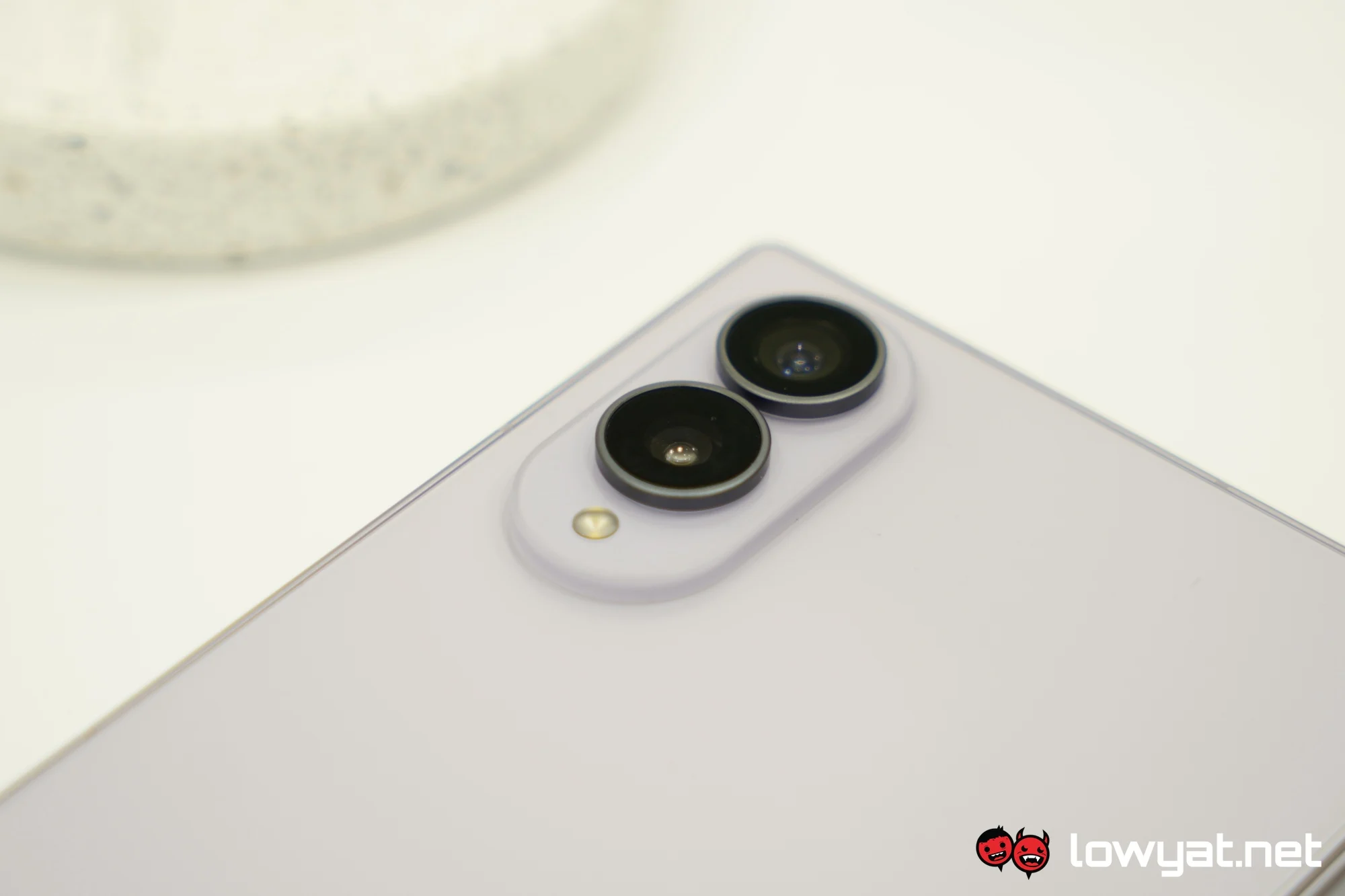
With the very limited time I had with the phone, I did not get to try the camera out. But with a dual 50MP camera setup, I’d expect it to be fine, but not spectacular. We’ll see if this holds up when we get the opportunity to review the phone. In the meantime, the Samsung Galaxy Z Fold8 is priced at RM7,299, RM8,099 or RM9,699 depending on if you get the 12GB + 256GB, 12GB + 512GB or 16GB + 1TB configuration.
@lowyatnet Here’s a better look at the phones and smartwatches that were announced as part of the Samsung Galaxy Unpacked H2 2026. #GalaxyUnpacked #GalaxyZFold8 #GalaxyZFold8Ultra #GalaxyZFlip8 #GalaxyWatchUltra2
♬ Dance: Glitter disco with emo rust 3(948991) – Chiai Nagano
