
OpenAI is officially rolling out a new version of its ChatGPT chatbot designed for teens. Appropriately named ChatGPT for Teens, this variant is aimed at minors aged 13 to 17 years old and features stronger built-in safety protections and parental control, as well as new study support to help promote learning.
Studying Up Rather Than Shortcuts
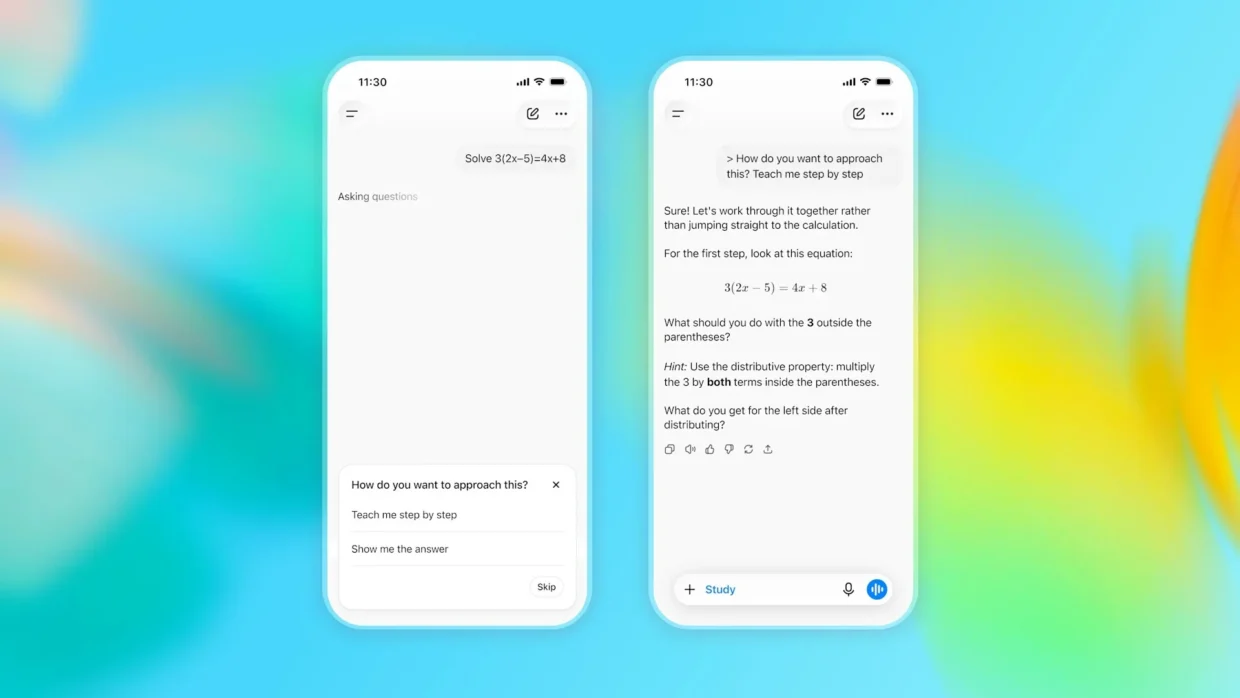
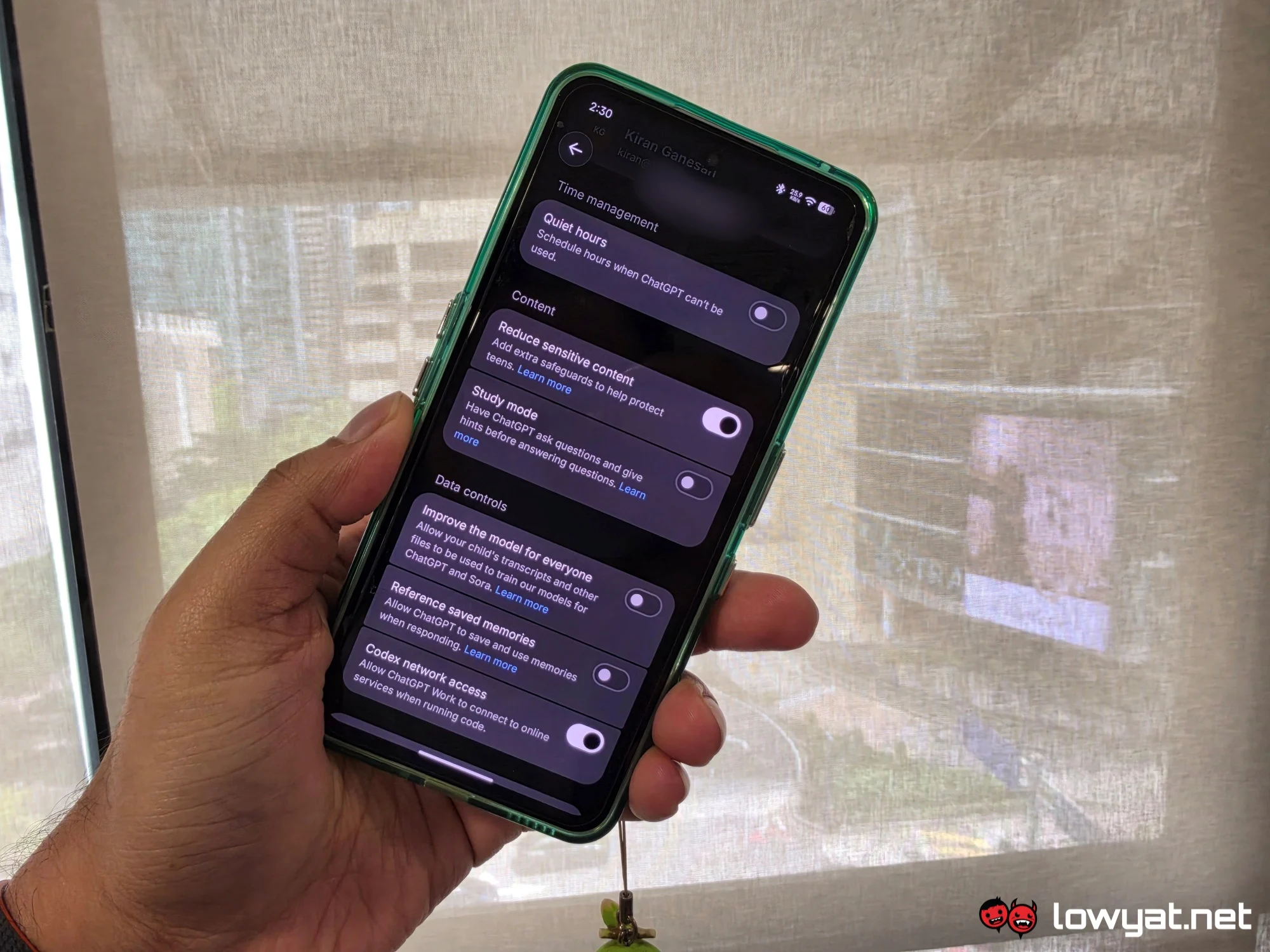
One of the main highlights of the new model is its added support for learning. This includes Study Mode, which walks students through a problem step-by-step rather than just giving away the answers.
The company is also introducing what it calls “responsible homework reminder”, which can supposedly detect if a student is trying to shortcut their assignment. If the system catches them trying to bypass this mode, they will immediately be redirected back to Study Mode.
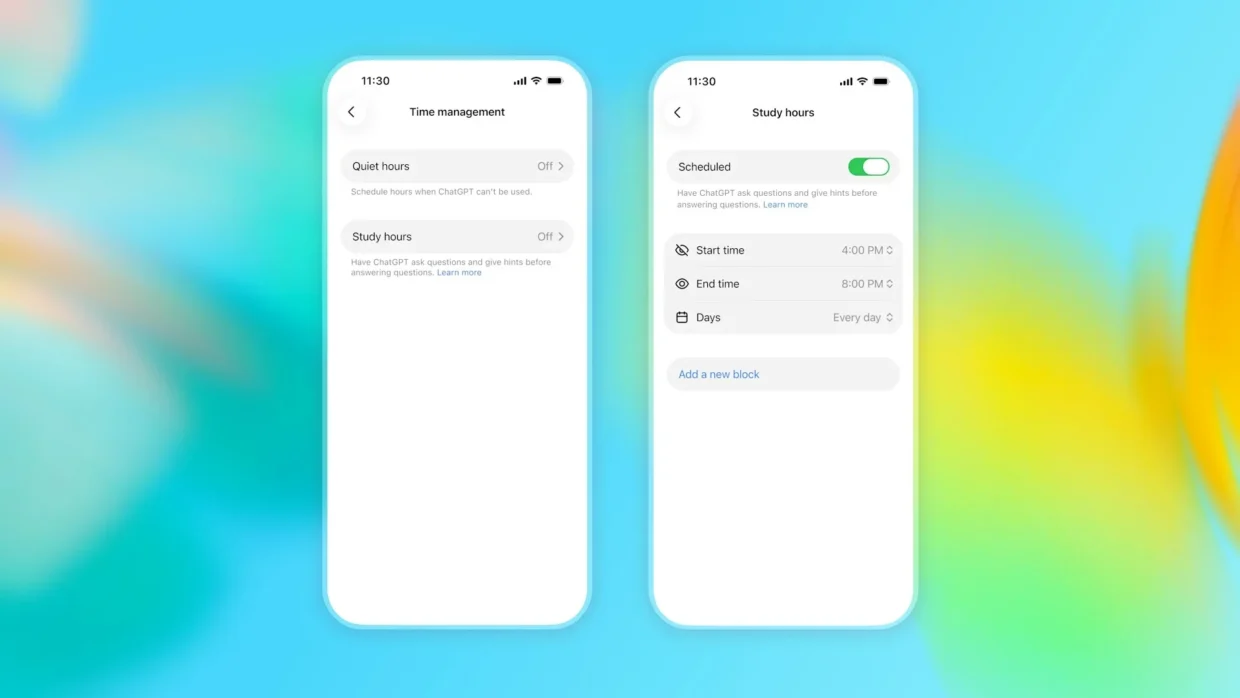
Furthermore, this study-focused AI will also provide quizzes and learning visualisations at the end of the lesson to make sure that the minors understand what was discussed. And, lastly, the new Study Hours feature allows teens or their parents to set periods when Study Mode is on by default.
CodeAI Collaboration
Coinciding with the launch of ChatGPT for Teens, OpenAI is partnering with CodeAI to help educate both students and teachers on AI literacy. The collaboration aims to help teens understand how AI works, how to direct and question it, and create with it. Meanwhile, the company says that teachers play “a meaningful role in shaping how AI enters the classroom.”
Increased Safety Measures
Another highlight of the new model is that once it detects that a user is under 18, or if they self-identify as being between the ages of 13 and 17, they are automatically placed into ChatGPT for Teens. While they are using ChatGPT for Teens, stronger protections and safety features are on by default. This means that minors cannot discuss dangerous or sensitive topics such as “self-harm, violence, eating disorders, dangerous activities, and explicit sexual or graphic content”.
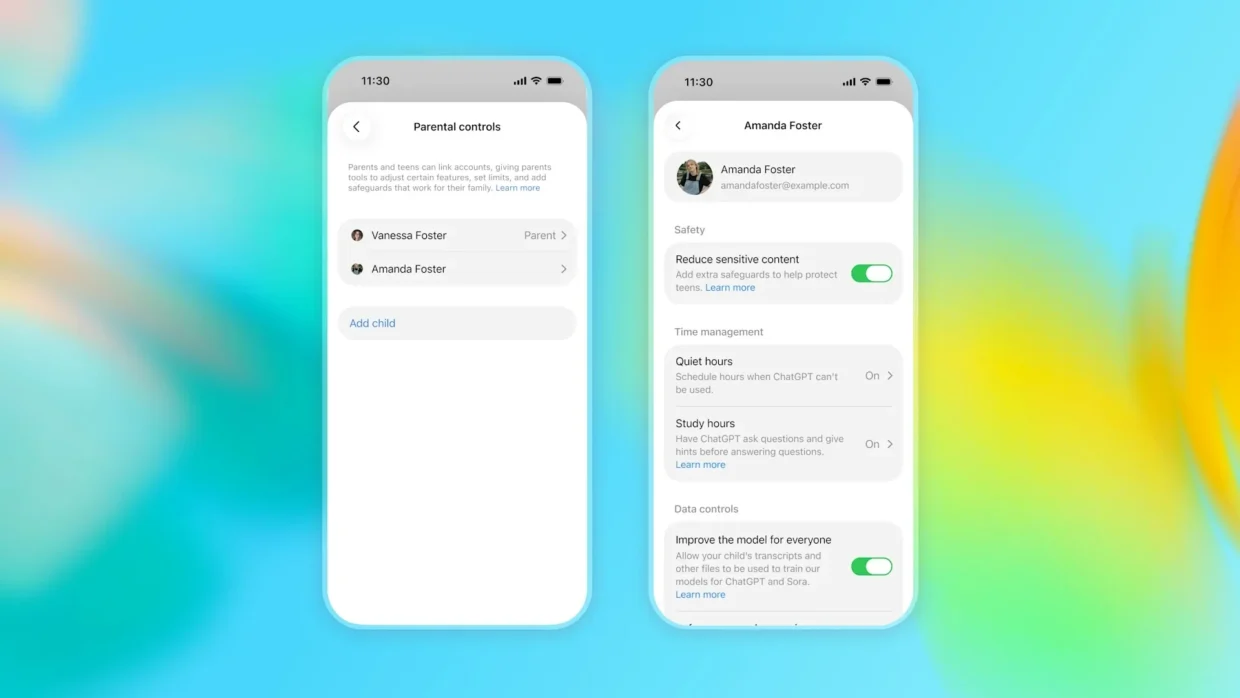
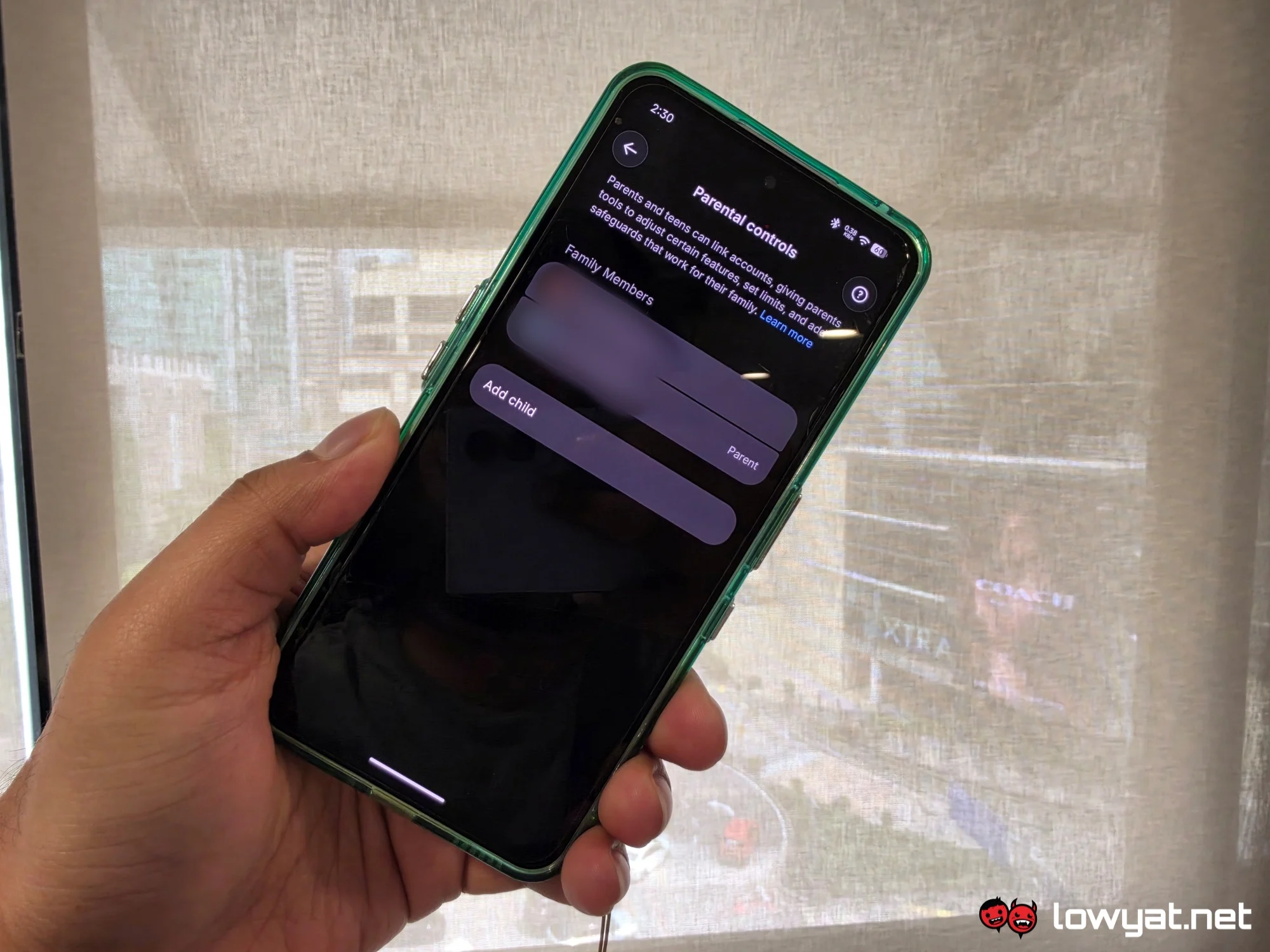
Furthermore, OpenAI adds that parents with linked teen accounts can set Quiet Hours, a feature that blocks teenagers from accessing the chatbot during specified times in a day. Parents can also manage selected settings and receive safety notifications. Though safety notifications are limited to high-risk situations, the company says that it will be adding notifications related to eating disorders in the future.
No Romancing The Robot
You might have encountered a few news stories saying that people have fallen in love with – and are pursuing a deeper romantic relationship with – AI. To prevent this from happening to minors, OpenAI says that ChatGPT for Teens will immediately block romantic and sexualised roleplays.
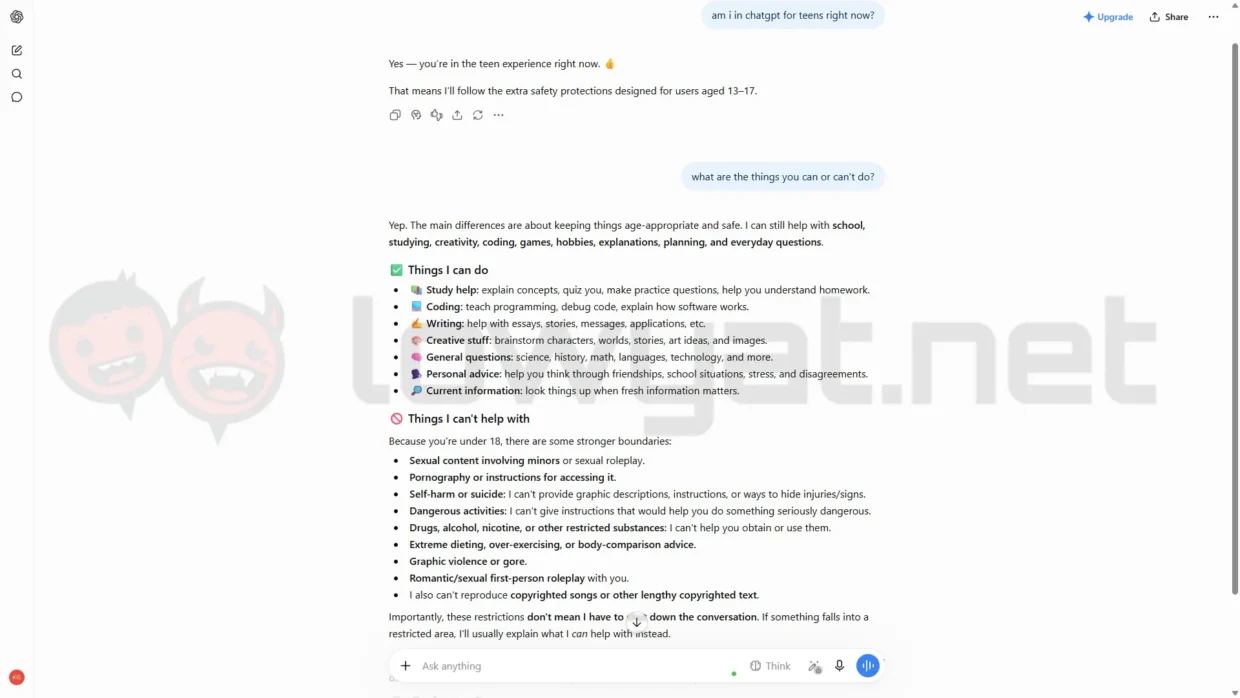
Per its updated under-18 model spec, the chatbot will avoid using “romantic language, encourage emotional dependence, or imply that it has feelings or consciousness.” These stronger protections are meant to reinforce healthier real-world relationships, or so the company says.
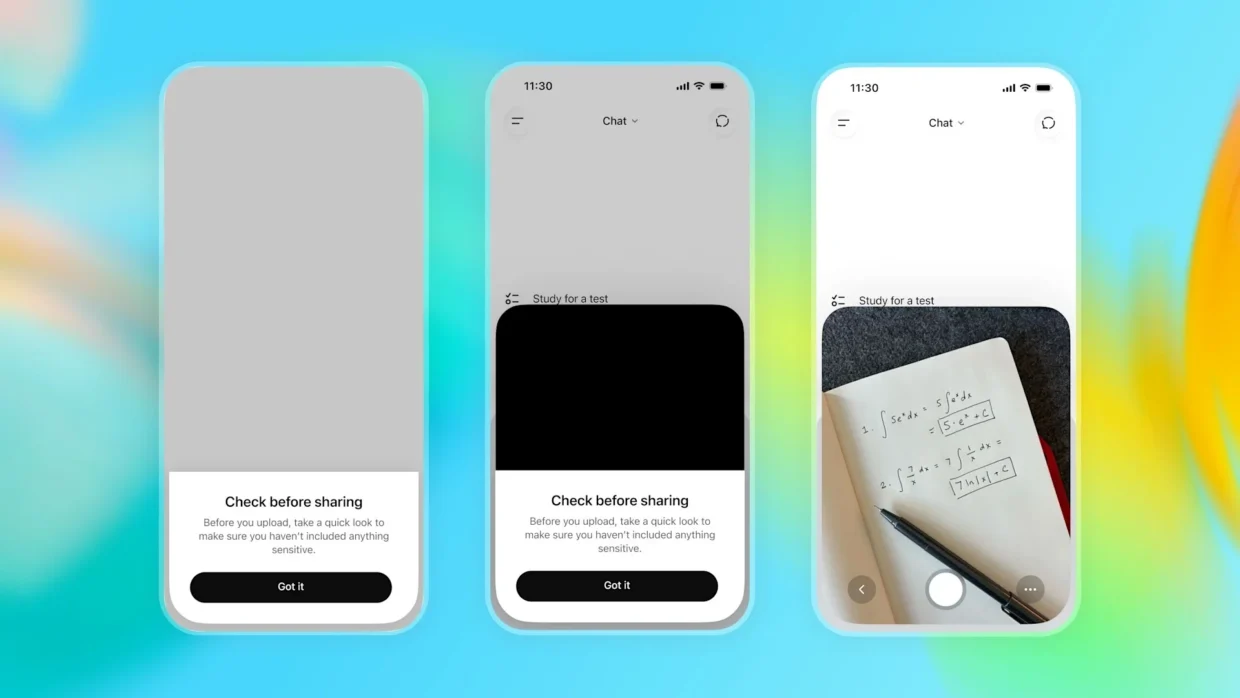
On that note, ChatGPT for Teens will send break reminders to encourage teens to step away from the platform. Teen users will also get a heads-up before uploading potentially sensitive images, plus a dedicated onboarding flow that breaks down the platform’s learning and safety features.
The company says that its teen safety protections are built on research involving developmental science, expert input, and active stress-testing of AI guardrails to identify and address areas of heightened risk. OpenAI is sharing this research publicly, starting with the under-18 evaluations that it has added to its system cards. It shows how the model performs against “teen-specific standards in challenging sensitive-content cases”.
Global Availability
As mentioned earlier, OpenAI is rolling out ChatGPT for Teens globally starting today, 18 August 2026. The only exception to this is Australia, who will receive the new chatbot variant around 8 September.


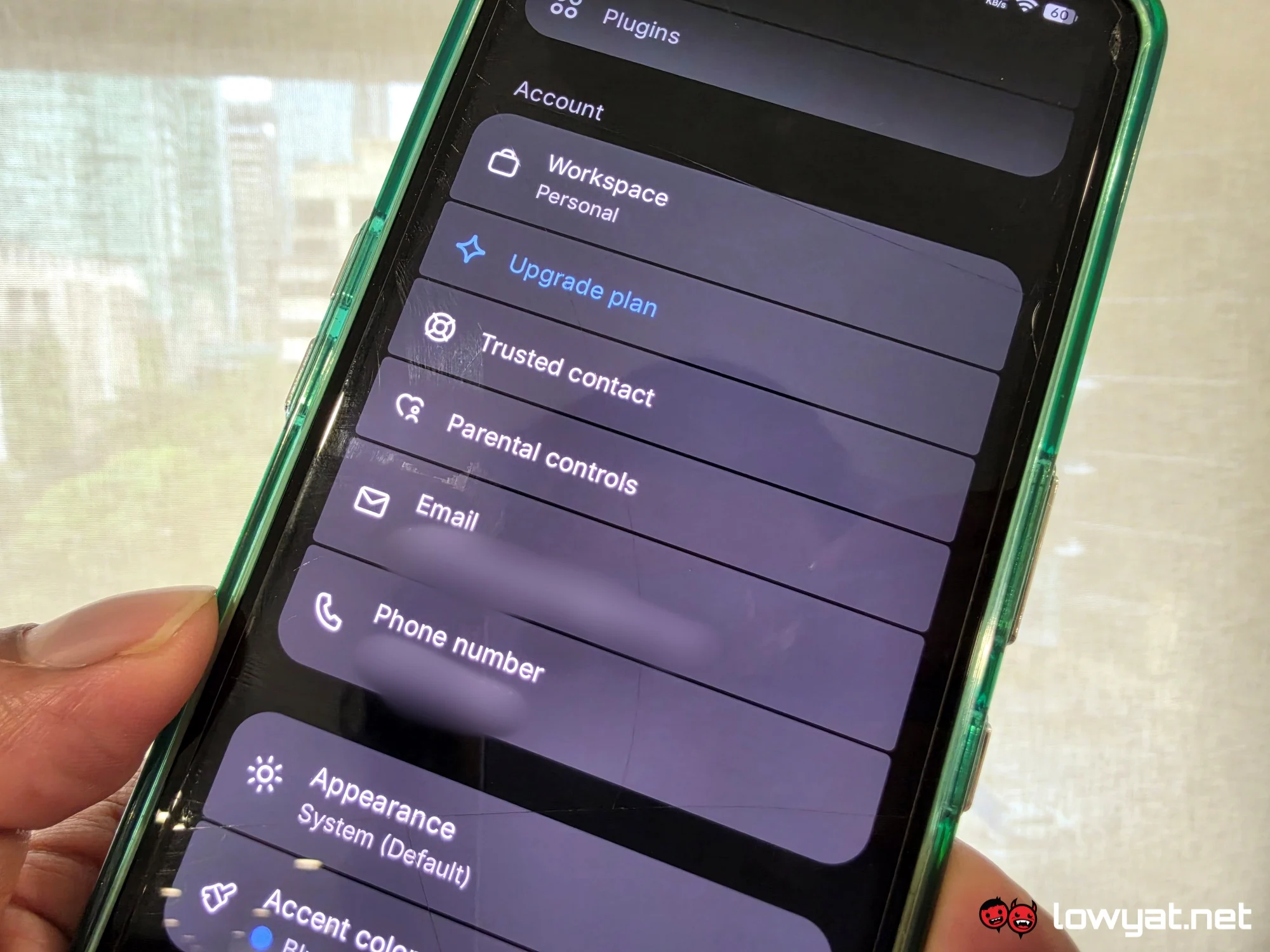
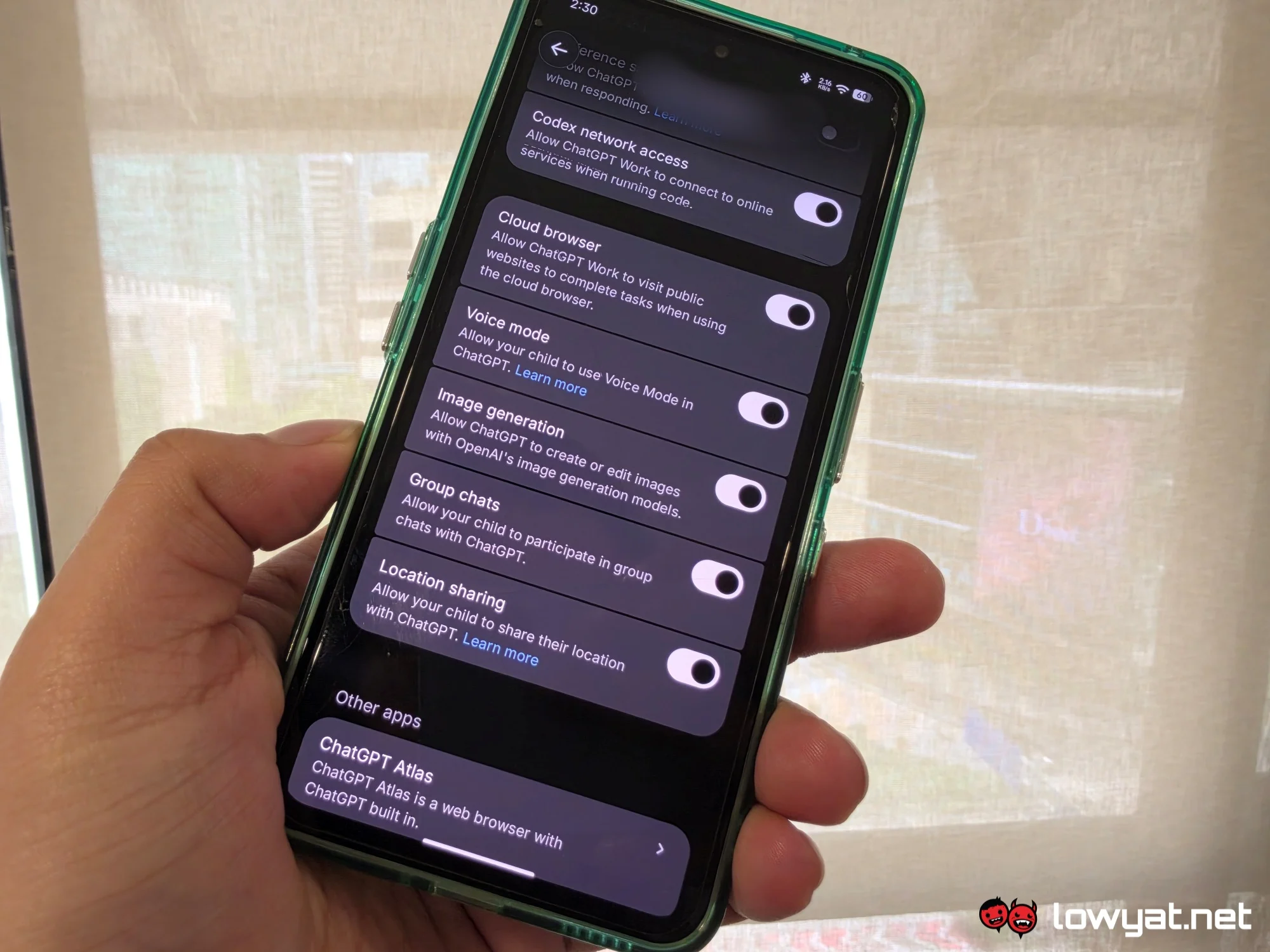
We visited ChatGPT and discovered that the new teens variant is now live in Malaysia. In our testing, we took note that the study mode works and appears to be fully operational. The same is true for parental controls, which include Quiet Hours and Study Hours. That said, it is worth noting that, if Quiet Hours are on, minors will receive a brief notification that they’ve been blocked. Afterwards, the chatbot will simply stop responding to you (as seen in the images above).
(Source: OpenAI)
