
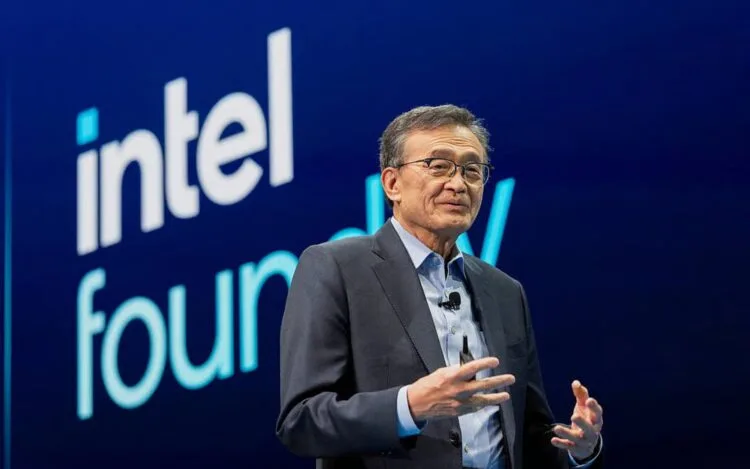
Intel CEO Lip-Bu Tan has recently expressed interest in exploring new memory architectures, describing them as one of his “pet projects”. He also hinted at the possibility of stacking memory with CPUs.
Previously, Tan thought of memory as a commodity business. However, it has since become a strategic asset amid growing demand driven by AI. “I used to be, ‘do not invest in memory because it is a kind of commodity business,’ but now it has become different,” Tan said.
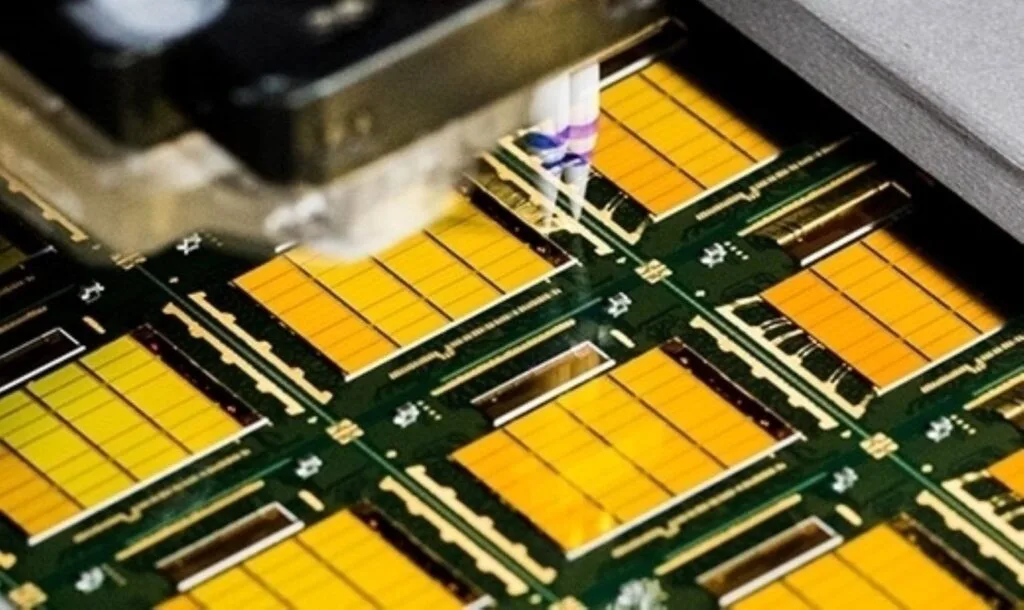
“There is a lot of new technology coming out. So, we are kind of looking at one of my pet projects, some of the new memory architecture,” he noted. At the time of writing, he did not reveal any specific details regarding this project, including whether it’s an initiative in one of the companies that he has invested in or if it’s part of Intel’s strategic roadmap.
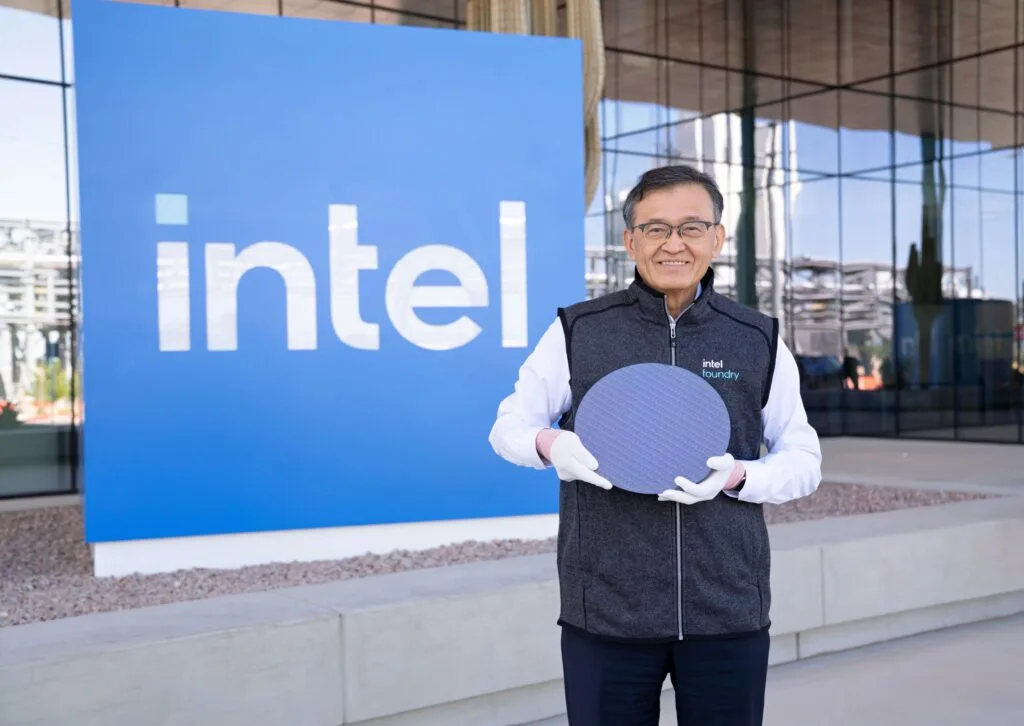
He did, however, highlight that he recently hired Seok-Hee Lee, the former CEO of SK Hynix, as executive vice president of Intel Foundry. He then went on to say, “So, you kind of know something that I am thinking about,” but added that they “are not ready to unfold it” for now at least.
That aside, Tan also briefly mentioned that stacking memory with a CPU could make a lot of sense, but he did not elaborate further. “I think CPU and memory, I think there are a lot of ways we can really do stacking together,” the Intel CEO said. “And also try to find some new architecture for memory. I think in some way the memory, a lot of innovation are not there. So, there is some really good area.”
Intel’s History With Memory
With all that said, it’s worth remembering that this wouldn’t be Intel’s first foray into developing memory. If you may recall, Intel started out as a memory company when it was founded in 1968 and was quite successful until the 1980s, when it faced growing competition from Japanese semiconductor companies.

The company has also tried several times to make its way back into the memory business, most notably with NAND and Optane. However, both ventures were eventually abandoned. Intel sold its NAND and SSD business to SK Hynix in two stages, with the first closing taking place in late 2021 and the final closing completed in March 2025.
Meanwhile, Optane was born from a collaboration between Intel and Micron, with the two companies working on their 3D XPoint memory technology as far back as 2015. The first Optane products eventually hit the market in 2017. Unfortunately, this collaboration did not bear any fruit, and Intel exited the partnership in 2018. For Micron’s part, it sold the fabrication facility to Texas Instruments (TI) in 2022.

Of course, thanks to recent events, being part of the memory business can be incredibly profitable in the current market. However, taking advantage of this ripe opportunity would require a significant amount of capital on Intel’s part. While Tan may seem interested in participating in the market, we don’t know how the company’s investors would react. With all that said, whether or not the company will fully commit to returning to the memory business, or if it will ultimately be successful, remains to be seen.
(Source: Tom’s Hardware)
