

The Malaysian Anti-Corruption Commission (MACC, or also known as SPRM) has uncovered a syndicate accused of compromising the Malaysian Immigration System (MyIMMs) to fraudulently process Temporary Employment Visit Passes (PLKS). The operation led to the arrest of 12 individuals, with authorities estimating that the scheme caused around RM2.4 million in losses to the government.
The operation was carried out jointly by MACC and the Immigration Department of Malaysia (JIM), following months of intelligence sharing between the two agencies. According to the commission, the coordinated investigation had been ongoing since May 2026 and focused on activities in the Klang Valley and Penang.

Among those arrested were two company directors, three foreign nationals, four Immigration Department officers, two officers from JIM’s Information Technology Division, and one police officer. The suspects, aged between their 30s and 40s, were detained between 2pm and 5pm yesterday at the MACC headquarters and the Penang Immigration Department headquarters.
Preliminary investigations found that the syndicate allegedly exploited unused PLKS quotas dating back to 2011 to issue work passes without paying the required levy. Investigators believe the group successfully processed 1,306 fraudulent PLKS approvals through the compromised system.

The investigation also received technical assistance from CyberSecurity Malaysia, Telekom Malaysia, and MACC’s Technology Forensics Division. Authorities simultaneously carried out searches at several company premises, as well as Immigration Department offices in Penang and Putrajaya, as part of the operation.
The case is currently being investigated under Sections 17(a) and 16(a) of the MACC Act 2009, which cover corruption offences involving gratification. All 12 suspects are expected to be brought before the Putrajaya Magistrates’ Court today for remand proceedings, while investigators continue to determine the full extent of the syndicate’s activities and whether additional individuals were involved.
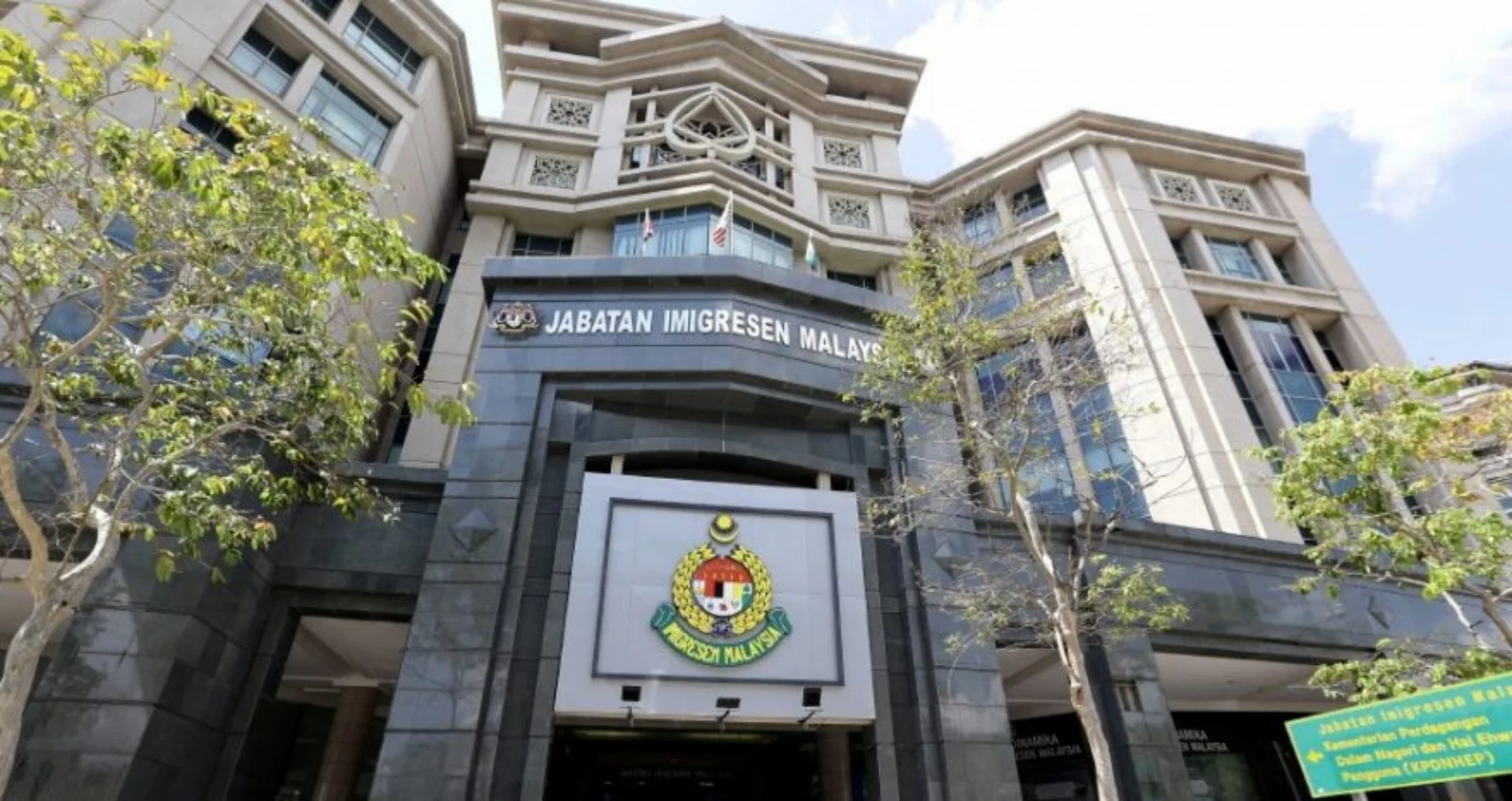
This is not the first time MyIMMs has been linked to allegations of abuse or security issues. In 2016, reports emerged of suspected fraud involving the system, while in 2019 the government announced plans to replace the ageing platform after uncovering the alleged misuse of foreign worker quotas. In 2021, another alleged breach involving the system led to the arrest of six individuals, including two Immigration Department officers, over claims that the system had been compromised to alter travellers’ immigration records.
The government is currently replacing MyIMMs with the National Integrated Immigration System (MyNIISe), which is slated for nationwide rollout this September. Besides introducing new digital immigration services and improved border clearance capabilities, the Home Ministry has said the new platform is designed to modernise Malaysia’s immigration infrastructure while addressing longstanding issues associated with the legacy system.
(Source: The Edge Malaysia)
