
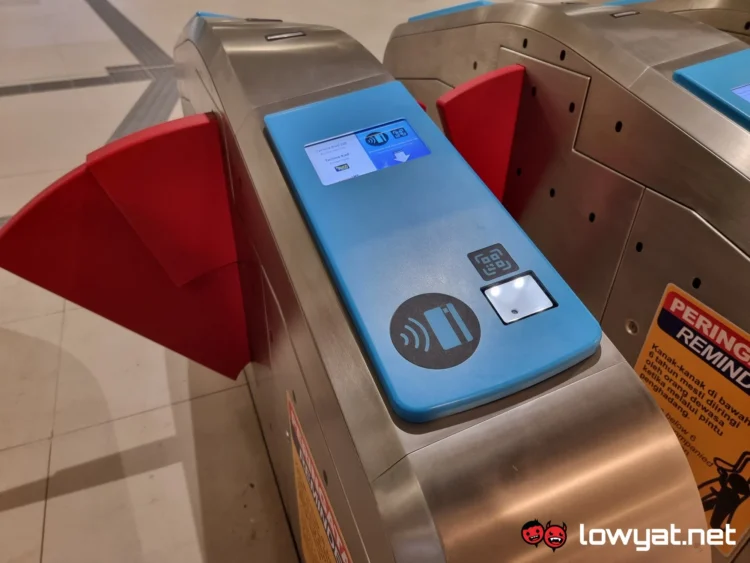
The new LRT3 Shah Alam Line officially opened today, bringing with it a number of upgrades over Rapid KL’s existing rail network. While most attention has been focused on the new stations and trains, one notable change lies in its ticketing system.
Passengers purchasing single-trip tickets on LRT3 will no longer receive the familiar blue plastic tokens used across the existing LRT network. Instead, Prasarana has introduced a new QR code-based ticketing system that uses printed receipts as travel tickets.
This is something the company did not highlight during the launch. Curious about how the new system works, we reached out to Prasarana for more details.
QR Codes Replace Plastic Tokens
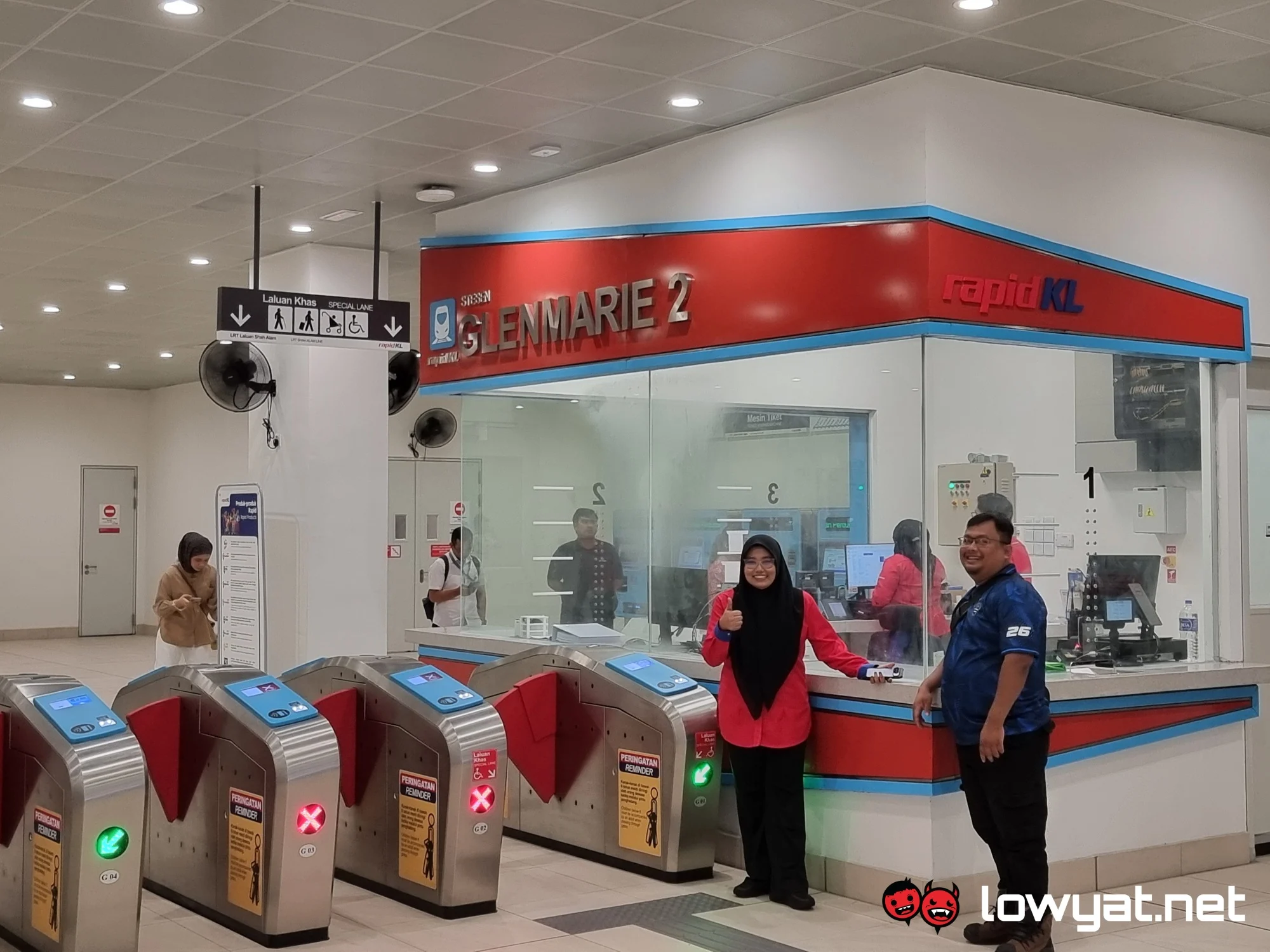
The QR code system applies to passengers who are not using Touch ’n Go cards, MyKad, or Rapid KL rail passes. Once the free ride campaign ends on 31 July 2026, tickets purchased through station kiosks or customer service counters will be printed with a QR code that passengers can scan at the fare gates to enter and exit stations.
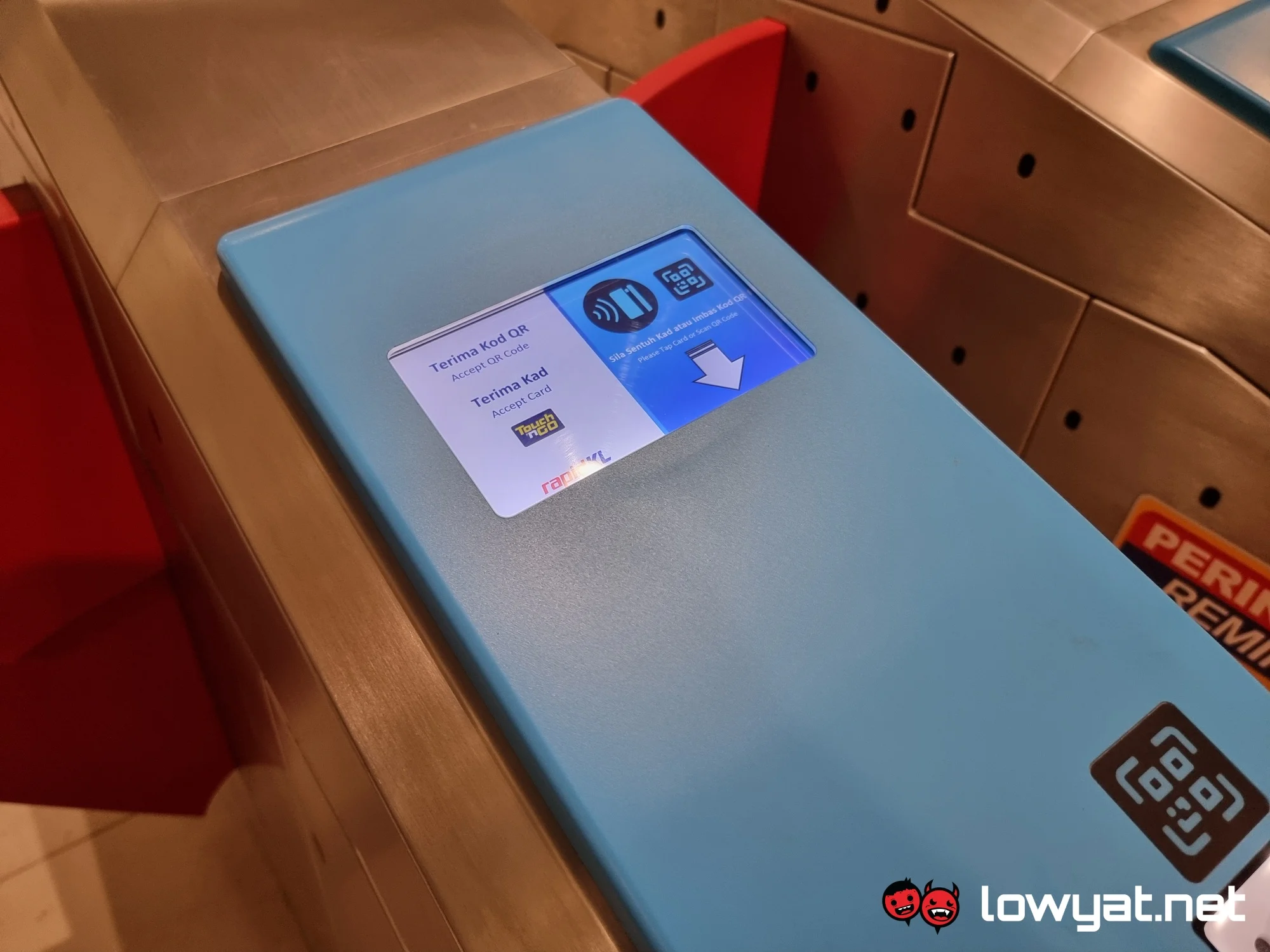
Our visit to one of the new LRT3 stations also revealed redesigned fare gates and ticket vending machines. Besides supporting Touch ’n Go cards and MyKad through contactless readers, the new machines are also equipped with dedicated QR code scanners.
Prasarana told us the printed receipts are only the first implementation of the new system. The company indicated that digital QR code tickets could eventually be introduced, potentially allowing passengers to purchase and store tickets through official platforms or even third-party services.
Built With Open Payments In Mind
Interestingly, the QR scanners are capable of more than just reading travel tickets. According to Prasarana, the hardware can also scan QR codes generated by banking apps and eWallets, although passengers cannot yet use them to pay for fares.
The company confirmed that the new ticketing system has been designed to support open payments in the future. However, the feature remains under development, and Prasarana did not provide a timeline for when it will be introduced, suggesting further testing is still required before deployment.
The addition of open payment support would allow passengers to use bank cards or digital wallets directly for public transport. For many, this is something that has long been expected for Rapid KL’s rail network.
Exclusive To LRT3 For Now
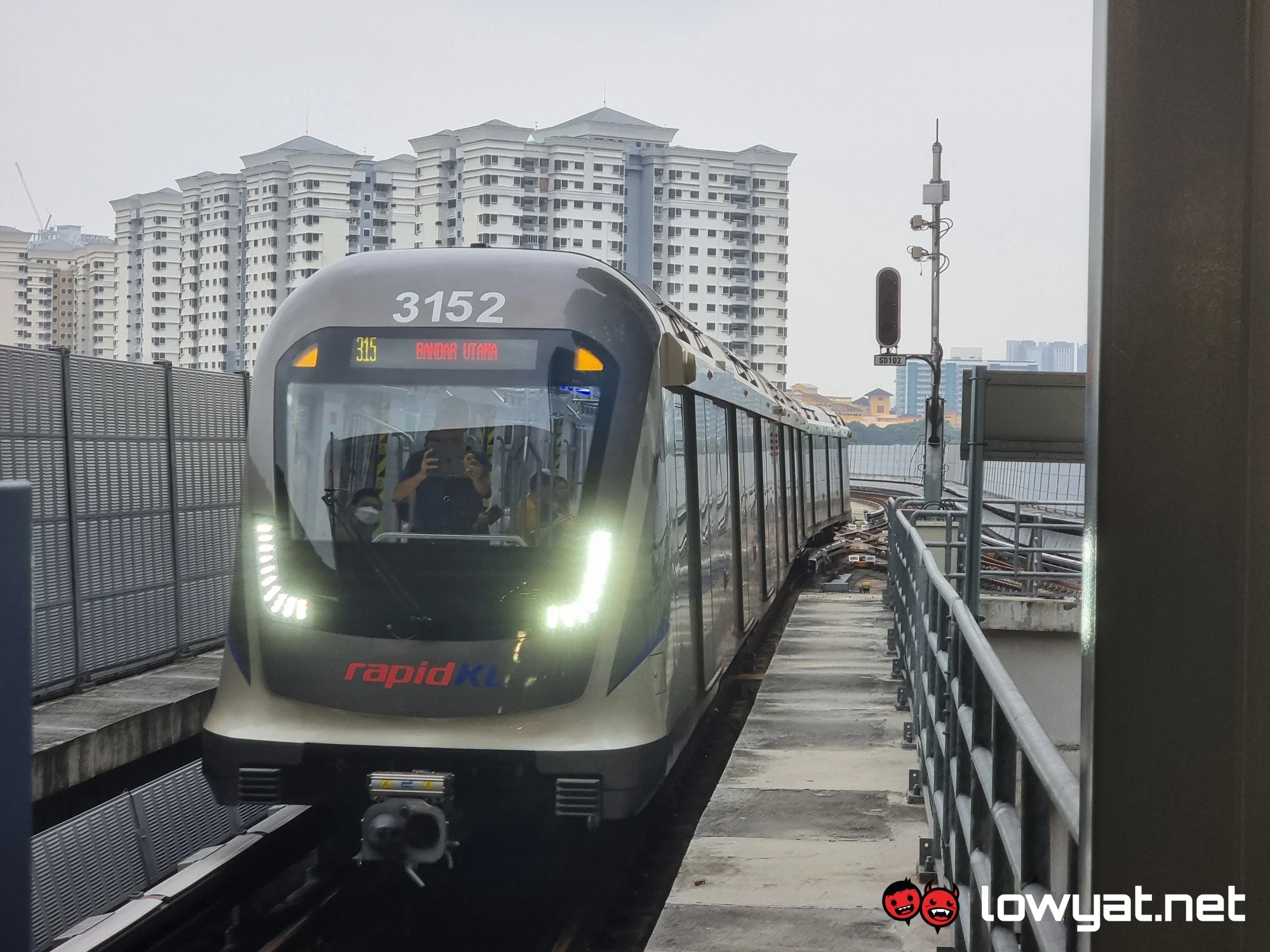
Despite the new technology, Prasarana said there are currently no plans to roll out the QR code ticketing system to its existing LRT lines. That means passengers travelling on the Kelana Jaya, Ampang, or Sri Petaling lines will continue using the current token-based system for single journeys.
One likely reason is interoperability. Since passengers transferring between LRT3 and older rail lines still need to pass through fare gates at interchange stations, introducing a single QR code ticket across both systems would require significant changes to Rapid KL’s existing fare collection infrastructure.
Although widespread adoption may still be some way off, the LRT3 ticketing system offers an early look at what the future of Rapid KL’s fare collection could become. With hardware already capable of supporting QR-based ticketing and eventually open payments, a wider network upgrade now appears to be more a question of when than if.
