
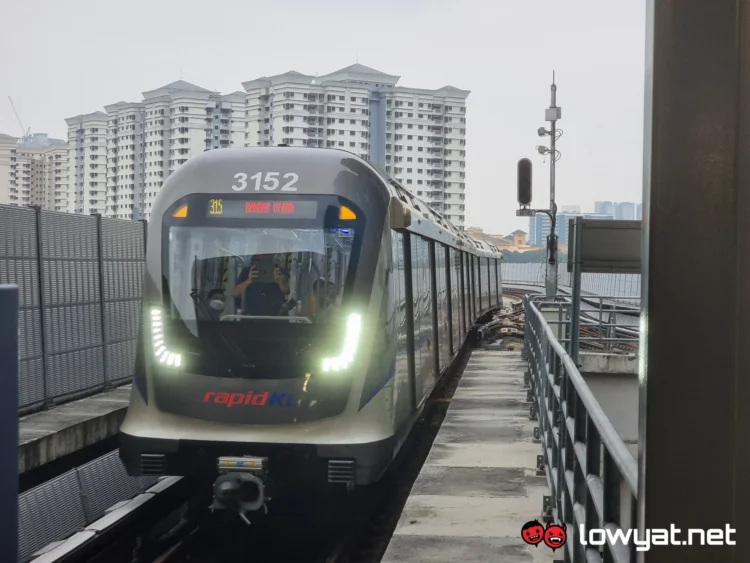
After years of waiting, the LRT3 Shah Alam line is now fully operational from today onwards. Since the government promised a full month of free rides, I took the opportunity to commute to the new train line. Here’s what you can expect to see.
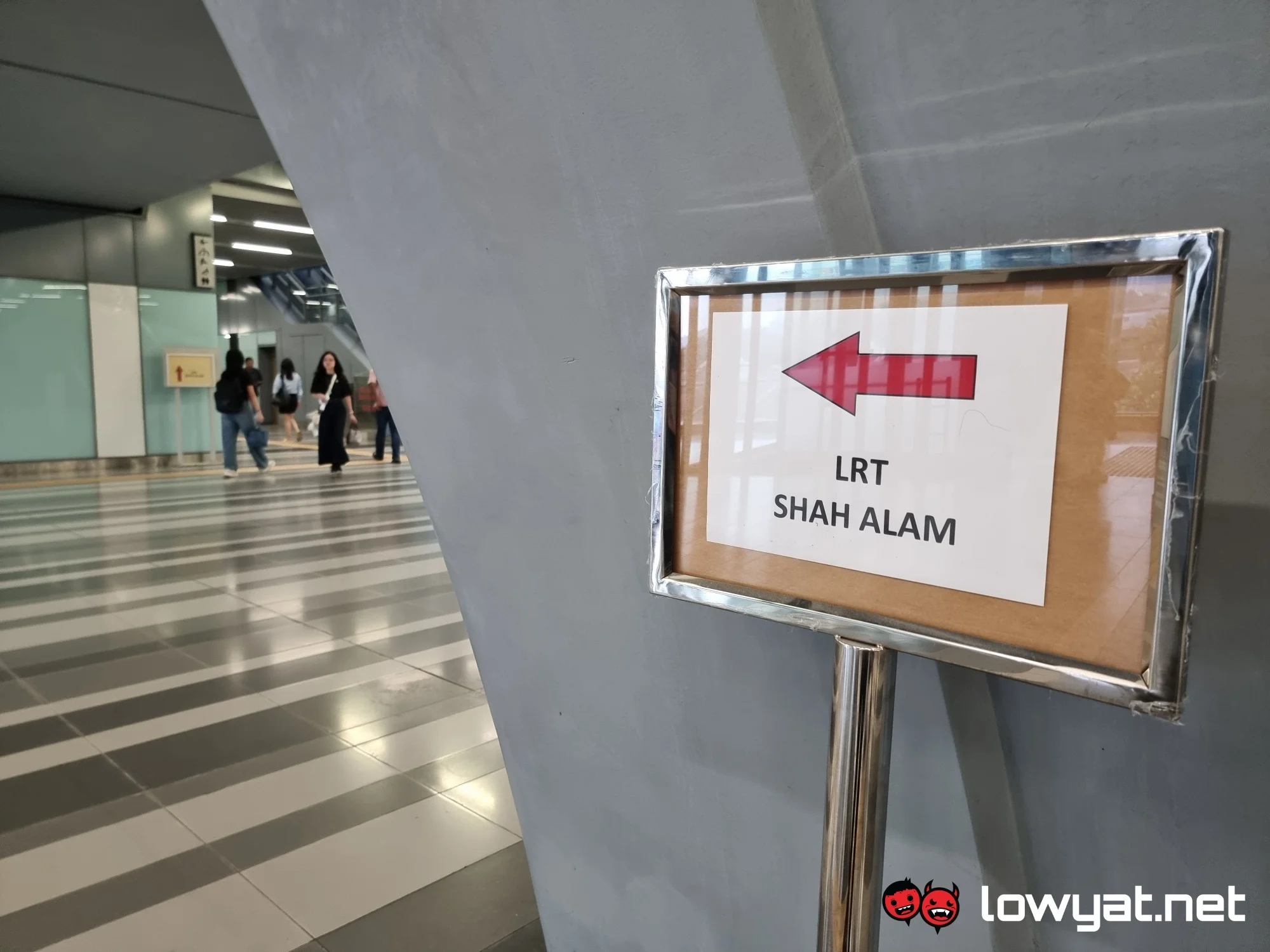
If you’re coming from the Bandar Utama MRT line like I am, the first thing that will greet you are a few signs pointing to Gate A of the station. After a long walk across the bridge towards 1 Powerhouse, you’ll encounter some new, thicker gates with a blue panel.
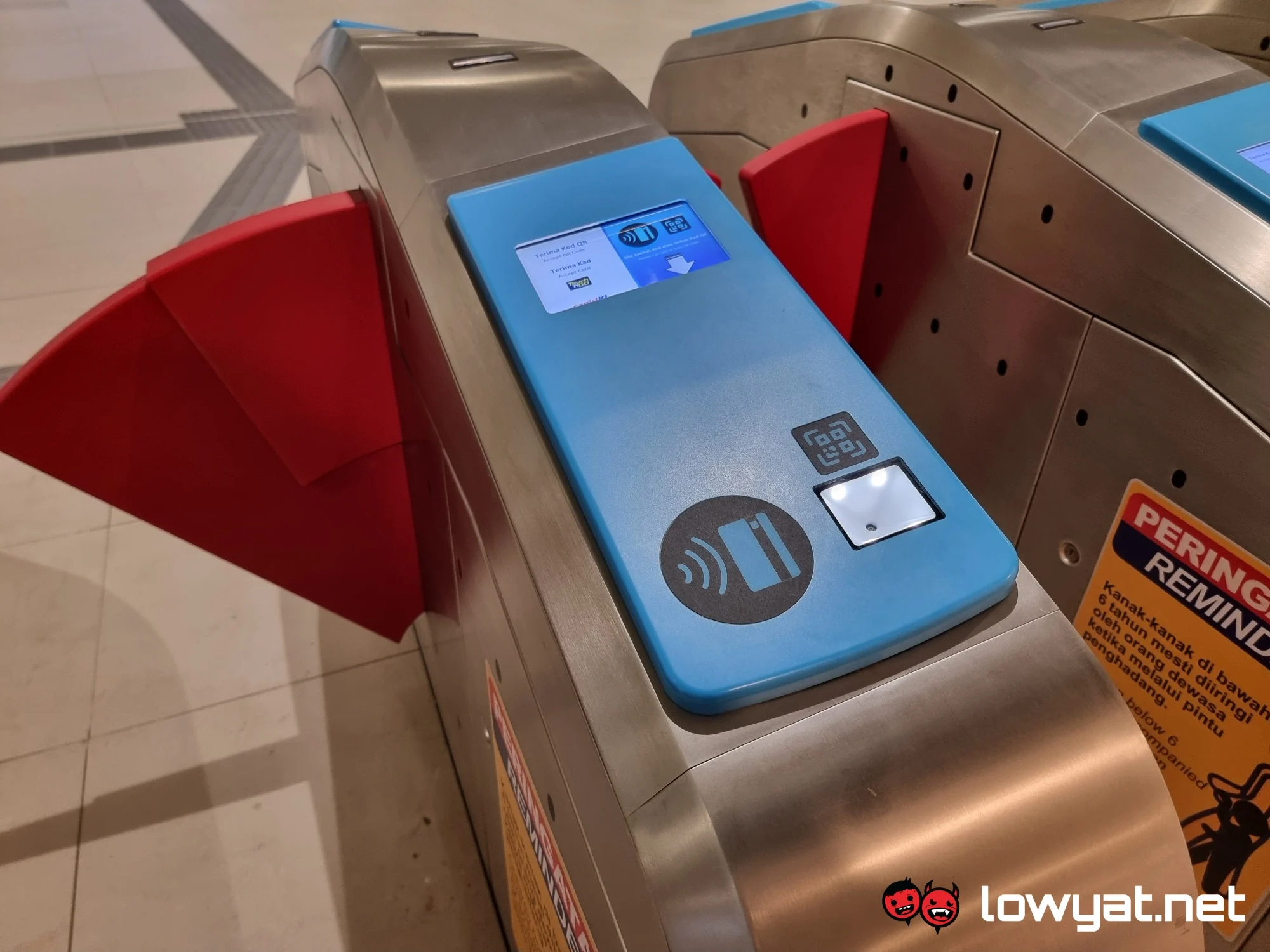
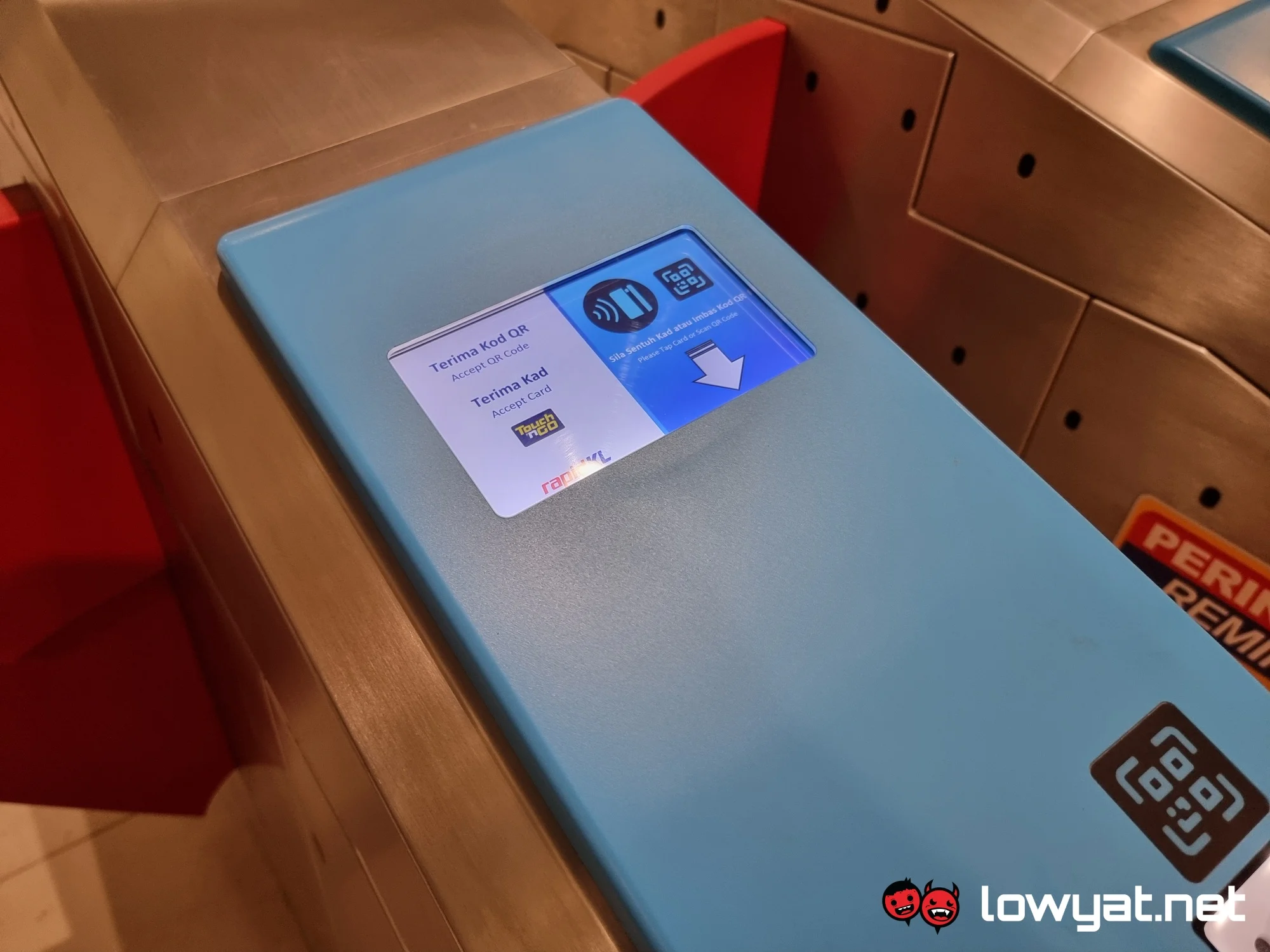
These gates are quite unique, as they allow you to use your QR (particularly Touch ‘n Go) to pay for your fare. They also work with your traditional cards, like MyKad. However, they also have a unique attribute to them which I will explain later.
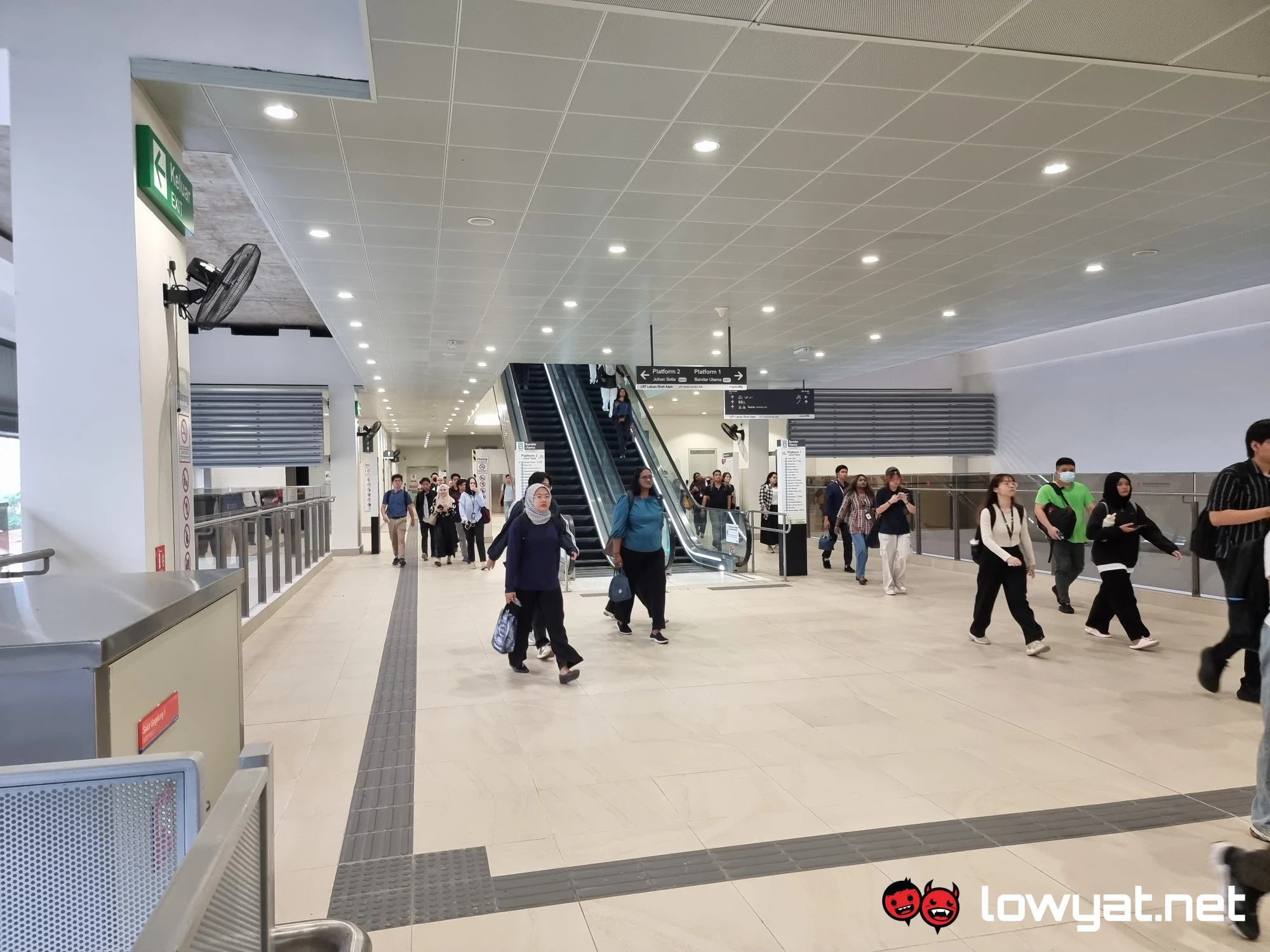
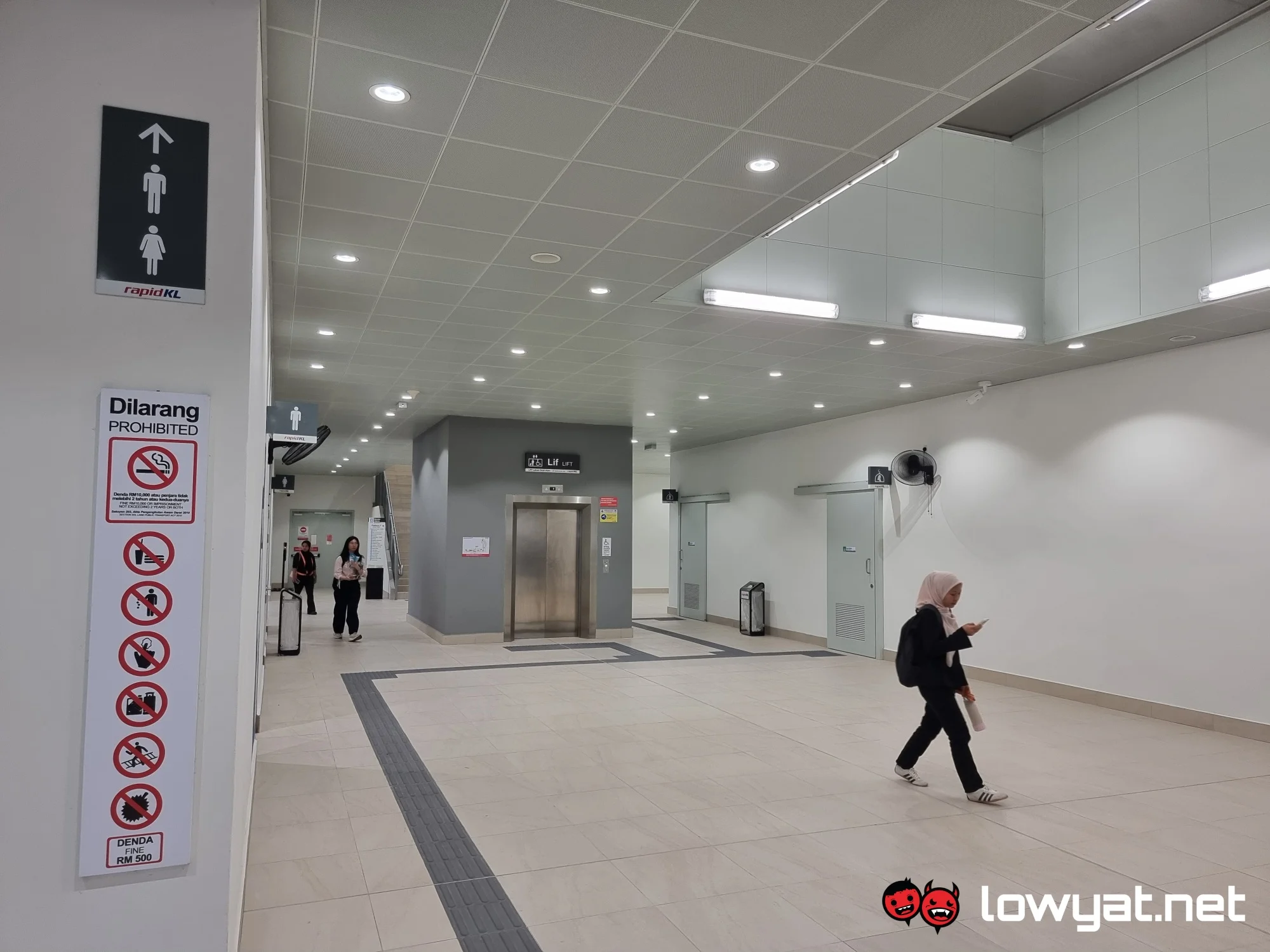
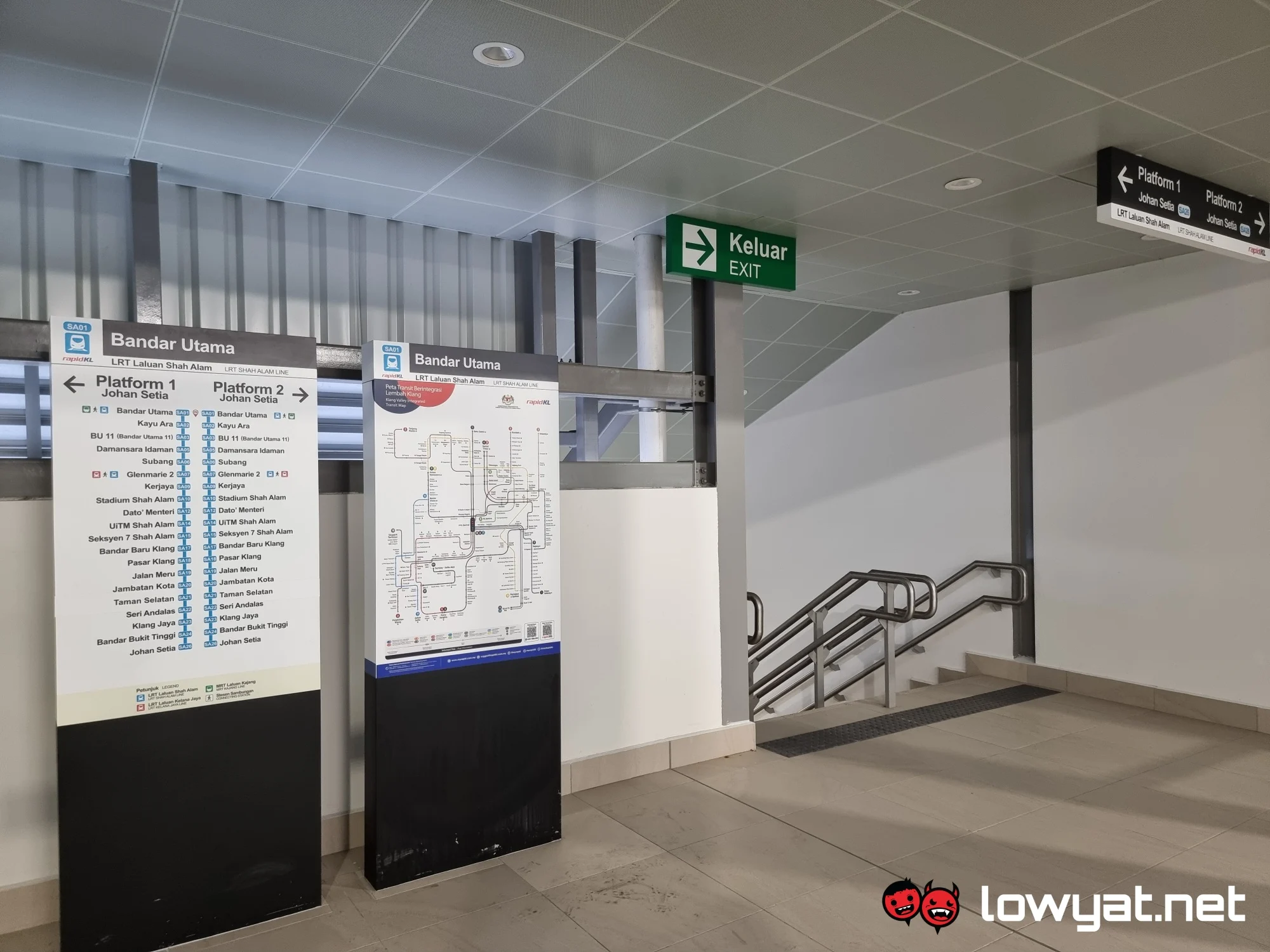
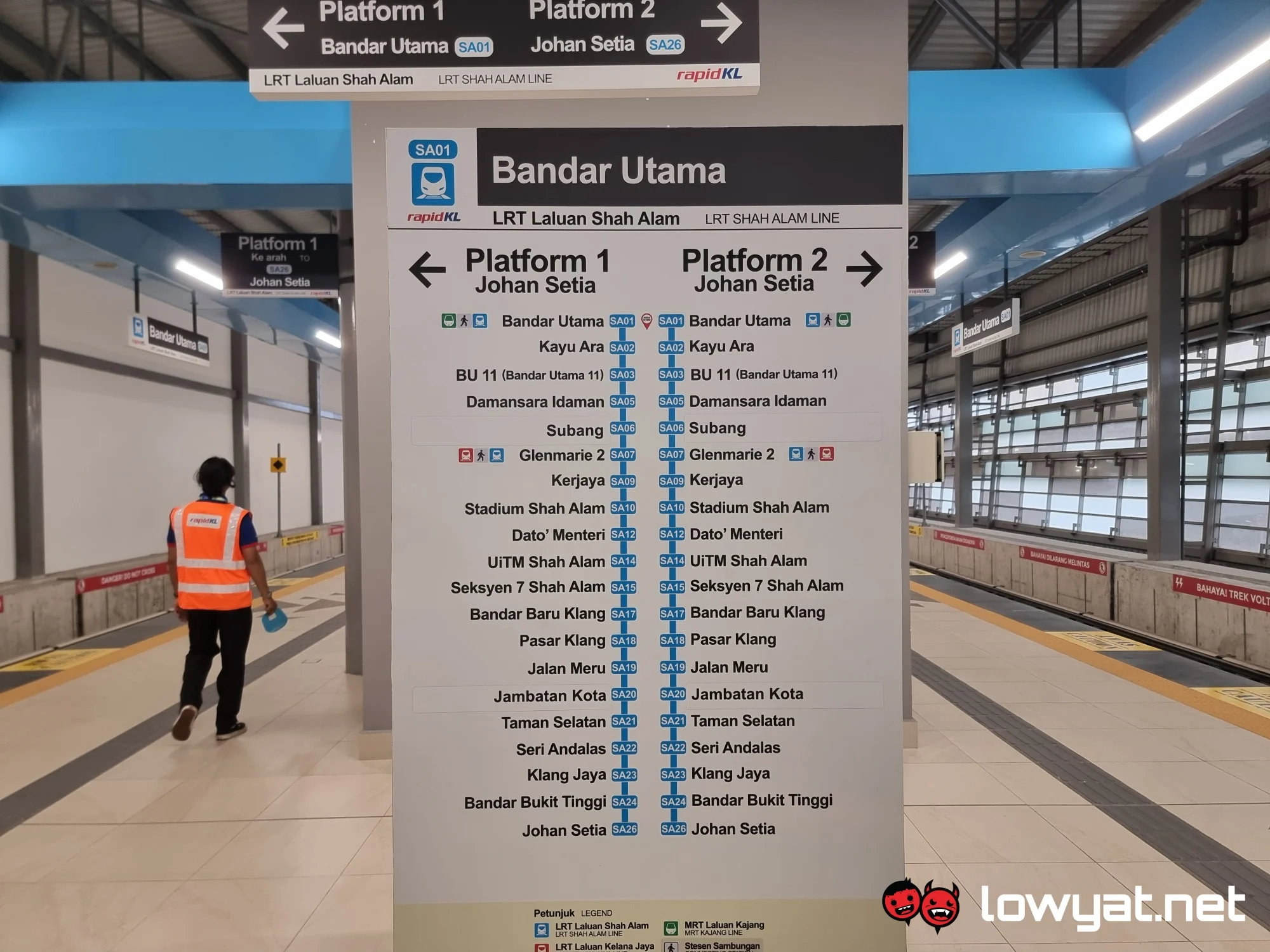
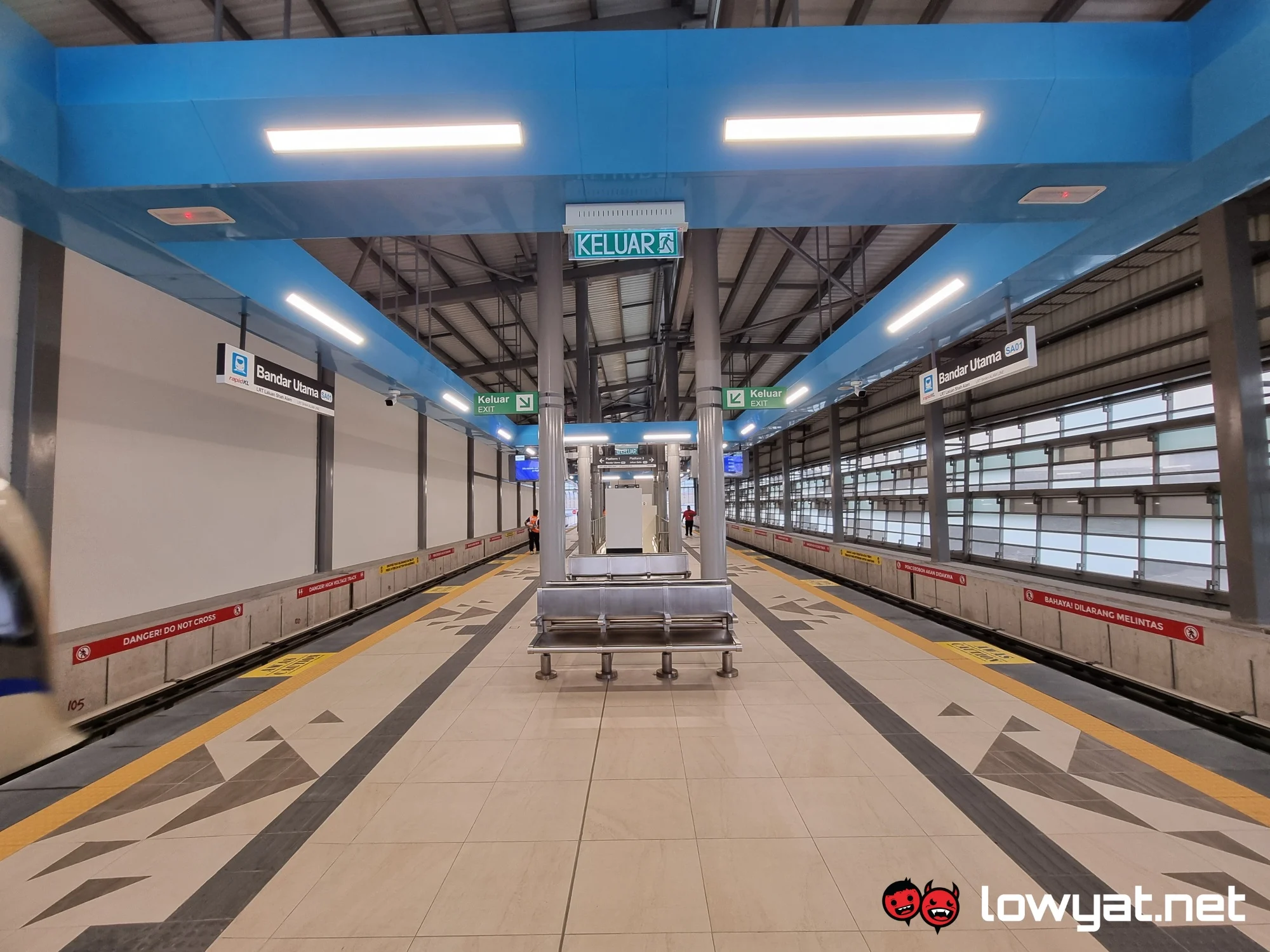
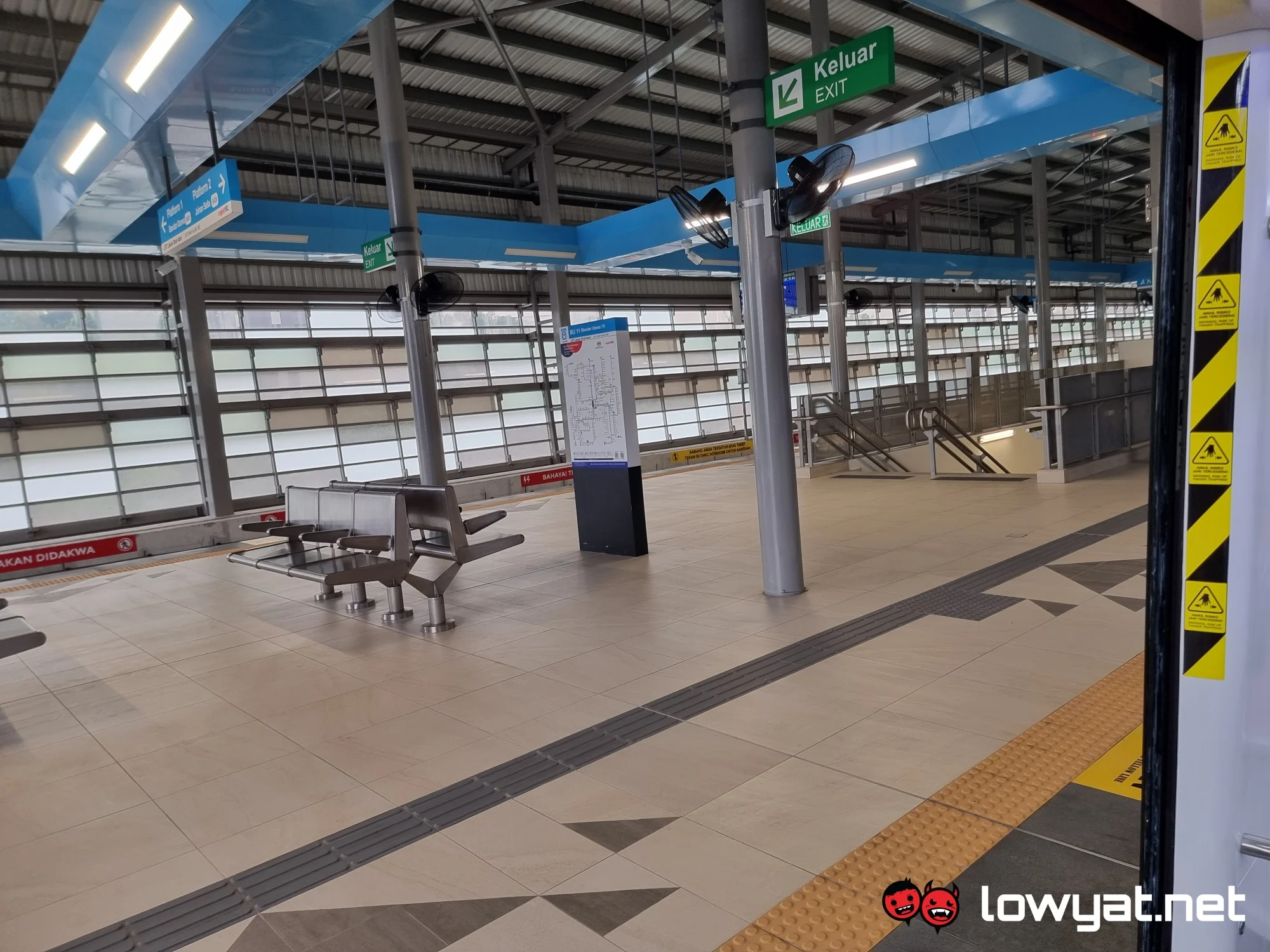
Afterwards, you are greeted with a clean hall with two sets of stairs (one up front and another at the back), an escalator and an elevator. Being the end point for the line, the Bandar Utama platforms both lead towards Johan Setia, regardless, it seems. But if you’re somewhere in the middle of the line, you need to hop to Platform 1 if you want to go to Bandar Utama and Platform 2 for Johan Setia.
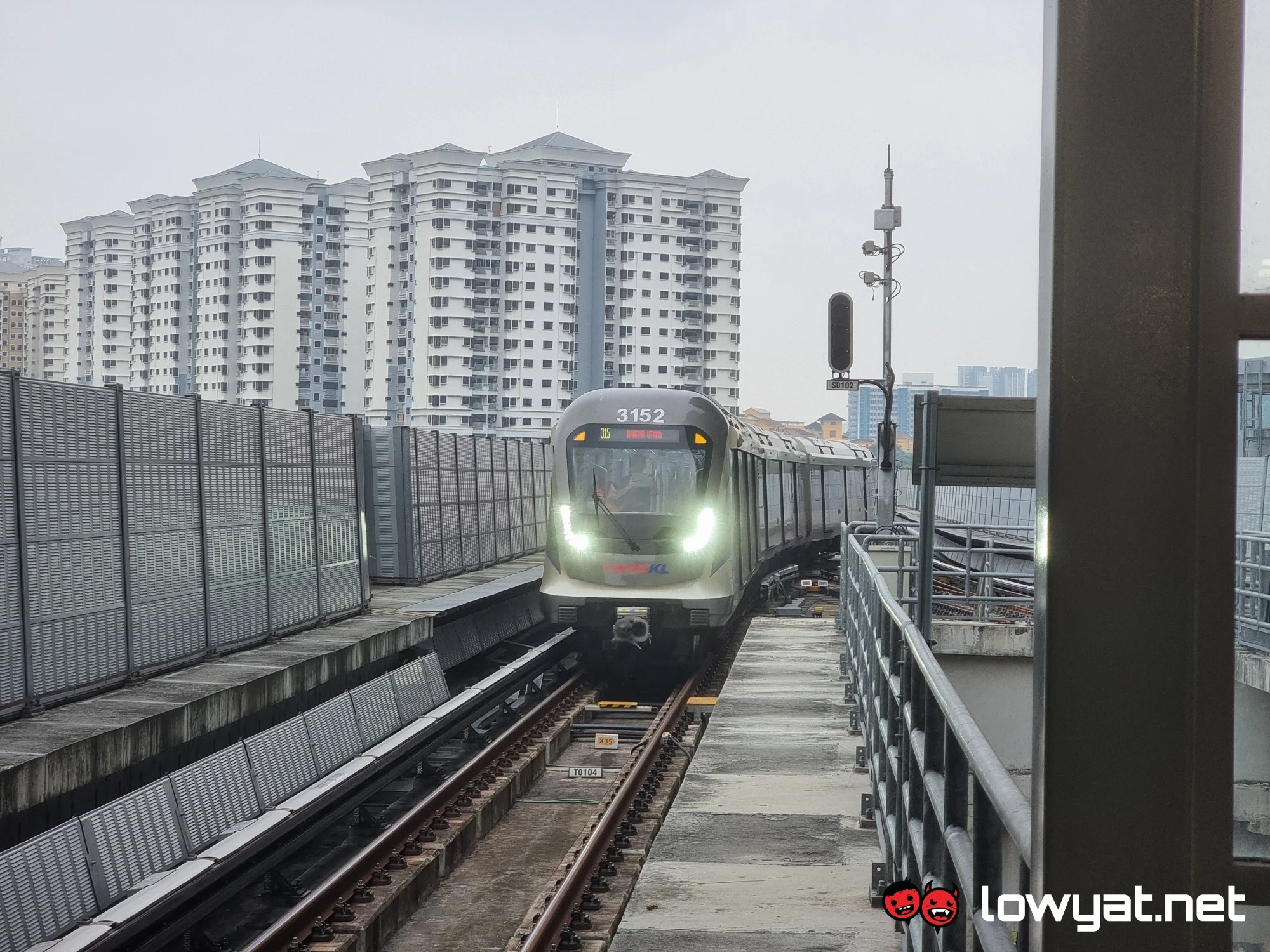
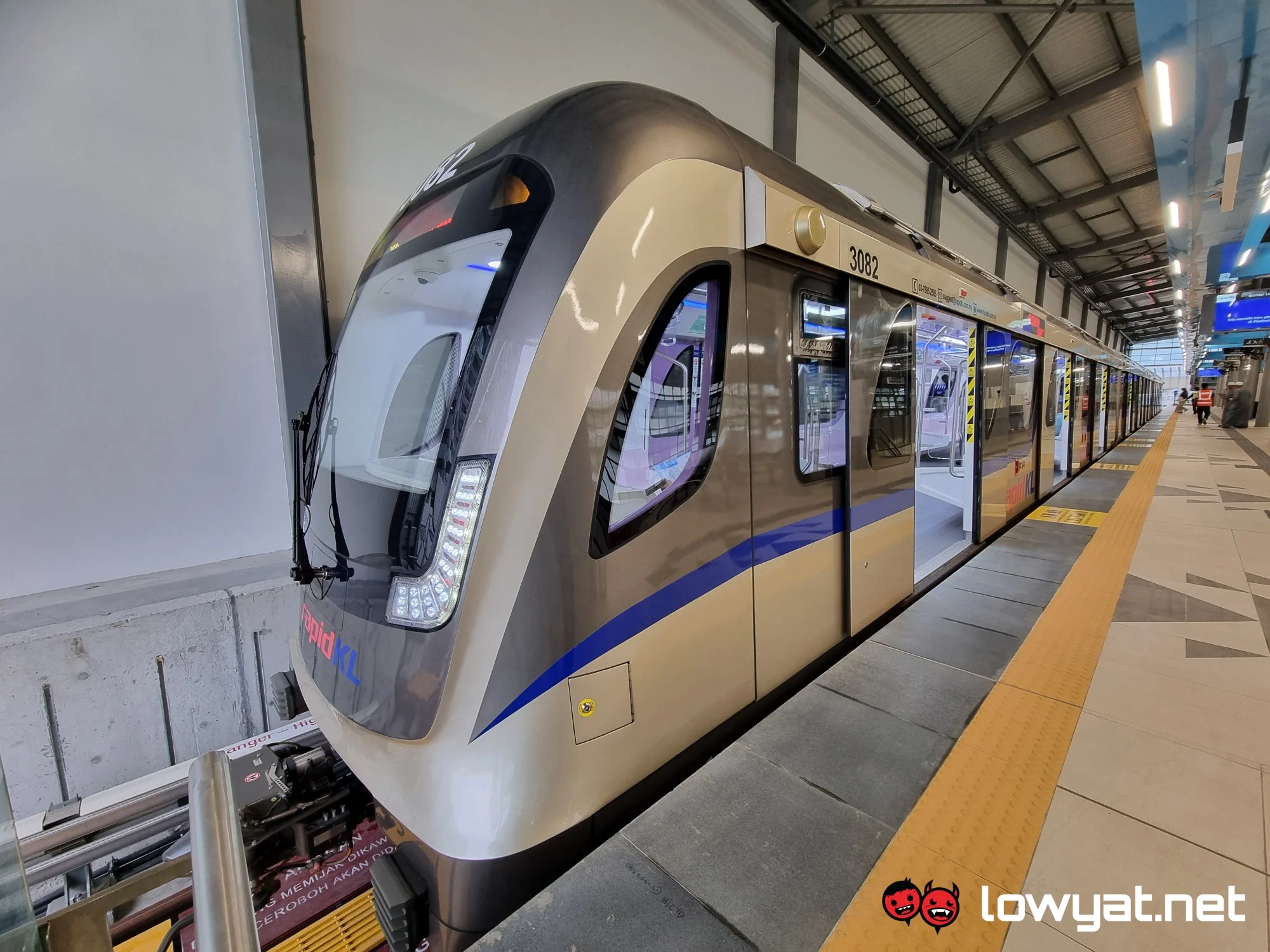
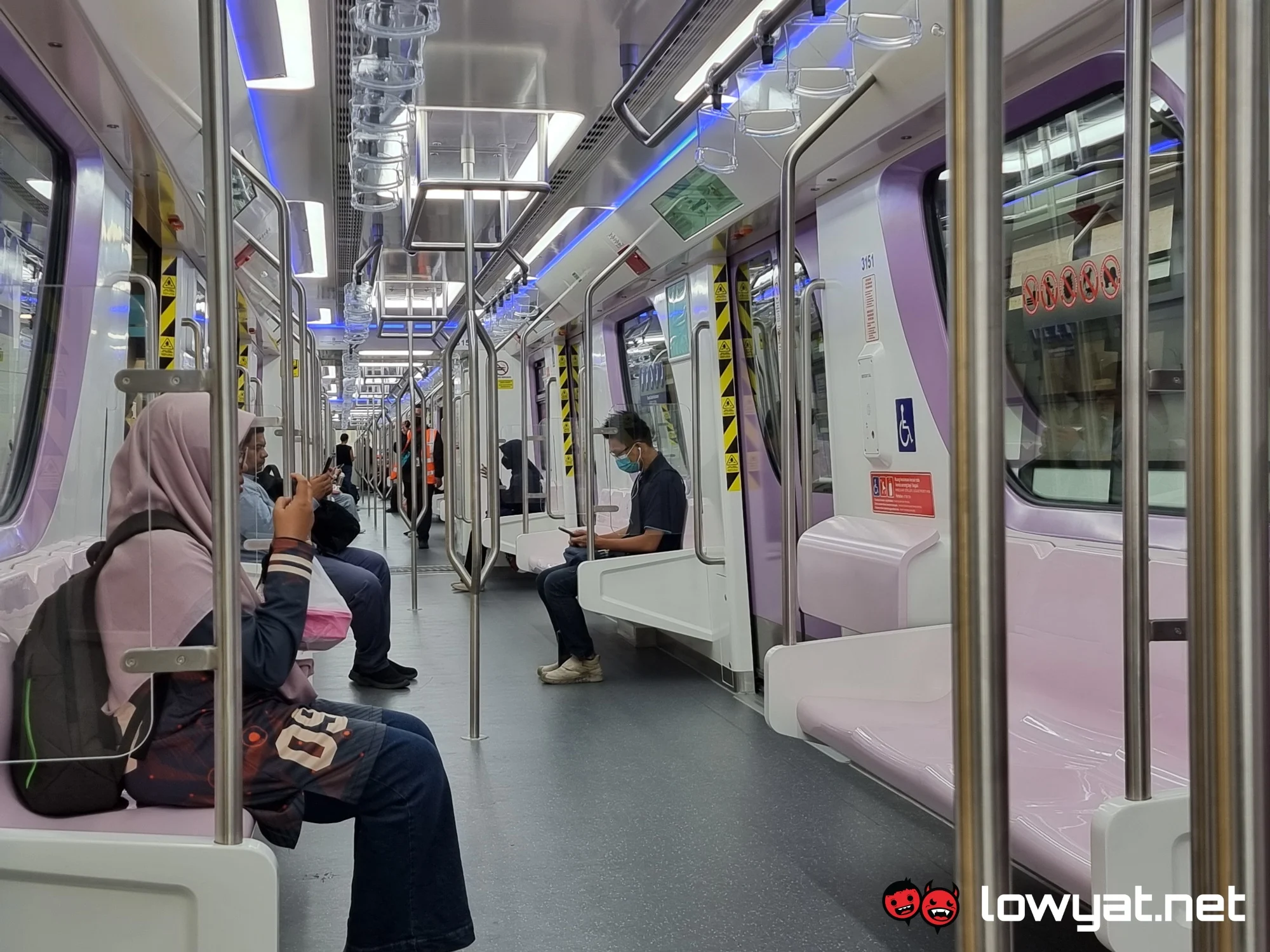
Compared to other trains like the MRT Kajang Line or the LRT Kelana Jaya Line, the train cars at the Shah Alam Line have a relatively compact and boxy appearance to them. They also look sleek in a way, but that’s by the by. Inside, the train car is decorated with a pale purple-lavender colour palette, which I thought was an interesting choice.
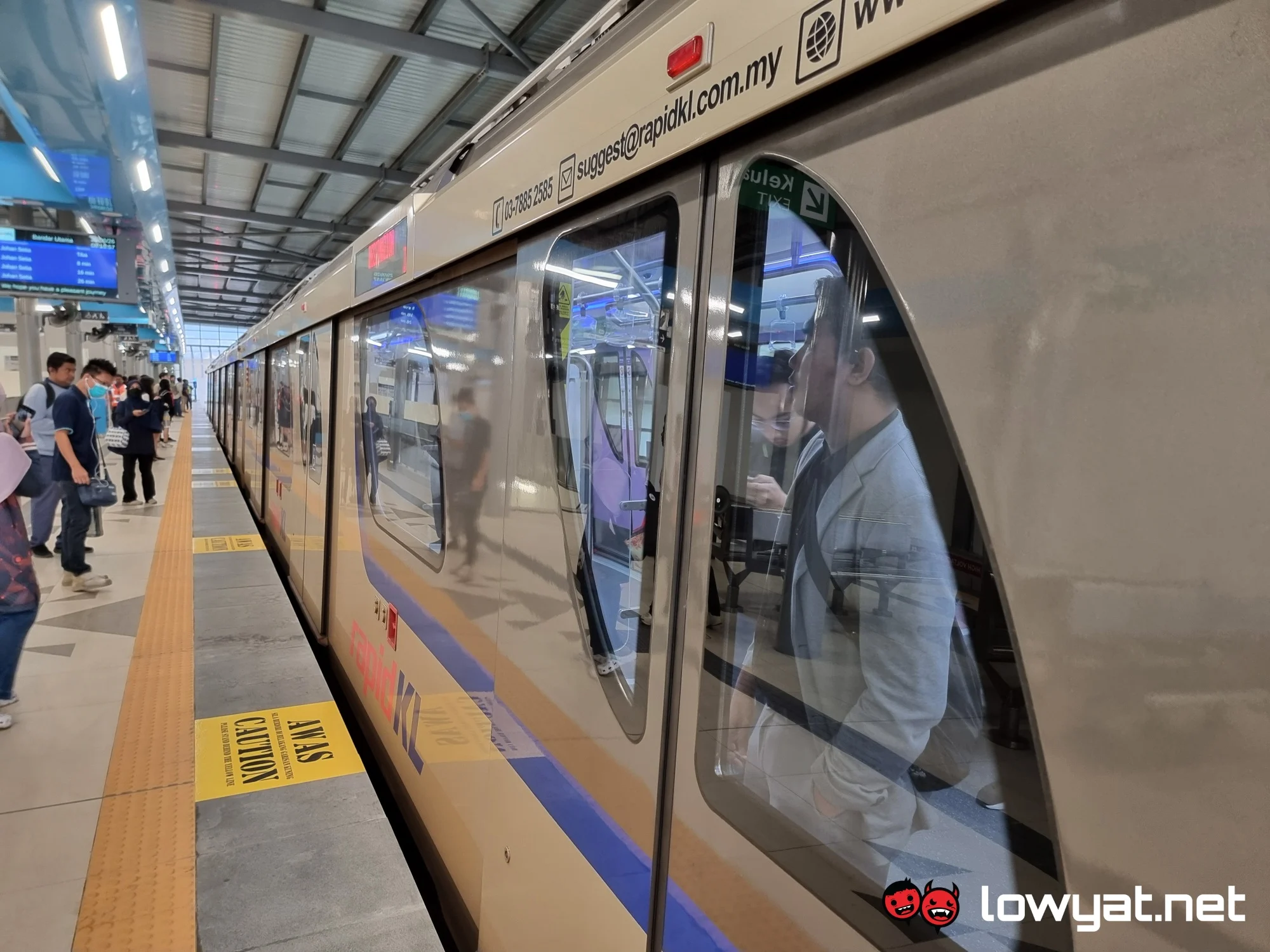
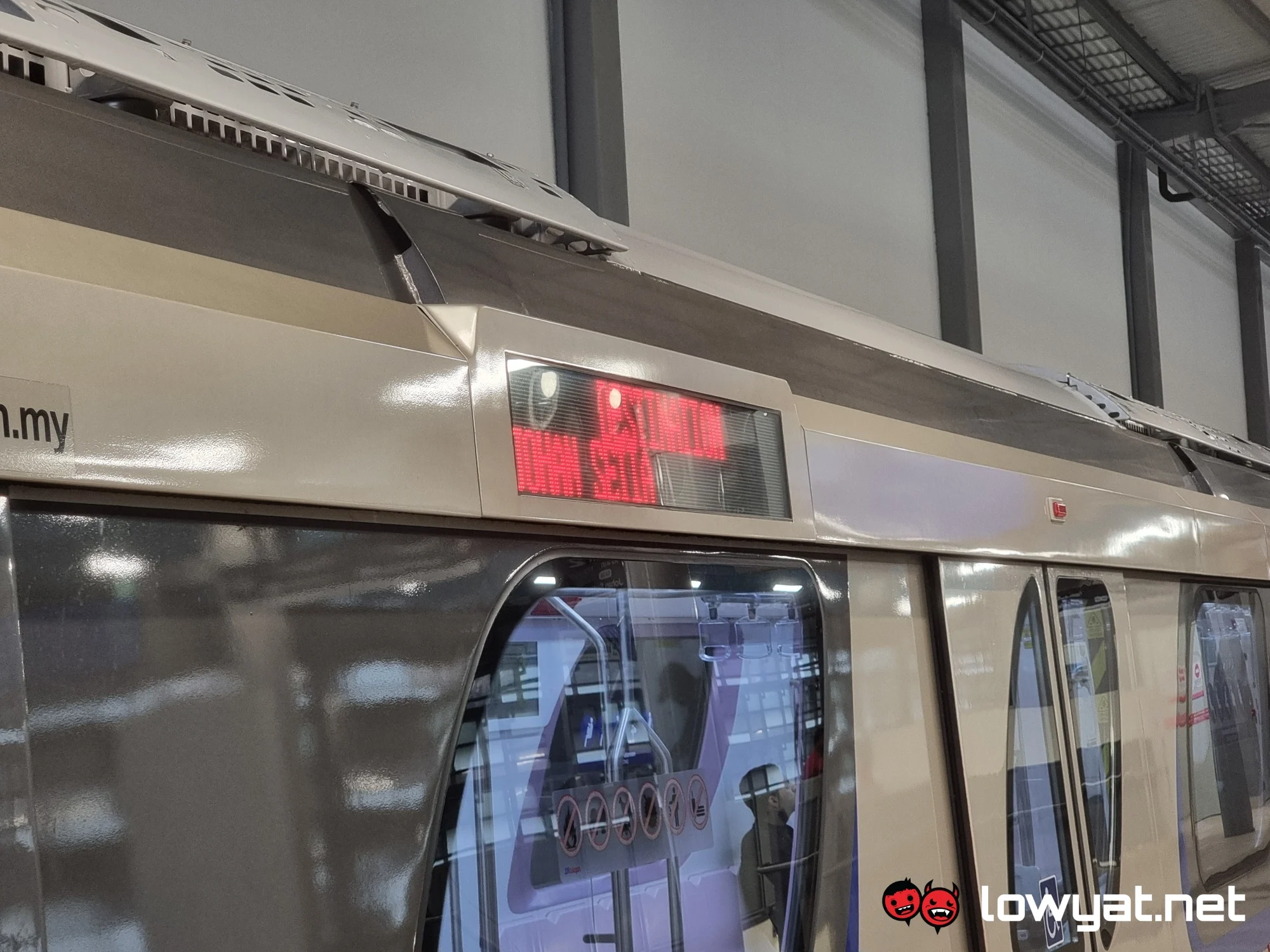
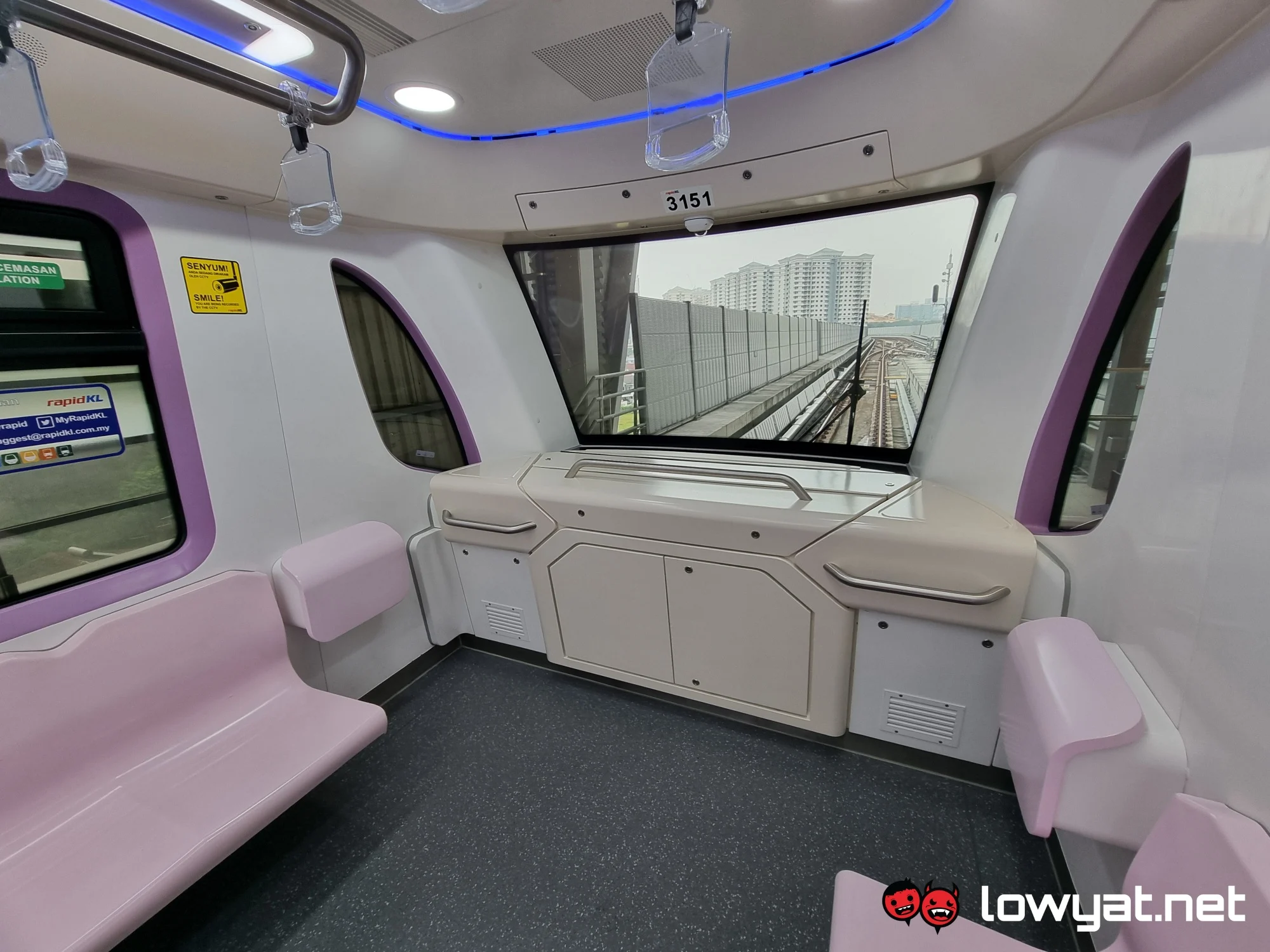
Another interesting addition I noted was these boxy protrusions that seem to be exclusive to the ends of the train car and the designated PWD area. They are decorated with the same pale purple colour as the seat, so we can assume that it’s designed to be leaned on.
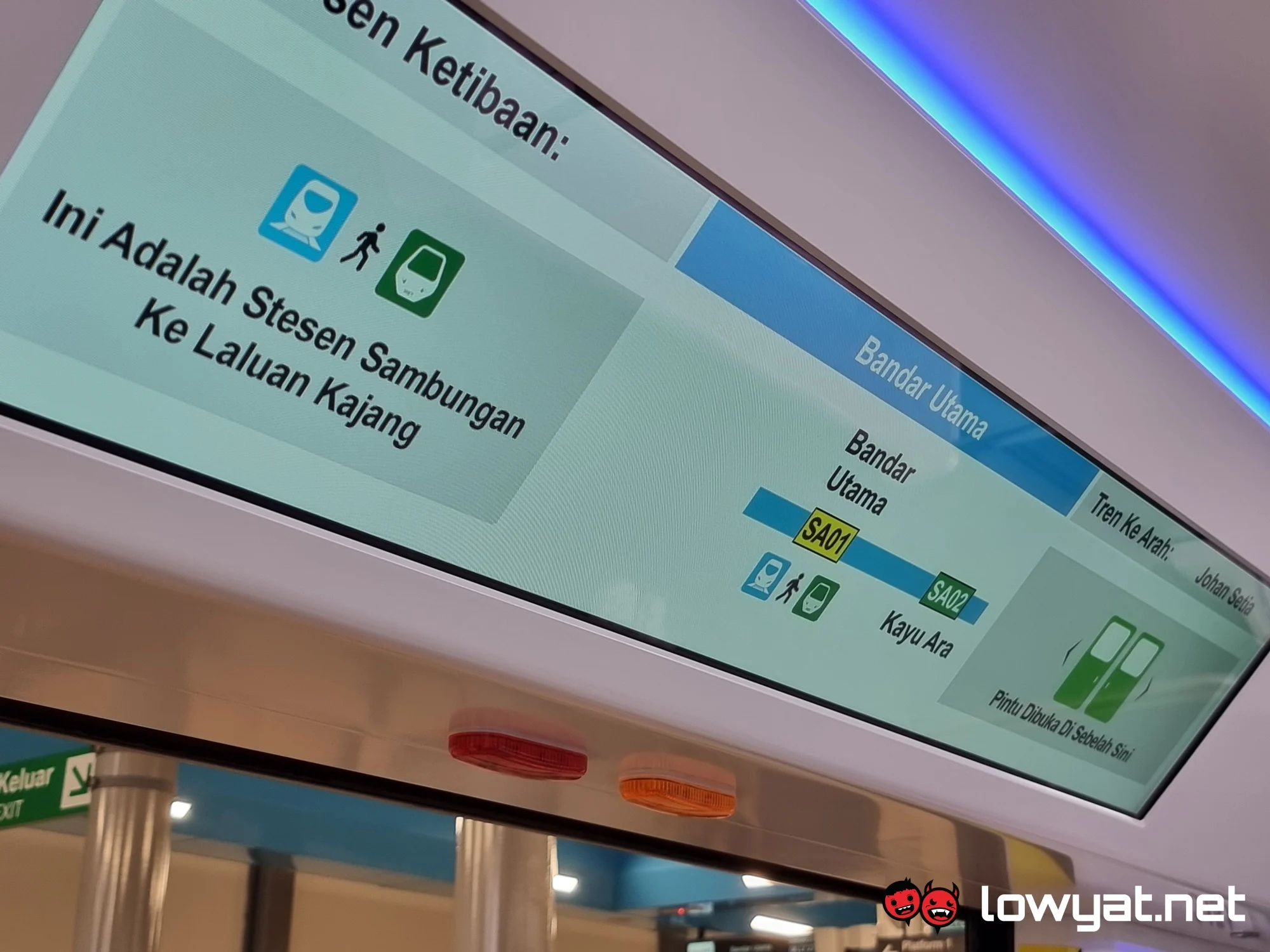
While riding the train, I couldn’t help but realise that it is a tad slow. Mind you, my main destination is Abdullah Hukum; compared to the Kajang-Kelana-Jaya route I often take, I’d say that the new Shah Alam Line is 20 minutes slower. That said, you can make the argument that this is because it’s an entirely new line and that it has a lot of distance and stops to cover.
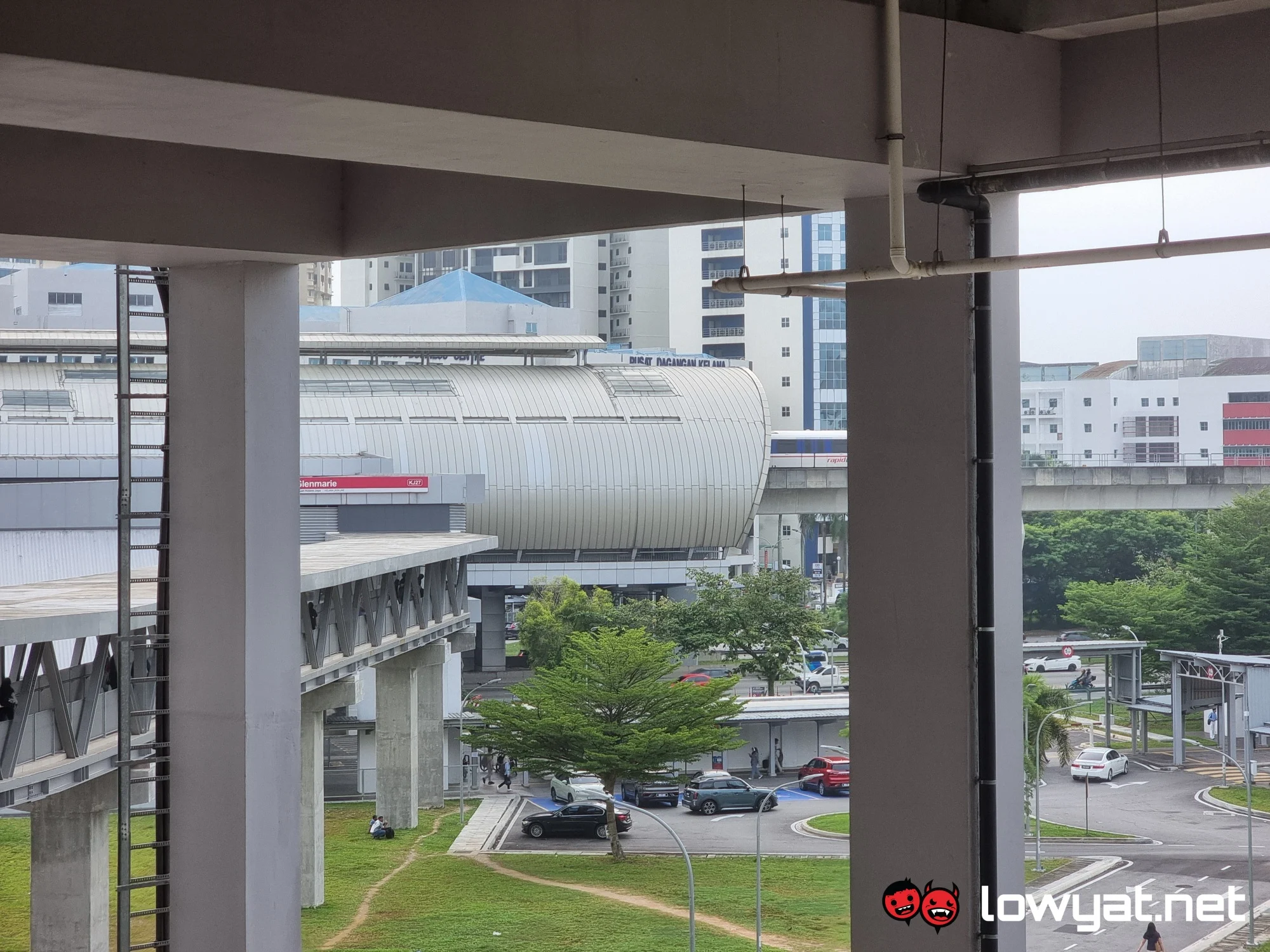
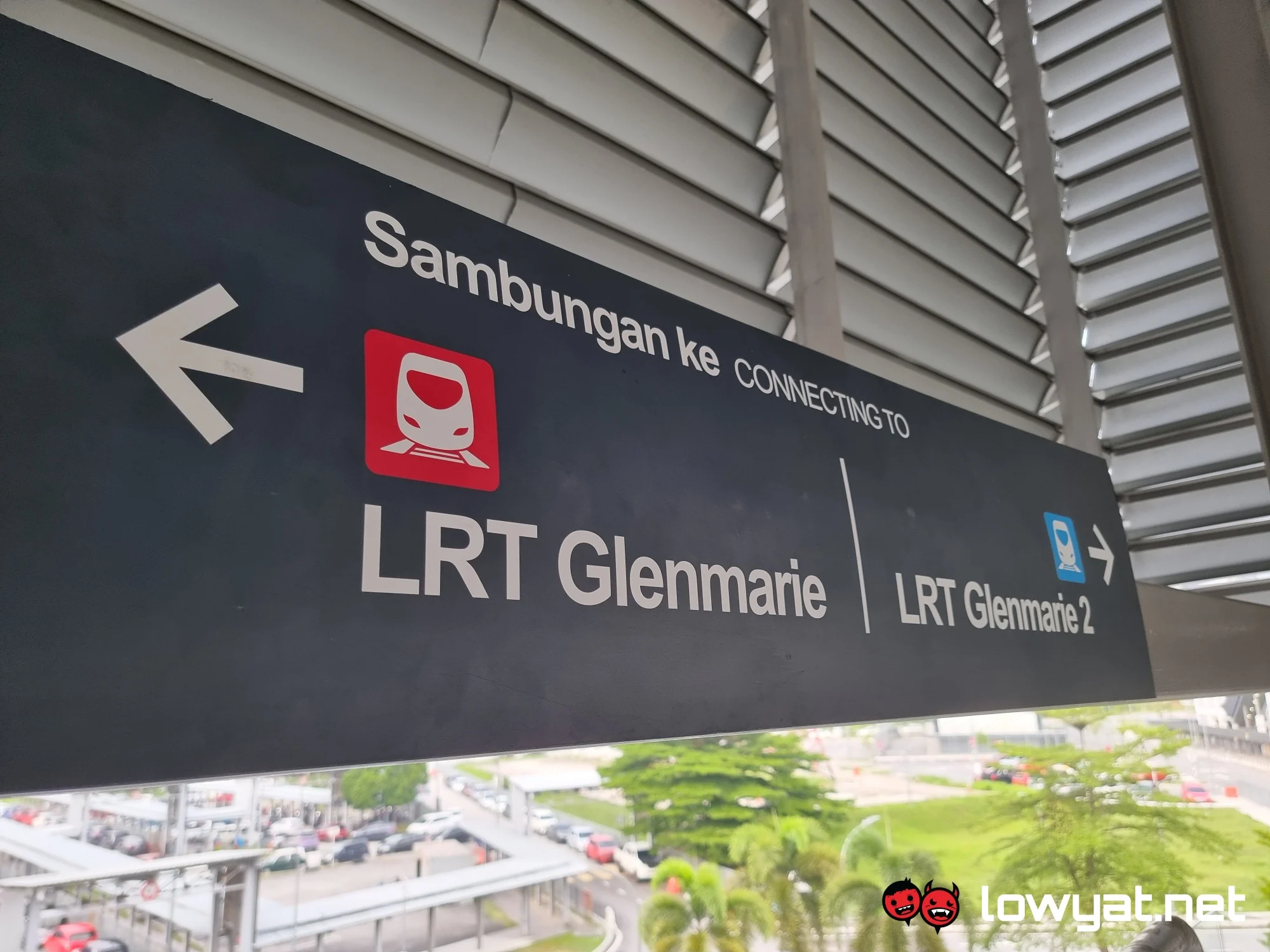
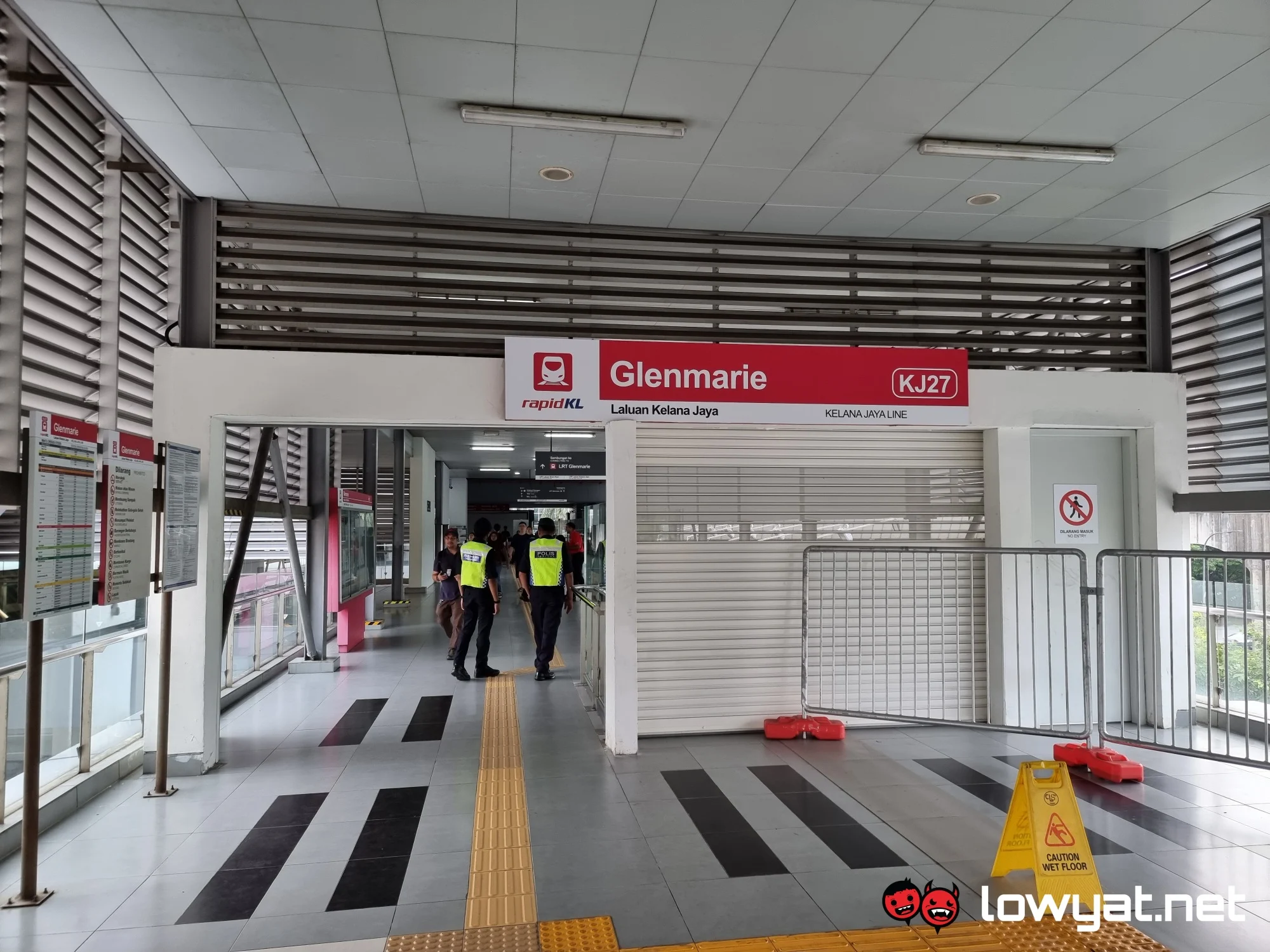
At the time of writing, the Shah Alam Line has only two major interchange stations: Bandar Utama, which connects to the Kajang Line, and Glenmarie 2, which provides access to the Kelana Jaya Line. However, passengers transferring at Glenmarie 2 are met with an unexpected obstacle. As shown in the photograph below, a walled-off section prevents direct access between the two lines. Instead of making a seamless transfer, commuters must walk around the barrier, exit through the fare gates, and then tap in again at the adjacent station to continue their journey.
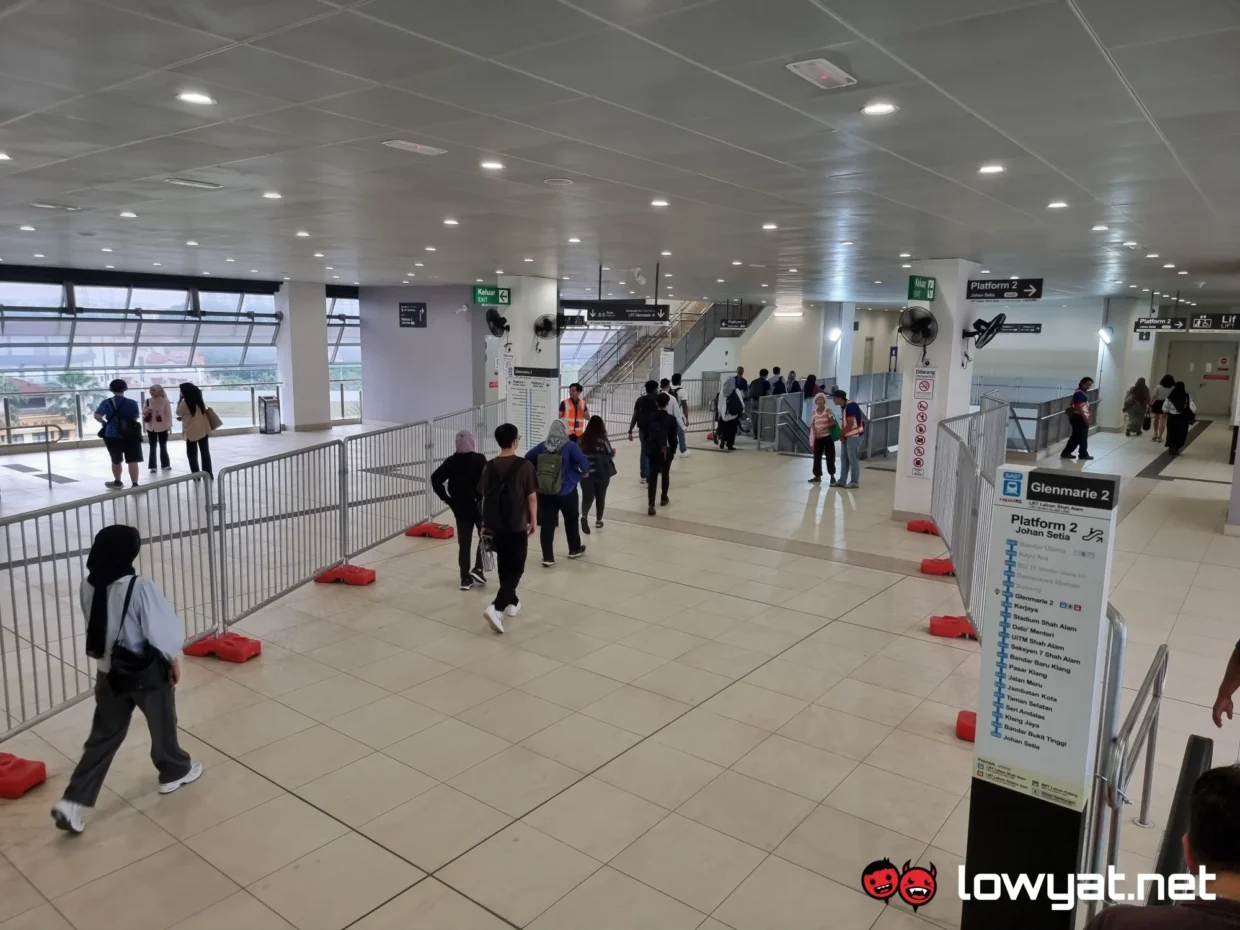
When I asked a Prasarana staff member about this arrangement, they explained that the Shah Alam Line currently operates using a QR-based fare gate system, whereas the Kelana Jaya Line still relies on the older token-based system. According to the staff member, efforts are underway to integrate the two systems and create a more seamless interchange experience in the future, although no definite timeline was provided.
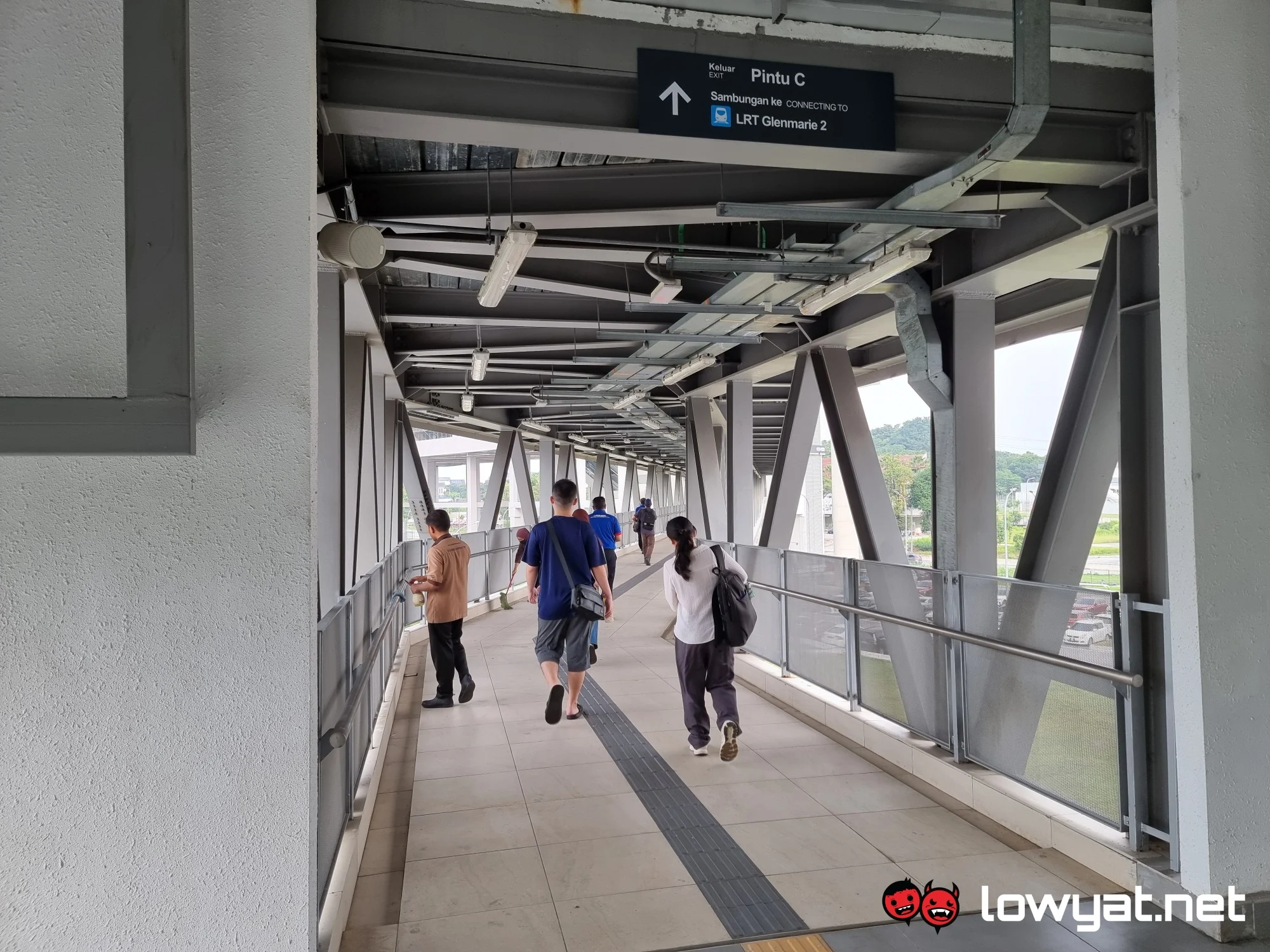
It is also worth noting that this is where the complimentary ride on the Shah Alam Line ends. From this point, passengers must walk across a lengthy pedestrian bridge to reach the original Glenmarie station before continuing their journey on the Kelana Jaya Line.
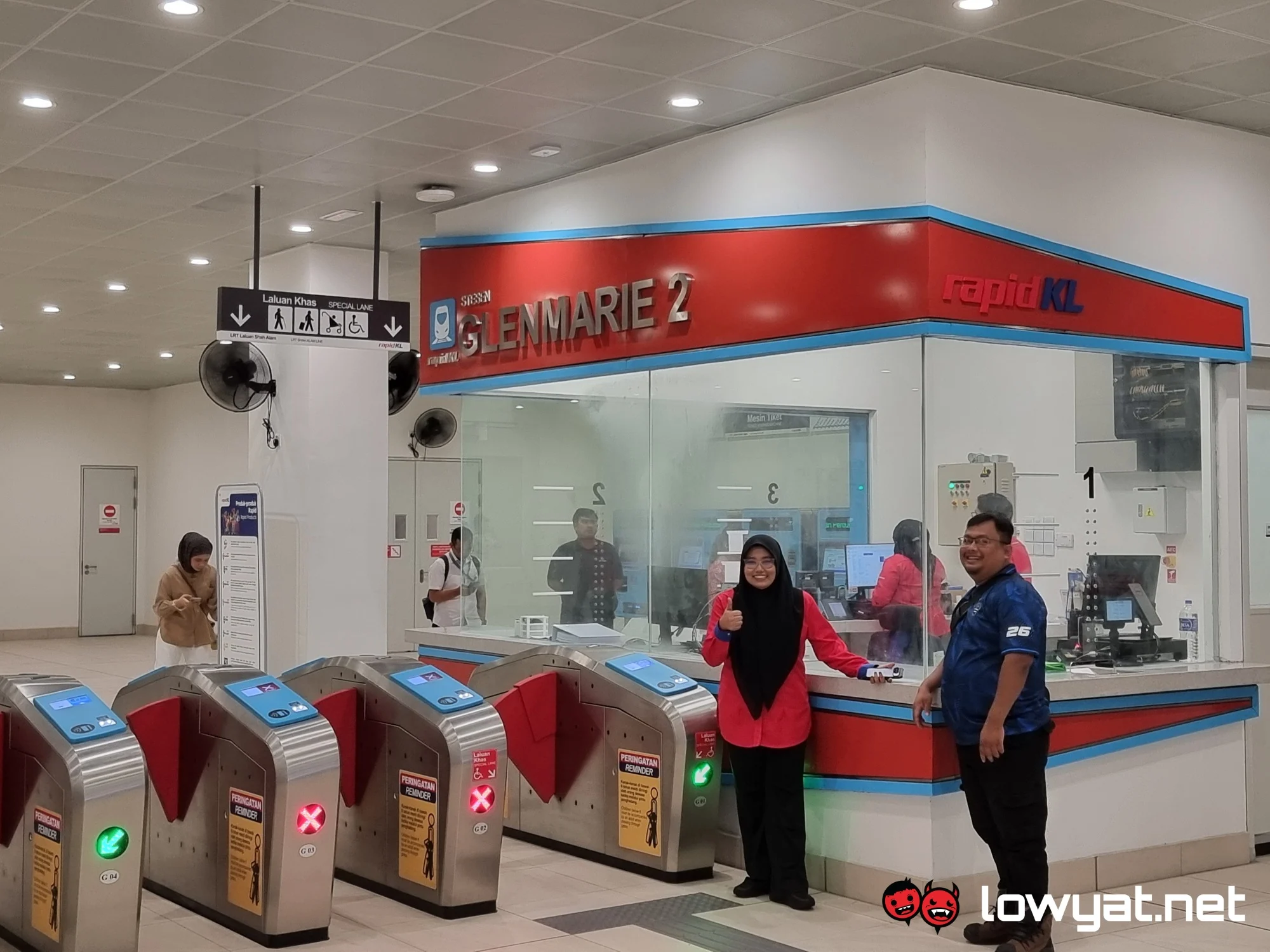
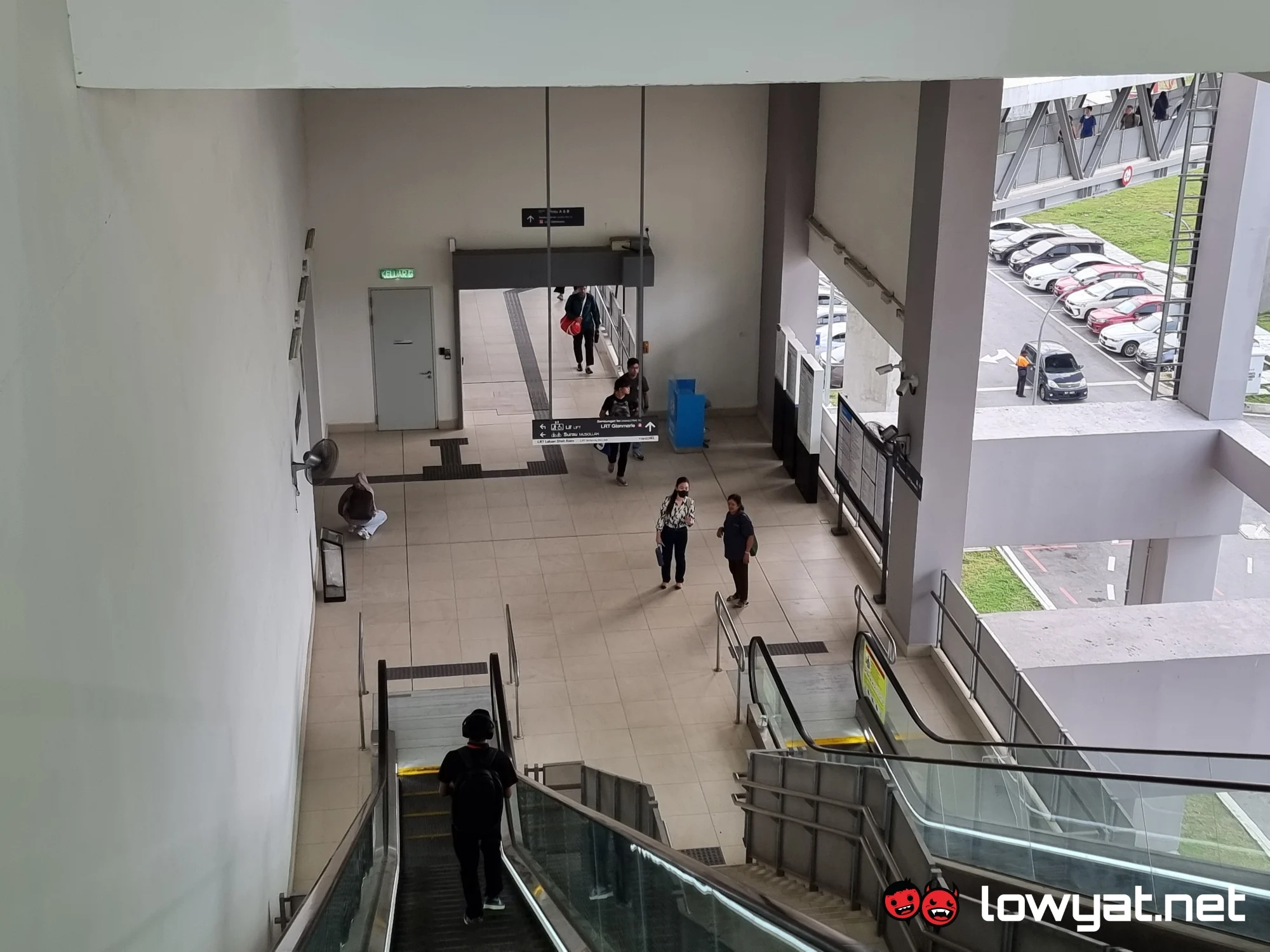
Overall, while it wasn’t the fastest ride, the Shah Alam Line is definitely worth trying, especially now while you can still ride it for free. From my experience, it also serves as a great alternative for those who’d rather avoid the crowds at Pasar Seni station. That said, do keep in mind the extra distance and travel time when planning your commute.
Facts about the LRT3 Shah Alam Line
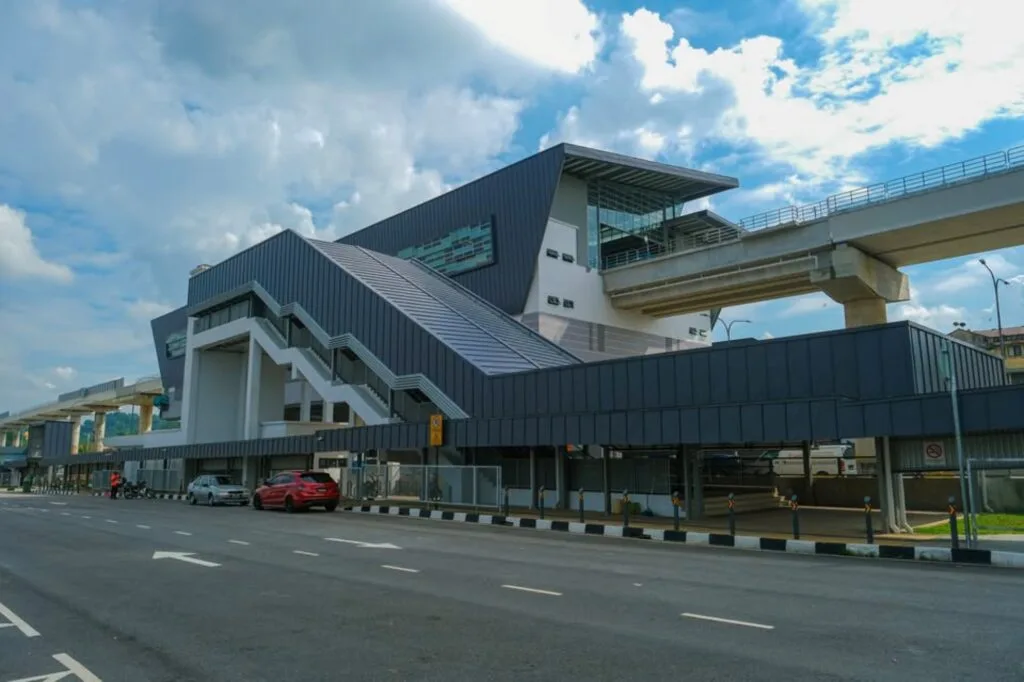
While we have discussed the line at length now, here are some additional details about it that you need to be aware of. Based on the official fact sheet from Prasarana, the project cost the government a total of RM16.63 billion, RM11.43 billion of which was used for the construction package. Meanwhile, the remainder is for land acquisition costs, variation orders, and other related costs.
The Shah Alam Line stretches across 20 different stations. The route has a total length of 37.8km; 2.5km of it is underground. It takes a total of 70 minutes to travel the entire line from end to end. As mentioned earlier, the line has a total of two interchange points, one in Bandar Utama and another in Glenmarie. It’s also worth noting that there are 10 side platform stations and 10 island platform stations.
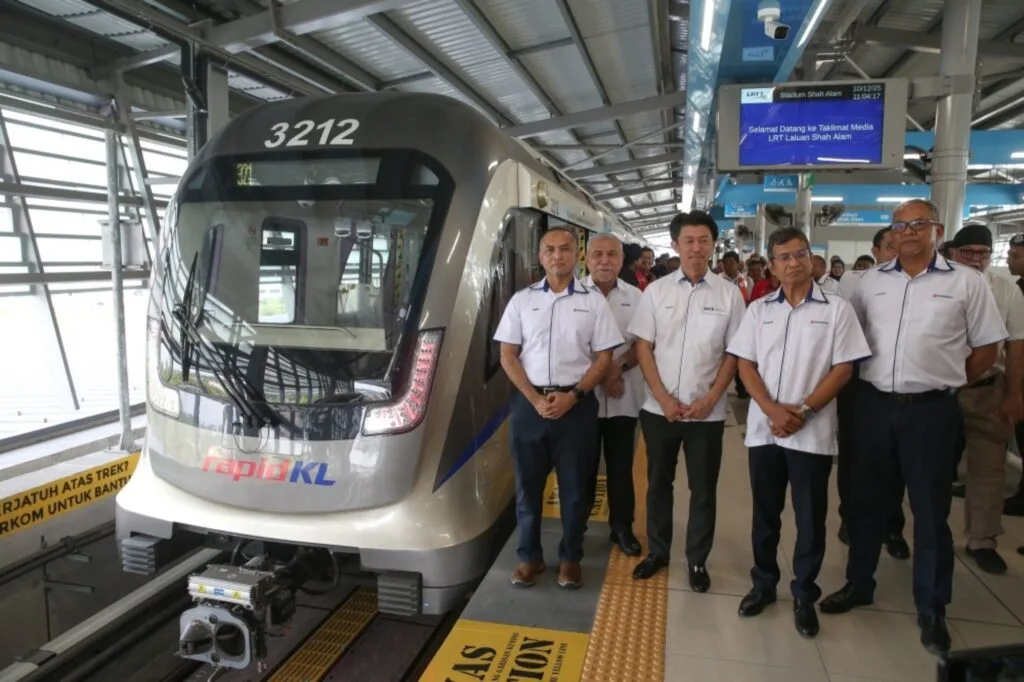
There are 22 units of three-car trains in operation. They have a top speed of 80km/h and a maximum capacity of 624 passengers. The Line operates from 6AM to 12MN. As per the fact sheet, the train has a frequency of eight minutes during peak hours or 10 to 15 minutes during off-peak hours.
