
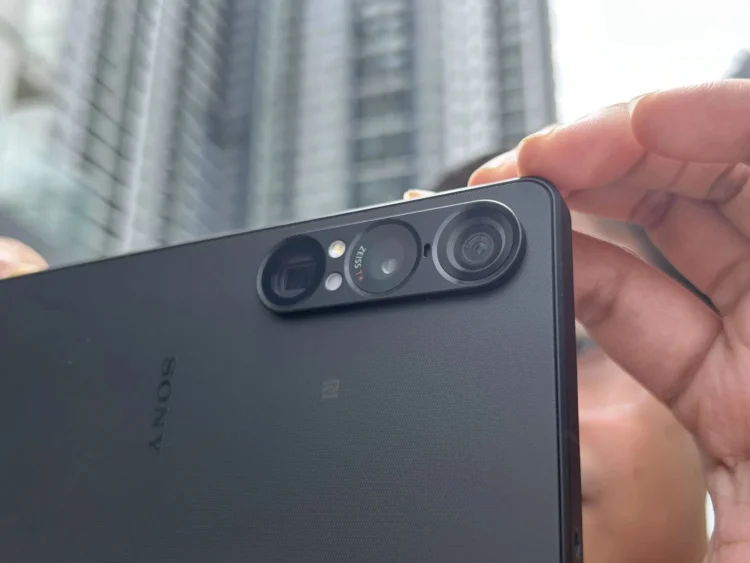
In addition to controllers and wearable coolers, Sony is also known for developing camera sensors. And, just yesterday, the tech giant officially unveiled the LYTIA 610, which aims to improve zoom photography and video recording for smartphones.
According to the company, the LYTIA 610 is a 1/2-type approximately 64MP CMOS image sensor featuring the new RB2x2 On-Chip Lens (OCL) pixel structure. Sony claims the design enables both high-resolution imaging and autofocus performance, while also making it the first mass-produced CMOS image sensor to feature the RB2x2 OCL architecture.
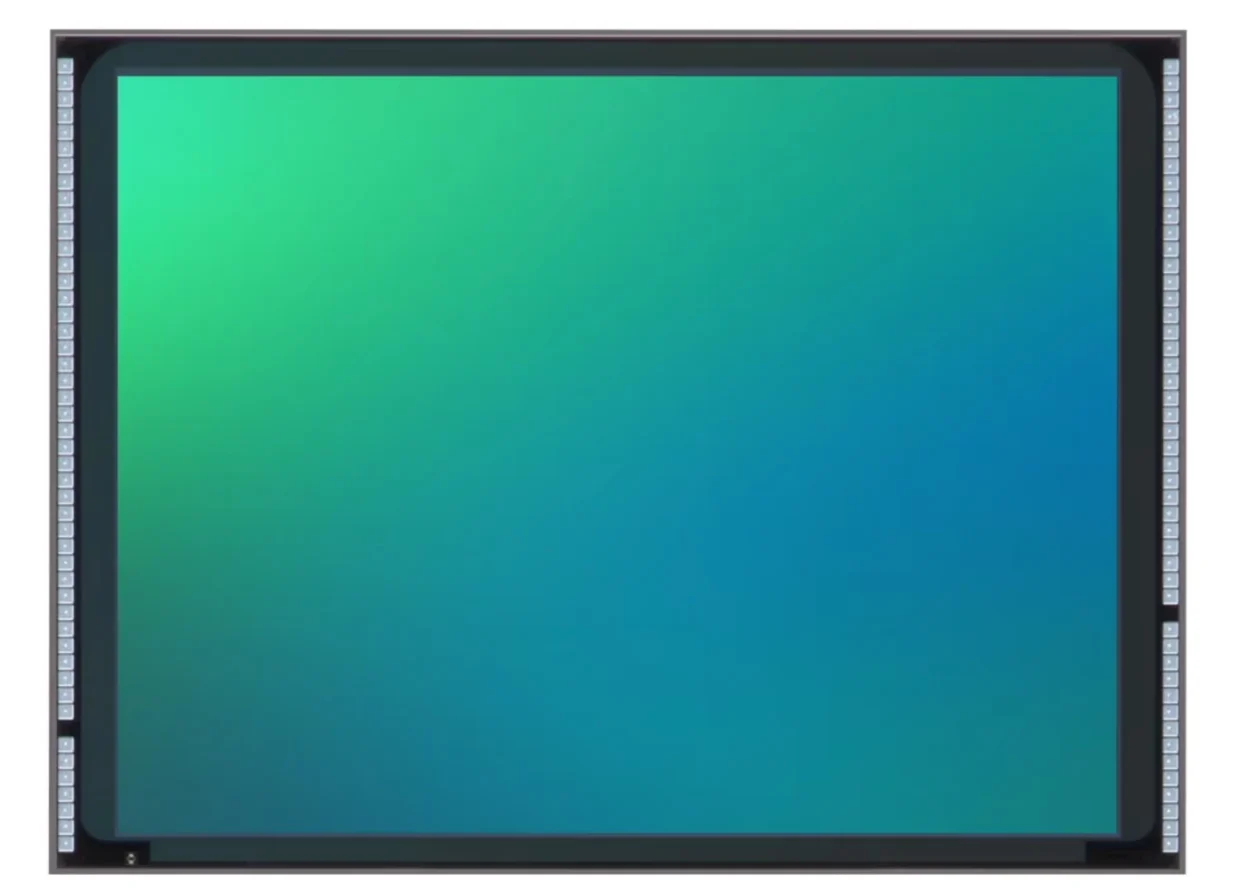
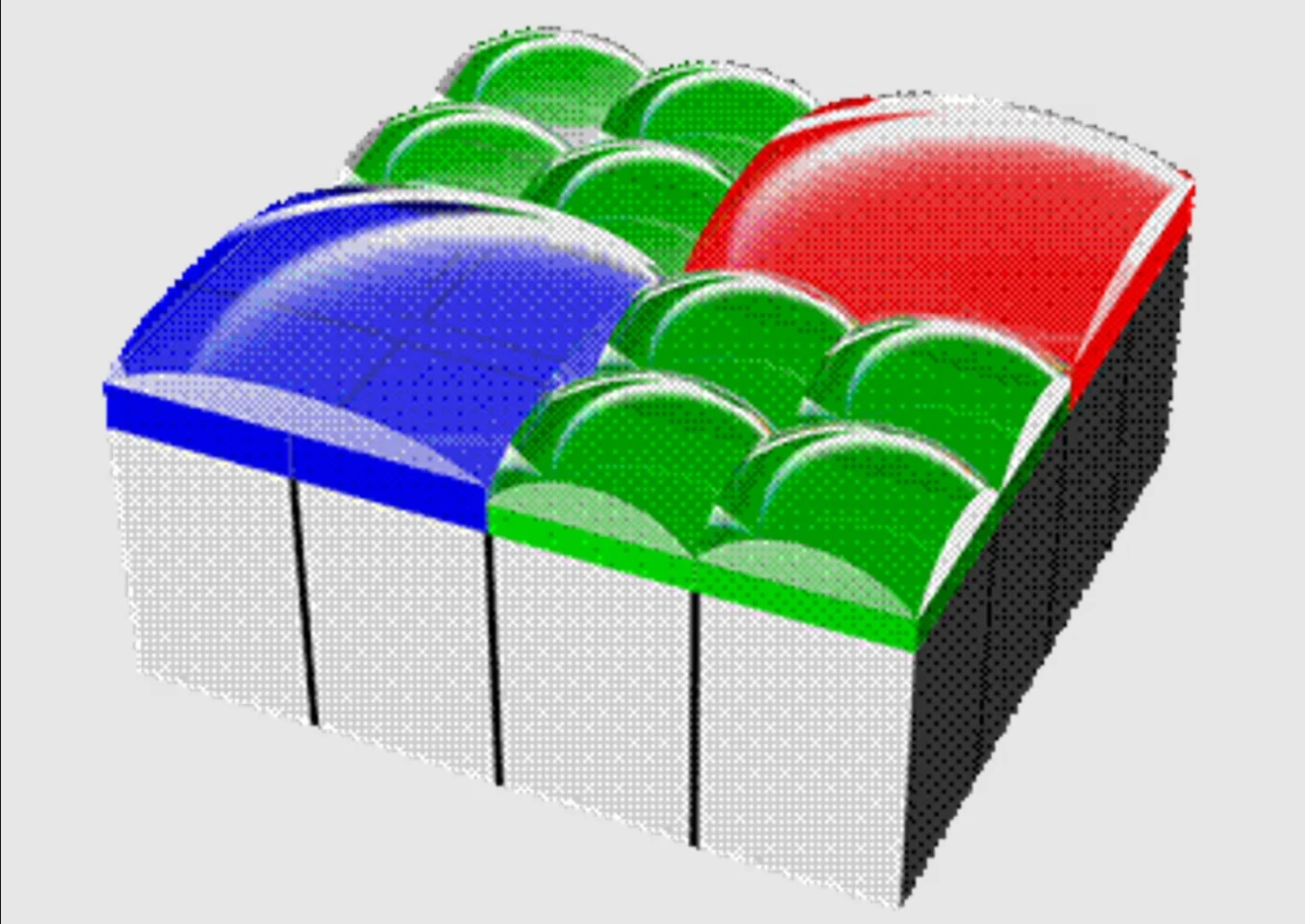
The company says the sensor uses a different arrangement for its colour pixels. While Sony groups the red and blue pixels under a 2×2 OCL structure, it uses a 1×1 OCL structure for the green pixels, which allegedly offer “superior resolution performance”.
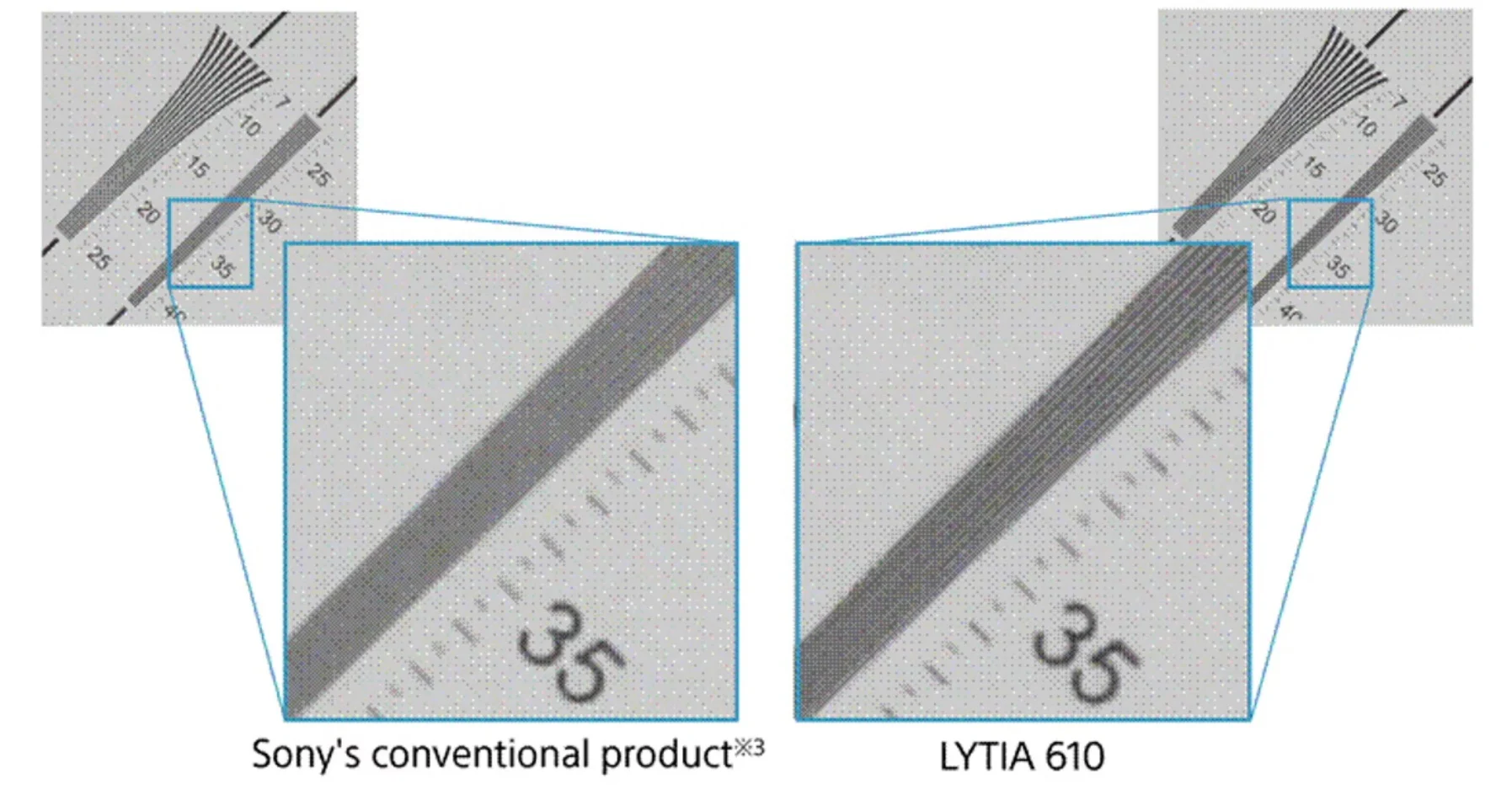
In addition, Sony developed a dedicated remosaicing algorithm specifically for this layout. Combined, the company claims these technologies enable the sensor to deliver more than 20% higher spatial resolution than the LYTIA 601 despite sharing the same 0.7μm pixel size.
Outside of photography, Sony mentioned that the sensor’s improved internal processing and data conversion system has significantly higher readout speeds. The brand says that the LYTIA 610 has twice the read speed compared to a conventional 1/2-inch sensor. As a result, this allows the phones with this sensor to record up to 120fps in 4K. It also supports 4K 60fps HDR video recording, which is nice when recording in areas with problematic lighting.
The company says the sensor can help minimise differences in image quality and appearance between a smartphone’s main and sub cameras during video recording. As a result, footage captured across multiple lenses should appear more consistent.
As with most newly announced mobile image sensors, it is only a matter of time before the LYTIA 610 makes its way into commercial smartphones. Sony says mass-production shipments will begin at the end of June 2026, although no smartphone makers have announced plans to use the sensor yet.
(Source: Sony)
