
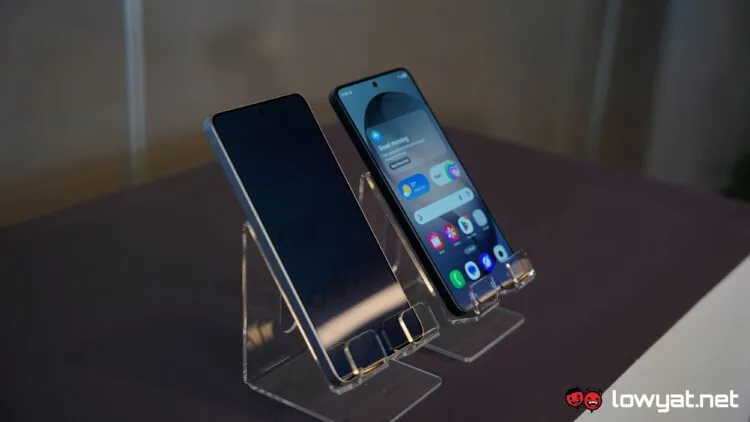
One of the headline features introduced with the Samsung Galaxy S26 Ultra is its Privacy Display, a hardware-based screen technology that makes on-screen content difficult to view from the side while remaining visible to the person directly in front of the device. Prior to the phone’s launch, rumours suggested that several Chinese smartphone brands were already working on their own versions of the feature, but a new leak indicates those efforts may be progressing more slowly than expected.
According to tipster Digital Chat Station on Weibo, development of Samsung-style privacy displays among Chinese manufacturers has encountered obstacles, with display quality reportedly remaining a key concern. The leaker claimed that some phone makers may instead choose to wait until Samsung is ready to supply its privacy-enabled display panels to third parties, something that could happen by the end of 2028.
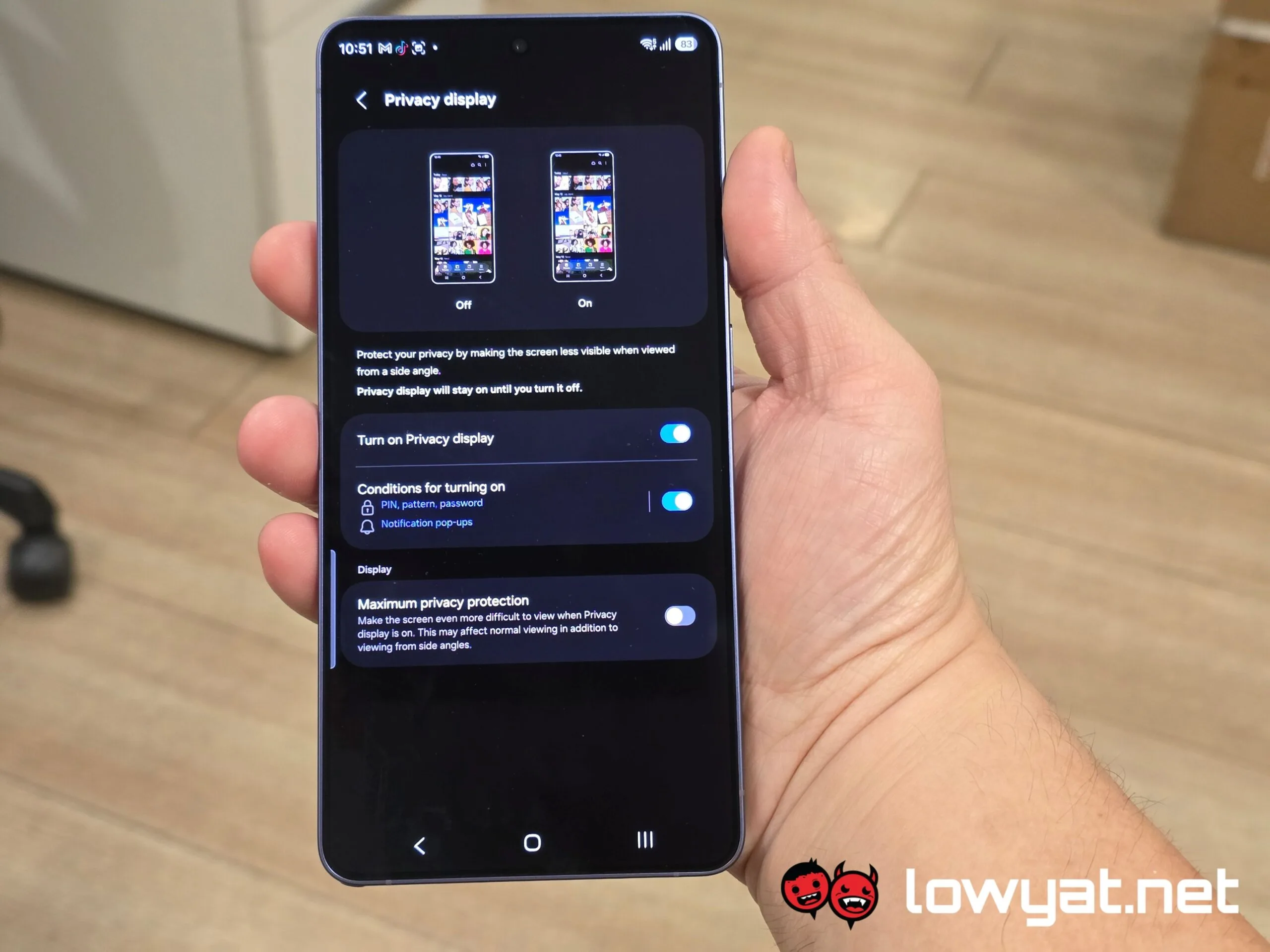
Digital Chat Station also mentioned that a company known as Yaozi has been testing similar display technology, although the quality and performance of those panels are said to remain uncertain. As a result, manufacturers that were initially interested in developing independent alternatives may be reconsidering their plans.
The latest development contrasts with rumours that emerged in February, which suggested several Android manufacturers in China were already exploring their own take on Samsung’s Privacy Display technology. At the time, reports indicated that brands were studying ways to replicate the feature, potentially allowing it to spread beyond Samsung’s ecosystem much sooner.
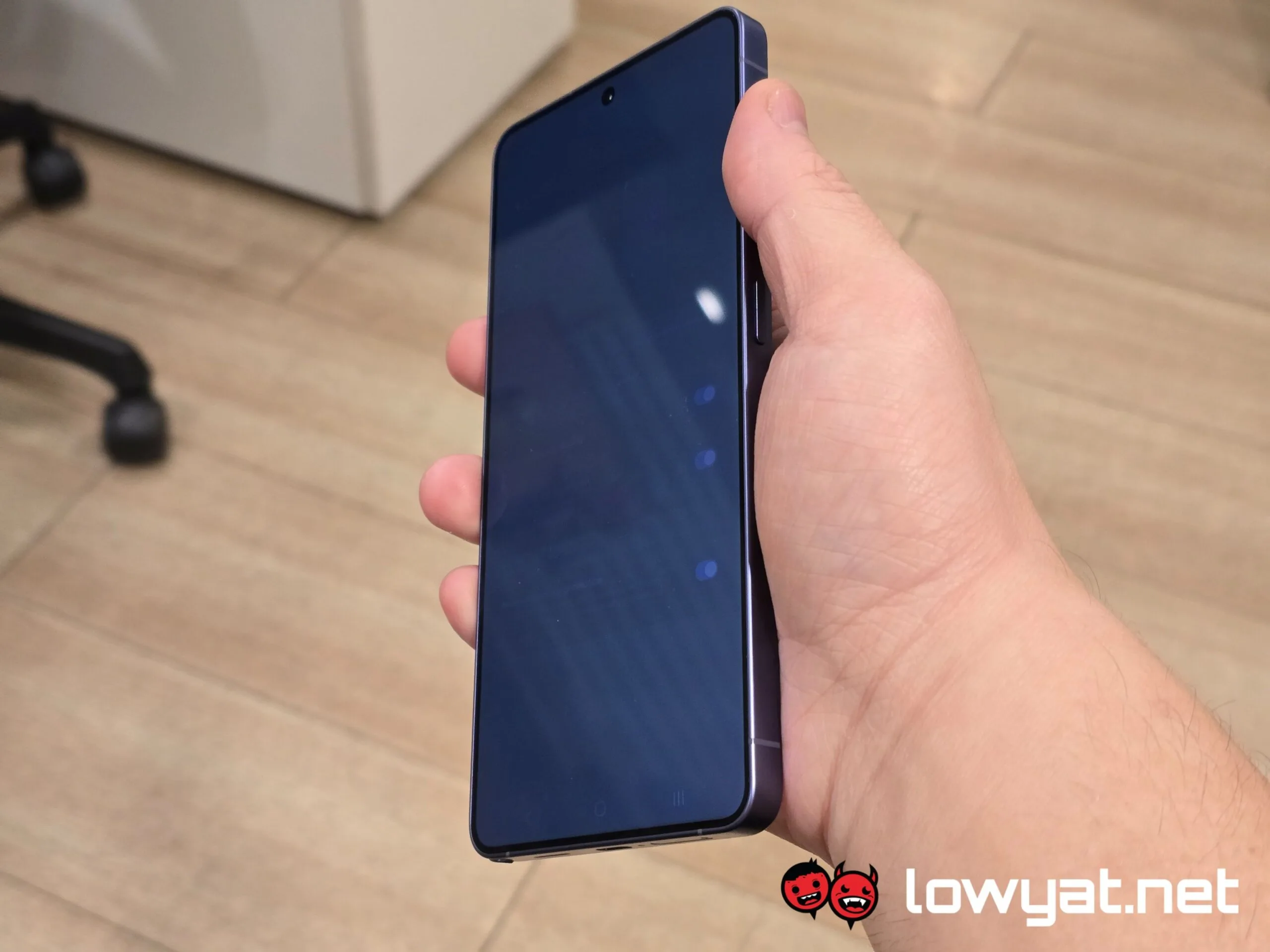
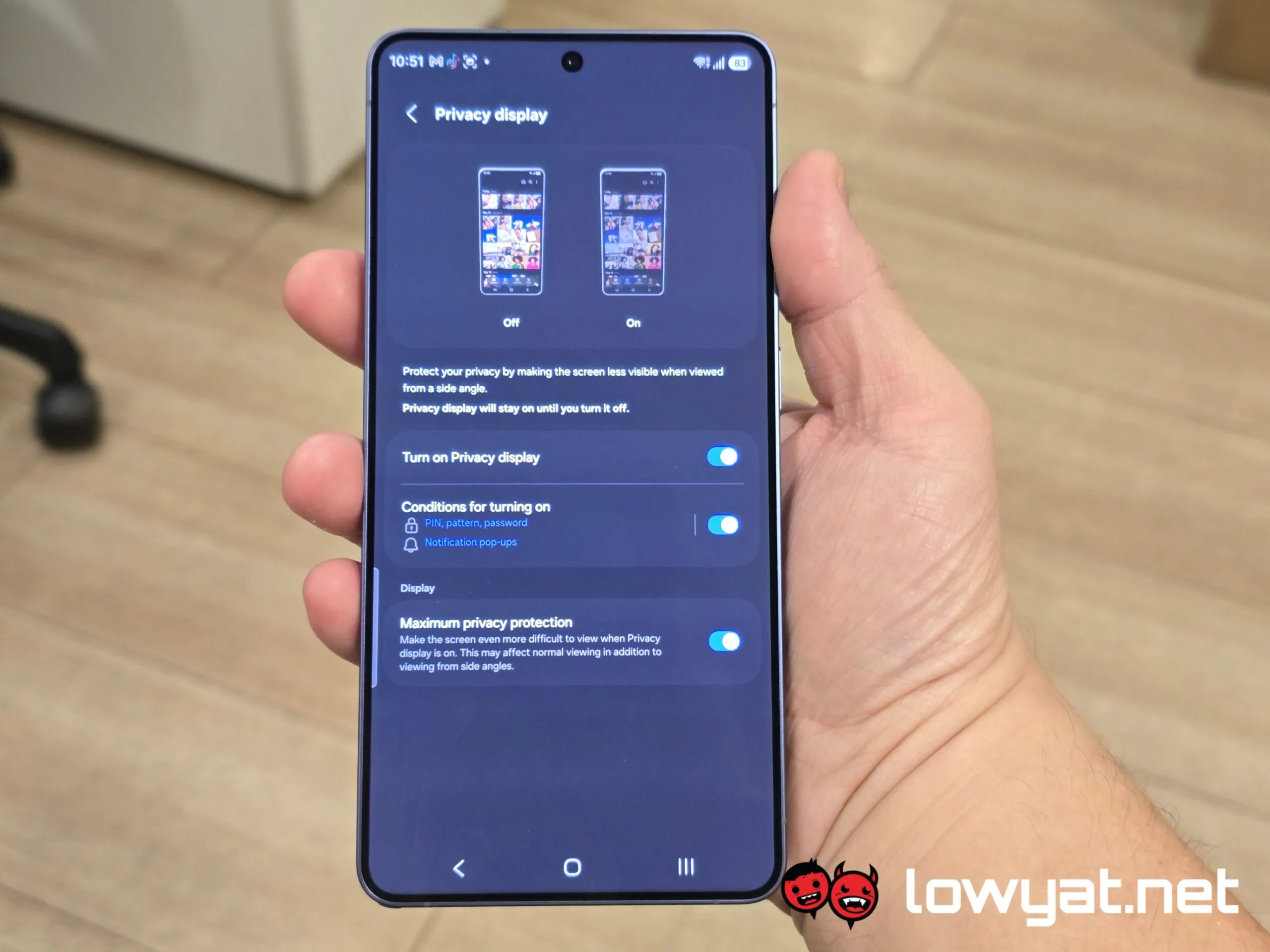
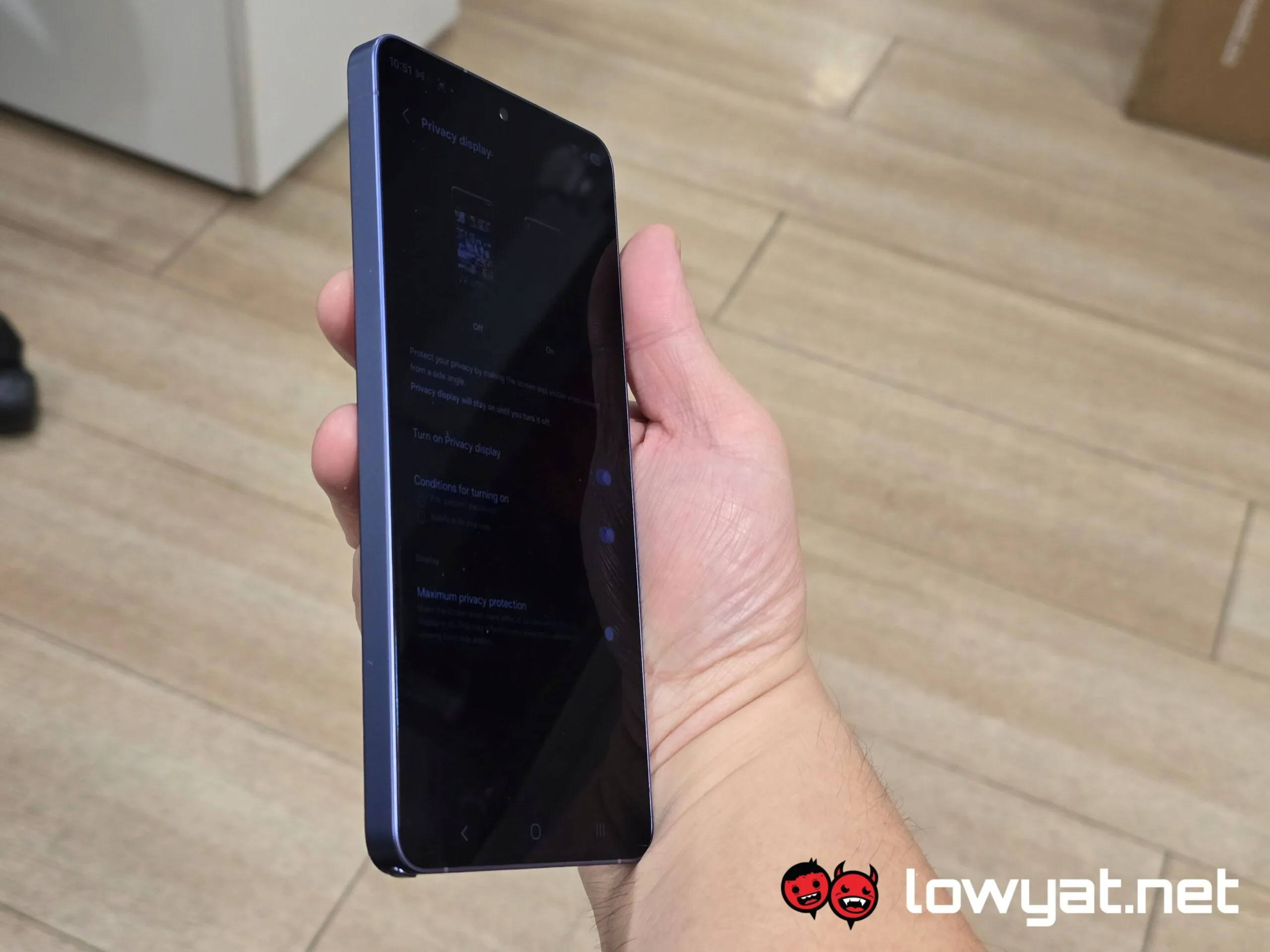
That said, Samsung’s implementation has not been entirely free of criticism. Shortly after the Galaxy S26 Ultra’s launch, some users reported issues ranging from reduced brightness uniformity to noticeable image quality degradation under certain viewing conditions. While Samsung has yet to publicly acknowledge any widespread defects, the reports prompted discussions over whether the privacy benefits justify the trade-offs in display quality.
Interestingly, another recent rumour suggests Xiaomi may still be moving ahead with its own version of the feature. Last month, tipster Yogesh Brar claimed that Xiaomi is working on a Privacy Display-like function that could debut alongside HyperOS 4 later this year.
However, the mention of HyperOS 4 raises questions about how Xiaomi intends to implement the feature. Samsung’s Privacy Display relies on dedicated display hardware, whereas a feature delivered through a software update would likely use a different approach. It remains possible that Xiaomi is preparing compatible hardware for future devices and that HyperOS 4 will simply serve as the platform that enables it.
For now, Samsung appears set to remain the only major smartphone manufacturer offering a hardware-based privacy display solution. Whether rivals can successfully develop comparable alternatives (or ultimately rely on Samsung as a supplier) remains to be seen.
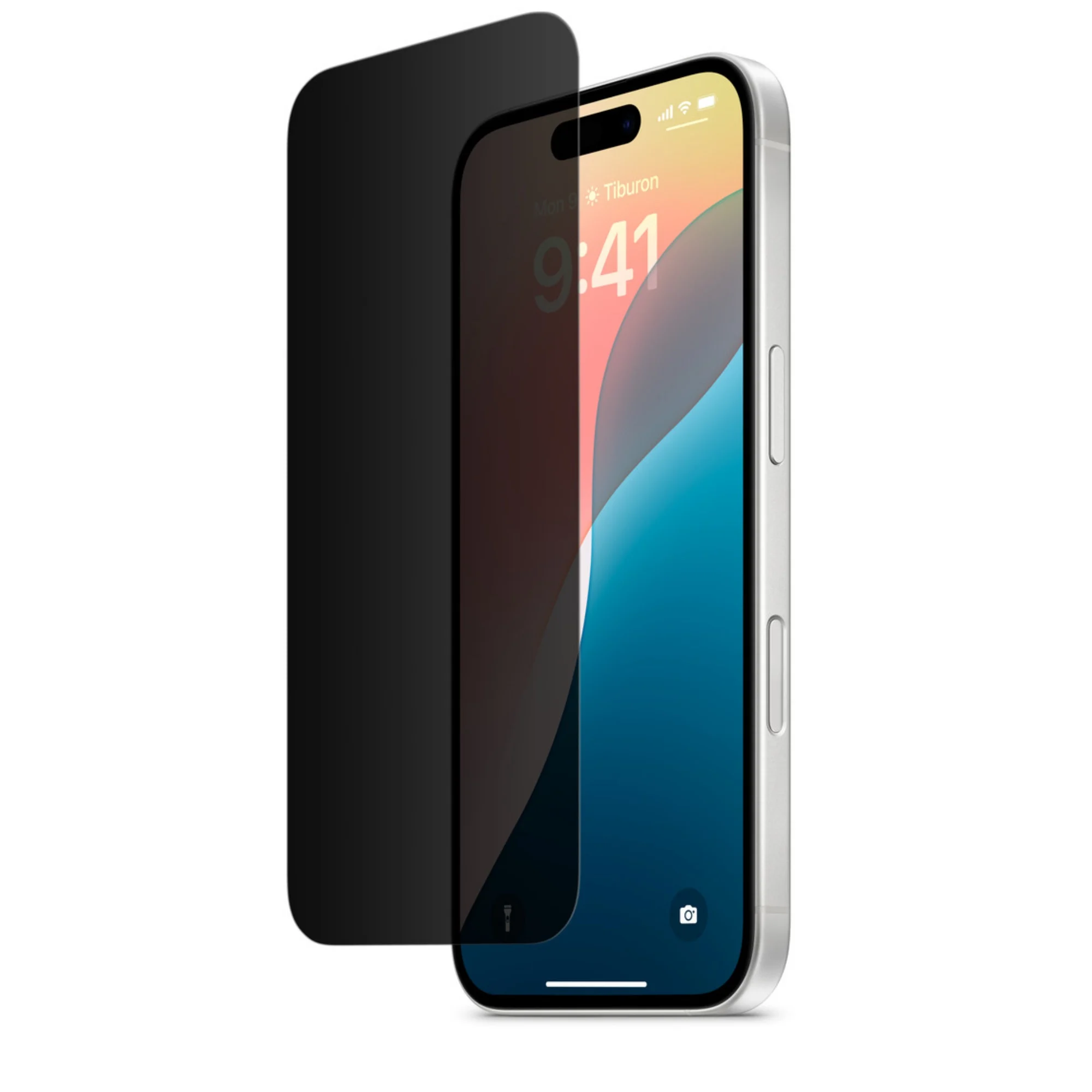
In the meantime, the closest alternative for existing smartphone users comes in a far simpler form: privacy screen protectors. Similar in principle to Samsung’s Privacy Display, these accessories limit the visibility of on-screen content when viewed from the side while simultaneously providing an additional layer of screen protection.
The key difference is that privacy screen protectors are not integrated into the device itself and cannot be enabled or disabled on demand, nor block out certain parts of the screen. Nevertheless, they remain a readily available option, with many models sold through local gadget retailers and online marketplaces for under RM20.
(Source: Digital Chat Station, via Weibo / Yogesh Brar, via X)
