
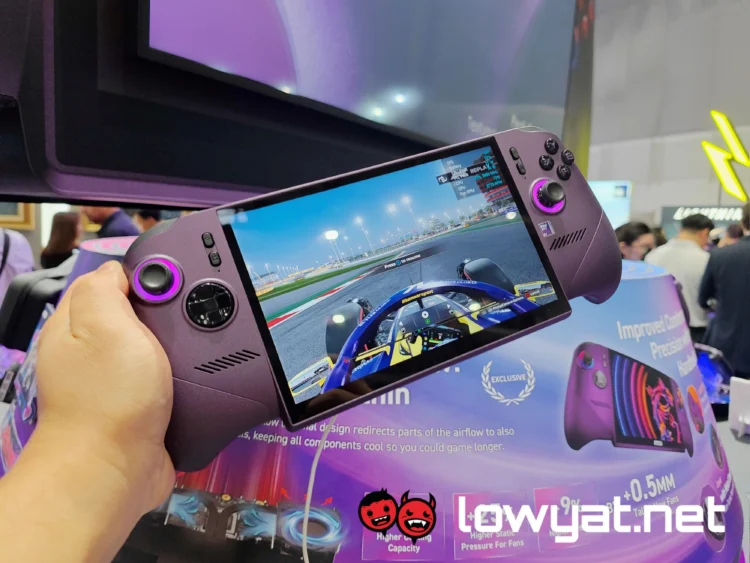
It’s taken MSI three tries, but it feels like the company has gotten the hang on the gaming handhelds with the Claw EX 8 AI+. No, technically the Claw 8 AI with the Ryzen Z2 Extreme doesn’t count because, one: that version of the handheld technically never saw a launch on our shores and two, the Claw lineup has typically been associated with being one of the only mainstream handhelds to ship out using Intel’s silicon.
Here’s what MSI is working with: the Claw EX 8 AI+ is the first gaming handheld to house Intel’s recently announced Arc G3 Extreme iGPU, which itself is cut from the same cloth of the blue chipmaker’s Panther Lake lineup.
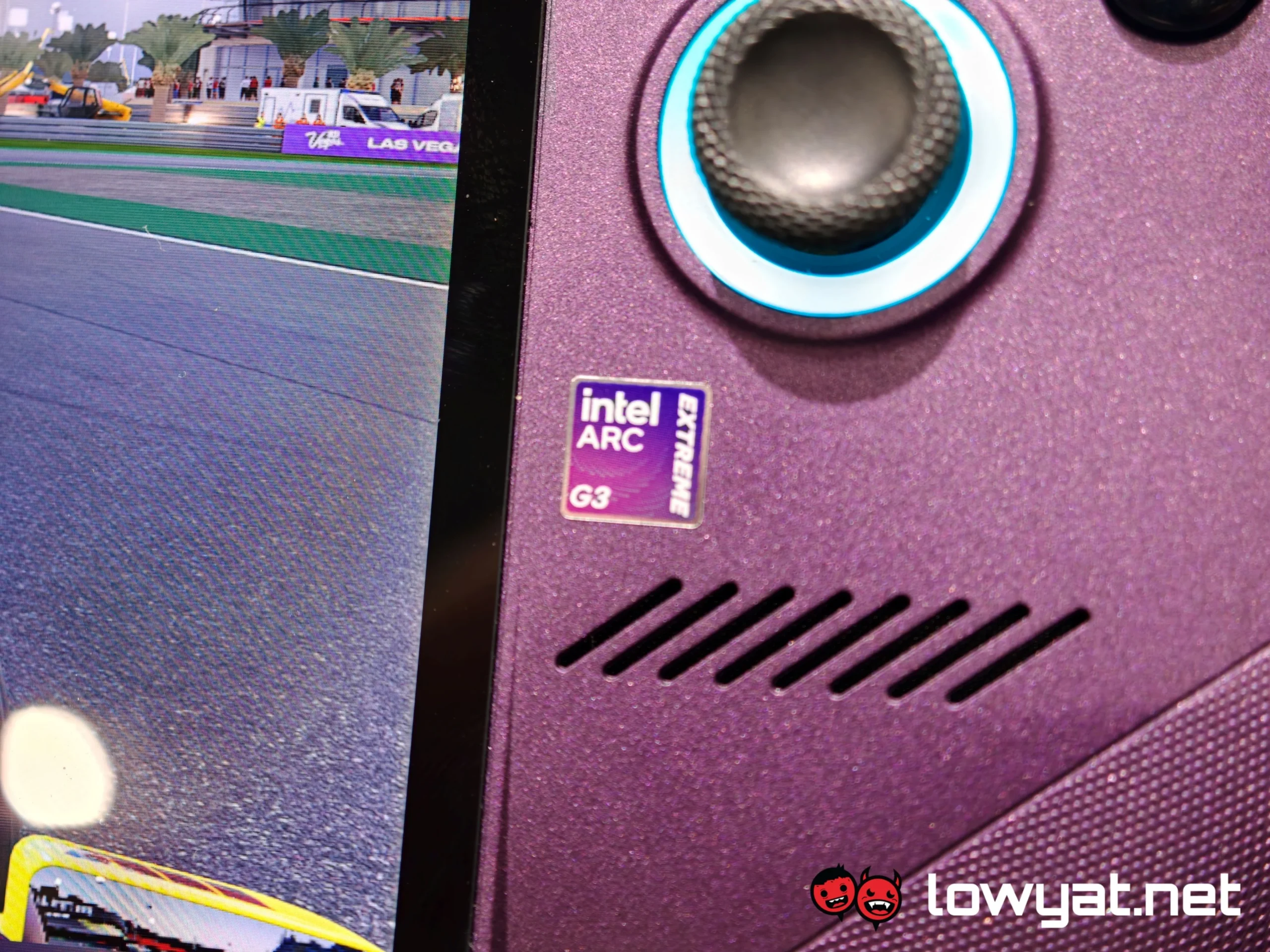
Well, okay: it’s a slightly watered down version of its top-tier Panther Lake models, but it still uses the same B390 iGPU. Specs-wise, we’re looking at 14 CPU cores, comprising two P-Cores, eight E-Cores, and four LP E-Cores. The P-Cores themselves have the ability to turbo up to 4.7GHz at full whack, and there’s 12MB of Intel Smart Cache to help it along.
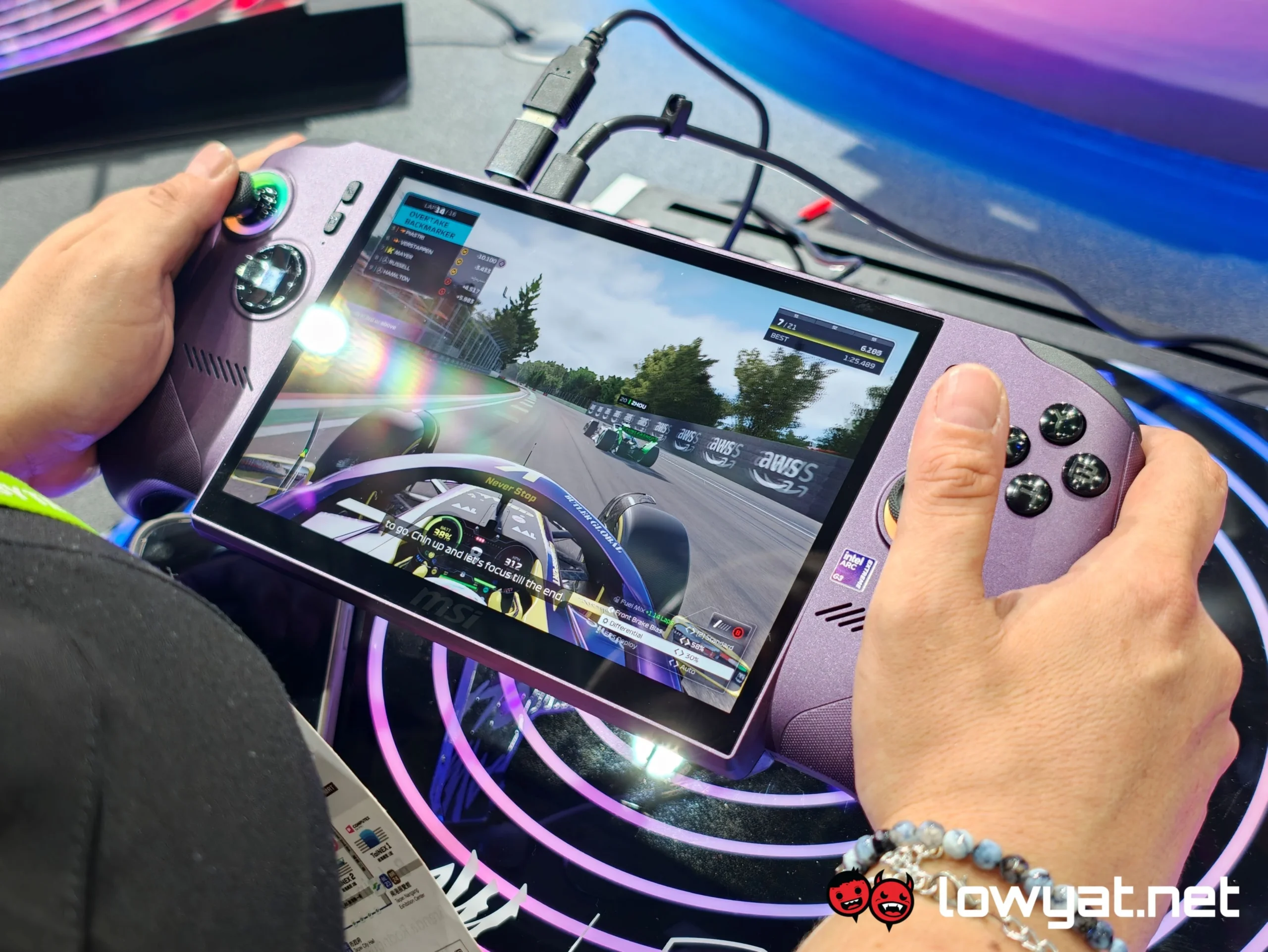
In my short time with the Claw EX 8 AI+, my initial impressions of the chipset in the context of a handheld remain the same as when I reviewed this year’s Asus Zenbook Duo: nothing short of breathtaking. The game they had on tap was one of the F1 racing titles, and the handheld was definitely churning out more than 60 fps on average, and entering the 100 fps range. Mind you, this was with the handheld constantly plugged in, which means that the power profile would’ve automatically been switched to the highest performance setting.
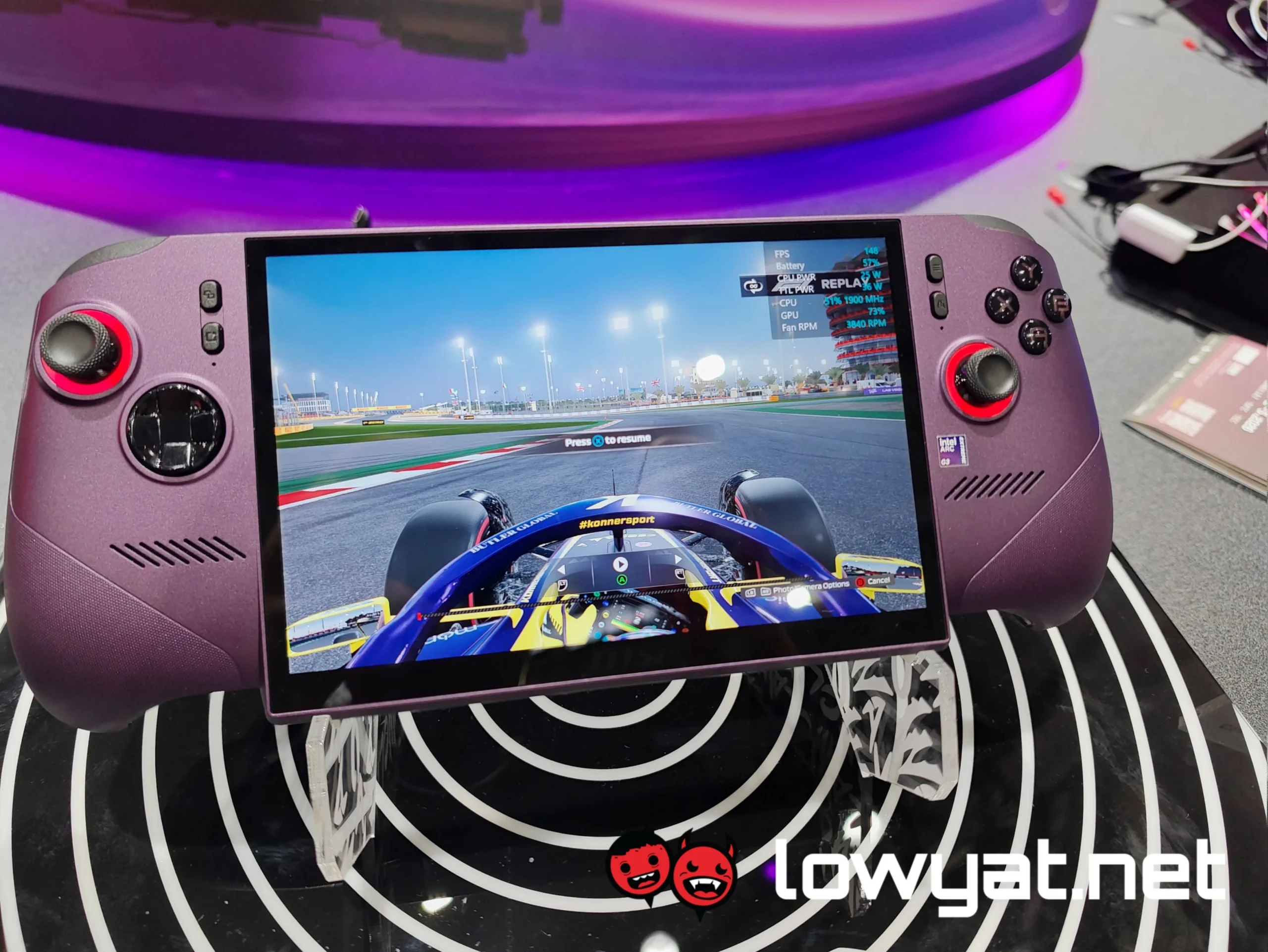
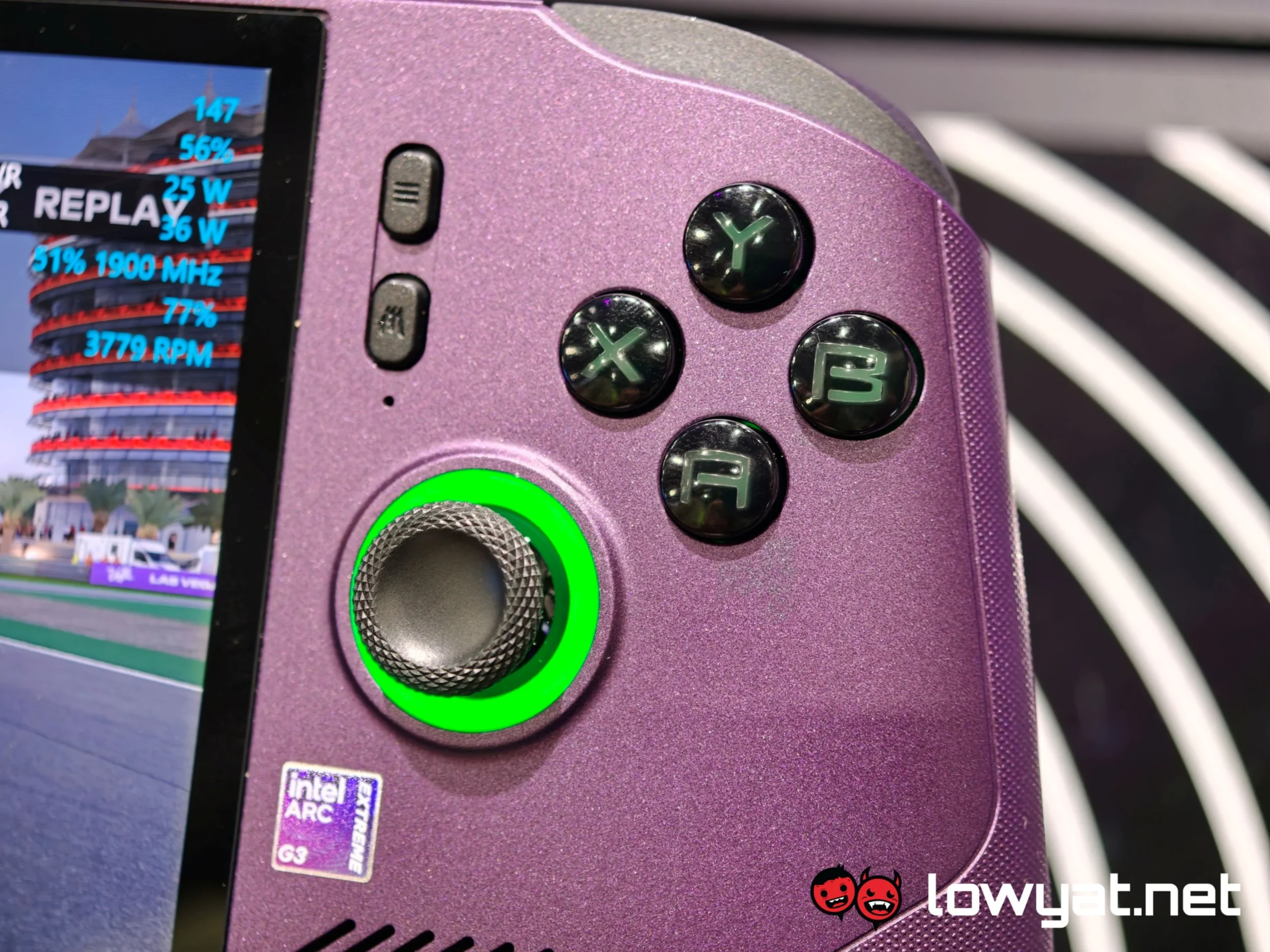
There was also a demo with Hogwarts Legacy, which ran smoothly as well, with average frames hitting well beyond the 100 fps range. Of course, it’s clear that this was achieved with XeSS and Frame Generation turned on, given that the title is one that supports Intel’s upscaling technology.
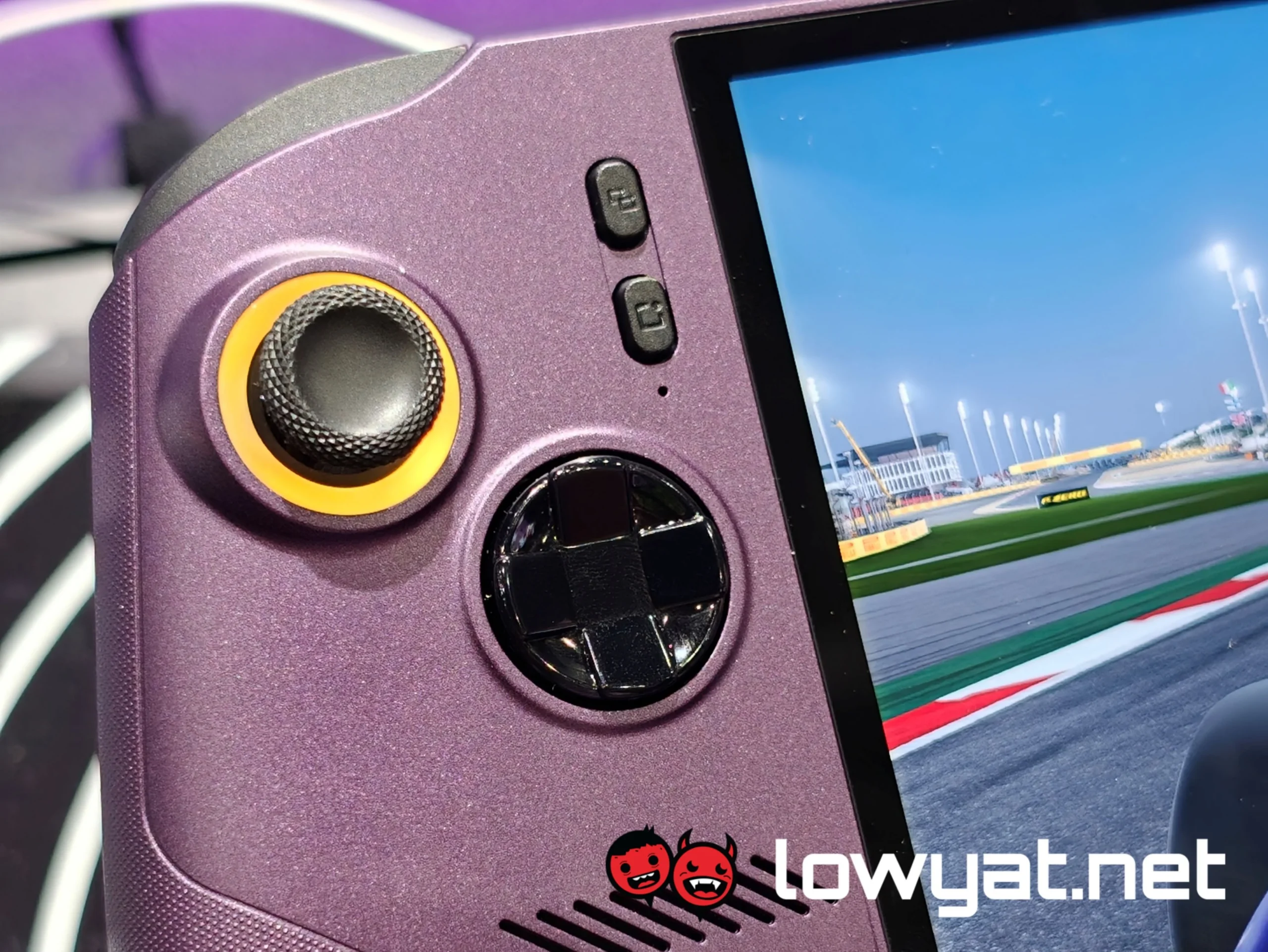
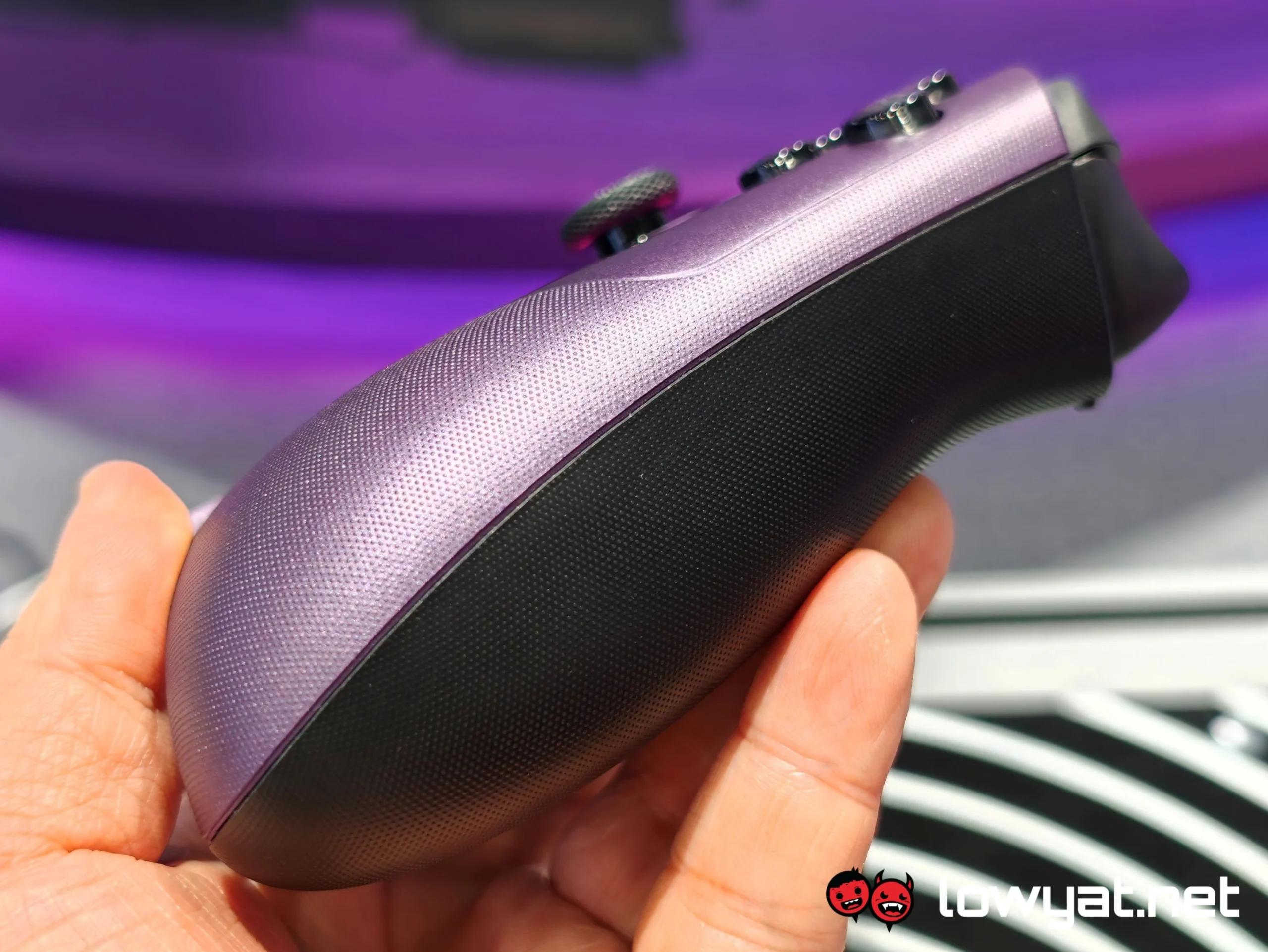
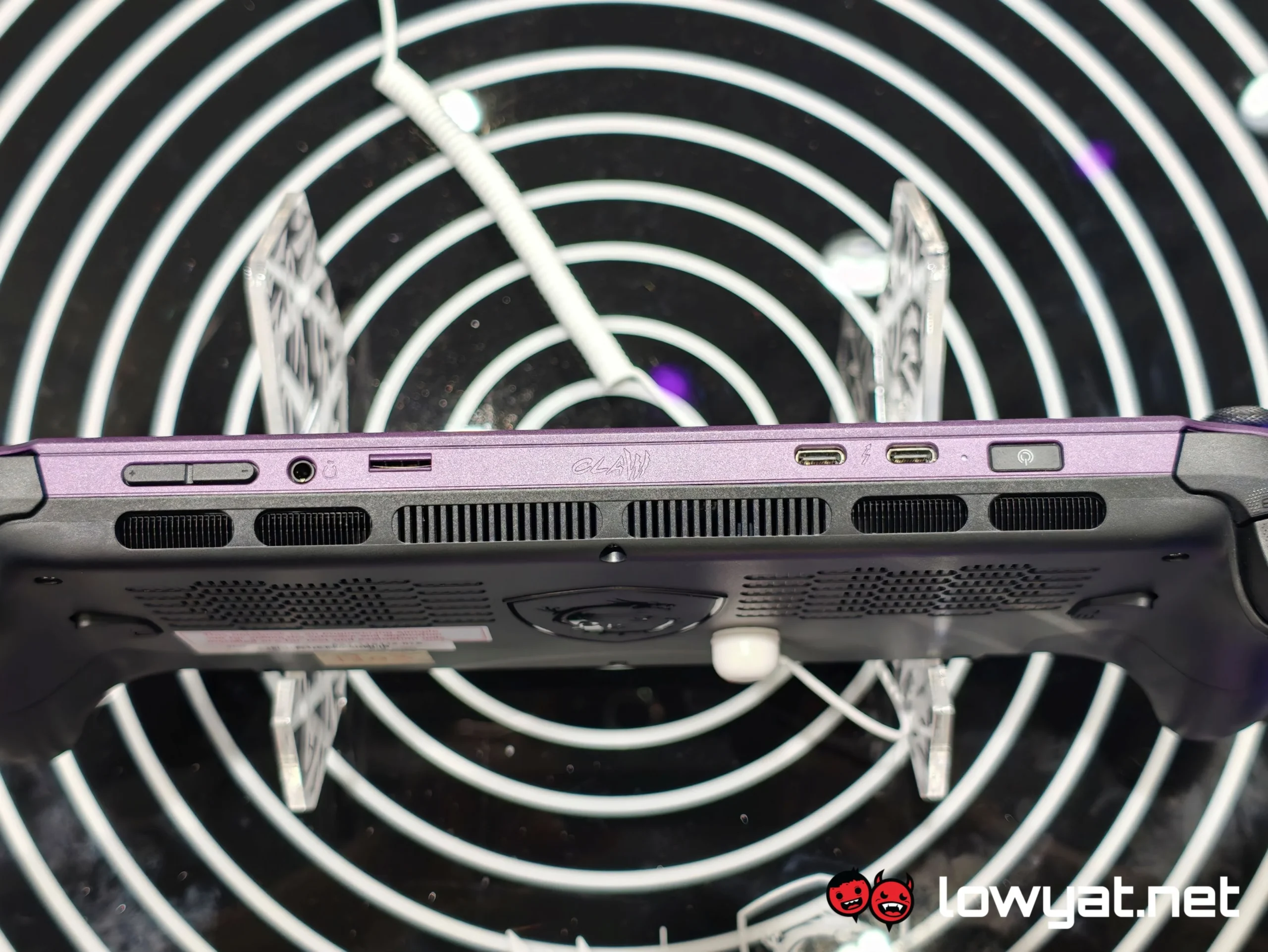
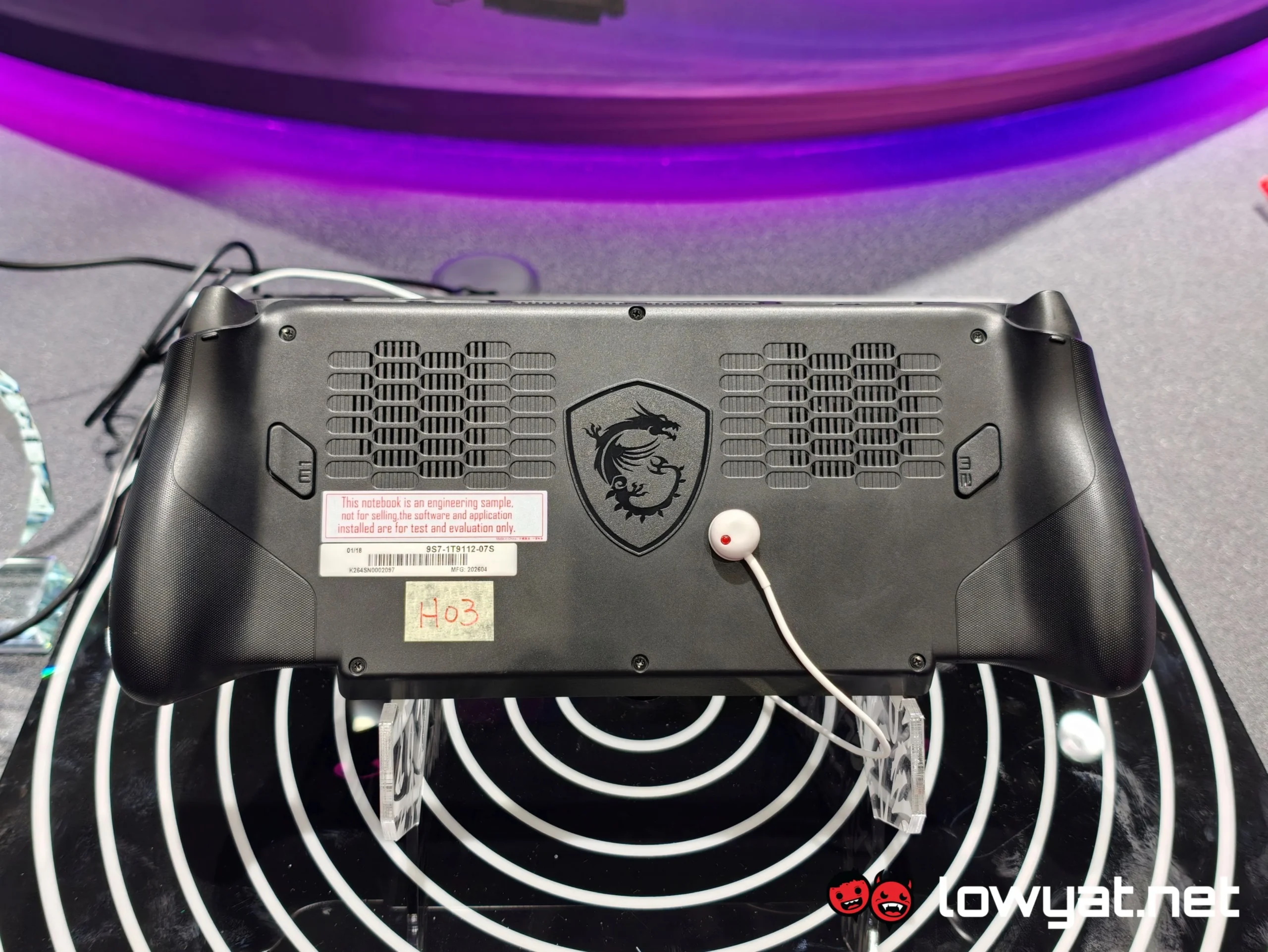
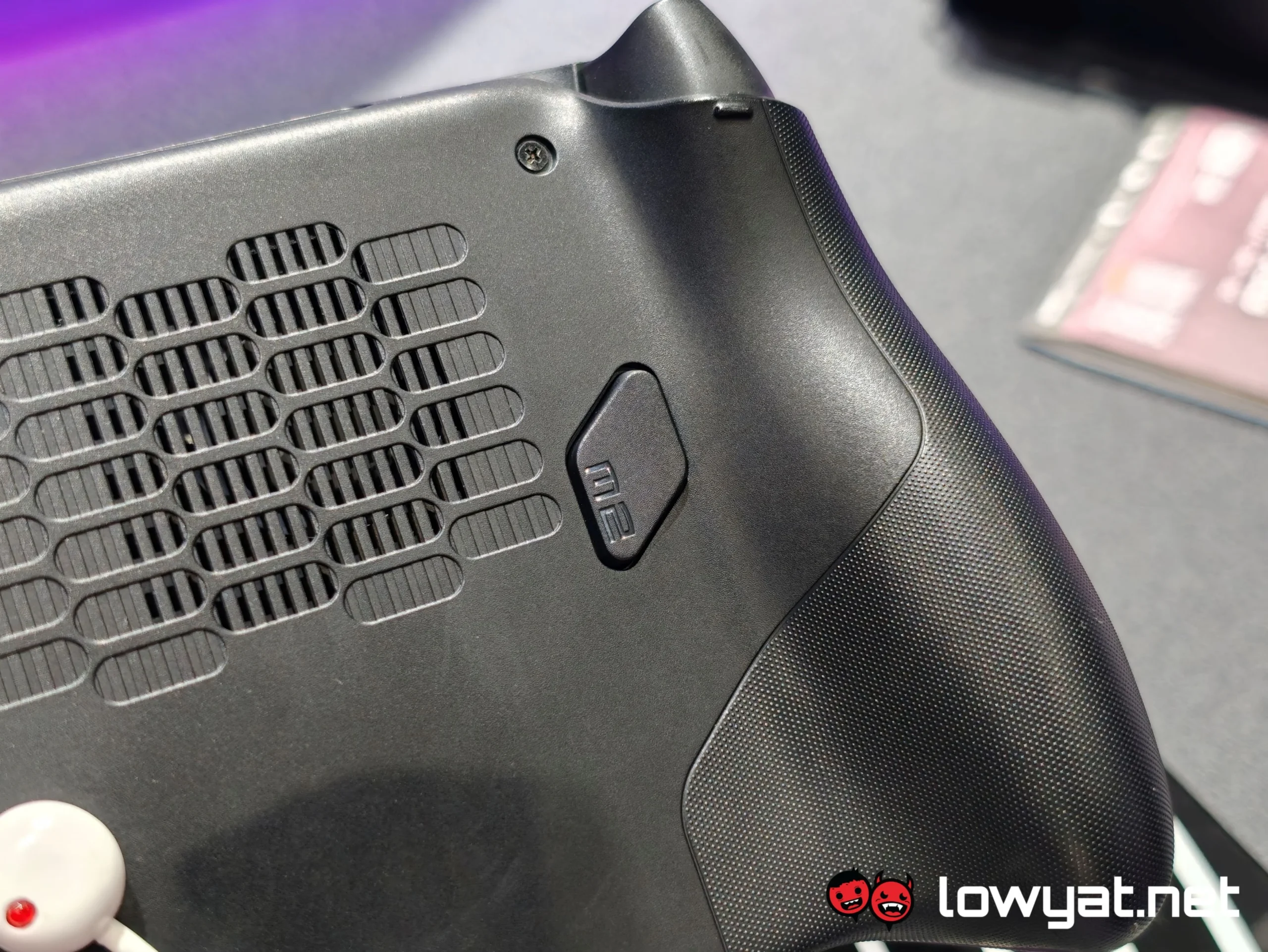
Right, gaming performance out of the way, I can now talk about the physical aspects of the Claw EX 8 AI+. Stating the obvious, it’s still a chonker of a handheld. With this iteration, though, it appears that MSI has dialled down on the details. Compared to its predecessor, they look plain but functional. The good news is, the corners are textured, so there’s no fear of it slipping from sweaty palms. The rear remains the same as before: the buttons here are positioned symmetrically to the height of the main body, similar to the back buttons of the Steam Deck.
Moving on, I can’t say I’m a fan of the design of the display. The full specs sheet isn’t out yet, but the panel isn’t anything to shout about: it’s an 8-inch touch display with a VRR of 120Hz. As we’ve reported prior, the display is an IPS panel, which again isn’t uncommon. The colours aren’t as bright and punchy, but the demo titles on it showed that it doesn’t necessarily need OLED to deliver a decent gaming handheld experience.
But where I do take a really slight issue with it is how it vertically extends beyond the length of the console. It’s like MSI decided to give an extra inch but didn’t want to create a new mould for the entire chassis, so it just asked its engineers, “Would you kindly add that extra inch down at the bottom of the handheld?”, and they just didn’t argue about it.
Of course, there are a couple of things I can’t really speak at length about, namely battery life and price. The former because I would need to get handsy with the handheld over a review period for it, but that 80Whr battery could work in its favour.
As for the latter, that’s simply because MSI hasn’t quite landed on a price point that would make it competitive against its rivals. Again, the ongoing memory shortage is in play here, so I wouldn’t be surprised if the company decided to charge north of RM5,000.
