
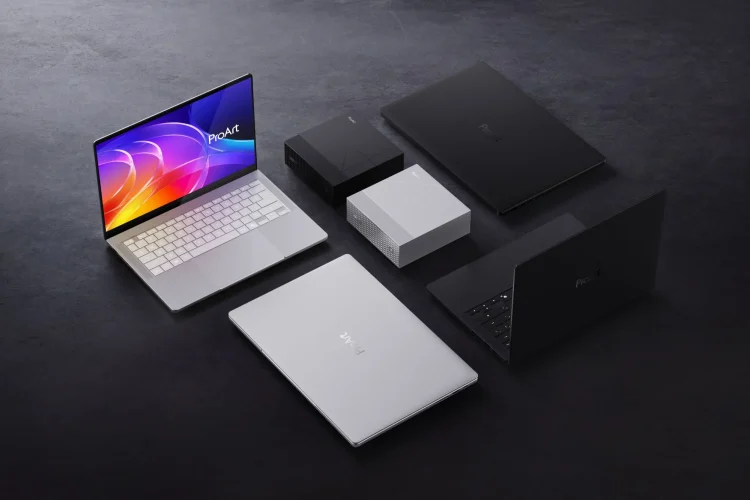
The NVIDIA RTX Spark is the new player in the PC SoC space, taking the company’s GPU expertise and applying it to CPUs as well. What follows is, naturally, PC makers announcing their own hardware that makes use of the chipset. Among the first is ASUS, with not only entries into its ProArt professional line, but also a release window for the Malaysian market. Well, for two of the three products announced at least.
These are the ASUS ProArt P14 and P16, though the refresh sees them holding on to the relatively new Lumina Pro OLED screen. The smaller of the two comes with a resolution of up to 3K, while the larger one goes up to 4K plus a 120 Hz variable refresh rate and NVIDIA G-Sync. The company is not sharing further specs specific to either size just yet, but what’s available include an anti-reflective coating for the aforementioned screen, plus a peak brightness of 1,600 nits.
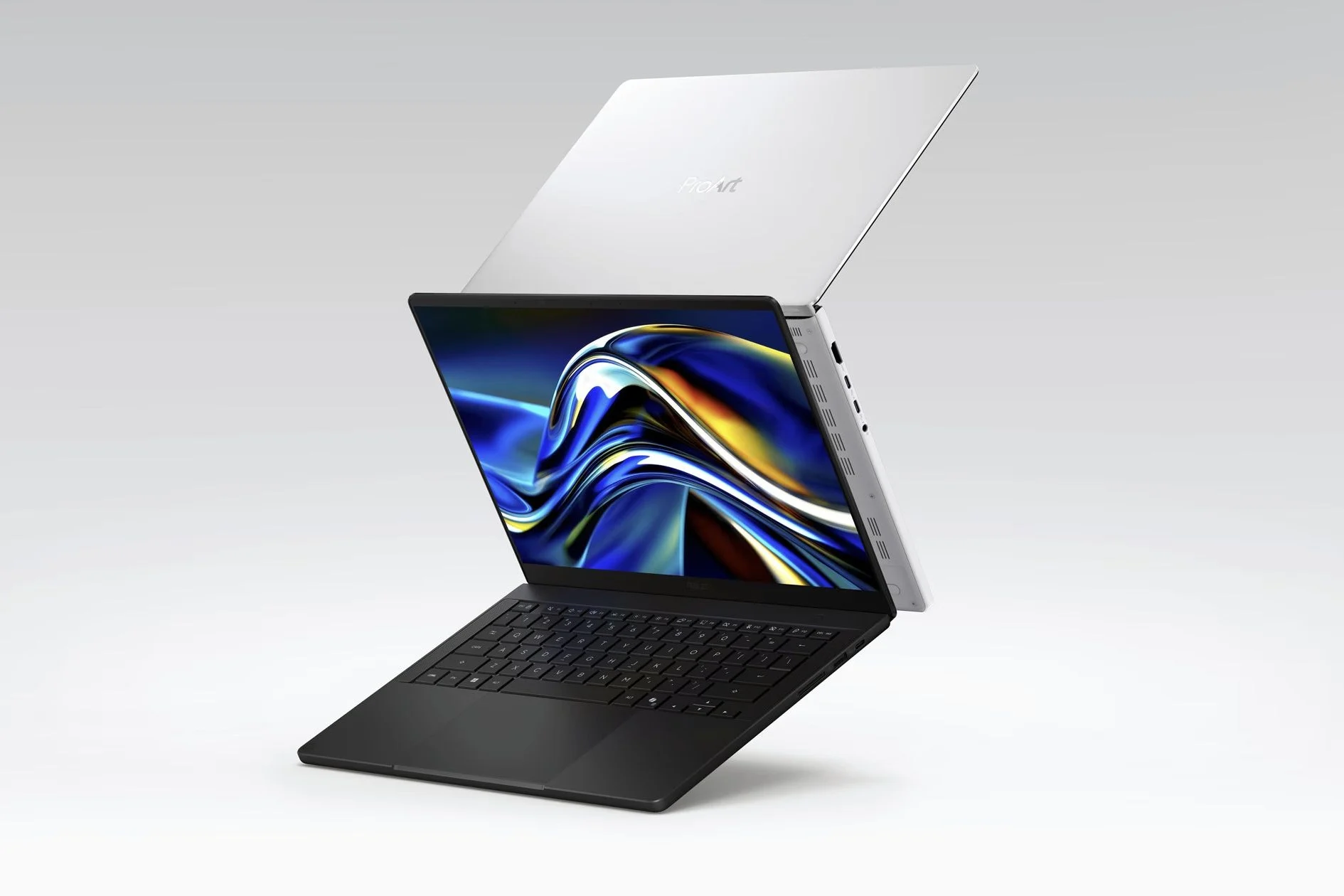
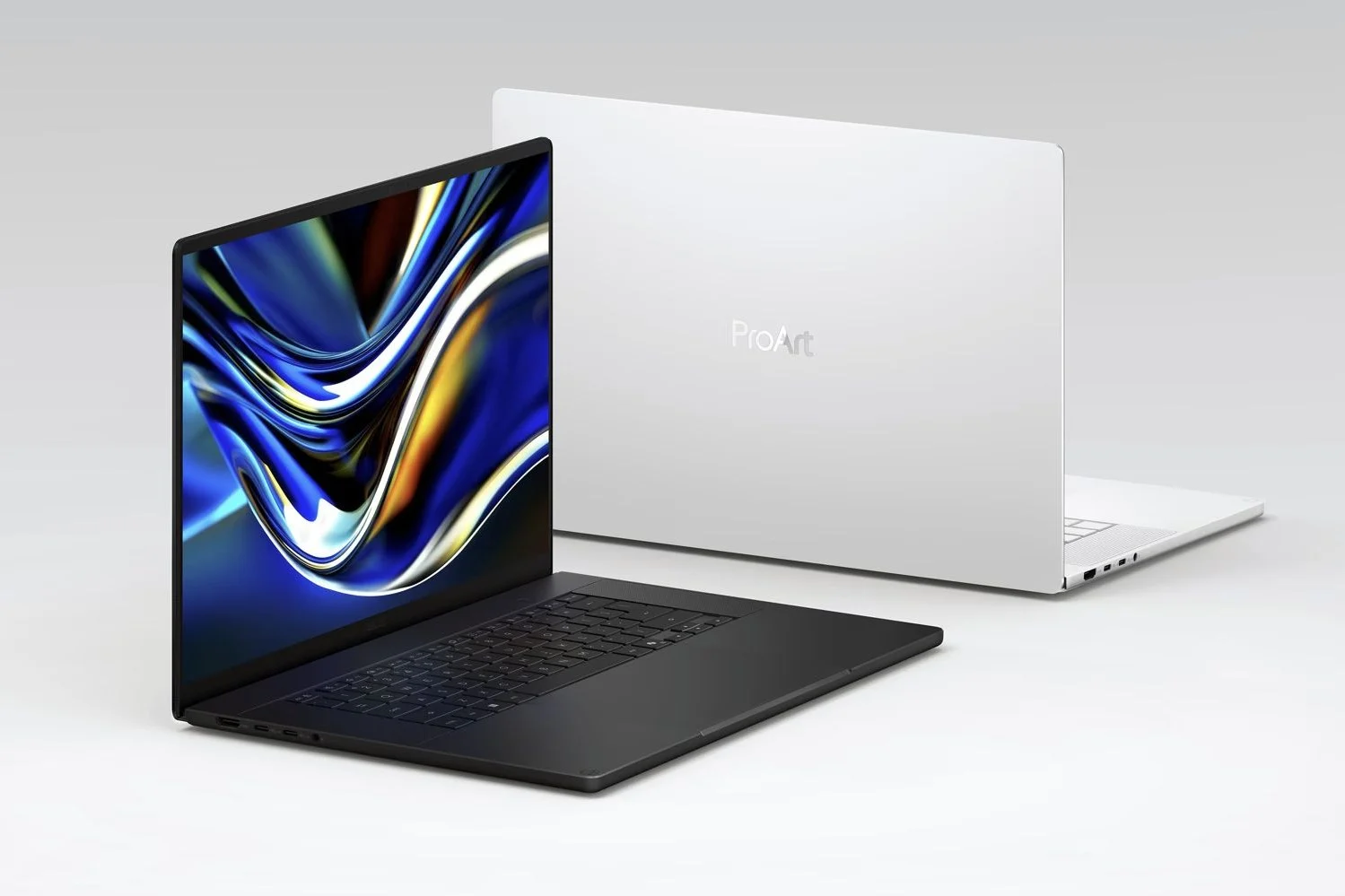
Going a bit further, ASUS claims that the refreshed ProArt P14 and P16 are 13% thinner and 16% lighter than the previous generation. This is achieved while still being able to stuff battery packs of up to 99.9 Wh into them, giving them a claimed all-day battery life. Beyond that, most of its number-crunching capabilities are as NVIDIA announced when the RTX Spark was first unveiled. Which includes 20 Grace CPU cores, 6,144 Blackwell RTX GPU cores, 5th generation Tensor Cores, and 128GB of unified memory.
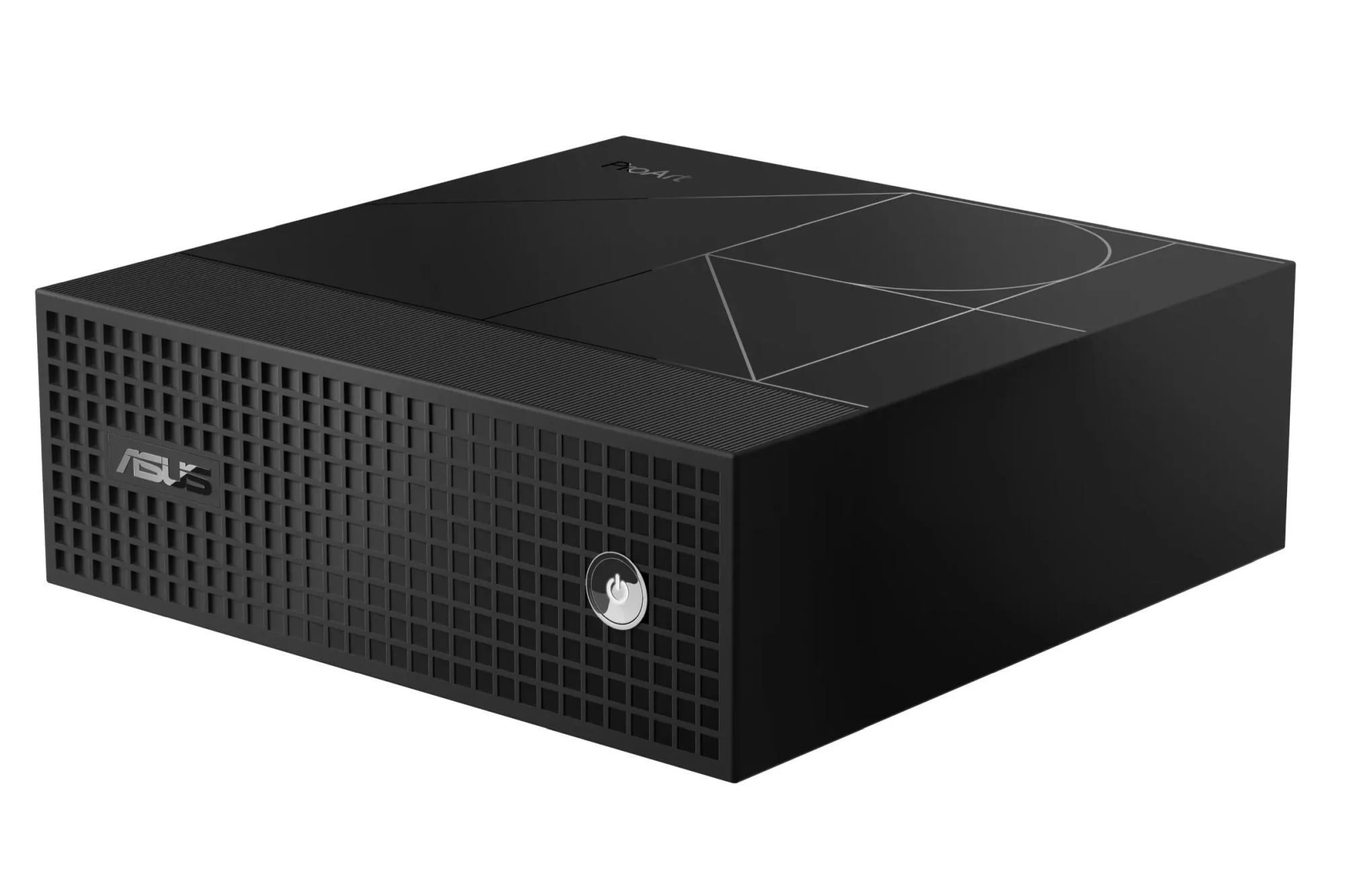
Beyond the two laptops, ASUS also announced the ProArt Mini PC, which measures 150 x 150 x 51mm in size. In addition to the capabilities of the NVIDIA RTX Spark chip, it also features what the brand calls “a robust thermal architecture with up to 140W thermal headroom to ensure stable long-duration performance during intensive AI processing and demanding rendering tasks”. Additional features include support for 10GbE wired networking and four M.2 PCIe 5 expansion slots.
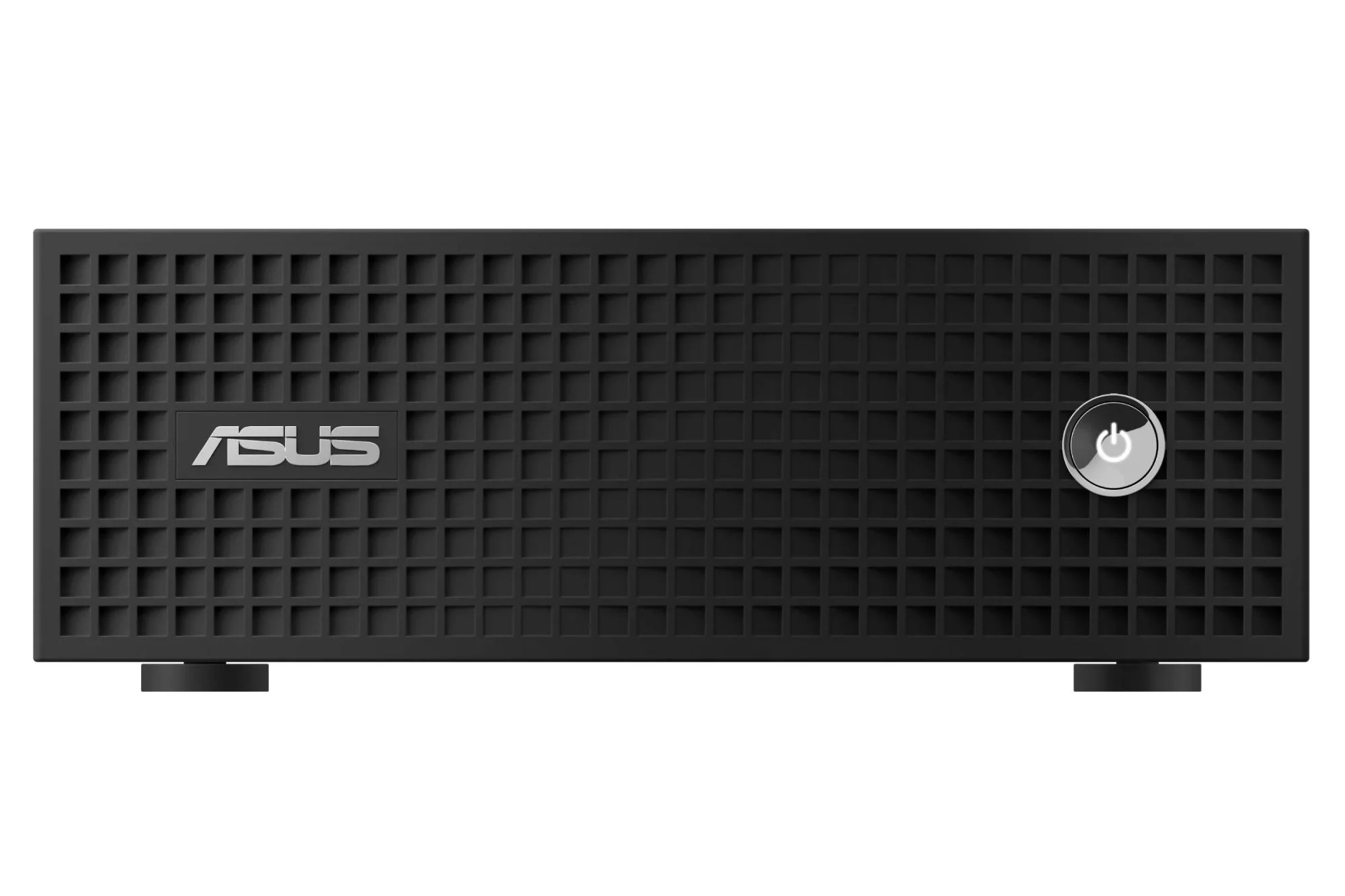
As mentioned earlier, two of these three items have a Malaysian release window. These are the ASUS ProArt P14 and P16 laptops, which will hit shelves sometime within Q3 of 2026. Specifics on available configurations and their prices will be revealed closer to the launch window. As for the ProArt Mini PC, the company says to stay tuned, as even the availability window will be announced at a later date.
