
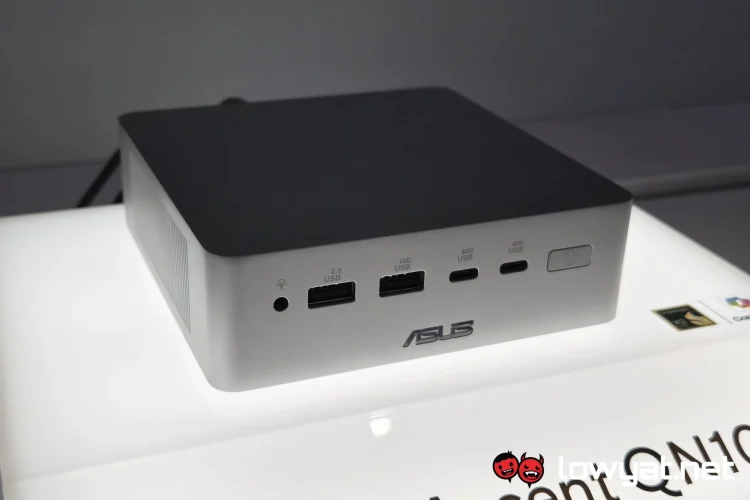
The Qualcomm Snapdragon X2 chips have mostly been a fixture of laptops, but it has finally made the jump to the mini-PC space. And it has done so with the ASUS Ascent QN10, with the chipmaker saying that it is “proof that the same platform redefining laptops can now deliver premium desktop experiences in compact, efficient small form factor designs”.
More specifically, the ASUS Ascent QN10 runs the Qualcomm Snapdragon X2 Elite. Targeted at prosumers, the chipmaker says that its chip “delivers power-efficient performance that enables content creation, multitasking, and creative workflows – while seamlessly supporting both work and play”. That latter is maybe arguable, but for those looking for a work machine that lets you run AI-driven workflows, then this should be right up your alley.
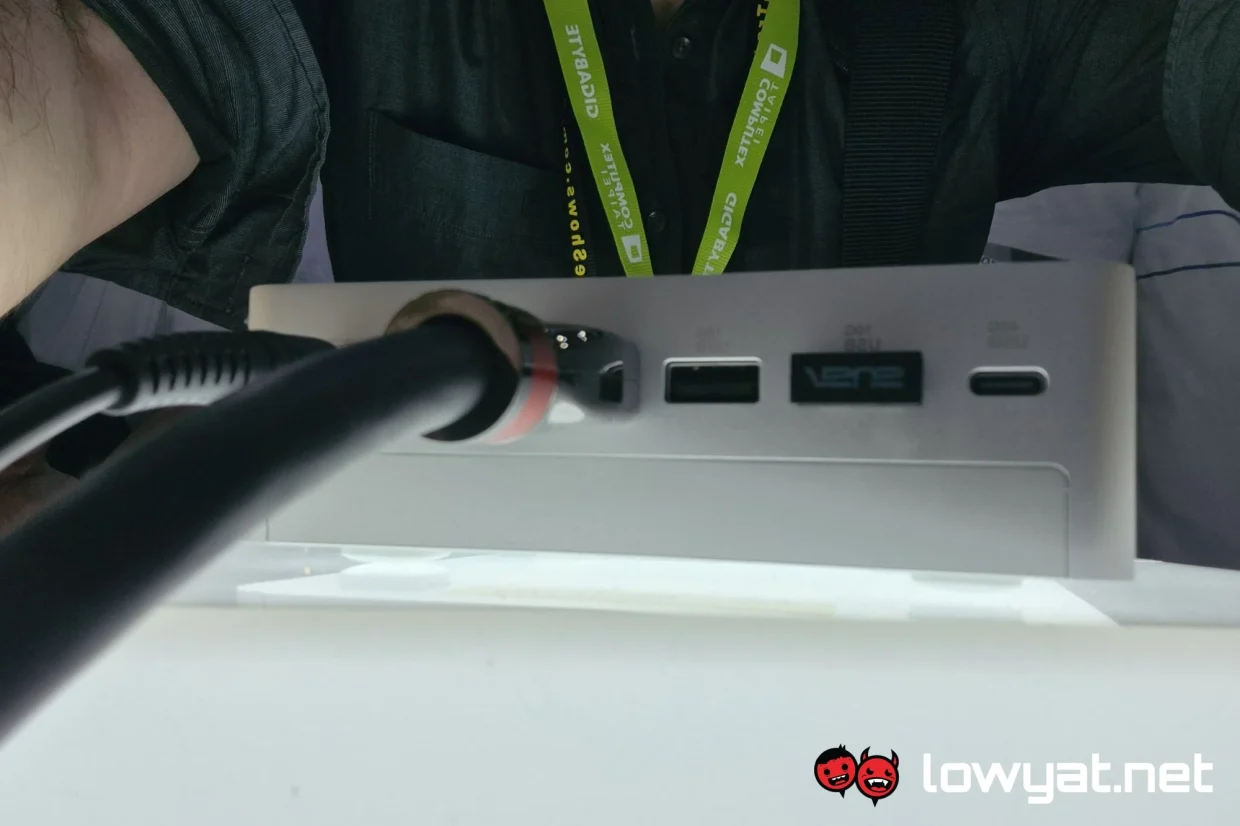
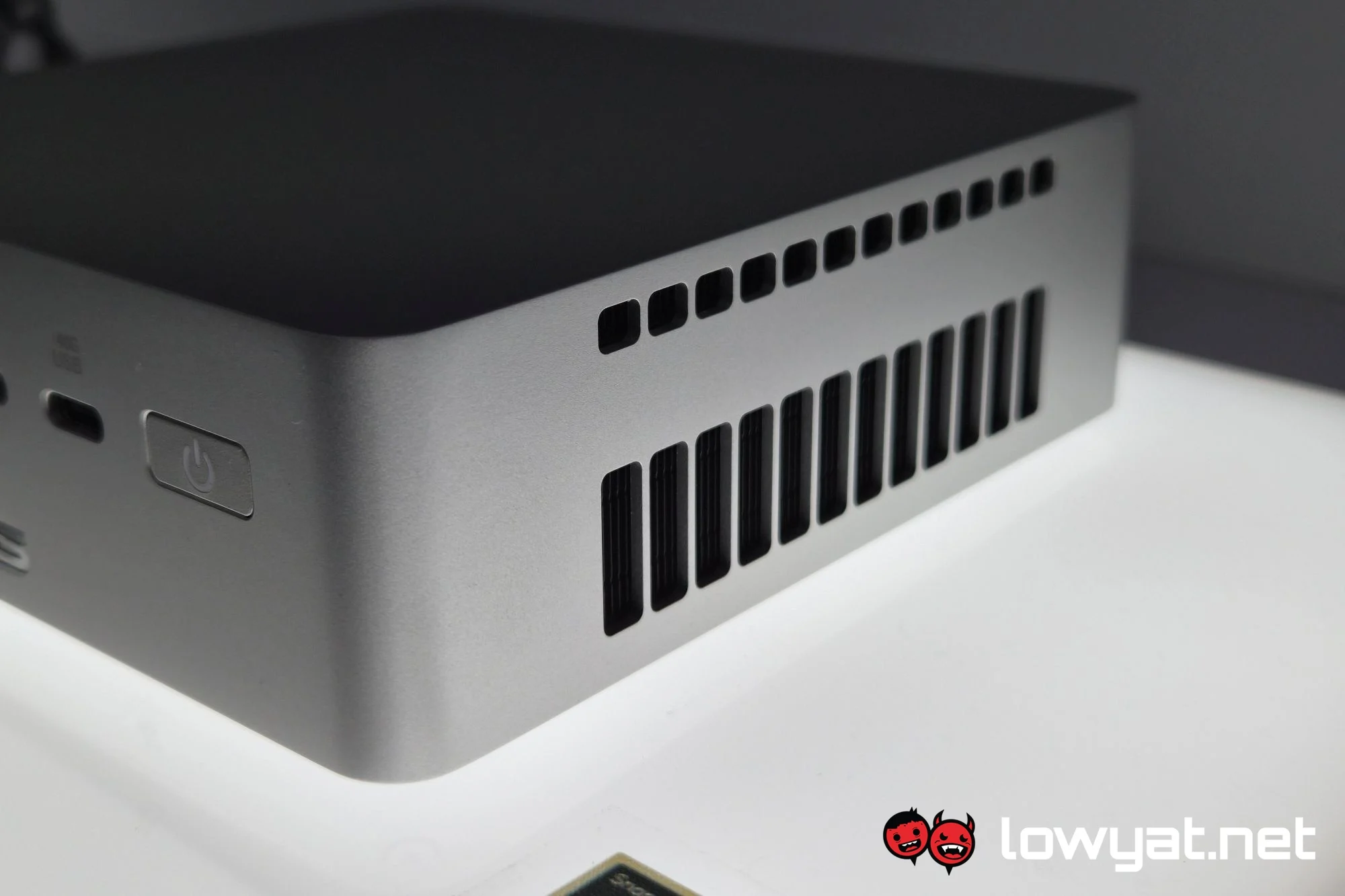
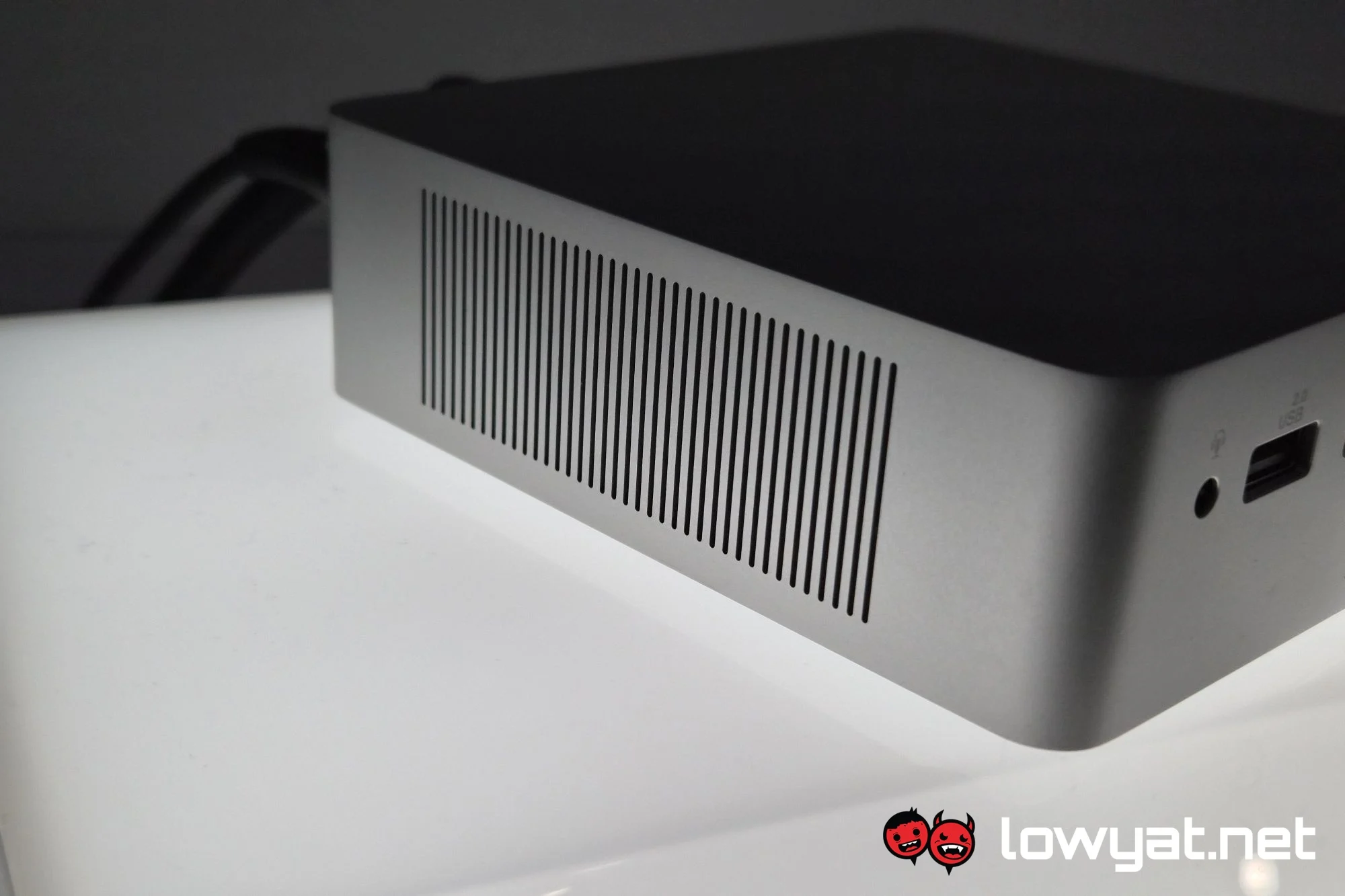
It’s not much different from the average Qualcomm Snapdragon X2 Elite chip that you’d find on laptops. But this does still mean having access to an 80 TOPS NPU for running local AI agents “and orchestrators” like OpenClaw, Hermes, Cursor, Claude Desktop, OpenAI Codex and OpenCode. You get all of that, and what the brand claims to be “enterprise-grade, chip-to-cloud security”. All of that is packed into a body that’s under 0.7 litres, letting it fit into just about any workspace.
Other items on the Ascent QN10 spec sheet, as shown on the official ASUS website, include up to 32GB of LPDDR5x RAM, and 512GB of M.2 SSD storage, with dual SSD support. It can also handle up to four 4K monitors simultaneously, as well as having a total of seven USB ports, a HDMI port, WiFi 7 and Bluetooth 5.4. Also included is a 3.5mm audio jack, and an RJ45 LAN port.
But, as with most things announced during Computex 2026, this does not yet have pricing and availability details. And it will probably be awhile before we hear anything new on that front.
